The Saudi coalition described the attacks as a response to yesterday’s Ansar Allah operation at Abu Dhabi Airport and the al-Musaffah area. As a result of these attacks, five residential houses in the al-Libiyah neighborhood were destroyed. Also, according to the latest statistics from Sanaa hospitals, 12 people have been martyred and 11 injured so far.
According to Abu Dhabi police, three oil tankers caught fire in the Musaffah area. Widespread fires were also reported in the new area of Abu Dhabi International Airport.
According to local sources in the UAE, the attack was carried out by several suicide drones against Abu Dhabi Airport and the Musaffah area. Initial reports also indicates that one Pakistani and two Indian nationals reportedly were killed, and six others were wounded in the attack.
Musaffah is one of the most important economic areas of the United Arab Emirates and has been designated a special economic zone, with numerous factories and port. Therefore, economically, it plays an important role for the position of Abu Dhabi in the Emirates.
Given the history of Ansar Allah attacks on the UAE, it is likely that Samad-3 or Waid drones were used in this attack. It should be noted that the distance between Ansar Allah positions and the UAE is 1300 km and only these drones are capable of flying and reaching to Abu Dhabi.
The Saudi coalition has also claimed the monitoring of Ansar Allah drones flying from Sanaa Airport to the UAE. With this claim, the coalition is trying to justify the air blockade imposed on Sanaa Airport. Hence, there is a possibility of coalition air strikes on Sanaa in the coming hours.
Ansar Allah drone operation on UAE is taking place while the UAE has been supporting and equipping Al-Amaliqah forces in the past and recent military operation in Shabwa and southern Marib provinces. In fact, the recent operation by coalition in Yemen, which resulted in the killing of a large number of civilians living in the provinces of Shabwa and Marib, was ordered by the sheikhs of the UAE. Therefore, Ansar Allah’s timely action in seizing the UAE ship and drone operations on Abu Dhabi is considered as a legitimate response to the UAE aggressions.
The attack also sends an important message to the UAE sheikhs: If you continue your aggression and attacks on Yemen in Shabwa and Marib provinces, Abu Dhabi will no longer be a safe place for international trade!
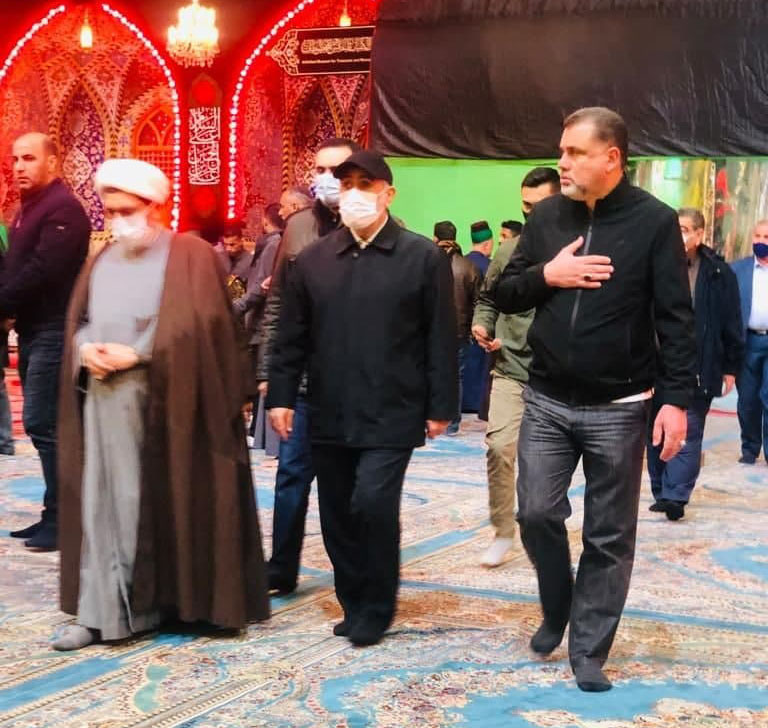
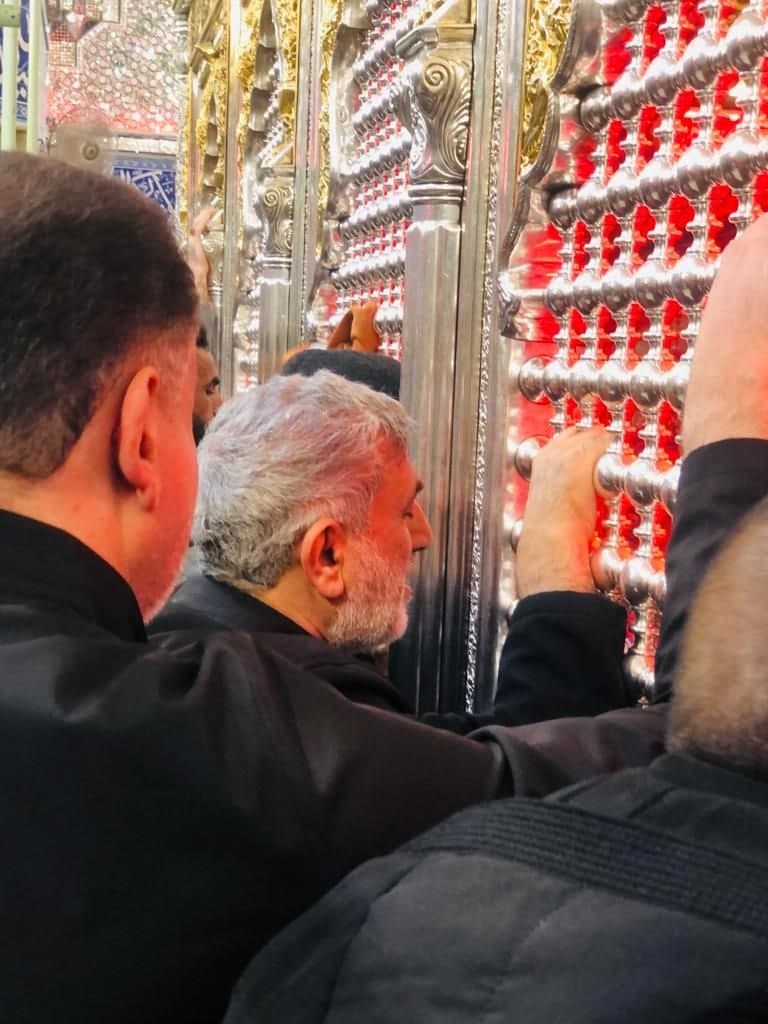
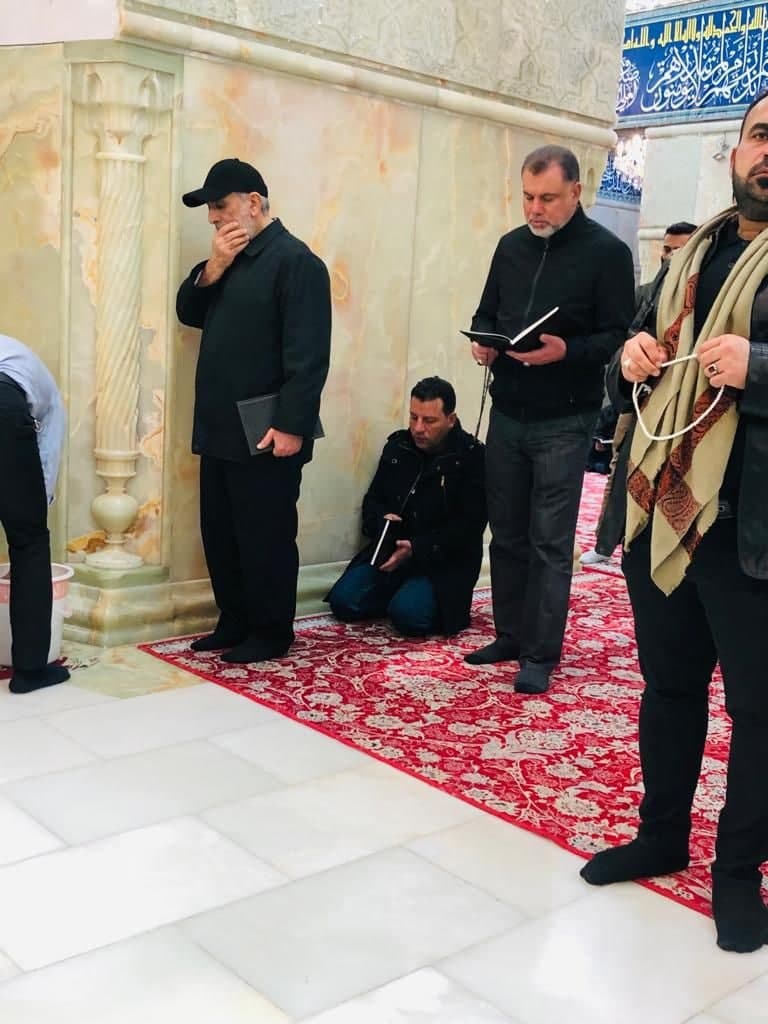
General Qaani visited the holy shrine of Amir al-Mu’minin Ali (as) in the holy city of Najaf al-Ashraf, went to the shrine of Martyr Sadr and the tomb of Martyr Abu Mahdi al-Mohandes, and a few hours later visited the holy shrine of Imam Hussein (as) in Karbala.
Given the current political situation in Iraq, the visit of the commander of the IRGC Quds Force to this country carries various messages to various domestic and foreign parties.
General Qaani, the commander of IRGC Quds Force in the shrine of Imam Ali (as)
General Ismail Qaani, Commander of IRGC Quds Force in the shrine of Imam Hussein (as)
Pilgrimage to the tomb of martyr Seyyed Mohammad Sadegh Sadr and martyr Abu Mahdi al-Mohandes
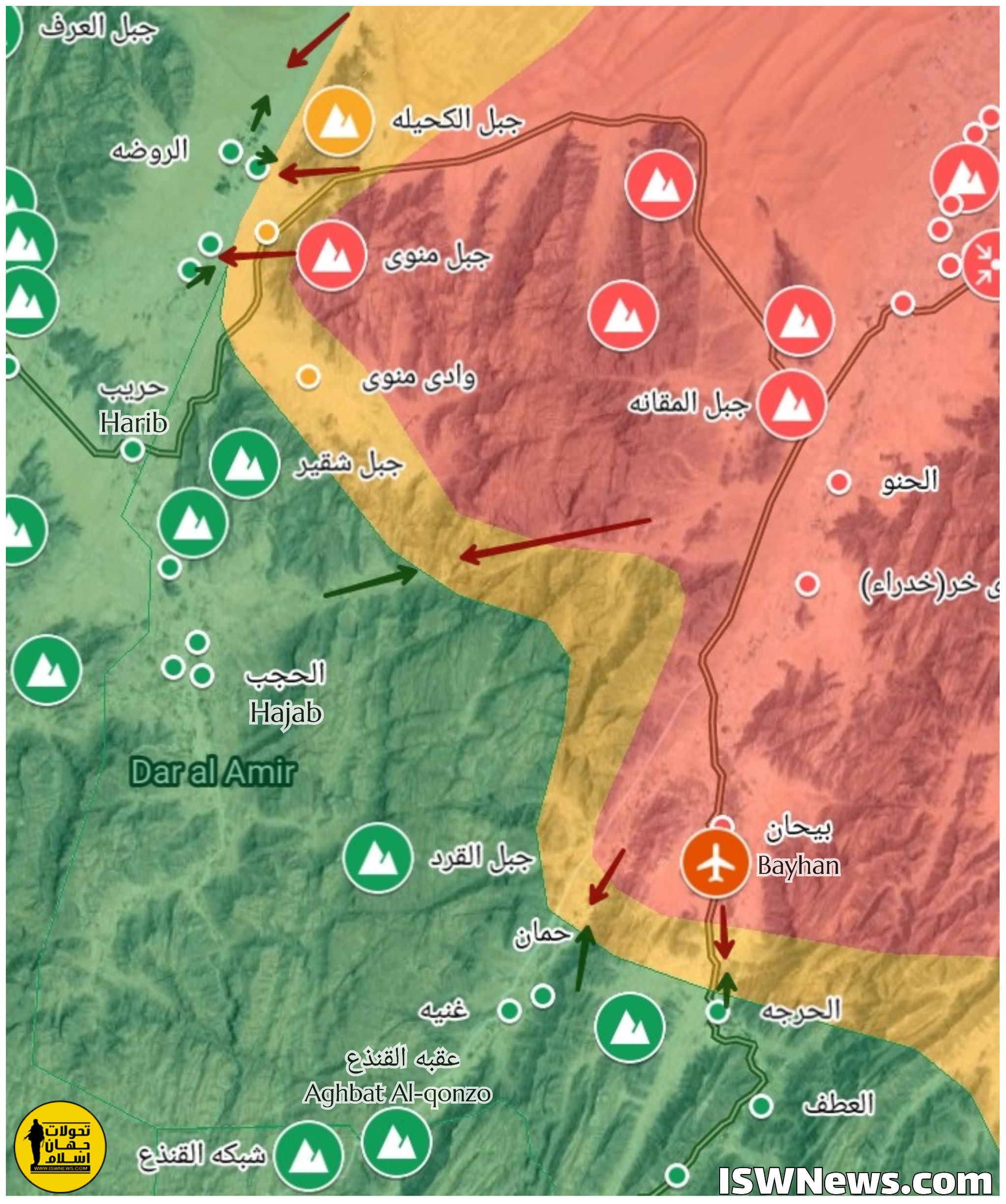
According to the latest news from the frontlines in Shabwa province, clashes between Ansar Allah and the Saudi-led forces focused on the heights north of Aqbat al-Qonzo located south of the Beyhan district and the Ain district. Also, the news about the Saudi coalition advances in the north of Harib is not true, and the clashes are still going on in the villages of Al Abusar, al-Housh and al-Rawdha.
It seems Ansar Allah’s defensive measures were effective in Harib to the southern heights of Beyhan in the face of heavy attacks by the Saudi coalition, and the pace of coalition operations has slowed down. But, this situation is unstable and could be an opportunity to prepare and implement the second phase of the Saudi coalition operation in the south of Marib.
Ansar Allah missile and drone forces have also constantly monitoring the movements of al-Amaliqah forces over the past week, targeting various points with at least 11 missiles and UAVs. The attacks inflicted heavy casualties on the coalition. Local media in southern Yemen reported that seven senior field commanders and at least 320 members of the Amaliqah force had been killed so far.
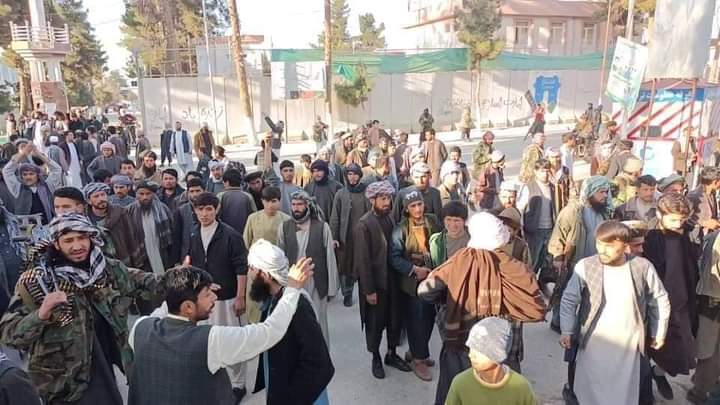
According to local sources, protests and rallies against the Taliban in the city of Maimana resumed after the deadline announced by supporters of Mulavi Makhdoom Alam for his release has ended.
The protests escalated into an armed conflict with the arrest of two other non-Pashtun Taliban commanders, Qari Wakil and Damla Shir Mohammad Ghazanfar, for allegation of collaborating with ISIS. As a result, a Taliban commander named Mullah Janan (from the Pashtuns of Almar district) and one civilian were killed and four Pashtun Taliban and three Makhdoom Alam supporters were wounded.
The Taliban media are now reporting peace and security in the city of Maimana. Mulavi “Ataullah Omari”, the commander of the 209th Fatah Corps and the person in charge of investigating the riots in Faryab, also announced the release of Makhdoom Alam and denied the continuation of the riots in Faryab. However, local sources have denied this news and reported the continuation of clashes and insecurity in the city of Maimana.
According to ISWNEWS field source, the unrest spread to Sar-e-Pul and Jawzjan provinces after the arrest of other Tajik and Uzbek Taliban commanders, and the central government sent a large contingent of reinforcements to Faryab province.
A Turkish military base in the Zelkan area, north of Mosul, was targeted by three rockets. Following the attack, Turkish artillery shelled the source of rocket attacks. In the second wave of the attack, in response to Turkish artillery fire, the military base was again targeted by three rockets.
So far, no information has been released about the damage and casualties of this attack.
It should be noted that prior to this attack, the same area was attacked with three rockets on January 15. Since the beginning of the new year, attacks on Turkish bases north of Mosul have increased significantly.
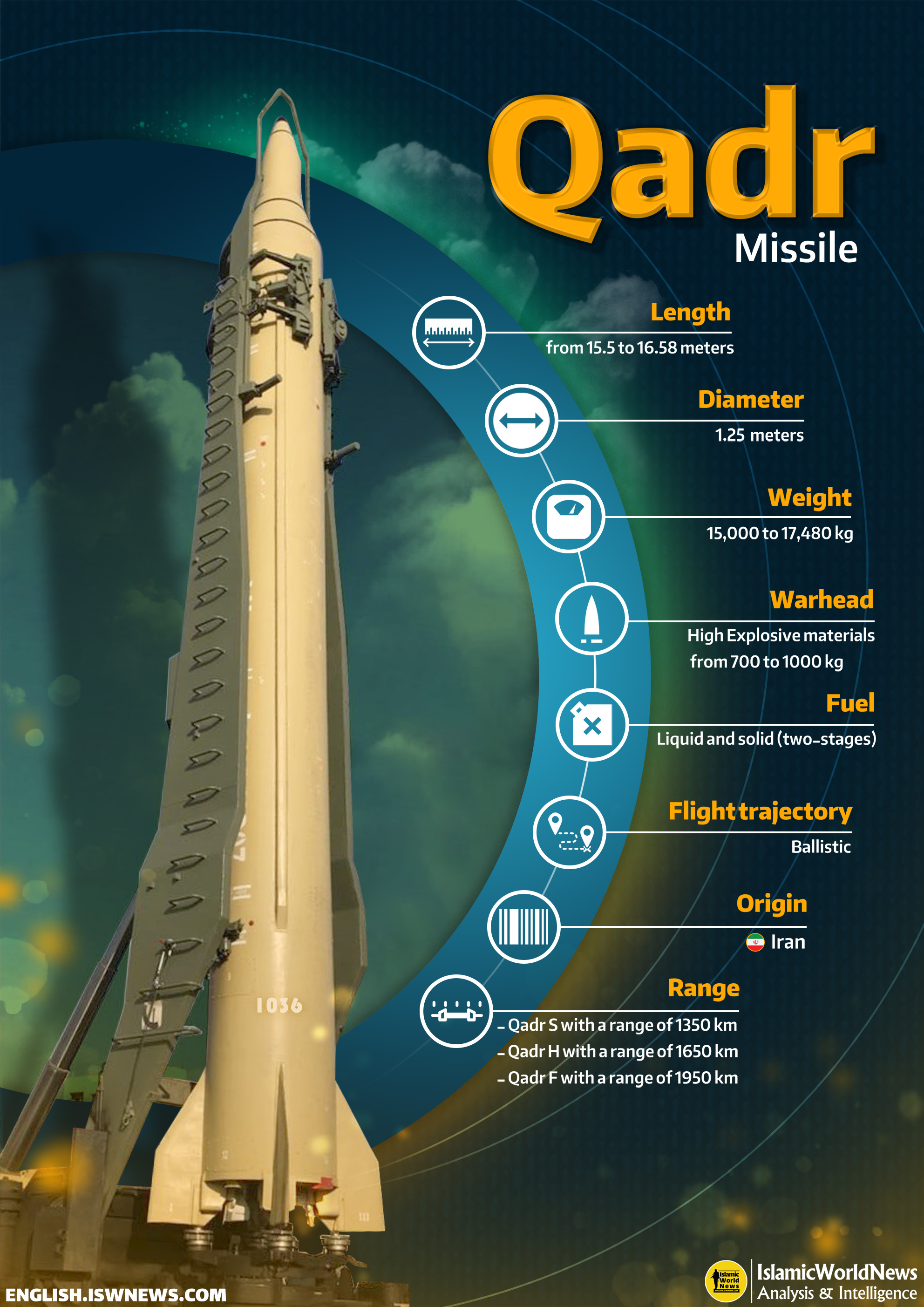
The Qadr missile is a medium-range ballistic missile based on the Shahab 3 missile. In the past, this missile was also called Qadr 1, Qadr 110 and Qadr 101.
The Qadr missile was unveiled for the first time in an annual parade marking the anniversary of the start of the Iran-Iraq war. This missile has been produced in three types: “Qadr S” with a range of 1,350 km, “Qadr H” with a range of 1,650 km and “Qadr F” with a range of 1,950 km.
The Qadr missile set-up time is 30 minutes and is much faster than the Shahab 3 missile, which takes hours to install and launch. Some sources consider the Qadr missile a two-stage missile, the first stage is liquid fuel and the second stage, which is related to detachable warheads, is solid fuel. However, some sources believe this missile to be just liquid fuel.
The speed of the “Qadr F” missile is estimated at Mach 9 and its navigation system is based on inertia-GPS guidance.
The Qadr F missile is capable of carrying warheads weighing up to 1000 kg. Qadr series missiles also have warheads in different types such as blast and cluster.
Qadr ballistic missile specifications: Length: from 15.5 to 16.58 meters Diameter: 1.25 meters Weight: 15,000 to 17,480 kg Warhead: High Explosive materials from 700 to 1000 kg Fuel: Liquid and solid (two-stages) Range: Qadr S with a range of 1350 km Qadr H with a range of 1650 km Qadr F with a range of 1950 km Flight trajectory: Ballistic Origin: Iran
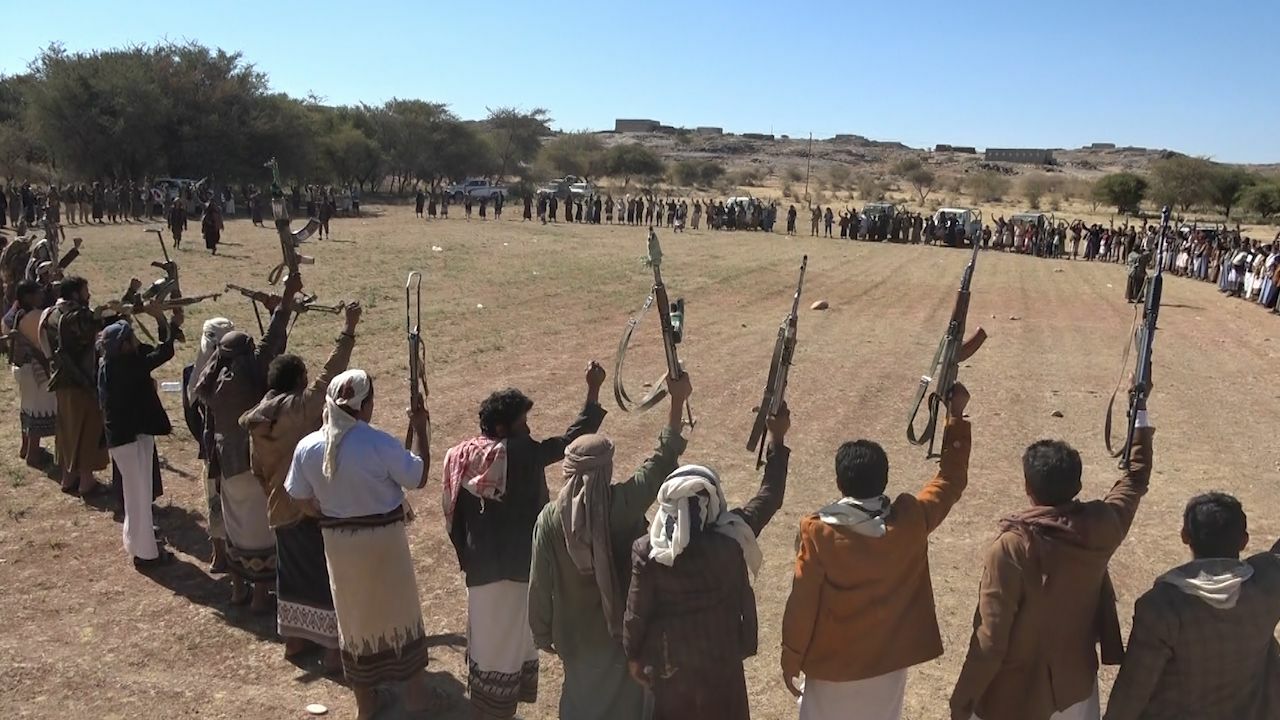
According to the ISWNEWS field source, the people of Al-Abdiyah district in the south of Marib province donated money and equipment to the Ansar Allah movement, and will send a large number of their warriors to the Shabwa and northern fronts of the Harib district.
At a tribal meeting today, they reiterated their support for the army and popular committees in the fight against Saudi coalition. “Ali Mohammad Taeiman,” the governor of Marib, attended the ceremony and praised the freedom, stability, and positions of the sons of Al-‘Abdiyah.
Meanwhile, Sheikh Ahmad al-Thabiti and Sheikh Abdullah al-Nakir, elders of the Al-Abdiyah tribes, stressed that they had forgotten their differences and would be on the front lines with the army and popular committees to counter the aggression of the Yemeni enemies.
The district of Al-‘Abdiyah was liberated from the control of the Saudi-led forces on October 15, 2021, during Operation Rabi al-Nasr. Al-Abdiyah district is located in the south of Marib province and has a population of about 15,000. The Owais Qarani Brigade is one of the units they sent to the Marib fronts in mid-November last year.