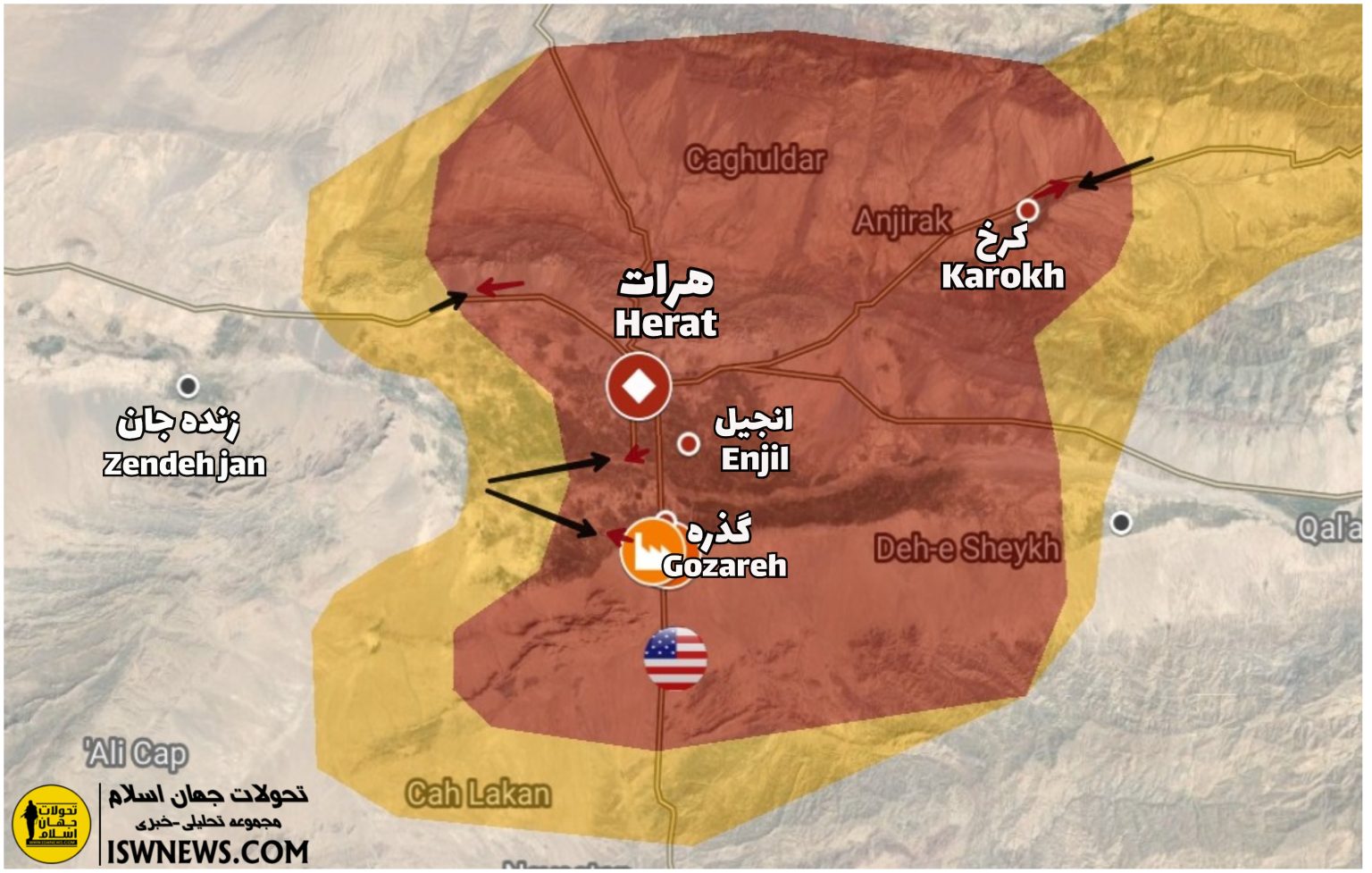
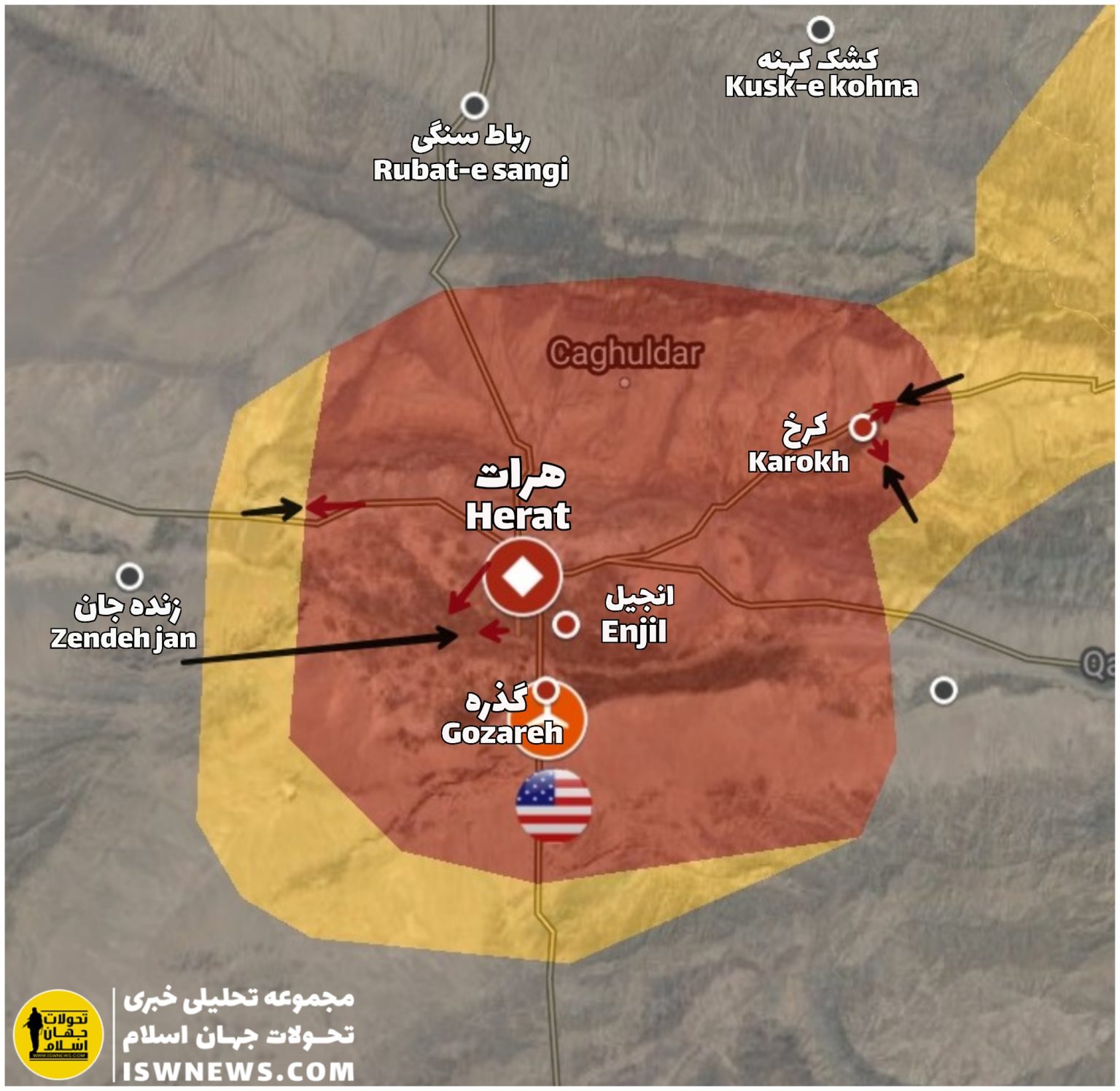
According to the latest news, in the past 48 hours, despite heavy attacks by Taliban militants southwest of Herat, the army has so far managed to maintain its positions in the districts of Gozarah and Enjil with air support of US warplanes, and ground support from Ismail Khan’s forces and forces loyal to Mullah Abdul Manan.
Afghan Army warplanes bombed the town of Zande Jan and Ghourian yesterday, killing and wounding an unknown number of Taliban militants. The airstrikes also severely damaged the historic entrance gate of the city and the Ghourian governorate building, and Taliban militants relocated their headquarters in Ghourian to other locations. The remnants of Mullah Abdul Manan Niazi forces also positioned on the Karokh front, and Ismail Khan personally went to the front of the Malan Bridge in southwestern Herat yesterday and took up arms.
Heavy fighting continues in the east of Karokh and west of Gozarah, and Ismail Khan’s militants are fiercely resisting the Taliban. The Taliban attacks is focused mainly on southern road of Herat city. If this route is cut, the supply line of the government forces will be cut off and it will be very difficult to defend the city of Herat.
Map: White = Taliban Red = Afghan Army Orange = conflict areas
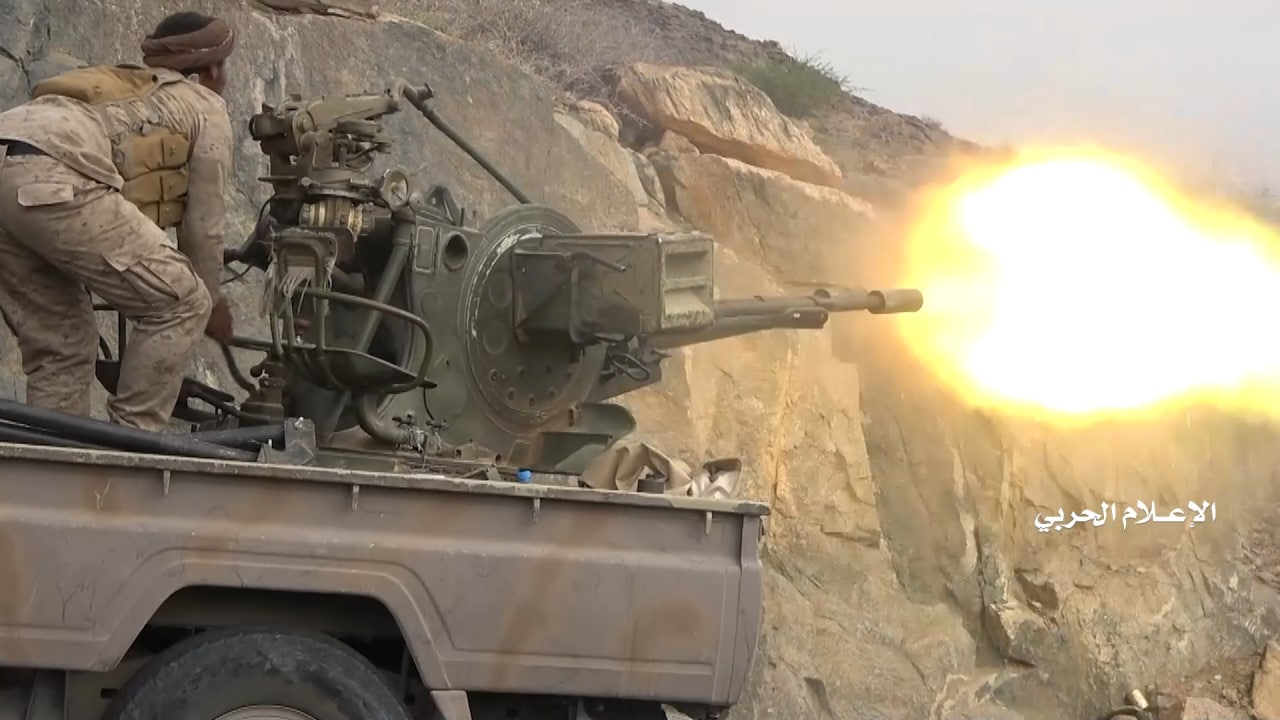
Brigadier General Yahya al-Sari’ said in this press conference: “The second phase of Operation Al-Nasr al-Mobin led to the liberation of Nate’ and Nu’man administrations, as well as the infliction of heavy losses and the expulsion of takfiri elements associated with the coalition of enemies. Various quantities of weapons have been captured, and also large numbers of enemy mercenaries and takfiri groups have been captured, killed and wounded. Our forces are completely clearing Al-Bayda province of Takfiris. The operation, with the help of God Almighty, will continue until the end of the aggression, the lifting of the siege and the liberation of all the lands of the Republic of Yemen.”
The details of the second phase of Operation Al-Nasr Al-Mobin are as follows:
The second phase of Operation Al-Nasr al-Mubin began on July 20 and lasted several days. All the goals of the second phase have been achieved, the most important of which is the liberation of Nate’ and Nu’man administrations with an area of 380 square kilometers in Al-Baydha province.
Takfiri groups, including ISIS and al-Qaeda, have been severely damaged, and the number of Takfiri elements killed in the operation has risen to 160, with more than 200 wounded. Also, with the help of God, our forces have captured dozens of Takfiris. Dozens of military vehicles and armor have been destroyed and burned, and various quantities of weapons have been captured.
About 500 square kilometers of Al-Sawmaah, Al-Zaher, Nu’man and Nate’ districts were liberated during Operation Al-Nasr Al-Mobin.
The total casualties of takfiri groups in the two phases of Operation Al-Nasr Al-Mobin reached 510 people and injured 760 people.
Various units of our armed forces participated in the second phase of the operation, and the drones conducted 19 reconnaissance and offensive operations, and the missile force carried out 13 operations against the enemy using the Badr and Sa’ir missiles.
Security agencies and local officials worked with the Yemeni armed forces to restore life in the liberated areas. The crimes of takfiri groups against citizens and property have been recorded and documented .
The enemy coalition provided medium and heavy weapons and ammunition to the elements of al-Qaeda and ISIS, and provided full facilities for the access and deployment of the elements of ISIS and al-Qaeda in al-Baydha province.
During the second phase of Operation Al-Nasr al-Mubin, the coalition in support of the Takfiris carried out 67 airstrikes on our positions. After the defeat, the coalition moved the Takfiris to the occupied territories. We have all the documentary evidence to prove the connection between the coalition of enemies and the takfiri groups.
Our people are aware of the reality of the American plan implemented by the coalition of enemies and those involved in it, and what happened in Al-Baydha province is part of it. We appreciate the great role of the Al-Baydha tribes and their honorable sons in this battle, as well as the great role of the local authorities in the province. Our people will continue their jihadist path under the leadership of “Sayyid Abdul Malik Badruddin Al-Houthi” until they achieve sovereignty, independence and freedom of the lands of the Republic of Yemen. We say to the people that your armed forces will not hesitate to take the necessary measures to strengthen their defense capabilities and military position to prevent aggression and its mercenaries, and we seek to continuously carry out better military operations against the enemy than aggression until the aggression is stopped and the siege is lifted.
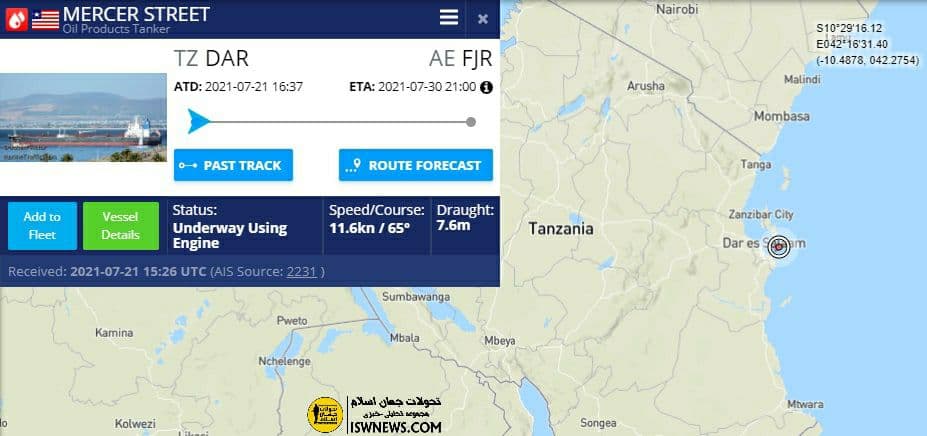
Israeli media reported that the MERCER STREET tanker was attacked 280 km from the port of Al-Duqm in the Oman Sea. The ship was owned by an Israeli businessman named Eyal Ofer and was en route from Tanzania to the UAE when it was attacked by a suicide boat.
In this regard, the British Ministry of Defense claimed in a statement that the ship targeted in the Oman Sea was owned by the Israel regime.
An Englishman and a Romanian were killed in the attack.
According to Refinitiv ship tracking, Mercer Street, a medium-sized tanker, was headed to Fujairah, a bunkering port and oil terminal in the United Arab Emirates, from Dar es Salaam in Tanzania.
On July 3, an Israel-owned commercial ship CSAV TYNDALL was targeted by an unidentified assailant off the coast of the Oman Sea, with Israeli media and Israeli security agencies blaming Iran for the attack.
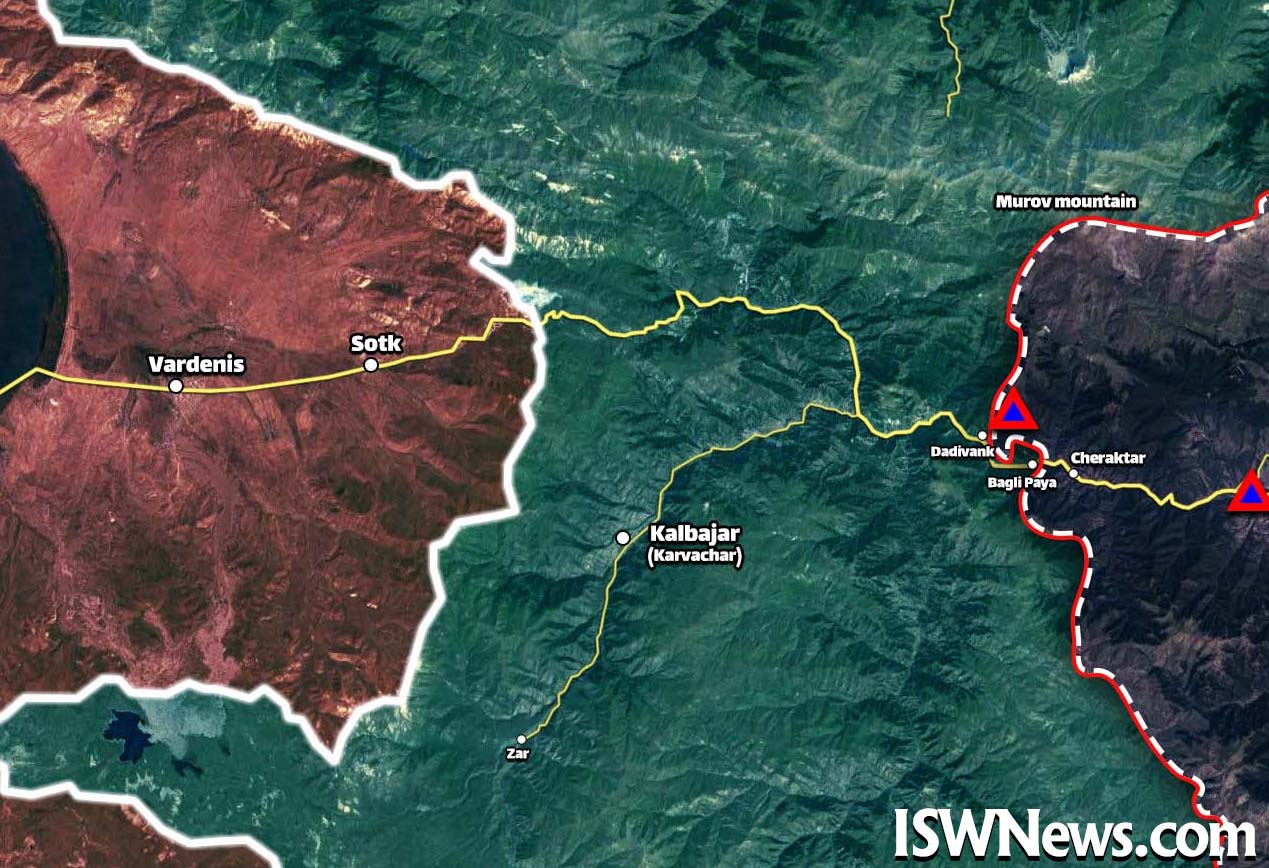
Both sides media reported of heavy border conflicts on Wednesday 28 July. Two neighbors accuse each other of intensifying the tensions. The conflict enters the fifth day.
Armenia DM claims that three soldiers killed due to shooting and artillery shelling of Azerbaijan and four wounded. They also claim Azerbaijan army entered Armenia soil in two points in Gegharkunik province.
Azerbaijan DM issued a statement on Wednesday that Armenia shot on Azerbaijan positions using mortars and tanks. According to Azerbaijan DM two soldiers wounded by Armenia bullets.
Independent sources confirmed that Azerbaijan used guided artillery shells and Turkish built Bayraktar drones.
Most of the conflict occured near Vardenis town in Gegharkunik province of Armenia and near borer with Kalbajar province of Azerbaijan. Azerbaijan calls Vardenis town as Basarkeçər which is part of Azeri inhabited of Yeraz people.
It is noteworthy that in the last two years of Soviet time, Azeri inhabitants of the area were migrated to Azerbaijan due to racial segregation of Armenia in 1988.
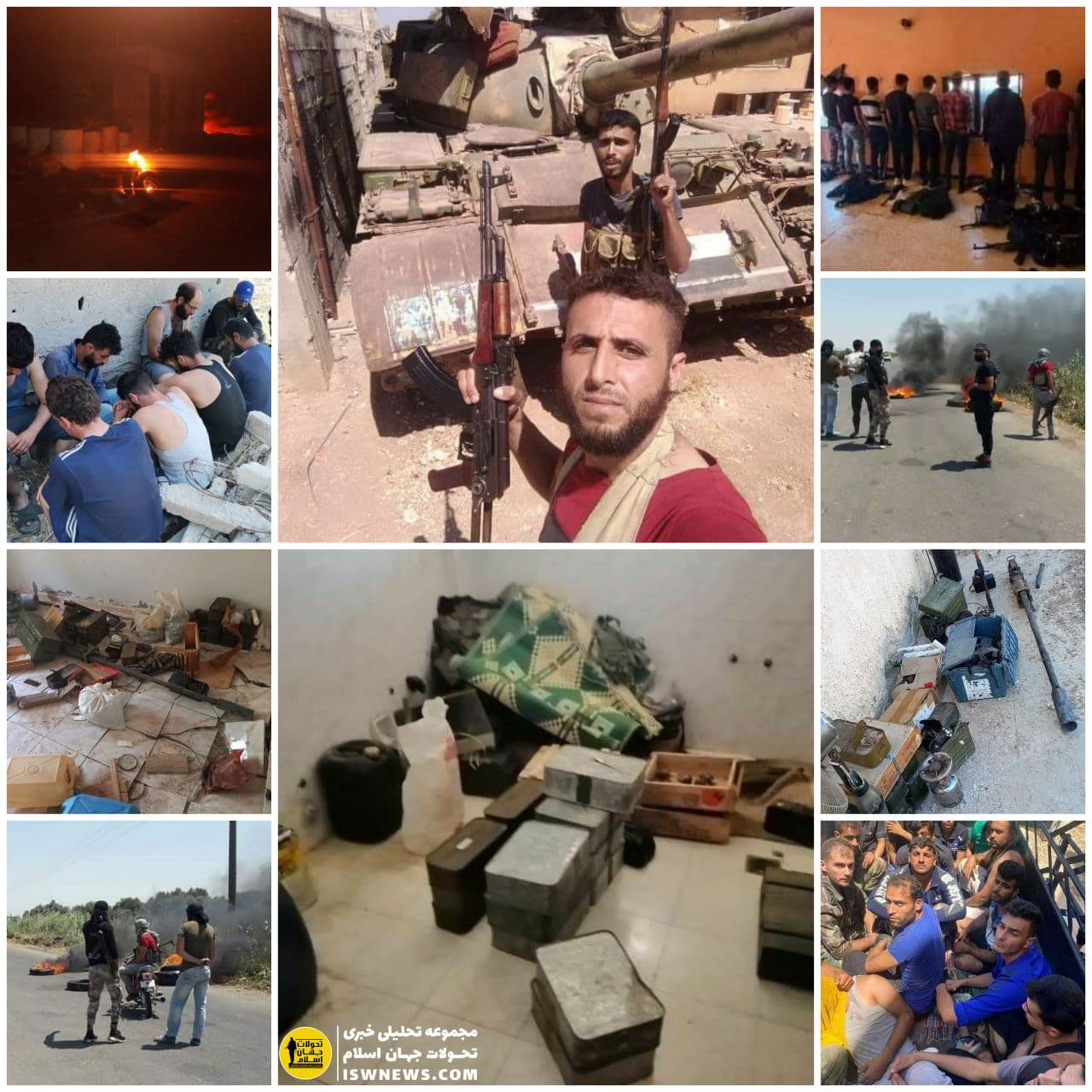
From today morning a heavy conflict broke out between Syrian Army and militia in several towns of Daraa province. In these conflicts, militia occupied Syrian Army posts in Umm Al-Miyazen, Al-Tayyiba, Sidon, Kahil, Al-Harak, Maliha Gharbi in the eastern countryside of Daraa and another SAA post in Muzayrib road west of Daraa, and blocked roads going to Yarmuk Basin, western outskirt of the province.
In addition, militia captured more than 15 Syrian Army soldiers in western and eastern outskirt of Daraa and plundered several weapons, ammo and one tank of Syrian army. Militia claim to set ablaze three SAA posts in Elma village. A vehicle carrying Syrian soldiers was also targeted in Izra’-Sheikh Meskin road.
The ground and artillery conflicts are sporadically continuing.
Last night, security forces HQ in Jasem town was targeted by militia. No news damages and casualties yet. After it, Syrian Army reinforced their positions and watch posts in Jasem town and surrounding.
There are unconfirmed news that there is a meeting between high rank officers of Syrian Army and some Russian officers in Bosr al-Sham, east of Daraa. It is expected that the latest situation of Daraa is discussed.
It is said eight Syrian soldiers have martyred so far.
Given the scale of the conflict and the deteriorating security situation in Daraa province, the Syrian army is expected to launch a large-scale operation in the militant-held areas to control the situation and prevent the advance and increase of militant attacks.
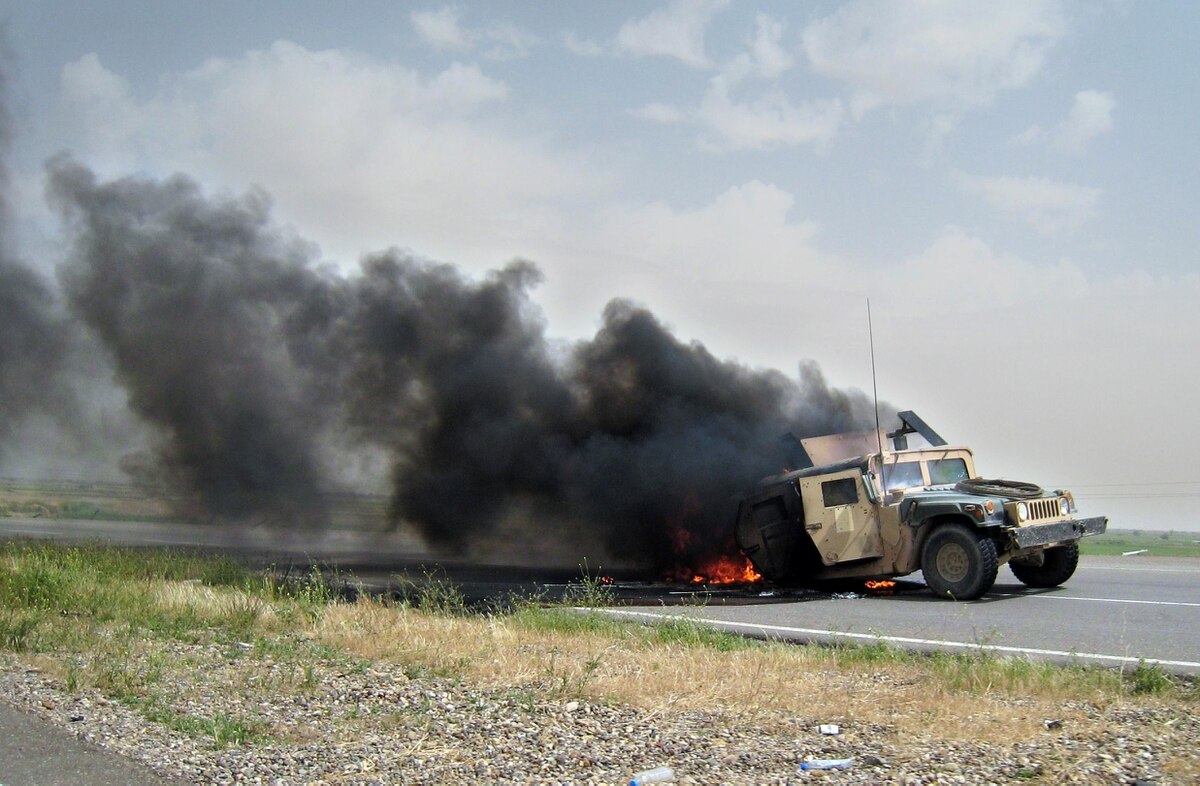
The attacks took place in the Naseriyah, Babel and Diwaniyah areas against the logistical convoys of US army.
Ashab al-Kahf group took responsibility for the attack in the Babel area and Qasem al-Jabbarin group took responsibility for the attack in the Diwaniyah area.
According to the latest news from the Herat clashes, the Taliban today attacked the positions of the government forces in the two axes of Karokh and Zande Jan, and the clashes continue heavily and without any change in the lines.
The Taliban advanced on the side road southwest of Herat to the Malan Bridge and captured the villages before it. In Karokh district, government sources have also claimed to have repulsed a Taliban attack. Government forces, centered on militants affiliated with Mohammad Ismail Khan and the survivors of Mullah Abdul Manan Niazi, are stationed in Karokh and stand up to the Taliban.
Taliban attacks on these axes continue and there is a possibility of “Karخkh” and “Gozarah” falling again.
The Daraa al-Balad neighborhood has been under siege by the Syrian army for the past month, and after an agreement was reached on July 24 between the Daraa al-Balad Central Committee and the Syrian army to lift the siege of the Daraa al-Balad neighborhood and prevent the army from attacking the neighborhood, some Syrian army conditions were not approved by the militants and were not implemented. Therefore, clashes between the two sides have started since yesterday. Syrian Army 4th Division forces inspected several houses in the south and east of Daraa al-Balad and were targeted by unidentified gunmen during the search.
News of the clashes in the Daraa al-Balad neighborhood in the city of Daraa is being reported while the Syrian army is said to have reached an agreement with the central committee of the Daraa al-Balad, affiliated with the militants in the neighborhood, on the following terms:
Delivery of individual and heavy weapons to the Syrian army.
The arrival of the reconciliation committee accompanied by the central committee of Daraa al-Balad.
The entry of SAA security forces into three pre-determined bases (the location of these bases is unknown).
Withdrawal of Syrian army forces to their bases and reopening of routes in Daraa al-Balad neighborhood.
The Syrian army has been sending equipment and reinforcements to Daraa for several days now, so that in the event of a conflict, there will be the necessary conditions for the support of Syrian army units stationed on the outskirts of this neighborhood. According to the latest information, the Syrian army has been deployed to Deraa in the areas of Al-Manshiyah, Al-Dahiyah, Gharz Prison, Al-Baladi Stadium. A media outlet close to the militants also said that government forces transferred military equipment and 300 troops from the eastern suburbs of Daraa to inside Daraa on Saturday morning.
Currently, Syrian army forces are stationed on the outskirts of the neighborhood, and clashes have continued sporadically since yesterday. Some residents of Daraa al-Balad neighborhood have also taken refuge in areas controlled by the Syrian army to save their lives.
The last military operation of the Syrian army in this region is related to the year 2018. The Syrian army launched an operation in southern Syria on June 22, 2018, and within 41 days completely liberated all the occupied areas in the provinces of Daraa and Quneitra from various armed groups. On July 15, 2018, after a reconciliation agreement was reached between the militants and the Syrian army, the operation to withdraw the militants and their families from the Daraa al-Balad area began, and the militants handed over heavy weapons and military equipment to the Syrian army. However, so far, a number of areas have been under the control of the militants in the form of national reconciliation, and this area has periodically witnessed sporadic clashes between the Syrian army and the militants.
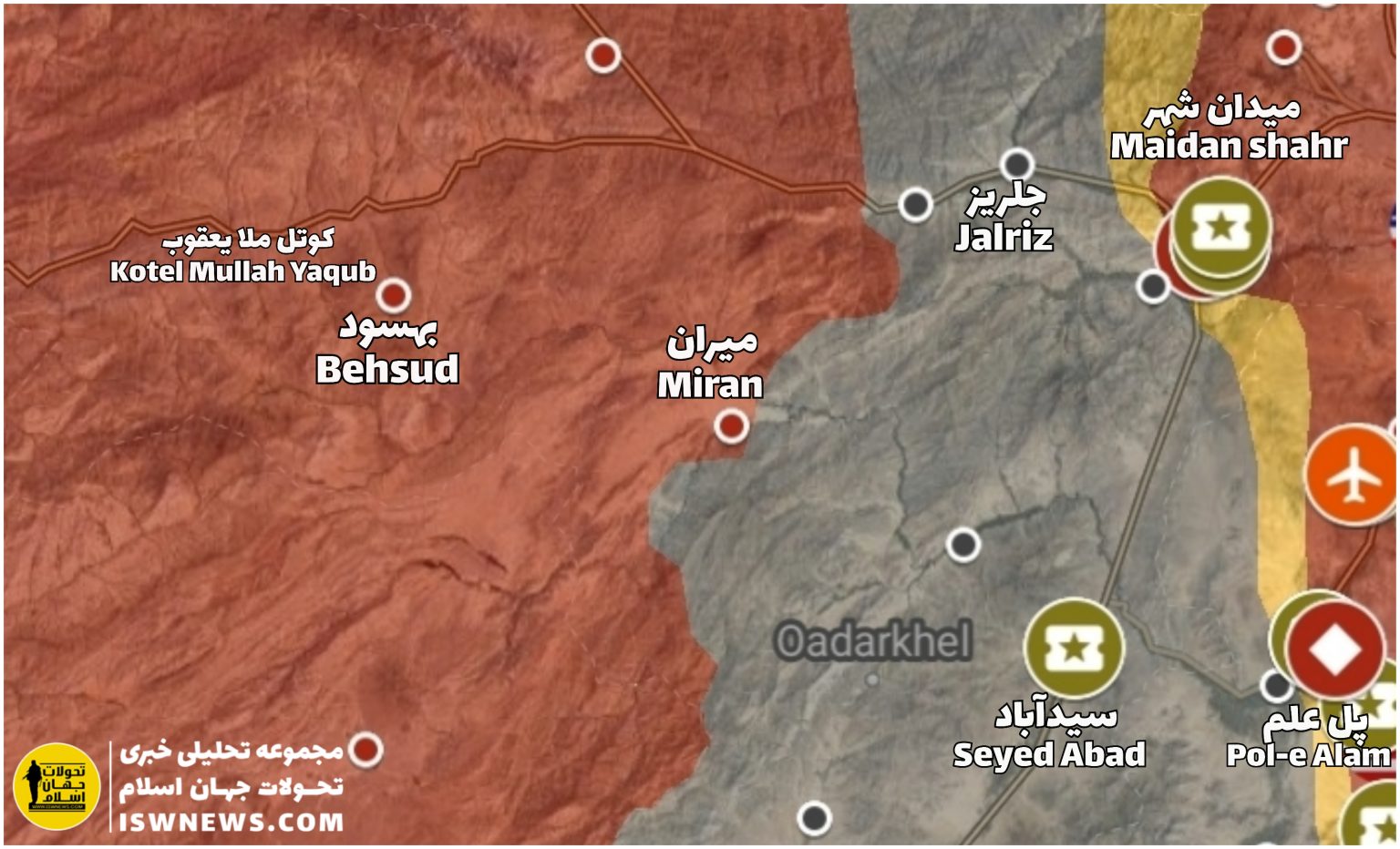
After Taliban attack to provinces Maidan Wardak and Ghazni, the number of popular forces led by Muhammad Mohaqiq have increased in these areas and take control of the security of some areas including Kotel Mulla Yaqub area on the Maidan Shahr-Panjab road. This started a discord between them and forces led by AbdulGhani Alipour and each group positioned their militia in this area and ready to engage. Elders of Behsud had a meeting recently with the request to lower the tension and evacuate Kotel Mulla Yaqub which was rejected by both sides.
It is noteworthy that Kotel Mulla Yaqub is far from front line with Taliban. But this defile is important to control these areas and thus Mohaqiq forces try to take it over.
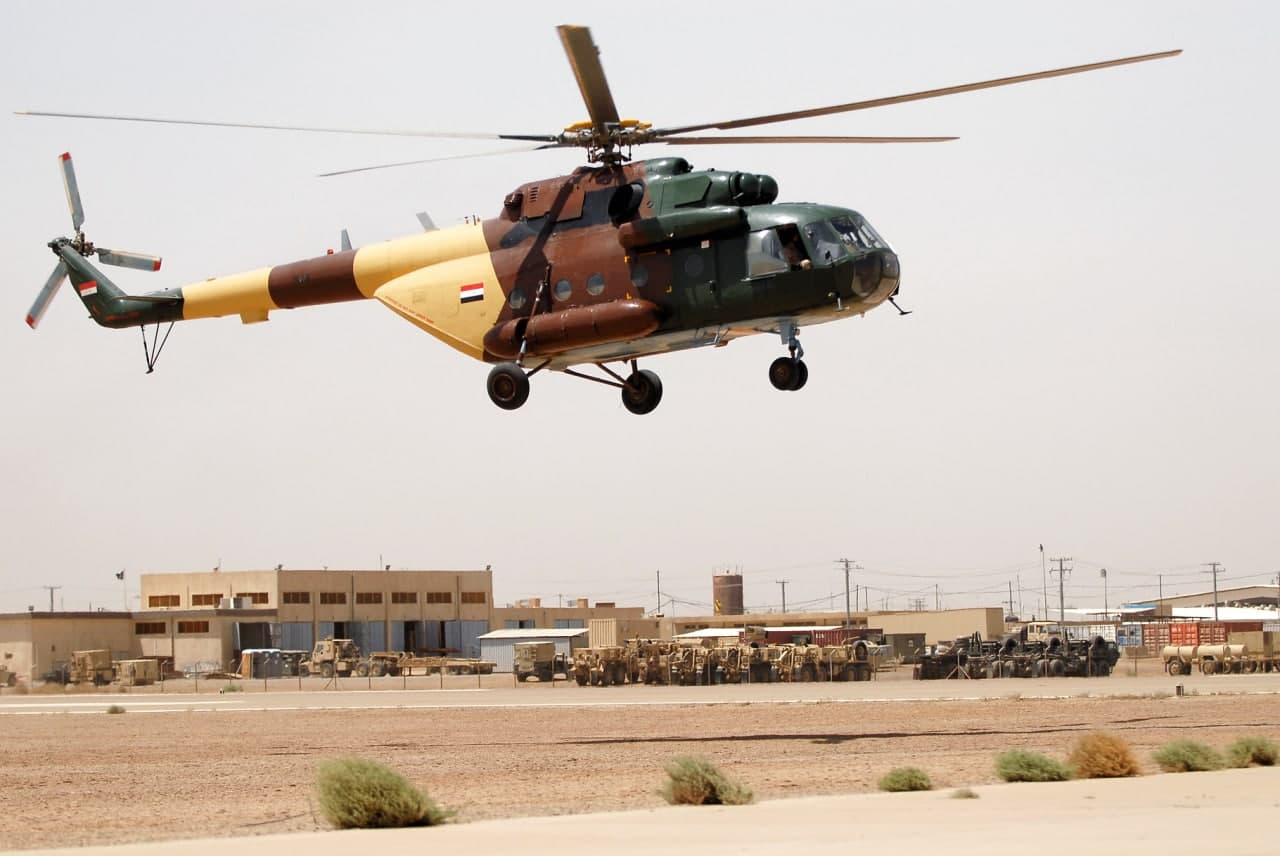
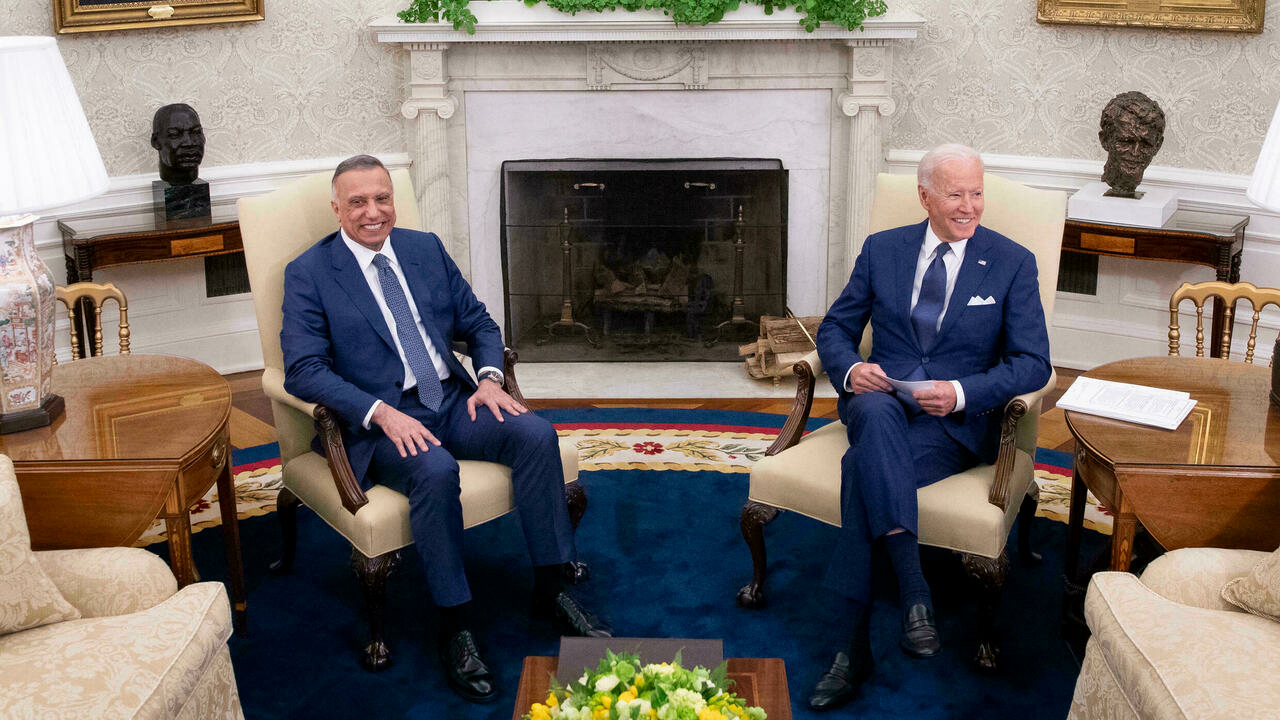
After meeting of Mustafa Al-Kadhimi, Iraqi PM, and Joe Biden, US president, a joint statement was issued: US-Iraq security relation is completely transformed to training, consulting, supporting and intelligence and until 31 December 2021, no American combat troop will remain in Iraq. Al-Kadhimi said: I am happy with the collaboration between Baghdad and Washington. Our relation has different aspects of medical-health, cultural, etc.
Biden said: US will send 500 thousand vaccines to Iraq. We are waiting for the election in Iraq. US activities will focus on training and fighting ISIS. We are loyal to our security collaboration with Iraqi government and fighting ISIS.
It is noteworthy that the strategic talks were held for three rounds before. The last round finished after Al-Kadhimi traveled to USA and met with Joe Biden.