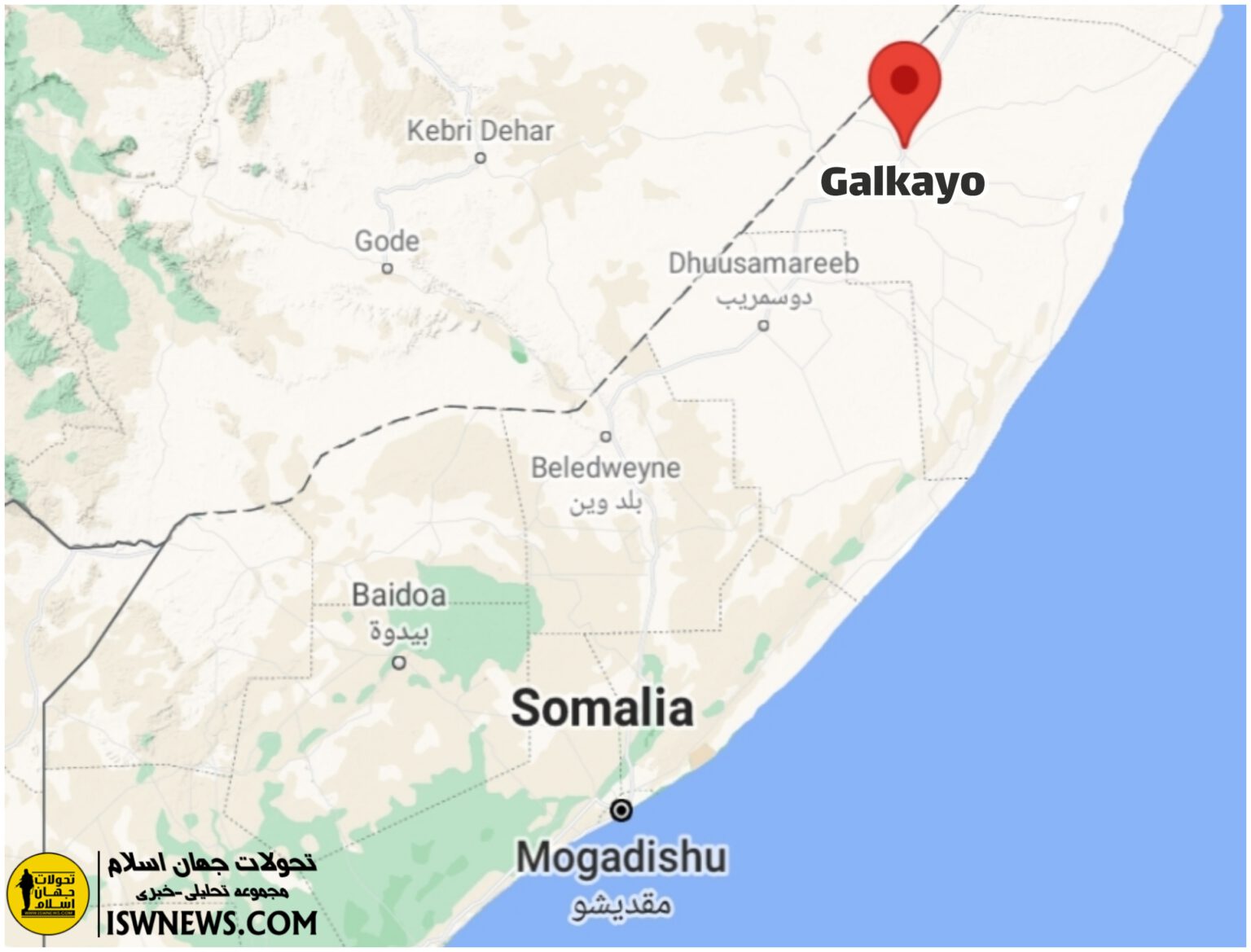
The drone strike which is the first US attack on Al-Shabaab positions since the inauguration of President Joseph Biden, came after Al-Shabaab militants attempted to attack the headquarters of the Danab forces. The Danab forces are Somali army commandos trained by the United States.
It is worth noting that Kenyan Army warplanes also bombed Al-Shabaab positions in southern Somalia last week.
The United States has deployed more than 700 troops in Somalia in recent years. The troops left Somalia on January 22, 2021 at the behest of former US President Donald Trump. Now, with the rise of Al-Shabaab threats in Somalia, it is said that the United States intends to send troops to the country again, and the recent US drone strikes prove this.
These attacks are as follows: 1- IED attack on the path of a government forces vehicle in Watapur area in Kunar province, on July 20. 2- Seven Katyusha rockets were fired at the Presidential Palace in Kabul on July 20. 3- Assassination of a member of the Taliban group in Chaparhar area in Nangarhar province, on July 21. 4- IED attack on the path of two military vehicles of the Afghan army in the city of Kunduz, on July 21.
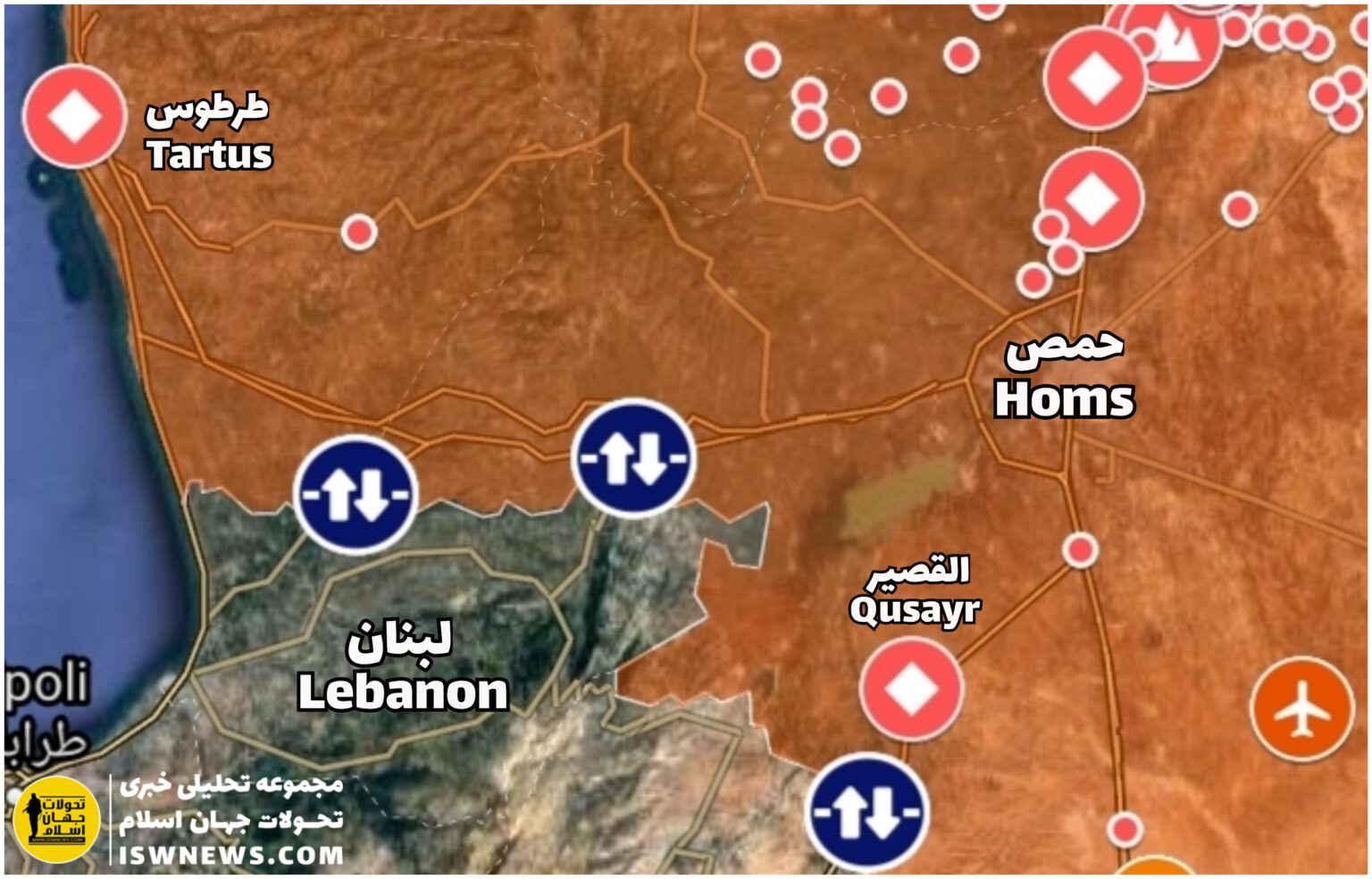
The Syrian Defense Ministry issued a statement regarding the attack: “At around 1:13 am (local time), 7/22/2021, the Israeli enemy carried out an air aggression from northeastern Beirut, targeting some points in the Al-Qusayr area in the Homs countryside. Our air defense systems confronted the aggression’s missiles and shot down most of them, and the damage was limited to material.”
Three days ago also, on July 19, the Israeli army fired eight missiles at the al-Safirah area in Aleppo province. According to the Russian Ministry of Defense, SAA using Pantsir-S and Buk-M2 air defense systems shot down seven of the eight missiles that were fired by the Israeli warplanes at Safirah area.
The anniversary of the summer clashes of July 14, 2020 and the martyrdom of 11 Azerbaijani servicemen, including Polad Hashimov, has entered the political calendar of the South Caucasus region. The event is considered the beginning of the September 27 military operation of the Azerbaijani coalition in occupied Nagorno-Karabakh against Armenian and Armenian separatists. Although the end of the dispute was signed on November 10 of this year after 44 days between the two parties, disputes over the implementation of the terms of the contract remain.
Hot summer July, Exclaves war!
July is still tense, and can still be considered the start point of another war. Especially since the media once again reported more than three major clashes between Armenian and Azerbaijani forces last week. The first clash on Friday, July 9 on the border of Azerbaijan’s Gadabay district and the northern part of the Nagorno-Karabakh region with Armenia’s Chambarak region was reported by the Ministry of Defense of Azerbaijan and the positions of these forces were shelled in Zamanli village.
The clashes took place near the Artsvashen (Bashkend) area which is Armenia’s exclave inside Azerbaijan. The 40-square-kilometer Artsvashen was occupied by Azerbaijani forces in 1992 after the start of the war between Armenia and Azerbaijan, and its Armenian inhabitants were displaced to Armenia.
The second clash took place on Tuesday July 13 in the town of Shusha in Nagorno-Karabakh (Artsakh) and near the Russian peacekeeping post. A disputed town which was inhabited by a mix of Armenians and Azeris before the Nagorno-Karabakh crisis began. The city was captured from Azerbaijan by Armenians in 1992 and came under Armenian control. Shusha (Shushi) was captured by the Azeri side in the last days of the war last year.
The third clash took place on Wednesday, July 14, coinciding with the anniversary of Hashimov’s death on the northwestern border of Nakhchivan with Armenia and near the town of Sadarak in the Nakhchivan Autonomous Republic. An Azerbaijani soldier was wounded and Azerbaijani Nakhchivan army forces exchanged fire with the Armenian side. This area is located near the borders of Turkey and Karki (Tigranashen) village which is Azerbaijan’s exclave inside Armenia. Karki was occupied by Armenia in 1992 and its Azeri inhabitants were displaced.
The fourth clash also took place on July 19 in the same Sadarak-Yersakh border area between the two sides which led to injury of several people including the head of Yeraskh community of Ararat region Rudik Ogikyan in Yeraskh village.
In addition, the Republic of Azerbaijan has two other exclaves in northern Armenia, which are part of the 1992 occupied territories. Barkhudarly and Sofolu (Barkhudarlu) areas of Rayon Ghazakh (Qazax) with an area of 22 square kilometers are located in the Tavush district , Armenia. Also, the Yukhari Askipara exclave (Azeri: Yuxarı Əskipara – Armenian: Verin Voskepar) is also located inside the Tavush district.
According to the terms of the ceasefire, all these areas shall be returned to their country and the displaced have the right to return to their place of residence.
Azerbaijan: Zangezurbelongs to us!
Establishing a corridor connecting the mainland of Azerbaijan with its exclave territory in Nakhchivan is a major geopolitical challenge. According to the Moscow agreement, the Zangezur (Syunik) corridor between the mainland of Azerbaijan and the outskirts of Nakhchivan is to be established.
Of course, Azerbaijan’s interpretation of this corridor is slightly different, so that in addition to a transport corridor, it has officially made a territorial claim to the southern parts of Armenia. The Zangezur and Goycha regions claimed by Azerbaijan include the Meghri, Kapan, Sisian and Goris, which were ceded to Armenia during the former Soviet Union.
Click to see the full size map The map above shows the military situation before and after the start of the Azerbaijani army operation in Nagorno-Karabakh. The Azerbaijani army took control of more than 50% of the occupied territories in the south of Nagorno-Karabakh in a 44-day period from September 27 to November 10. According to the peace agreement reached between Azerbaijan and Armenia, the regions of Aghdam, Kalbajar and Lachin were handed over to the Azerbaijani government. Armenian forces now control about 55 percent of the “Nagorno-Karabakh Autonomous Region.”
Aliyev’s iron fist in Nagorno-Karabakh!
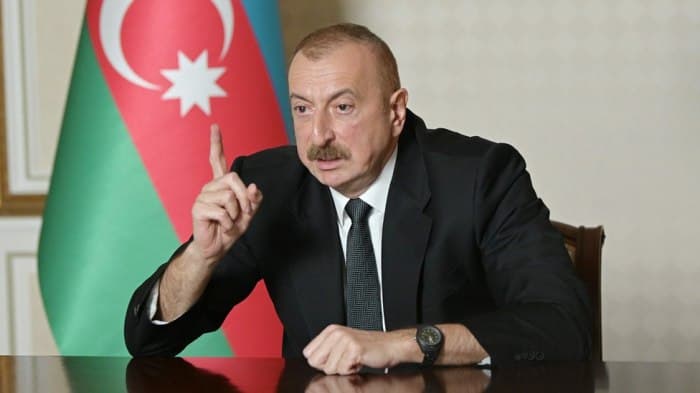
The President of Azerbaijan on Thursday, July 15, at a ceremony of handing over housing units and cars to the wounded and families affected by last year’s war in the town of Khojavand, Nagorno-Karabakh (Azerbaijani-controlled areas) explained Azerbaijan’s position on territorial policy and the issue of refugees. Elham Aliyev spoke about the return of the Goycha and Zangezur regions to the rule of the Republic of Azerbaijan and the return of the Azeris of Armenia And he mentioned this issue as a necessary condition for the permanent implementation of the peace agreement with Armenia. (About 300,000 Azeris were displaced from Armenia from the Goycha and Zangezur and Yerevan regions between 1988 and 1991, causing Armenian-Azeri tensions. This group is known as the “Yeraz” and is part of the Aliyev family.)
“When all communications are opened, we, the people of Azerbaijan, will return to their ancestral land, of course. The 10 November Trilateral Declaration states: all refugees must return to their homeland. Our native land is Zangezur; our native land is Goycha district, Iravan. We will definitely return there,” Azerbaijan President quoted Aliyev as saying.
He stated that the political solution is the most logical option for this position. Emphasizing his country’s determination to implement these cases, Aliyev warned the Armenian side to implement the terms of the ceasefire agreement before its military action and to hand over the construction of the Zangezur corridor to Azerbaijan. The President of Azerbaijan also claimed the dissolution of Autonomous Republic of Nagorno-Karabakh and creation of the Nagorno-Karabakh Economic Zone. He stressed that the residents of this region must accept Azerbaijani citizenship or go to Armenia forever. Aliyev also said that if the Armenian authorities in Nagorno-Karabakh resist like last year war, he will hit them with an iron fist and will make them runaway like a dog!
Does Aliyevsend a message of war?
Elham Aliyev’s remarks in the Khojavend region, the southeastern territories of Nagorno-Karabakh and the proximity of areas controlled by Armenian forces can be seen as a signal to the other side. The remarks come as Armenia weakens after the war and is in a political and judicial crisis after the parliamentary elections. So another war between Azerbaijan and Armenia is not so unlikely and could happen again. The Caucasus region, with a density of 80 ethnic groups and religions of Islam, Christianity, Jews and Zoroastrians, is one of the most tense military and security regions in the world. This geopolitical disorder is the result of the creation of small ethnic states where races live intertwined.
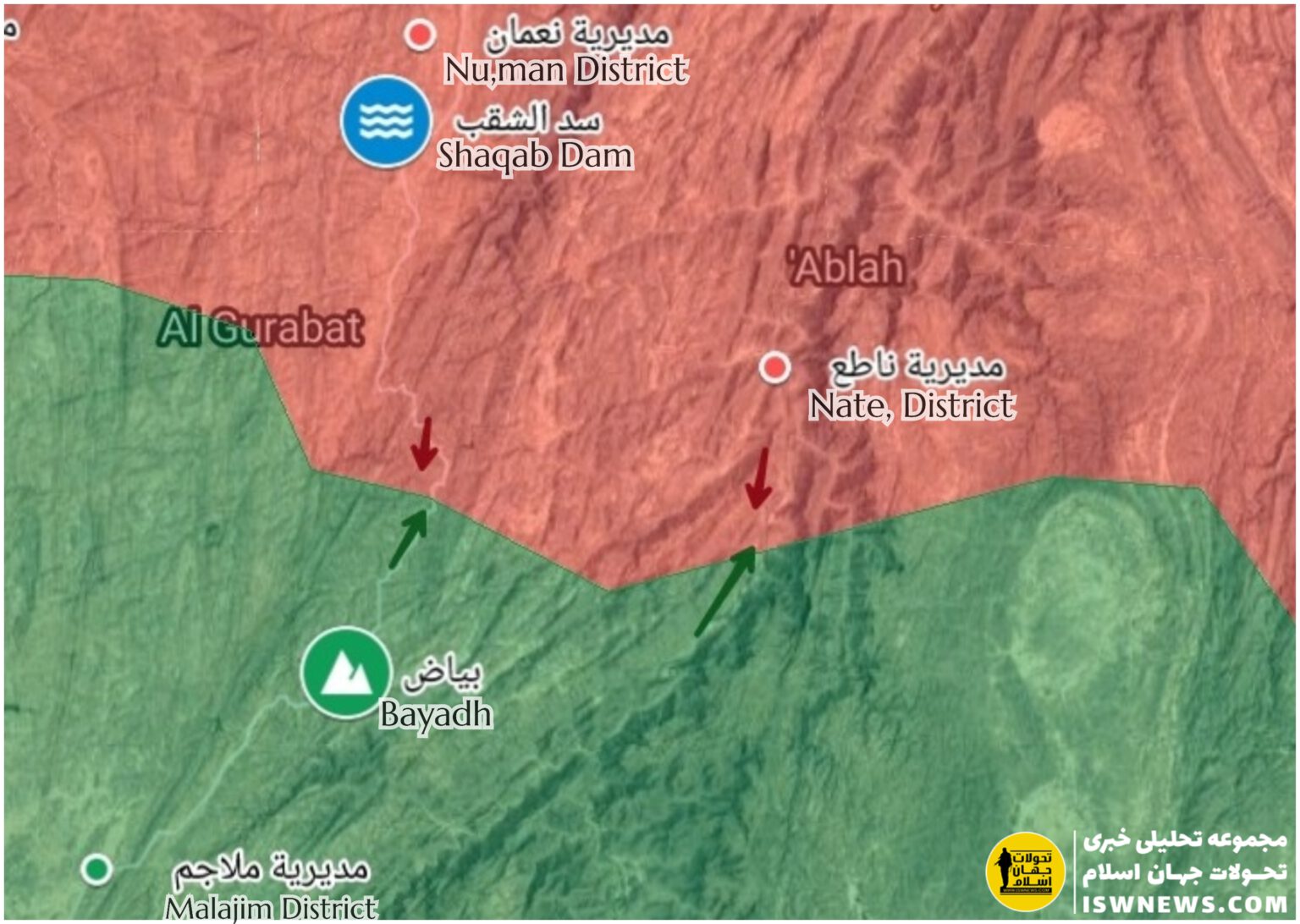
During the operation, which took place in the al-Jaribat area south of Nate’s district, more than 50 members of Mansour Hadi forces were captured by Ansar Allah, and a number of others were killed and wounded. It is also said that Brigadier General “Ali Saleh Al-Kalibi”, the commander of the 19th Brigade of Mansour Hadi forces, was severely wounded in these clashes.
Mansour Hadi forces had amassed in the Nate’ district to carry out operations against Ansar Allah positions in the area, which was met with intelligence surveillance and Ansar Allah surprise attack.
Currently, Ansar Allah has succeeded in advancing in the al-Jaribat area, located in the west of Nate’ and south of Nu’man districts. But the liberation of the Nate’ and Nu’man districts is not true at the moment, and the clashes continue.
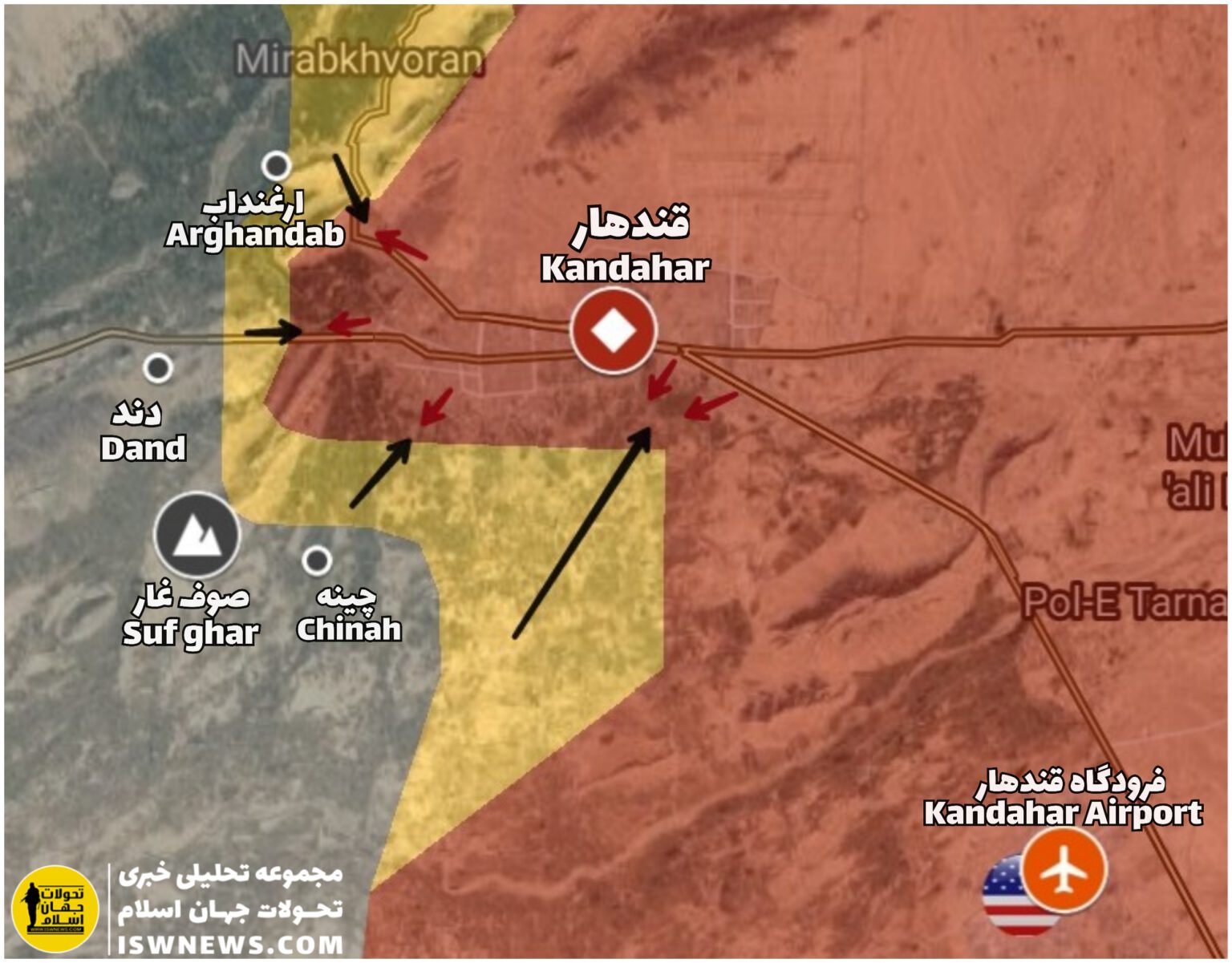
The Taliban have concentrated their attacks on the northern, western and southern entrances of the city, and in the latest clashes on July 19, the fifth district of Kandahar city has witnessed heavy clashes between Taliban militants and Afghan Army forces.
It is said that the northern road to Kandahar have been mined by the Taliban and civilians are unable to cross the main roads. In this regard, six civilians were killed and several others were injured in two mine explosions on the Kandahar-Arghistan road.
Taliban attacks on Kandahar have decreased since last night due to Eid al-Adha, and a new round of attacks is expected to begin in the coming days.
Aftermath of clashes between Taliban militants and the Afghan army in the fifth district of Kandahar
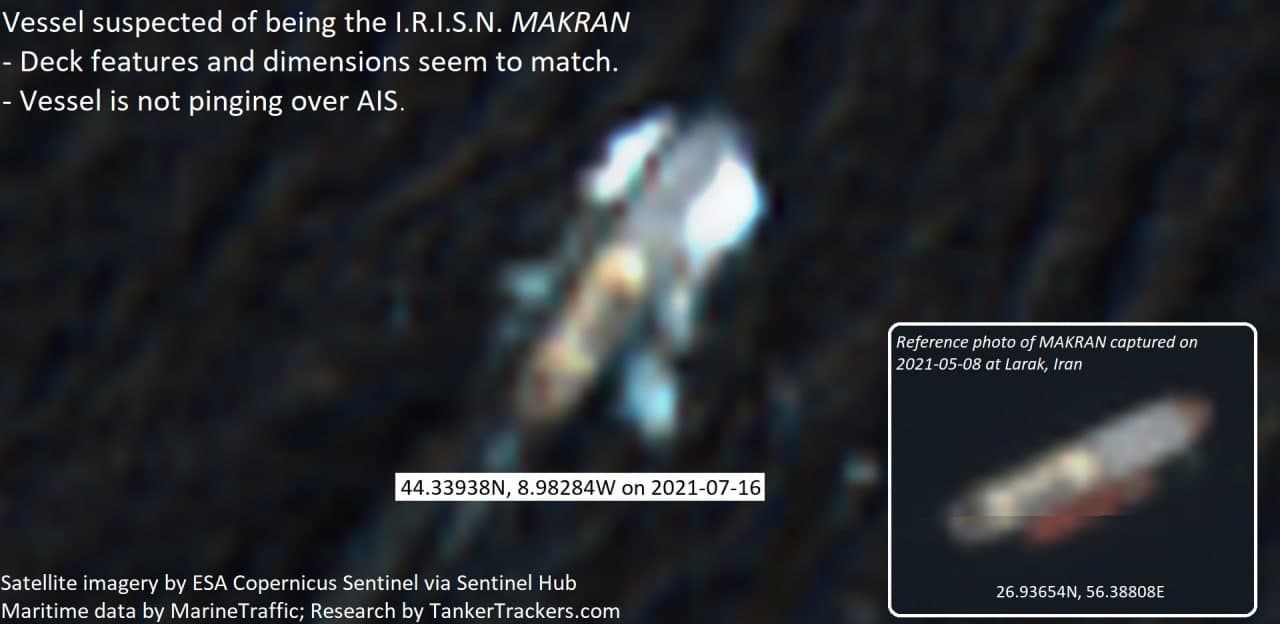
Earlier, the Russian Defense Minister announced the holding of a large naval drill with the presence of Iranian vessels. The Sahand frigate and the Makran Forward Base Ship will also participate in the Russian Navy Day parade drill on behalf of the Islamic Republic of Iran. According to the Russian Minister of Defense, 54 warships and frigates from the Islamic Republic of Iran, Pakistan and India will take part in the parade.
IRIS Sahand was launched on 2012 and added to the navy. Sahand is an Iranian Moudge-class frigate with 95 meters long, 11 meters wide and has phased-array radars and carry domestically made anti-ship missiles with a 124-mile range.
IRINS Makran is about 231 meters long and 42 meters wide. This Forward Base Ship is equipped with defense systems, missile systems and has a high capacity to carry fuel and support warships and various operations. Makran can carry 5 heavy helicopters. This 121,000-ton mobile island was added to the Navy of the Army of the Islamic Republic of Iran on 2020. This ship could provide a platform for more persistent maritime operations in and outside of the country’s own littoral areas.
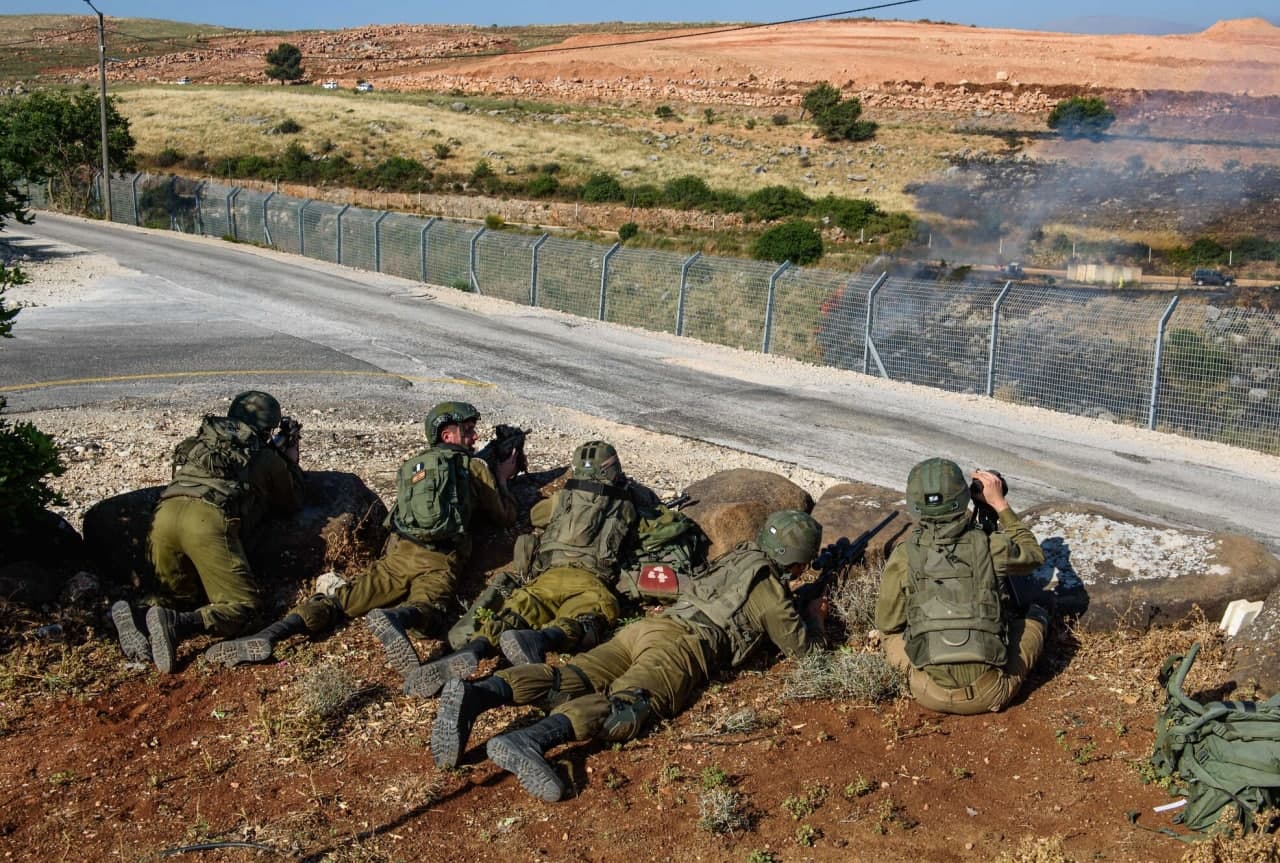
Less than an hour after the incident, the Israeli army shelled areas on the Lebanese border with artillery. It is worth mentioning that this attack took place hours after the attack of the Israeli regime warplanes on the positions of the Syrian army in Al-Safirah area of Aleppo province.
“The Lebanese government is responsible for firing rockets at Israel,” Israeli War Minister Bani Gantz threatened Lebanon.
The last rocket attack from southern Lebanon on the occupied territories took place on May 17, during the Zionist regime’s 11-day war with Palestine. In that attack, at least five rockets were fired from southern Lebanon at occupied Palestine.
The statistics of the activities of the ISIS terrorist group in Afghanistan in the last 48 hours are as follows:
1- IED attack in Aibak district, Samangan province, 18 July 2021. 2- An ISIS member was arrested in Nangarhar province, 18 July 2021. 3- A Tajik member of ISIS threatens in a footage released on 19 July 2021. 4- ISIS members in Afghanistan footage (image) released, 19 July 2021. 5- A security forces was assassinated in Khogyani area, Jalalabad city, 19 July 2021.
According to UN report last year, due to ISIS terrorist attacks in Afghanistan, from February 2020 to February 2021, which includes planting IEDs, assassination, armed attacks, etc., 600 civilians martyred and 2500 security forces killed. ISIS activities focus on districts Jalalabad, Kabul, etc., mainly, among the important ones is attack to Jalalabad prison on August 3, 2020. In this attack more than 300 ISIS terrorists fled from the prison. Afghanistan government never reported that they have been captured again.
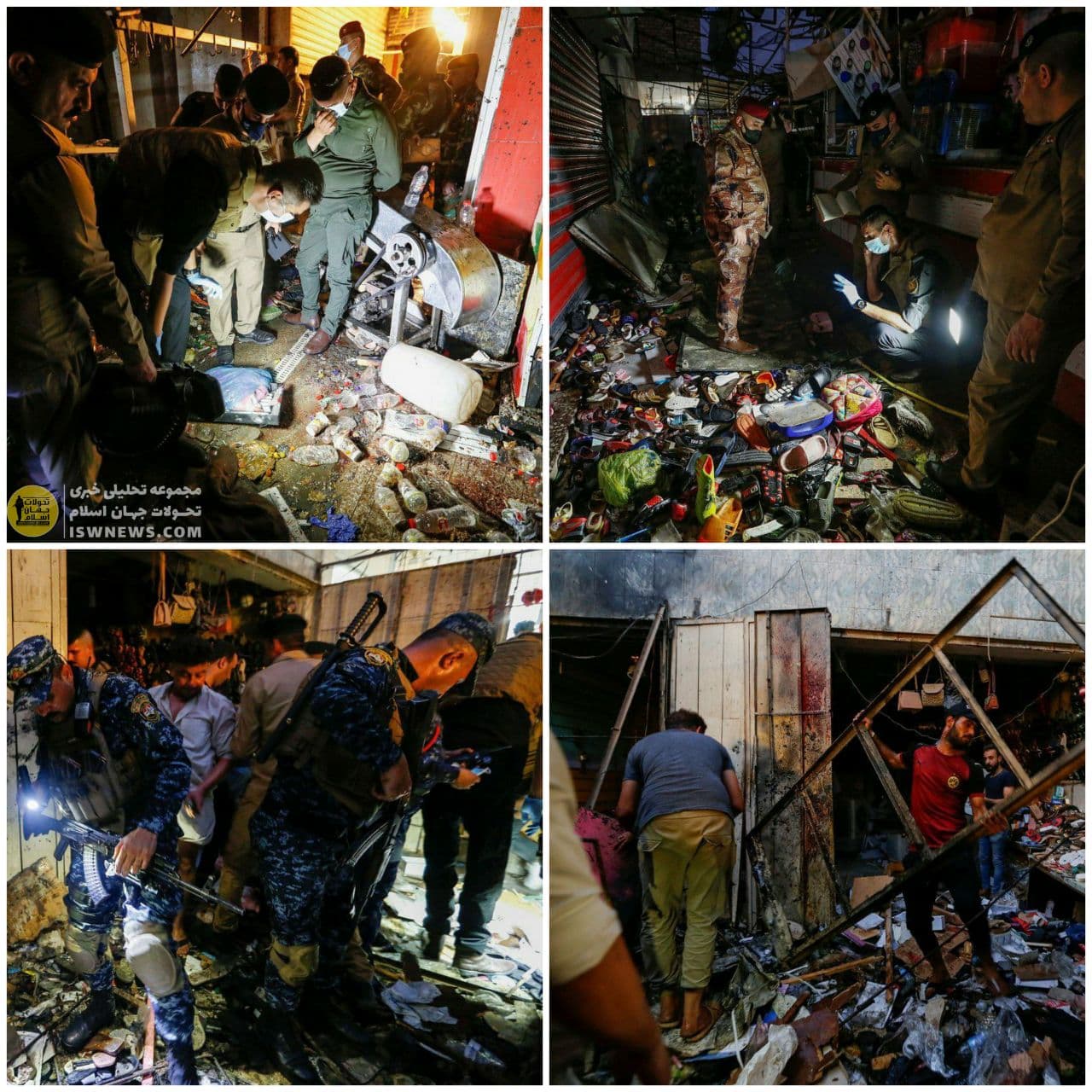
A suicide bomber killed 36 people and wounded dozens in the Al-Wahilat Market in Iraq’s capital Baghdad on Monday, the eve of the Eid al-Adha festival. Among the martyrs are 10 women and 4 children.
Hours after the attack, ISIS claimed responsibility for the terrorist attack in the Sadr City of Baghdad.
On April 15, in another similar attack, a car bomb exploded in the al-Habibiyah area of Sadr City, killing and injuring more than 20 Iraqi civilians, and ISIS claimed responsibility.
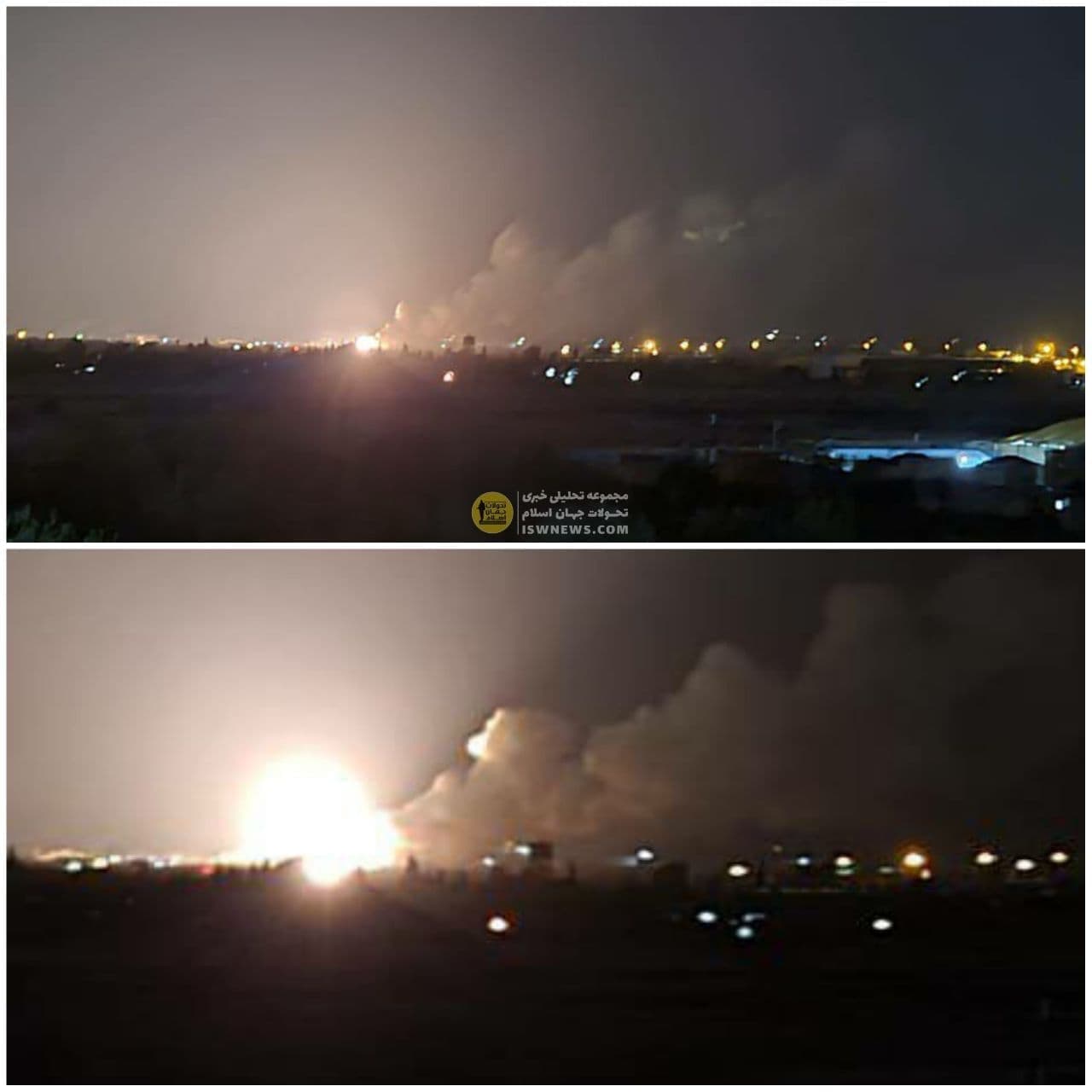
According to preliminary information, the Syrian army air defense shot down most of the Israeli missiles before reaching the targets, but initial reports indicate that at least one missile hit Syrian army positions in the Safirah area.
Syrian Ministry of Defense statement regarding the attack: “At approximately 23.37 pm (local time) on Monday 7/19, the Israeli enemy carried out an air aggression towards southeast Aleppo, targeting some points in the Al-Safirah area. Our air defenses have confronted the aggression’s missiles and shot down most of them, and the results of the aggression are currently being investigated.”
According to the Russian Ministry of Defense, SAA using Pantsir-S and Buk-M2 air defense systems shot down seven of the eight missiles that were fired by the Israeli warplanes at Safirah area.
The last air strike of the Israeli regime in this region is related to September 11, 2020, during which Israeli warplanes fired several missiles at targets in the Al-Safirah area.
According to images released from the scene of the attacks, at least one missile hit a factory in the Al-Safirah area. No casualties have been reported so far. As a result of these attacks, the 400 kV power transmission lines were disrupted and the electricity of Aleppo city was shut down for several hours.
It should be noted that this is the first Israeli regime attack on Syria since the inauguration of Naftali Bennett, the Prime Minister of the Israeli regime.
1- Baghdad: – In conflict between security forces with ISIS terrorists in Taramiyah area, north of Baghdad, two security forces martyred. – On July 17, fire in Muthanna military base was extinguished by the Iraq firefighters. – On July 19, at least 15 people were injured and 36 were killed in a terrorist blast in the Baghdad’s Sadr City.
2- Kirkuk: Due to ISIS terrorists attack to Iraqi army HQ in south of Kirkuk four soldiers martyred.
3- Dhi Qar: On July 15, a logistical caravan of American occupiers was attacked in Naseriyah.
4- Erbil: Robert Palladino, new US consulate in Erbil, met with the Democratic Party leader, foreign affairs chief and prime minister of Kurdistan Iqlim.
5- Nineveh: – Nineveh Police Command arrested Abu Yusuf, entitled as security lion of ISIS. He is a leader of ISIS during the time ISIS was occupying Mosul. – IED explosion en route Turkish army patrol near Baashiqah base, north of Mosul.
6- Duhok: Turkish intelligence claimed that two PKK members were killed in Duhok area.
7- Anbar: – Anbar Operation Command launched an operation against ISIS hidden cores. – Security forces shot down an unknown drone over Fallujah.
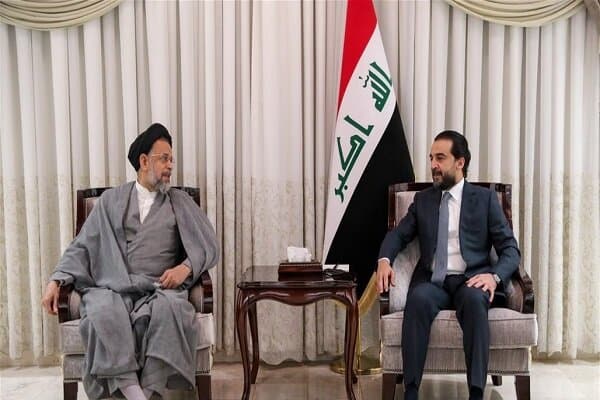
8- A short while after visit of Hossein Taeb, IRGC intelligence chief from Iraq, Sayyid Mahmoud Alavi, Intelligence Minister of Iran visits Iraq and meets Iraqi officials.
9- On July 15, Mustafa Al-Kadhimi, Iraqi PM, met with an American committee, led by the White House coordinator in middle east affairs. Brett McGurk said: USA will withdraw troops from Iraq step by step. Al-Kadhimi’s counselor said: Iraqi PM will will examine US troops withdrawal schedule in Washington.
10- On 18 July, US drones attacked a Hashad Sha’abi vehicle at the border with Syria.
11- Mustafa Al-Kadhimi, Iraqi commander in chief, promoted three security commanders, Abdul Amir Al-Shammari, deputy chief of staff, Ahmed Abu Ragheef, head of intelligence department of ministry of state and Mohammed Al-Bayati, military deputy of prime ministry, fro Lieutenant General to full General.
12- Murders of Hisham al-Hashimi, Iraqi researcher and reporter, arrested. One of them is an officer of Ministry of Sate.
13- PKK claims to kill five Turkish soldiers in north of Iraq in two operations.
14- Mustafa Al-Kadhimi will meet Joe Biden on July 26 in the White House.
15- Muqtada Sadr, leader of Sadr movement, said in a speech on July 15 that he doesn’t have any involvement on the current or future government.