Category: Africa

  • Mali War, Friends and Foes + Map

    Mali War, Friends and Foes + Map

    Mali is a landlocked country in West Africa bordering with Algeria, Niger, Burkina Faso, Côte d’Ivoire, Guinea, Senegal and Mauritania. The country has an area of ​​1240192 square kilometers and a population of about 20 million people who have different ethnicities and languages. About 90% of the Mali population is Sunni. The official language of Mali is French, the legacy of years of colonization by Europe and France; However, only 5 to 10 percent of Mali people are fluent in French, and the local dialect of Mali is Bambara, and about 80% of Mali people speak it as their first or second language.

    The northern Mali deserts have vast resources of oil and gas that have not yet been exploited. Mali also has huge resources of gold, uranium, etc. However, despite having such vast and valuable mineral and fossil resources, Mali is at the lowest possible level of development and more than half of its population lives below the poverty line. Overall, Mali is one of the poorest countries in Africa and the world.

    Mali has a civilization and history of two thousand years ago and has been under the rule of the Sudanese Empire and Morocco for several periods. The region was occupied by France before the outbreak of World War I and finally gained independence on September 22, 1960.
    After gaining independence under Modibo Keïta and eight years of socialist rule, Mali became the scene of a military coup by General Moussa Traoré, which ruled until 1991. With the beginning of the popular protests, Traore was removed from the throne and various parties took control of the Mali government through elections until 2012. In 2012, another military coup led to the dissolution of the government and armed groups took control of various areas in Mali.
    The Azawad separatist movement in the north and al-Qaeda militants in other parts of Mali were able to seize parts of the country, and the French-backed government retained the capital and recaptured the lost cities and towns in a short time. In recent years, there have been several rounds of talks between the government and the opposition groups, which have not yet reached a conclusion. Conflicts are also raging across Mali, and the people of Mali are still waiting for the government’s promise to end the conflict, the withdrawal of foreign troops and the holding of a solid national election.

    Classification of parties involved in the Mali war:

    Mali government and foreign allies:
    Following the military coup in 2012 against the Malian president, Amadou Toumani Touré, the Azawad movement, in collaboration with Ansar Dine and other armed groups, occupied three northern Mali provinces. After occupying northern Mali, they announced the formation of an independent Azawad government.
    The leaders of the Azawad movement eventually clashed with the Ansar Dine group because of disagreement on how to govern the country and after months of fighting lost the war to Ansar Dine militants, which had the support of other extremist groups in the region, such as Al-Qaeda in the Islamic Maghreb (AQIM), Movement for Unity and Jihad in West Africa (MUJWA), etc.
    The Ansar Dine group enforced strict and fanatical laws in the areas under their control, which were opposed by the people and provoked popular protests. In 2013, the French army saw the situation ready to return to Mali, hence, under the pretext of countering terrorism, intervened militarily in Mali war with several African countries under the name of Operation Barkhane. With foreign intervention in Mali, government forces recaptured northern towns, and opposition groups from Azawad to other extremist groups lost their positions.

    Operation Barkhane is the French military operation with cooperation of the G5 (Mauritania, Mali, Niger, Burkina Faso and Chad) countries in Africa’s Sahel region against the Islamist groups that started on August 1, 2014. The Sahel is the ecoclimatic and biogeographic realm in ​​central Africa that stretches from west to east between the Atlantic Ocean and the Red Sea.

    Sahel region and Sahara desert in central and northern Africa

    The French army has set up military bases in Chad, Niger and Mali, including six bases of Gao, Tessalit, Kidal, Menaka, Gossi and Timbuktu in Mali. Other bases are located in areas such as Abecheh, Faya, N’Djamena in Chad, Niamey, Madama, Aguelal in Niger. The Operation Barkhane is permanently headquartered in N’Djamena, the capital of Chad.

    In recent years, several ceasefire and peace agreements have been signed but the conflict has resumed under various pretexts. Among the reasons for the continuation of these disputes are the refusal of the Mali government to grant autonomy to the North, the non-compromise of jihadist groups with the government, the pressure of foreign countries, especially France.
    The French involvement in the Mali war created a good excuse for the extremists. Because the northern opposition used the France colonization behavior as a pretext, therefore the jihad against the Crusaders again became the basis for the recruitment of Salafi groups.

    On the other hand, the Mali government has faced political decline and has faced two coups in its capital in the last year. Of course, French pressure on the Mali government not to negotiate with the opposition and to exert influence on Mali through countries in the region has been effective in Mali’s political deadlock; to the point that in recent months relations between Mali and French government officials over political pressure and ceasefire violations become more strained than ever.

    The dispute has escalated in recent weeks after the French government announced a decision to reduce its troop numbers in the Mali and Sahel region. France currently has about 5,000 troops in the region under Operation Barkhane and also 15,000 UN peacekeepers in Mali as part of the United Nations Multidimensional Integrated Stabilization Mission (MINUSMA). France is said to have decided to reduce the number of its troops to 2,500 by 2023.
    On the other hand, the Mali government has also come up with a solution, and there have been widespread rumors in the media recently about the Mali government willingness to hire Russian Private Military Contractors to replace French troops. Russia has welcomed the request and donated four Mil-17 helicopters to the Mali army in June 2021. These actions have provoked France serious protests and warnings to Mali. An issue that the French did not like and that upset them deeply!

    Azawad Movement:
    Azawad is the name of a political and military movement in northern Mali whose members are Tuaregs. They attribute their civilization to the Gao Empire in northern Mali, which was formed in the ninth century AD and joined the Mali Empire in the fourteenth century.
    Azawad declared its existence after the military coup in 2011 with the aim of dividing northern Mali. The group had between 9,000 to 10,000 armed forces and it is said that some of the Tuareg members of the Libyan army during Gaddafi and the Tuareg insurgents in 2007 in northern Niger have been members of the movement. The movement weakened after the defeat by Ansar Dine and the group’s allied militias, and its remnants joined the Coordination of Azawad Movements (CMA) in 2014.
    The Coordination of Azawad Movements is a coalition of Tuareg independence and Arab nationalist groups which formed in Mali, most of whose militants and supporters are currently present in the three northern provinces of Gao, Kidal and Timbuktu.
    This coalition (cooperation) includes the following groups:
    1- The National Movement for the Liberation of Azawad (MNLA)
    2- The High Council for Unity of Azawad (HCUA)
    3- The Arab Movement of Azawad (MAA)
    4- The Coordination of Patriotic Resistance Movements and Forces (CMFPR)
    5- The Coalition for the People of Azawad (CPA)

    Jama’at Nasr al-Islam wal Muslimin:
    The Jama’at Nasr al-Islam wal Muslimin (JNIM) is an extremist organisation that was formed in 2017 with the merger of Ansar Dine, the Macina Liberation Front, Al-Mourabitoun and the Saharan branch of Al-Qaeda in the Islamic Maghreb. This group can be considered the official branch of the al-Qaeda terrorist group in Mali, because in 2017, they pledged allegiance to al-Qaeda leader Ayman al-Zawahiri. The group also considers itself an ally of Abu Musab Abdel Wadoud, (former) Emir of Al-Qaeda in the Islamic Maghreb and Taliban leader Hibatullah Akhundzada in Afghanistan.
    The Jama’at Nasr al-Islam wal Muslimin militia has repeatedly attacked positions of the Mali army and foreign forces in recent years. The leadership of JNIM is in the hands of Iyad Ag Ghaly, the former leader of Ansar Dine group. He is one of the most prominent leaders of the Tuareg insurgency between 1990 and 1995, with a long history of guerrilla warfare.

    ISIS:
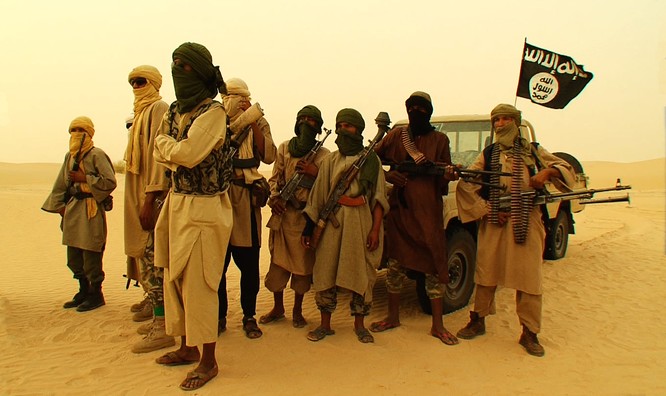
    ISIS was formed in Mali with the separation of some commanders of the Al-Mourabitoun group in 2015 under the name of “Islamic State in the Greater Sahara”, which in addition to Mali, also operates in Niger and Burkina Faso. In the following years, ISIS recruited a large number of militants from Gao.

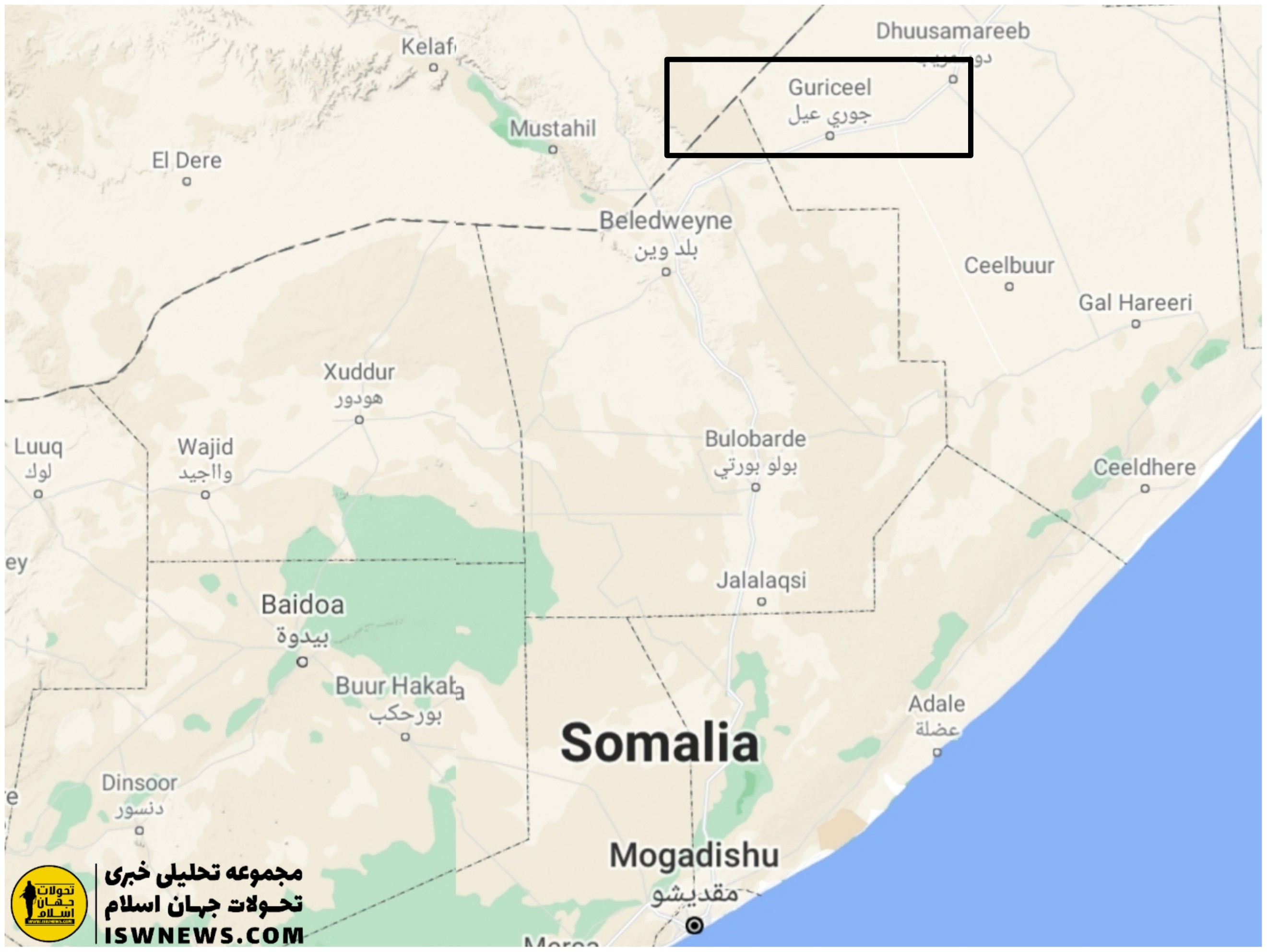
    Click to see the full size map
  • Guriel; New scene of the Somali conflict

    Guriel; New scene of the Somali conflict

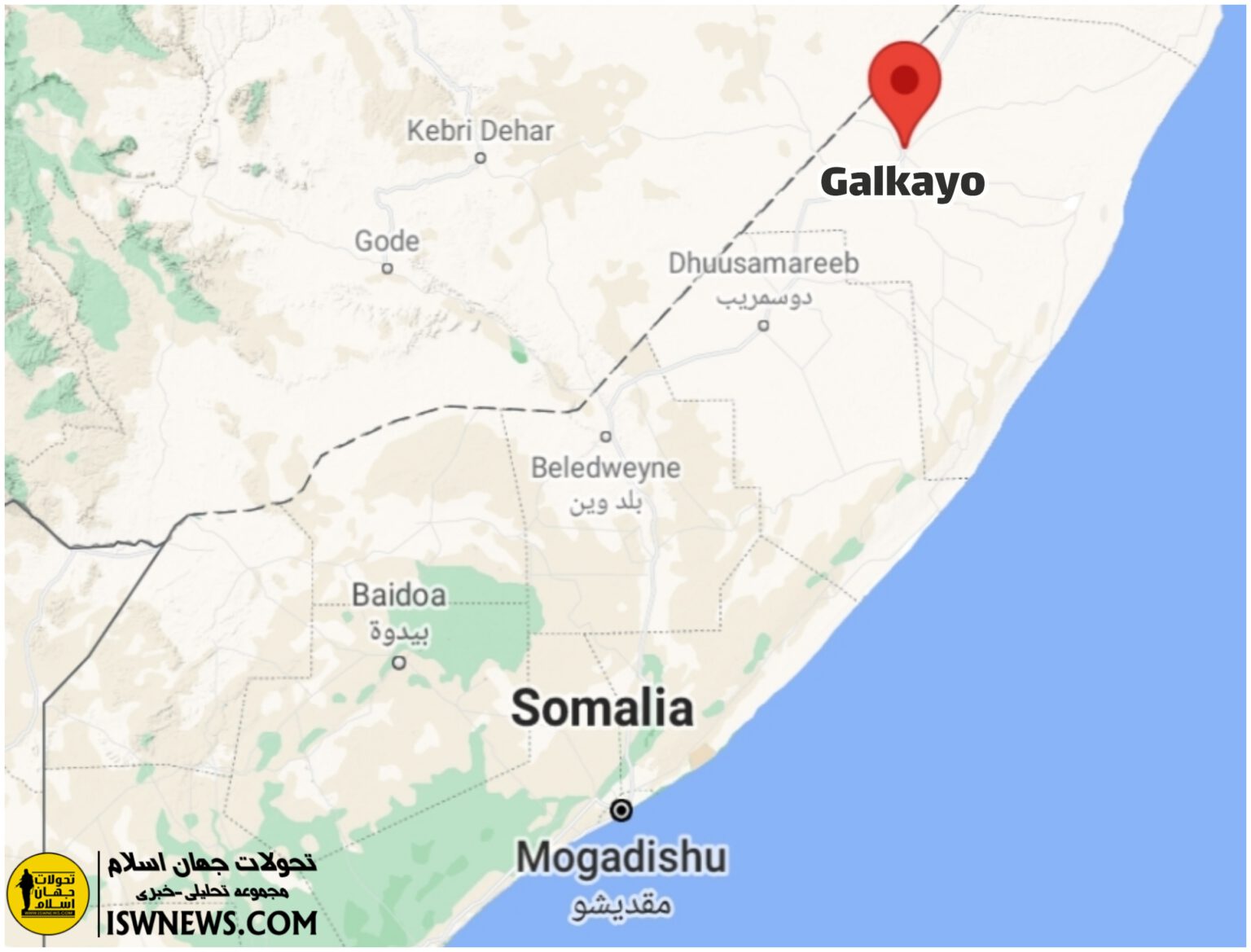
    Three weeks ago, government forces withdrew from the town of Guriel as a result of a heavy attack by the Ahlu Sunna Waljama’a group. Following the fall of Guriel to Ahlu Sunna Waljama’a militants, the Somali army launched a counterattack since October 23, and heavy fighting continues despite the army advancing in the town.

    No reliable casualty figures have been released, and local sources put the death toll at more than 120 and the number of injured at about 600.

    The Ahlu Sunna Waljama’a is a Sufi Islamist group that has been active in Somalia since 1991. Its members are generally moderate Islamists and oppose the views of Salafi jihadist groups such as Al-Shabaab and other groups such as ISIS. The group’s leaders have stated that their goals are to prevent the imposition of Sharia (Wahhabism) law and to protect Sunni-Sufi traditions. During the Somali civil war, the group collaborated in overthrowing the communist socialist regime of Mohamed Siad Barré. He also fought extremist groups such as al-Shabaab between 2008 and 2012, during the transitional government of Somalia, and later with the Somali federal government.

    In 2015, political disputes in Galmudug state led to bloody clashes between Ahlu Sunna Waljama’a forces and the Somali National Army in the town of Guriel. However, after a short time, the two sides made peace and an agreement was signed between the Minister of Defense and the leader of the Ahlu Sunna Waljama’a group. In 2018, the Ahlu Sunna Waljama’a merged their military forces and administration into the government forces of Galmudug state.

    But over the past month, fighting and clashes in the region have flared up again due to differences between forces in Galmudug state and Ahlu Sunna Waljama’a.

  • Another Coup d’état in Sudan

    Another Coup d’état in Sudan

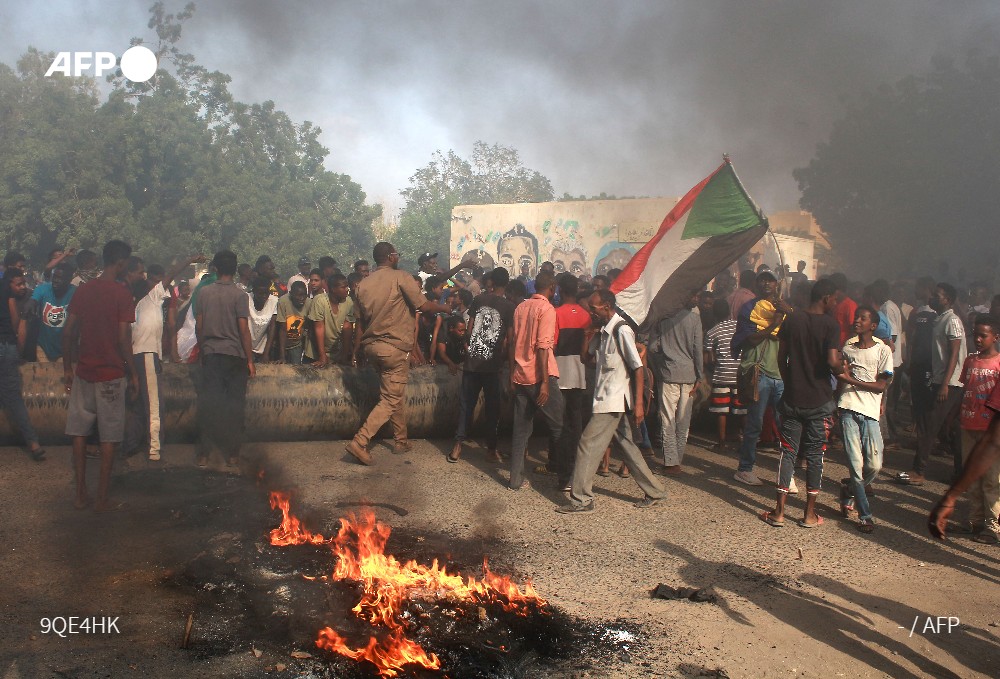
    On October 25, a group of Sudanese military and intelligence forces raided the home of Prime Minister
    Abdalla Hamdok
    and four other ministers of the Sudanese transitional government. After these arrests, tens of thousands of Sudanese protesters poured to the streets in the Sudanese capital, Khartoum, to protest the coup d’état. The Sudanese army and police have also occupied government radio and television buildings, blocking the airport and main roads in Khartoum.

    Local sources also reported a massive internet outage in the Sudanese capital, and no details were available on the fate of the detainees. Pro-government political groups have also called on their supporters to resist and protest, and the situation in Sudan remains tense.

    “Some are dragging the country into a civil war with hatred and racism, threatening national unity,” said Sudan Army Commander Abdel Fattah al-Burhan. He added: “The Prime Minister is in my house to keep himself safe and he will live his life normally and he will return home. We want a transitional government that runs the country and keeps the armed forces out of politics. We want the independence of the judiciary and the establishment of the Constitutional Court, the Supreme Judicial Council and the Prosecutorial Council.”

    Omar al-Bashir was ousted in a 2019 military coup against the government, and Abdalla Hamdok was elected prime minister of the transitional government. The transitional government must run the country for three years and, at the end of its term, hold democratic elections And hand over power to the elected government.

  • France Assassinates Al-Qaeda Leader in Mali

    France Assassinates Al-Qaeda Leader in Mali

    According to the French military, Nasser Al-Tergui, one of the leaders of the Katiba of Gourma-Serma in Mali, operating under Jama’at Nasr al-Islam wal Muslimin (Group for the Support of Islam and Muslims (GSIM)), was killed by airstrikes in the outskirts of Bambou.

    Al-Tergui was assassinated while the Mali government agreed last week with the militants to negotiate on a ceasefire to end years of bloodshed in the country. The French move could be considered as a warning to the Mali government to compromise with the militants.

    Claiming to fight terrorism, France has deployed more than 5,000 troops in Mali and other African countries, and somehow manages the region’s economic resources and developments.

  • ISWAP Leader in Nigeria is Killed

    ISWAP Leader in Nigeria is Killed

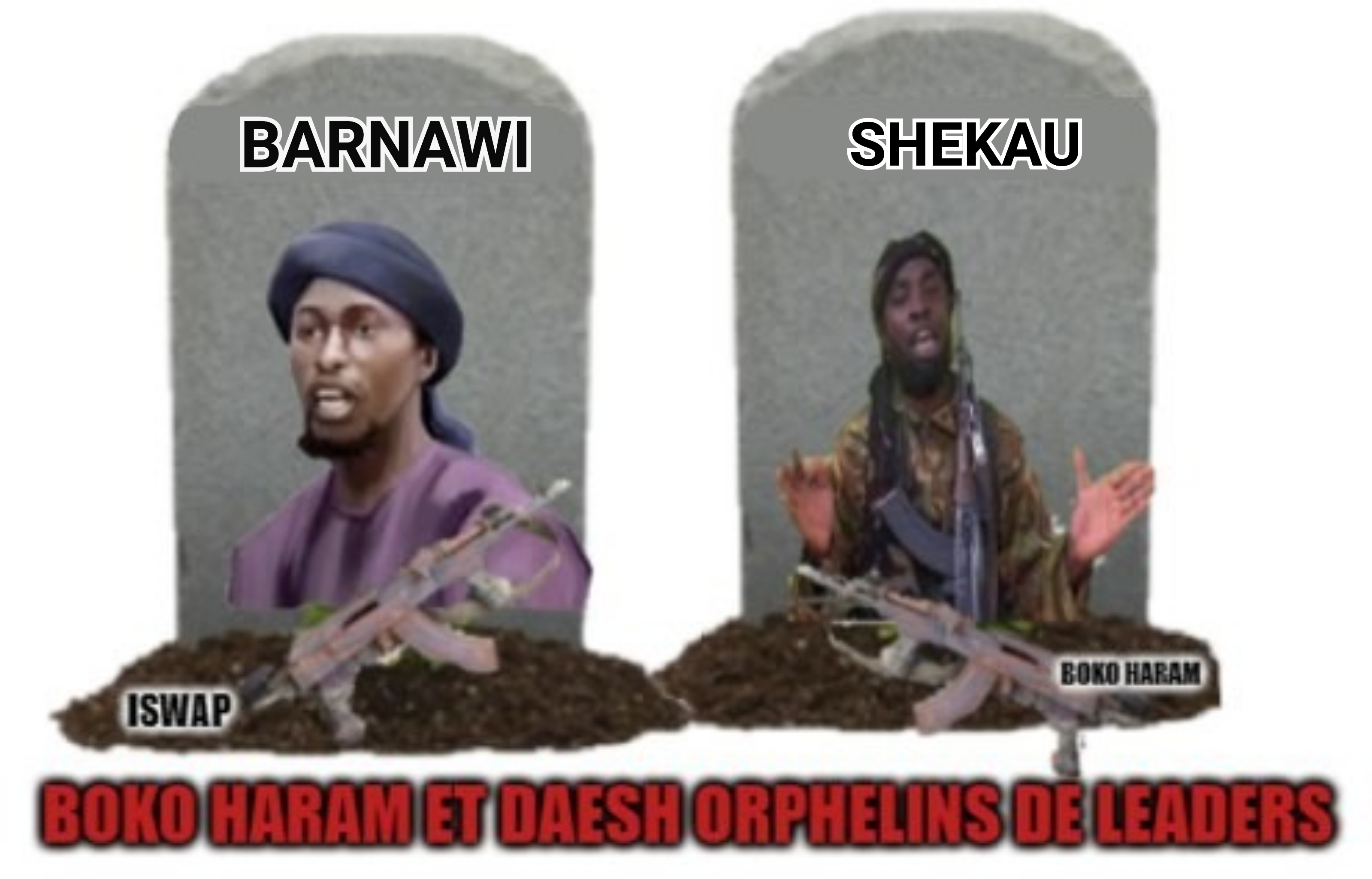
    On October 14, Nigeria’s chief of defense staff, General Lucky Irabor announced the death of ISWAP leader Abu Musab al-Barnawi at a news conference in Lagos city. The claim comes while video and news documents of al-Barnawi’s death have not been released to date, and ISIS has not reacted in this regard.

    Habib Yusuf AKA Abu Musab al-Bernawi is the son of Muhammad Yusuf, the first commander of Boko Haram. With the separation of Abubakar Shekau (Boko Haram’s second commander) from the ISIS body in 2016, Abu Musab al-Bernawi was elected as the new ISIS commander in the West African Province. He has been instrumental in many of the crimes committed by Boko Haram and ISWAP in Nigeria and has carried out numerous operations against the Nigerian military.

    Al-Barnawi claimed in June that his rival, Abubakar Shekau, had been killed in the Sambisa forest and invited Boko Haram militants to join him. But his leadership did not last long, and the Nigerian military ended his leadership.

  • US attacks Al-Shabaab in Somalia

    US attacks Al-Shabaab in Somalia

    According to Cindi King, a Pentagon spokeswoman, the US drone strike on al-Shabaab militant positions took place after they attacked government forces in the vicinity of Qeycad in Galmudug area in northern Somalia.

    This is the second US attack on the positions of the al-Shabab terrorist group during the Joseph Biden administration, after a six-month hiatus.

    The United States carried out 63 airstrikes in 2019 and about 53 airstrikes in 2020 against al-Shabaab positions in Somalia.

  • US attacks Al-Shabaab in Somalia

    US attacks Al-Shabaab in Somalia

    The drone strike which is the first US attack on Al-Shabaab positions since the inauguration of President Joseph Biden, came after Al-Shabaab militants attempted to attack the headquarters of the Danab forces. The Danab forces are Somali army commandos trained by the United States.

    It is worth noting that Kenyan Army warplanes also bombed Al-Shabaab positions in southern Somalia last week.

    The United States has deployed more than 700 troops in Somalia in recent years. The troops left Somalia on January 22, 2021 at the behest of former US President Donald Trump. Now, with the rise of Al-Shabaab threats in Somalia, it is said that the United States intends to send troops to the country again, and the recent US drone strikes prove this.

  • Nigeria: Boko Haram militants joined ISWAP

    Nigeria: Boko Haram militants joined ISWAP

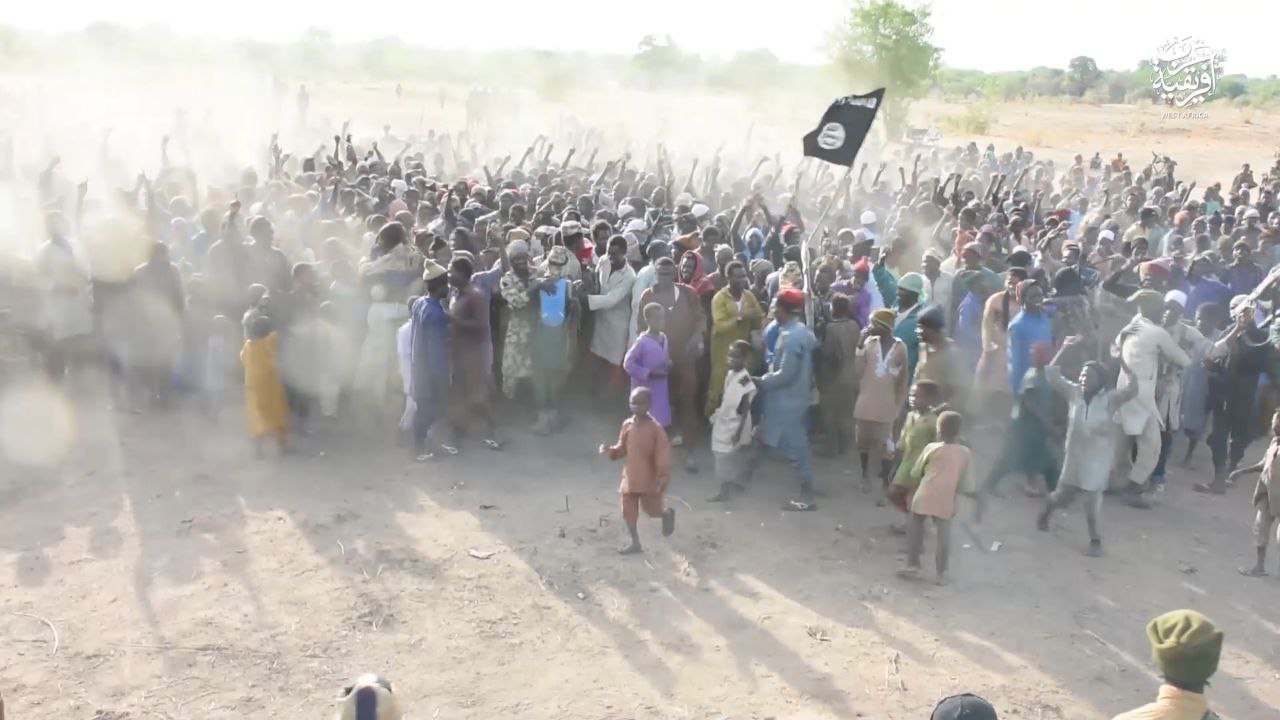
    Following the death of former Boko Haram leader Abubakar Shekau and changes in the group’s structure, a large number of Boko Haram militants joined ISWAP. In a video recently released by ISWAP, Boko Haram militants pledge allegiance to an ISWAP commander Abu Ibrahim al-Hashimi al-Quraishi and ask other Boko Haram militants to respond to the caliph’s invitation.

    The developments come as former Boko Haram leader Abubakar Shekau was killed on June this year, and a man named Bakur Sakhalaba is claiming to succeed him.

  • ISIS suicide attack in southern Libya

    ISIS suicide attack in southern Libya

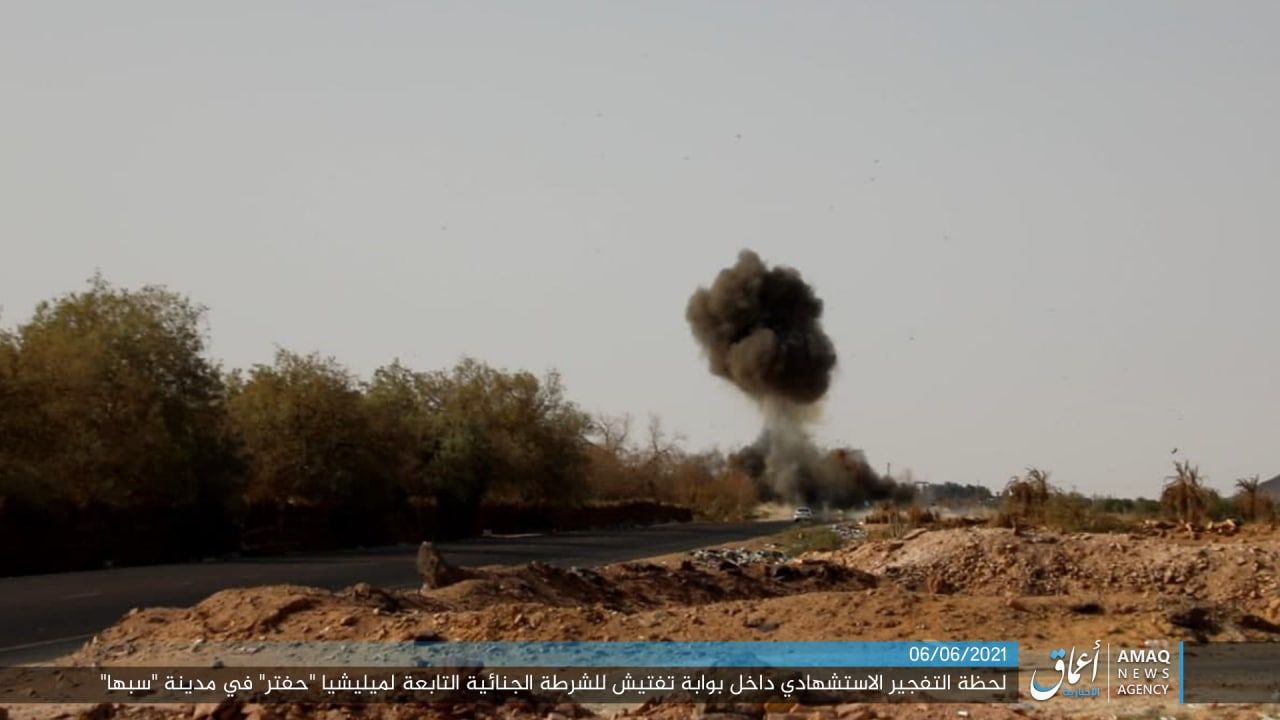
    The attack took place at the al-Mazeq checkpoint at the entrance to the city of Sabha, destroying three military vehicles, killing two LNA soldiers and wounding several others.

    The head of the Sabha city criminal investigation department and a senior LNA official were among those killed.

  • Did ISIS killed leader of Boko Haram?

    Did ISIS killed leader of Boko Haram?

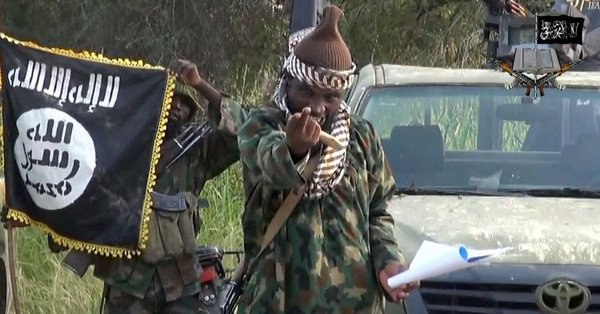
    According to local media, Abubakar Shekau fled to his safe haven in Sambisa forest during the attack by ISIS, he declined to surrender and committed suicide!

    There are many stories about the detail of his death. These stories became more complicated after message of Abu Musab al-Barnawi, ISIS terrorist group west of Africa branch leader. He claims they arrested Shekau with utmost humiliation. He asked the followers of Shekau to stop fighting ISIS which shows resistance of Shekau followers.
    Nevertheless, government sources have not confirmed death of Abubakar Shekau.

    On March 2015, Shekau pledged allegiance to ISIS leader Abu Bakr al-Baghdadi, but since ISIS terrorists believed he is not following theological believes in west of Africa, opposed him. Due to this discord, ISIS assigned Abu Musab al-Barnawi, son of Abu Musab al-Barnawi former leader of Mohammed Bin Yusuf, to ISIS branch in west of Africa leadership and fought with followers of Shekau. The battle continued until Shekau suicide news came out.

  • Boko Haram new attacks to Nigeria Army + Images

    Boko Haram new attacks to Nigeria Army + Images

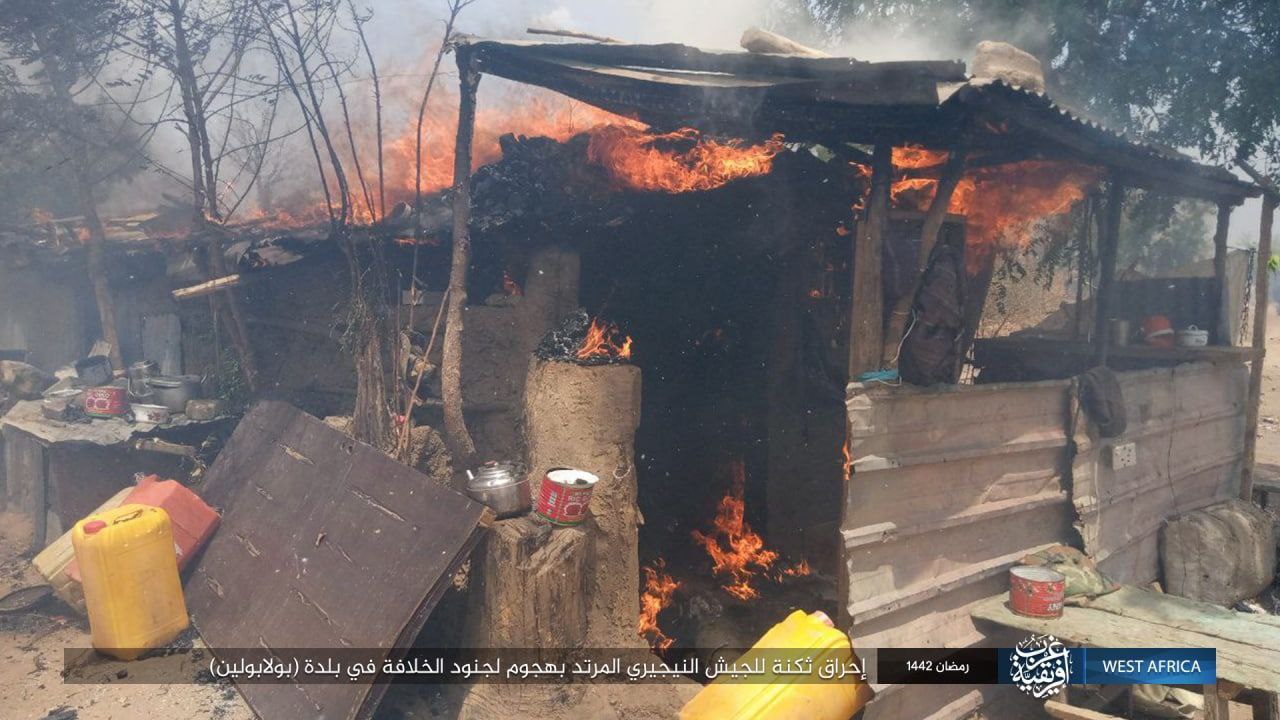
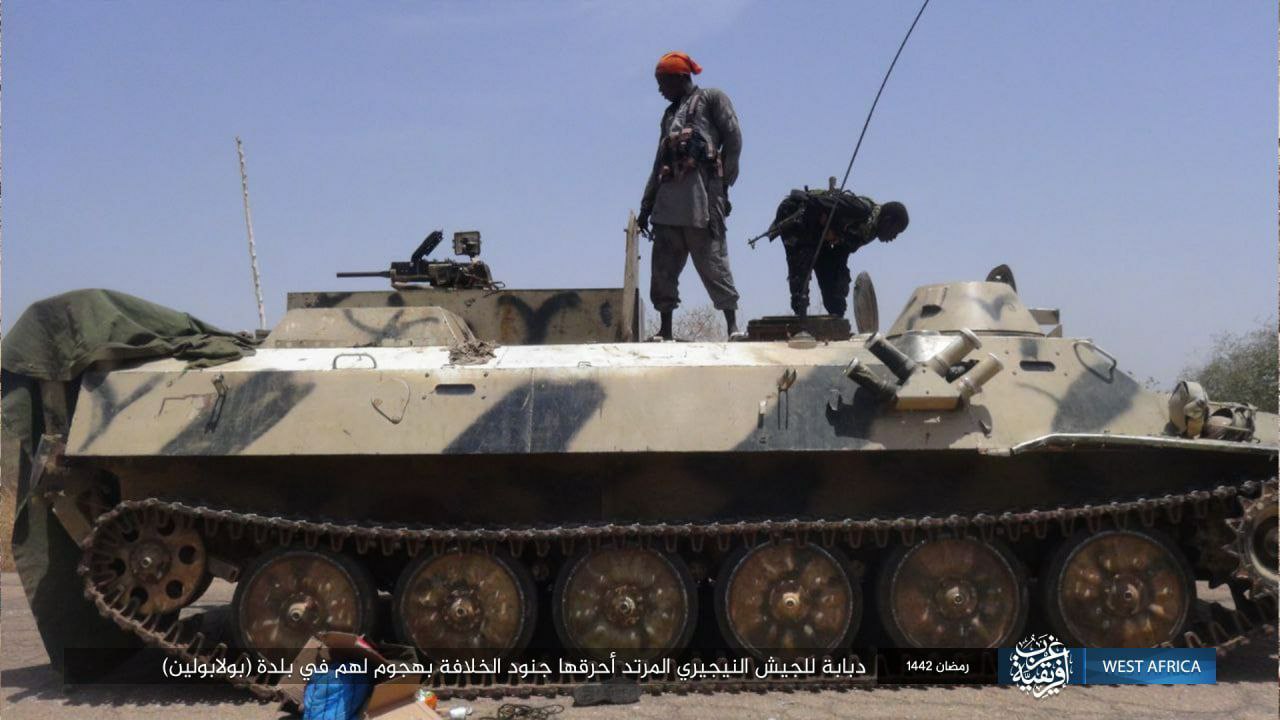
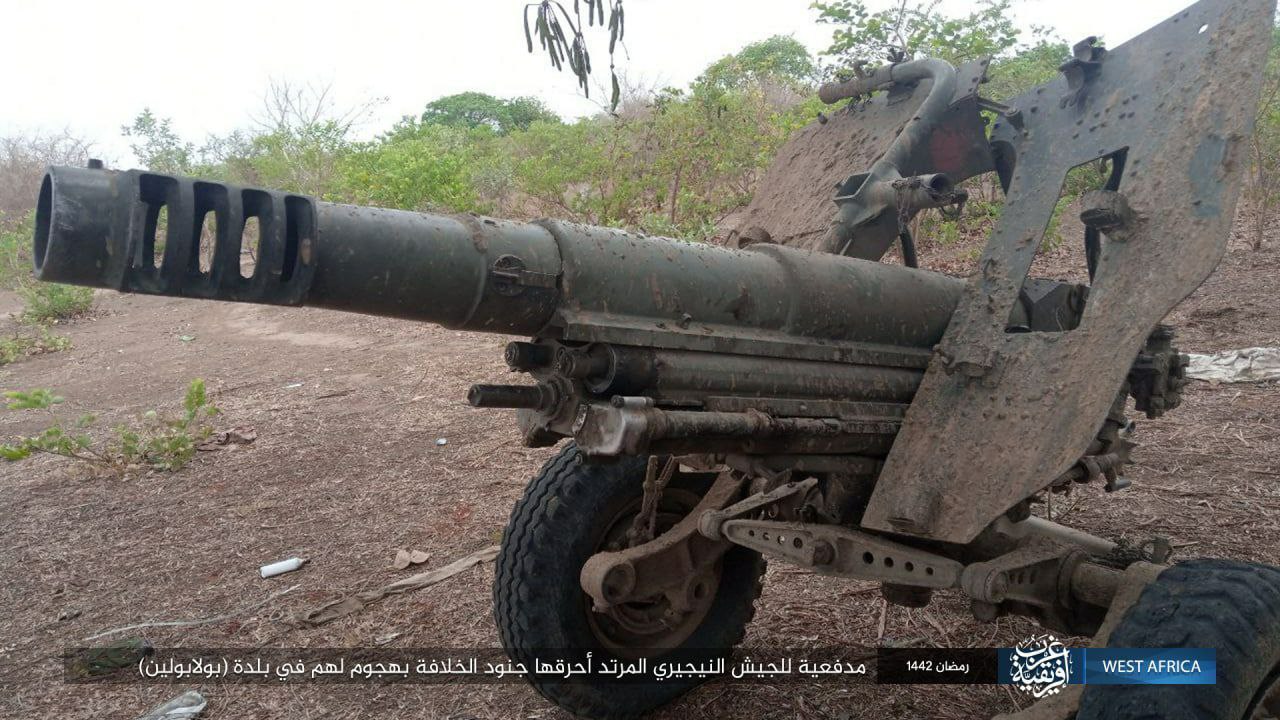
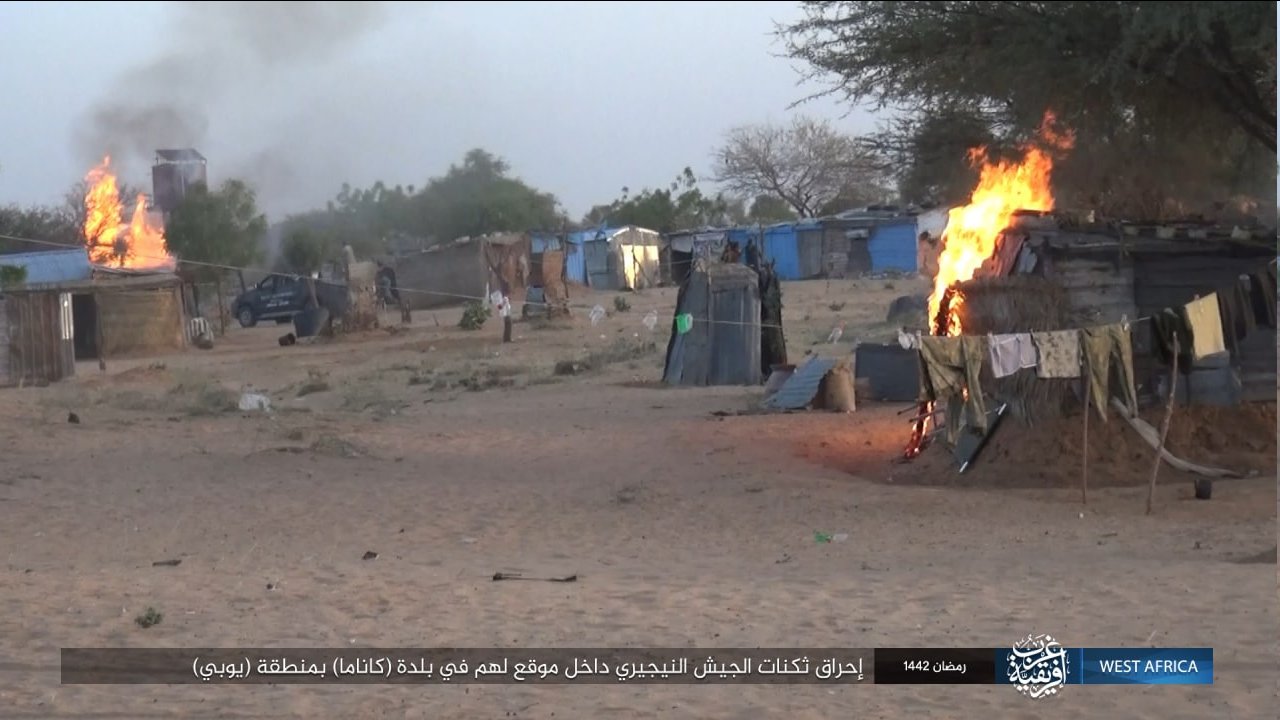
    According to the latest updates on conflict in Nigeria, Boko Haram militants attacked an Army base in Bulabulin ,south of Maiduguri town and other positions in Ajiri area. Following the attacks, the militants plundered the army equipment and set the base and vehicles on fire.
    In another attack by the terrorists to Army positions in Ajiri area, 15 including 10 civilians were killed.

  • Increased ISIS activity in northern Nigeria

    Increased ISIS activity in northern Nigeria

    According to Bauchi state officials, Boko Haram militants have infiltrated the villages of Zaki, Dambam, Darazo and Gamawa in Bauchi state. These areas are adjacent to the Geidam area and bordering the state of Yobe, which has been recently captured by the militants.

    Boko Haram has also stepped up its attacks in the state of Borno. Boko Haram attacked an army base in the Ajiri area, 52 km south of Maiduguri. Seven people were killed in the attack, including a Nigerian army commander.

    In another ISIS attack on the northern areas of Yobe state, the border village of Kanamma was captured by ISIS and army equipment was looted. This is the fourth attack on Kanamma village.

    Increased coordinated attacks by Boko Haram and ISIS in Nigeria will further weaken the country’s military And if comprehensive counterterrorism plans are not adopted, there is a possibility of a complete collapse of the northern regions of the country.