Category: Central Asia – Pacific

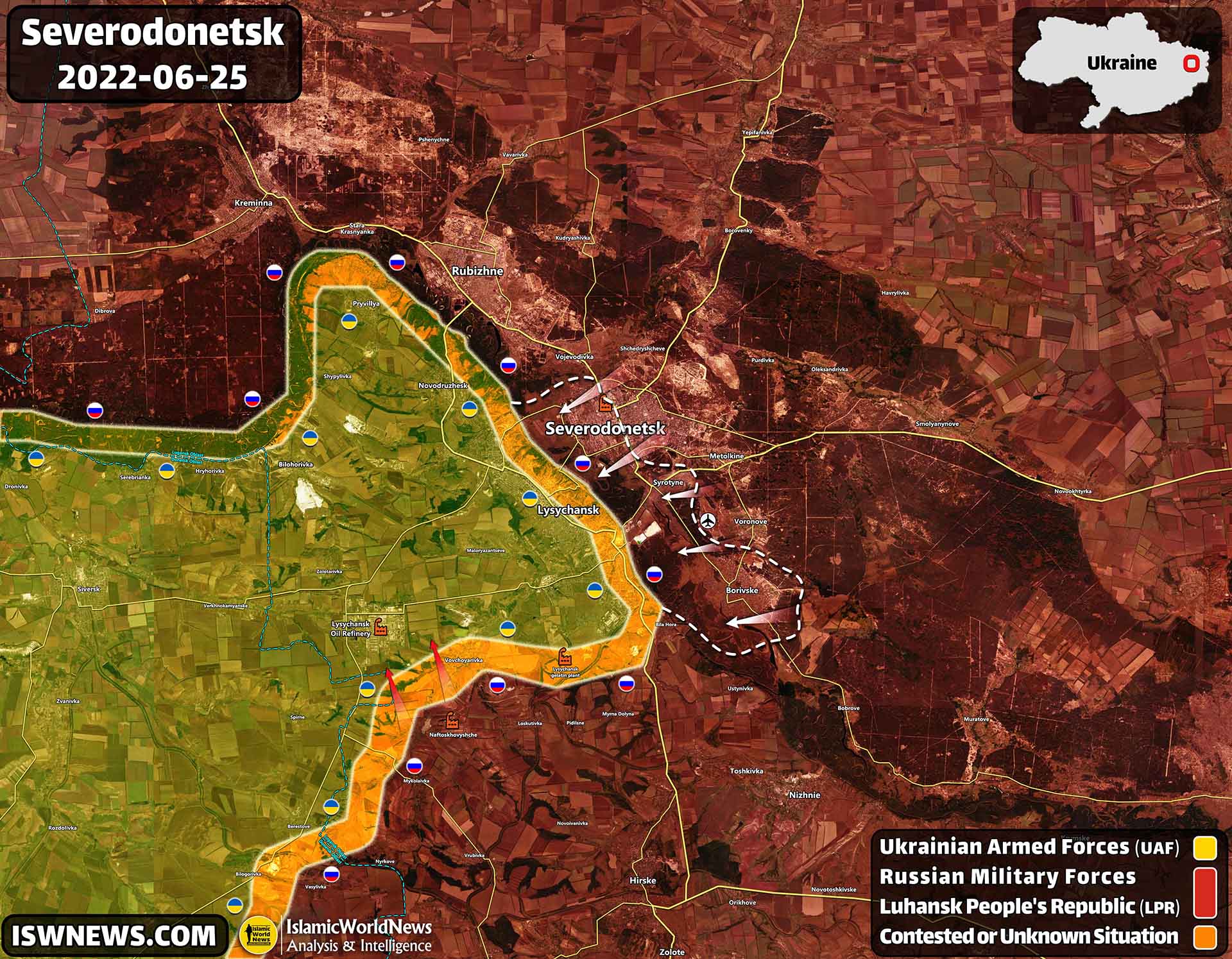
  • Russia captured Severodonetsk city!

    Russia captured Severodonetsk city!

    During the Russian advance, in addition to the city of Severodonetsk, the Syrotyne and Borivske settlements also came under Russian control. According to the information provided, the newly captured areas is about 145 square kilometers. However, the resistance of the Ukrainian forces in the city of Severodonetsk and the surrounding areas until the last day was very good and notable; But now, with the Russian occupation of the city, the morale of the Ukrainian forces to maintain the remaining areas in the Luhansk oblast will practically disappear, and we will probably see faster defeats and early retreats to the Bakhmut-Slavyansk-Kramatorsk line.

    Currently, most of the clashes are concentrated in the Vovchoyarivka area and south of the Lysychansk refinery. The purpose of the Russian advance on this axis seems to be to pressure the Ukrainian forces to withdraw from the city of Lysychansk.

    Read more:
    Latest military situation on Severodonetsk front, 7 June 2022
    Latest Military Situation in Ukraine After 99 Days of War (Map Update)

    Click to see the full size map
  • Clashes between Taliban and Mehdi Mojahed in Balkhab

    Clashes between Taliban and Mehdi Mojahed in Balkhab

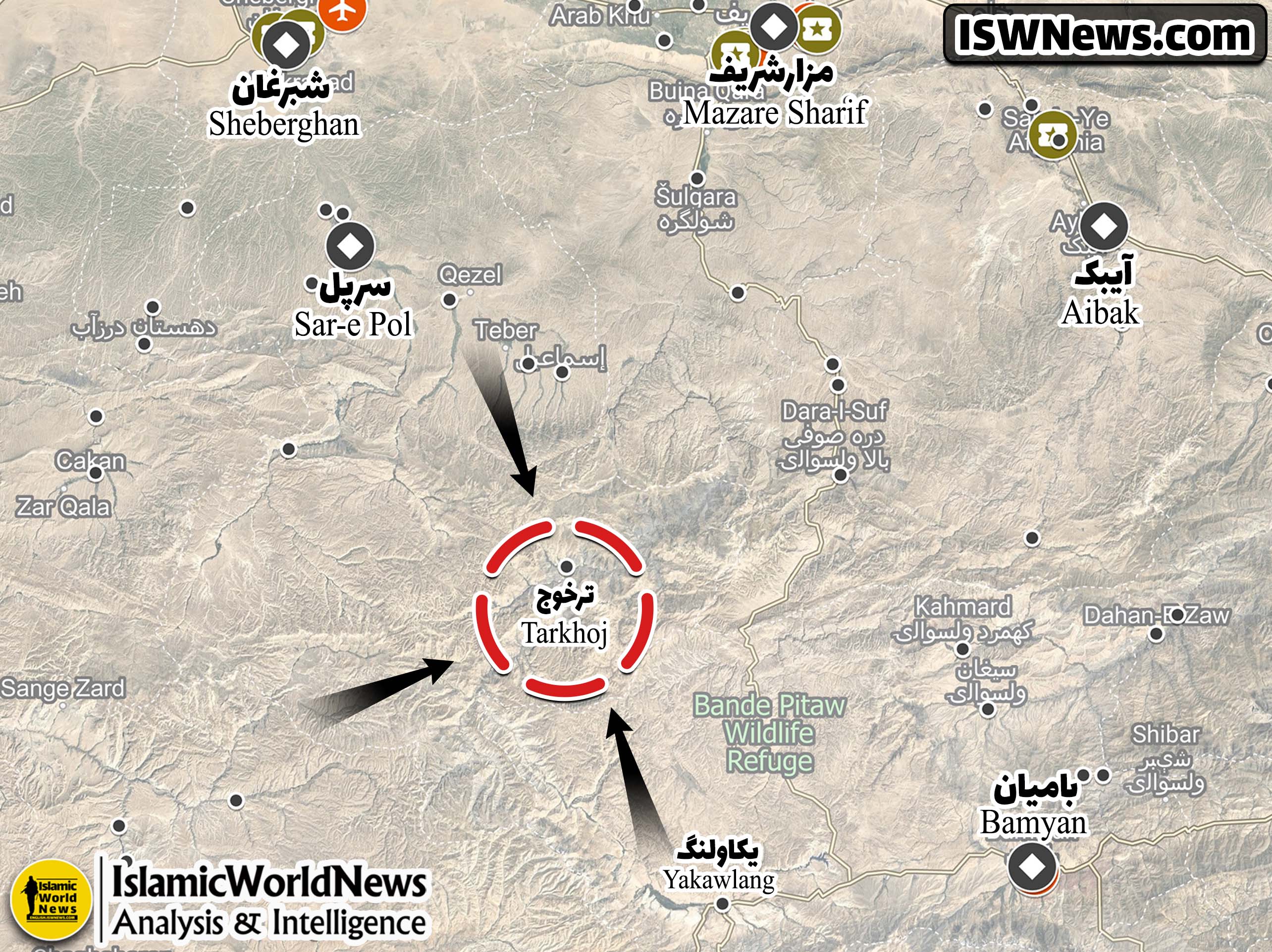
    Taliban attacks on Balkhab district to arrest Mahdi Mojahed have started in the evening of June 23 in Dozdan Darreh, Qom Kotal and Abi Kalan areas. Forces loyal to Mehdi Mojahedi have claimed to have destroyed two Humvee vehicles and killed more than 43 Taliban members in the clashes.

    Official Taliban news sources have not yet released a clear report on the clashes.

    Local sources also confirmed the killing of “Mohammad Qomandan”, the commander of forces affiliated to Mehdi Mojahed, in the Qom Kotal area and the occupation of this area by the Taliban.

    According to ISWNEWS source in Afghanistan, most of the clashes between the Taliban and Mehdi Mojahed’s militants have been sporadic. No city or military zone is under the control of Mehdi Mojahed’s militants, and the Taliban governor and the militants under his command have entered the city of Tarkhoj and the Balkhab governorate after occupying the Qom Kotal region.

    Read more: The shadow of Taliban internal conflict on Balkhab; Who is Mehdi Mojahed and what does he want?

    Clashes between the Taliban and supporters of Mehdi Mojahed have been reported in other areas, such as Bamyan, Dara-e-Suf Bala and Yakawlang, but their nature is unclear.

    The Council of Shiite Ulema and other prominent Shiite figures in Afghanistan, such as the head of the Tebyan Cultural Center, Seyyed Issa Hosseini Mazari, have called on people to stay away from the war and warn them against supporting Mehdi Mojahed.

    As mentioned earlier, Mehdi Mojahid’s tension with the Taliban is an internal conflict within the Taliban, and the people of Sar-e-Pul and Bamyan provinces, from Shiites to Hazaras and Tajiks, have nothing to do with it.

  • One of the Taliban commanders joined Ahmad Massoud’s forces

    One of the Taliban commanders joined Ahmad Massoud’s forces

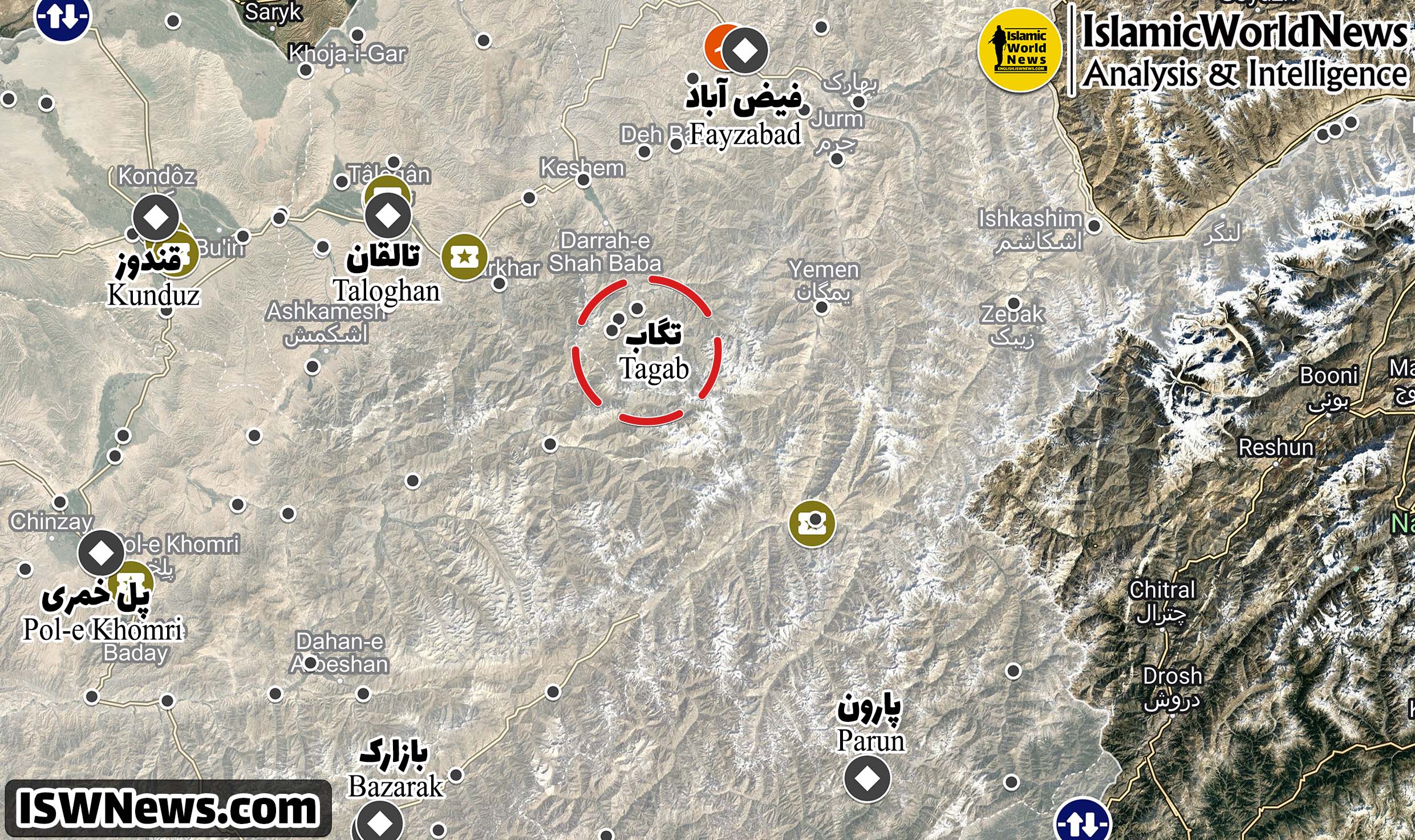
    Seven Taliban members were killed and wounded in a clash between forces under the command of Qari Waqas, the Pashtun Tajik commander of the Badakhshan Red Unit in Tagab. After the clash, Qari Waqas, along with more than 300 members his forces, separated from the Taliban and joined the National Resistance Front (under the command of Ahmad Massoud). Following the clashes with the central Taliban militants, Qari Waqas has managed to control parts of Tagab district, including Khumbak, Kuri and Katubala areas.

    Qari Waqas is the second senior Taliban commander after Maulvi Mehdi Mujahid to break away from the group and openly engage in armed struggle with it.

  • Russian airstrikes on US positions in Syria!

    Russian airstrikes on US positions in Syria!

    U.S. military officials say Russian forces have launched a series of operations this month, including an airstrike on the al-Tanf base in southern Syria.

    US officials have expressed concern about Russia’s actions because they fear a miscalculation could turn into an unintended conflict between US and Russian forces in Syria. Given that tensions between the two countries have increased since the start of the war in Ukraine and the widespread US support for the Ukrainian army to counter Russian forces, it seems that the Russian side is trying to warn the United States that the consequences of the anti-Russian actions in Ukraine may affect the American troops stationed in Syria!

    On June 16, Russian fighter jets attacked Al-Tanf base. Following the attack, the US-backed Maghawir al-Thawra group released images announcing that their headquarters at al-Tanf base had been targeted by airstrikes.

    Read more: Drone attack on US base at Al-Tanf area in southern Syria + Images

    It is said that Russia informed the United States before the strike that it intended to launch an air strike in response to the attack on Syrian army forces, which could result in damage to troops and vehicles stationed at the base.

    “Shortly after the Russian message and before they attacked targets at Al-Tanf base, Russian fighters, including two Sukhoi-35s and one Sukhoi-24, flew over Al-Tanf base,” said a U.S. commander.

    This is not the first time that the Al-Tanf region has caused tensions between Russia and the United States. In 2016, Russian fighter jets bombed the Al-Tanf base. US troops were not stationed at the base at the time, and several US-backed militants were killed in that attack.

    In 2017, General Vladimir Zarodnitsky called on senior US military commanders to withdraw their troops from the Al-Tanf garrison within 48 hours. Gen. Stephen Townsend, the commander-in-chief of the US coalition, refused the Russian commander’s request, and after some tension, the Russian general withdrew his request.

    It is worth mentioning that according to the American media, about 900 American soldiers are present in different parts of Syria under the pretext of fighting terrorism, 200 of whom are stationed at Al-Tanf base, and even after the end of ISIS caliphate, these forces have not left the country.

    The Al-Tanf region in southeastern Syria has been occupied by US forces for years, and resistance forces are not allowed to approach within a 55-kilometer radius of the area. Al-Tanf base in the border triangle between Syria, Iraq and Jordan is a strategic base, and US officials do not intend to lose it easily.

    Read more:
    Drone and Rocket Attack on US Tanf Base
    Military exercises in Al-Tanf and CONOCO; There is no attack!
    Opinion: Al-Tanf Base; Joint Headquarters of Terrorists!
  • The shadow of Taliban internal conflict on Balkhab; Who is Mehdi Mojahed and what does he want?

    The shadow of Taliban internal conflict on Balkhab; Who is Mehdi Mojahed and what does he want?

    After the third Taliban delegation to Balkhab disagreed with “Mehdi Mojahed,” the Taliban’s Hazara commander, Taliban officials threatened to refer his case to the Ministry of Defense and use military force. After this threat, Mehdi Mojahed gathered forces in Balkhab district in Sar-e Pol province and attracted more than 500 armed and local people of Balkhab by chanting ethnic and popular slogans.

    According to local sources, on June 13, Taliban officials sent Molawi “Abdul Rahim Akeh”, the Taliban governor in Sar-e Pol, along with forces from the Badri, Red and Suicide units, to arrest Mehdi Mojahed. However, this decision has been suspended through the mediation of Shiite scholars and elders in Sar-e-Pol province. The Council of Shiite Ulema of Afghanistan has met with Taliban officials in Kabul and Sar-e-Pol cities and with Mehdi Mojahed in Balkhab in various meetings and called for avoiding war and resolving disputes through dialogue. They have appointed a delegation headed by Ayatollah Vaezzadeh Behsudi to meet with Mehdi Mojahed and the Taliban government, and will continue their consultations to resolve the dispute.

    Who is Mehdi Mojahed and what does he want?

    After the Taliban came to power in Afghanistan, pro-Taliban local commanders took control of various areas in Afghanistan, including the district of Balkhab, some of whom, like Mehdi Mojahed, were non-Pashtun. The arbitrary actions of these local commanders in some of these areas led to disputes with the central Taliban, and some of these commanders were dismissed or imprisoned.
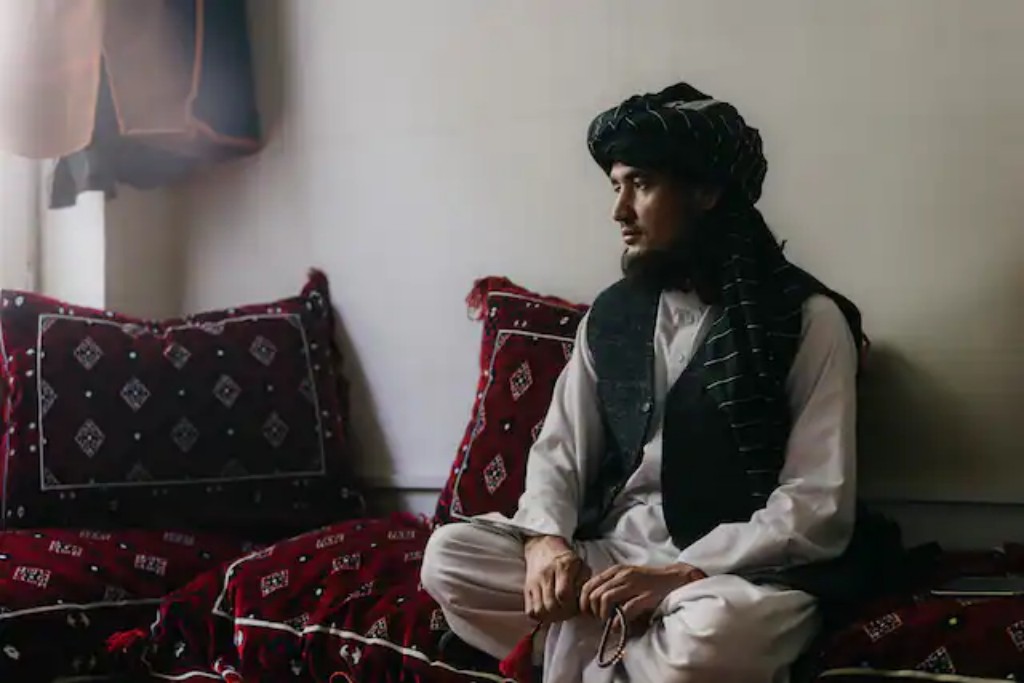
    One of these autonomous Taliban commanders is Mehdi Mojahed, a Hazara from Sar-e-Pol, who held the post of Bamyan intelligence commander in the Taliban government. He was ousted after criticizing the Taliban’s one-dimensional policies and behavior toward various ethnic groups in Afghanistan, and moved to Balkhab empty-handed after a few months in Kabul.
    Mojahed clashed with Taliban forces in Balkhab over control of the area’s mines, marking the beginning of his tensions with the central Taliban government. In his remarks, he described himself as a defender and representative of the Hazaras and Shiites in the Taliban government. But the Hazaras did not welcome him, and the Shiites did not support him in the recent tensions with the Taliban. But his supporters in Balkhab are working hard to support him, urging people to stand up to the Taliban.

    Now, Taliban militants are blocking the roads leading to Balkhab district to the supporters of Mehdi Mojahed and strictly controlling their traffic.

    Residents and local elders of Balkhab are worried about a war between Mojahed and the Taliban and have asked the Council of Shiite Ulema to mediate and resolve this issue.

    Mehdi Mojahed is not the first and last autonomous Taliban commander, and before him Qari Salahuddin Ayoubi, Makhdoom Alam and Maulvi Ataullah Omari, were among the Taliban’s non-Pashtun tribal commanders who were ousted by senior Taliban officials.

  • ISIS terrorist attack on Afghan Hindu temple in Kabul + Video

    ISIS terrorist attack on Afghan Hindu temple in Kabul + Video

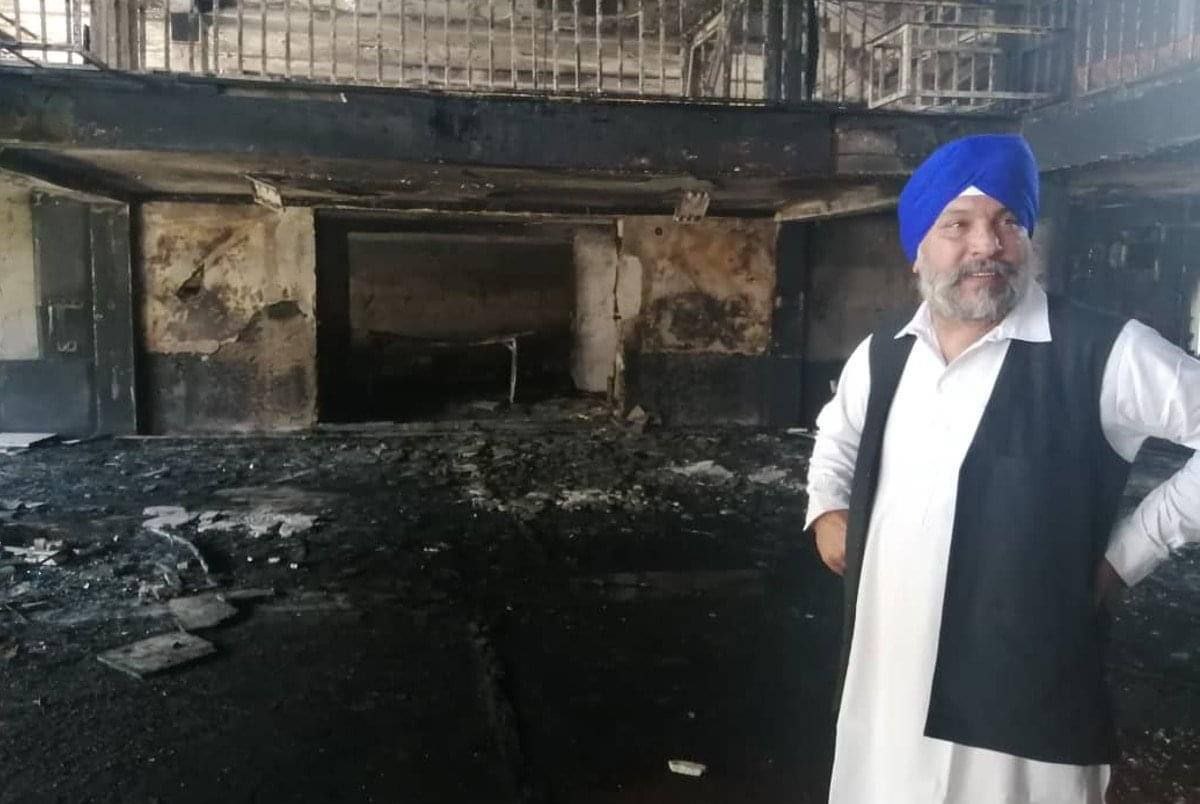
    On June 18, ISIS attacked a Hindu religious ceremony in the Gardeneh Bagh Bala Temple in the fourth district of Kabul. The assailants blew up a car and threw several hand grenades into the temple, clashing with Taliban militants responsible for securing Hindu ceremonies. As a result of this terrorist attack, one Hindu minority and one Taliban member were killed and seven other civilians were wounded. Also, all the attackers (probably three) of this terrorist attack were killed by Taliban.

    The ISIS-K terrorist group has claimed responsibility for this terrorist attack. In recent years, ISIS has also attacked places and gatherings of the Hindu and Sikh minorities in Afghanistan.

    It should be noted that the population of Sikhs and Hindus in Afghanistan until 1970 was about 100 thousand people and lived in the cities of Jalalabad, Ghazni and Kabul. But with the outbreak of civil war in Afghanistan, most of them migrated to India and other countries, and before the Taliban came to power, their population was about a thousand. With new threats and new waves of insecurity, most of these people have also migrated, and according to Sikh minority leaders, only 140 Hindu and Sikh minorities remain in Afghanistan.

    Attacks on Hindu religious ceremony in Kabul

    Attacks on Hindu religious ceremony in Kabul

    Attacks on Hindu religious ceremony in Kabul

    ISIS-K claimed responsibility for the attack on Hindu religious ceremony in Kabul
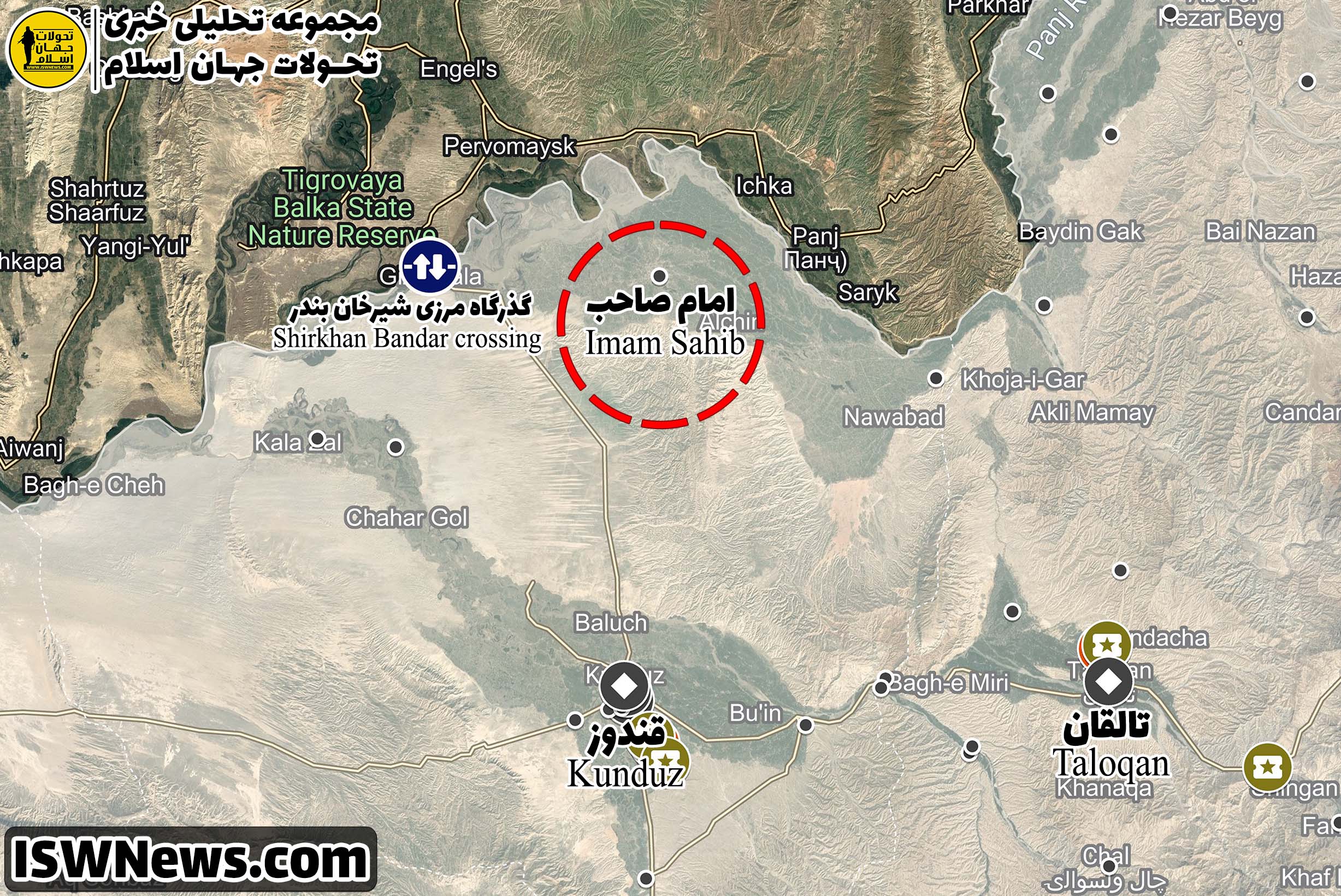
  • Afghanistan: Terrorist explosion in Al-Ra’is Mosque in Imam Sahib district

    Afghanistan: Terrorist explosion in Al-Ra’is Mosque in Imam Sahib district

    As a result of a terrorist explosion that took place yesterday, June 17, at the Al-Ra’is Grand Mosque located in the village of Alef Birdi in the district of Imam Sahib, 12 civilians were martyred and 30 were injured. However, confirming the terrorist blast, Qari Obaidullah Abedi, spokesman for the Kunduz Security Command, said there were no casualties.

    No group has claimed responsibility for the attack. But local media have blamed ISIS for such terrorist attacks in Afghanistan.

    Kunduz is one of the places that has always been attacked by terrorist groups since the Taliban came to power in Afghanistan.

    Read more:
    Afghanistan in blood; Explosion at Sunni mosque in Kabul
    Terrorist explosion, this time in a Sunni mosque in Kunduz province + Video
    Terrorist explosions shook the streets of Mazar-e-Sharif + Images

  • Ceasefire between Pakistan government and the Tehrik-i-Taliban group

    Ceasefire between Pakistan government and the Tehrik-i-Taliban group

    After two days of talks between the 50-member Pakistani tribal group and Tehreek-e-Taliban (TTP) representatives, Tehreek-e-Taliban Pakistan (TTP) spokesman Mohammad Khorasani issued a statement on the morning of June 12th announcing an indefinite ceasefire with the Pakistani government.

    According to local sources, one of the key conditions for inciting the Pakistani Taliban to accept the ceasefire is the release of all Pakistani Taliban prisoners and the implementation of Islamic law by the government in the tribal areas.

    On the other hand, the Pakistani parliament (lower house) announced that it was unaware of the 50-member group’s talks with the Pakistani Taliban in Kabul, the capital of Afghanistan, and considered their decisions unacceptable to the Pakistani people. In this regard, the “Pashtun Manzoor” leader of the Pakistani Pashteen Tahafuz Movement also criticized the talks with the Pakistani Taliban and said: “Of these 50 people, not a single one represents the people of Waziristan, and all of them are representatives of the Pakistani army.”

    Despite the announcement of a ceasefire by the Pakistani Taliban, peace talks mediated by the Afghan Taliban between representatives of Pakistani tribes and Tehreek-e-Taliban Pakistan (TTP) leaders in Kabul continue.

    Read more: Afghan Taliban mediate for peace in Pakistan!

  • Turkey deported hundreds of Afghan refugees!

    Turkey deported hundreds of Afghan refugees!

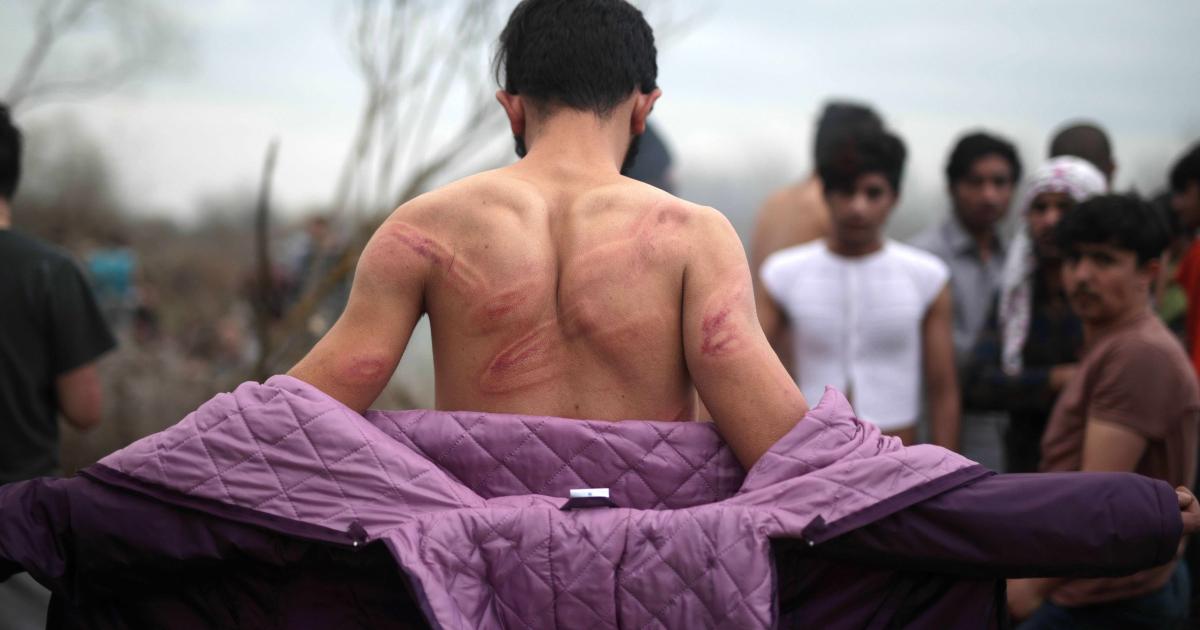
    In an inhumane act, the Turkish Interior Ministry deported 414 Afghan refugees from refugee camps in the eastern Turkish city of Erzurum and transferred them to Afghanistan. These people say that after the police raid on the Erzurum refugee camp, they were confronted with the violent behavior of the Turkish police and were arrested. They were tortured in prison and later handed over to Taliban militants in Kabul in three flights.
    These measures have been taken by Turkey in line with the policy of reducing the immigrant population, which has created several problems in this country.

    In the past few days, pictures of the beating of Afghan refugees in Turkish prisons have been published, which has provoked strong protests from the Afghan people and human rights activists.

    This is the third serious move by the Turkish government in deporting Afghan refugees in the last two months, and in this regard, 1367 refugees have been transferred to Afghanistan after deportation and torture. According to local media reports, since January 27, 2022, about 28,857 Afghan refugees have been deported from various countries and transferred to Afghanistan. Most of these people have been tortured and harassed in Greece, Bulgaria and Turkey.

    Read more:
    Turkey’s presence in Afghanistan; mutual respect or expansionism? (1)
    Turkey in Afghanistan; Mutual respect or expansionism? (2)

  • Afghan Taliban mediate for peace in Pakistan!

    Afghan Taliban mediate for peace in Pakistan!

    The Pakistani government and the Tehrik-i-Taliban Pakistan (TTP) have agreed to extend an indefinite ceasefire and are negotiating to end two decades of war in Pakistan’s tribal areas, according to Pakistani news agencies.
    But other local media outlets denied the agreement, citing the visit of a 50-member delegation of Pakistani tribal leaders to the Afghan capital, Kabul, and insisted that the Pakistani delegation begin talks with Pakistani Taliban leaders.

    The Pakistani delegation, mediated by the Haqqani Network, met with Tehreek-e-Taliban Pakistan (TTP) leader Noor Wali Mahsud, his deputy Maulvi Faqir Mohammad and a number of other senior members of the group to discuss extending the ceasefire.

    The talks coincide with the release of a UN report on the existence of eight military and training bases for the Jaish-e-Mohammad terrorist group and three military and training bases for the Lashkar-e-Taiba terrorist group in Nangarhar and Kunar provinces. The report also said that the Tehreek-e-Taliban Pakistan (TTP) is the largest terrorist group linked to members of the East Turkestan Islamic Movement, the Islamic Movement of Uzbekistan, Jamaat-e-Ansarullah Tajikistan and other terrorist groups in Afghanistan.

    Negotiations between the Pakistani government and the Tehreek-e-Taliban Pakistan (TTP) are being mediated by the Afghan Taliban, while their previous talks have failed and resulted in bloody clashes.

  • China loots Yemenis oil in a unique way!

    China loots Yemenis oil in a unique way!

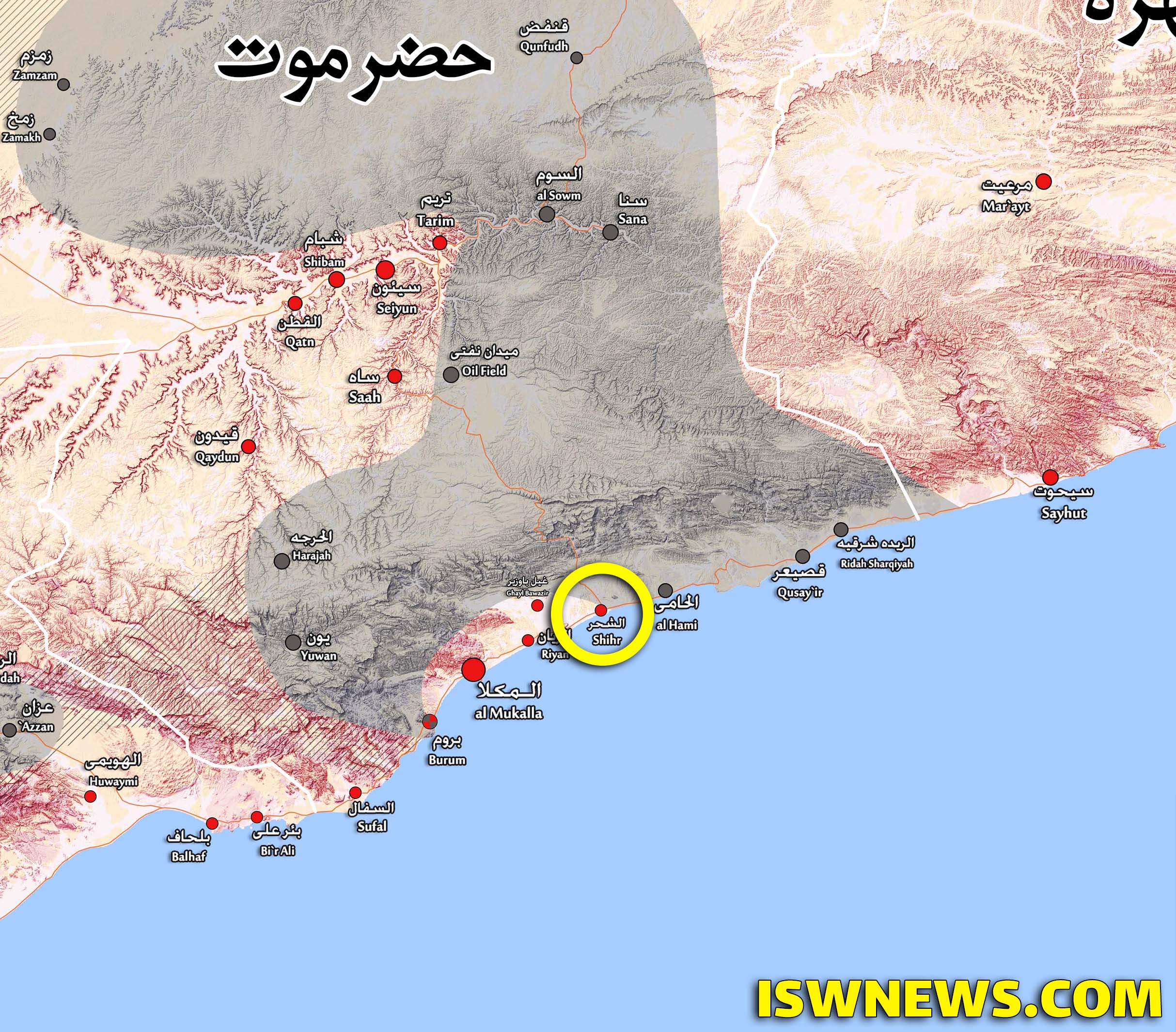
    According to the Yemeni Rescue Government oil ministry, the Chinese tanker APOLYTARES entered the port of Al-Shihr on the coast of Hadhramaut province to load oil which was extracted from the Saudi coalition-occupied oilfields in the eastern provinces of Yemen.

    This is the second time that Chinese tankers have entered the southern coast of Yemen to plunder crude oil. The APOLYTARES tanker also entered the port of Al-Shahar on April 10, transporting 2,375,090 barrels of oil worth $ 251 million to China.

    On this account, the Chinese have so far looted about 5 million barrels of Yemeni oil through the mediation of the Saudis and the UAE and handed over the money at a low price to the resigned and illegal Yemeni government. According to the Yemeni Rescue Government oil ministry, this amount of money is enough to pay the salaries of all Yemeni employees for more than two months!

    China’s support for Saudi Arabia and the UAE in the Yemeni war has not been limited to oil purchases, and the introduction of CH-4 and Wing Loong 1 and 2 reconnaissance and combat drones has been on the agenda in recent years.

  • Iran opens Ababil-2 drone production line in Tajikistan + Video

    Iran opens Ababil-2 drone production line in Tajikistan + Video

    On the morning of May 16, Maj. Gen. Mohammad Hossein Bagheri, Chief of General Staff of the Iranian Armed Forces, headed a high-level military delegation at the official invitation of Tajik Defense Minister Col. Gen. Sherali Mirzo to Dushanbe.

    The visit was aimed at implementing the agreement reached by the Joint Commission on Military Cooperation between the two countries and meeting with senior Tajik political and military officials.

    Referring to the policy of the Islamic Republic of Iran to develop relations with its neighbors and strengthen military and defense cooperation with Tajikistan, General Bagheri said: “The Islamic Republic of Iran and the Republic of Tajikistan are in a geopolitical region and the events of both countries will affect each other. In order to improve the security and peace of both countries, we will have bilateral meetings with military and political officials during our visit, and in the future we will see more cooperation and interaction at all levels of military defense between the two countries.”

    During the visit, General Bagheri inaugurated the production and assembly plant for the Iranian Ababil-2 tactical drone and symbolically handed over the plant key to the Tajik Defense Minister.

    In the opening hall, images of other drones can be seen, including the Iranian Fotros drone, the Chinese Wing Loong 2 drone and the Russian Orion drone, for which there is no explanation for their production or use.

    “Ababil-2” is one of the reconnaissance and suicide drones made by Iran Aircraft Manufacturing Industries Corporation, which has an operating range of 100 km with a flight duration of 75 to 120 minutes.

    Infographic of Iranian Fotros UAV in the opening hall of Ababil-2 production line

    Iranian Chief of Staff symbolically handed over the plant key to the Tajik Defense Minister

    Iranian and Tajik officials visit Ababil-2 UAV production line hall

    PS:
    One of the interesting sidelines of the inauguration of the Ababil-2 drone production line in the Tajik capital, Dushanbe, was the posters mounted on the wall of one of the hangars. These posters shows Iranian Fotros drone, Chinese Wing Loong 2 drone and the Russian Orion drone. And interestingly, the poster that General Bagheri is watching from a distance is the poster of the Iranian Fotros drone, which was designed and published by the “Islamic World News” two years ago!

    Read more: Fotros Reconnaissance and Combat Drone