Category: Central Asia – Pacific

  • Russian Army took full control of the city of Mariupol!

    Russian Army took full control of the city of Mariupol!

    Following the ceasefire announced on Monday, May 16, the remnants of the Azov neo-Nazi battalion and the Ukrainian army, which had been under siege for a month in the Azovstal plant, surrendered to the Russian army. According to the Russian Ministry of Defense, during this period, 2,439 members of the Ukrainian army surrendered to the Russian army. Also, according to available information, a total of about 500 civilians have been evacuated from the Azovstal area in the past month.

    Earlier, about 1,000 Ukrainian troops were captured during the Battle of Mariupol as Ukrainian forces tried to break the siege of the Illich plant in the north of the city. Thus, in total, due to the capture of about 3,500 Ukrainian troops in the city of Mariupol and the loss of between 500 and 1,000 servicemen for the Ukrainian forces, about 4,500 Ukrainian troops were present in the city after the siege of Mariupol.

    Read more: 6 floors underground bunkers in Azovstal plant!

    The main and final battle for the capture of Mariupol began on February 24, and with the expansion of the advance of Russian and Donetsk (DPR) forces around Mariupol, the city was completely besieged from March 1. On March 12, the first area on the eastern outskirts of Mariupol was captured by Russian and DPR forces, and fighting was dragged into Mariupol city. The advance of the Russian forces and the DPR continued in the neighborhoods of Mariupol until finally on April 20, all areas of Mariupol except the Azovstal plant came under the control of the Russian army. After that, on the orders of Russian President Vladimir Putin, large-scale ground attacks to seize Azovstal were almost stopped due to the achievement of the main goal which was taking the control of the city and to prevent an increase in Russian Army casualties. Over the past month, most of the attacks have come in the form of artillery and air strikes, as well as minor advances in some areas, to pressure Ukrainian forces to accept surrender. Finally, due to increasing pressure from the Russian military and the deteriorating situation of Ukrainian forces in Azovstal, the Ukrainian Armed Forces agreed to a ceasefire and surrender on Monday, May 16th. Following the completion of the surrender operation and the withdrawal of Ukrainian troops from the Azovstal area on 20 May, the Azovstal came under the control of Russian and DPR forces after an 82-day siege, resulting in the complete capture of Mariupol city by Russia.

    The industrial city of Mariupol was one of the most important port cities in Ukraine, which played an important role in the economy of this country. In recent years, the city of Mariupol, along with the city of Severodonetsk, has been used as the main headquarters of the Ukrainian army against Donetsk and Luhansk. Therefore, the complete capture of this city is a great blow to the Ukrainian Armed Forces.

    Read more:
    Latest Military Situation in Mariupol, 20 April 2022 (Map Update)
    Latest Military Situation in Mariupol, 16 April 2022 (Map Update)
    Latest Military Situation in Mariupol, 14 April 2022 (Map Update)

    Click to view the full size map
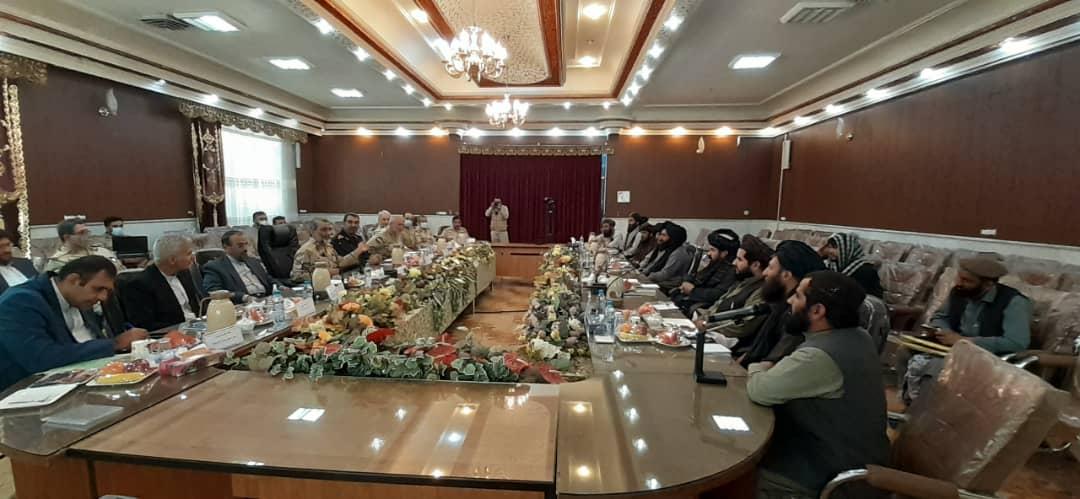
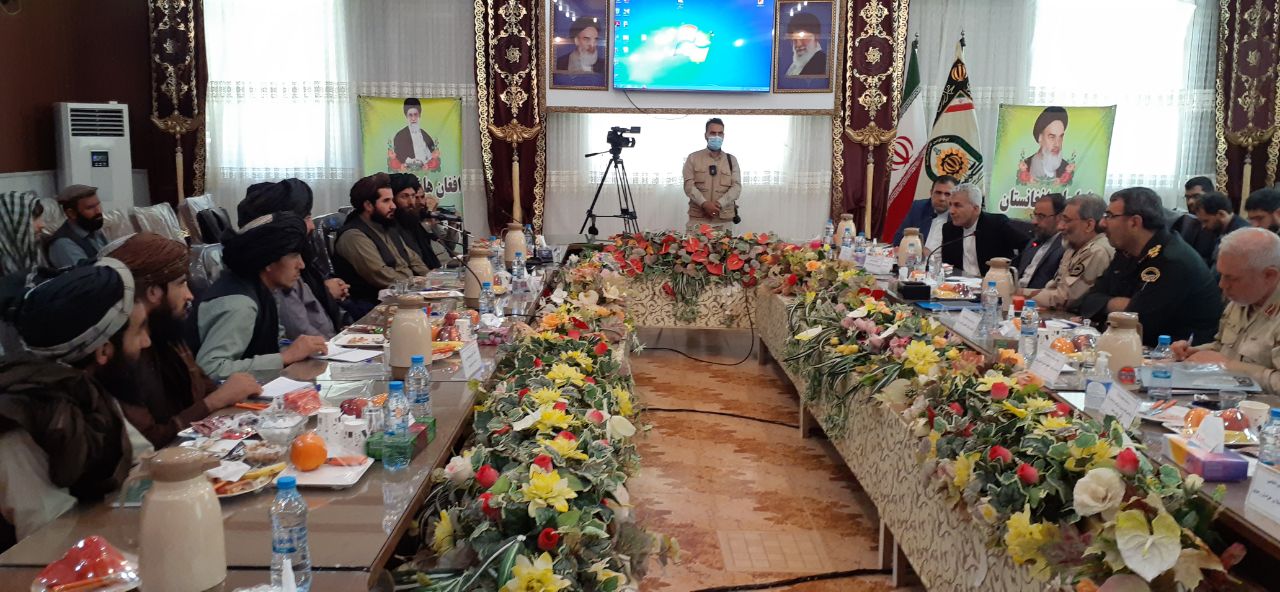
  • Joint meeting of Iran and the Taliban to ensure the security of the two countries’ borders

    Joint meeting of Iran and the Taliban to ensure the security of the two countries’ borders

    The meeting of Iranian police officials and Taliban representatives was held in the presence of Brigadier General “Ghasem Rezaei”, the deputy commander of the Iranian police and “Mawlawi Shabir Ahmad”, the head of Afghanistan Ministry of Defense in Taybad city in Iran’s Khorasan Razavi province.

    General Rezaei said during the meeting: “Iran and Afghanistan are friends and brothers and have good political relations and trade exchanges. During the past years, we have been together in various events with a spirit of interaction and cooperation, and wherever the enemies wanted to damage these relations, they failed due to the goodwill and sense of brotherhood that governs the thinking of the two nations.”
    Regarding the foreign intervenes, Rezaei added: “The efforts of both countries should be focused on cohesion and unity, and by managing and planning for small incidents, we should not allow the enemies to magnify problems and prevent their abuse. Our borders are territorial, but our religion and culture have no borders, and the will of the Iranian nation and government is to support our friendly and brotherly country Afghanistan.”
    Emphasizing on ISIS danger he said: “ISIS is the common enemy of both nations and its annihilation is one of the common goals of both countries, and in this way, the free people of Iran and Afghanistan have sacrificed martyrs for the path of Islam.”
    The deputy commander of the Iranian police pointing the dark era of drug production in the past government of Afghanistan said: “Creating cultural solidarity among border residents and combating drug trafficking in order to develop stability and security at the borders should be our concern. We appreciate the will of the people and the new government of Afghanistan in the fight against drug production and change of the past policy toward this matter. The border guards of the Islamic Republic of Iran are ready to provide their experiences and training in the border area to the Afghan border guards. Increasing and strengthening joint security patrols is essential.”

    Mawlawi Shabir Ahmad, the Taliban’s Ministry of Defense, thanking the Iranians for their hospitality, stated: “We do not forget the kindness and assistance of our neighbor Iran during the US invasion of Afghanistan and Iran’s assistance to its oppressed people. ISIS is the common enemy of both nations, and since arrogance (US and NATO) could not strike at the two countries in this way, it is trying to create divisions that we will not allow to succeed in this regard and to know that the unity of the two nations is impenetrable.”

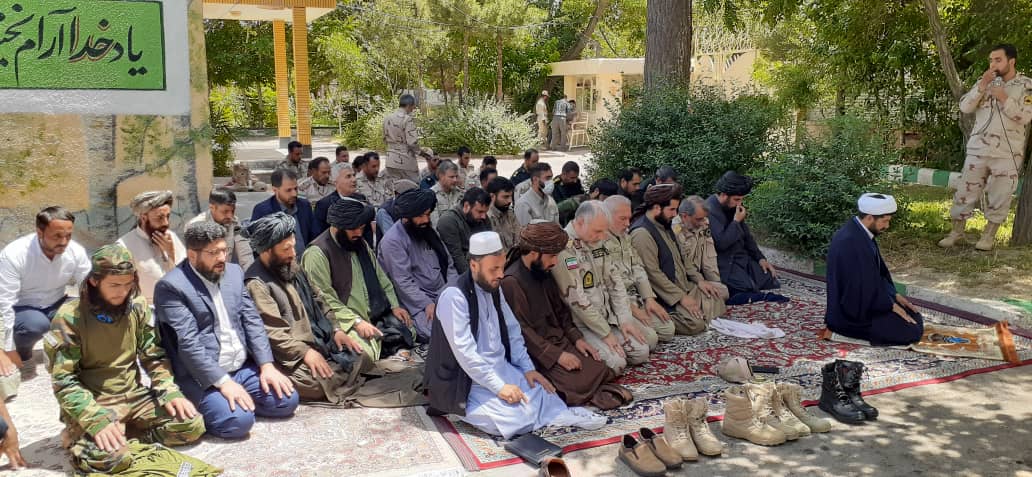
    On the sidelines of the meeting, Iranian and Taliban officials held joint congregational prayers as a sign of unity and empathy.

  • The first border clashes between the Taliban and Tajikistan

    The first border clashes between the Taliban and Tajikistan

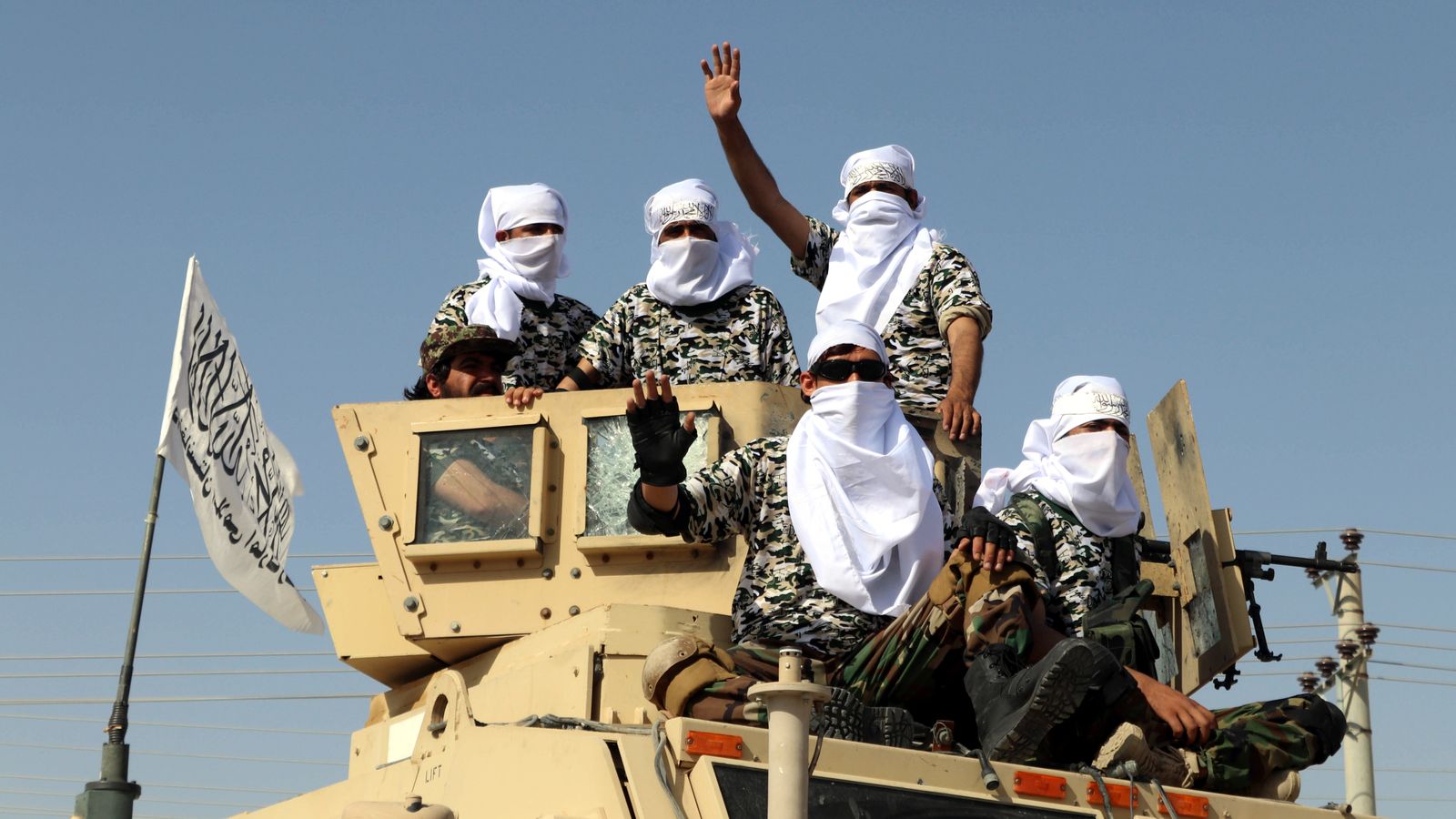
    On May 15, Taliban militants opened fire on Tajik border post near the Sher Khan Bandar border in the Imam Sahib district of Kunduz province after verbal tensions with a Tajik border guards. The Taliban firing was met with a response from the Tajik military, which lasted more than four hours. Despite several hours of clashes, the two sides did not report any casualties.

    This is the first time that Taliban militants have been directly involved in armed clashes with the Tajik military. Since taking power in Afghanistan, Taliban militants have repeatedly clashed with neighboring countries, including Pakistan, Iran, Uzbekistan and Turkmenistan, indicating that their militants are misguided and unfamiliar with international and border law.

  • Huseyniyyun Resistance Group

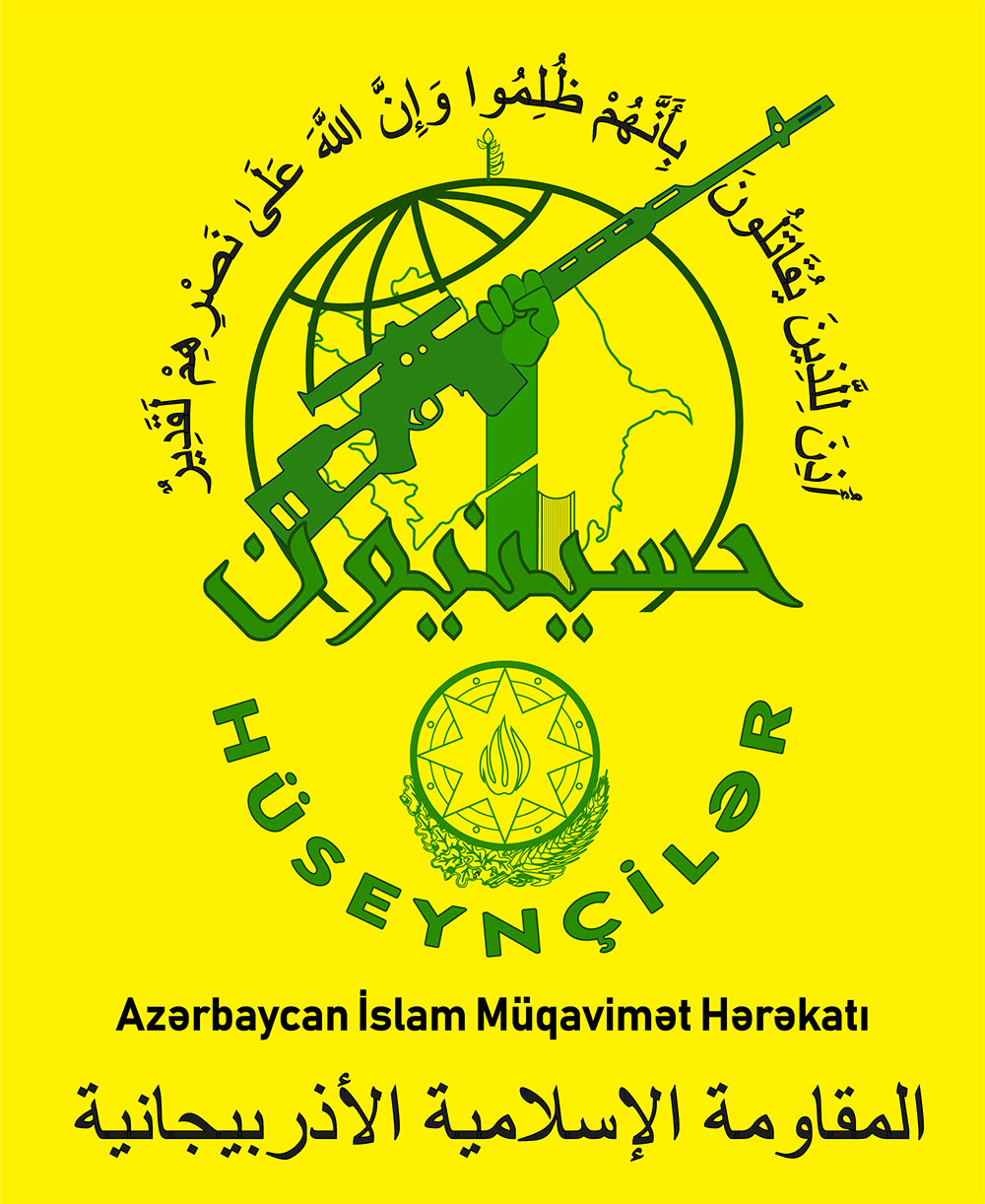
    Huseyniyyun Resistance Group

    In addition to the Azerbaijanis of the Republic of Azerbaijan, Shiite Azerbaijanis living in Russia, the Caucasus, Turkey and Europe are also present in this movement.

    Hujjat al-Islam Tohid Ebrahimi (Tohid Ibrahimbayli) is the founder and first official of the Huseyniyyun group.

    The group first protested against the anti-religious policies and restrictions imposed on Shiites by the government of the Republic of Azerbaijan. They did not have a specific name on that time. Then, following the widespread arrests and punishments of religious activists and the indifference of the “Religious Council of the Caucasus”, they left the Republic of Azerbaijan. In the following years, with the start of the Syrian and Iraqi wars to defend the sanctuary and fight ISIS terrorism, the group participated as part of the Resistance Axis in the region.

    Finally, in 2017, with the direct approval of Martyr Qassem Soleimani, the commander of the IRGC’s Quds Force, the name of Huseyniyyun was officially chosen for this group, and this group officially made its activities public.

    It should be noted that the Azerbaijanis who were present in Syria in the form of the Huseyniyyun group, after returning to their country, were mostly imprisoned or faced severe punishment by the government of the Republic of Azerbaijan.

    But the main reason that has made the Azerbaijani government sensitive to the Huseyniyyun group is their media activities on social networks. The Huseyniyyun resistance group spreads interesting news on social media by exposing the behind-the-scenes realities of Azerbaijan.

    So far, six members of the Huseyniyyun have been arrested in Azerbaijan and Russia and sentenced to 12 to 14 years in prison after a trial in the Baku Special Organized Crime Court. The most prominent prisoner of this complex is Yunis Safarov, the perpetrator of the shooting of the mayor of Ganja, who has been sentenced to life imprisonment.

    During their previous meetings with Iranian officials, the officials of the Republic of Azerbaijan have emphasized the extradition of members of the Huseyniyun resistance group to this country and in return are willing to grant some economic concessions. They are even willing to make concessions in return for imposing restrictions on members of the group in Iran without extradition. Of course, this is the demand of the Azerbaijani government, but the Islamic Republic of Iran has asked the Azerbaijani officials during various meetings to cut ties with Israel and not to become an ally of the occupiers of the Palestinian territories. Or at least obstruct Israeli military and security activities in Azerbaijan and along the borders of Iran.

  • Afghanistan in blood; Explosion at Sunni mosque in Kabul

    Afghanistan in blood; Explosion at Sunni mosque in Kabul

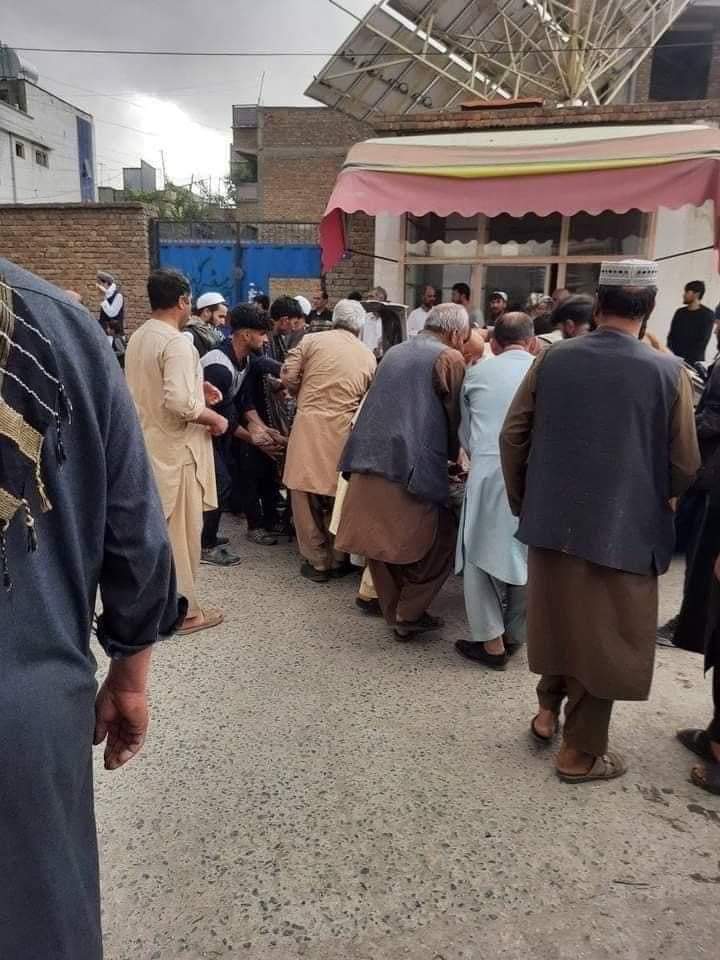
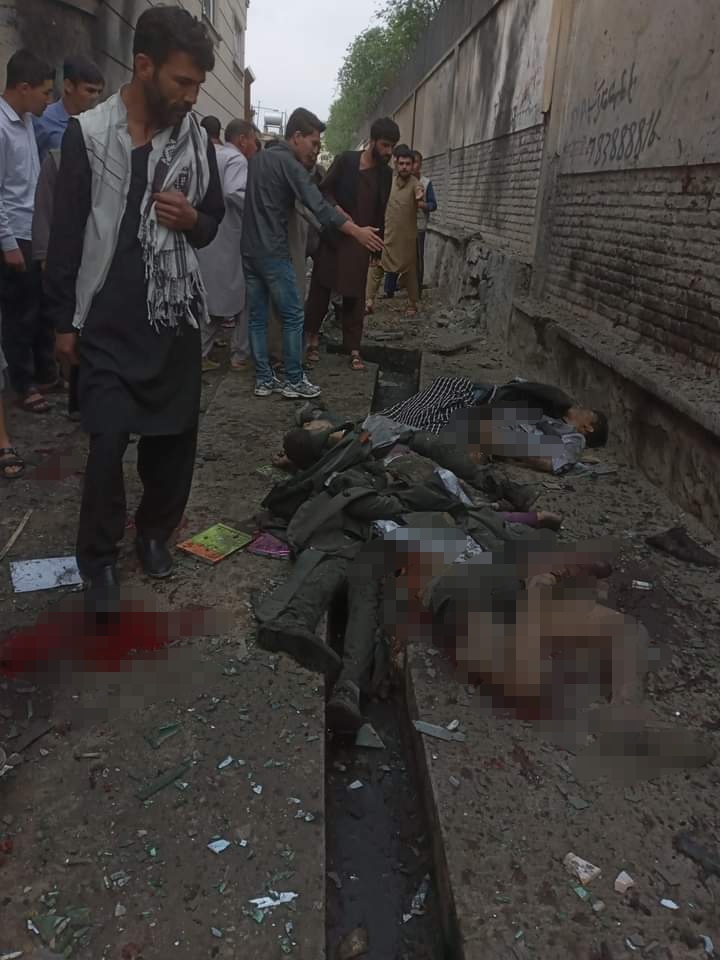
    As a result of the terrorist explosion on April 29, 66 people were martyred and more than 76 were injured in the commemoration ceremony at the Khaniqah Khalifa Sahib mosque in the Qala Khalifa neighborhood in the sixth district of Kabul.

    The blast occurred as residents of the Qala Khalifa neighborhood, most of whom are Tajiks and Sunni Sufis, began a circle of remembrance after Friday prayers.

    According to the ISWNews, the majority of the dead have been buried without registering their names, and the exact number of casualties is unknown. The death toll continues to rise and many people are being treated in the emergency room of Esteghlal Hospital.

    The blast is the seventh terrorist attack in ten days in Afghanistan targeting religious sites and civilians.
    Apart from the terrorist attack on the Seh Dukan Grand Mosque in Mazar-e-Sharif, no individual or group has so far claimed responsibility for the terrorist explosions in Kabul, Mazar-e-Sharif and Kunduz.

    Taliban officials, who have repeatedly denied the existence of ISIS in Afghanistan and claimed the high security of Afghanistan in their time, have not yet made a clear statement or position on these issues.

    Read more:
    Terrorist explosion, this time in a Sunni mosque in Kunduz province + Video
    Terrorist explosions shook the streets of Mazar-e-Sharif + Images
    Terrorist explosion in Mazar-e-Sharif and Kunduz + Images

  • Terrorist explosions shook the streets of Mazar-e-Sharif + Images

    Terrorist explosions shook the streets of Mazar-e-Sharif + Images

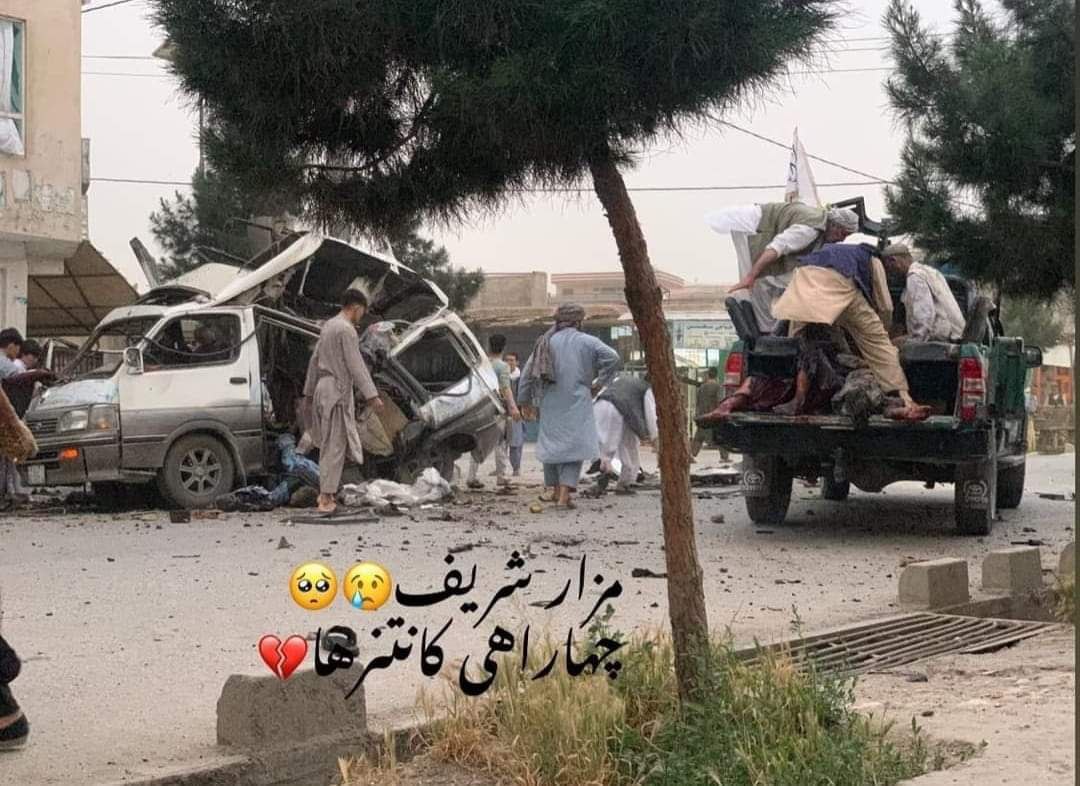
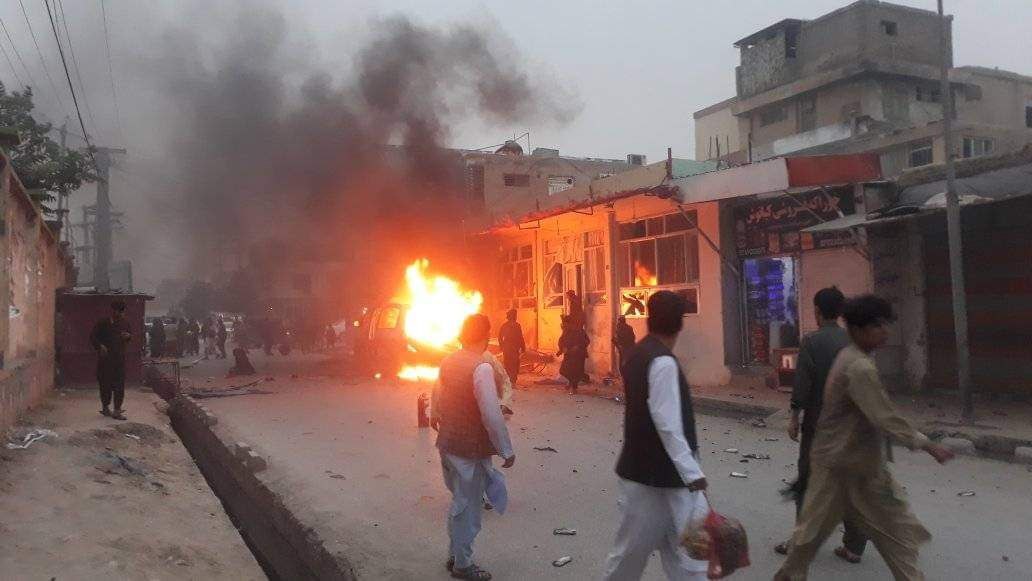
    On the evening of Thursday, April 28, a passenger car was destroyed by a magnetic bomb at the Kantinerha crossroads in the third district of Mazar-e-Sharif. Simultaneously with the explosion, another van exploded at Sajjadieh station, west of Sultan Ghiasuddin School.
    As a result of these explosions, 9 people have been martyred so far, including a child and two women, and more than 13 people have been injured.

    So far, no group has claimed responsibility for the terrorist attacks. As usual, the ISIS terrorist group is the main culprit of such attacks in Afghanistan. But among the attacks of the last ten days, ISIS has claimed sole responsibility for the explosion of the Seh Dukan mosque in Mazar-e-Sharif.

    This is the sixth terrorist attack in different cities of Afghanistan in the last ten days.

  • Suicide attack in Karachi kills three Chinese! + Video

    Suicide attack in Karachi kills three Chinese! + Video

    The Balochistan Liberation Army (BLA) terrorist group claimed responsibility for the attack.

    The blast was the first major attack in an urban area of Pakistan since Prime Minister Shehbaz Sharif took power this month. He condemned what he called a “cowardly act of terrorism”.

    Prior to the attack, Tehreek-e-Taliban Pakistan (TTP) militants attacked a border checkpoint in the Di Wagar district of North Waziristan on April 23, killing three Pakistani soldiers. Taliban insurgents destroyed the checkpoint after the clashes and fled to Afghanistan. The Taliban also assassinated two Pakistani soldiers in the South Waziristan region today.

    Video: Moment of suicide explosion in front of a van carrying Chinese nationals
  • Terrorist explosion, this time in a Sunni mosque in Kunduz province + Video

    Terrorist explosion, this time in a Sunni mosque in Kunduz province + Video

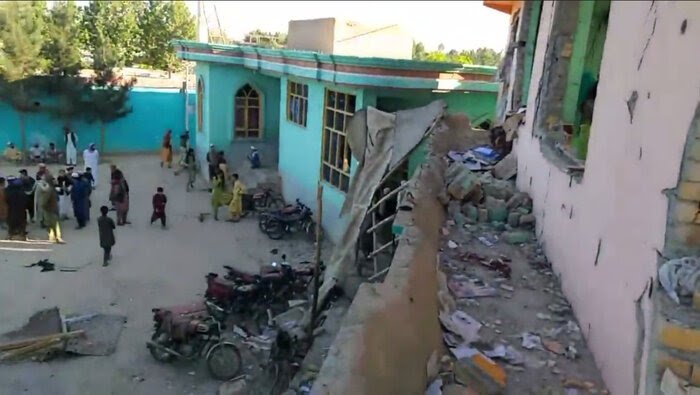
    33 civilians were martyred and 43 others were injured in a suicide attack on the Khanqah Molawi Iskandar Mosque in the Chenar Seyed Jalal neighborhood of Imam Sahib district.

    According to local sources, the suicide bomber blew himself up when religious scholars of the Khanqah Molawi Iskandar and a number of locals, mostly Uzbeks were praying in the mosque.

    This is the fifth terrorist attack in recent days against civilian places and people in Kabul, Mazar-e-Sharif and Kunduz. More than 30 civilians were martyred and wounded yesterday, April 21, when a magnetic bomb planted in a van exploded at a wheat distribution point for the needy in the Sar-e-Dor Shahr neighborhood of Kunduz.

    A Taliban spokesman condemned the attacks and said Taliban is trying to arrest the perpetrators. So far, no group has claimed responsibility for the terrorist attacks in Kunduz, but it is possible that today’s attacks in Imam Sahib were carried out by members of the ISIS terrorist group.

    Read more:
    Terrorist explosion in Mazar-e-Sharif and Kunduz + Images
    Terrorist explosions rock schools in Kabul, killing at least 40

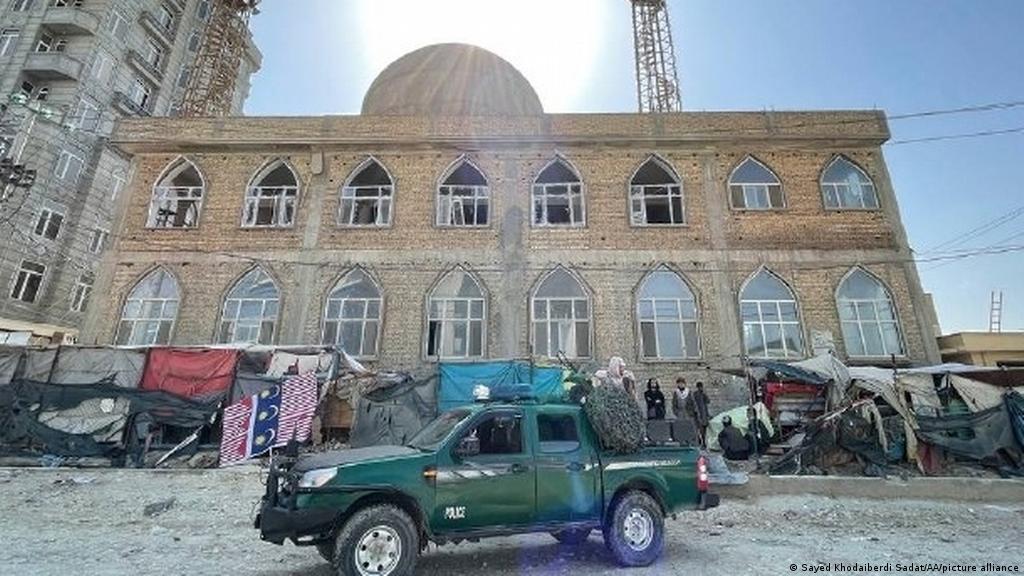
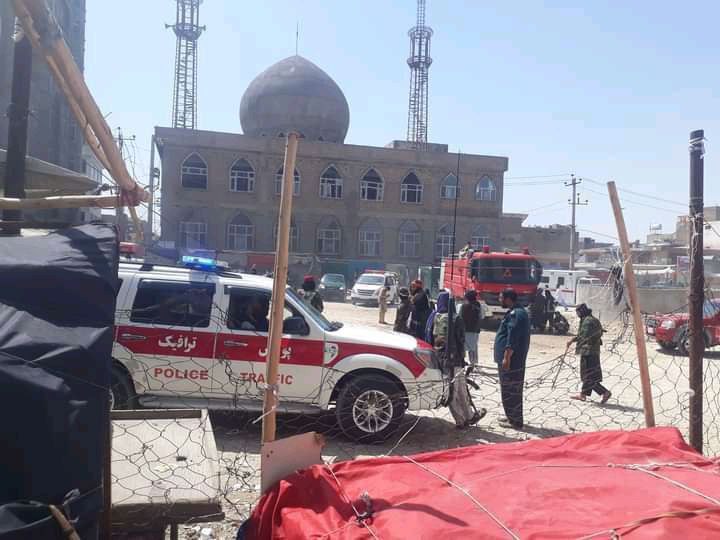
    Khanqah Molawi Iskandar mosque after explosion

    Khanqah Molawi Iskandar mosque after explosion

  • Terrorist explosion in Mazar-e-Sharif and Kunduz + Images

    Terrorist explosion in Mazar-e-Sharif and Kunduz + Images

    According to ISWNEWS sources in Mazar-e-Sharif, four minutes after the noon call to prayer, four explosions took place inside the Seh Kokan mosque belonging to the Shiites in Mazar-e-Sharif city. The number of martyrs and wounded is more than 40. Some local sources also put the death toll at 22 and more than 32 injured.

    As usual, Taliban militants blocked reporters from covering the blasts, and details of the blasts are unclear.

    Simultaneously with the explosion, two more explosions occurred on the route of a van on the outskirts of Kunduz city airport and a vehicle of Taliban militants in Khogyani district in Nangarhar province. As a result of the explosion in Kunduz, four civilians were killed and more than 18 were injured, and in the Khogyani explosion, four Taliban members were killed and another was wounded.

    The ISIS terrorist group has claimed responsibility for the explosion in the Seh Dokan mosque of Mazar-e-Sharif city. With the start of a new round of terrorist attacks across Afghanistan, it is likely that recent attacks have also been carried out by ISIS terrorist group.

    Read more: Terrorist explosions rock schools in Kabul, killing at least 40

  • Terrorist explosions rock schools in Kabul, killing at least 40

    Terrorist explosions rock schools in Kabul, killing at least 40

    According to local sources in Kabul, on the morning of April 19, a terrorist attack took place at the Mumtaz school in the Qala-e-Naw area and two explosions at the Abdul Rahim Shahid school in the Bist Hazari area west of Kabul, the capital of Afghanistan. According to the latest statistics from local media, at least 40 people were martyred and more than 20 were injured as a result of these explosions.

    According to local media reports, quoting a number of witnesses to the Abdul Rahim Shahid school explosion, the attackers planted two improvised explosive devices inside the school and fled. Also, the attacker of Mumtaz school managed to escape after throwing a homemade bomb.

    In the aftermath of the blasts, Taliban gunmen prevented reporters from covering the incident and beat people and families of the injured in front of the hospital, disrupting the blood donation process for the wounded.

    Given the history of ISIS terrorist attacks in Afghanistan, it is likely that these attacks were carried out by members of this group.

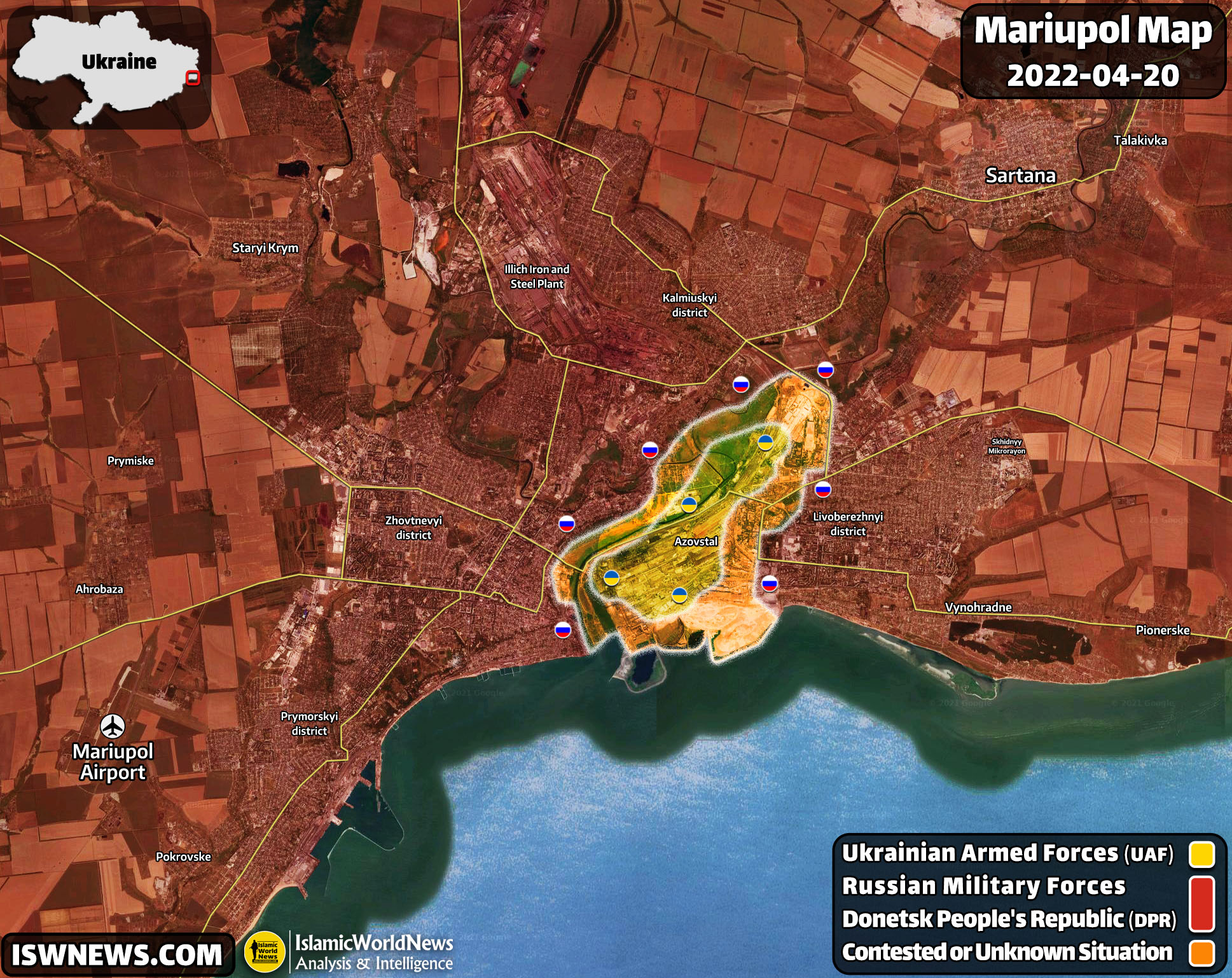
  • Latest Military Situation in Mariupol, 20 April 2022 (Map Update)

    Latest Military Situation in Mariupol, 20 April 2022 (Map Update)

    Ukrainian troops are currently under siege only in the Azovstal plant, and heavy fighting continues in buildings adjacent to Azovstal.

    Statistics on the number of Ukrainian forces remaining in the city of Mariupol are contradictory. Pro-Ukrainian media estimate the presence of about 1,000 personnel and pro-Russian media estimate the presence of 2,500 to 5,000 Ukrainian personnel in the city.

    About 200 civilians were evacuated from around Azovstal yesterday. A number of civilians are said to have taken refuge in the Azovstal tunnels. Today, Russia set an deadline for the remaining Ukrainian forces in Azostal to surrender, but this was rejected by Ukrainian forces, and Russian heavy bombardment resumed.

    Read more:
    Latest Military Situation in Mariupol, 16 April 2022 (Map Update)
    Latest Military Situation in Mariupol, 14 April 2022 (Map Update)
    Latest Military Situation in Mariupol, 10 April 2022 (Map Update)
    Click to view full size