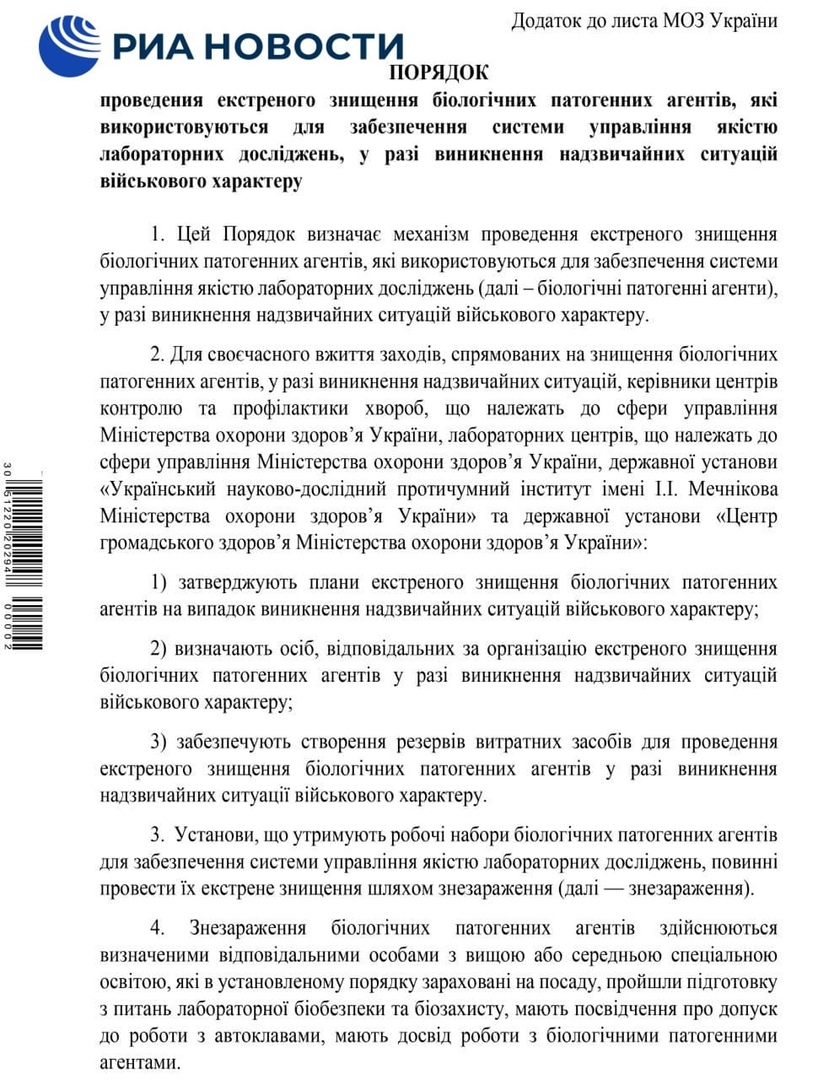
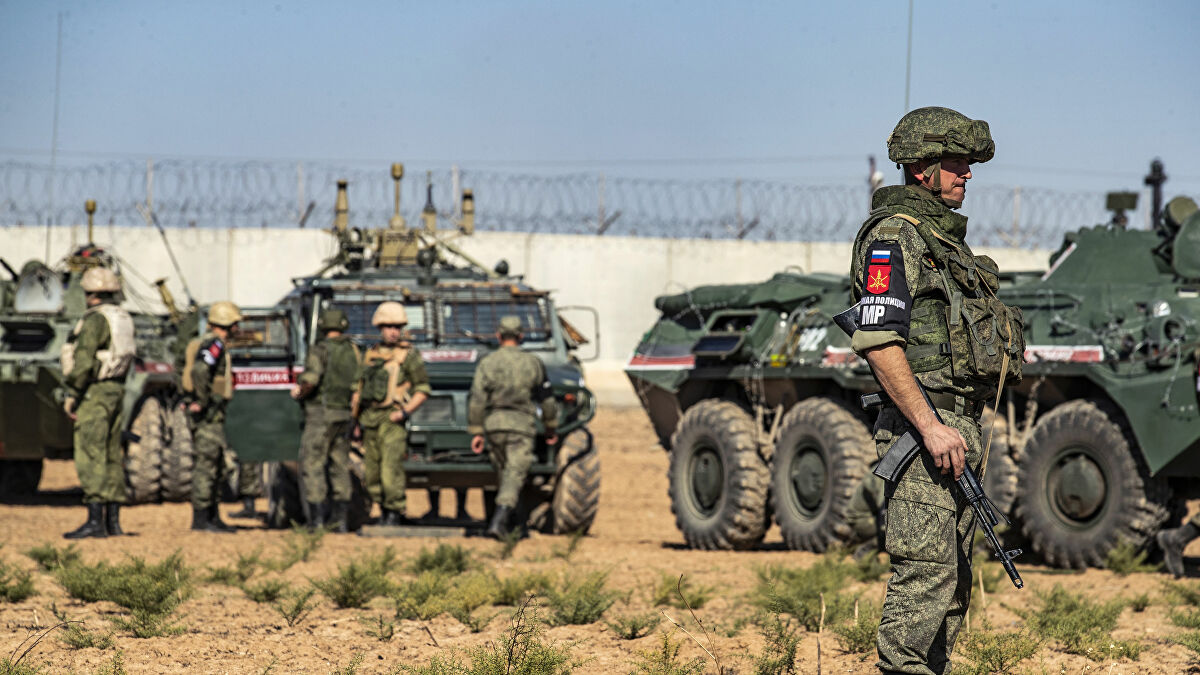
The documents proved that the components needed to make biological weapons were being built in US-funded biological laboratories in Ukraine near the Russian border.
Russian Defense Ministry: “Our documents confirm that the components of biological weapons are being developed in Ukrainian biological laboratories near Russia. These documents are currently being reviewed and analyzed by experts in the chemical, biological and radioactive protection forces.”
The Biosynergy Program is a $ 2.1 billion project supported by the Department of Defense that aims to establish biological laboratories outside the United States. As part of this project, the United States has established more than 200 biological laboratories in 25 countries and regions, including Ukraine, Georgia, etc.
On March 7, the Russian military has declared a unilateral ceasefire in Ukraine since 10 a.m. local time. The ceasefire was reached at the personal request of French President Emmanuel Macron to Russian President Vladimir Putin.
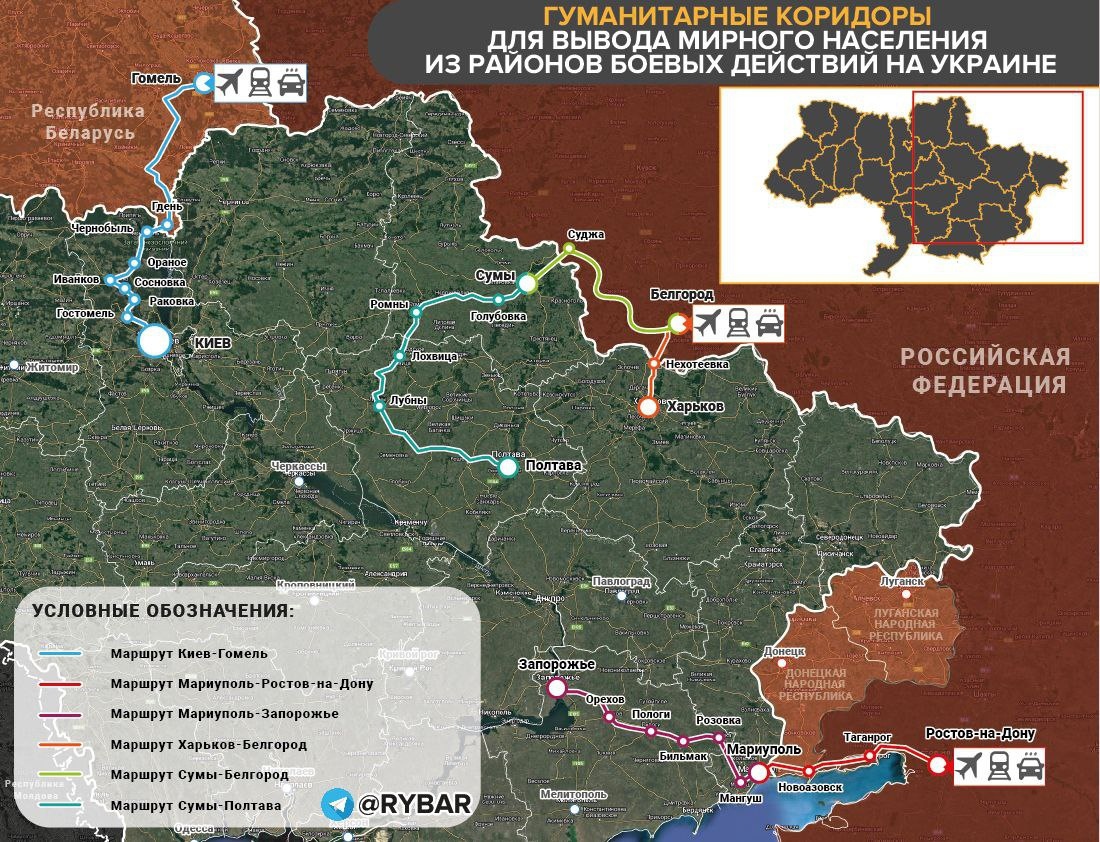
Following the announcement of the ceasefire, four main routes were planned for the withdrawal of civilians from the northern, eastern and southern regions of Ukraine. These routes are announced from Kyiv, Sumy, Kharkiv and Mariupol.
Russia has asked Ukraine to provide all the necessary conditions for the establishment of humanitarian corridors and the safe evacuation of civilians and foreign nationals from the conflict zone.
It should be noted that in previous ceasefires, the Ukrainian side has prevented the complete evacuation of civilians in some areas or created problems in the evacuation process.
Hours after the ceasefire was announced, a number of people managed to leave Ukraine, but according to field evidence, Ukrainian extremist forces prevented people from leaving most areas, and there were even reports of shootings on buses.
A Russian Defense Ministry spokesman said that the Ukrainian side had not taken any steps to establish humanitarian corridors by 1 p.m. However, he said that so far more than 168,000 people have been evacuated from conflict zones in Ukraine, of which 43,469 are children. Russia has also delivered 882 tons of humanitarian cargo to Ukraine so far.
The time of the end of this unilateral ceasefire has not been announced.
After the advance of Russian forces in various parts of Ukraine and the withdrawal of Ukrainian forces, the Westerners decided to impose extensive sanctions on Russia, international pressure, and by sending large-scale military aid, intelligence and media support, as well as sending troops through Private military companies to Ukraine to prevent Russian advance.
The Ukrainians, despite the arms support of various countries, did not meet the expectations and were largely unsuccessful in blocking the Russian military. According to Western officials, the process of sending weapons to Ukraine will continue and more weapons will be sent to this country. It seems that the deployment of troops to Ukraine is due to the lack of specialized personnel familiar with the donated weapons, as well as the lackage in the leadership of the combat forces of the Ukrainian army.
“After the siege of the Ukrainian military and the attack on their positions by the Russian armed forces, Western countries have increased the deployment of mercenaries and private military companies to the conflict zones. Foreign mercenaries entering Ukraine are sabotaging and attacking Russian convoys of equipment and supplies, as well as Russian aircraft. The images that are being published as the resistance of the people against the Russian convoys are the work of these same forces,” the Russian Defense Ministry said.
The Russian Defense Ministry added: “All foreign mercenary attacks are carried out using weapons provided by the West to Ukraine. We are talking about Javelin anti-tank missiles (made in the USA) and NLAW MANPADs (made in the UK), the use of which requires serious training. The US military intelligence service has taken extensive steps to recruit contractors for the private military company of DynCorp and Cubic and send them to Ukraine.”
Russia also announced the possible presence of forces from Britain, Denmark, Latvia, Poland and Croatia because the government of these European countries has legally allowed its citizens to take part in the battles on Ukrainian soil! France also plans to organize an army of foreign forces or French legions (forces of non-French nationality) of Ukrainian origin and send them to Kyiv to help the Ukrainian government.
Accordingly, Ukrainian President Volodymyr Zelenskyy recently said that about 16,000 foreign mercenaries, in addition to those present, were expected to arrive in Ukraine to help Ukrainian armed forces.
“Last week alone, about 200 Croatian mercenaries entered Ukraine via Poland and joined a Ukrainian army battalion in the southeast. Therefore, today, the defense attaché of the Croatian embassy in Moscow was summoned to the Russian Ministry of Defense and warned about it,” the Russian Defense Ministry said in a statement. Russian Defense Ministry aded: “Denis Scheller, a Croatian citizen who also took part in operations in southeastern Ukraine in 2015; He has organized groups of Croatian mercenaries to be sent to Ukraine. The Croatian embassy’s defense attaché was warned about the arrival of about 200 Croatian mercenaries in Ukraine. We emphasize that all mercenaries sent by the West to assist the Kyiv government will not considered military force under international law.”
In any case, the presence of foreign mercenaries in Ukraine will only prolong the war and increase the devastation of this country. It seems that if the current situation continues, Ukraine will also face the fate of the wars that Western countries have been waging and inciting for many years in West Asia and Africa!
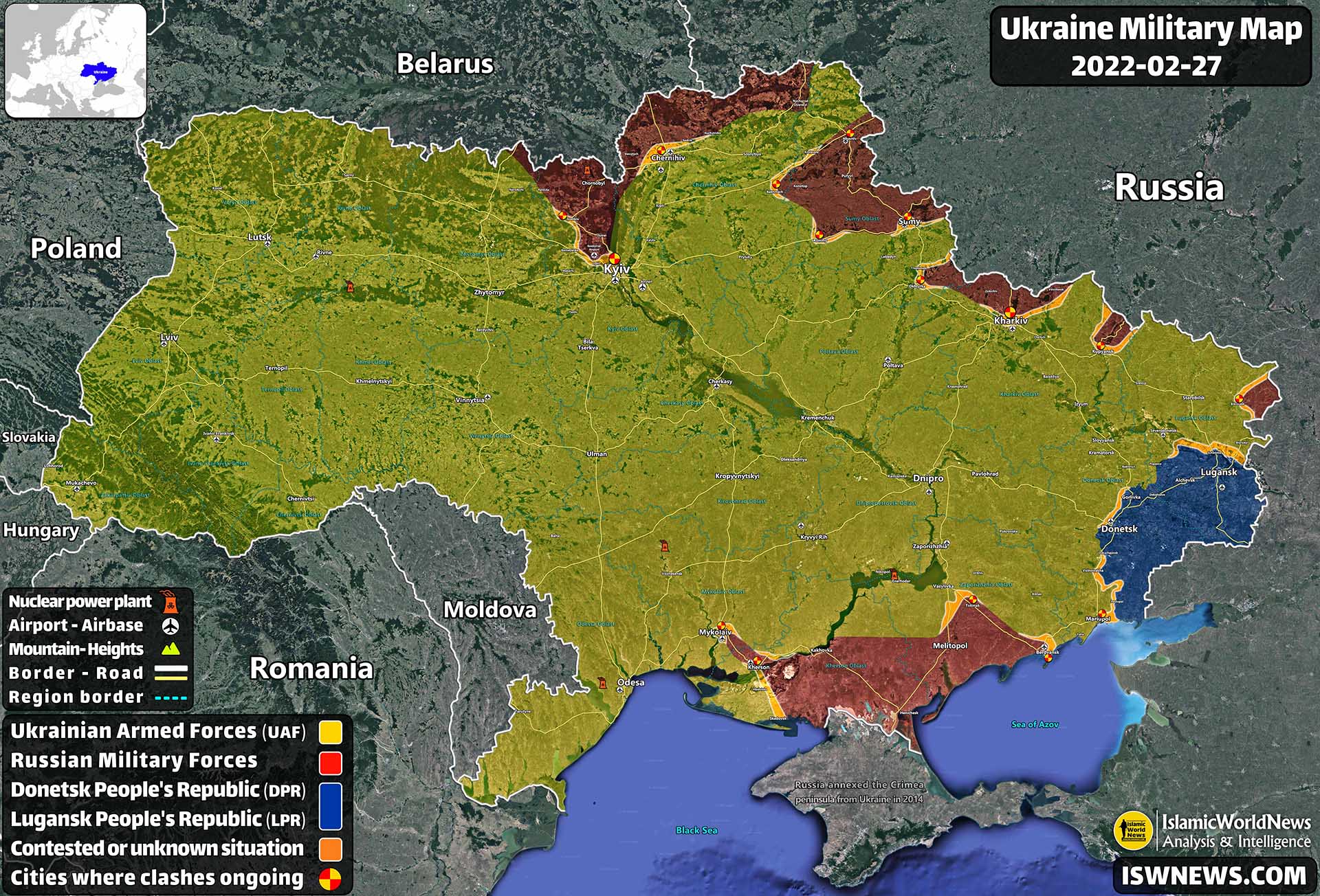
Southern front: On February 28, Russian forces reached the important town of Enerhodar. The importance of this town is due to the existence of a nuclear power plant in this region known as Zaporizhzhya NPP, which is considered to be the largest nuclear power plant in Europe. The Russian military claims full control over the Zaporizhzhya nuclear power plant, but the Ukrainian government has denied the claims. So far, neither side has released a video to prove their claim.
On February 28, the Russian army took full control of the coastal city of Berdyansk. The next goal on this axis is to move towards the city of Mariupol and shake hands with the Russian and Donetsk People’s Republic (DPR) forces around Mariupol.
Latest military situation in southern Ukraine
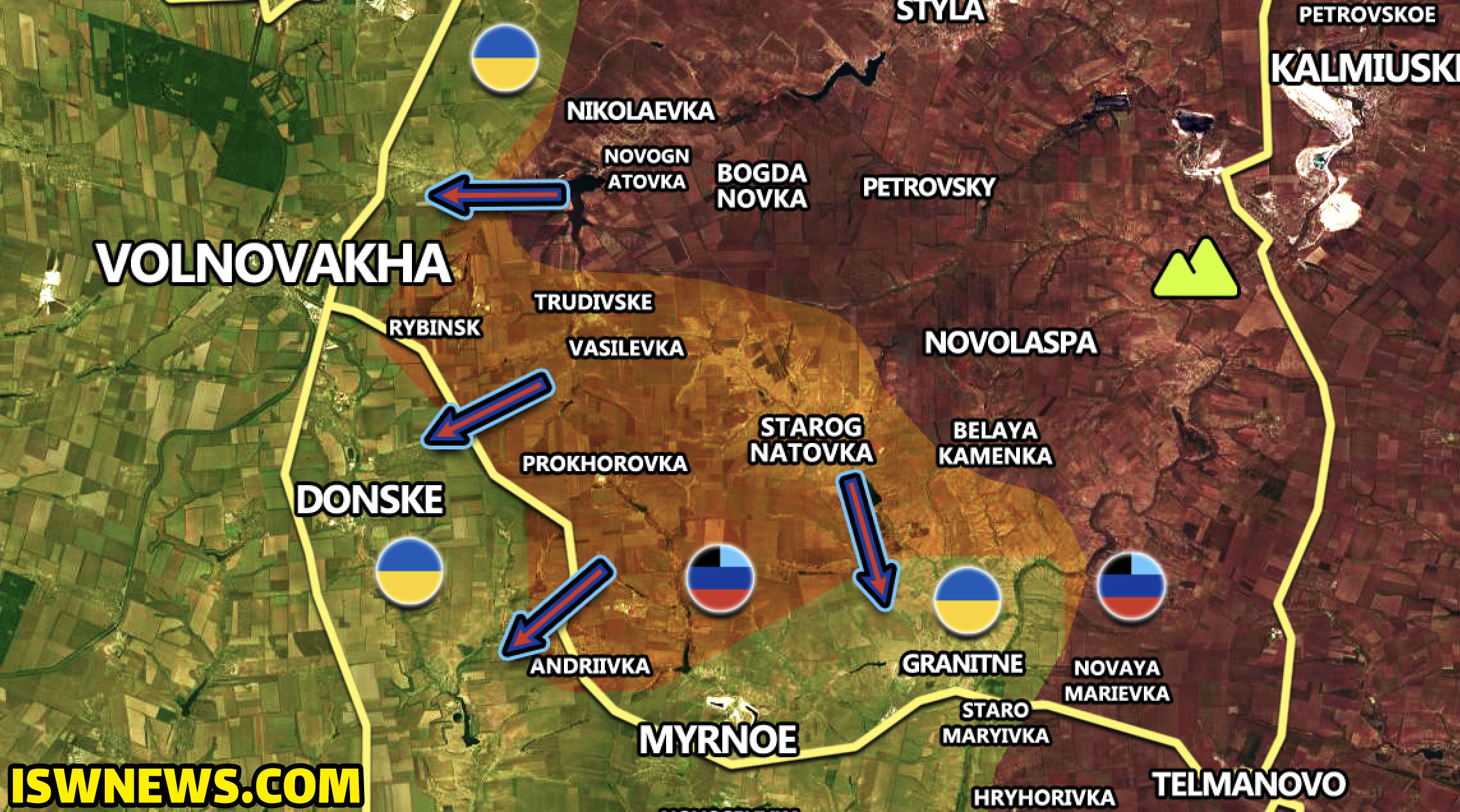
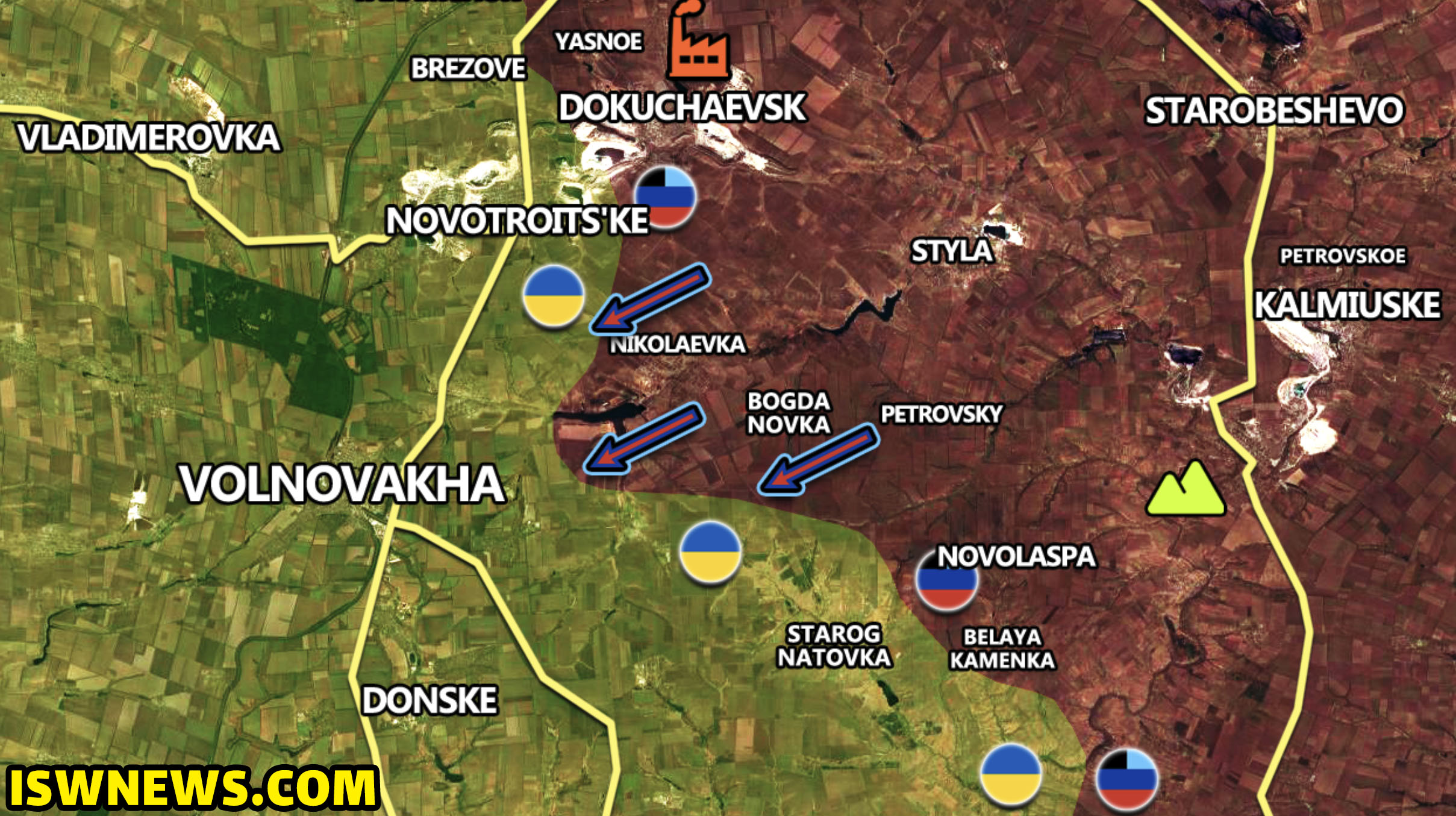
Now, only the city of Mariupol on the shores of the Sea of Azov is under the control of Ukrainian forces, and the capturing of this city by Russia and the DPR forces will cut off Ukraine’s connection with the Sea of Azov. In recent days, the DPR forces have been able to advance and capture some settlements between Volnovakha and Mariupol. Clashes continue around the town of Mariupol and along its northern road.
The situation in the city of Kherson and Mykolaiv is also unchanged.
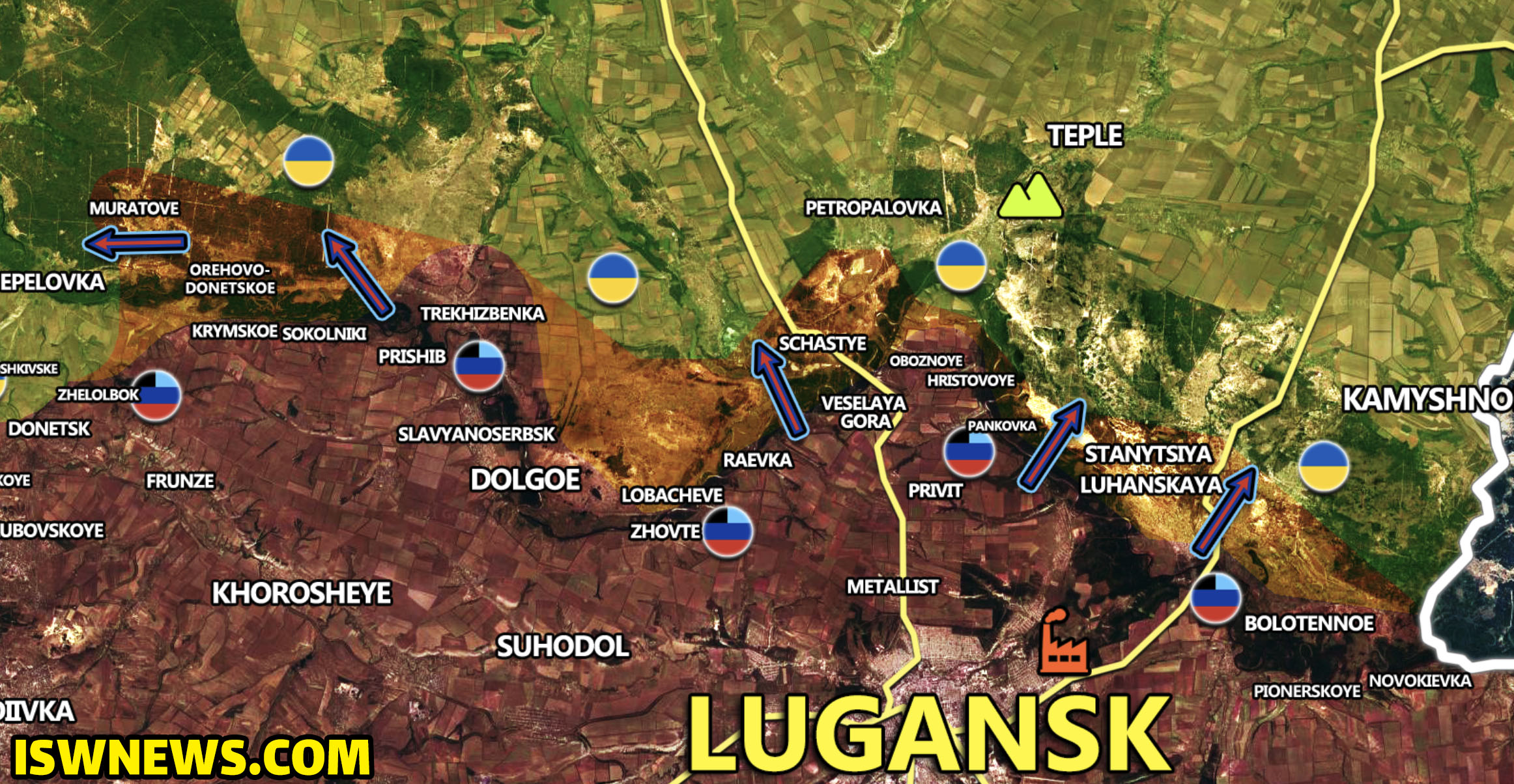
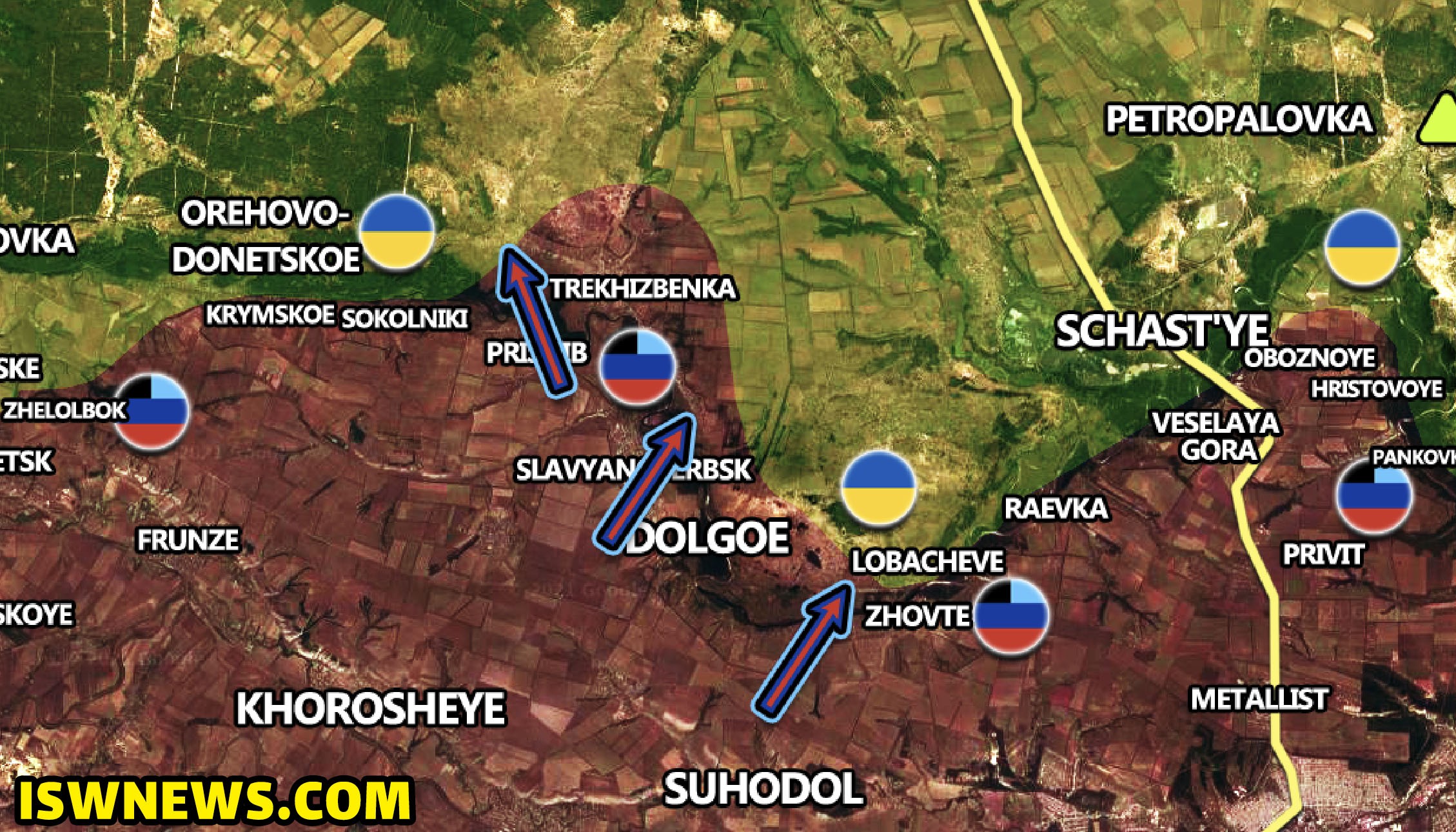
On the Luhansk front, clashes continue between the Luhansk People’s Republic (LPR) forces and Ukrainian forces north of Schastia and south of Severodonetsk. However, there is no change in the field map of this area.
Latest military situation in northern Luhansk
Northern front: On February 28, Russian forces crossed into Borodyanka and reached Makariv. The purpose of advancing on this axis is to cut off the Zhytomyr-Kyiv route. In general, there has been no significant change in the field map of the area, and sporadic clashes continue between forces on the western and northwestern axes of Kyiv.
Latest military situation around Kyiv
On February 28, the first round of talks between Russia and Ukraine took place in the Gomel region of southern Belarus. The talks lasted about five hours. Exact information is not available from the output of the negotiations; But it seems that more talks will take place in the near future.
Another important piece of news on the northern front is the Russian missile attack on the Brovary area near Kyiv. Russia attacked a military radar communications center in the Brovary region, 30 km east of Kyiv. Mayor of Brovary is said to have been injured in the attack.
Eastern front: On the eastern front, clashes continue between Russian and Ukrainian forces in and around the cities of Kharkiv, Sumy, and Okhtyrka. Currently, the most intense clashes are in the city of Kharkiv. Ukrainian forces are resisting well in this city. Kharkiv is the second largest city in Ukraine after Kyiv, and the keeping of this city is of great strategic importance to the Ukrainian army.
In the last four days and following heavy missile and air strikes against Ukraine’s military and strategic infrastructure, the Russian military operation in Ukraine has entered into a ground advances. Currently, the clashes are taking place in the three axes of east, north and south of the country. Details of the progress and changes in the lines of conflict are as follows:
Northern front: In general, after four days of heavy fighting on the outskirts of Kiev and its environs, the situation in the regions has reached a relative stability. In the Chernihiv region (Oblast), Ukrainian troops repelled Russian attacks on the city of Chernihiv, and Russian forces are now stationed in northern areas of Chernihiv city.
On the Kiev front, the Russian troops still control Gostomel (Antonov) Airport west of Kiev. The airport is considered the main base for Russian forces to attack the city of Kiev. On February 27, the southern areas of Gostomel Airport, including Bucha and Irpin, witnessed one of the heaviest battles in the past four days between Russian and Ukrainian forces. Russian forces trying to block the western entrances to the city of Kiev by advancing in this area.
Military situation in Kiev
There is no clear information about the situation of the forces on both sides inside the city of Kiev. In recent days, contradictory videos have been released of Russian troops inside Kiev and their battle with Ukrainian forces. Summarizing the available information, it can be concluded that there is still chaos in Kiev and the situation of the forces involved has not been fully stabilized. However, it should be noted that most of the clashes were reported in the northwestern and western parts of Kiev, and the presence of Russian forces in this part of the city is confirmed. On the other hand, the Russian Ministry of Defense has issued a statement announcing the control of the western axis of Kiev by Russian forces.
In the Sumy region, Russian troops have captured the town of Konotop in the western part of the province. Progress in the western part of Sumy province is slow.
Eastern front: After several days of fighting on the outskirts of Kharkiv, the clashes have reached to streets of Kharkiv city since this morning, and Russian troops have been able to advance into the city’s neighborhoods. Clashes between Russian and Ukrainian forces continue fiercely in the city of Kharkiv.
In the Sumy region, clashes are taking place in the northern axis around the city of Sumy and in the southern axis around the city of Okhtyrka. Ukrainian army forces in the city of Sumy have shown fierce resistance. The Russian army is putting pressure on Sumy from three directions, and according to Russian sources, Russian forces have managed to complete the siege of the city.
Military situation around the city of Kharkiv and Sumy in eastern Ukraine
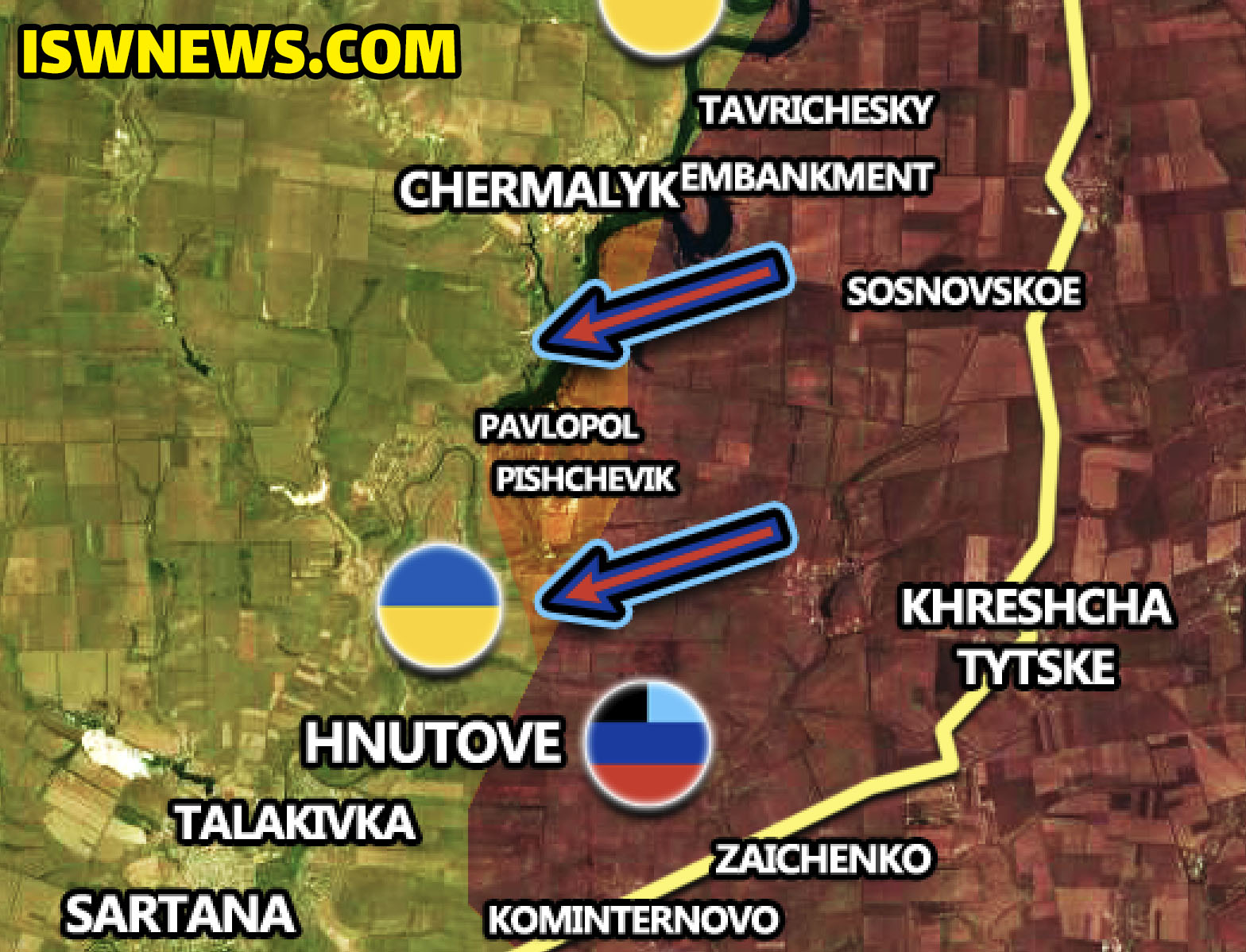
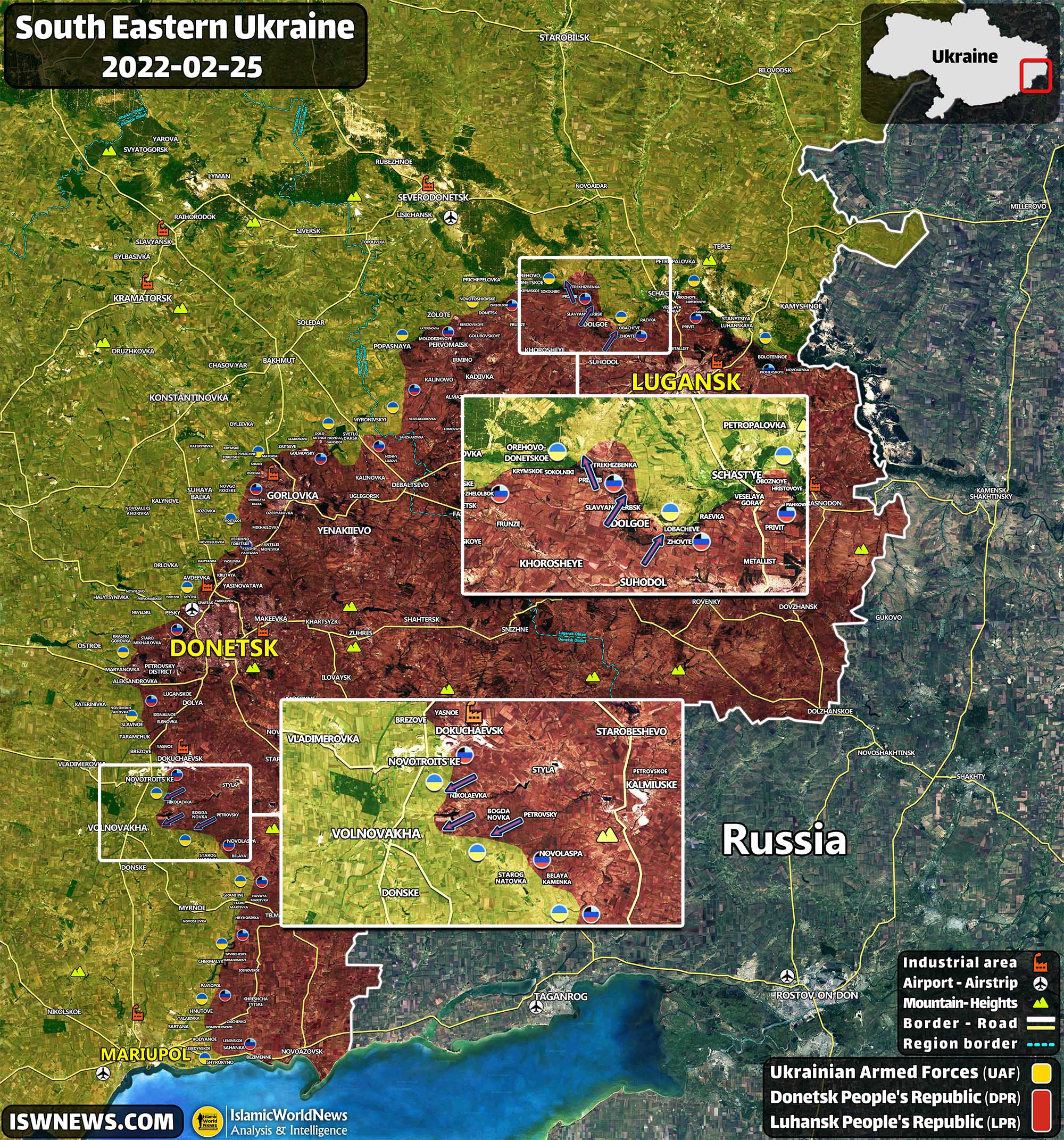
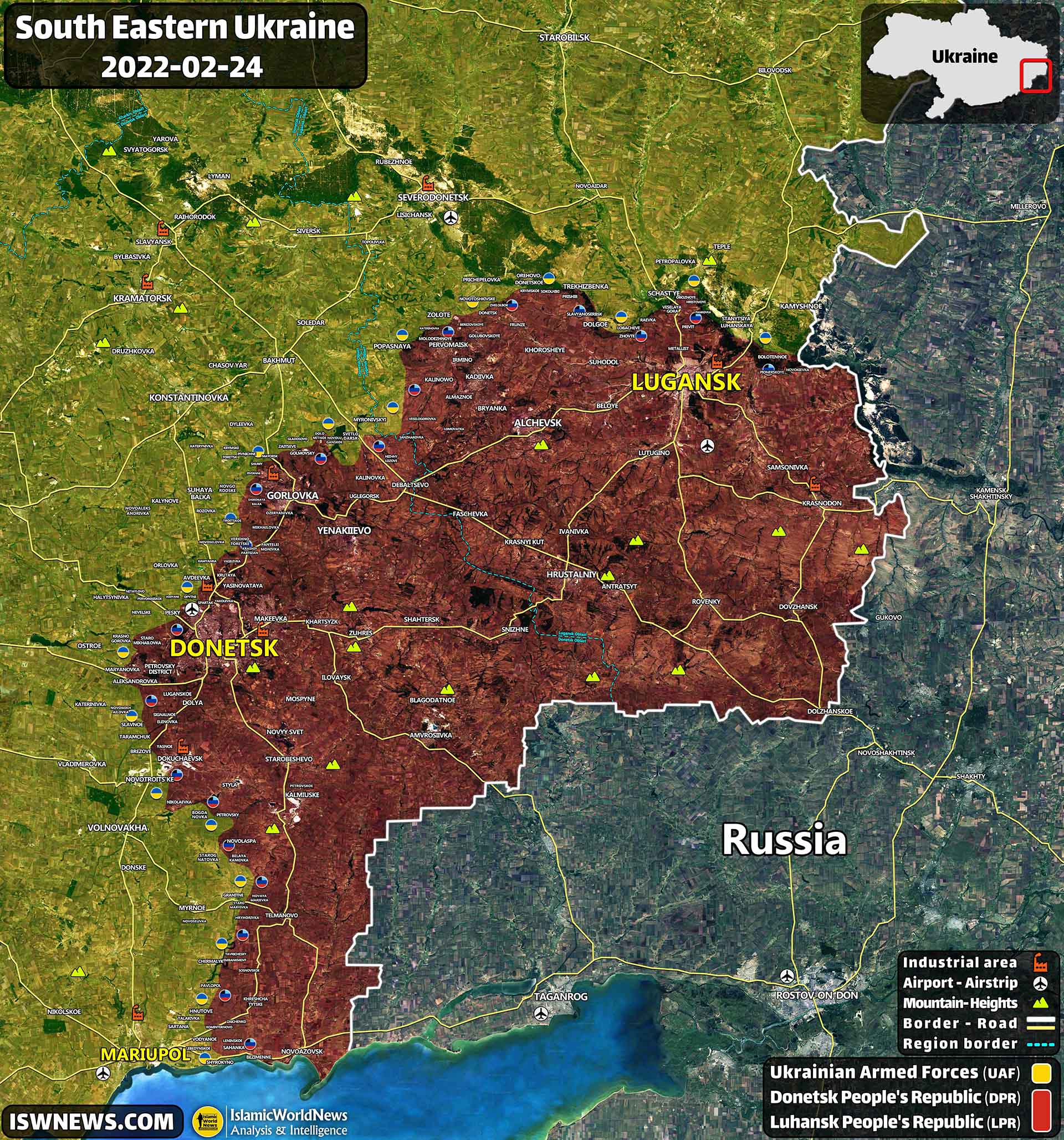
On the Donetsk front, the DPR advanced on the Volnovakha axis to a depth of 25 km. Over the past two days, the DPR forces have captured the areas of Oktyabrskaya, Trudovskoye, Vsilevka, Andriivka, Prokhorovka, Rybinsk, Chicherino, Pavlopol, Pishchevik, Nizhne, Granitne, and Gnutovo. Clashes between the two sides are currently ongoing in the suburbs of Mariupol. On the Luhansk front, according to sources affiliated with the Luhansk Republican Forces , the LPR forces advanced to a depth of 52 km and captured the towns of Schastie, Muratovo, Stanitsa Luhanskaya, Muratovo and other villages in north of Luhansk.
Military situation in Luhansk and Donetsk fronts
Southern front: In the past four days, Russian troops have begun advancing from the Crimean peninsula to Kherson region. Hence, during the advance of the Russian army, the town of Henichesk and other southern villages of Kherson region came under Russian control. Subsequently, as Russian forces advanced into the northern part of Kherson province, they also advanced east and west of the province and entered the provinces of Zaporizhzhia and Mykolaiv.
In Kherson region, the important cities of Kakhofka and Nova Kakhovka on the banks of the Dnieper River came under Russian control. The Russian army continued its advance in the western part of Kherson region and entered the city of Kherson by crossing the Dnieper River. Kherson Airport and much of the city are now under Russian control. But sporadic clashes are still reported in the city.
Situation in Kherson Oblast and Russian Army advances in Zaporizhzhia and Mykolaiv Oblasts
After Kherson, Russian troops entered Mykolaiv region, and now the fighting has reached to the south and west of Mykolaiv. The city of Mykolaiv is under the control of the Ukrainian army and Russian airstrikes have begun on the city.
In the Zaporizhzhia region, the city of Melitopol was completely captured by Russian troops. After Melitopol, the cities of Tokmak and Berdyansk were attacked by Russian troops. According to the latest information, the city of Tokmak is under the control of Russian forces; However, there are reports of clashes in Tokmak. The important city of Berdyansk is in a similar situation. As of noon today (February 27), the city was under siege from the north and west, and Russian troops entered the city. Russian sources report full control over the city of Berdyansk.
Another important news on the southern front is the capture of a number of Ukrainian forces on the Snakes island in the Black Sea. There is contradictory news about this story. The Ukrainian side claims that 13 Ukrainian soldiers were stationed on the small island, all of whom were killed by Russia navy after they refused to surrender. The Russian side also rejects the claim and stated that about 80 Ukrainian troops have surrendered to Russia after faced a warning by the Russian navy. Russia has released a video of food and water being distributed among the captives Ukrainian soldiers.
According to the latest news from the Donbas front, the DPR forces have advanced on the Volnovakha front in south of Donetsk. The LPR forces also captured the village of Trekhizbenka in north of Luhansk.
DPR advances on Volnovakha frontLPR advances in north of Luhansk
The Ukrainian army has fired several Tochka missiles at Donetsk city since this morning. Russian media have not released details of the possible casualties.
Despite heavy fighting on the Donbas fronts, the military map is almost like the previous day and the DPR and LPR advances have been minor.
According to Russian officials, one of the goals of the Russian military operation in Ukraine is to revive the 2014 borders in the Luhansk and Donetsk regions.
In the early hours of February 24, Russian President, Vladimir Putin announced that Russia had officially launched a special operation to bring peace to Ukraine! According to the Russian president, which was broadcast on official Russian television; The operation was aimed at protecting residents of the Donetsk and Luhansk regions, as well as demilitarizing Ukraine and denazification of the country.
Putin emphasized that the goal of the operation is “is to protect people who have been subjected to abuse, genocide by the Kiev regime for eight years, and for this we will seek to demilitarize and deNazify Ukraine, as well as bring to justice those who committed numerous bloody crimes against peaceful residents, including citizens of the Russian Federation,” Putin said.
Following this statement, the Russian military operation in Ukraine began from the early hours of February 24.
But what is the root cause of this war?
Two days ago, on February 22, following weeks of escalating tensions in eastern Ukraine, Russian President, Vladimir Putin finally recognized the independence of the two separatist republics of Donetsk and Luhansk in southeastern Ukraine, And for the last time demanded Kiev to halt military operations in the Donbas region and hand over all the subdivisions of Donetsk and Luhansk to the people of this region.
Donbass is a historical, economic and cultural region in southeastern Ukraine that was separated from the Soviet Union during the Soviet dissolution with Ukraine. Russia considers the Donbas region, where many Russians live, to be part of its traditional territory.
In the riots of 2014, pro-Russian Ukrainian President Viktor Yanukovych was overthrown and pro-European politicians came to power in the Ukrainian capital, Kiev. After this revolution (or coup), the people of the Crimean peninsula showed their desire to secede from Ukraine, and eventually, after a series of events, it led to the secession of Crimea and its annexation to Russia. The people of Luhansk and Donetsk subsequently demanded secession from Ukraine and accession to Russia. Thus, on May 11, 2014, Donetsk and Luhansk oblasts witnessed a referendum on independence from Ukraine. In Donetsk, more than 89 percent of voters and in Luhansk more than 96 percent of voters voted for autonomy and independence.
But this time, the Ukrainian government, experiencing Crimean secession, cracked down on separatists with swift action and military operations. However, the Ukrainian military operation in the Donbas region did not completely suppress separatism; But it interrupted the process. In the same year, a ceasefire agreement called the “Minsk Agreement” was signed between Ukraine and Russia and the Donetsk and Luhansk separatists. Since then (until 2022) the Donbas region has witnessed daily clashes between the two sides and killing and displacement of the people of the region. Before the war in Donbas, Donbas was the most populated region of Ukraine after Kiev, the capital of the country.
However, over the past eight years, the areas under the control of separatist forces in Donetsk and Luhansk in southeastern Ukraine have become an unresolved challenge between Russia and Ukraine and the site of political conflicts between Russia and the West. The Minsk 1 and 2 agreements also failed to bring about a lasting ceasefire, with each side accusing the other of not adhering to the terms of the agreement.
Over the years, the Ukrainian government, hoping for financial and military assistance from the West and the United States, tried to reclaim its territories; An issue that never materialized, and on the contrary, with increasing US influence in Ukraine, practically turned the country into a place for direct military threats by NATO and the United States against Russia. Recently, the rumors about Ukraine joining NATO and the deployment of NATO defense and missile systems as well as NATO bases in this country led the Russian Federation to conclude that the only way out of this problem is the demilitarization of Ukraine!
And therefore, the Russian military operations began to capture its traditional territories in Donbas and perhaps all of Ukraine!
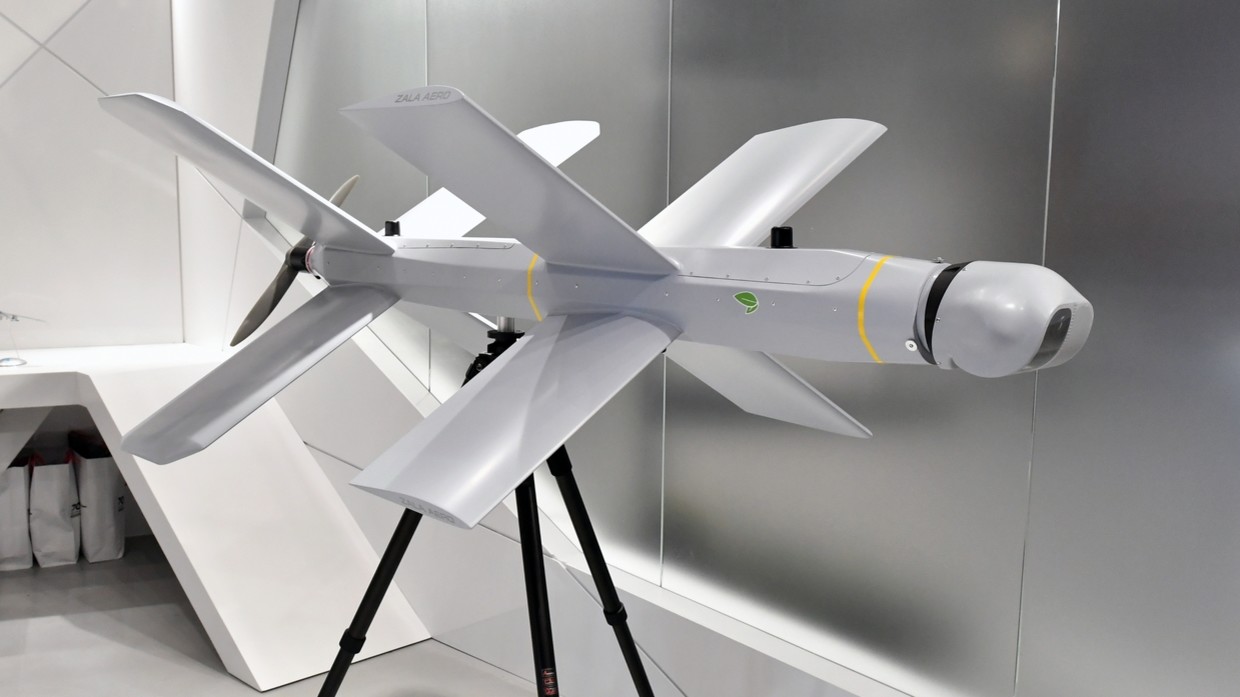
ISWNews Analysis Group: The Russian military has used a new version of the Lancet loitering munition to attack militant positions in Syria, according to the RIA Novosti.
The aerodynamics of the new version of the drone have been updated and its X-shaped wings have been enlarged.
Launched in 2019, the Lancet-3 has a range of 40 km and a endurance of 40 minutes, and has a longer flight duration and range than the older version of the drone, the Lancet-1 drone, and can carry a more powerful warhead.
Russian media recently released a video of the previous version of the drone in action in the Syrian province of Idlib, confirming that the drone had targeted militant positions.
It is worth mentioning that the Lancet drone was produced by ZALA AERO Group, a subsidiary of the Kalashnikov Company.
Last December, Russia-24 TV aired a report documenting strikes with Lancet loitering munitions on terrorists positions in Greater Idlib. In a precision drone strike by the Russian army, a field commander and a prominent member of terrorist groups who was an skilled ATGM operator named “Maher Kojak” nicknamed “Abu TOW” were killed.
The following video is related to the killing of militant commanders and the use of the Lancet drone by the Russia in Syria.
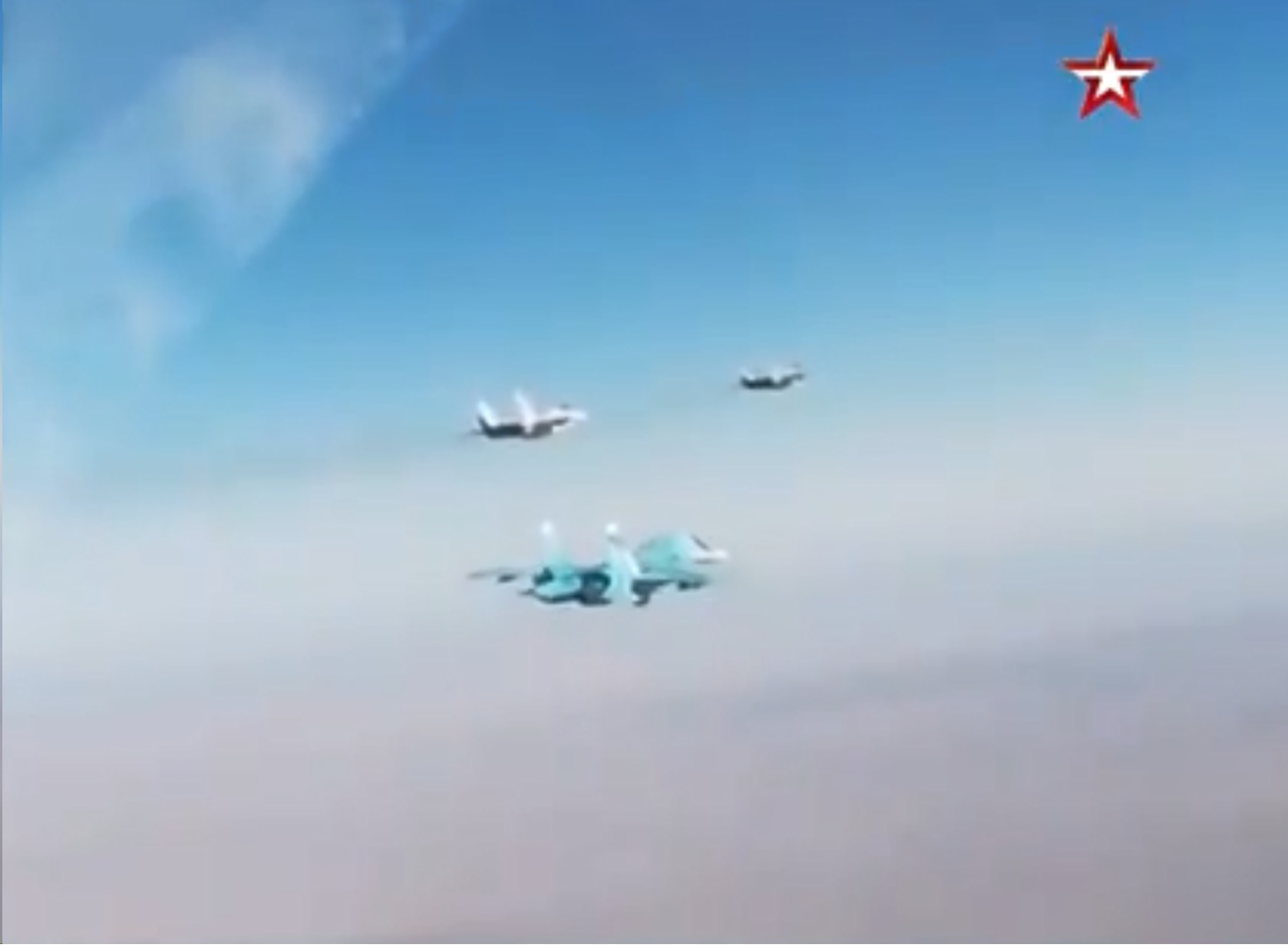
On Monday (January 24), Russian and Syrian warplanes patrolled the airspace of the Syrian border and near the occupied Golan. The Russian Defense Ministry announced that Moscow and Damascus intend to conduct joint air patrols on a regular basis.
In this regard, the Zionist newspaper Yedioth Ahronoth wrote: The joint patrol of Russian and Syrian warplanes near the Golan Heights will reduce the Israeli air force attacks on Syria.Security-level meetings are underway between Israeli and Russian military officials to calm the situation.
Zionist Channel 11 also described the joint patrol of Russian and Syrian warplanes as “worrying cooperation.”
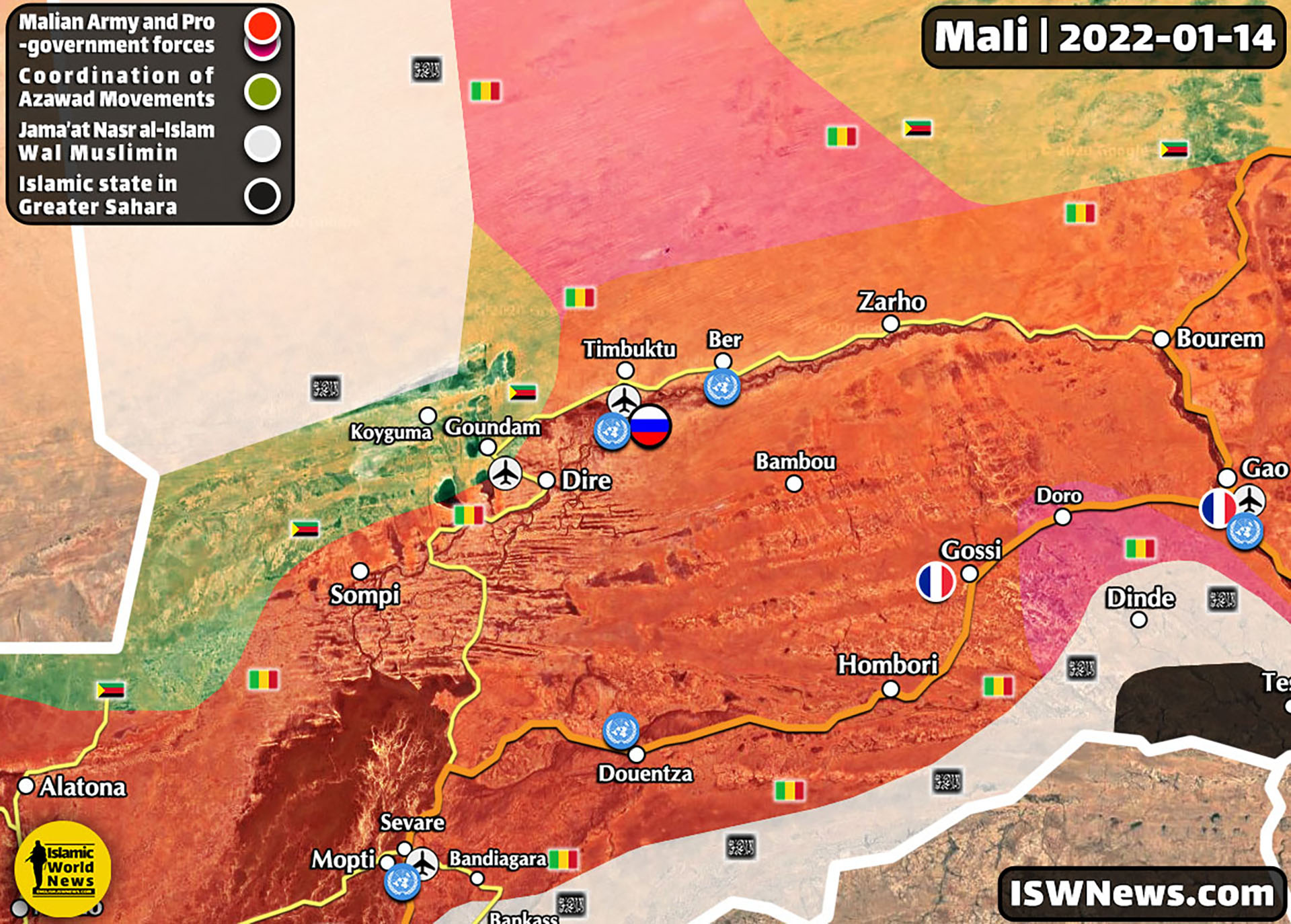
Russian Private Military Contractors (known as Wagner) has been stationed at the Timbuktu base to train Malian military personnel, a spokesman for the Malian Army said on Thursday. He further confirmed that Mali had received Russian military aid, including several helicopters (Mi-17) and other military equipment.
The Timbuktu base had been under French control for eight years, but French troops withdrew in December 2021 following tensions between France and the Mali government over the presence of Russian troops in Mali.
Russia’s Private Military Contractors (PMC) are a group of Russian military individuals referred by the Western media as “Wagner.” Western countries have repeatedly accused the group of human rights abuses and war crimes. According to “ISWNEWS” from informed Russian sources, there is no such group as “Wagner Group” in Russia; In principle, the Russian parliament and military structure do not allow the formation of such private military groups in the Russian Federation. These contractors are in fact part of the Russian military proxy forces in the target countries. Therefore, its structure seems to be very different from that of companies and private contractors in Western countries, including the United States.
Russia’s private military contractors are currently active in the wars in eastern Ukraine, Syria, Libya, and elsewhere. In Mali, too, the government has denied Western allegations And says that Russian forces are present in the country within the framework of a bilateral agreement.
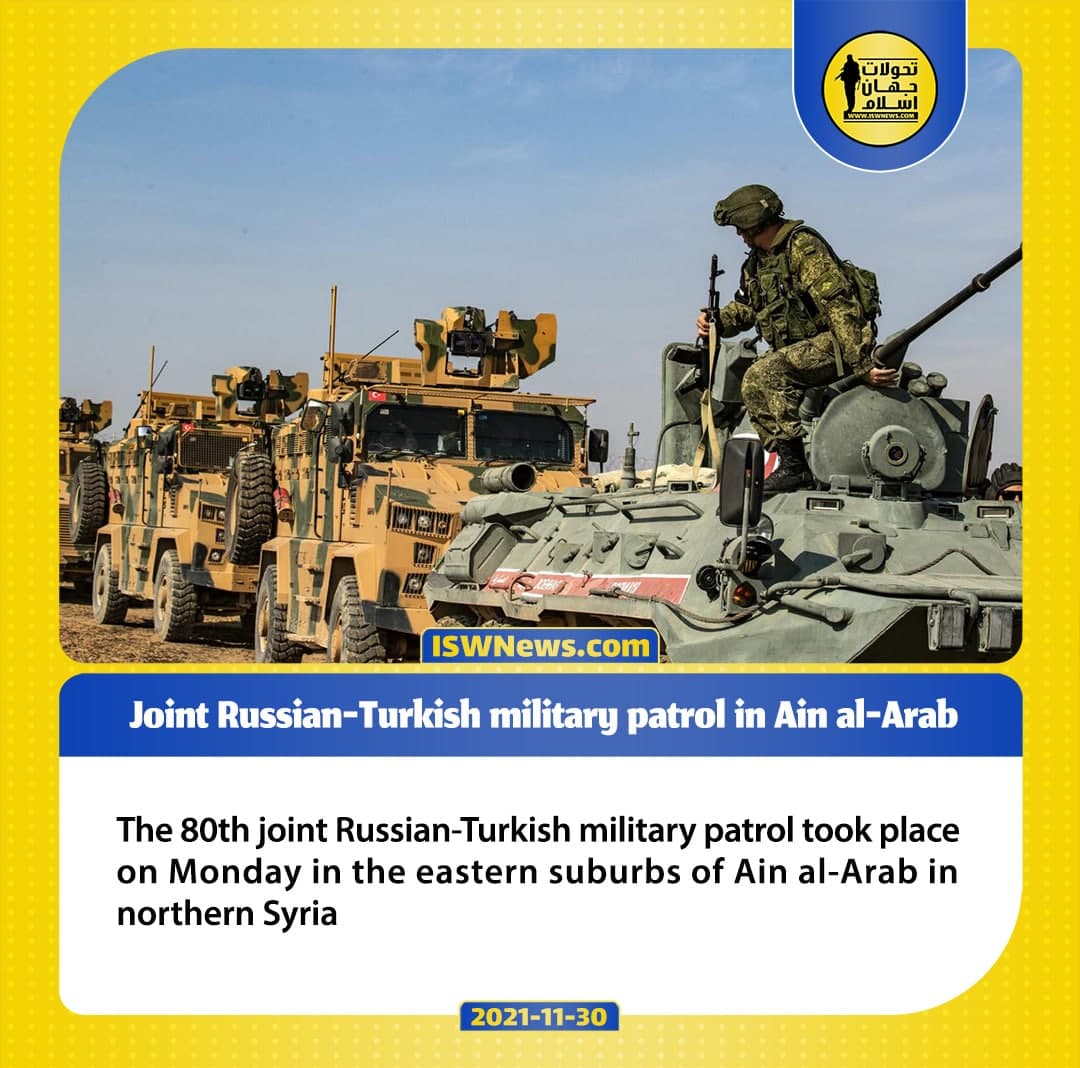
The convoy, consisting of eight Russian-Turkish military vehicles, began patrolling from the village of Gharib, 15 km east of Ain al-Arab (Kobani), escorted by two Russian helicopters. At the end of the patrol, Turkish troops returned to their bases on Turkish soil and Russian forces returned to their base in Sarin area, south of Ain al-Arab.
The last (seventy-ninth) joint military patrol of Turkey and Russia took place on November 22 in the western suburbs of Ain al-Arab.
The base is located 20 km from the Turkish-occupied areas along the M4 highway. Syrian Army artillery and several Russian military vehicles have been stationed at the base for some time. This action was taken in order to strengthen the presence of Russian forces from the eastern suburbs of Aleppo to Ain Issa in the north of Raqqa province on the Aleppo-Hasakah road.
After the withdrawal of American forces from some parts of northeastern Syria, Russian forces were stationed in some of those bases, such as al-Tabqa military airport on the outskirts of Raqqa, and strengthened their presence by establishing other bases in Raqqa and the eastern suburbs of Aleppo.
The city of Manbij has been under YPG control since 2016, and in 2019, after US troops withdrew from the city, the Syrian army set up a network of military posts on the outskirts of Manbij to counter the possible offensive by Turkey and Ankara-backed militants.