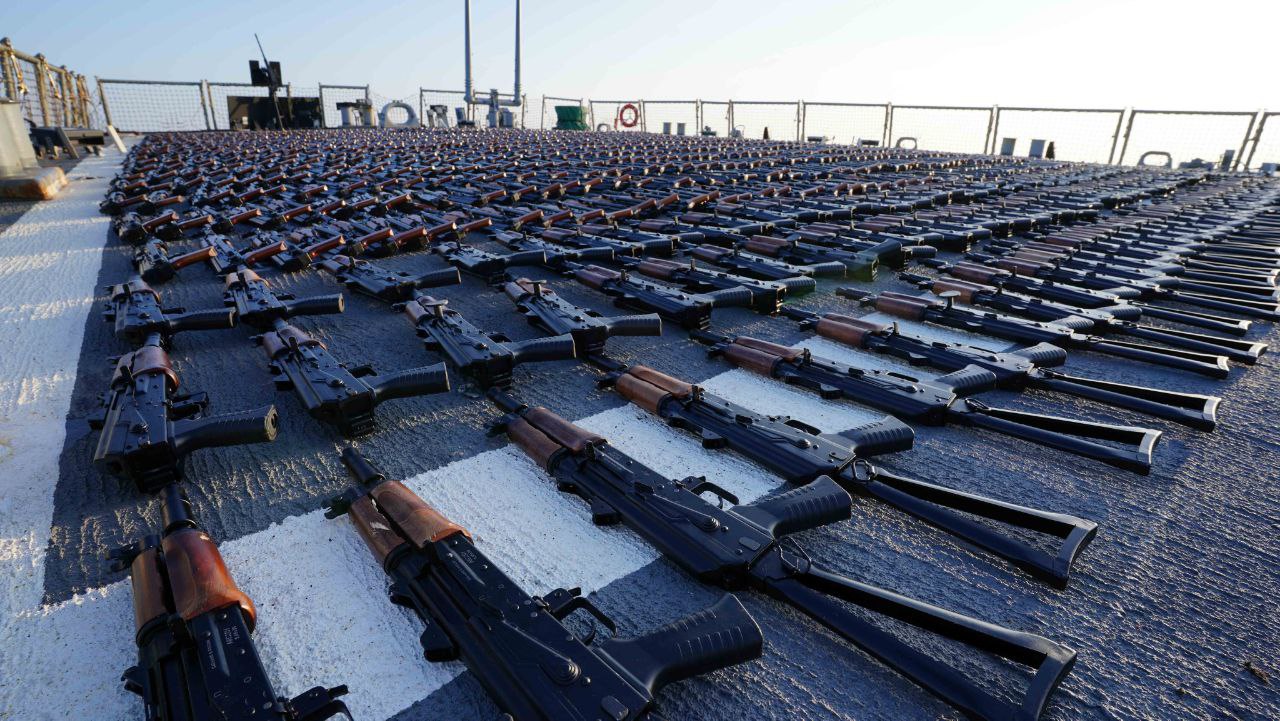
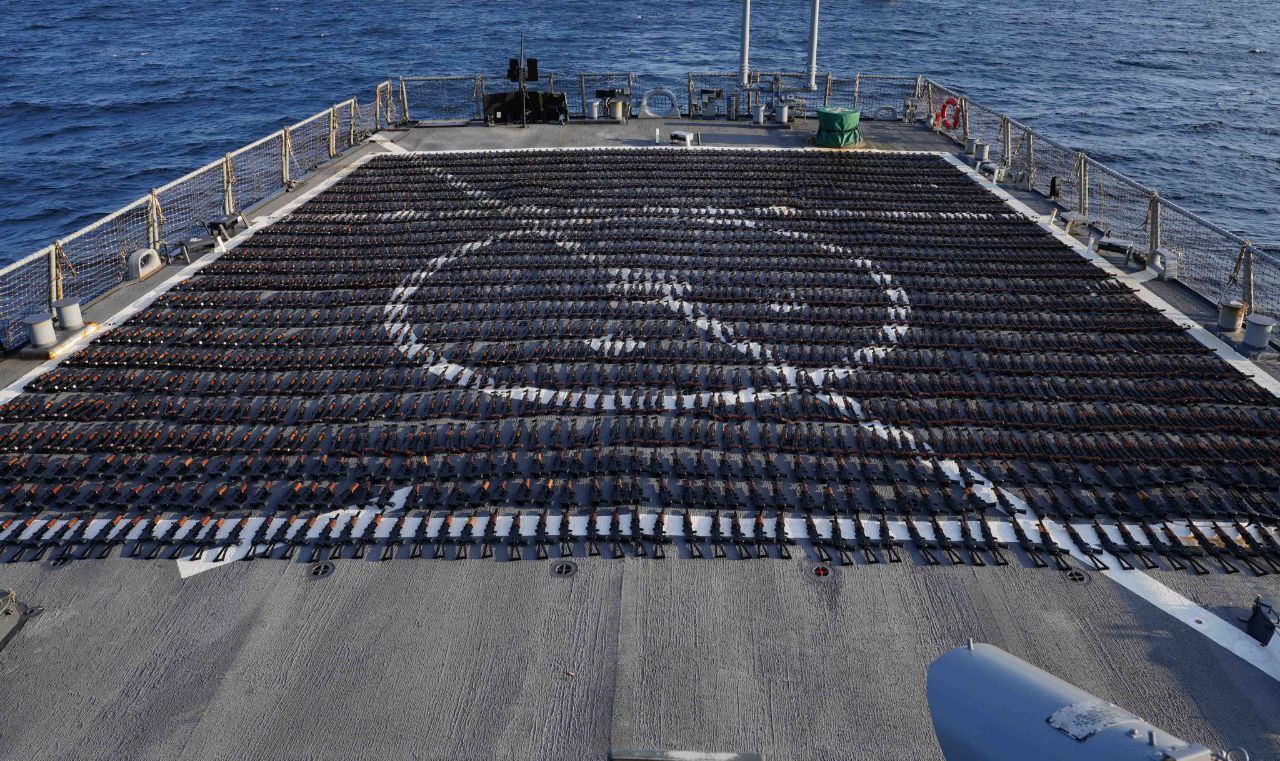
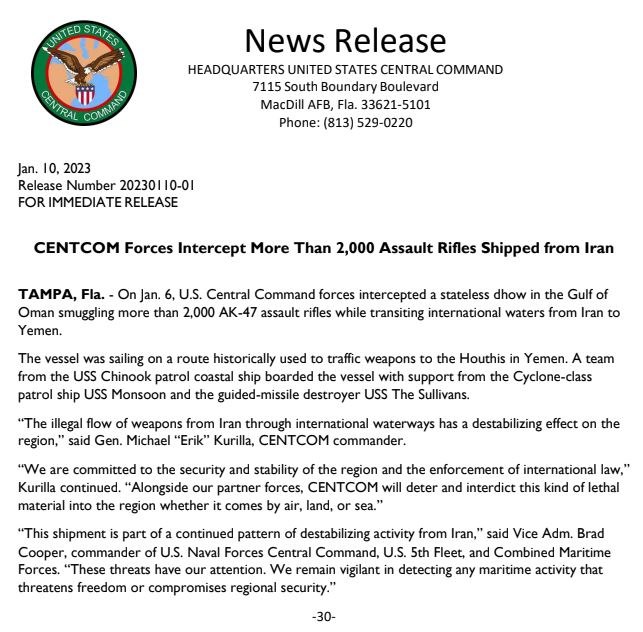
The US Navy alleged on Thursday that a USS CHINOOK patrol boat succeeded in intercepting and confiscating an unknown fishing boat in the Gulf of Oman on January 6, 2023.
The US Marines claims that the vessel was carrying 2100 assault rifles from Iran to Yemen, adding that the weapons are similar to the rifles seized in previous shipments.
According to spokesman for the Navy’s Mideast-based 5th Fleet Timothy Hawkins, the crew members of the ship come from Yemen; so, they will be handed over to the resigned government of the Arab country.
The allegations on the shipments of Iran-made weaponries to Yemen are being leveled in a situation that the US stands first in terms of selling arms. Moreover, Saudi Arabia procures most of its weapons from the US. The fact has been confirmed in a report by the UN Yemen Observation Mission on September 9, 2022. According to the report, the US, France, Britain, Canada and Iran ship arms to warring sides in Yemen.
It is noteworthy, also, the United States Central Command (CENTCOM) claimed on September 9, 2022 that they seized a fishing boat shipping munitions and missile fuel from Iran to Yemen in the Gulf of Oman.
“Following the statement of December 22 on the arrest of four Mossad-affiliated spy and terrorist groups, the Iranian security forces have also succeeded in detaining two other teams after all-out efforts to identify the spies and terrorists. The terrorist network comprises of 23 operative and logistic elements in various provinces of Tehran, Isfahan, Yazd, West Azarbaijan and Golestan. Some 13 elements have been arrested and their operational instruments have been confiscated so far. The ringleader of the network, nicknamed Sirous, resides in a European country. He uses social media platforms such as Instagram and Whatsapp to find operatives inside Iran and create connections with them. The latest findings show that the spy and terroristic agency of Mossad planned to misuse the recent unrest in certain parts of Iran to assassinate a military official and carry out several sabotages in big cities, as well as smuggle large scale munitions from southern maritime borders into Iran, but the operative and logistic elements were identified and nabbed before any attack. Therefore, this is the second significant failure of the fake regime’s intelligence agency in less than six months.”
The recent unrest in Iran started in late September, and then, terrorist groups and separatists tried to exacerbate the situation in different cities and provinces. The US and European intelligence agencies made use of media outlets and resorted to regional developments in a bid to turn the unrest into a political, security, social and cultural project against Iran. The project led to deaths and injuries of numerous innocent Iranians, including security and Basij forces.
In October, American media reported that Russia purchased Iran-made missiles of Zolfaghar and Fateh-110. A month ago, several sources reported that Iranian cargo aircraft carried out several flights to Moscow, and the Russians used Iran-made Shahed-136 suicide drones in Kupyansk and Nikopol, Ukraine, indicating the military collaborations between Tehran and Moscow developed and entered a new phase.
The success of drone attacks by Russia and the psychological impact of the strikes on the Ukrainians prompted the Western states to activate their propaganda and political campaign against Iran-made warfare, and impose new sanctions on Tehran to dissuade the Islamic Republic from the military cooperation with Russia. Of course, the connection has never been confirmed by the Russian and Iranian statesmen, while the Western powers and the Zionist regime put forward different speculations on the delivery paths of the Iranian drones to Russia via Tajikistan, Uzbekistan or other countries.
Nevertheless, the Russian media outlets reported in November 2022 that the Russian and Iranian authorities held talks on the purchase of Iran-made short-range and medium-range ballistic missiles to be used for the Ukraine war. But new reports of those media claimed that the Iranian missiles are going to be swapped for 24 Russian Su-35 fighter jets.
The fighter jets were scheduled to be delivered to Egypt’s Air Force on the basis of a 2019 contract worth $2 billion, but the United States’ threats pushed back Cairo that was concerned about the potential sanctions by the West; so, the Egyptians refrained from receiving the whole shipment of the fighter jets.
Unofficial reports from both sides (Russia and Iran) say that the Su-35 jets will be handed over to Tehran, and that the Iranian pilots are getting trainings to start flying the fighters.
So, what are the benefits of the contract for Iran and Russia? And is the swap deal of the Russian Su-35 for the Iranian ballistic missiles useful for both countries?
Russia is experiencing a complicated conflict and the Russians’ missile arsenal is suffering from shortages after 10 months of heavy clashes. Moscow experiences that it could not reach the desired results in the Ukraine war, and the Russians cannot consume all missiles to target pre-planned points in Ukraine. Thus, they resort to bargaining the swap deal with Iran, which seems to be the best option for the Russians to find a way out of the existing weak point in the war.
As the Western media claimed, the Russians are after purchasing Zolfaghar and Fateh-110 missiles. The Iran-made missiles have not been used in a broaden conflict like the Ukraine war so far, but the Zolfaghar missiles were successfully fired at the Daesh hideouts in Deir Ezzor in eastern Syria in June 18, 2017 and October 1, 2018. The Fateh-110 missiles were also effectively fired at a spy center affiliated to Israel in Erbil, northern Iraq, on March 13, 2022. It is worth mentioning that the Fateh-110 missiles have been utilized by Ansar Allah fighters in the Yemen war.
The usage of fighters and strategic bombers will inflict heavy costs on the Ministry of Defence of the Russian Federation in the long-run. The most airstrikes by the Russians are being conducted by unguided weapons; so, in a situation that the Ukrainians have enhanced their counterstrikes, the Russian weaponries are not applicable to strike targets in the depth of the Ukrainian soil. Moreover, the accuracy of the Iran-made missiles can be seen as another strong point, which can help intensify the aftermath of Russian strikes on Ukraine.
The Iranian armed forces possess abundant missile arsenals that are the best option for the exchange of ballistic missiles with Su-35 in terms of price difference (the Rial-Dollar exchange rate deals) and other issues. The Zolfaghar and Fateh-110 are the best and widely used Iran-made missiles, and the Islamic country is not afraid of their structural details being revealed.
Russia’s usage of the Iranian weaponries in the war on Ukraine, while the Ukrainians enjoy all-out support by the US and NATO, is a sort of simulation or proxy war. Iran can oversee the result of Russians’ use of the weapons and equipment in order to develop them and overhaul their potential defects in the face of the West-made weaponries.
The West-imposed sanctions on Iran’s Air Force over the last 40 years caused the limitation of the access to warplanes, including state-of-the-art fighter jets; so, almost no country agreed to strike a deal with Iran in this respect. But the war in Ukraine created an opportunity for the Islamic Republic to purchase the Russian warplanes and the Iranians try to meet parts of their needs in the effort to stand against the enemies.
The military cooperation and the swap or sale of weaponries have always been considered as normal acts among militarily powerful states; however, the Iranians’ progress in manufacturing deterrent equipment, including drones and missiles, seems not to be in favor of the US and Europe, who have been the biggest producers and suppliers of weapons in the world for years; so, they resort to threats and sanctions in dealing with Iran’s progress in military sector.
The commemoration ceremony of the third anniversary of the martyrdom of General Haj Qasem Soleimani and martyrs of the resistance was held on January 3, with the presence of different sections of the Iranian people in Golzar Shohada of the city of Kerman.
According to the announcement by the command of the Tharullah Corps of Kerman province, the programs of the third anniversary of the martyrdom of General Soleimani will continue from December 29 for 11 days in the city of Kerman.
The authorities of Kerman city have announced that they are ready to welcome 100,000 guests from outside the province every day and have predicted that this year around 20,000 people from outside Kerman province will travel to this city daily to participate in the third anniversary of the martyrdom of General Haj Qasem Soleimani.
Mohammad Ismail Khan is an Afghan former politician who served as Minister of Energy and Water from 2005 to 2013 and before that served as the governor of Herat Province. He is also one of the leaders of Jamiat-e Islami of Afghanistan and the most influential jihadi commander in western Afghanistan since the Soviet–Afghan War era.
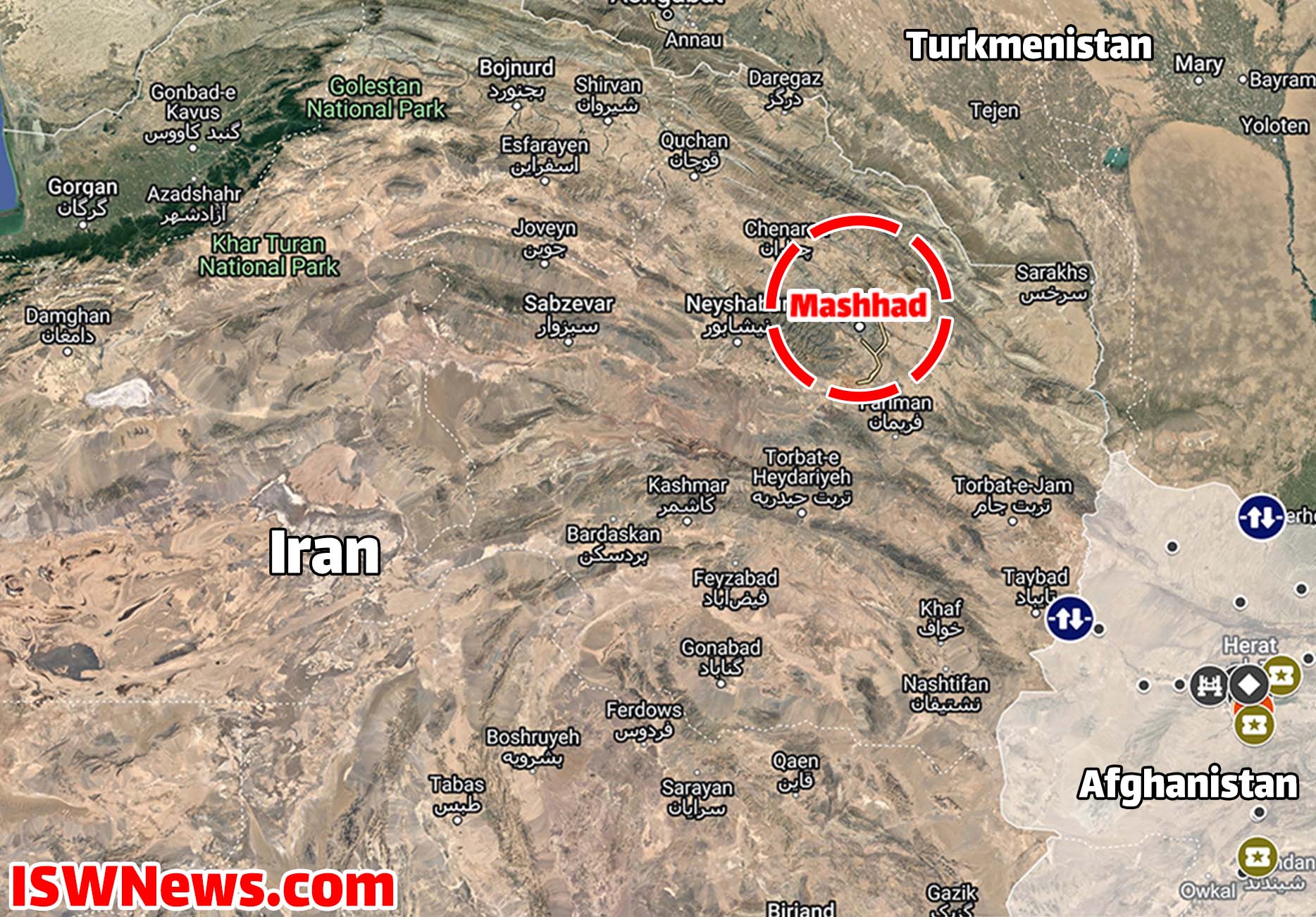
Mohammad Ismail Khan, after a long consultation with a group of jihadi commanders in different provinces of Afghanistan and former army commanders, established a new council under the title of “Islamic Council of Coherence of Resistance Against Taliban”. This council was formed on December 22 with the management and coordination of Mohammad Taha Sadiq, the son of Ismail Khan, in his house in Mashhad, the capital of Razavi Khorasan province.
In the meeting announcing the existence of this council, Ismail Khan emphasized on the armed struggle against the Taliban and said: “We must unite the ranks of the armed struggle against the Taliban.” Therefore, according to the words of Ismail Khan, “Islamic Council of Coherence of Resistance Against Taliban” is not only a political group and also pursues military goals.
Ismail Khan accused Karim Khalili and Muhammad Mohaqiq, one of the political leaders of Afghanistan and elders of the Hazara tribe, of performing poorly against the Taliban and stated: “Why these leaders, in the current crisis situation, are not present among the Hazara community and Afghan Shiites living in Iran?”
He also invited all the leaders and personalities of the opposition to the Taliban to gather under one flag and fight armed with this group for the liberation of the western region of Afghanistan from the occupation of the Taliban.
It should be noted that after the fall of Herat to the Taliban, Ismail Khan came to the city of Mashhad and pursued his anti-Taliban activities from Iran. Since March, he has held meetings and consultations with other Afghan political figures to form a united front against the Taliban.
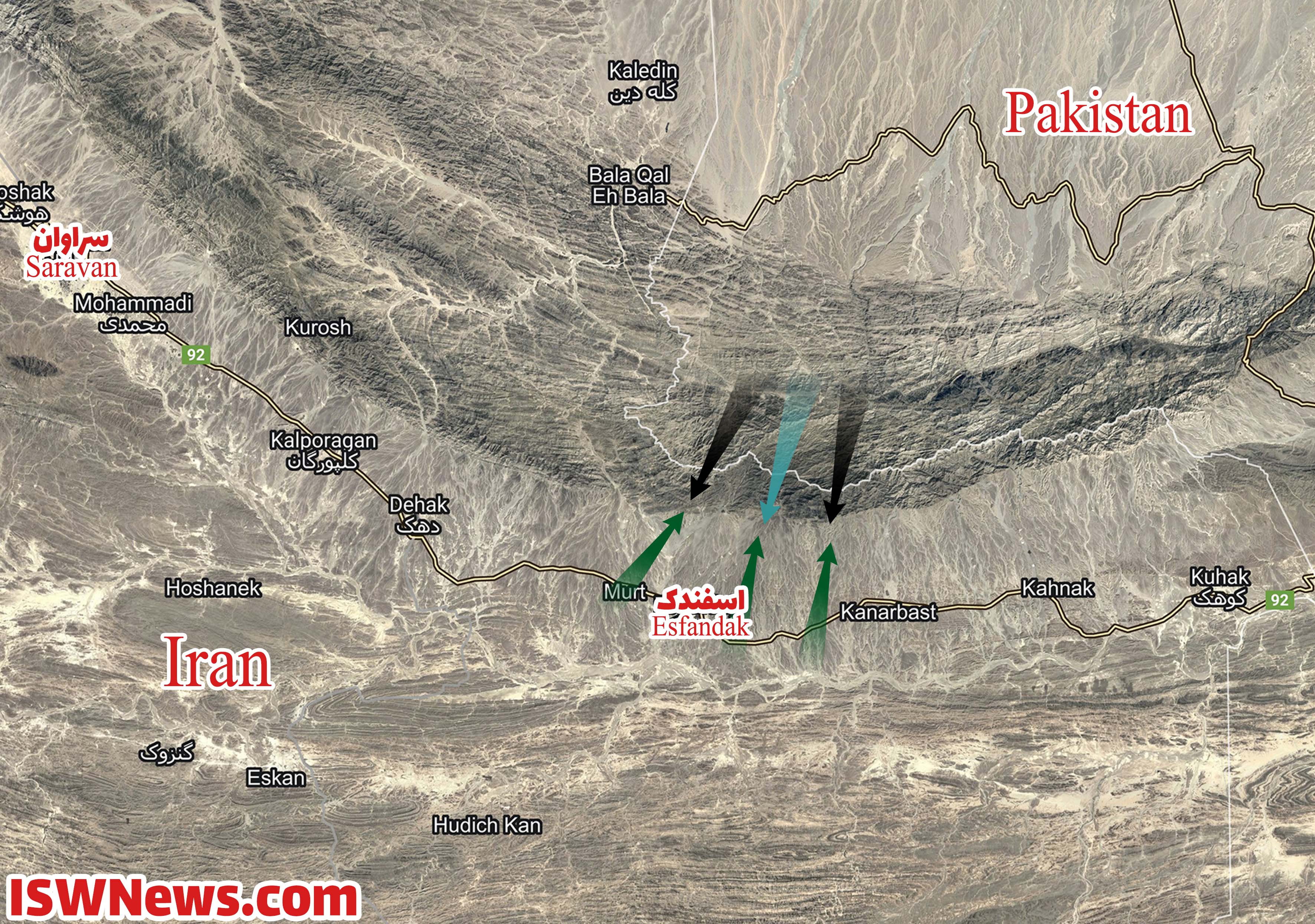
According to the public relations report of Quds headquarters in the southeastern region, the terrorist attackers left the area after heavy resistance from the Iranian forces and fled into Pakistan. No details have been published about the exact losses and damages inflicted on the terrorists. Colonel Hossein Ali Farahi, commander of the Saravan Border Regiment, referring to the prevention of the border guards stationed in the “Esfandak” region from the entry and sabotage acts of terrorist groups, said:
“Terrorists did not have the strength to resist the heavy fire of the border guards and fled towards the opposite country (Pakistan) using the mountain grooves. During the clearing of the conflict area, border guards also discovered 340 Kalashnikov bullets, 190 other bullets with two M16 magazines, eight hand grenades, 24 40 mm anti-personnel bullets, one 40 mm anti-armor bullet, one Kalashnikov bayonet, one wireless communication device, a compass, three sleeping bags, a blood supply pack and two tourniquets.”
It should be noted that during these clashes, four Iranian servicemen including 2nd Lieutenant Mohammad Gudarzi was martyred along with three members of the Basij, namely Rahim Bakhsh Paraki (Sunni), Hamidreza Abedi and Mahmoud Nikkhahzadeh.
Saravan is one of the cities of Sistan and Baluchistan province, which is located in the easternmost point of Iran and borders with Pakistan. Most of the residents of this city are Sunni Muslims, and this has caused terrorist and separatist groups based in the deserts of Pakistan to direct most of their activities to this city.
According to the announcement of the Imam Reza Corps in Razavi Khorasan Province, a team affiliated with the Jaish ul-Adl terrorist group was identified and arrested in the city of Mashhad. Also, the related people and the support agents have been identified and prosecuted in other provinces.
This team intended to carry out various terrorist operations, including the attack on the office of the Governor General of Razavi Khorasan Province and the assassination of the Friday Prayer leader of Mashhad, Ayatullah Sayyid Ahmad Alamolhoda. Huge amounts of weapons, ammunition and explosives have been discovered from the hideout of the terrorists.
The Jaish ul-Adl terrorist group also confirmed the arrest of its agents in Mashhad by announcing a statement. Jaish ul-Adl claims that its other agents will soon avenge the blood of Zahedan martyrs.
The coincidence of the failure of the Jaish ul-Adl terrorist attack with the assassination of Maulvi Abdulwahid Rigi, one of the Sunni clerics of Sistan and Baluchestan Province, indicates the common plan of the terrorist groups to create discord among Sunnis and Shi`ites.
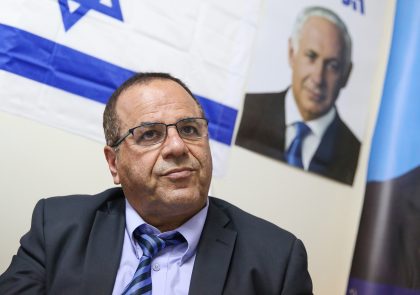
Ayoob Kara, politician and the former Israel’s minister of communications and a member of the Likud Party answers:
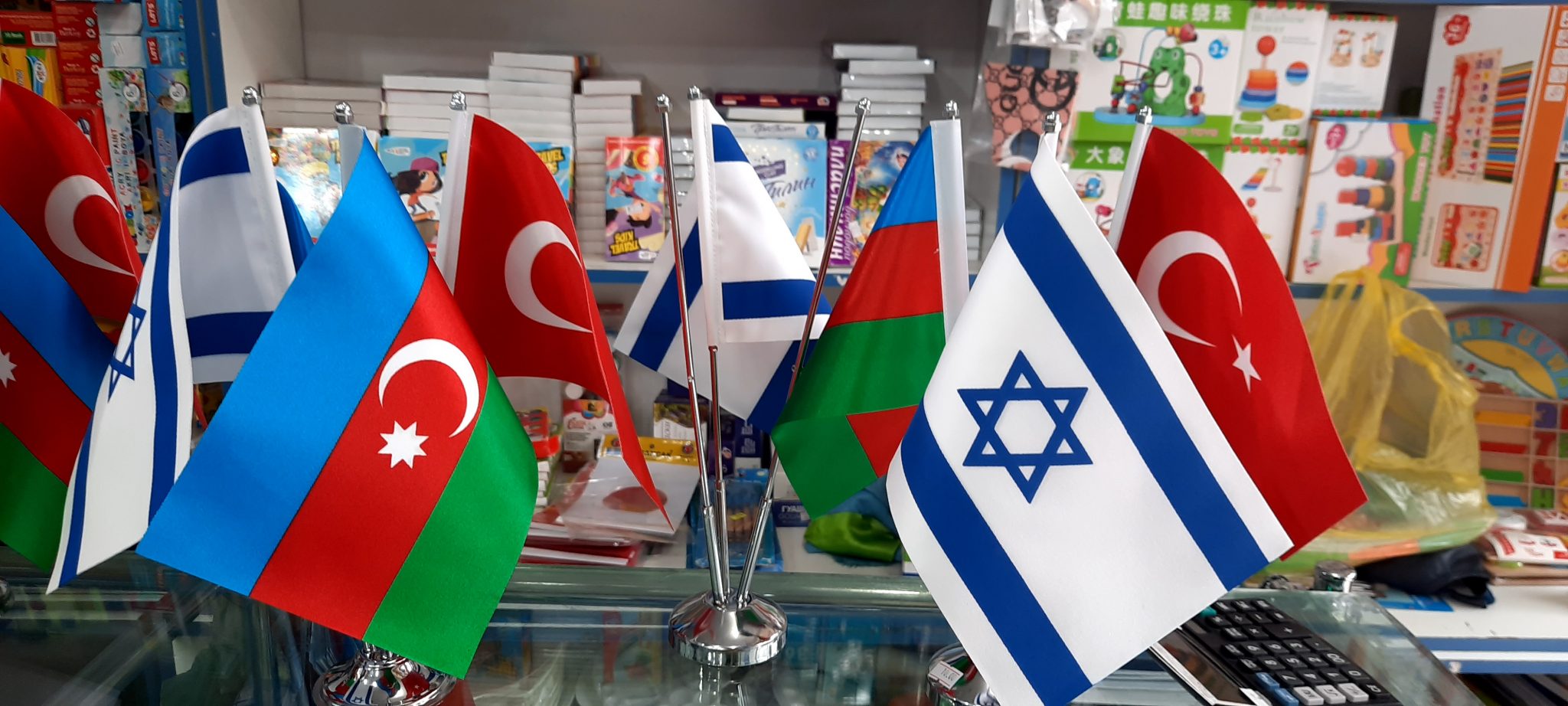
The governments of Azerbaijan, Georgia, Turkey, and Kazakhstan earlier in the year signed a declaration on improving the transportation potential throughout the region. Following that, the Azerbaijani, Kazakh, Georgian and Turkish foreign and transport ministries decided that there should be accelerated transport routes throughout the region, which will include the development of the Middle Corridor, a rail freight and ferry system that will link China with Europe.
It starts in Southeast Asia and China, and runs through Kazakhstan, the Caspian Sea, Azerbaijan, Georgia and Turkey before reaching southern and central Europe. This will permit trains to travel from China to Europe within 20-25 days, thus helping to reconnect the former Silk Road. As a former Israeli minister, I believe that Israel should be supportive of the establishment of the Middle Corridor, as it will help to strengthen the Abraham Accords if it is expanded to include Israel, the United Arab Emirates and other countries in the region.
The entire Middle East region used to be connected by train under the rule of the Ottoman Turks. There are a number of remnants of this wonderful train system in Israel, including the Ottoman train stations in Beersheba, Jaffa, and Jerusalem. These Ottoman train stations are historic landmarks from a bygone era when train travel across the Middle East was possible. Ottoman-era trains used to travel from Jaffa to Jerusalem, Haifa and other areas of the former Ottoman Turkish Empire, such as Medina and Damascus.
However, since Israel was declared to be independent, there has been no train travel between Israel and the Arab world. This was one of many causalities of the Israeli-Palestinian conflict. Yet in the wake of the Abraham Accords, this all has the potential to change, as the Arab countries no longer view Israel to be the pariah that they once viewed it to be. If anything, the Persian Gulf countries now view Israel to be a partner in the struggle against Iran, as do the Turkic republics like Azerbaijan, who greatly disdain how the mullahs are treating the Azerbaijani population in the Islamic Republic.
Thus, if this Middle Corridor is built, we Israelis can try to connect onto it as well, as it will help to counter the mullahs in Tehran by creating a stronger connection between the Turkic republics, Israel and the Arab world. We can connect to it via Turkey by ferry, and then from there, have another set of trains going from Israel to Jordan and Saudi Arabia and from there, to the United Arab Emirates. In our times, this is within the realm of the possible.
This will thus help to greatly expand trade between China, the Turkic republics, Israel and the Arab countries. Already, Israel, Saudi Arabia, and Jordan know that it is necessary to have a train that crosses from Israel to the Gulf states.They are talking about it and thinking about it. They are starting with trucks with containers that I arranged, where they bring containers from Abu Dhabi to Israel crossing from Saudi Arabia to Jordan to Haifa.They could continue from there to Turkey via ship and from there to Europe and anywhere else.
That means that we can have a train traveling from Europe to Turkey and from there, ships can go to Haifa, and from Haifa to Jordan, Saudi Arabia and from there, to the Gulf states, and they can go back in the opposite direction. I am in Bulgaria now to check how I can make it more relevant. After that, a Saudi Arabian agreement with Israel can start with a new train, like what existed in the Ottoman times with the Hijaz Railway. The people of Hijaz want to make it happen again. This is in the plan of the Abraham Accords Agreement and it will happen in the future.
Ayoob Kara, politician and the former Israel’s minister of communications
Postscript:
For many years, Israel has been seeking to establish deep relations with the Central Asian countries through different ways and models. For example, Israel’s relations with Kazakhstan in the fields of military, security and energy have been very strong and there have been high-level visits between the Zionist regime and Kazakhstan in the past.
In a country like Uzbekistan, the existence of a “large community of Tajik Jews from Bukhara” is very important for Israel and the regime has always sought to influence the community as well as the Central Asian society.
Needless to say, Israel has had more secret relations in Tajikistan. One of the reasons for these relations was to help the Government of the Republic of Tajikistan to suppress and destroy the Islamist groups close to Iran, so that they can compete with the position of the Islamic Republic of Iran in Tajikistan and overcome its influence.
Now, due to the sensitivity created on the countries of Central Asia, we are witnessing the presence and strong role of different countries in the developments of this geographical area. The activity and influence of America, European countries and Persian Gulf countries, especially Saudi Arabia, has been very impressive in the last few years and now Turkey is also displaying its influence and power in this region via various means.
One of Turkey’s initiatives in this region is the creation and implementation of the “Middle Corridor”, which has attracted the attention of other countries and has been seriously welcomed by the United States and the Europeans.
Israel’s attempt to get connected with the “Middle Corridor” plan is completely noticeable. There are two reasons for this fact: 1. Israel’s need for the Central Asian region regarding the required resources and the definition of a new playing field to confront the Islamic Republic of Iran 2. The influence of the Israel in the region, especially in Azerbaijan, which is one of the most important claimants in the “Middle Corridor” plan
According to Ayoob Kara, the former Israel’s minister of communications, we can surely say that this plan is basically aimed at isolating Russia and Iran in the region.
On the other hand, It is quite conceivable that China will go along with the Middle Corridor plan because it is important for China to maintain its economic power, export and the market for its products in the foreign relations.
Although the capacity of this corridor is debatable and the implementation of this plan is somewhat impossible, only these attemts can be considered as serious alarms for the position of Iran and Russia in the region, which requires more attention from the Iranian authorities to review the country’s regional policies.
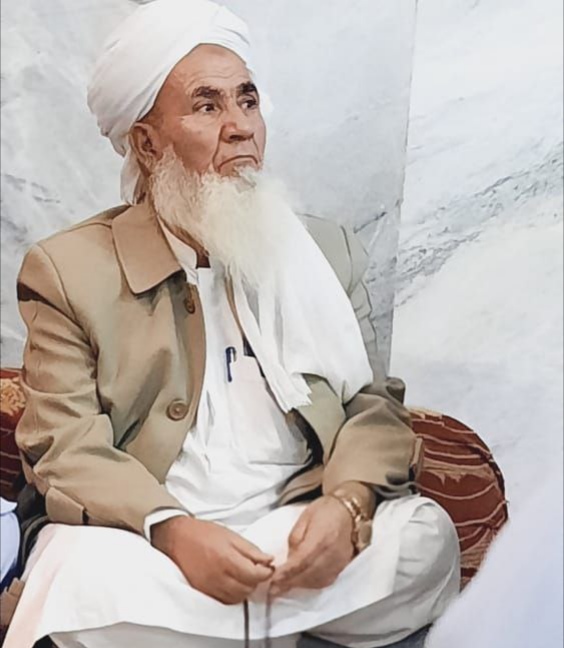
According to the statement of the Security Council of Sistan-Baluchestan province, Molavi Rigi was kidnapped and martyred by unknown individuals on December 13.
Molavi Abdulvahed Rigi was the Friday prayers leader of Imam Hussein Mosque in Khash and one of the famous Sunni clerics in Sistan-Baluchestan province. He was also a seminary teacher.
According to the province’s prosecutor, Molavi Abdolvahed Rigi was present at his mosque on Thursday, but unknown individuals called him from the rear door, making him sit in a car that had no license plate.
Following his abduction, the prosecutor’s office and the police carried out the investigation on the case and they came to the conclusion that unknown individuals had killed Maulvi Abdulwahid after his abduction.
His dead body was found on a roadside in Khash with three bullet wounds to his head.
So far, no individual or group has claimed responsibility for this unfair assassination.
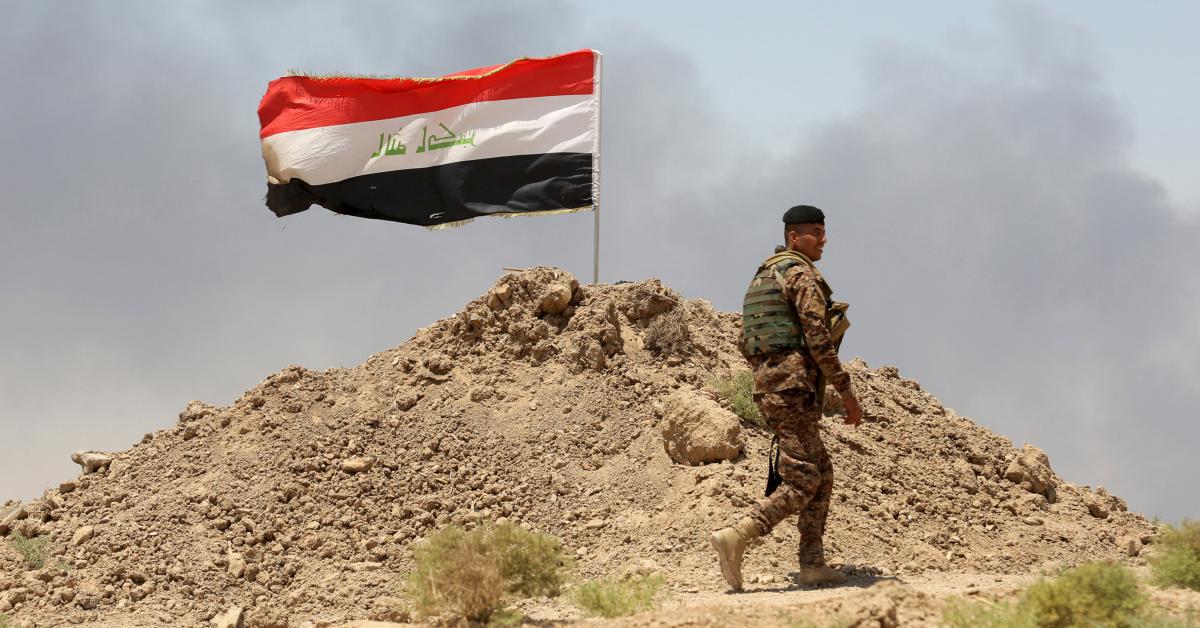
On December 4, Iraqi military spokesman Yahya Rasool announced that Mohammad Shia al-Sudani, the Prime Minister and Commander-in-Chief of the Iraqi Armed Forces, ordered border guards to take control of the borderline shared with Iran and Turkey.
Al-Sudani has also ordered to strengthen the Iraqi Border Guard Command with weapons, equipment and troops so that the border areas are under a suitable control.
He went on to say that Iraq does not allow its territory to be used to attack its neighboring countries, adding that Iraq has good relations with all neighboring countries and seek to develop the ties regarding the interests of Iraq and the neighboring countries.
According to Yahya Rasool, the purpose of this order is to end the conflict between the armed forces of Iran and Turkey with the terrorist groups.
It is worth mentioning that on November 23, the Iraqi National Security Council (INSC) during a meeting chaired by the Iraqi Prime Minister, Mohammad Shia Al-Sudani, examined the recent attacks carried out by Iran and Turkey on the northern regions of Iraq. The council made four new decisions for the deployment of Iraqi forces along the common borders of Iraqi Kurdistan Region with Iran and Turkey.
Following the order, two Iraqi military brigades were deployed along the common borders of Iraq with Iran and Turkey.
It is said that despite the presence of Peshmerga forces, the Iraqi border guards took control of the border areas. This measure was taken following several meetings and an agreement between the Baghdad authorities and Iraqi Kurdistan Region in recent days. According to this agreement, the Iraqi border guards will not enter the border crossings under the control of Kurdistan Region armed forces, known as the Peshmerga.
It is worth noting that deployment of Iraqi border guards along the common borders with Iran and Turkey was discussed in the recent meeting of Iraqi Prime Minister Mohammad Shia al-Sudani with senior Iranian officials.
On November 22, the public relations department of the Islamic Revolutionary Guard Corps announced:
“The brave guardian of Islam, General Dawood Jafari, one of the advisors of the Islamic Revolutionary Guard Corps Aerospace Force in Syria, was martyred by the accomplices of the Zionist regime due to the explosion of a roadside bomb near Damascus.”
Up to this moment, more details about the exact manner and place of his martyrdom have not been published, but it is possible that Martyr Jafari was identified by Zionist elements and killed in a targeted assassination, and the announcement by the IRGC that the Israeli regime was involved in the incident strengthens this possibility.
According to the latest information obtained from the early morning attack of the Iranian Armed Forces on the military positions of terrorist groups in the Kurdistan Region, the Koysinjaq area, the Jazhnikan camp in northern suburbs of Erbil city and two other headquarters in the Zargoiz and Bangora areas in southern suburbs of Sulaimaniyah city were targeted with several missiles and Shahed-136 (or 131) suicide drones.
So far, no information has been released about the exact amount of casualties and damages of these attacks, but it is said that a member of the Kurdish Democratic Party of Iran (KDPI) terrorist group named “Behzad Iskat” was killed in the attacks.
Behzad Iskat, a member of the KDPI terrorist group which was killed as a result of attacks on terrorist positions in the Kurdistan region of Iraq
Nasser Kanani, the spokesman of the Ministry of Foreign Affairs of Iran said this morning during a meeting with journalists in response to today’s attacks by the Iranian armed forces on terrorist positions in the Kurdistan Region of Iraq:
“Iran’s expectation is definitely that there will be no threat to Iran’s national security from Iraqi territory and that Iraq should not be used as a place and base of threat against Iran. We expect that the Iraqi government and local government officials of the Kurdistan region to fulfill their international responsibilities and fulfill the commitments they made in the framework of bilateral negotiations with Iran. However, despite the repeated promises that we received from the Iraqi and regional government officials, this did not happen, and as a result, Iran is acting based on its legal rights to protect the security of its borders, land and citizens, to provide security and repel threats.”
On the other hand, the Kurdistan Regional Government issued a statement strongly condemning today’s attack by Iran’s armed forces and considered it a repeated violation of Iraq’s territorial sovereignty and against the principles of good neighborliness. In this statement, they asked Iran to end these attacks.
The new round of attacks by Iran’s armed forces on the positions of terrorist groups based in the Kurdistan region of Iraq began while a while ago the US media “Associated Press” quoted informed sources and claimed that General Ismail Qaani, the commander of the IRGC Quds Force, in his recent trip to Iraq, in addition to warning the Iraqi authorities, has stated that if the terrorist groups in the Kurdistan region are not disarmed and the Iraqi army forces are not stationed on the common border between Iran and the Kurdistan region, the Iranian armed forces will start ground operations in northern Iraq!
It is worth mentioning that last night’s attacks were the third round of attacks by Iranian armed forces against terrorist groups in northern Iraq. The first round of attacks took place on September 28, during which 15 militia members were killed and 24 others were injured. In the second round of attacks on November 14, Sidakan heights, south of Sulaymaniyah and the outskirts of Koysinjaq were targeted and at least two members of the Kurdistan Democratic Party of Iran terrorist group were killed and 10 others were injured.