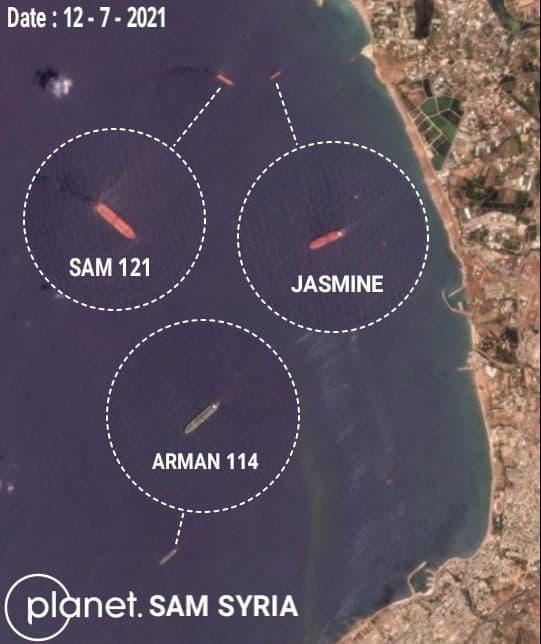
Based on satellite images, the oil tankers Arman 114, Sam 121 and Jasmine are near the Syrian port of Banias. The amount of oil cargo of these three Iranian ships is estimated at 2.6 million barrels. Some media outlets claimed before that the final destination of this oil shipment was Lebanon!
Category: Syria
-

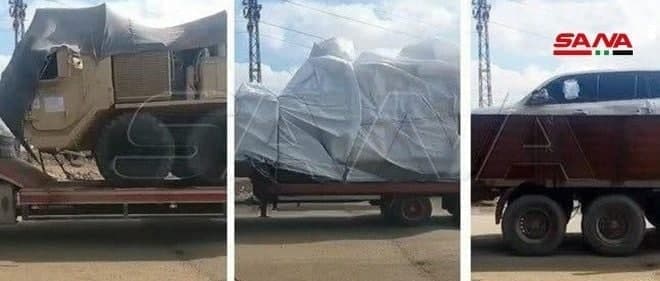
Sending arms and logistics convoy to Syria by the US
The convoy was carrying weapons, ammunition, logistics equipment and armored vehicles and headed for the village of Tal Hamis, from where it moved to US coalition bases on the outskirts of Hasakah.
This is the fourth US convoy from Iraq to Syria this month. Over the past 30 days, the US military has sent three convoys and a total of 150 trucks from Iraq to Syria.
The al-Walid crossing, north of the Ya’rubiyah-Rabi’ah border crossing, was illegally built by the United States, and US forces enter Syria through this crossing from areas under the control of Iraqi Kurdistan.
-
Another rocket attack on US base in Syria
According to preliminary information, ten rockets hit the base.
This morning, the US military base at the Conoco gas facility was targeted by four rockets.
-
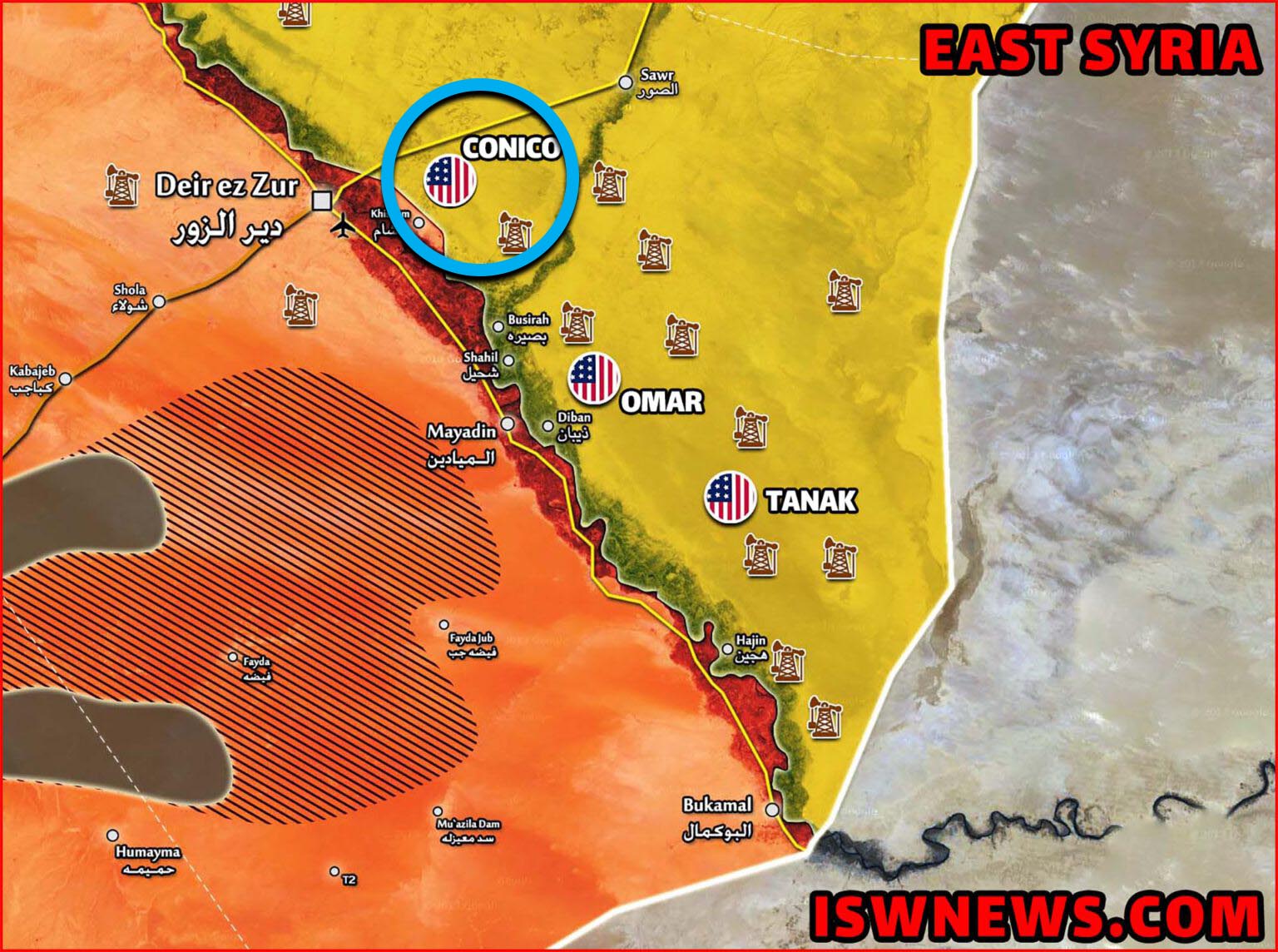
Syria: Rocket attacks on US base at Conoco gas field
According to initial reports, four rockets hit the base, causing a fire.
So far, Col. Wayne Marotto, a spokesman for the U.S. coalition in the region, has not responded to the news, but a Pentagon official confirmed the attack on the U.S. base in Deir Ezzor, saying no casualties were reported.
On July 4, at least two rockets hit the Conoco gas field, but Wayne Marotto denied the attacks on the US base at the area! This is while SDF media and local sources confirmed the attack on Conoco.
-
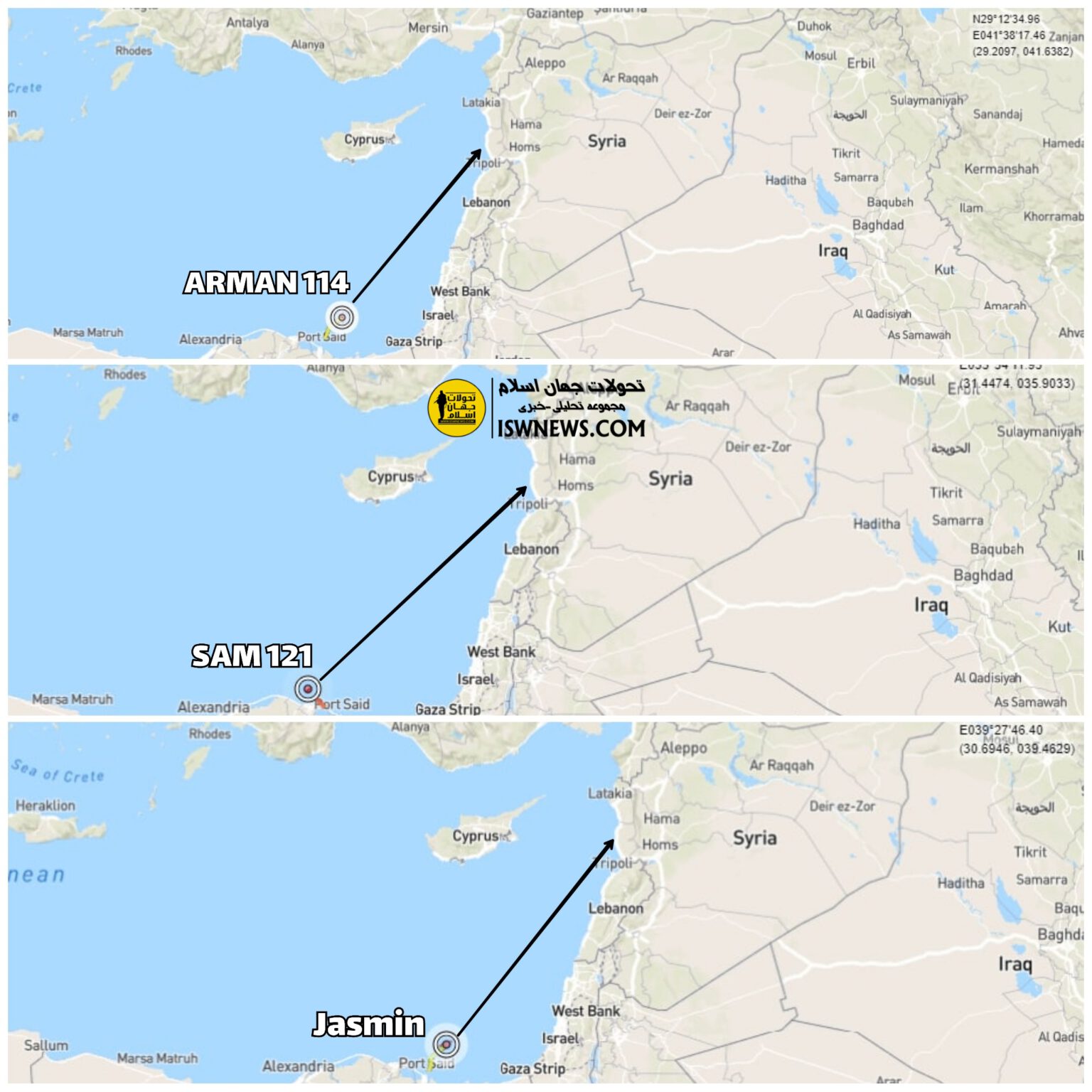
Iranian oil shipment en route to Syria
Some media outlets have reported that the tankers were destined for Lebanon and the Jasmine is carrying Mazut (used in power plants and similar applications). Due to the fact that the Jasmine ship can carry oil and Mazut at the same time due to its two tanks, but the evidence shows that this ship, along with the other two ships, only carries crude oil for use in Syrian refineries And at the moment, the possibility of Iranian ships mooring off the coast of Lebanon is ruled out.
Meanwhile, the Arman 114 tanker, formerly known as Adrian Darya 1, and the Jasmine tanker have been sanctioned by the United States for transferring oil cargo and participating in Iran’s oil sales cycle.
In April of this year, Arman 114, Sam 121, along with two tankers ‘Daran’ and ‘Romina’, which were carrying oil cargo of the Islamic Republic of Iran, docked off the coast of Syria.
Syria’s oil production before the crisis and armed conflict was 350,000 barrels per day, which has dropped to 25,000 barrels per day due to the war and widespread insecurity and the occupation of oil-rich areas by terrorists and SDF militants. Currently, the largest sources of oil extraction in Syria are controlled by the Syrian Democratic Forces (SDF) with the support of the US coalition.
Buying oil shipments from Iran will largely solve the problem of the Syrian transportation system and other fuel needs of this country.It is worth mentioning that due to the unjust US sanctions against Syria, various crises have occurred in this country at different times, and due to the lack of fuel, the people of this country are facing many difficulties to meet their needs.
The Islamic Republic of Iran, in spite of US sanctions against the Syrian oil industry, has repeatedly rushed to the aid of the Syrian people by sending oil tankers and oil cargoes, and by selling oil to this country, it has brought it out of the crisis. -
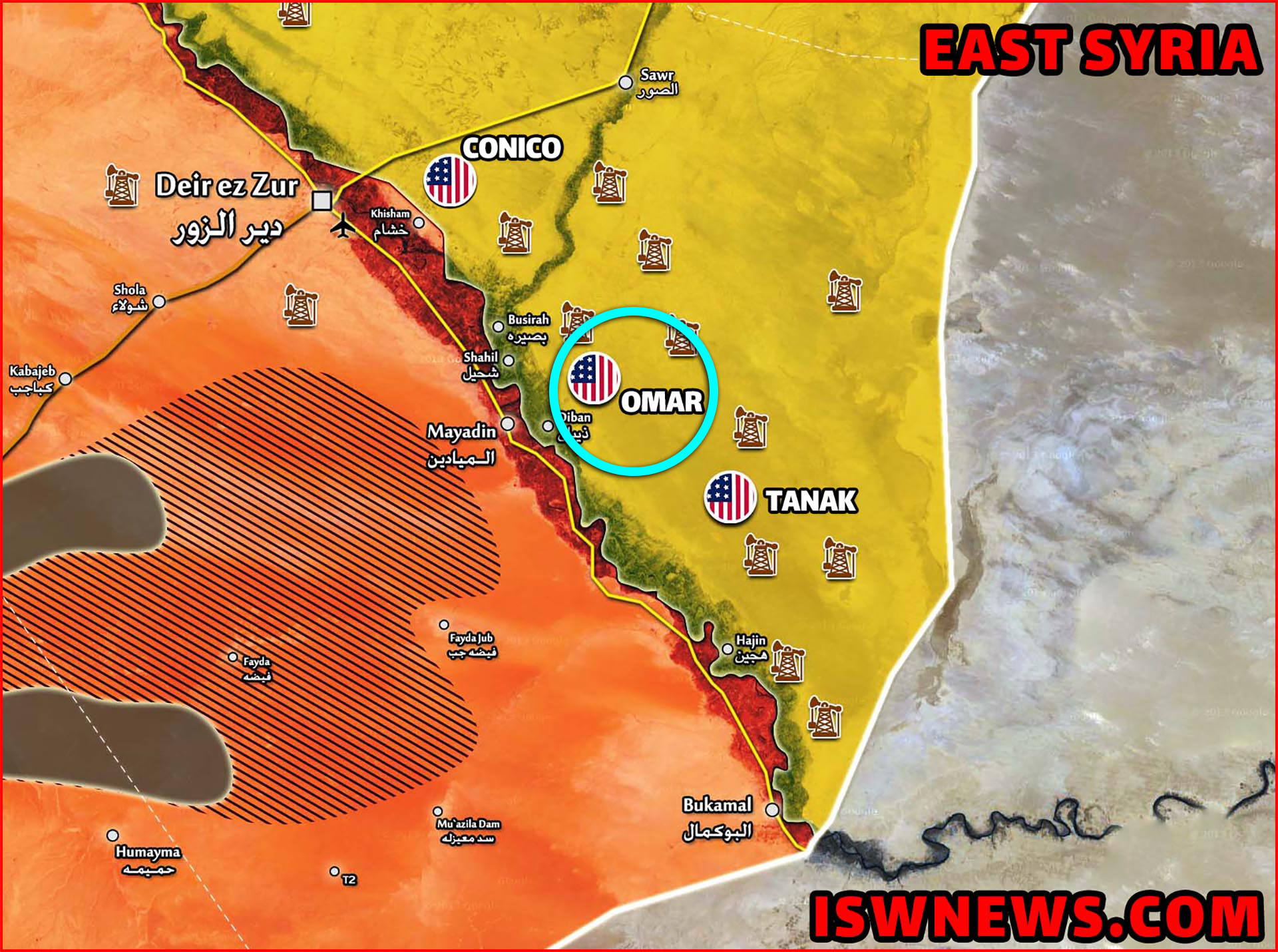
Drone attack on US positions at Omar oilfield
At 10:15 a.m. local time, US coalition positions at the Omar oil field was targeted by a suicide drone, the director of the Syrian Democratic Forces (SDF) Media Center said. According to him, the attack was repulsed and did not cause any loss of life or property.
The US military base in the Omar oilfield (Green Village) is being used as a site for joint military exercises between the US coalition and the Syrian Democratic Forces (SDF). It is also one of the main bases for US forces on Syrian soil.
One of the interesting points of this attack is that this base had not been targeted by drones so far.
It is worth mentioning that on June 28, US coalition positions in the Omar oilfield were targeted by eight rockets.
-
Rocket attacks on US base in Syria’s Deir Ezzor
According to preliminary information, at least two rockets hit the base.
Howeevr, Wayne Marotto, spokesman for the US Coalition in the region, has denied reports of a rocket attack on a US base at the Conoco gas field. The denial comes as SDF media outlets have confirmed the attack on Conoco.
-
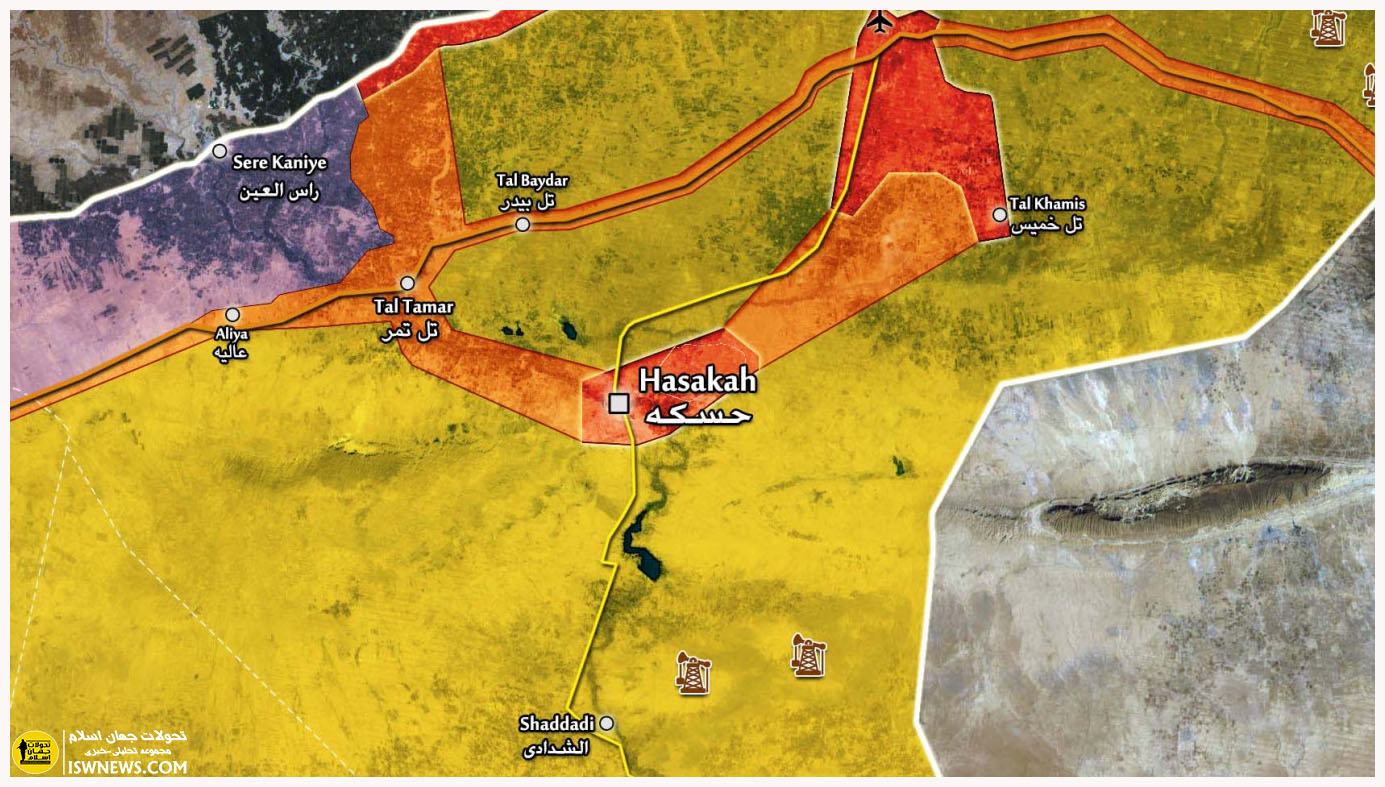
Rising tensions between Asayish and NDF; This time in the city of Hasakah
Syrian security forces arrested several Kurdish residents of Hasakah in retaliation after Asayish security forces in Hasakah arrested a commander of the Syrian National Defense Forces (NDF).
After the incident, the Asayish forces announced a one-hour deadline for the release of these people. However, one day after the deadline, the NDF did not release them and the Asayish forces did not respond. Currently, mediations are underway to reduce tensions and end disputes in the city of Hasakah.
In a similar incident, on April 20, an Asayish commander, Khalid Haji was killed in an exchange of fire between Asayish and NDF at checkpoint in the city of Qamishli. After this incident, the Asayish forces attacked al-Tai neighborhood and took control of parts of this neighborhood.
Russia and the United States fear that the current incident in the city of Hasakah could lead to a repeat of the Qamishli scenario or more intense clashes between the Syrian army and SDF forces in the city which that may escalate and have more serious consequences.
-
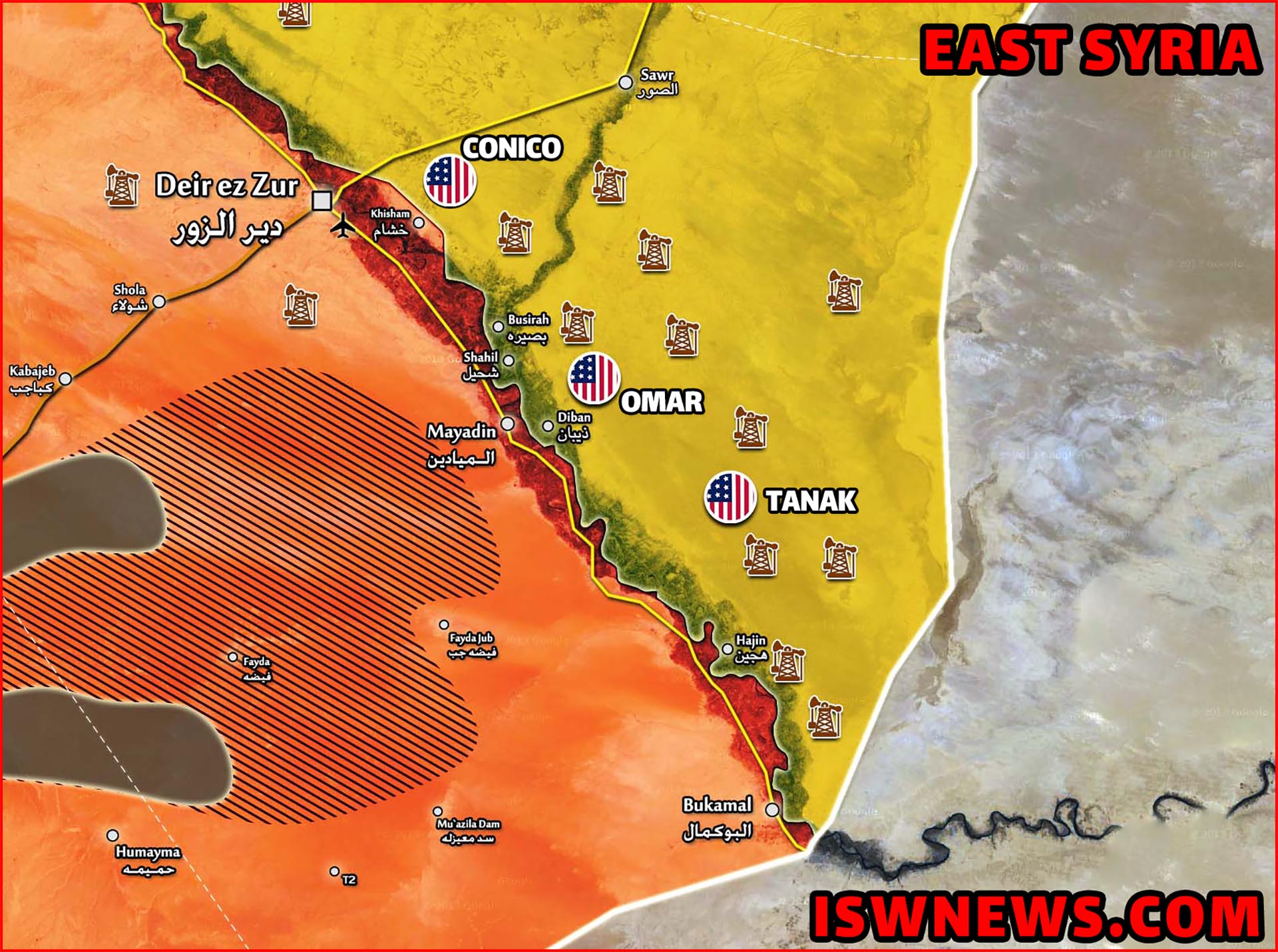
Rocket attack on US coalition forces at the Omar oil field
According to preliminary information, eight rockets were used in this attack. Col. Wayne Marotto, the OIR spokesman said the attack did not cause any casualties and US forces in response to these attacks, conducted counter-battery artillery fire at rocket launching positions.
The US military base at the oil field is being used as a site for joint military exercises between the US coalition and the Syrian Democratic Forces (SDF).
Last February, US forces moved new troops and equipment to build a 1,400-meter runway at the mentioned area in the Omar oil field.Update: According to the OIR Spokesman Col. Wayne Marotto, the US forces in Syria were attacked by multiple rockets, approx. 34 x 122mm rounds of indirect fire. There were no casualties or injuries to US forces, according to the OIR Spokesman Col. Wayne Marotto.
-
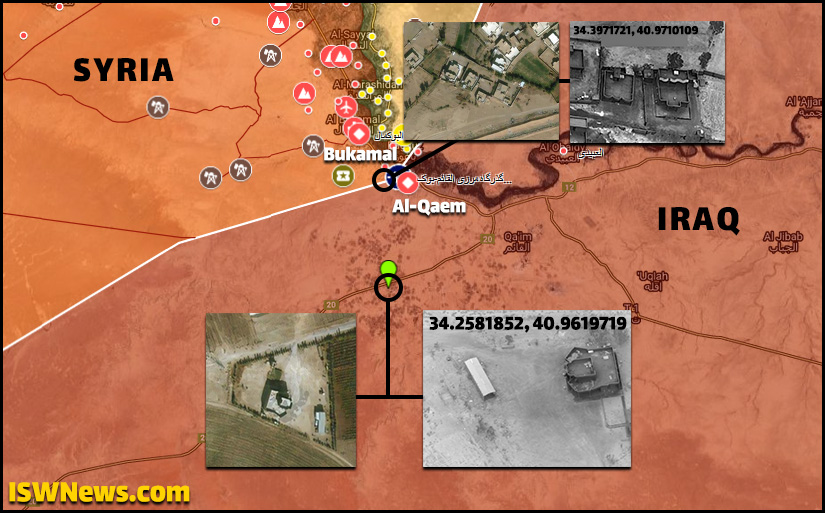
US airstrikes on resistance positions in al-Qaim area + video
According to available information, the airstrikes included four attacks on Kataib Hezbollah and Kataib Sayyid al-Shuhada positions in the Qasabat area, 15 km south of the al-Qaim crossing, as well as two other border points on Syrian territory south of Bukmal, killing four members of the resistance and wounding several others.
- Geographical location of the first attack in the south of Al-Qaim
- Geographical location of the second attack south of Bukmal
- Geographical location of the third attack south of Bukmal
The US also issued a statement confirming the attacks, calling them a response to attacks by Iraqi resistance groups on its convoys and bases in Iraq. The United States claimed that the operation targeted a facility used by Iran-backed militia groups for operations, planning, and storage of unmanned aerial vehicles.
According to information provided by the United States, the attacks were carried out by F-16CM and F-15E warplanes.
It is worth mentioning that yesterday, the suspicious movements of a US ‘McDonnell Douglas KC-10 Extender’ refueling tanker aircraft over the attacked area were monitored and reported by the ISWNews.

A US McDonnell Douglas KC-10 Extender refueling aircraft over the southern border town of al-Qaim in Iraq Earlier, on February 25, American F-15 warplanes fired seven missiles at resistance positions near the Bukmal crossing. The attack was also ordered by Biden. This is the second attack by US forces on resistance positions since Biden took office.
Video released by the US regarding attacks on south of al-Qaim Video released by the US regarding attacks on south of Bukamal -
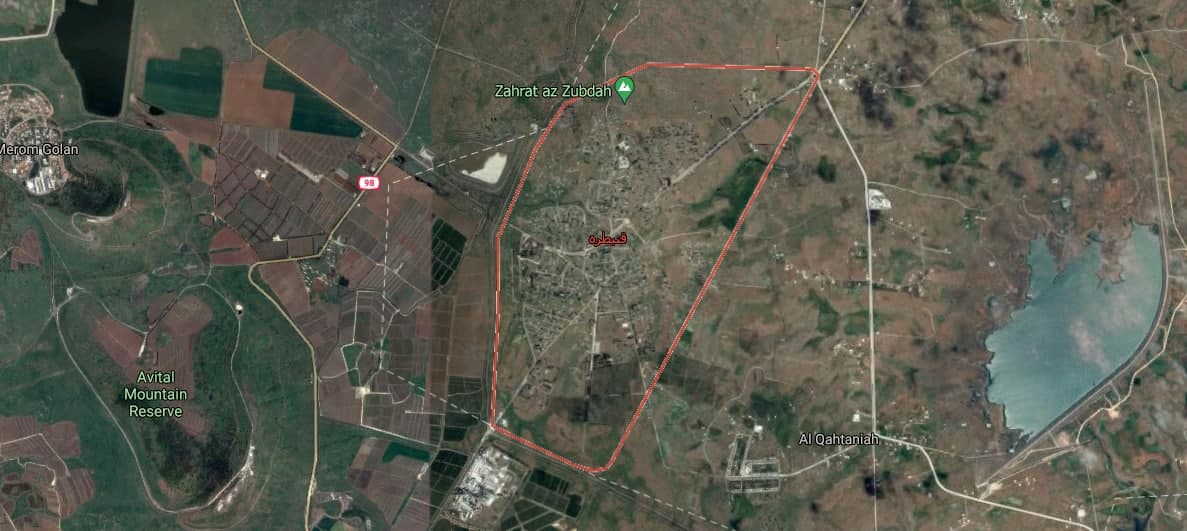
Israeli Army attacks Syrian army post in Qunaitra
According to field sources, the attack was carried out by Israeli Army tanks. There were no casualties in the incident. So far, the Syrian army and the Israeli army have not responded to the news.
On May 10, an Israeli helicopter targeted a residential house west of the city of Hader in the northern province of Qunaitra, injuring a Syrian army officer named Tahrir Mahmoud, which he was martyred on May 18 due to his wounds.
-
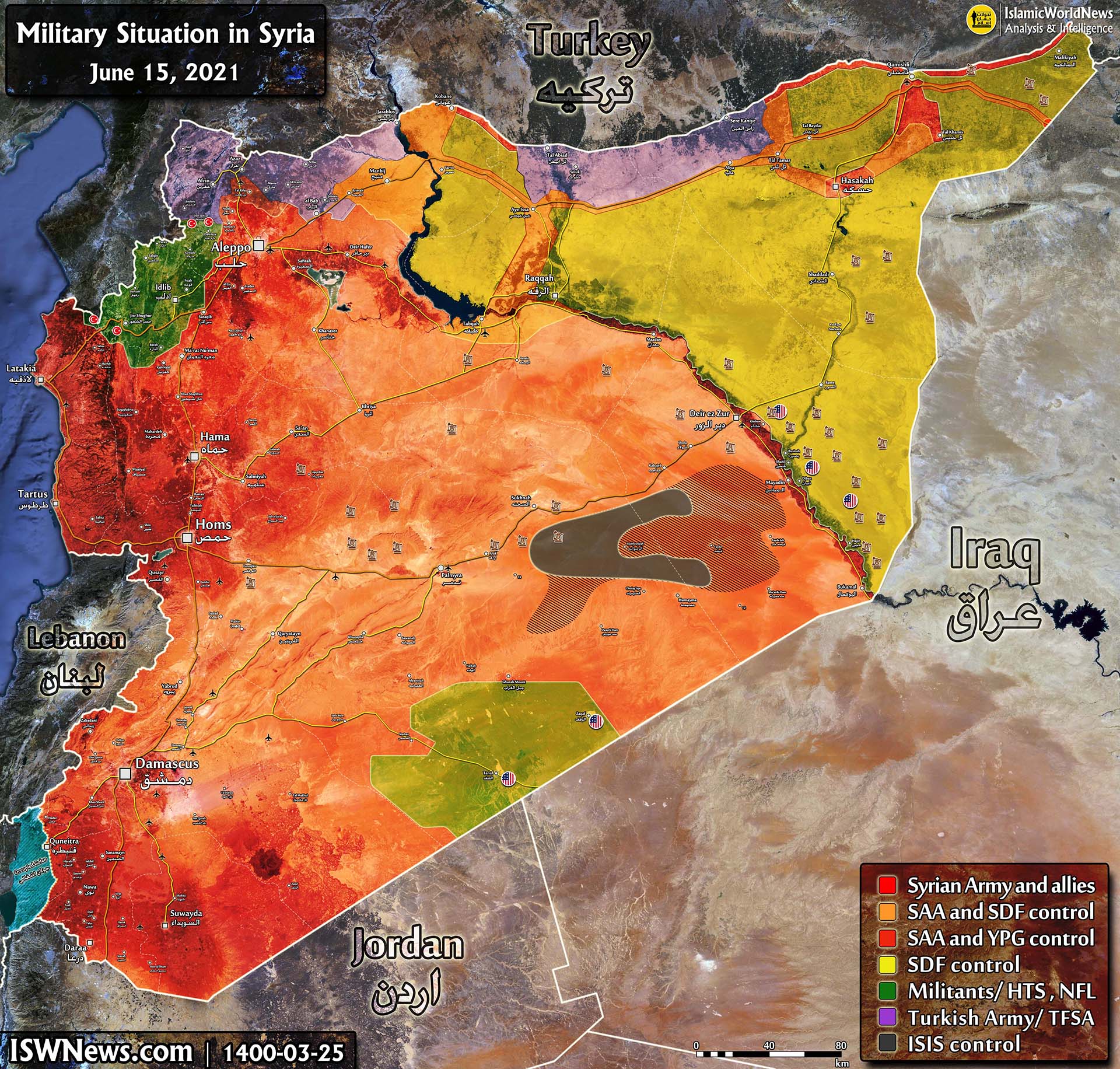
Latest Map of Syria Frontlines until 16 June 2021 Frontlines
East of Syria:
Recent operations by the Syrian army and Russian warplanes in the desert areas of Deir Ezzor and Homs provinces led to the destruction of many of ISIS hideouts in these areas. However, ISIS guerrilla operations, including ambushes and bombings against Syrian Army forces and allies in the eastern deserts of Syria, have severely affected the security of these areas. ISIS attacks have led to the martyrdom of a number of Syrian Army forces and Iranian advisers on several occasions. As summer approaches, ISIS appears to be stepping up its attacks in the eastern deserts of Syria. Thus, securing the roads and thwarting ISIS attacks remains the main goal of the Syrian army in the east of Syria. According to the latest information, the Syrian army has sent more troops to the eastern deserts of Syria, and the possibility of launching a large-scale clearing operation is not far off.Northwest of Syria:
The frontlines in northwestern Syria have not changed in the past year, and most clashes have been limited to exchanges of artillery fire. The construction of new military posts by the Turkish army in the Idlib region and the withdrawal from a number of observation posts are also among the important developments of the last year in the Idlib region.
Over the past year, the Turkish military has withdrawn from a number of military posts and observation posts in the areas controlled by the Syrian army in Idlib and Aleppo; On the other hand, it increased the number of its military posts in the militant-held areas in Idlib. The Turkish military currently has four observation posts and about 50 military posts west of Aleppo and the Idlib region.
The Turkish military is expected to build another new military post in the Idlib region in a series of measures to prevent a possible Syrian military operation in the coming months. The construction of a new military post on the outskirts of the town of al-Barah, located in Zawiyah mountain, is one of the newest military posts built by Turkey in the Idlib region.Another major incident in the Idlib region is the killing of a number of Tahrir al-Sham commanders by Russia. Given Russia’s recent strike on Tahrir al-Sham in southern Idlib and the killing of a number of its top commanders, tensions are likely to rise and there will be a possibility of a limited or widespread ground clashes on the fronts in Idlib and Aleppo provinces. Currently, the exchange of artillery attacks on the conflict lines in Idlib and Aleppo provinces has intensified, and most of this exchange of fire takes place in the areas of Zawiyah mountain and al-Arbaeen mountain.
Northeast of Syria:
The most important developments in northeastern Syria are related to the clashes between the Asayish forces and the Syrian army in the city of Qamishli, which finally ended after a few days of clashes and withdrawal of the Syrian army from most of al-Tai neighborhood. Clashes began on April 20, when one of the Asayish commanders, Khalid Haji was killed in an exchange of fire between Asayish and NDF at checkpoint in the city of Qamishli. After this incident, the Asayish forces attacked al-Tai neighborhood and took control of parts of this neighborhood.Clashes between SDF and Turkish-backed militants around the towns of Ain Issa and Tal Tamar are another major incident in recent months in northeastern Syria. Despite a ceasefire agreement in these areas and the creation of a safe zone, clashes and tensions between the Turkish-backed militants and SDF have continued over the past year in northeastern Syria. Over the past year, Turkish-backed militants have repeatedly attempted to advance and seize the city of Ain Issa, each time being stopped by the SDF. In the last case of these conflicts, with the serious entry of Russia and the agreement with Turkey, the intensity of tensions in the region was reduced. However, the situation in the safe zone is still very fragile and there is a possibility of widespread clashes at any moment.
US, Russian and Turkish military patrols are also continuing in the northeast of Syria.
South of Syria:
Terrorist operations in southern Syria remain strong, and this has become a major problem. In the past year, a significant number of ex-rebels who joined the process of national reconciliation and eventually joined the Syrian army or laid down their arms have been assassinated by unknown gunmen.
The continuation of assassinations in Daraa province, which recently led to the assassination of five mayors, the attack on the polling station in the presidential election, the Syrian army checkpoint and several ex-rebel commanders, indicates the unstable security situation in southern Syria.
Click to see the full size map

