Tag: Aidarus al-Zoubaidi

  • Aidarus al-Zoubaidi Flees to the UAE!

    Aidarus al-Zoubaidi Flees to the UAE!

    According to Brigadier General Turki al-Maliki, spokesperson for the coalition, Aidarus al-Zoubaidi and several of his associates escaped via the vessel BAMEDHAF from Aden port to Berbera port in the autonomous region of Somaliland. From there, with the assistance of Major General Awadh Saeed Musleh al-Ahbabi, commander of UAE joint operations, they boarded an Ilyushin-76 (IL-76) aircraft which first landed in Mogadishu before continuing on to Abu Dhabi, the UAE capital.

    The coalition spokesperson claims that this aircraft regularly operates in Libya, Somalia, and Ethiopia, and that its registration details (ownership, flag, etc.) match those of the vessel Greenland, which recently transported military vehicles and weapons from Fujairah port to Mukalla port.

    No information has been released regarding the possible escape or whereabouts of Ahmed Hamid Lamlas, governor of Aden, and Mohsen al-Wali, commander of the Security Belt forces in Aden. The coalition spokesperson stated that efforts are ongoing to locate or detain them.

    As expected, Aidarus al-Zoubaidi fled to the UAE. The narrative of his transfer to al-Zubid village, his birthplace, was a deliberate misinformation tactic aimed at misleading Saudi intelligence and the exiled Yemeni government. The manner of his escape highlights the close ties between the UAE, Somaliland, and the Southern Transitional Council. In fact, the UAE plays a pivotal role in shaping developments in the Horn of Africa and Yemen, and separatist agendas in these regions cannot advance without its support.

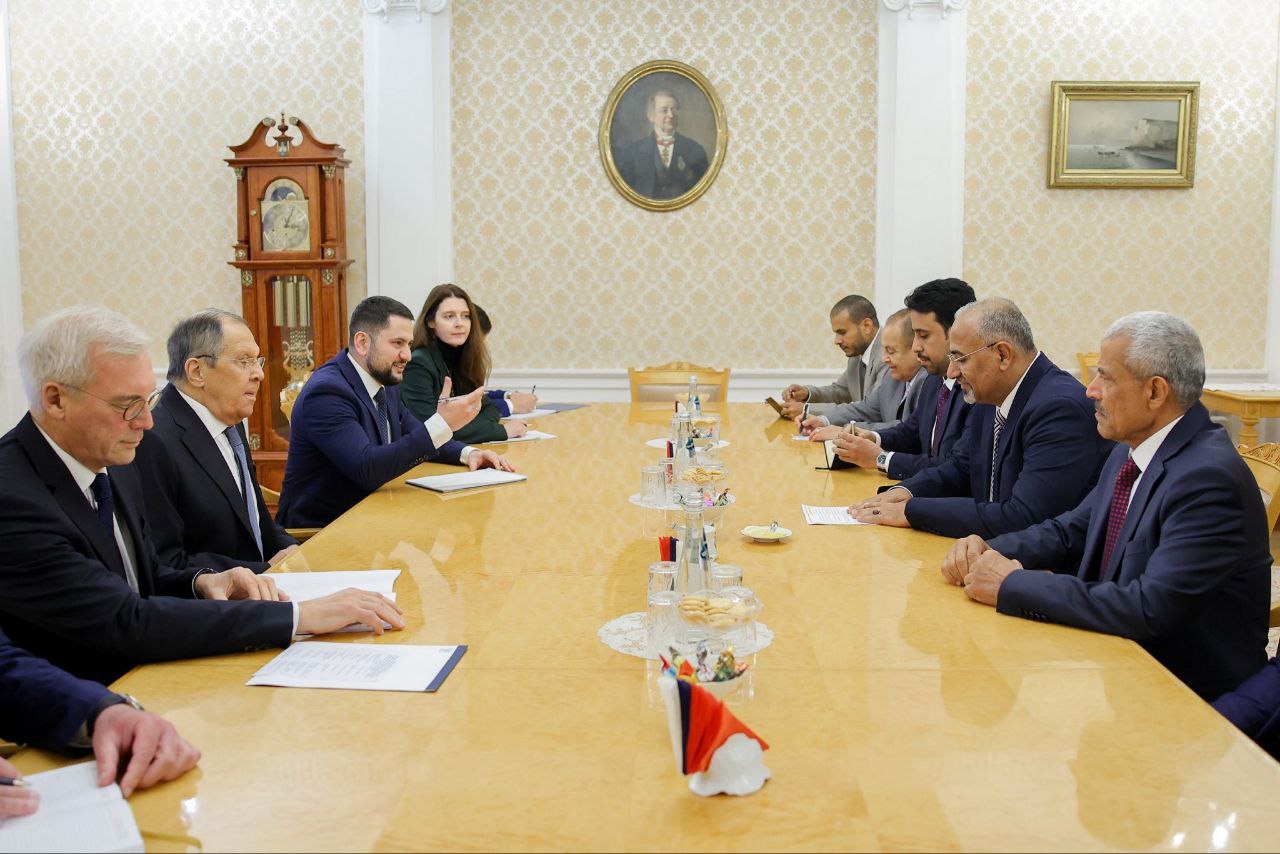
  • Aidarus al-Zoubaidi Meets Russian Officials During Moscow Visit

    Aidarus al-Zoubaidi Meets Russian Officials During Moscow Visit

    In his social media posts, al-Zoubaidi made no reference to his formal role within Yemen’s internationally recognized government. Instead, he emphasized the historical ties between Russia and the people of southern Yemen, noting that the meetings focused on shared interests and potential cooperation in political and economic fields. He highlighted Yemen’s promising investment opportunities in sectors such as energy, mining, agriculture, and fisheries.

    This visit is widely interpreted as part of al-Zoubaidi’s broader separatist agenda. While Rashad al-Alimi, chairman of the Saudi-backed Presidential Leadership Council, had previously visited Russia and met with President Putin, southern factions believe that strengthening ties with Moscow could help advance their goal of re-establishing an independent South Yemen.

  • West Should Accept Reality Of Divided Yemen Into Northern, Southern: Southern Transitional Council Cmdr.

    West Should Accept Reality Of Divided Yemen Into Northern, Southern: Southern Transitional Council Cmdr.

    ISWNews Analysis Group – The chairman of the Southern Transitional Council (STC) and a member of the presidential council of the resigned Yemeni government, said in an interview with the English newspaper The Guardian that the West should accept a new reality in which northern Yemen is run by the Houthis (Ansar Allah Movement) and the south by the Southern Transitional Council.

    Al-Zoubaidi said about coming talks on Yemen that the negotiation should have answers for the new reality of Yemen, especially for southern regions. The talks are mostly under Saudi supervision, which wants to find a way out of a war that is estimated to have left more than 250,000 dead.

    The STC head assured Western countries that maritime lines, ports and oil fields in southern Yemen, which are strategically important, will be safe under the STC leadership. Al-Zoubaidi went on to say that he would apply all United Nations and international rules in the southern areas. He also warned if we are not there, the Houthis who are supported by Iran, would replace that area and they would be able to control the Bab al-Mandab Strait, which is a vital waterway for international trade.

    The head of the Southern Transitional Council also pledged to hold a referendum under the United Nations’ supervision and international law before the independence of the Southern region. He also announced his readiness to prepare voter lists and said he would cooperate with the International Criminal Court (ICC) to investigate war crimes.

    The goal of the Southern Transitional Council is to divide current Yemen and return to the borders of southern and northern Yemen, which was in place before the 1990s. Currently, the Southern Transitional Council is competing and fighting with other factions supported by the Saudi-led coalition, especially the Reform Party, the terrorist group al-Qaeda, Vice President of the Yemeni Presidential Leadership Council Brigadier General Tariq Saleh and so on over the control of southern Yemen.

    The Southern Transitional Council says they do not accept any political-religious movement, but the forces of Amaliqah, an extremist group of the residents in southern Yemen, are allied with the STC.

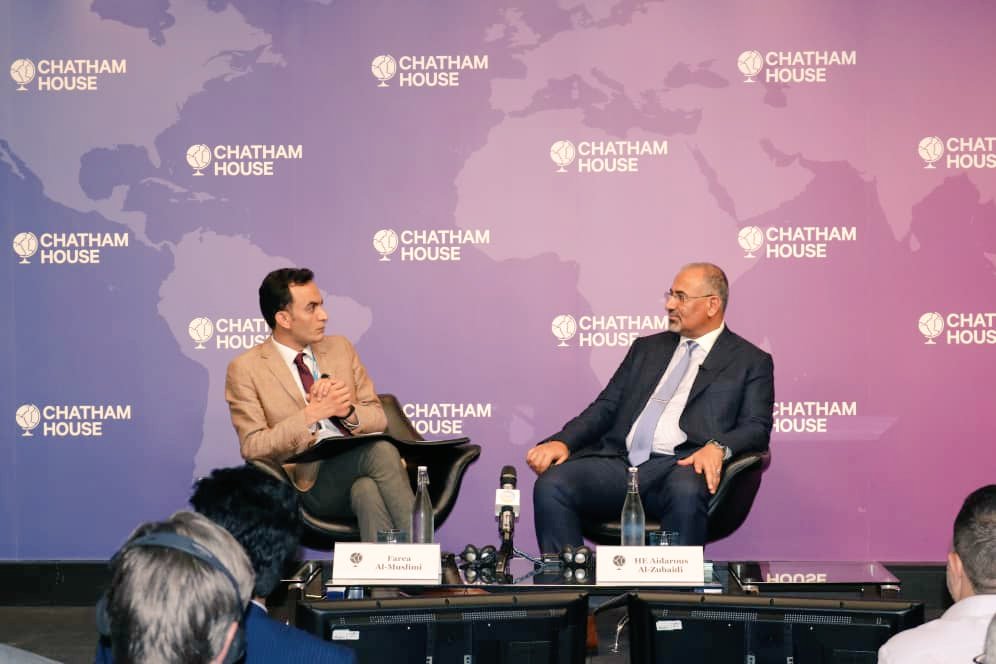
    As a result of the improvement of Yemen peace talks, the officials of the Southern Transitional Council stepped up their efforts to achieve their demands, and therefore, Aidarus al-Zoubaidi has recently traveled to Britain to negotiate with Western states, and the result of the trip was a Chatham House meeting and interviews with prominent Western media outlets, including The Guardian newspaper.

    The main supporter of the Southern Transitional Council in its path is Britain in the first place and the United Arab Emirates (UAE) in the second place. Saudi Arabia is not willing to accept the Southern Transitional Council, because it means that the Saudis imposed eight years of war against Yemen to eventually hand over control of northern and western regions to the Ansar Allah Movement and the southern regions to the Southern Transitional Council.

    Thus, Saudi Arabia is trying to form the “Hadhramaut Council” to discourage the Southern Transitional Council from controlling Hadramout Governorate and balance the scene with the power of the Yemeni Congregation for Reform, frequently called al-Islah, as well as Al-Dara Al-Watan in Aden, Marib and Shabwa and in inaccessible areas of Abyan and Shabwa governorates with the use of al-Qaeda leverage.

    Some Southern Transitional Council officials expect future Yemen talks may occur between the group and the Ansar Allah Movement, but so far Saudi Arabia has refused to bring any representatives from the Southern Transitional Council into the negotiating cycle, but also the resigned government has not played any role in that process.
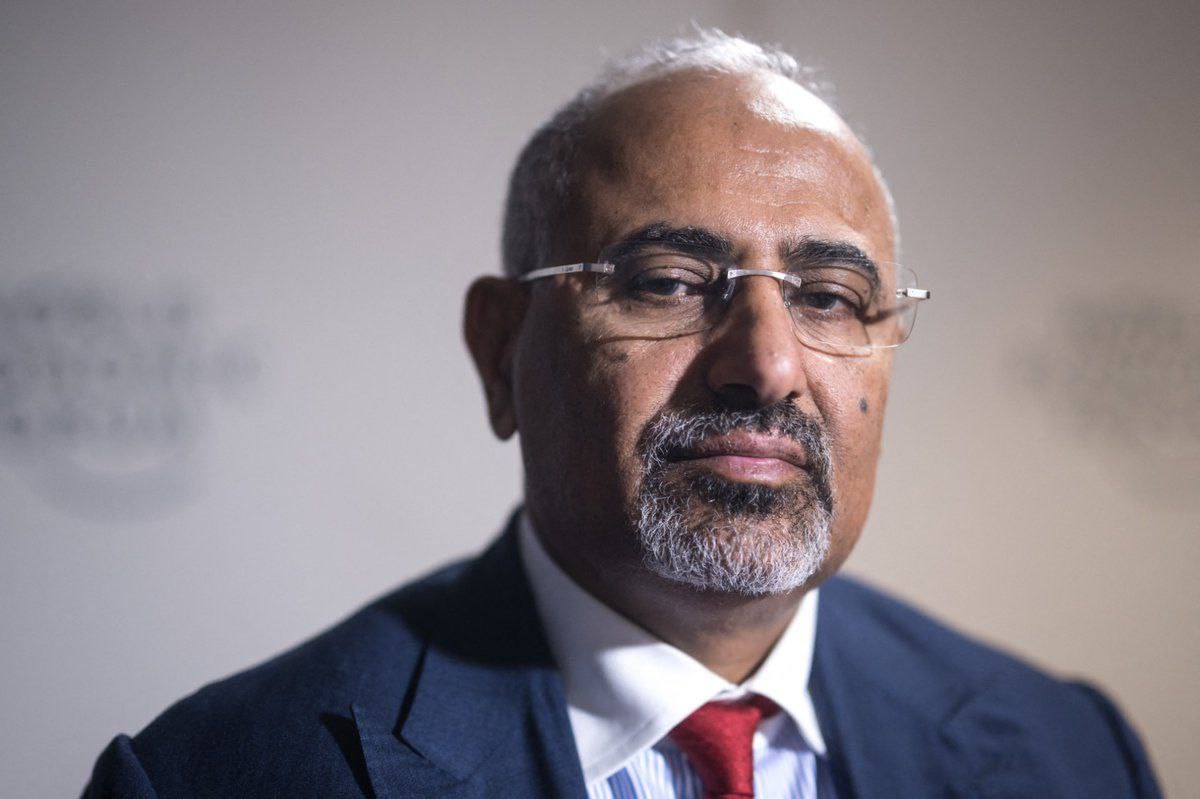
  • Al-Zoubaidi Says He Is Seeking To Revitalize STC Rule In South Yemen

    Al-Zoubaidi Says He Is Seeking To Revitalize STC Rule In South Yemen

    ISWNews Analysis Group – Al-Zoubaidi, head of the Southern Transitional Council and a member of the Presidential Council of the resigned Yemeni government, spoke to reporters about recent developments in Yemen, especially in southern regions during a press conference at the Chatham House think tank in London, Britain.

     In response to a question about recent tensions with the presidential council of the resigned Yemeni government, Al-Zoubaidi said that we will reconsider our contribution to the council and its officials.

    Touching upon the establishment of the Hadhramout Council by Saudi Arabia, he said that we have no details about the Hadhramout Council.

    Hadhramout is also one of the southern fractions that will participate in the freedom dialogue for southern Yemen.

    Al-Zoubaidi considered the transformation of the resigned government as inevitable, and the STC official claimed that he had been offered to become president of Yemen, but he was not seeking power and was seeking to revive the state in southern Yemen, and that he would not back down from this position.

    Read more: Southern Transitional Council Warns Presidential Leadership Council Of Resigned Government Of Yemen

    The STC president went on to say that the independence of the South Yemen will be negotiated with the international community and regional powers, and that the Southern Transitional Council will not take any steps individually at the current stage.

    The Southern Transitional Council also considers political Islamic parties as a threat to security of the southern regions in Yemen as well as other Arab countries in the region.

    The weakening of the position of the resigned Yemeni government and the deterioration of living conditions in southern regions have caused members of the Southern Transitional Council to take advantage of the opportunity and once again raise the issue of separating the war-stricken Arab country into South and North Yemen.

    Officials of the Southern Transitional Council are calling for the partition of Yemen and have announced that they are militarily prepared to confront any opposing power.

    It should be mentioned that the Chatham House is a non-governmental think tank in Britain, which analyzes strategic challenges in the world as well as security, economic and political issues especially foreign policy of the European country.

  • Clashes In Aden And Abyan; STC President Banned From Entering Aden

    Clashes In Aden And Abyan; STC President Banned From Entering Aden

    Since September 2022 the Southern Transitional Council president has not been able to enter the city; although, the STC militants have refused to hand over their military bases in that area.

    These developments could cause fierce skirmishes between the Southern Transitional Council and the Saudi-led coalition forces, but they refuted such a confrontation because of being scared of losing the conflict. Of course, the United Arab Emirates (UAE) played a role and due to the fact that the door of negotiations is still open, fierce fighting did not occur in the southern Yemen.

    Meanwhile, the Yemeni Congregation for Reform, frequently called al-Islah Party welcomed a decision by Yemeni politician serving as the chairman of the Presidential Leadership Council Rashad Muhammad al-Alimi to remove members of the Southern Transitional Council from positions of the resigned government.

    Simultaneous with the tensions between the Islah Party and the Southern Transitional Council, the Islah Party’s leader Salah Batis expressed readiness to take part in clashes erupting in southern city of Aden on February 26.

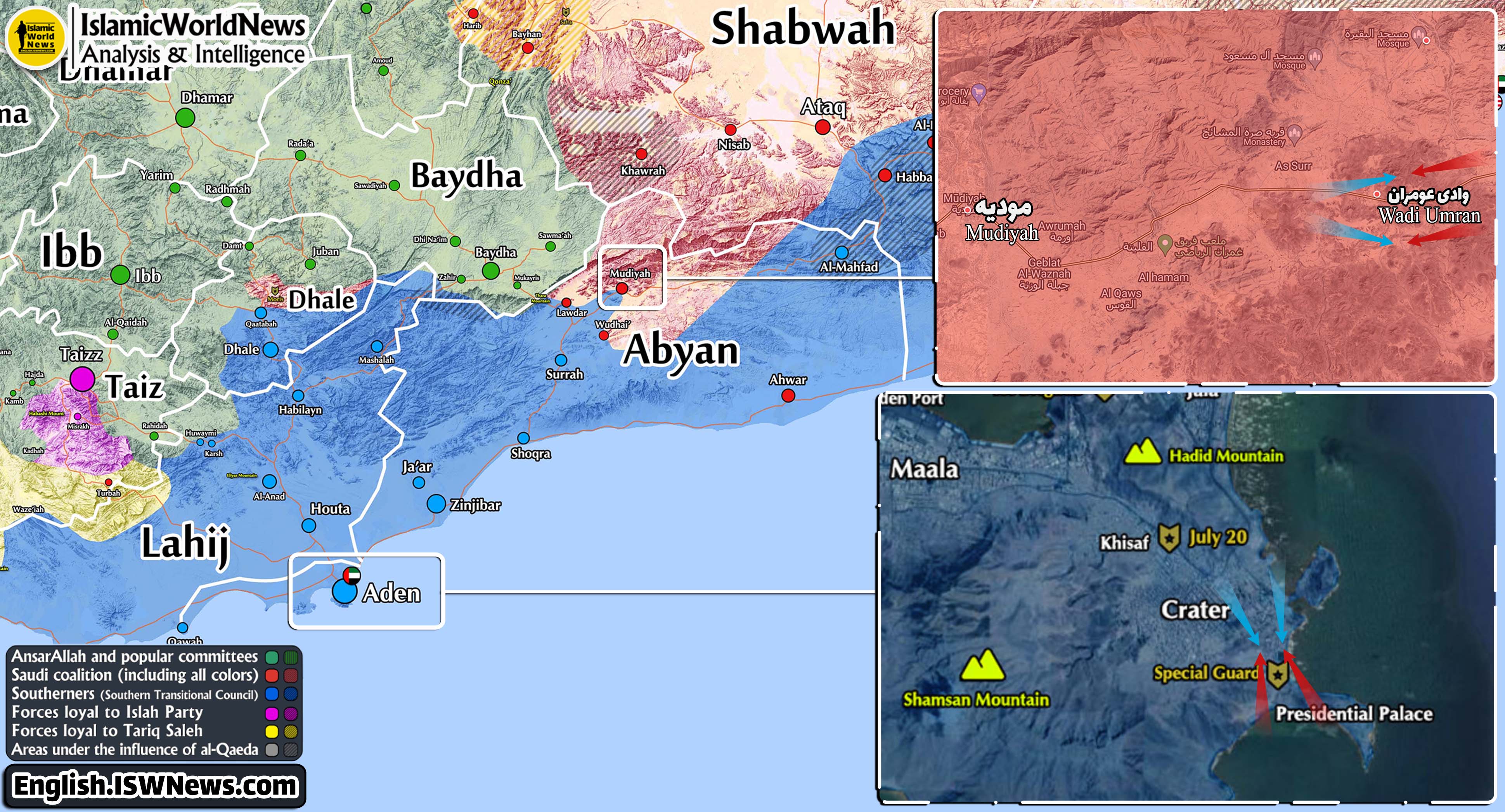
    On February 22, the Southern Transitional Council recalled four brigades of its militants from Ahwar town in south central Yemen and dispatched them to Mudiyah village in northern Abyan Governorate as a result of tensions between the STC and the Saudi-led coalition.

    Mudiyah tribes continued advancing in Umran Wadi region and captured some checkpoints on February 26.

    In Aden, the Saudi-led forces and the Al-Dara Al-Watan militants reacted to the arbitrary withdrawal of Prime Minister of Yemen’s resigned government Maeen Abdulmalik Saeed from Aden to Cairo, Egyptian capital, they sealed his residence and avoided the entry of staff and ministers to Al-Maashiq Palace, and even issued unlimited time off for them. These acts by the Saudis can be seen as their reaction to the STC’s threats to sack and expel pro-Saudi forces from southern provinces of Yemen as well as hand over fronts in southern areas to the Ansar Allah movement.

    The Southern Transitional Council militants gathered in streets of Crater district of the Aden Governorate and blocked the entrance of the area in response to the Saudi-led coalition’s measures. Furthermore, a convoy of vehicles carrying Governor of Aden Governorate Ahmed Hamed Lamlas, who is a member of the Southern Transitional Council, was raided by unknown armed people in Crater district on February 26. The governor of Aden survived the assassination attempt, while two of his security guards were injured.

    Read more:
    Murad Tribe Trapped Into Aden Conflict
    Latest Reports Of Clashes In Aden; STC Not To Surrender To Saudi Arabia

  • Yemen: Saudi Arabia Took Control of Al-Anad Airbase From the STC

    Yemen: Saudi Arabia Took Control of Al-Anad Airbase From the STC

    Following the issuance of an order by the Saudi coalition command room for the withdrawal of Southern Transitional Council (STC) forces and Sudanese mercenaries from Al-And Airbase in Lahij province and the deployment of Al-Dara’ al-Watan (Nation Shield) forces in this important base, the tension between the South and Saudi Arabia increased.
    This tension increased when Al-Dara’s al-Watan forces prevented the 1st Brigade of Southern Transitional Council militants from entering Al-Anad base, and the armed forces of both sides went to the brink of battle.

    Despite the increase of tensions, December 25, Sudanese forces have evacuated their positions in the Al-Anad base and handed over to the Dara Al-Watan forces. With this situation, the possibility of the southerners retreating from the suburbs of Al-Anad base also increases.

    Al-Dara’ Al-Watan (Nation Nation) forces are militias that formed in November of this year with the support of Saudi Arabia and the key role of Sagheer bin Aziz and Tareq Saleh, from the pro-Saudi tribal armed forces in Hadhramaut province, the forces of Al-Yaman Al-Saeed (subordinate to Saghir bin Aziz) and part of Pro-Tareq Saleh forces in the west of Lahij province.

    Undoubtedly, these developments are not unrelated to the house arrest of Aidarus al-Zoubaidi, the head of the Southern Transitional Council in Saudi Arabia, and indicate the implementation of the Saudi plan to limit the power of the southerners in the strategic points of southwest Yemen.

    Read more:
    Major General Thabet Jawas was killed!
    Ansar Allah Qasef K2 Drone Attack to Al Anad Base Still Kills!

    Click to view full size
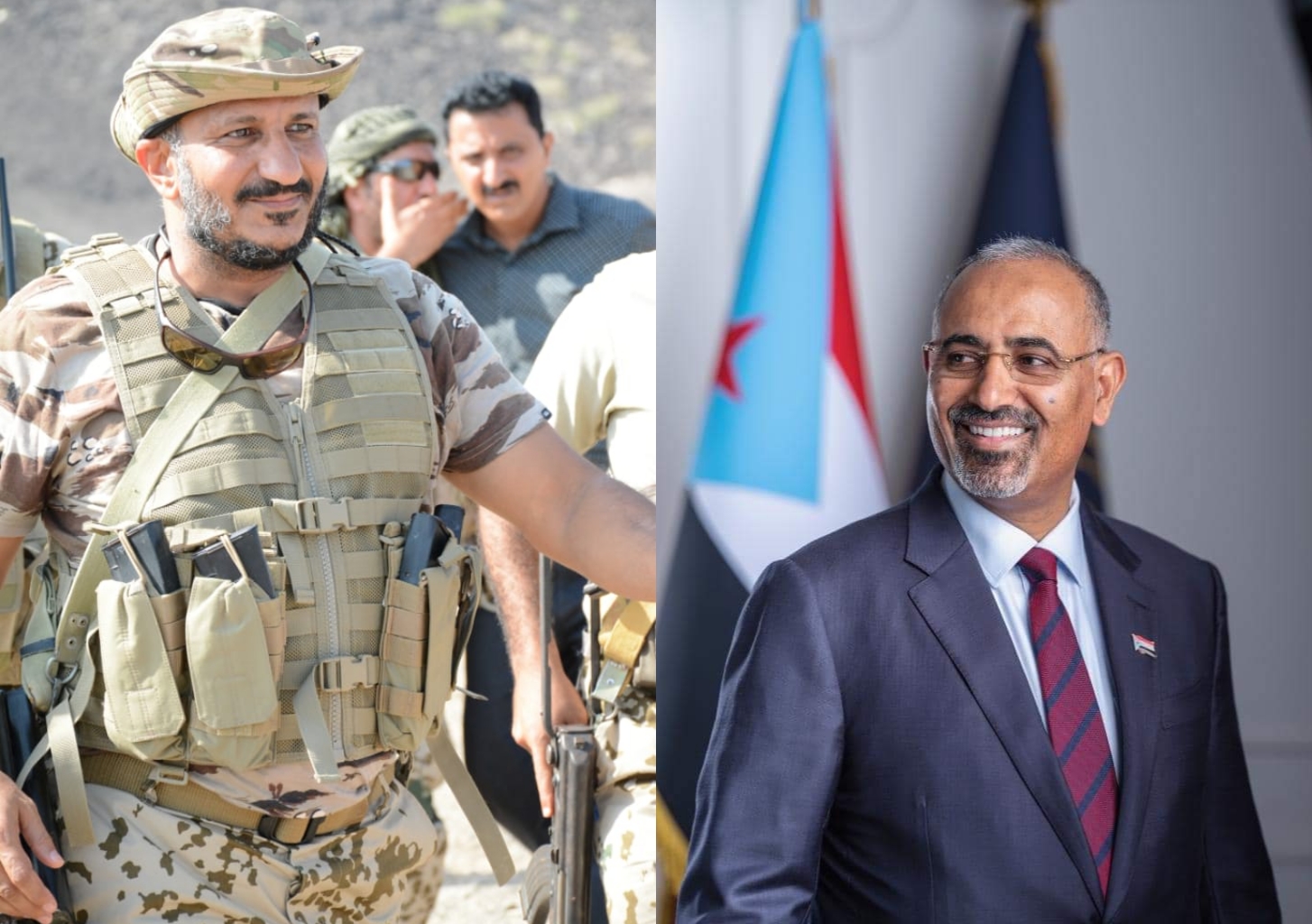
  • Yemen: Power struggles between Tariq Saleh and Aidarus al-Zoubaidi entered a new phase

    Yemen: Power struggles between Tariq Saleh and Aidarus al-Zoubaidi entered a new phase

    Following the arrest of 20 members of the Presidential Guard by the forces of Southern Transitional Council (STC) in Aden, new tensions have begun between supporters of Tariq Saleh and Aidarus al-Zoubaidi in areas controlled by the Saudi coalition in Yemen. In response to the arrest of his troops, Tariq Saleh issued an order to confront the STC militants. With this order, the Al-Amaliqa forces, which are under the command of Tariq Saleh, in retaliation arrested five members of the STC in the city of Ataq, the capital of Shabwa province.

    Following the resignation of Mansour Hadi, the power struggle between members of the Presidential Council of the resigned government, including Tariq Saleh and Aidarus al-Zoubaidi , has intensified. The rivalry began with tensions over control of the oil resources of Marib and Shabwa provinces on April 17, and has continued until recently, when the Southern Transitional Council threatened to arrest Tariq Saleh. Prior to the threat, the Southern Transitional Council protested the entry of Tariq Saleh’s forces into Aden and warned that he would be arrested if he continued to infiltrate Aden.

    Simultaneously with the threat, one of the STC forces, Salem Seif al-Radfani, was assassinated in the city of Aden. News sources in STC believe that the assassination was carried out by agents affiliated with Tariq Saleh. There was also another clash in the city of Ataq between the forces of the Southern Transitional Council and Awad al-Awlaki, the governor of Shabwa, which left one dead and one wounded.

    The weakening of Mansour Hadi’s supporters and the Islah Party has led to an increase in the power of other currents in the Yemeni opposition. This has led to a power struggle between the UAE-affiliated factions, including Tariq Saleh and Aidarus al-Zoubaidi, and each of these influential people in the southern regions is seeking more power to attract foreign support, especially from the UAE sheikhs.

    It should be noted that the “Yemeni National Resistance” (YNR) is an armed organization in southwestern Yemen led by Tariq Saleh, which has more than 10,000 troops and includes several groups, including former members of the Republican Guard (of Ali Abdullah Saleh), army soldiers and security forces separated from the Sanaa government, al-Amaliqa and al-Tihama forces.

    Read more:
    Yemen: Islah Party opposes the process of Yemeni Presidential Council
    Yemen: Mansour Hadi resigned for the last time!

  • Rising tensions between UAE and Saudi backed forces in Yemen

    Rising tensions between UAE and Saudi backed forces in Yemen

    Following the escalation of disputes between the UAE and Saudi Arabia over control and distribution of power on Socotra island, as well as the return of Aidarus al-Zoubaidi, chairman of the Southern Transitional Council to Aden, an Emirati plane transported a number of field commanders and opponents of Saudi Arabia to Aden.

    On the flight, Nabil al-Moshaweshi, commander of the Southern Forces Support Brigade and former commander of Hizam al-Amni forces, Abu Zara’a al-Muharrami, commander of the Amaliqah forces, Qasim Tahir, former defense minister of the southern government, and several other separatist and pro-UAE commanders arrived in Aden.

    In this regard, the government of Mansour Hadi has moved the headquarters of the Ministry of Interior from Aden to the city of Seiyun in eastern Yemen and claimed that the southern domination of Aden will prevent the Interior Ministry from carrying out its missions against Ansar Allah.

    Respecting to the recent meeting of the senior commanders of Mansour Hadi forces in Ma’rib and their consultations in Riyadh, the possibility of a renewed clashes with southern forces in Aden, Abyan and elsewhere is not unexpected.

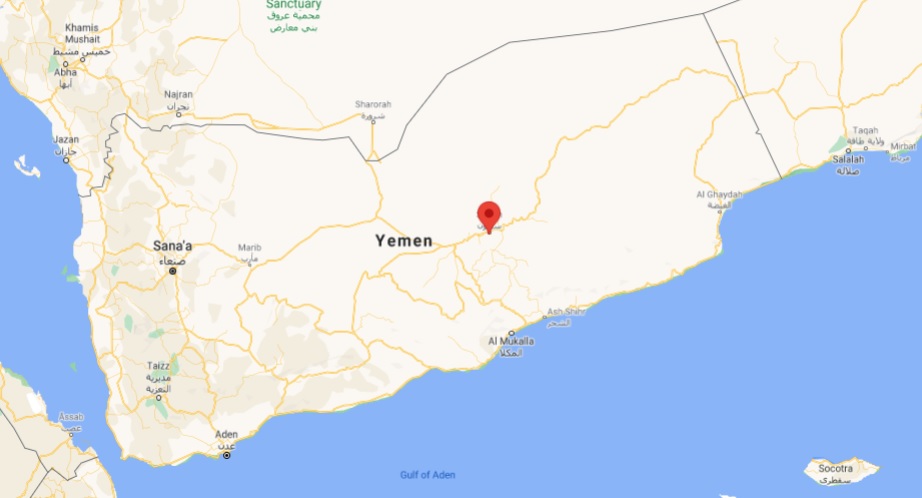
    Seiyun
  • What is the connection between the developments in Marib and Yemen secession? Aidarus al-Zoubaidi answers you!

    What is the connection between the developments in Marib and Yemen secession? Aidarus al-Zoubaidi answers you!

    In his latest remarks with media, Aidarus al-Zoubaidi asked Joe Biden, US president, to support the independence referendum under supervision of UN in south of Yemen to help end Yemen war.
    He said: Fall of Marib changes the political scene in Yemen since Mansour Hadi (resigned) government loses their last important area in north of Yemen. This can help accelerate the talks between north and south of Yemen.
    Fall of Marib might bring up the situation in which the transition government controls south of Yemen and Sanaa government controls north of Yemen and it is rational that the negotiations start between sides with biggest lands.

    Yemen secession plan, that was prepared by the West before, is now being implemented by Southerners under support of UAE. Following Riyadh agreement, Southerners earned more credit and have an open hand to act in the direction of dividing Yemen. Liberation of Marib, which reduces the economic and political power of the resigned government, will affect their relation with Southerners.

    In his remarks in Moscow, Aidarus al-Zoubaidi talked about normalizing relations with Zionist Regime which shows the importance of Marib. Since liberation of Marib by Ansar Allah is key to keep Yemen united.

  • Latest Updates on Yemen, 4 February 2021

    Latest Updates on Yemen, 4 February 2021

    1- Saudi coalition air raids in the last 48 hours:
    – 2 times Sarwah district, Marib province.
    – 3 times Baqim district and Zaher area and Boqa, Saadah province.
    – Once Rabua area, southern border of Saudi Arabia.

    2- Sanaa
    10 members of Mansoor Hadi forces returned to Ansar Allah.

    3- Al Hudaydah
    Saudi-led forces violated ceasefire in the province 319 times in the last 48 hours.

    4- Aidarus al-Zoubaidi, head of South Transition Council: We welcome normalizing relation between UAE and Israel and congratulate it and when our country (South Yemen) is revived and Aden becomes our capital we will normalize our relation too.

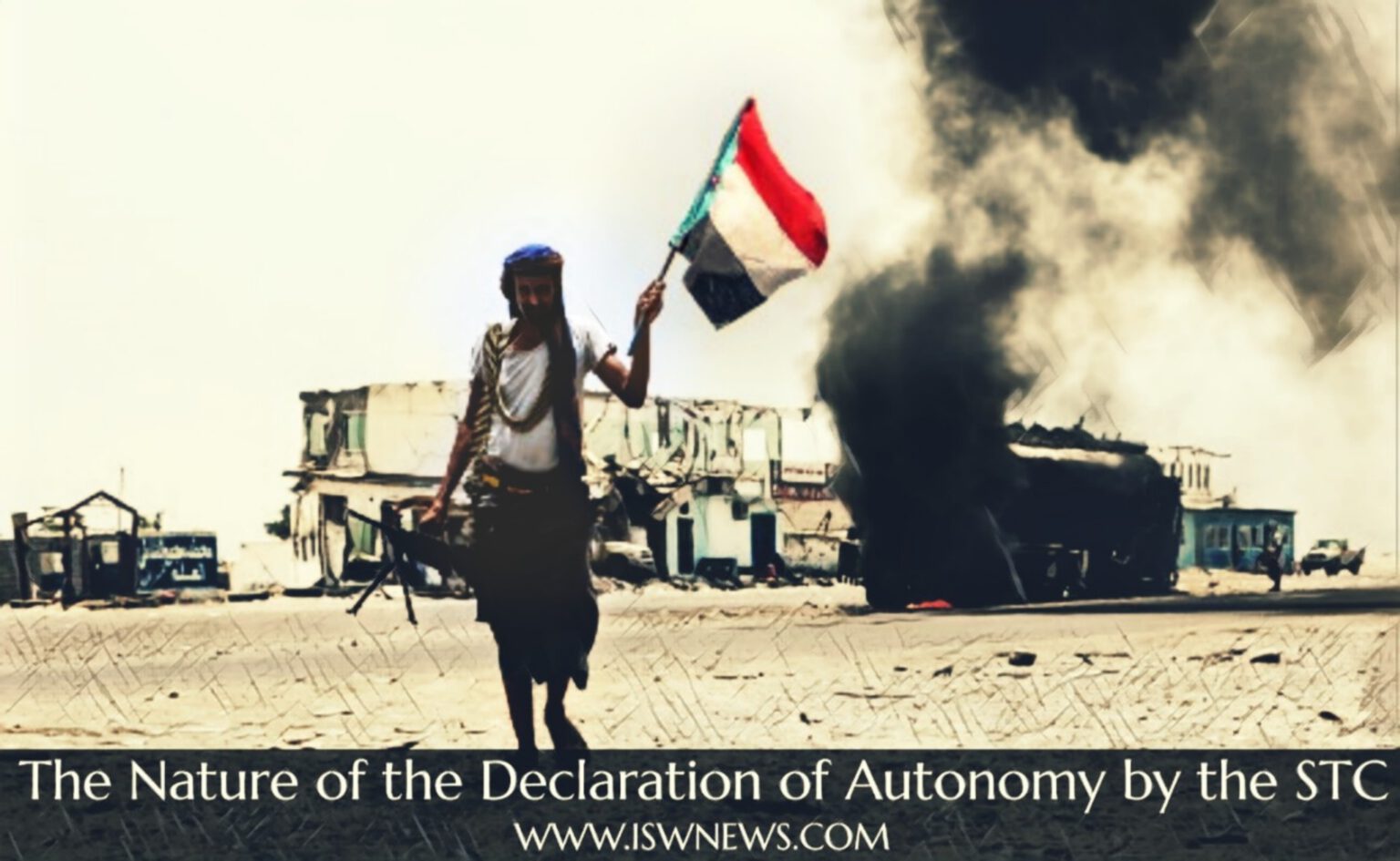
  • What is the Nature of the Declaration of Autonomy by the STC?

    What is the Nature of the Declaration of Autonomy by the STC?

    The announcement of autonomy by Southern Transitional Council (STC) is rooted in English plans which is being supported by United Arab Emirates recently.

    After Aidarus al-Zoubaidi’s a visit to Abu Dhabi the Southern Transitional Council in along with internal conflicts of Yemen continued opposing to Mansour Hadi government, and despite the agreement in Riyadh, they announced autonomy in southern Yemen.
    The conflict of these two Yemeni sides has led to a chaos in the structure of Saudi-led coalition which proves to the deceived people of Yemen both in South and North, that they don’t have the competence to govern the country.

    This can be examined in several ways:

    1. The view of the UAE and the Southern Transitional Council towards Yemen:
    The UAE after evacuating of most of its forces from Yemen and stabilization its control on the strategic points that are under its influence, by two groups of the Southerners and survivors of Ali Abdullah Saleh (presidential guard), follows still the plan of Yemen disintegration.
    Most of the southern leaders are also following their own interests, and ruling on the whole of Yemen is out of their ability. In fact, the Southerners always have tried for attracting the Saudis attention, but the Saudis are distrustful to them, because of their complete dependence to UAE and pursuation of their aims named re-establishment of the southern Yemen.
    And the persons like Tareq Saleh that is one of the Ali Abdullah Saleh survivors, are far from the political square and no side count their political power.

    2. Ansar Allah reaction:
    According to previous stances, in reaction to the Southern Transitional Council decision, Ansar Allah has again opposed the disintegration plan, and has tried for attracting the Saudi coalition and former government members attention for making peace.
    It seems that Ansar Allah is ready to stop the operation against Marib, for confronting with disintegration plan. Because that Mansour Hadi forces can’t have military conflict in several fronts and the southerns powering equals increasing the likelihood of Yemen disintegration announcement.

    3. What is the Saudi coalition stance?
    The Saudis have a multifaced stance in dealing with the Southerners, and the main reason of this weakness isn’t clear yet. They need the southerners for continuing the war with Ansar Allah from one hand, and from other hand they can’t respond positively to avarice of southerners.
    The Saudis have put Muslim Brotherhood groups in their terroristic list because of confrontation with Qatar. But have separated the Islah Party from this sphere, and this has became an excuse for southerns to oppose with Mansour Hadi’s former government and negotiate with Saudis.


    In general, the Southern Transitional Council actions from the war with Ansar Allah to the autonomy declaration and even the south of Yemen disintegration plan will be not successful. Because the military, political and recently social power in Yemen, is in Ansar Allah interest and the southerners that before have received Ansar Allah heavy blows, haven’t the ability and willing for individual confronting with them.
    Therefore, it can be said that these actions of the southerns are more because of scoring from the coalition and former government, and disintegration of south of Yemen isn’t possible without the foreign powers supports.

  • Yemen: Southerners and Mansour Hadi forces conflict again!

    Yemen: Southerners and Mansour Hadi forces conflict again!

    Following the trip of Aidarus al-Zoubaidi, head of the Southern Transition Council to UAE, the council decided to declare independency in southern provinces and state of emergency.

    FM of resigned administration of Yemen (Hadi government) opposing this decision called this act of Southerners a withdraw from Riyadh agreement and demanded Saudi Arabia firm stance.

    In previous hours, governors of Shabwah, Abyan, Mahra, Hadhramout and Socotra objected the STC’s decision.
    Even news broke out that the central bank of Aden was surrounded by Southerners but pushed back by Saudi troops.

    Previously, the STC and Mansour Hadi resigned government had numerous struggles due to their deep discords. However, the conflicts halted by intervention of Saudi Arabia and UAE and the power shared in a Riyadh agreement, which never implemented and now each side accuses the other side.

    For more information about the situation, please read these articles: