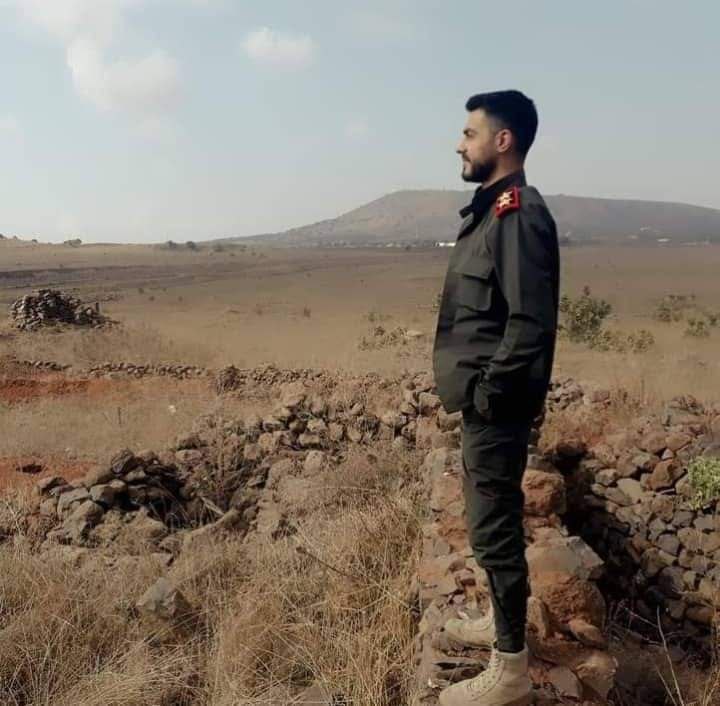
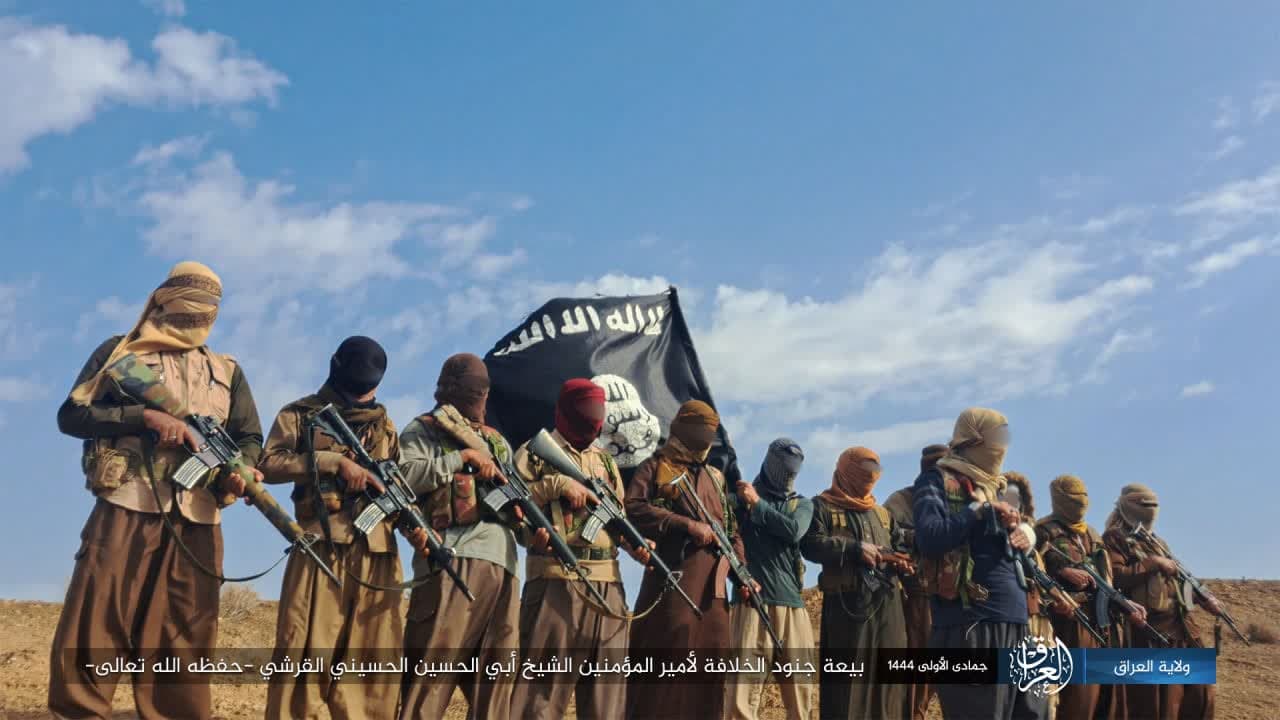
Kanhosh who was known by the title “Emir al-Hisbah”, disappeared suddenly after ISIS’s defeat in southern Syria, and little information has been available about his whereabouts or activities since.
It’s worth noting that Jaysh Khalid ibn al-Walid, during its control of the Yarmouk Basin in western Daraa, was considered one of ISIS’s branches in southern Syria.
The group played a key role in enforcing strict religious rulings and internal regulations. As head of Hisbah (the body responsible for implementing ISIS’s religious laws), Kanhosh oversaw the group’s repressive policies in the region.
The Dawn of Hope While the Syrian Democratic Forces (SDF) concentrated their efforts on combating ISIS, Bashar al-Assad, backed by Iran and Russia, managed to reclaim large swaths of territory previously lost to Salafi groups. By 2019, following ISIS’s defeat, the conflict reached a form of deadlock. However, sudden offensives by groups such as Hay’at Tahrir al-Sham (HTS) and the Turkish-backed Syrian National Army altered the dynamics.
In the meantime, factions like the Syrian Social Nationalist Party (SSNP), which had previously fought alongside the government, remained active—justifying their continued operations as responses to growing Israeli occupation. This faction, which supports the formation of a “Greater Syria,” expressed its support on December 17 for the establishment of a front to confront Israeli aggression. In response, the group Uli al-Baas emerged on January 9, initially under the name “Southern Liberation Front,” before adopting its current name and symbolism on January 11.
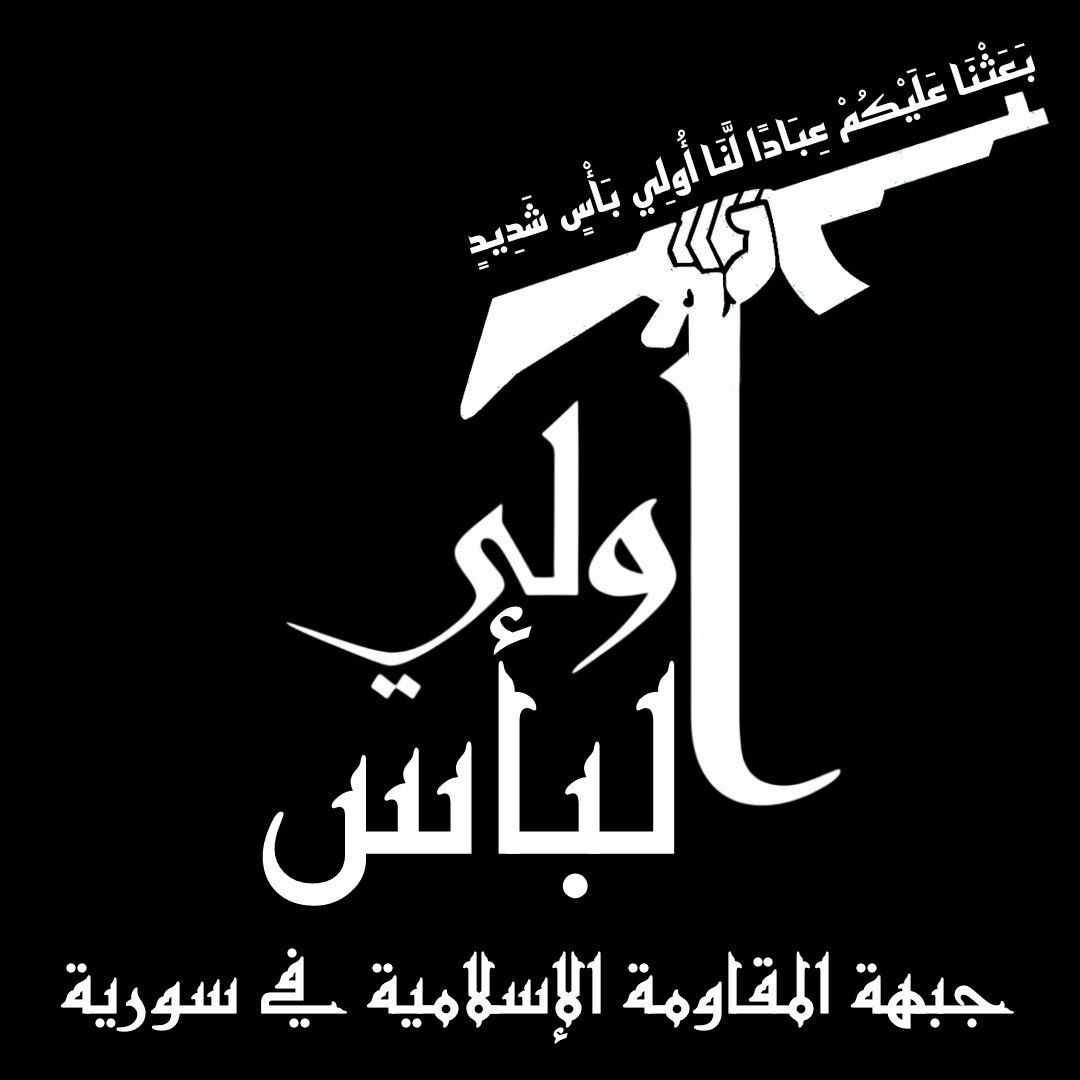
As post-Assad Syria became a contested arena between Israeli and Turkish influence, Uli al-Baas framed itself as part of the Axis of Resistance against what it calls the “Global Axis of Evil.” In a statement to Newsweek, the group’s political bureau—officially named “The Islamic Resistance Front in Syria – Uli al-Baas”—affirmed that praising Israeli occupation and Turkish incursions is expected, since “[America] is the sponsor of chaos, terrorism, and evil across the globe.” The group’s emblem—featuring a raised Kalashnikov—mirrors an iconography first introduced by Iran’s Islamic Revolutionary Guard Corps (IRGC) and later adopted by Hezbollah and other Iran-aligned resistance groups, including several in Iraq. The term Uli al-Baas, mentioned in the Qur’an, was previously invoked by Hezbollah Deputy Secretary General Sheikh Naim Qassem in reference to the group’s struggle against Israel.
Despite its alignment with the Axis of Resistance, Uli al-Baas claims organizational and political independence, asserting no affiliation with any party or state. It presents itself as a revolutionary, nationalist movement rooted in Arab identity, with a distinct political project aimed at establishing a strong and liberty-oriented state.
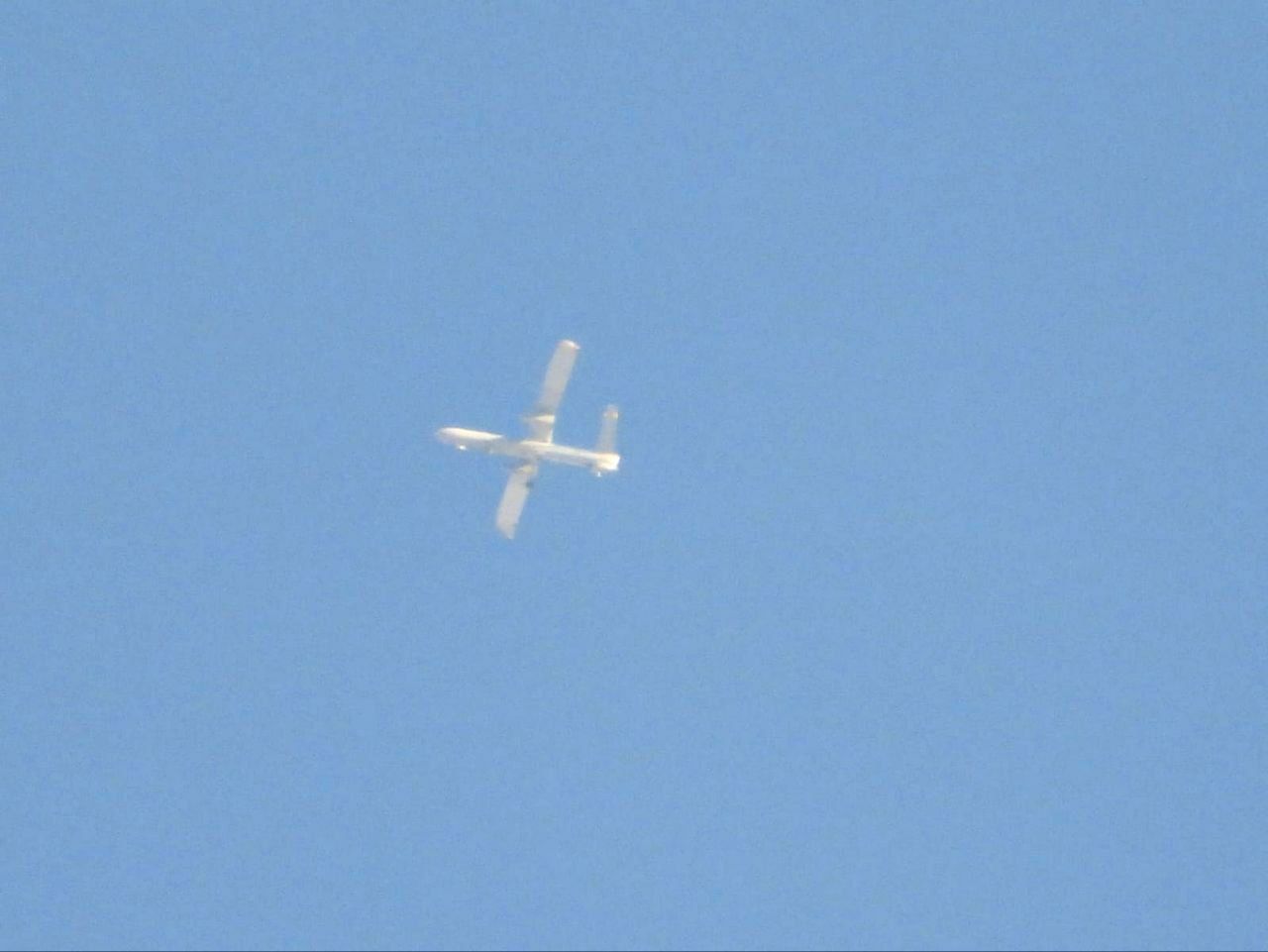
A Turbulent Beginning On January 13, Uli al-Baas claimed it was deploying light armored vehicles and fighters to Quneitra, Suwayda, Daraa, Damascus, and surrounding rural areas. Four days later, it officially declared the start of its “military operations” against Israeli presence in the south. The group’s first alleged action was reported on January 24, claiming that one of its units downed an Israeli drone in the Tal Ahmar area of rural Quneitra on January 21. On January 31, it issued a second statement, asserting that it had attacked Israeli forces in the village of Turanja, northern Quneitra. However, no evidence was provided, and on February 14, the group’s Telegram channel retracted the claim.
Cooperation with Other Fronts On February 19, Uli al-Baas announced the deaths of two senior commanders, Muhannad al-Baqari and Muhammad Mansour, during an operation near Israeli positions in Quneitra. Just two days later, on February 21, the group formed a coalition with two other Iran-aligned factions— Liwa Dir’ al-Sahel, led by Miqdad Fathi, and Ashbah Ruh al-Muqawama, led by Abdulhamid al-Shamali. This alliance targeted ISIS, Salafi movements, and the newly restructured Syrian government. The republication of the coalition’s official statement by Uli al-Baas clearly indicated its confrontational stance toward Damascus.
Mission The group identifies the expulsion of Israeli forces from southern Syria as a central objective. It cites Israel’s violations of the 1973 ceasefire line and its continued strikes on Syrian installations as justification for its armed resistance. Uli Albas views the Syrian interim government as complicit due to its silence regarding Israeli aggression. The Zionist officials, meanwhile, have warned they will not allow hostile forces to establish a presence near their borders.
Islamic Resistance Front in Syria – Uli al-Baas
Post-Crisis Syria Despite Donald Trump’s stated intent to reduce military presence in the Middle East, roughly 2,000 American troops remain stationed in Syria. After the Gaza war, these forces were frequently targeted by militias, although such attacks diminished with the U.S. withdrawal from Iraq. With Uli al-Baas now rising and directly opposing U.S. and Israeli influence in Syria, the future of Washington’s regional presence has become increasingly uncertain.
While the U.S. State Department has reiterated its commitment to inclusive and peaceful governance in Syria and its opposition to terrorist entrenchment, it continues to classify HTS as a terrorist organization—despite the group’s claimed shift away from jihadist ideology.
Complicating matters further is the escalating tension between the U.S. and Iran, which intensified after Washington’s withdrawal from the nuclear deal in 2018. Uli al-Baas portrays Iran as a defender of sovereignty and freedom from U.S. domination, arguing that the pressure against Tehran stems from its threat to Israel’s existence.
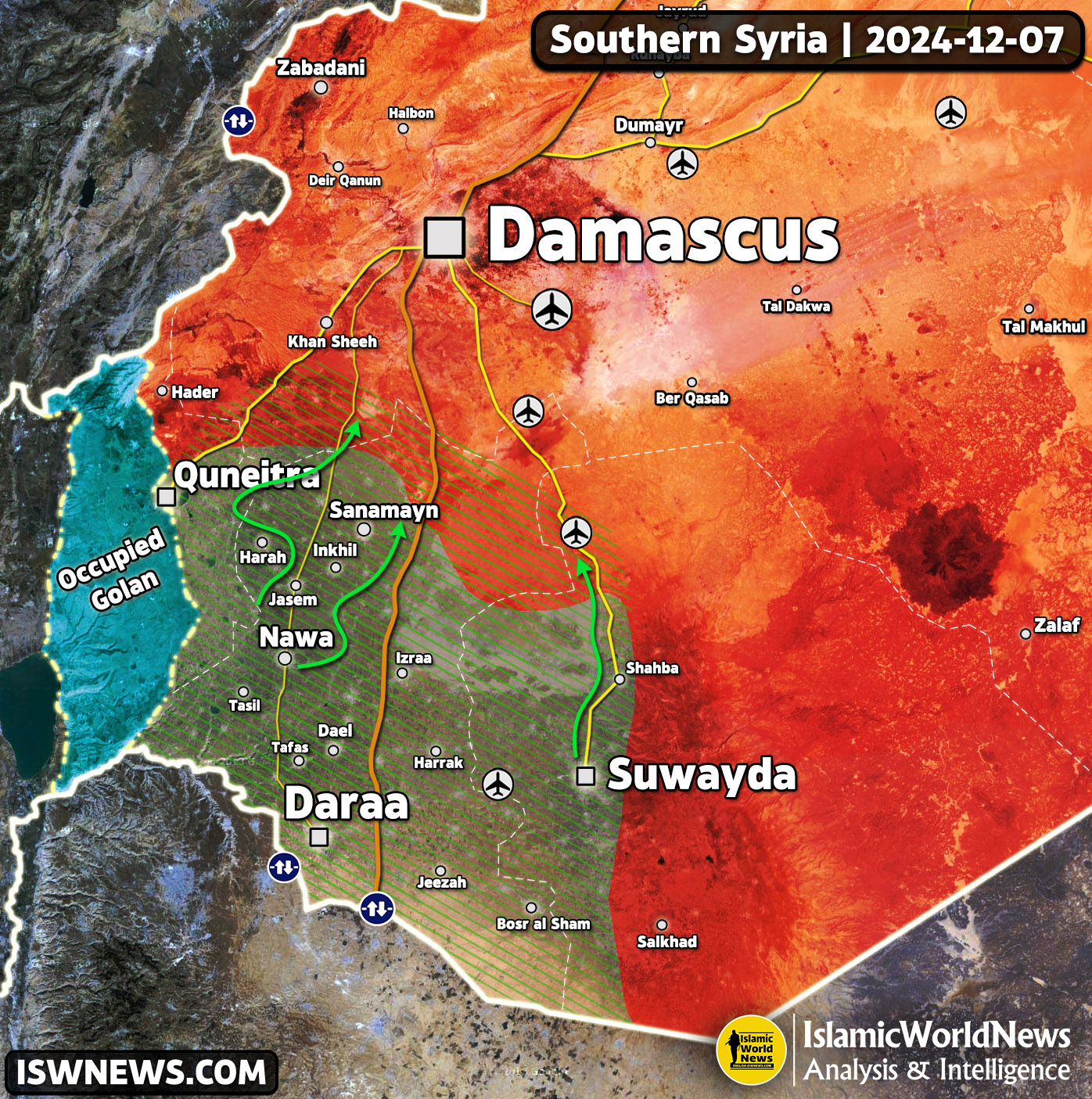
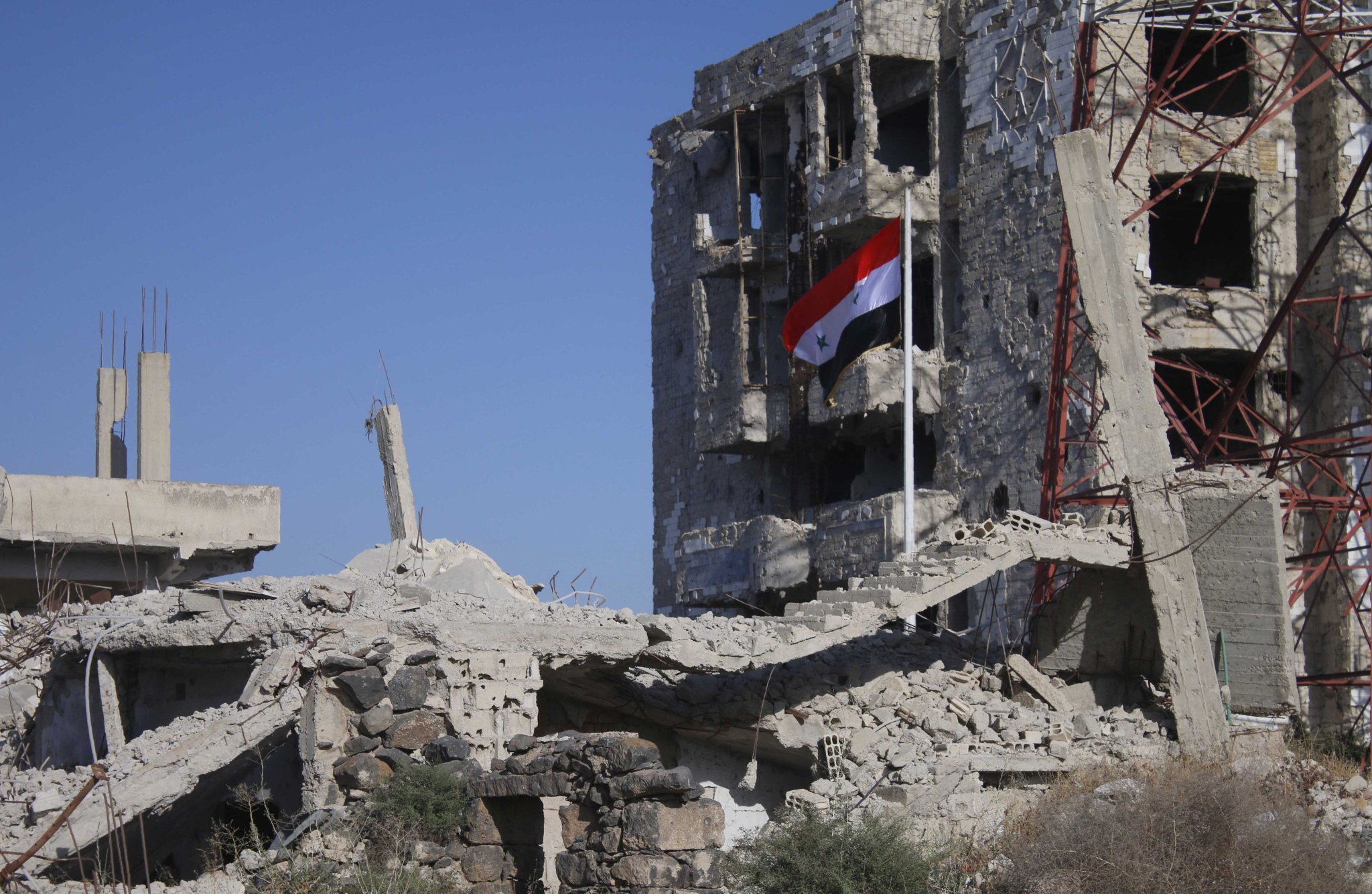
Quneitra Front: With the Syrian army withdrawing from most of southern Syria, pro-rebels have seized government buildings in the towns of Khan Arnabeh and al-Baath.
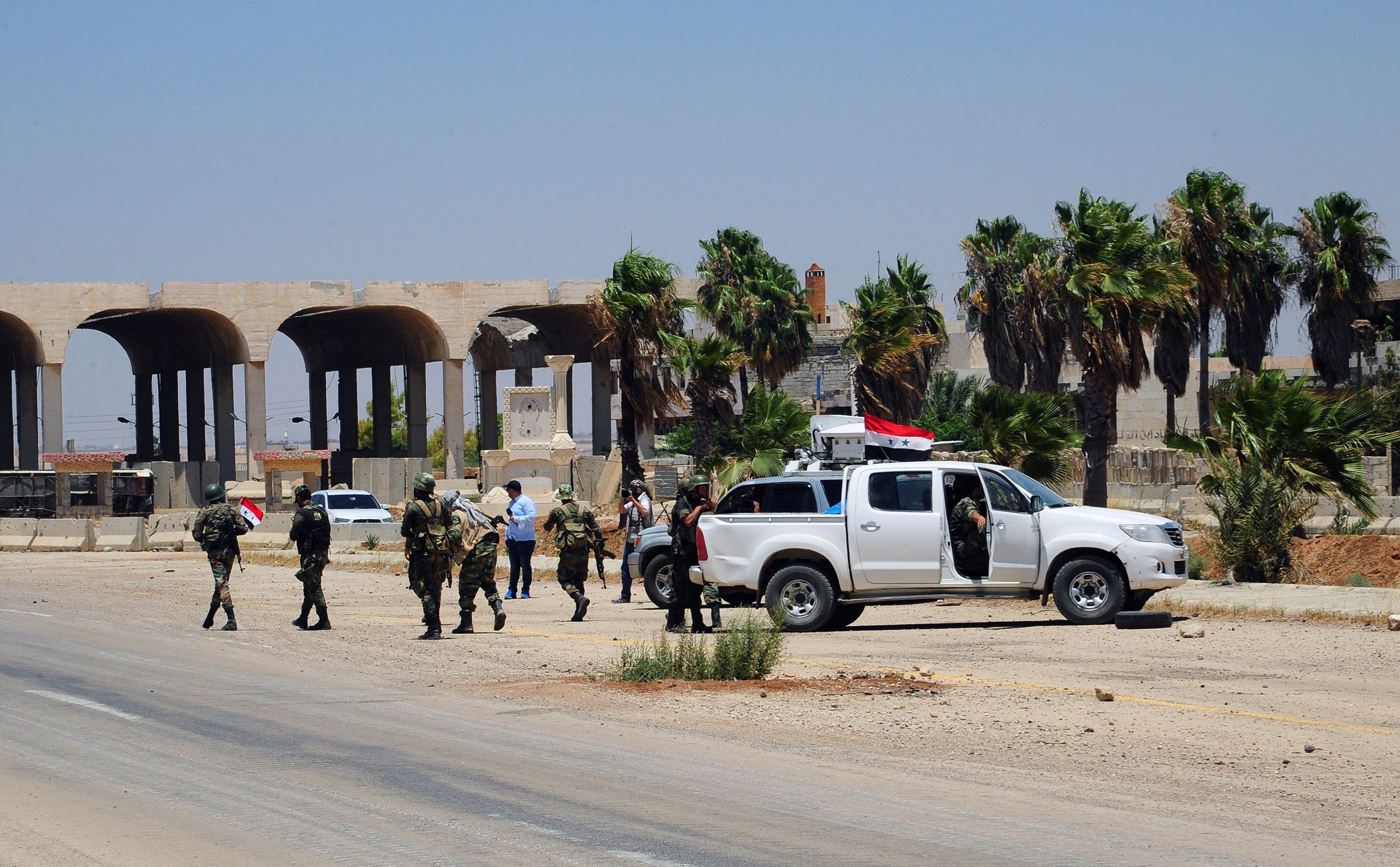
The militants claim that the Syrian army has withdrawn from all areas of Quneitra province and that they have taken full control. However, the Al-Kum region remains under Syrian control, and this afternoon, the militants’ advance along the Quneitra-Damascus road was halted by Syrian forces.
Quneitra province, located in southwestern Syria and adjacent to the Golan Heights occupied by Israel, poses a new border challenge for the Israeli regime if it falls to the militants. Israel could use this situation as a pretext for direct intervention in Syrian territory.
Daraa Front: In Daraa province, militants have captured the areas of Deir al-Adas, Jabbab, and al-Sanamayn. Russian-Syrian warplanes have launched multiple airstrikes on these locations.
Clashes are currently ongoing in the Ghabagheb area along the Daraa-Damascus road, where militants have been halted.
Al-Suwayda Front: In Al-Suwayda province, militants have taken control of the Shahba area and have moved toward Khalkhaleh Airport in the north. Khalkhaleh Airport remains under Syrian army control, with local sources indicating negotiations with the opposition.
The militants controlling Al-Suwayda consist of Druze anti-government fighters and local militants. They have not aligned with Tahrir al-Sham and their allies but share the common goal of opposing Bashar al-Assad and working against Damascus.
The situation in southern Syria indicates that militants are focusing on advancing towards Damascus. Their goal is to outpace Tahrir al-Sham militants in northern Syria, seize control of Damascus, and overthrow Bashar al-Assad’s government. With the defensive barrier in Homs, it is likely that clashes will reach Damascus from the south, increasing the military pressure on the already strained Syrian army.
The attack, which occurred at approximately 07:00 a.m. local time, also caused material damage to the targeted bases.
According to the IWN, the Israeli army drones targeted the military bases in the provinces of Quneitra and Daraa, leading to the loss of life and destruction of military infrastructure. The attack was part of a series of recent incidents involving Israeli military provocations in the region.
The Syrian military has confirmed the details of the attack, stating that the Israeli army drones struck the bases in Quneitra and Daraa, resulting in the martyrdom of one soldier and material damage.
The incident highlights the ongoing tensions between the Israeli regime and Syria, which have been exacerbated by the ongoing conflict in the region.
Sharaf Ahmad Abdulkarim
The Israeli military has not officially commented on the attack, but the incident is likely to further tensions between the two long-time foes. The attack also underscores the ongoing threat posed by Israeli military activities to the security and stability of the region.
The Syrian government has time and again lodged complaints at the United Nations against the Israeli regime over its air strikes which Syria says violates its sovereignty.
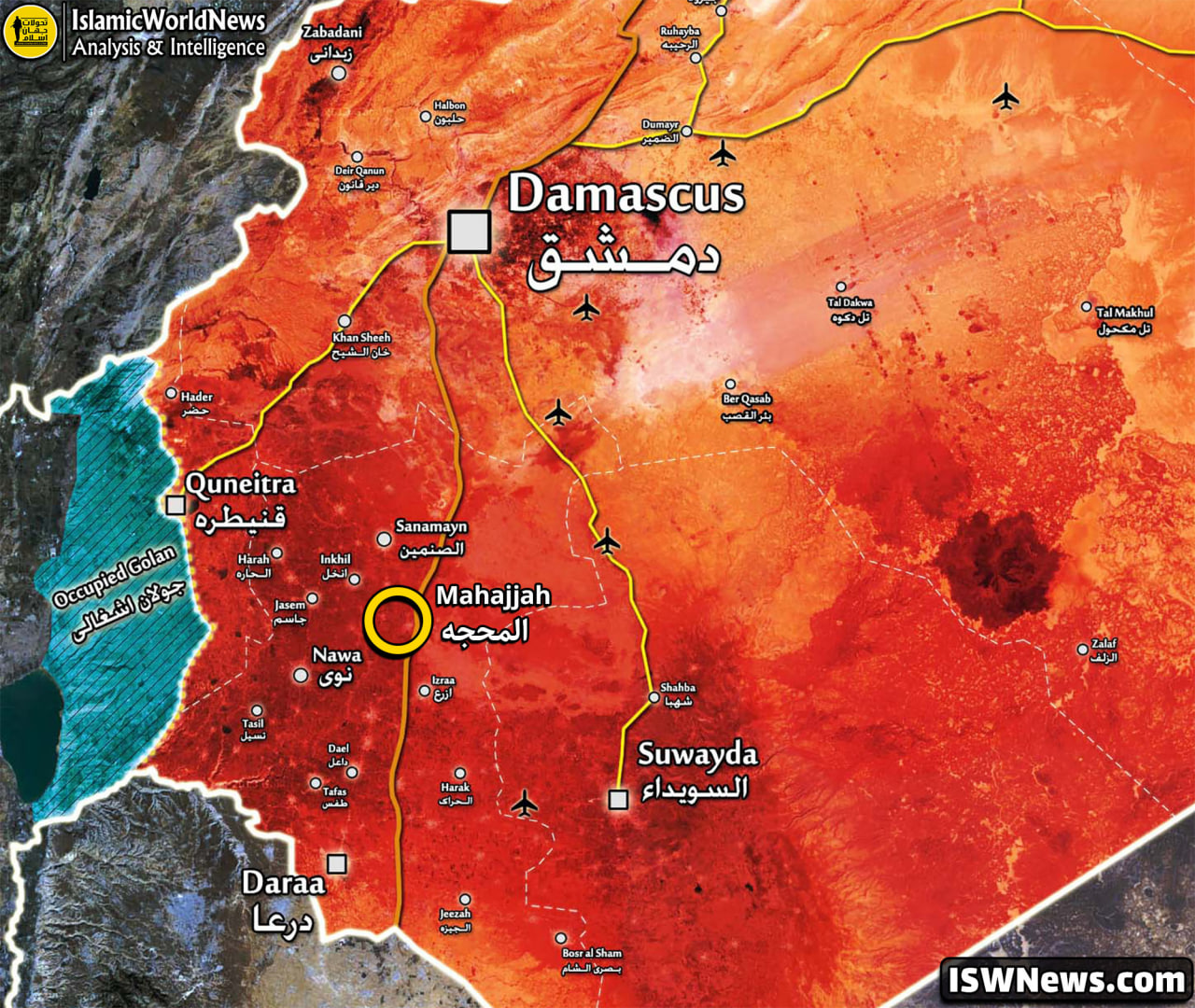
According to the available information, these strikes were carried out against an ammunition depot of the Syrian Army in Al-Mahajjah area in Daraa province.
No further details have been released so far. Also, no person or group has claimed responsibility for the rocket attack, but Israeli sources claimed that this attack was carried out by forces affiliated with the Lebanese Hezbollah.
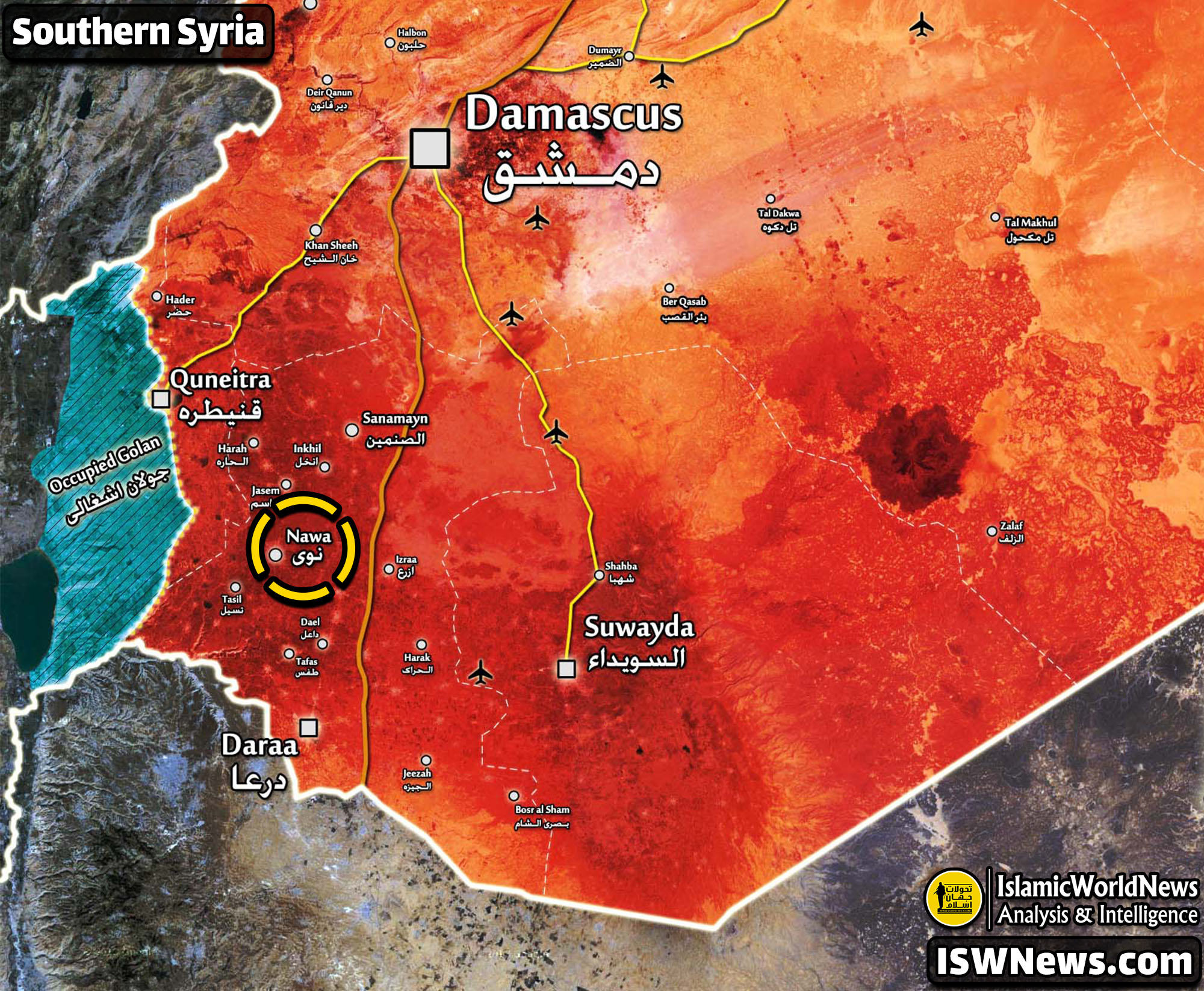
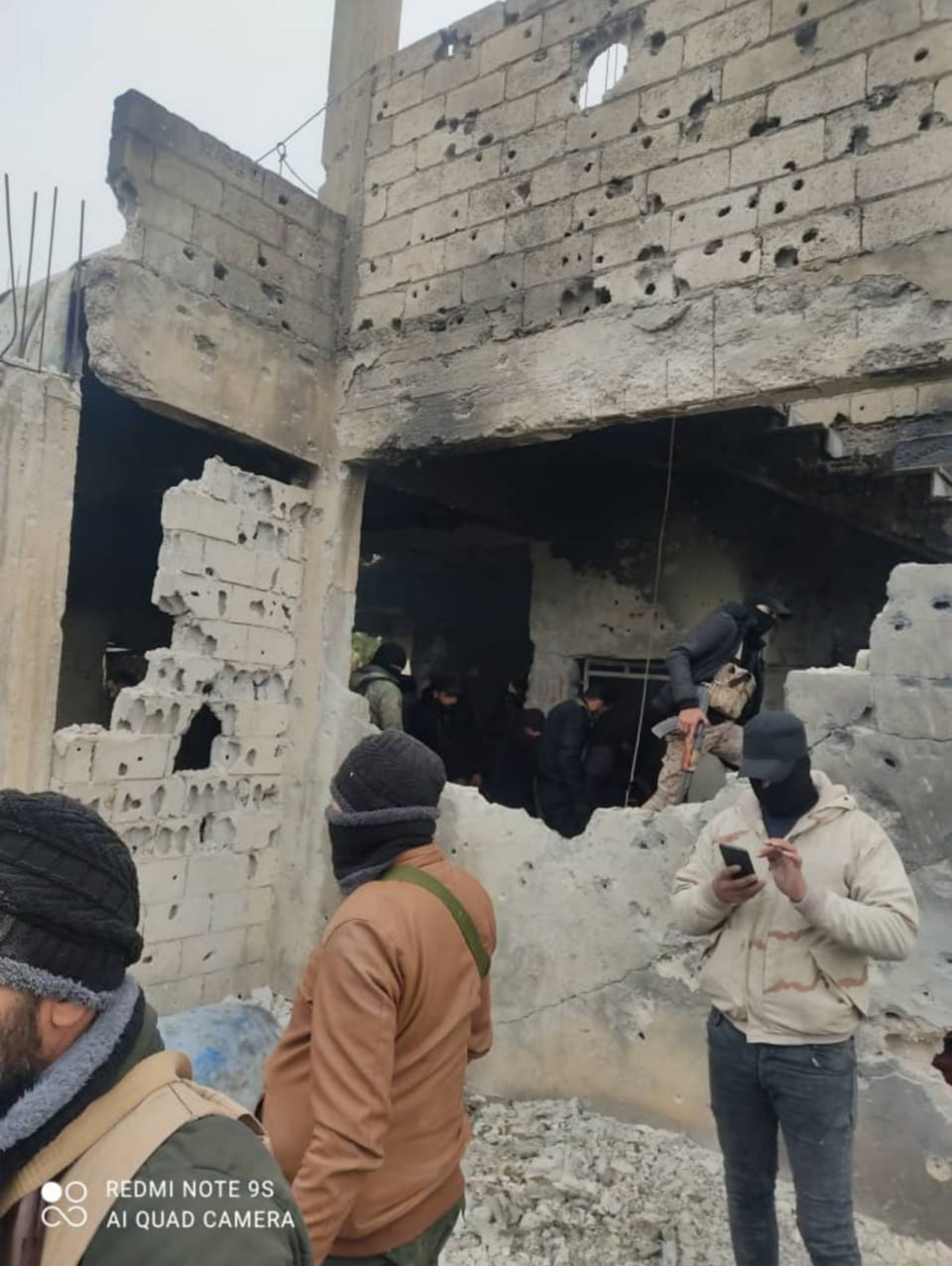
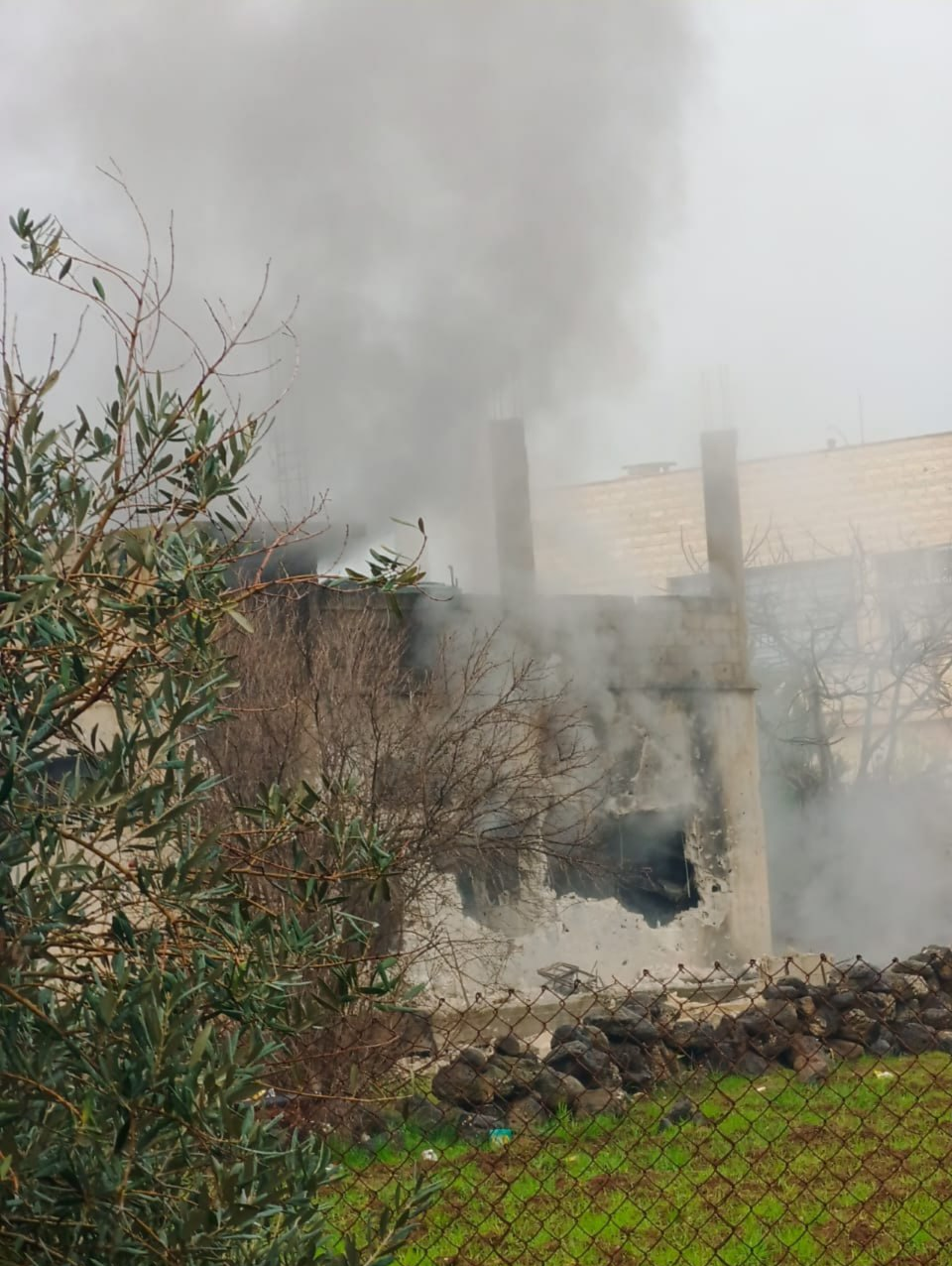
On January 28, the Syrian security forces started an operation with the aim of arresting ISIS elements in the city of Nawa, located in Daraa province. The armed battles lasted for several hours, and one of the ISIS terrorists, who was equipped with an explosive belt, blew himself up.
As a result of this conflict, Osama Shehadah Al-Azizi, the commander of the Hauran region of the ISIS terrorist group, and five others were killed.
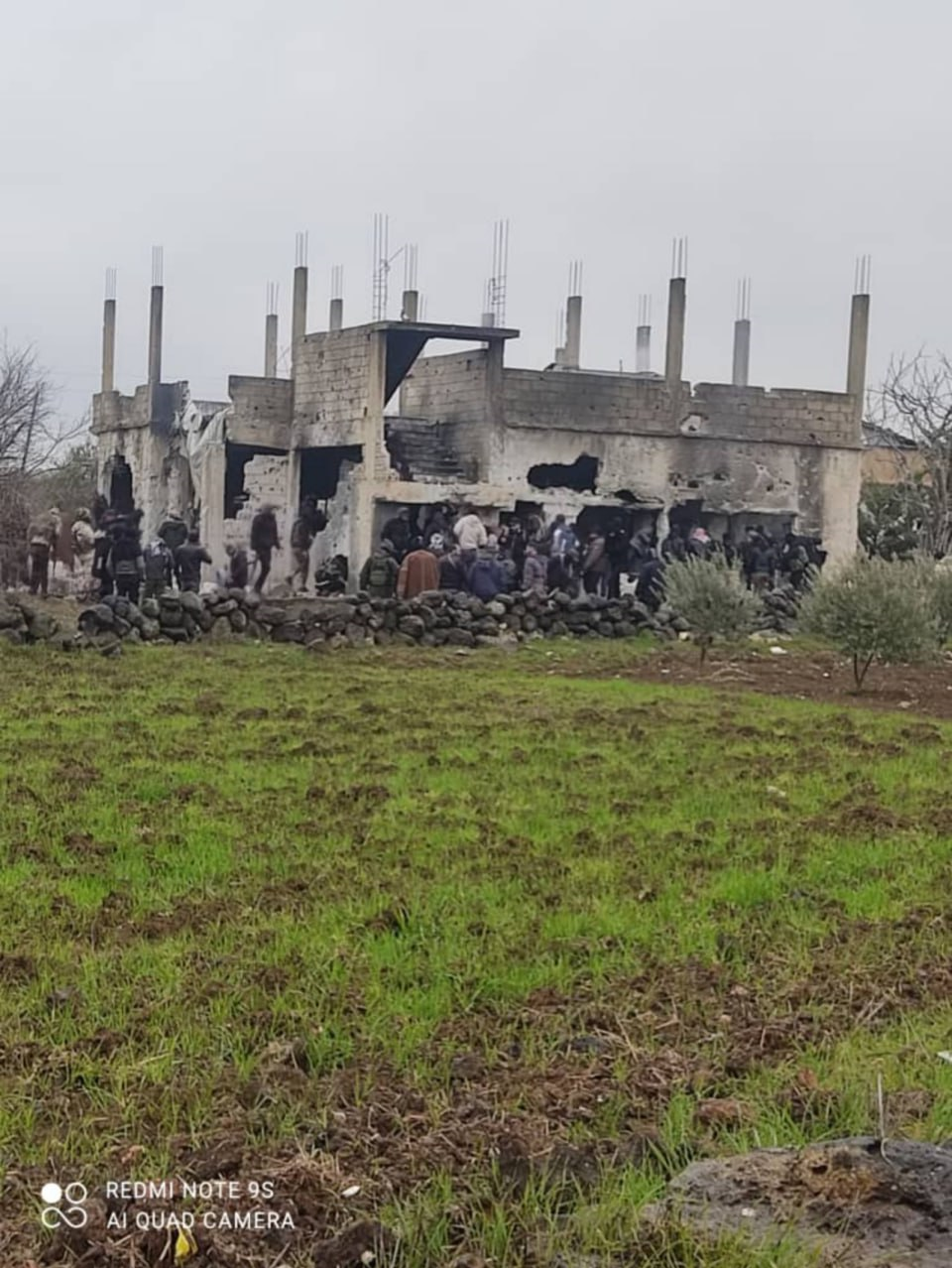
The place that SAA security forces raided in Nawa city
It is worth mentioning that after the series of SAA operations against ISIS in Daraa province in 2018, it was believed that the hidden cells of this group were disintegrated in Daraa, but after about four years, the activities of ISIS resumed in this province. Since last year, this province has witnessed the activities of ISIS elements and their conflict with the Syrian military.
In recent months, the activity of ISIS cells and terrorist groups in different areas of Syria has increased sharply with the aim of putting pressure on the resistance axis and disrupting the focus of the Resistance from fighting Israel. Daraa province is not exempt from this issue. Considering the rising trend of ISIS attacks and movements in southern Syria, it seems that the employers of this terrorist group have special plans for Daraa and Quneitra and the borders of the occupied Golan.
According to a Syrian military source, “around 01:45 (local time) on Wednesday, the Zionist enemy attacked several military bases in Daraa province with several missiles from the occupied Golan. This attack led to the martyrdom of eight Syrian soldiers, the wounding of seven others, and the occurrence of material losses.”
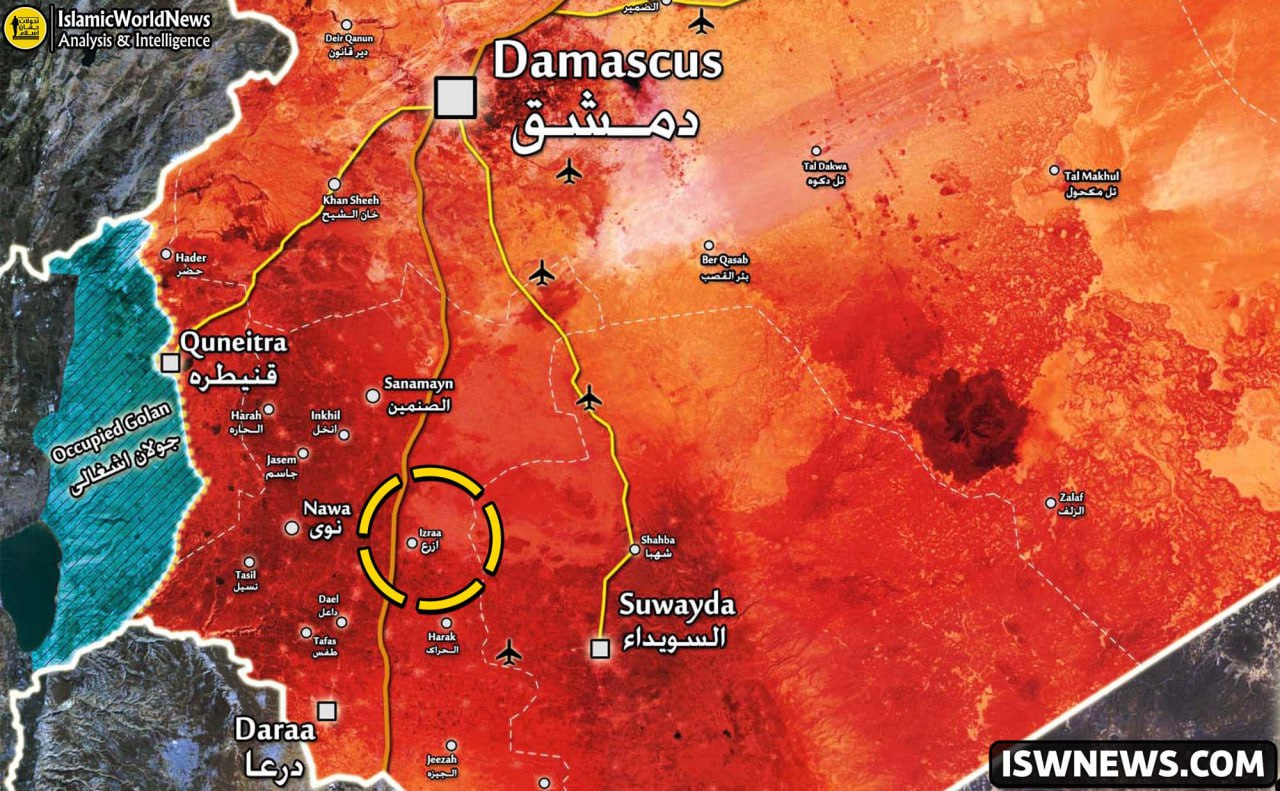
More details have not been released yet, but local sources claimed that Israeli fighter jets have targeted the headquarters of the 12th Brigade of the Syrian Army in the Izra town and a military headquarters in the Qarfa area.
It is worth mentioning that on October 22, the Israeli army attacked Damascus and Aleppo airports by firing several missiles, as a result of which the runways were damaged and the airports were out of service.
ISWNews Analysis Group – On July 25, unidentified armed men targeted a vehicle belonging to Syria’s General Intelligence Directorate near Al-Jamal Square in the town of Muzayrib in Daraa Governorate. The shooting incident led to martyrdom of four Syrian soldiers and injury of another Syrian soldier in the terrorist raid.
According to an informed source in the Daraa police command, the people had been dispatched to the town of Tafas in the same governorate to be stationed at the examination centers of the city when they were targeted by a terrorist group.
It should be noted that since the Syrian army forces regained control of Daraa Governorate in 2018, the province has been in a state of insecurity, and various areas of the governorate have witnessed numerous terrorist attacks on a daily and weekly basis, including bombings as well as assassination of military and non-military personnel and so on.
At about 10 o’clock on Friday local time, the Syrian security forces raided the house of Muhammad Ali al-Shaghori also known as Abu Omar in vicinity of Al-Alaf school in the north of Muzayrib town, which led to an armed conflict with ISIS terrorists.
Al-Shaghori was killed along with two other ISIS terrorists and several others were wounded in the conflict. By all accounts, the elements were the source of insecurity and strikes against the Syrian army in Muzirib and its surrounding regions.
It is notable that Daraa Governorate experienced several security attacks on the ISIS terrorists over the recent months. At least 30 ISIS terrorists were killed in a series of security operations conducted by the Syrian army and the local armed militias in al-Sad district of Daraa city in November, and the neighborhood was totally cleared of the terrorist elements.
Following the blast, the engineering units of the Syrian army were deployed at the site of the incident and monitored the region to detect any other potential explosive materials.
Some hours before the blast, unknown militants targeted one of the employees of Dael town in Daraa Governorate, who was seriously wounded.
It is noteworthy that in spite of the implementation of reconciliations and determination of the status of previous elements of the militants in Daraa Governorate, different cities of the governorate still experience threats, including bombings, assassinations and terrorist measures against Syria’s army, security forces and administrative employees.
The increase of terror attacks in Daraa province shows that most towns in this province are suffering from insecurity and chaos has increased more than the past years
In the latest anti-security activities in Daraa province, three people from the city of Dael were killed by unknown gunmen. Also, a young man was assassinated by unknown gunmen in Tafas city and near Al-Hal market, and another civilian died due to an explosion in Busr al-Harir town.
In the new round of assassinations, three more people, including a child, were injured in Jasim and Nawa cities as a result of attacks by unknown gunmen.
The spread of terror and insecurity throughout the province has clearly affected the economic activity and people’s lives. The lack of a clear horizon to end the insecurity in Daraa province, in addition to the fear and dissatisfaction of the people, leads many residents of this province to migrate. Unofficial statistics show that thousands of residents of Daraa province have left this province for Arab countries or European countries for various reasons.
It is worth mentioning that on December 27, unknown gunmen targeted the vehicle carrying Youssef Al-Dhahi, the manager of al-Jizah town on the Jizah-Ghassam route, located in the east of Daraa, and during this attack, one of the Syrian police forces was martyred and several others. were injured.
The audio message did not make it clear who killed the group commander or where, but according to a Syrian military source, Abul Hasan al-Hashemi who goes by the aliases “Abdul Rahman al-Iraqi” and “Sif Baghdad” was killed in the north of Jassim, located in Daraa province after the conflict with the Syrian security forces and local armed groups.
It is said that Abul Hasan al-Hashemi blew himself up with a suicide belt after the Syrian security forces encircled him.
After the release of the audio message, CENTCOM spokesman Colonel Joe Buccino announced in a statement that the leader of ISIS was killed in an operation conducted by The Free Syrian Army in Daraa province located in southern Syria. No further details have been mentioned in this statement.
It is worth mentioning that considering the previous measures of ISIS and operations such as “Al-Tha’ar al-Sheikheen” which was carried out in revenge for the killing of its former leaders (Abu Bakr al-Baghdadi and Abu Hamza Al-Qurashi), it is likely that this terrorist group will take a series of retaliatory measures in the areas under its control, especially in Syria and Iraq.
A video that is said to be related to the clashes between the Syrian security forces and Abul Hasan al-Hashemi al-Qurashi, the former leader of ISIS, in the city of Jassim, located in Daraa province