Tag: Gaza War

  • War-Driven Growth or Strategic Misstep? Israel’s $76 Billion Defense Burden

    War-Driven Growth or Strategic Misstep? Israel’s $76 Billion Defense Burden

    This figure was released by Israel’s Ministry of Finance. Officials from the ministry stated that the military’s mismanagement of reservist service days and poor financial oversight led to the loss of billions of shekels in payments to reserve forces. Finance Minister Bezalel Smotrich emphasized in a press conference that increasing the defense budget is essential for boosting Israel’s economic growth in the coming years.

    The ministry’s report on the “misuse of reservist service days” and the resulting financial waste highlights not only the scale of expenditures but also the inefficiency in resource allocation and oversight. This managerial weakness reflects a deeper structural crisis within Israel’s military and administrative systems—a crisis that intensifies under wartime conditions.

    Overall, Israel’s economy is shifting toward an unsustainable war-driven model. Heavy military spending, weakening of the private sector, and capital flight from the stock market and tech industries have increased the likelihood of recession and slowed real economic growth. If this trend continues, Israel’s economic structure could face a serious crisis in the coming years.
  • Israel Violates Gaza Ceasefire Once Again!

    Israel Violates Gaza Ceasefire Once Again!

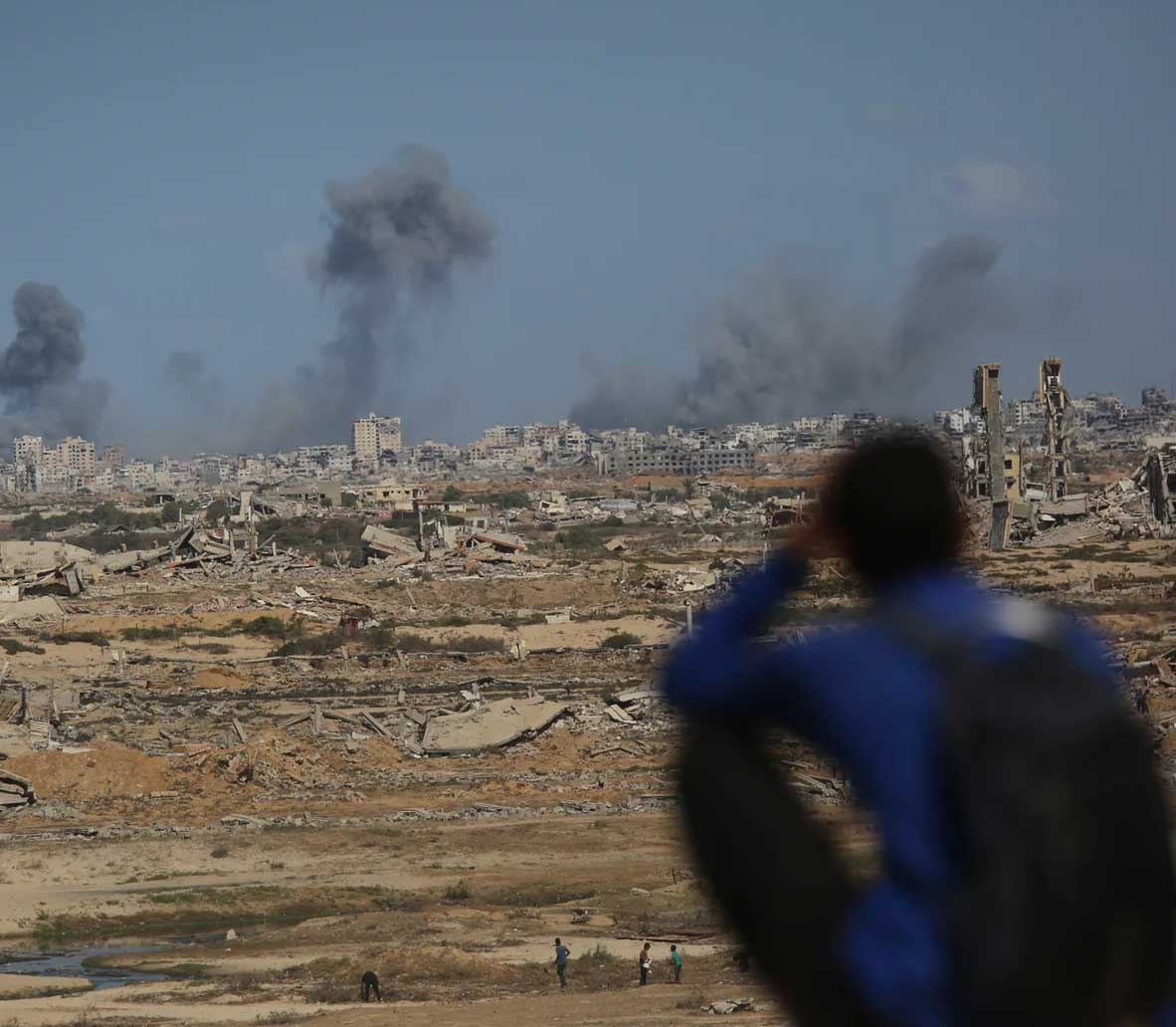
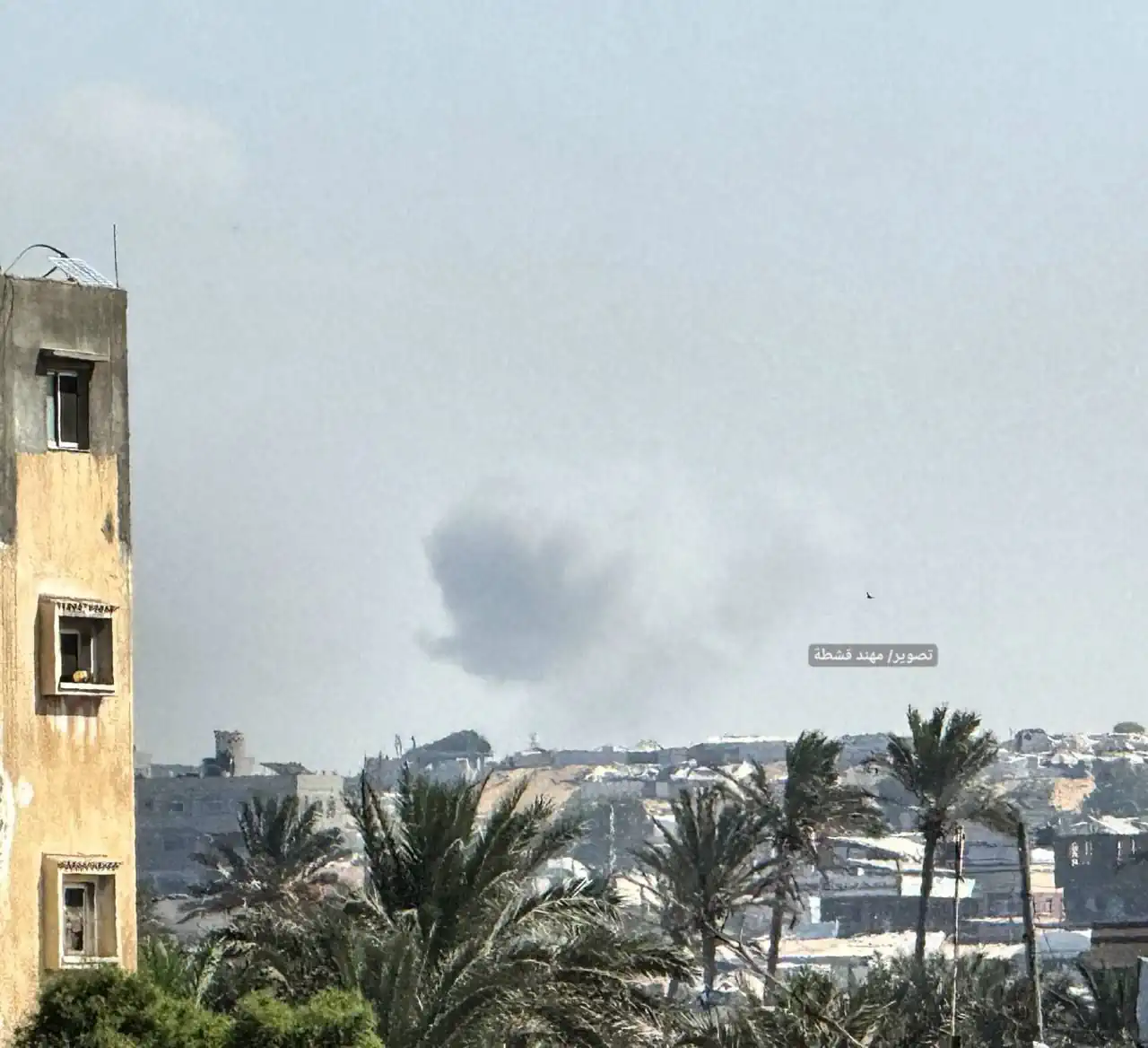
    In addition to these attacks, Israeli military quadcopters targeted the eastern outskirts of Al-Bureij refugee camp in central Gaza.

    The southern coastline of the Gaza Strip was also struck by Israeli naval vessels.

    This renewed wave of attacks, despite the declared ceasefire, suggests that Tel Aviv is attempting to exert field pressure on resistance groups and gain leverage in future negotiations. Such actions risk completely collapsing the fragile ceasefire process. Moreover, the deliberate destruction of civilian homes and infrastructure in Gaza appears to serve a psychological and deterrent purpose—aimed at instilling fear and discouraging public support for Palestinian resistance movements.

  • Ceasefire Violation and Mass Killing: Renewed Child Casualties by Israeli Forces in Gaza!

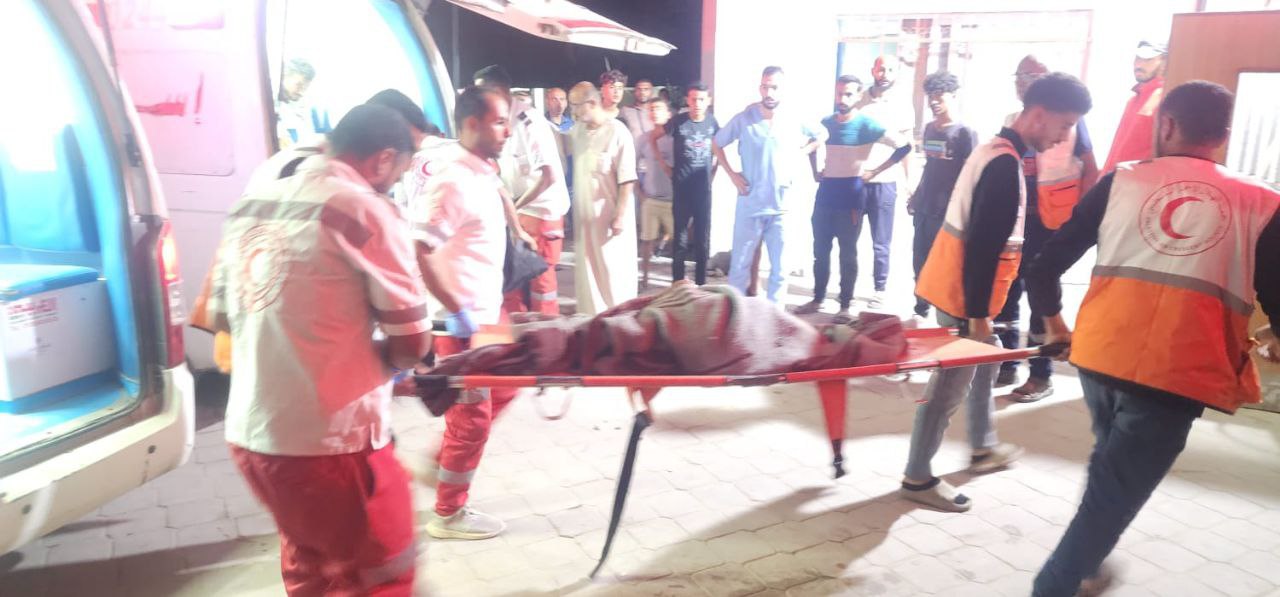
    Ceasefire Violation and Mass Killing: Renewed Child Casualties by Israeli Forces in Gaza!

    With this escalation, the total number of casualties from the ongoing genocidal war in Gaza has risen to over 68,531 deaths and more than 170,402 injuries.

    Following the attacks, the Israeli army announced that the ceasefire in Gaza was reinstated at 10 a.m. today, after a series of extensive strikes throughout the war-torn region.

    Children murdered by the renewed Israeli strikes in Gaza

    Given Israel’s repeated disregard for ceasefire agreements, the situation in Gaza remains unstable and highly volatile. The pattern suggests that Israel may resume bombings at will, undermining any sense of lasting peace. In reality, the ceasefire appears to be a temporary pause in a cycle of violence, rather than a genuine step toward ending the conflict—with no clear resolution in sight.

  • Amazon’s Cloud Services Linked to Israeli Military Operations in Gaza

    Amazon’s Cloud Services Linked to Israeli Military Operations in Gaza

    According to the report, Israeli defense companies—particularly Rafael Advanced Defense Systems and Israel Aerospace Industries—have directly utilized Amazon Web Services (AWS) to support their technological infrastructure. These services played a role in the operational framework of the Israeli military during its campaigns in Gaza.

    The exposure of Amazon’s collaboration with Israel’s military underscores a growing trend in the digital age: the blurring of lines between civilian tech industries and military applications. Companies that appear to operate in commercial and technological sectors are increasingly becoming active participants in armed conflicts.

    Cloud computing, battlefield data analytics, and artificial intelligence have become integral to both offensive and defensive military strategies. In this context, Amazon has transitioned from a service provider to a direct enabler of Tel Aviv’s war machine.

  • Senior U.S. Officials Visit Gaza to Oversee Implementation of Agreement with Hamas

    Senior U.S. Officials Visit Gaza to Oversee Implementation of Agreement with Hamas

    According to a statement from the Israeli military, American and Israeli officials also visited the Re’im military base following their field inspection in Gaza. This base has been designated for initial medical evaluations of released Israeli captives.

    Cooper and Halevi held a meeting with senior Israeli military officials to review operational conditions across various regions and discuss the implementation of ceasefire terms and prisoner release protocols.

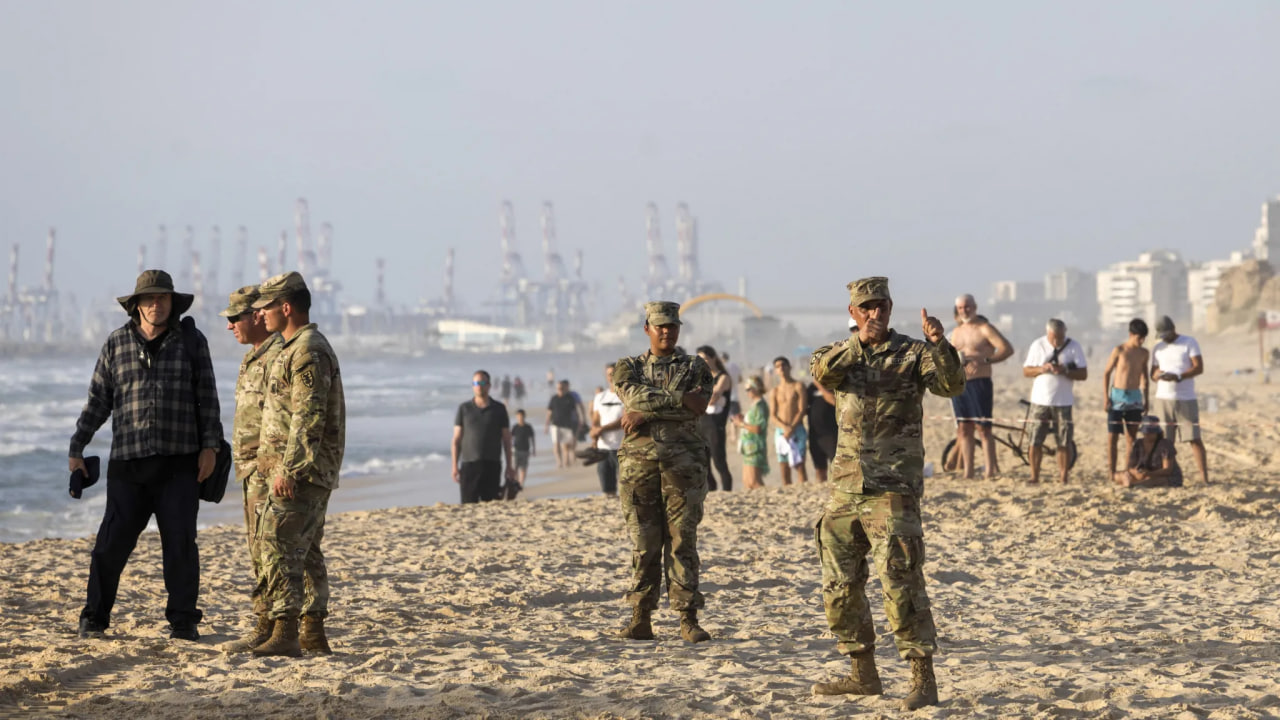
  • U.S. Deploys 200 Troops to Israel to Support Gaza Ceasefire Coordination

    U.S. Deploys 200 Troops to Israel to Support Gaza Ceasefire Coordination

    These troops are experts in transportation, logistics, planning, security, and engineering, and will work alongside regional representatives, private entities, and NGOs. Western sources have emphasized that the American forces will not enter Gaza itself; their role is strictly technical and supervisory within Israeli territory.

    The coordination center will be located in southern Israel and is designed to facilitate the ceasefire process and streamline the delivery of humanitarian aid to Gaza. According to The New York Times, U.S. troops will collaborate with counterparts from Egypt, Qatar, Turkey, and the United Arab Emirates.

    This move by President Donald Trump’s administration is seen as part of Washington’s broader effort to assert and reinforce its influence in the evolving situation in Gaza. Having played a pivotal role in brokering the recent ceasefire between Israel and Hamas, the Trump administration now aims to position itself not only as the initiator of peace but also as its guarantor.

    Analysts suggest that the White House is attempting to reclaim political leadership in the Gaza file from regional powers. While Egypt and Qatar were instrumental in mediating the ceasefire, the U.S. seeks to demonstrate—through its direct military presence in Israel—that it remains the dominant and unrivaled actor in managing the Gaza crisis.

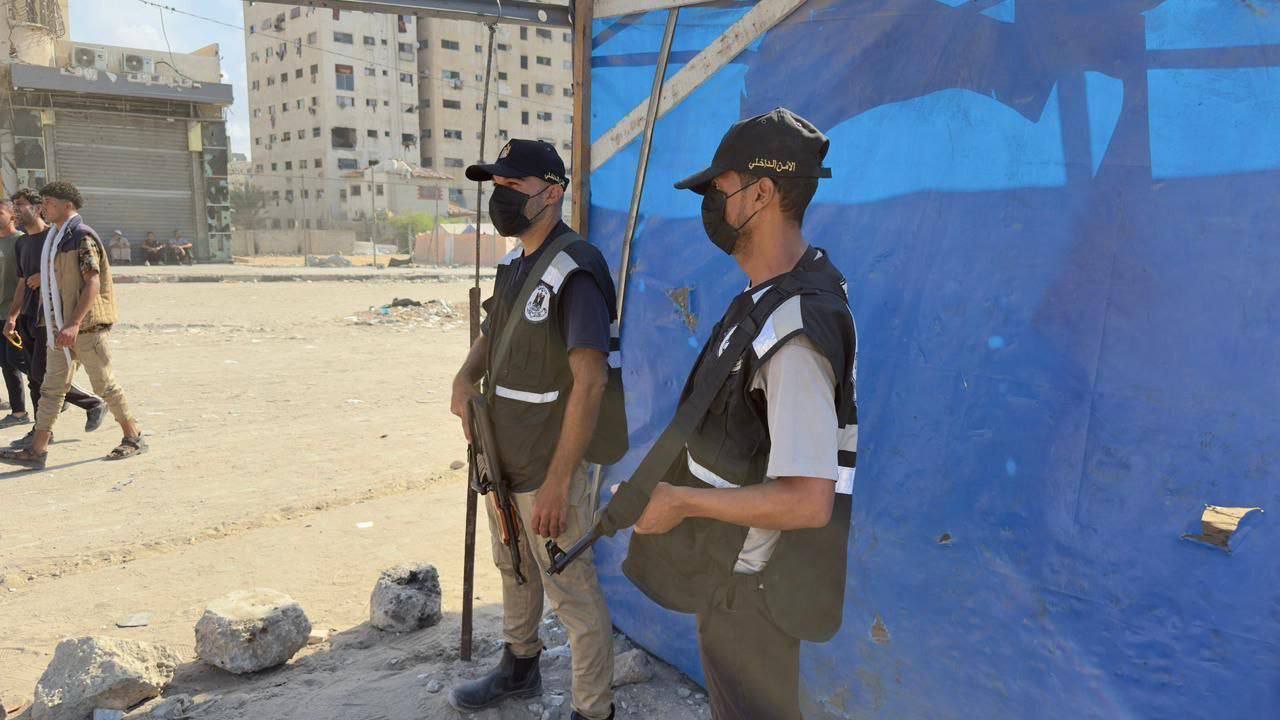
  • Deployment of Internal Security Forces in Gaza

    Deployment of Internal Security Forces in Gaza

    The deployment of Hamas internal security forces throughout Gaza Strip reflects a rapid and organized reconstruction of the region’s security infrastructure. The return of displaced Palestinians to their homes—facilitated by these forces—could mark a turning point in the social and psychological recovery of the community.

    In addition to restoring relative calm, this development contributes to rebuilding social cohesion and public support for Hamas, thereby strengthening the group’s social base. Some Zionist commentators have interpreted the reappearance of Hamas forces in Gaza as a failure of Israel’s military campaign, dismissing Israeli claims of Hamas’s destruction as false.

  • Zionist Analyst: Israel’s Military Has Failed in Gaza

    Zionist Analyst: Israel’s Military Has Failed in Gaza

    Avi Issacharoff, a prominent Israeli journalist and military analyst, has voiced sharp criticism of the Israeli government’s performance in Gaza. He stated that the official objectives of Israel’s military campaign in the region have not been achieved. According to Issacharoff, despite months of intense fighting, Hamas remains firmly in control of Gaza, and there are no signs of its organizational collapse.

    He described the current situation as a painful yet unavoidable compromise, attributing it to the Israeli leadership’s inability to convert battlefield gains into meaningful political outcomes.

    Narrative control is a crucial element in any war. In the past, Israel managed to project an image of victory to its public even when its operational success was limited. However, candid remarks from analysts like Issacharoff suggest that this time, even the narrative has unraveled.

    Israeli public opinion is increasingly confused and distrustful of the government, and confidence in promises to eliminate Hamas is waning. Issacharoff’s comments reflect a broader consensus among analysts: without a structural shift in Gaza’s governance, Israel’s military campaign amounts to a strategic failure.

  • Israel and Hamas Reach Ceasefire Agreement

    Israel and Hamas Reach Ceasefire Agreement

    Hamas confirmed the agreement in an official statement, expressing gratitude to Qatar, Egypt, Turkey, and Trump for their mediation efforts. The movement reiterated its demands for the withdrawal of Israeli forces from Gaza, the entry of humanitarian aid, and the exchange of prisoners. Hamas emphasized that the sacrifices made will not be in vain and reaffirmed its commitment to the Palestinian cause, pledging to continue the struggle until freedom, independence, and self-determination are achieved.

    U.S. President Donald Trump announced: “I proudly declare that both Israel and Hamas have signed the first phase of our peace plan. This means all hostages will soon be released, and Israel will begin withdrawing its forces to the agreed lines—marking the first steps toward a strong, lasting, and eternal peace. All parties will be treated fairly. This is a historic day for the Arab and Muslim world, Israel, neighboring countries, and the United States. We thank the mediators from Qatar, Egypt, and Turkey for their cooperation in making this unprecedented event possible.”

    Israeli Prime Minister Benjamin Netanyahu stated that a cabinet meeting will be held on Friday to formally approve the agreement.

    Based on the statements from both sides, the implementation of the first phase appears imminent. The partial withdrawal of Israeli forces and the release of all Israeli hostages are expected to take place within the coming week. Reports suggest that Hamas currently holds around 20 living Israeli captives, while others have been killed or gone missing due to Israeli airstrikes.

    It’s important to note that this agreement only covers the partial withdrawal of Israeli forces from Gaza and the exchange of prisoners. More complex and contentious issues—such as the disarmament of Hamas and the future governance structure of Gaza—remain unresolved. These topics will be addressed in later stages of negotiation, though there is a real risk of talks collapsing and conflict resuming! It is highly unlikely that the Israeli regime will forgo this historic opportunity to destroy the Islamic resistance in Gaza.

  • Latest Statistic Of Israeli Aggression On Gaza; Day 280

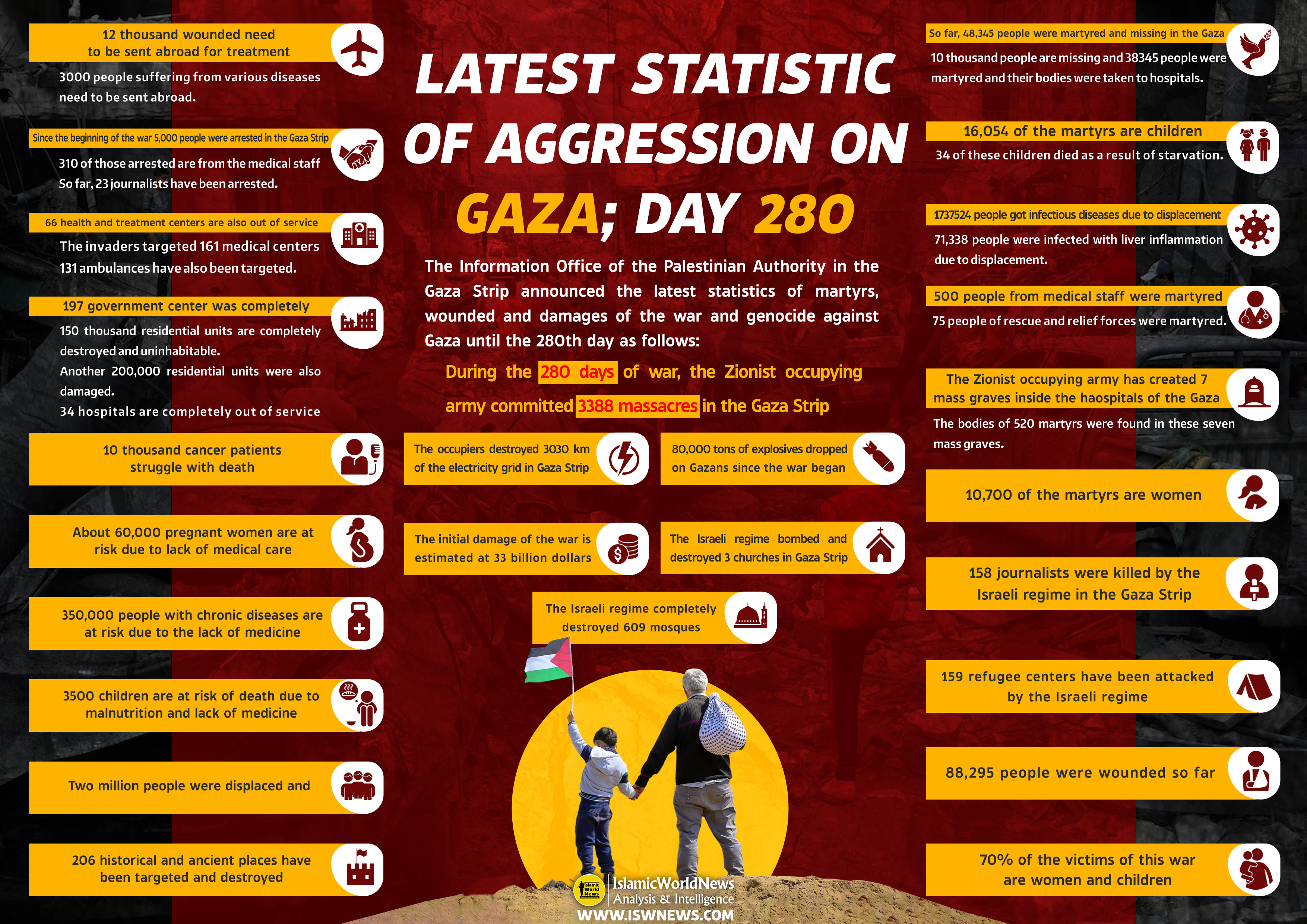
    Latest Statistic Of Israeli Aggression On Gaza; Day 280

    The Information Office of the Palestinian Authority in the Gaza Strip announced the latest statistics of martyrs, wounded and damages of the war in the Gaza Strip.

    The statistics are as follow:

    • The Israeli regime committed 3,388 massacres in the Gaza Strip during the 280 days of war.
    • So far, 48,345 people were martyred and missing in the Gaza Strip.
    • 10,000 people are missing and 38,345 people were martyred and their bodies were taken to hospitals.
    • 16,054 of the martyrs are children.
    • 34 of these children died as a result of starvation.
    • 10,700 of the martyrs are also women.
    • 500 medical staff were killed.
    • 75 people of rescue and relief forces were martyred.
    • 158 journalists were martyred.
    • The Israeli regime has created 7 mass graves inside the hospitals of the Gaza Strip. The bodies of 520 martyrs were found in these seven mass graves.
    • 159 refugee centers have been attacked by the Israeli regime.
    • 88,295 people have been injured so far.
    • 70% of the victims of this war are women and children.
    • 17,000 children lost their parents or one of them since the beginning of the war.
    • 3,500 children are at risk of death due to malnutrition and lack of medicine.
    • 12,000 wounded need to be sent abroad for treatment.
    • 10,000 cancer patients are struggling with death.
    • 3,000 people suffering from various diseases need to be sent abroad.
    • 1,737,524 were infected with infectious diseases due to displacement.
    • 71,338 people were infected with liver inflammation due to displacement.
    • About 60,000 pregnant women are at risk due to the lack of medical care.
    • 350,000 people with chronic diseases are at risk due to the lack of medicine.
    • Since the beginning of the war, 5,000 people have been arrested in the Gaza Strip.
    • 310 of those arrested are from medical and therapeutic staff.
    • So far, 23 journalists have been arrested.
    • Two million people were displaced and homeless in the Gaza Strip.
    • 197 government center was completely destroyed.
    • 115 universities and schools have been completely destroyed.
    • 328 other universities and schools were also damaged.
    • 609 mosques have been completely destroyed.
    • 211 other mosques were also damaged.
    • The occupiers have bombed and destroyed 3 churches.
    • 150,000 residential units are completely destroyed and uninhabitable.
    • Another 200,000 residential units have also been damaged.
    • Since the beginning of the war, 80,000 tons of explosives have been dropped on the people of Gaza.
    • 34 hospitals are completely out of service.
    • 66 health and treatment centers are also out of service.
    • The invaders targeted 161 medical centers.
    • 131 ambulances have also been targeted.
    • 206 historical and ancient places have been targeted and destroyed.
    • The Israeli regime destroyed 3,030 km of the electricity grid in the Gaza Strip.
    • The initial direct damage of the war is estimated at 33 billion dollars.
    Latest statistic of war in Gaza; day 280 – click to view full size
  • Latest Updates Gaza Strip, 16 March 2024

    Latest Updates Gaza Strip, 16 March 2024

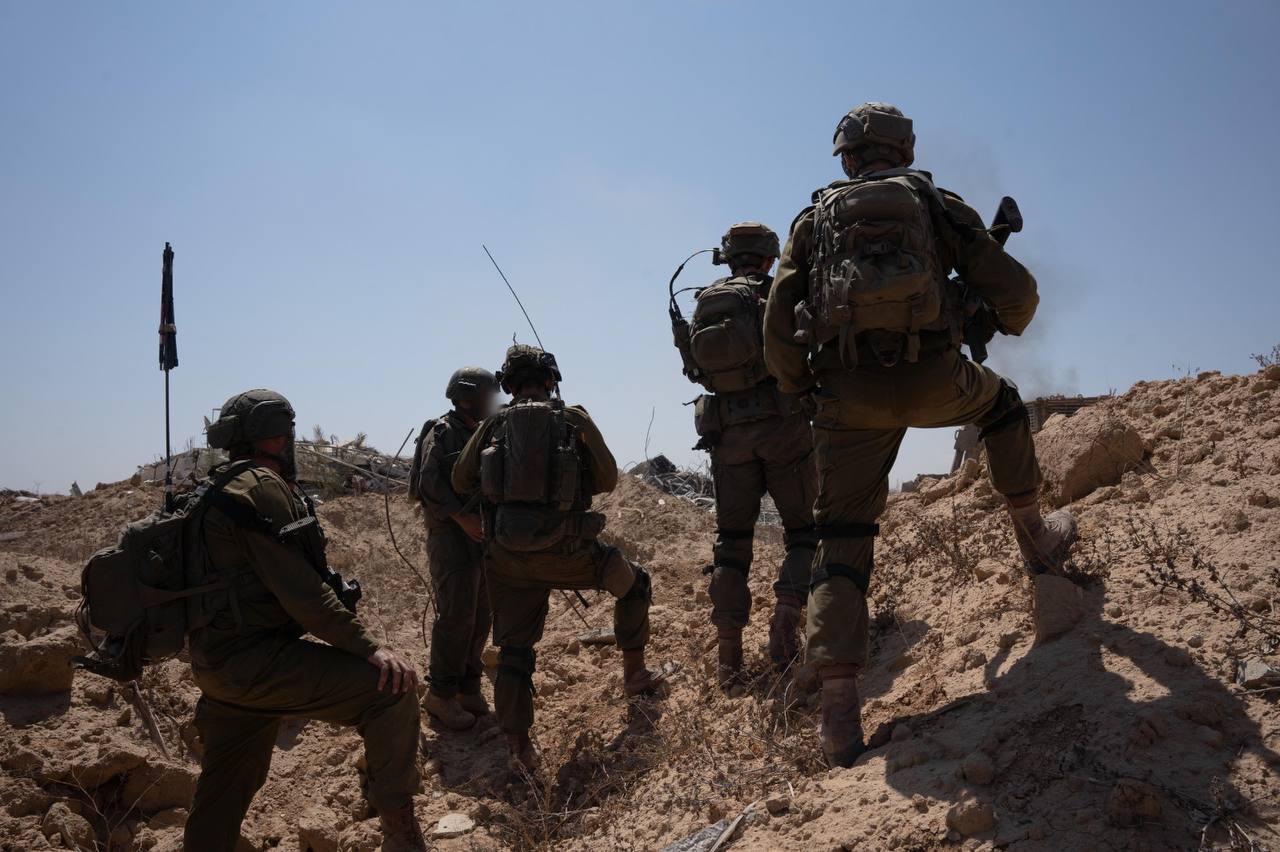
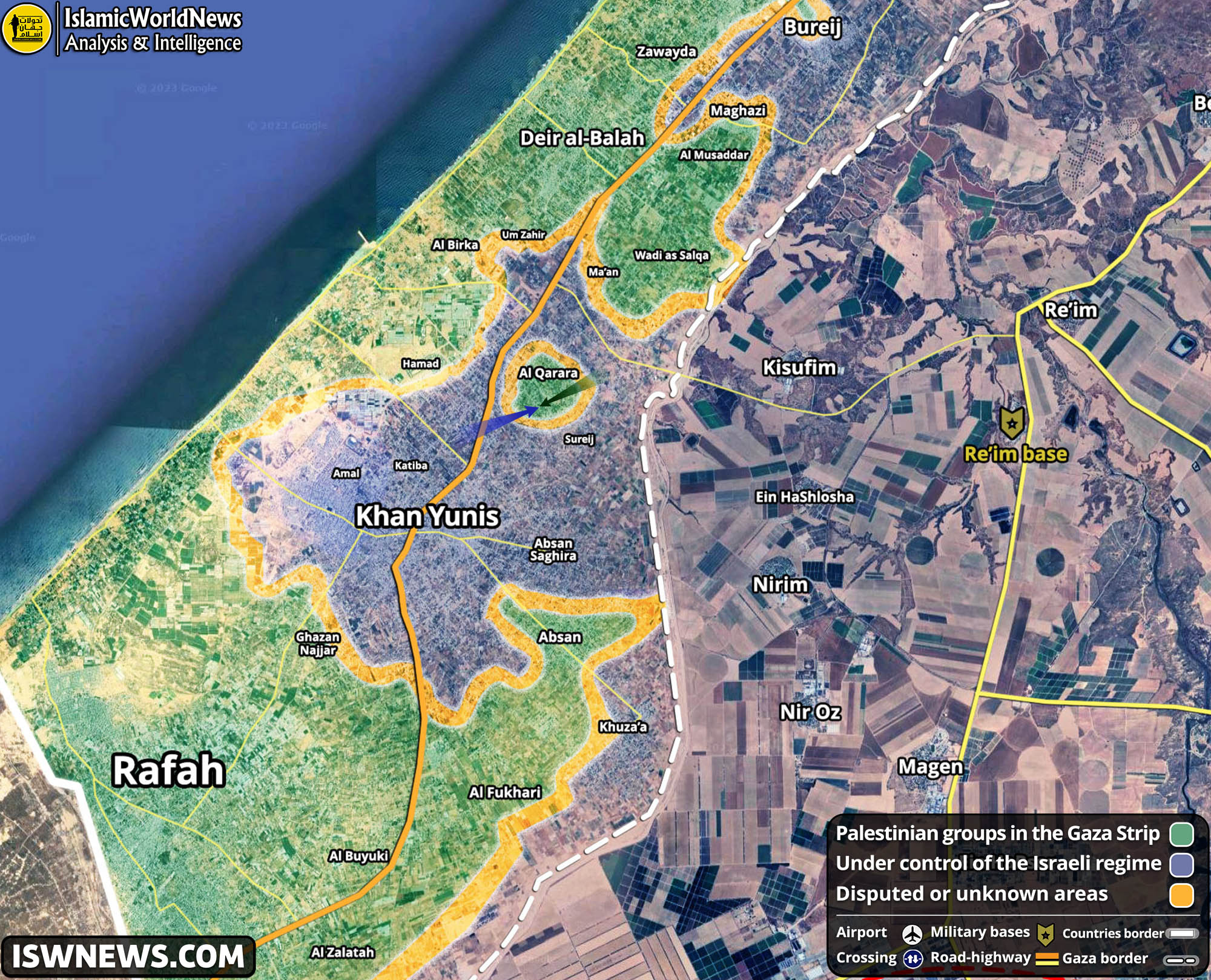
    1- According to the latest information, the Israeli regime’s army has retreated from some conflict zones in Khan Yunis city and concentrated its armored units in Al-Qarara town and its surroundings. In the past 48 hours, after Israeli artillery and aerial attacks on Al-Qarara, which resulted in the martyrdom and injury of several Palestinians, the military personnel of the occupying regime made slight progress in this axis.

    2- The Israeli regime’s artillery targeted Beit Hanoun city, southern areas of Al-Zeitoun neighborhood in Gaza city, northern and eastern parts of Al-Nuseirat camp, eastern regions of Rafah, eastern areas of Khan Younis, southern districts of Gaza city, eastern neighborhood of Al-Bureij camp, Al-Zahra municipality, and Beit Lahia city.

    3- The Israeli regime’s warplanes also bombarded targets in Rafah city, Gaza city, Al-Nuseirat camp, Al-Mahatta area, and Al-Rimal neighborhood in Gaza city.

    4- Following an Israeli warplane attack on a building in Al-Nuseirat camp in the central Gaza Strip, 7 Palestinians were martyred and 10 others were wounded.

    5- The Al-Aqsa Martyrs Brigades (AMB), a coalition of Palestinian resistance groups, announced that their fighters targeted an Israeli military bulldozer in Hamad neighborhood on the outskirts of Khan Younis.

  • Hamas Received The Draft Proposal Of Paris Talks

    Hamas Received The Draft Proposal Of Paris Talks

    Based on this draft, all military operations will be stopped for 40 days and for every Zionist prisoner in Gaza, 10 Palestinian prisoners will be exchanged. Hospitals and bakeries are being repaired in Gaza.

    According to Reuters, the proposed plans include:

    • Both parties stop their military operations completely.
    • Aerial reconnaissance operations over Gaza will stop for eight hours a day.
    •  All Israeli hostages, including women, children under 19 years of age, the elderly aged 50 years and above, and the sick, must be released in exchange for a specific number of Palestinian prisoners according to the numbers listed below.
    • In exchange for the 40 hostages listed under the humanitarian category, approximately 400 Palestinian prisoners will be released, according to the ratio of 10 prisoners to one hostage.
    • Gradual return of all displaced civilians – except men of military service age – to the northern Gaza Strip.
    •  After commencing the first phase, Israel will reposition its forces away from densely populated areas in the Gaza Strip.
    • Commitment to bring in 500 trucks per day of humanitarian aid.
    • Commitment to providing 200,000 tents and 60,000 caravans.
    • Allowing the rehabilitation of hospitals and bakeries in Gaza, including immediately allowing the entry of necessary equipment and providing shipments of fuel for these purposes, according to quantities to be agreed upon.
    • Israel agrees to the entry of heavy machinery and equipment to remove rubble and assist with other humanitarian purposes, with the provision of fuel shipments necessary for these purposes, according to quantities to be agreed upon, provided that they increase over time. Hamas pledges not to use these machines and equipment to threaten Israel.
    • It is understood that the arrangements agreed in the first phase will not apply to the second phase, which will be subject to subsequent separate negotiations.

    In this regard, the American media Axios announced that the Hamas movement is discouraged from the new proposals to reach a ceasefire agreement and the exchange of prisoners in the current battle, and there are still wide differences between them and the Zionist regime. There is no room for optimism and at the current stage, it is difficult to imagine an agreement between Israel and Hamas before Ramadan.

    It is worth mentioning that during the last four months, high-level talks were held between the American, Qatari and Israeli delegations to stop the war, but these meetings did not have any specific results; And so far, efforts to establish a ceasefire and exchange prisoners between Hamas and the Israeli regime have been unsuccessful.