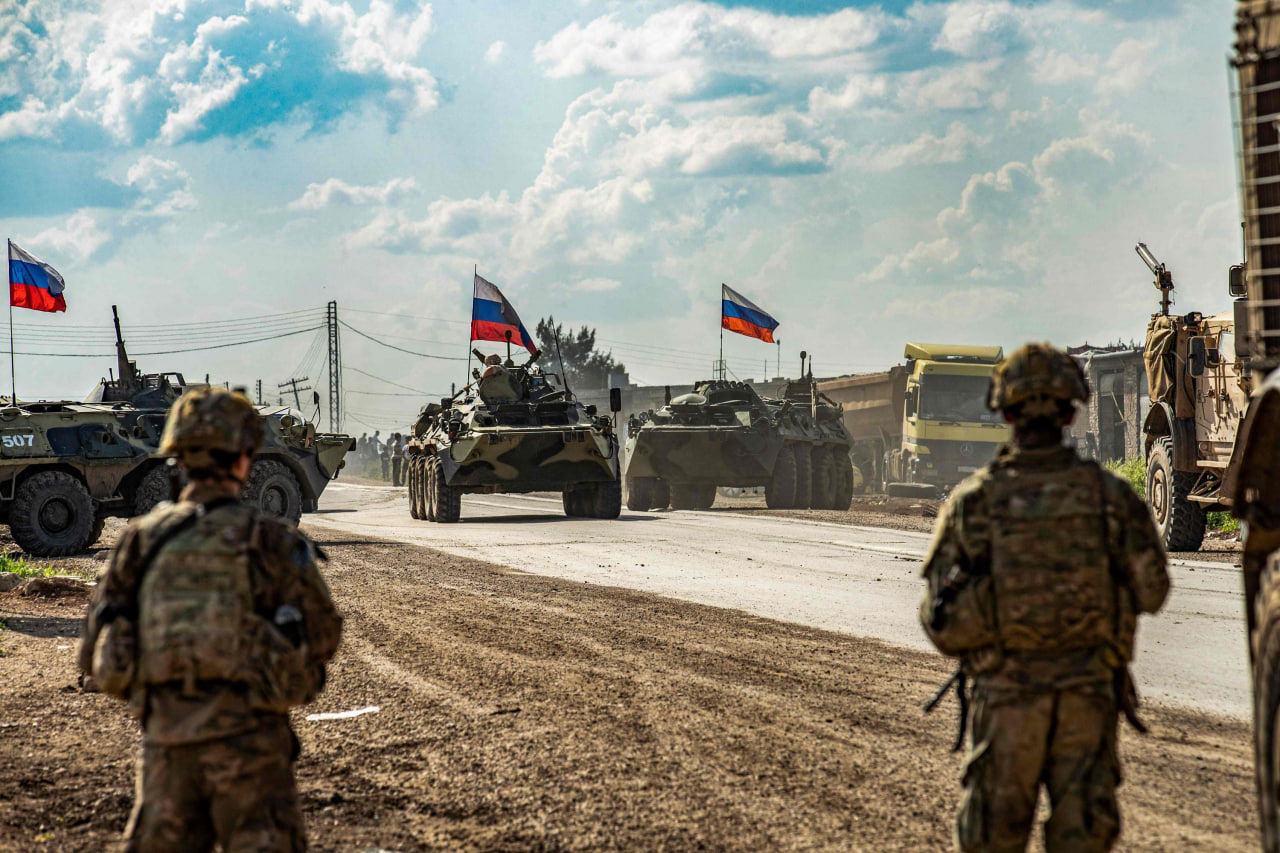
Oleg Zhuravlev, Deputy Director of the Russian Reconciliation Center in Syria, said during a press conference on June 7 that Syrian and Russian military forces conducted identification and cleansing operations against terrorists in Homs province.
According to Zhuravlev’s statements, as a result of the joint operation between Syrian army units and Russian military personnel, at least 20 terrorists were killed, as much as nine weapons and ammunition depots were destroyed, and 30 terrorist hideouts were demolished.
Russian media reports indicate that this joint identification and cleansing operation by Russian and Syrian forces took place in the north and northeast of Homs province.
It is worth noting that over the past six years, despite ongoing operations by the Syrian army, the Syrian Desert and various parts of Homs province have experienced daily attacks by ISIS terrorists against civilians, facilities and military headquarters.
Furthermore, hundreds of Syrian army forces and allies have been martyred during cleansing operations in the Syrian Desert. However, hidden ISIS cells remain present in these areas and continue to impact the security of some Syrian regions with their terrorist actions.
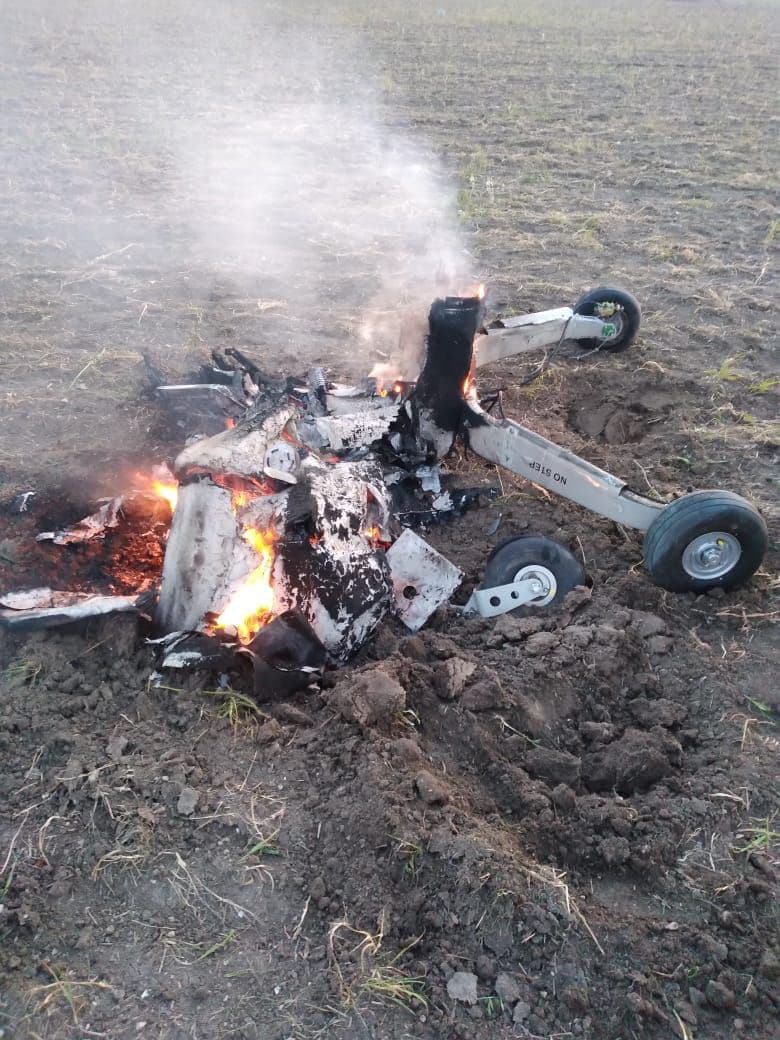
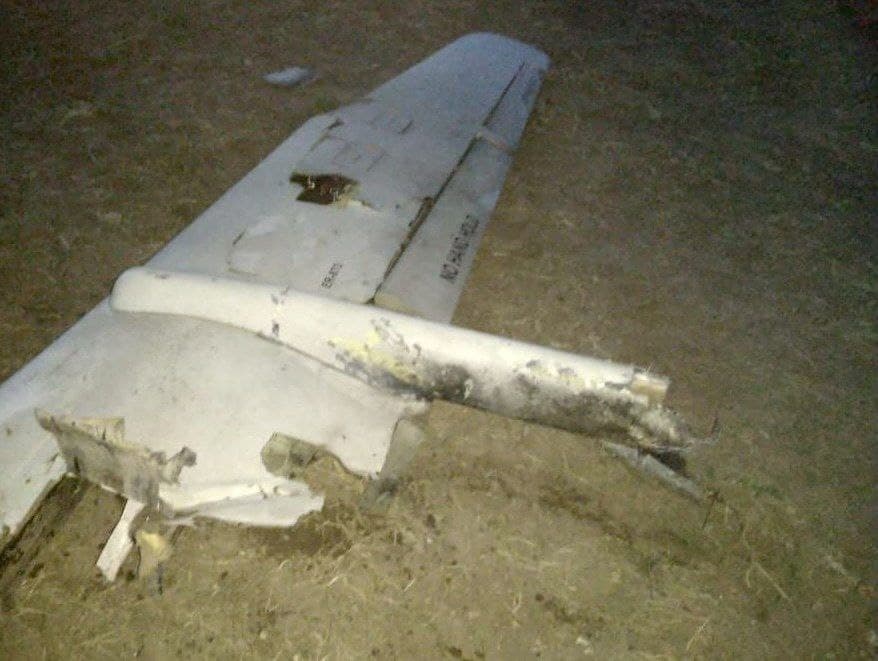
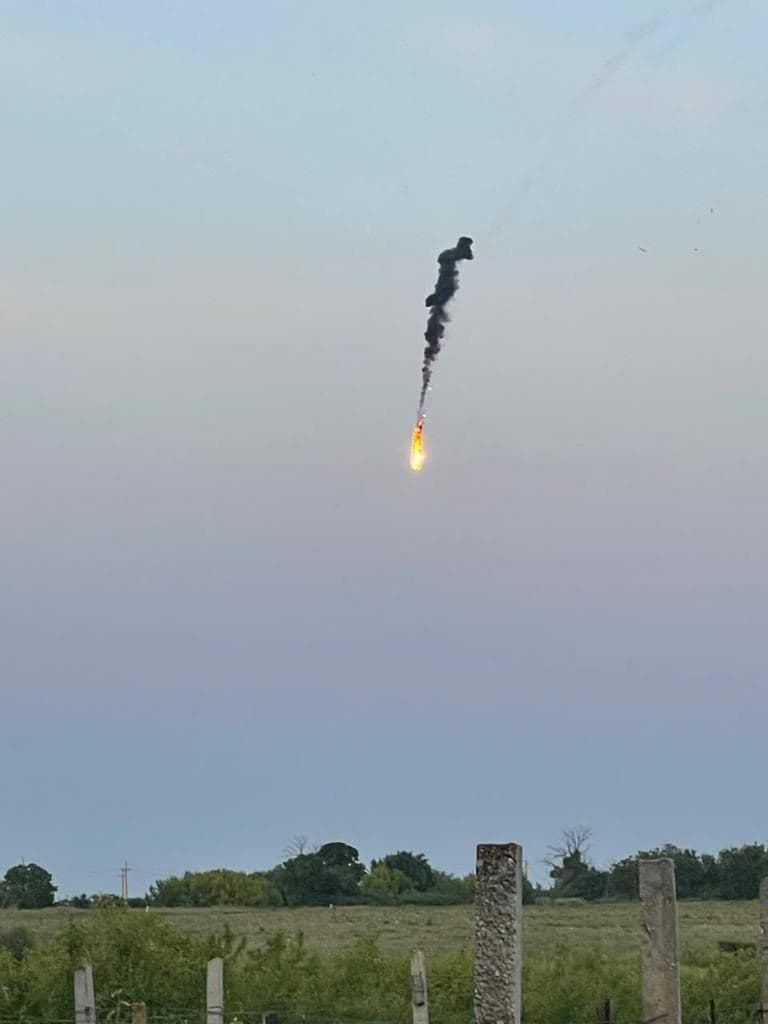
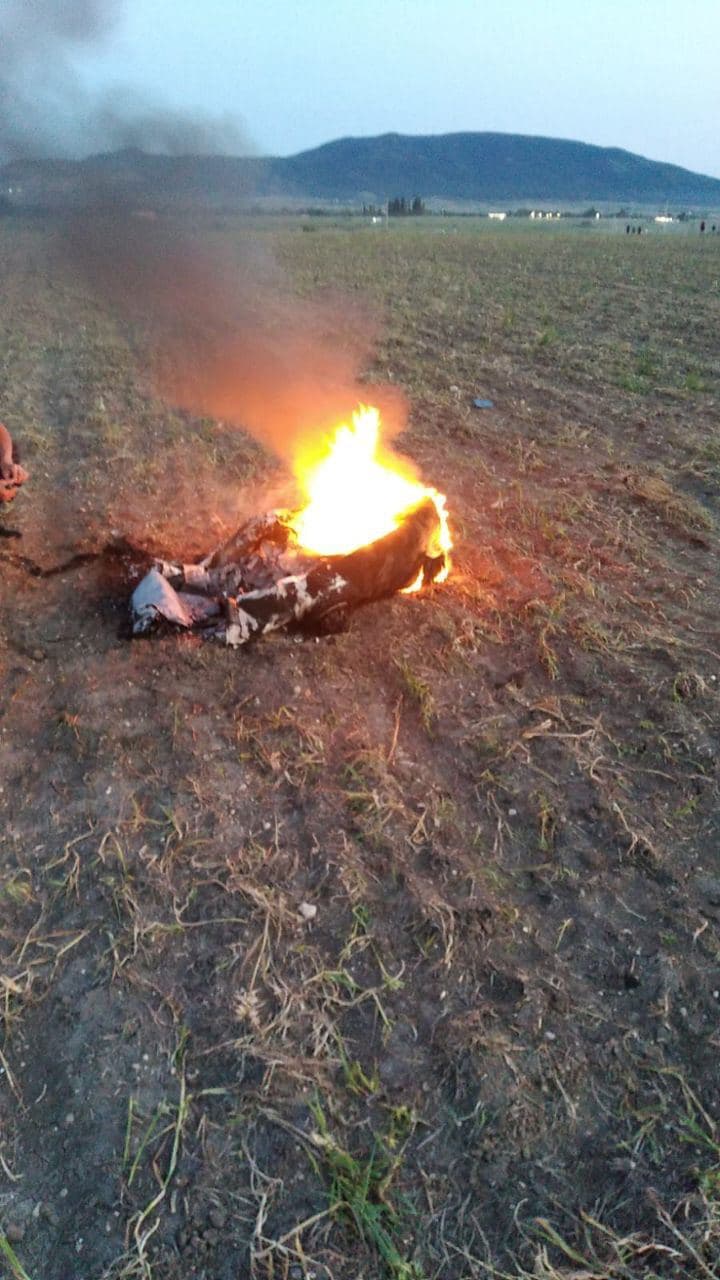
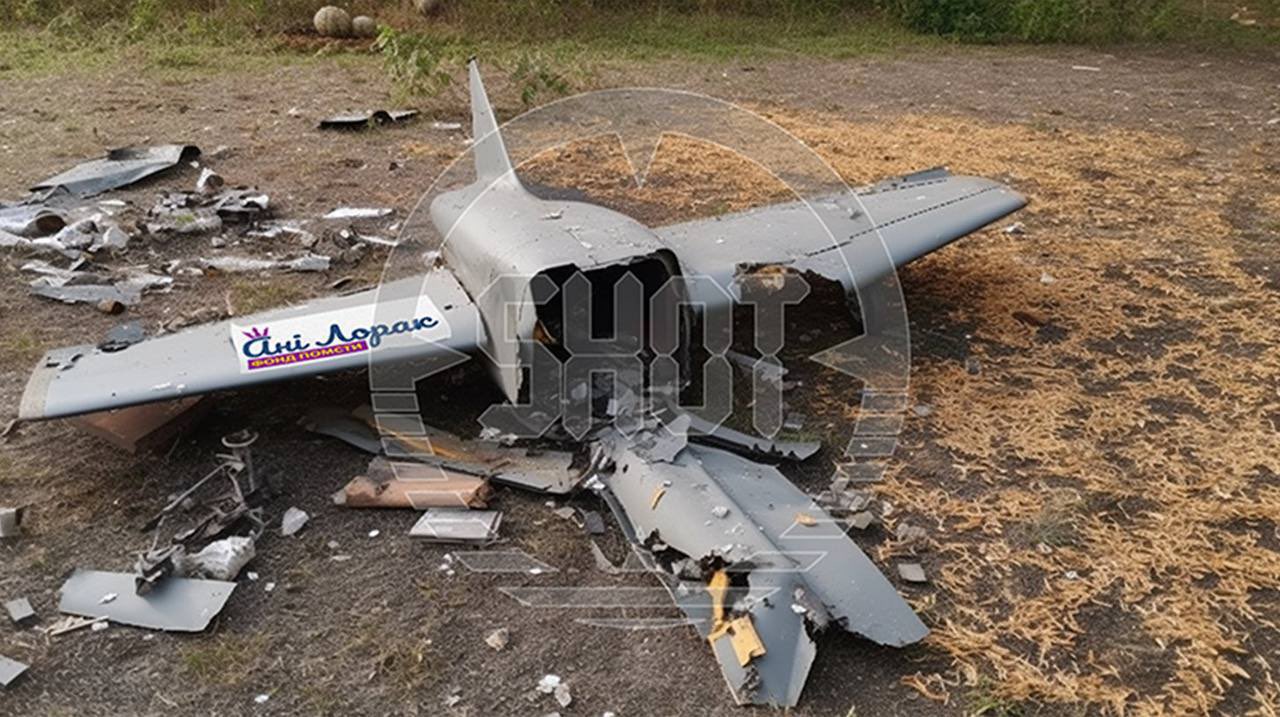
At first, local sources in the Crimean peninsula said that the Russian air defense systems shot down an unknown drone in the eastern regions of Crimea on the evening of June 6. A little later, with the release of images of the wreckage of the targeted drone, it was revealed that this drone is of the Mohajar-6 type. Also, in another image, the wreckage of the drone can be seen burning, which rejects the idea that it fell due to a technical defect. Therefore, it is most likely that it was targeted by the Russian air defense and by mistake.
This is the second Mohajer-6 drone to be shot down during the war in Ukraine. Previously, in 23 September 2022, a Mohajer-6 crashed in the Black Sea near the coast of Odesa, which confirmed the claim of selling Iranian UAVs to Russia.
Mohajer-6 is a medium-class multirole drone and Iran’s most successful export drone. So far, Iran exported this drone to countries like Iraq (Hashd al-Shaabi), Ethiopia, Venezuela and Russia.
Alleged wreckage of Mohajer-6 drone downed in Crimea
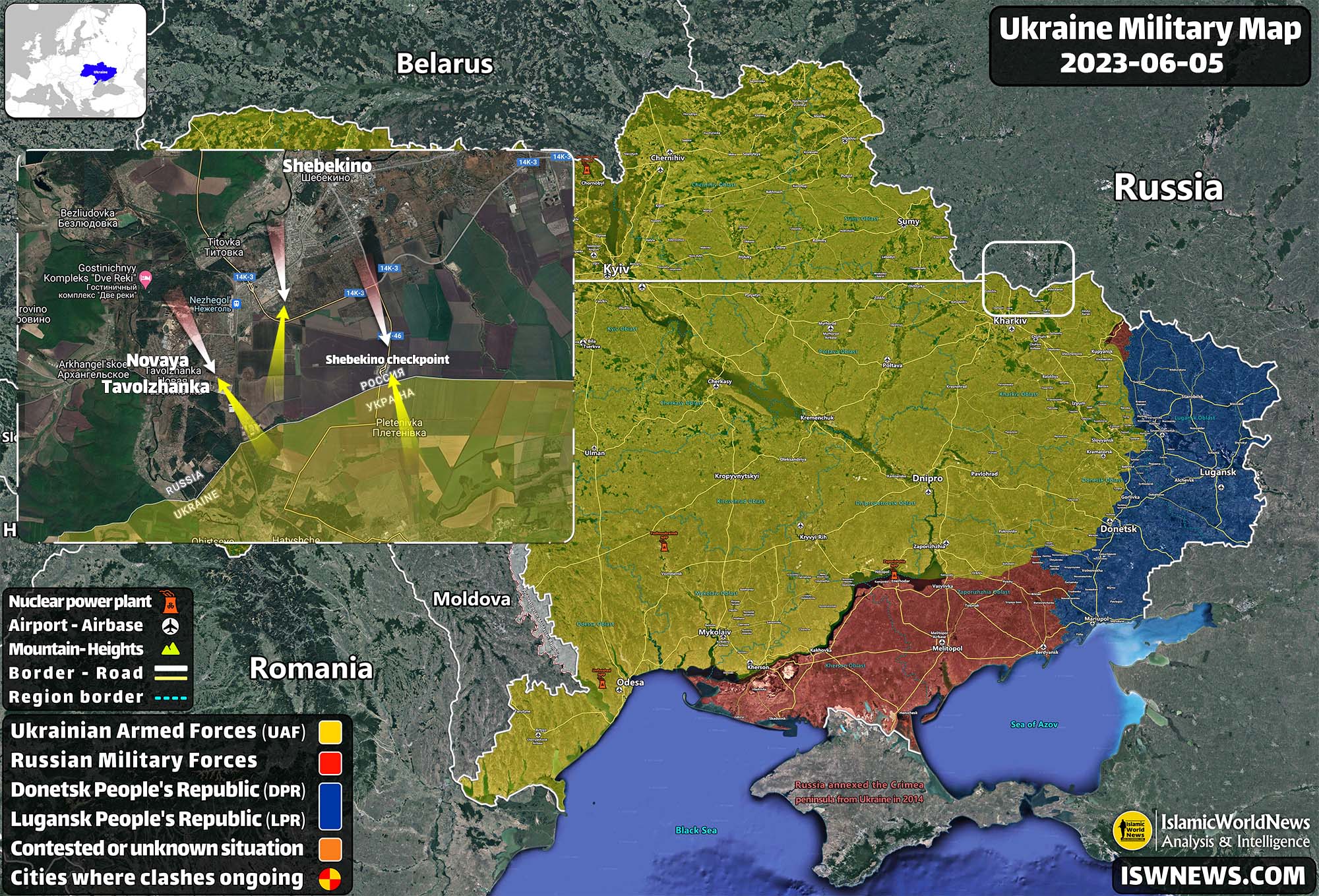
Russia’s media outlets have reported that the Russian Armed Forces along with border guards and other units of the Federal Security Service (FSB) succeeded in repelling a strike by the Armed Forces of Ukraine and the militants of the Russian Volunteer Corps (RDK) to carry out a terrorist operation in the town of Shchekino (Shchyokino) in the western of Belgorod region.
According to the Russian reports, two military groups from the Armed Forces of Ukraine and the Russian Volunteer Corps (RDK) with the support of tanks and artillery of the Ukrainian army intended to enter the towns of Novaya Tavolzhanka and Shchekino in Russian territory at 3 am (Moscow time) on Thursday (June 1), but their attack was unsuccessful due to the efforts made by the Russian military forces.
The Russian Ministry of Defense declared that in the operation, fighter jets carried out 11 air strikes and artillery units carried out 77 attacks against the Ukrainian forces. The military operation resulted in the death of more than 30 Ukrainian forces as well as the destruction of four armored vehicles, one Grad rocket launcher and a military van.
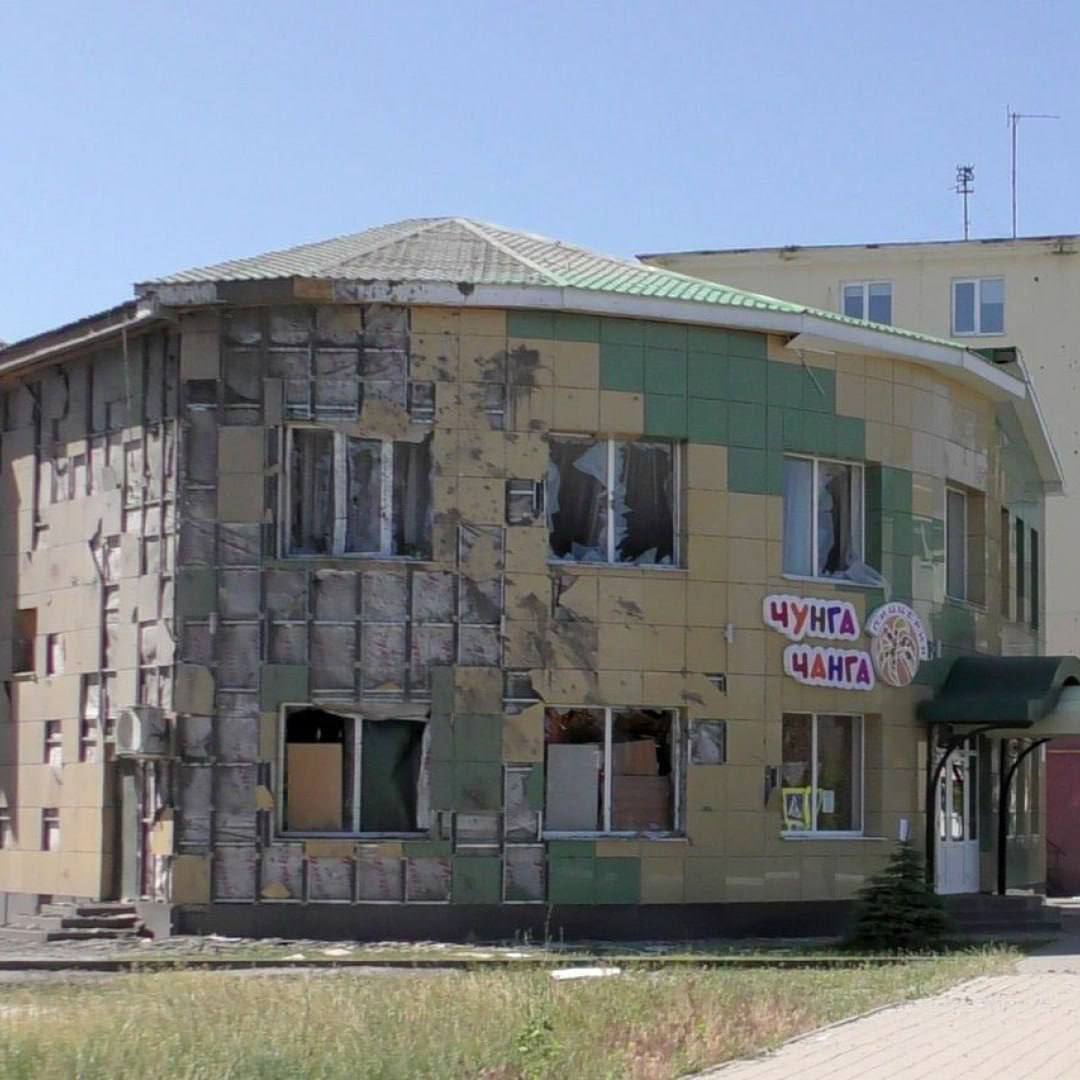
In the beginning of the confrontation, Ukrainian armed forces succeeded in capturing a Shebekino border post, and militants of the Russian Volunteer Corps also infiltrated the towns of Novaya Tavolzhanka and Shebekino, where they took some Russian army forces captive.
However, after a few minutes the Russian Armed Forces bombarded the positions of Ukrainian military forces at the Shebekino border post and RDK militants in the towns of Novaya Tavolzhanka and Shebekino; then the Russians cleared the areas from the control of Ukrainian armed forces and militants of the Russian Volunteer Corps.
After this initial encounter, militants of the Russian Volunteer Corps offered local Russian authorities a prisoner swap at the church of Novaya Tavolzhanka town in a video message. And governor of Belgorod Vyacheslav Gladkov responded positively to the prisoner exchange request and demanded the delivery of prisoners at the Shebekino post, but the exchange meeting turned into a conflict and Russians attacked the exchange site in an air strike.
Then, militants of the Russian Volunteer Corps released a new video in which they rejected Governor Belgorod’s offer to meet at Shebekino post and announced that there would be no exchange of Russian war prisoners. (Video No. 4) The images show a total of 13 prisoners, 10 out of the number were visible present at the video recording location and three others were injured and lying on beds.
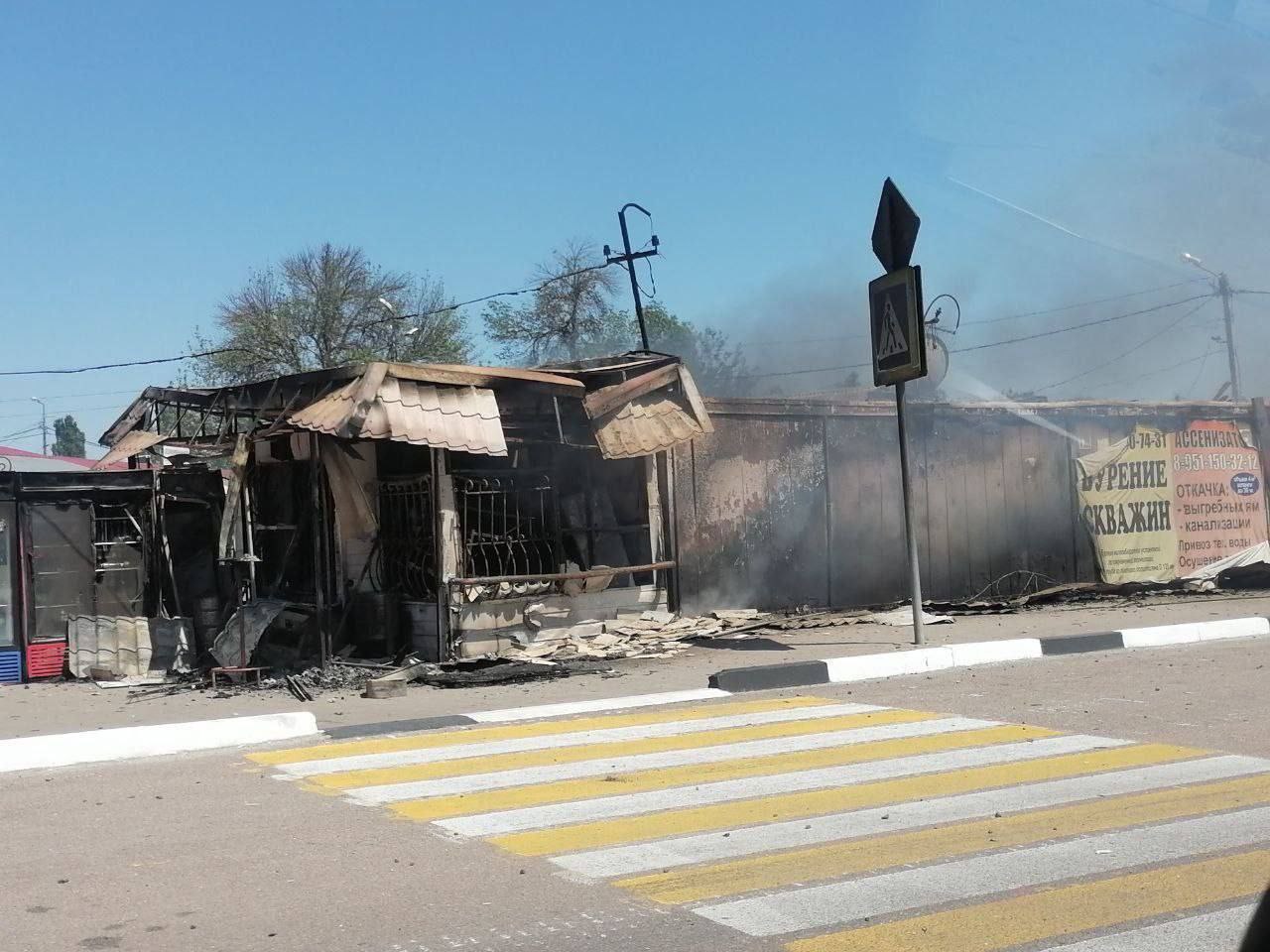
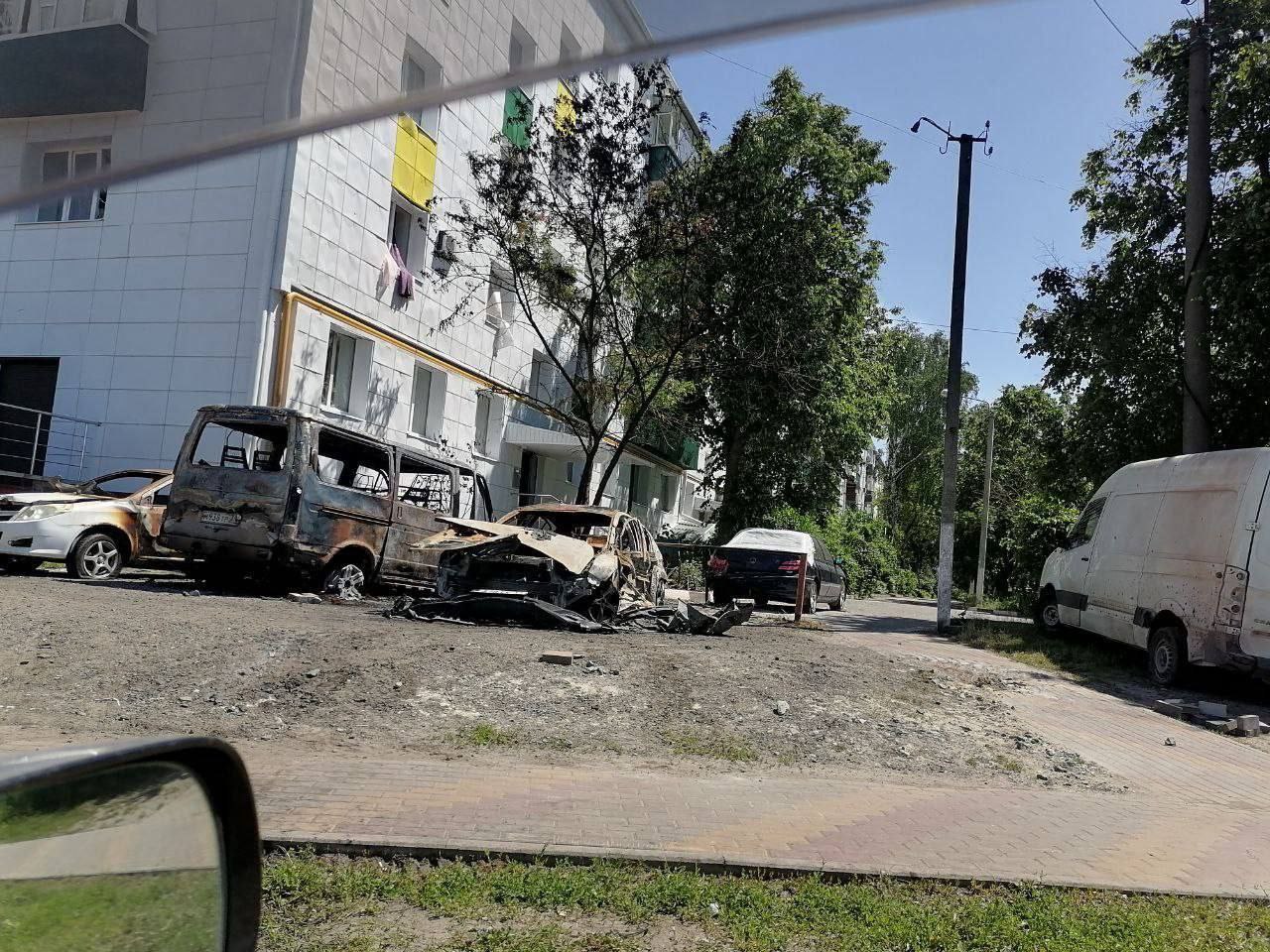
No further details have been released about the final outcome of the conflict and the fate of Russian prisoners, but Russia claims to have recaptured border areas, while the Ukrainian military forces and RDK militants released videos on June 4 to deny retreating to the Ukrainian territory. According to the video Number 5, the RDK militants are still present on the outskirts of Novaya Tavolzhanka border town and Shebekino post with the support of the Ukrainian Armed Forces, and it seems that the conflict in Russian territory is still ongoing.
Simultaneous with the mentioned attack, the Ukrainian Armed Forces launched other strikes on the Zaporozhye and Donetsk fronts, which the Russian Ministry of Defense claims to have repelled. However, field reports show that the fighting is still ongoing in the areas and some sources speak of the start of a spring operation by the Ukrainian Armed Forces, which was declared some months earlier.
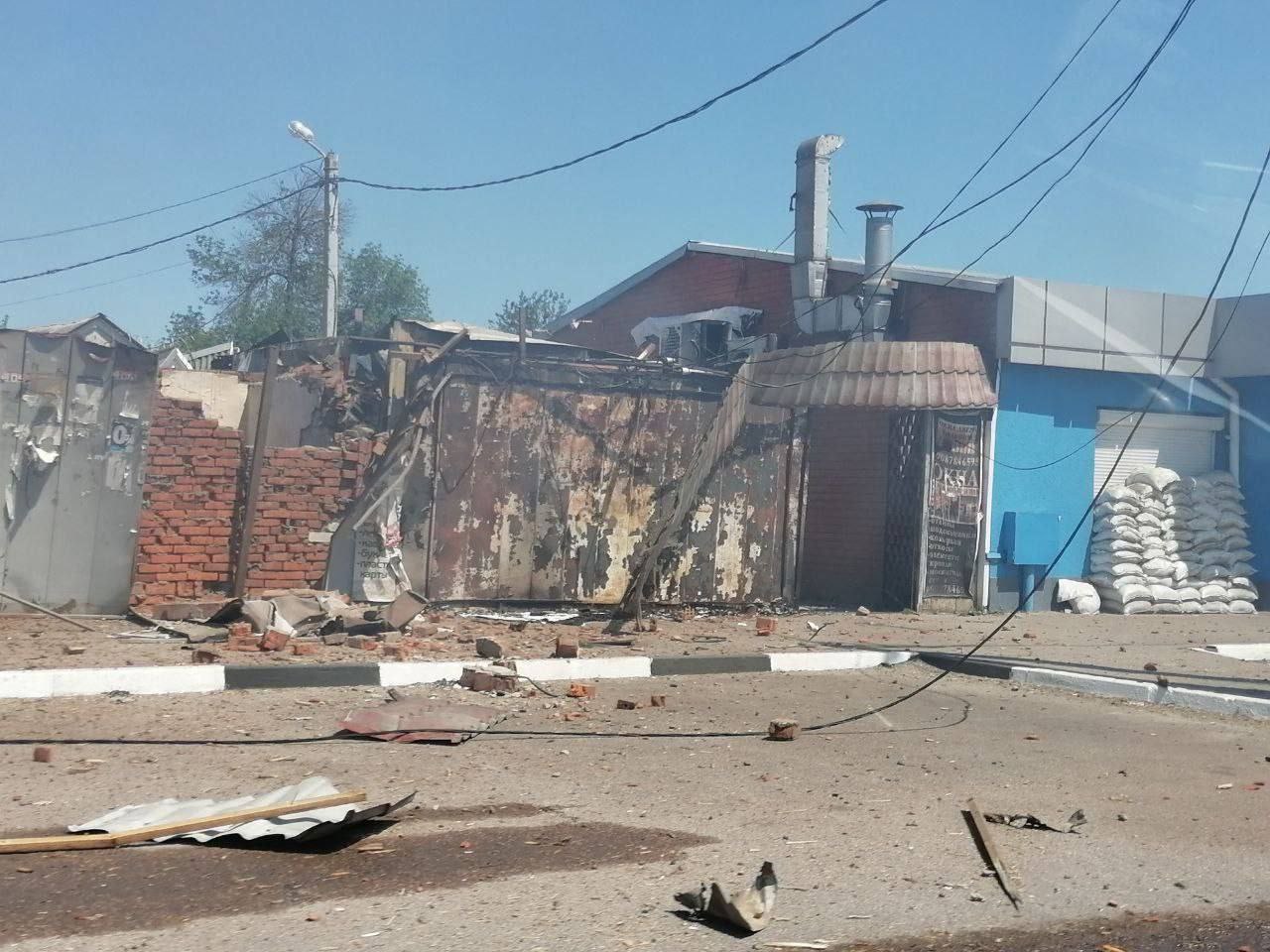
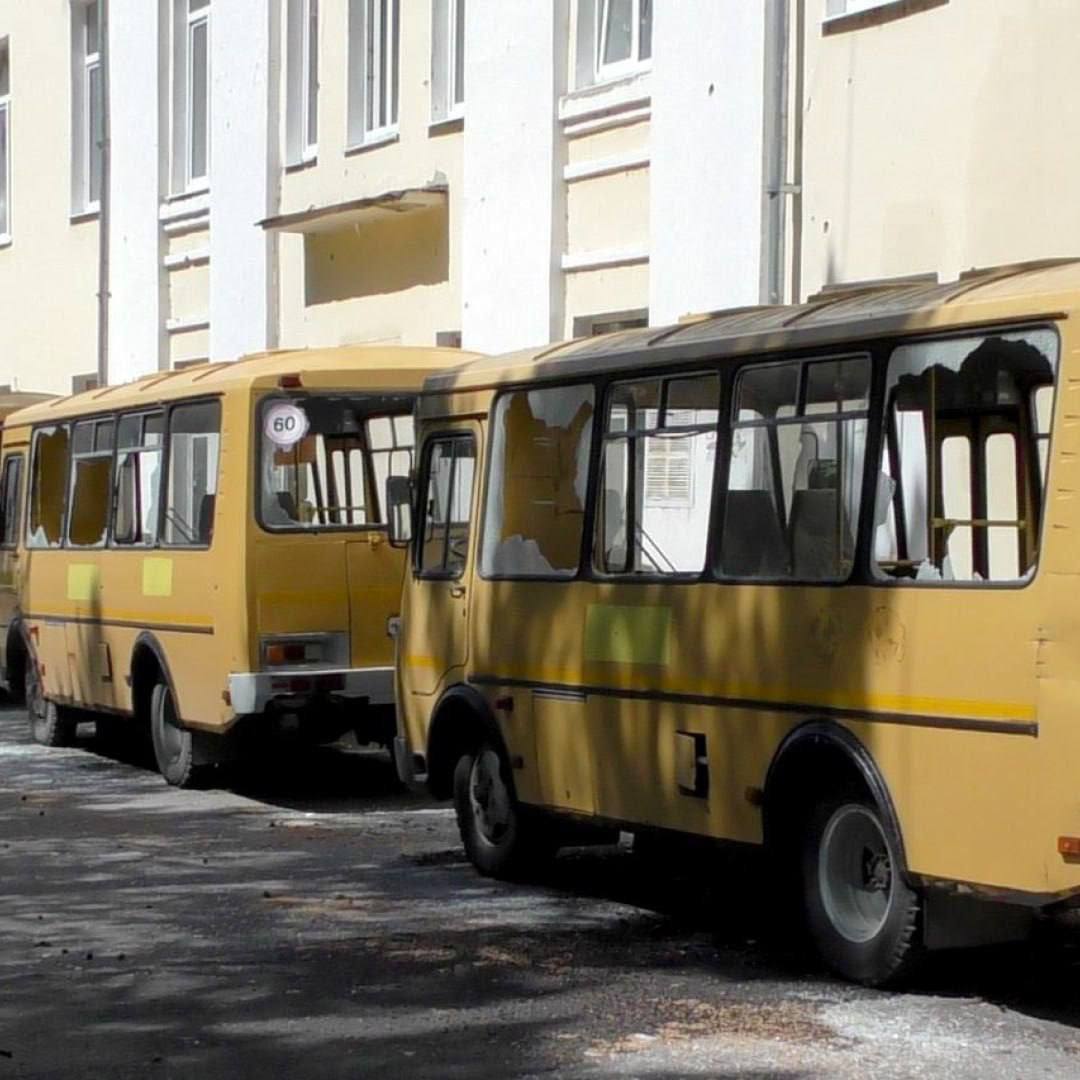
Click to view full sizeRDK forces inviting Belgorod authorities to exchange prisoners in Novaya Tavolzhanka regionThe positive response of Vyacheslav Gladkov, the governor of Belgorod, to the request of Ukrainians for the exchange of prisonersUkrainian rocket attack on Shebekino checkpointThe prisoners of the Russian army in the captivity of the RDK forces and the cancellation of the exchange of prisoners by these forcesRDK forces in Novaya Tavolzhanka settlementImages of Shebekino settlement after the bombing and conflict between Russian and Ukrainian forces
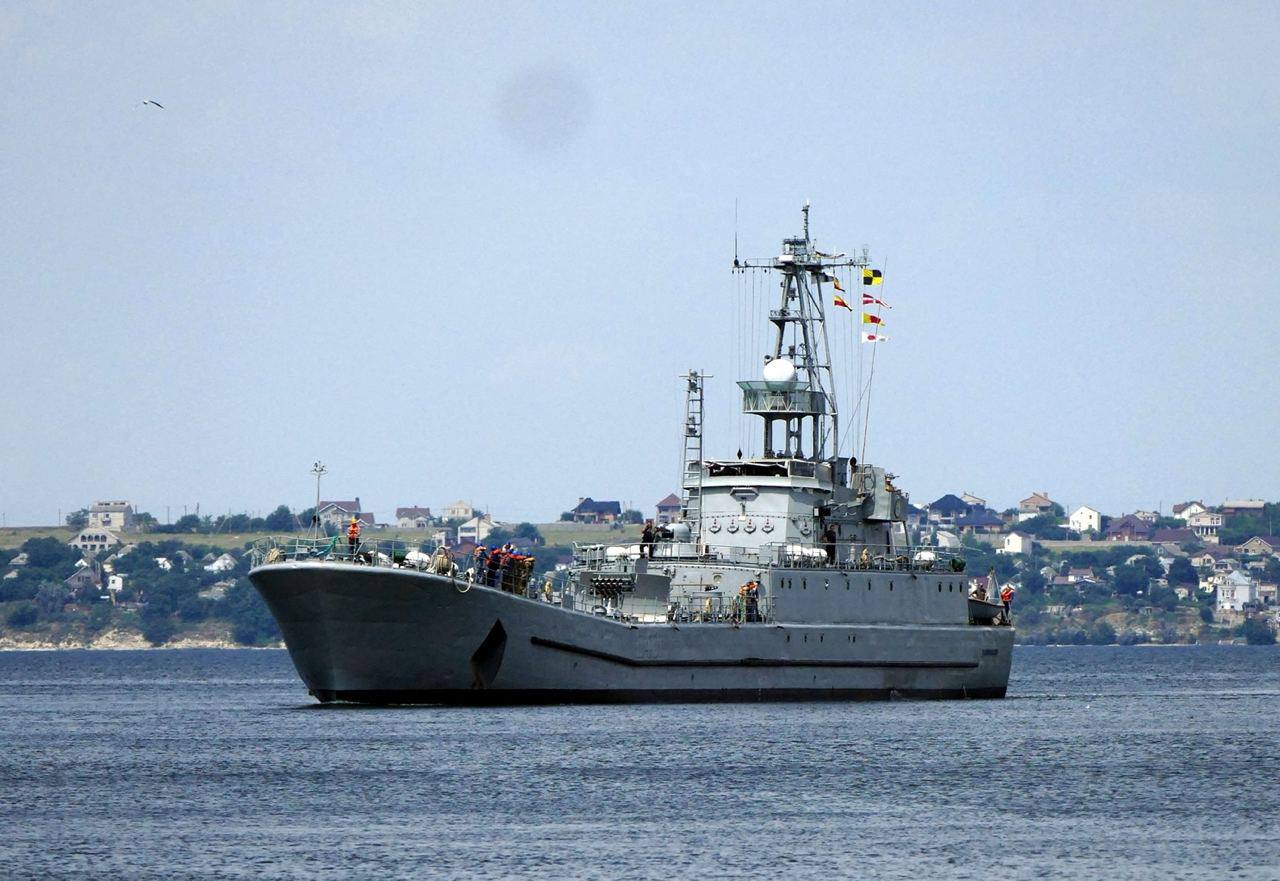
“On May 29, as a result of a high-precision strike launched by the Russian Aerospace Forces against a military berth in the port of Odessa, the last of the Ukrainian warships, Yuri Olefirenko, was destroyed,” the Russian Defense Ministry said in an official statement on May 31.
In the early stage of the conflict, the Ukrainian combat ship operated in the Dnieper-Bug estuary. The Armed Forces of Ukraine shelled Kherson region with Grad rocket launchers installed on the ship.
Later, the combat ship moved to the port of Yuzhny, and then to Odessa. The Kyiv used the grain deal to protect the combat ship, but after repeated violations of the agreement, the Russian military opted to respond.
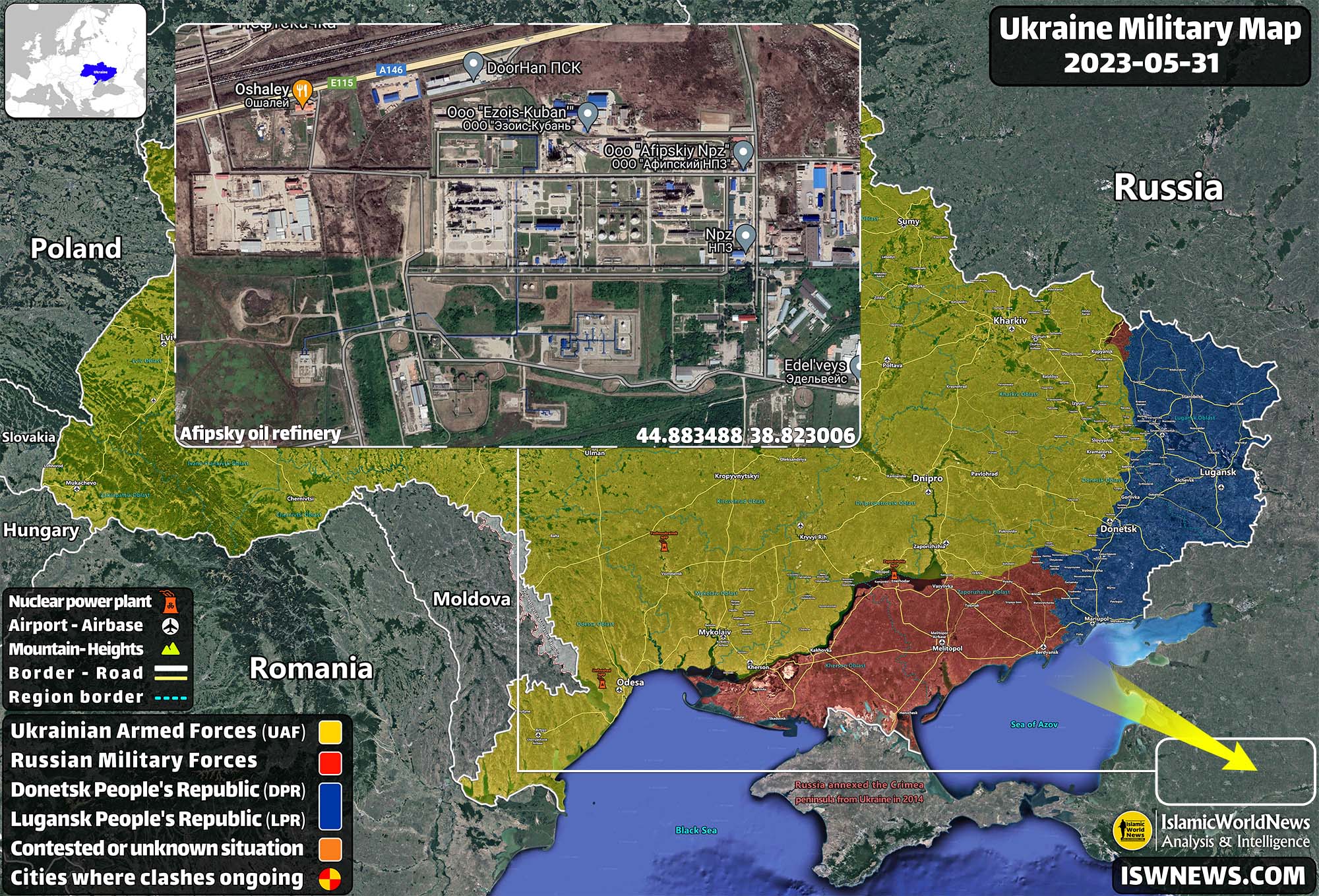
During this morning’s attack by the ,Ukrainian suicide drones on the Afipsky oil refinery, one of the heating oil distillation units was damaged and caught fire. The Afipsky oil refinery is located 15 km away from Krasnodar.
According to Russian media reports, there were no casualties in this attack, and the Russian firefighters have managed to extinguish the fire in this refinery.
At the same time as this attack, the Ukrainian army attacked the border village of Tetkino in Kursk Oblast with an artillery attack, which led to the destruction of several residential buildings in this village. Also, Russian sources reported the downing of 10 Ukrainian drones over the Klimovsky district in Bryansk Oblast by electronic warfare systems.
This is not the first such attack in this region. The Ukrainian army has attacked Russian refineries in the southern federal district centered on Krasnodar three times in the past month. In the first attack, they targeted the Ilsky Refinery with a drone that did not cause any damage and casualties; And the second attack, the Russian air defense systems managed to shoot down all the drones attacking the Ilski Refinery.
According to Russian news sources, the capital city of Moscow was attacked by several Ukrainian UJ-22 suicide drones at dawn today. The Russian army air defense systems reportedly managed to destroy some of these drones and some others hit residential buildings.
The Russian Ministry of Defense stated the number of attacking drones as eight, five of which were shot down by the Pantsir short-range air defense systems and the other three with electronic warfare.
The Ukrainian army drone attack did not result in any casualties; However, the drones hit several buildings and caused minor damage in the residential areas of Moscow.
The city of Moscow is located 470 kilometers from the northern borders of Ukraine and has rarely been attacked since the onset of war. During the past days, the Russian army has continuously attacked the city of Kiev with drones and missiles; Hence, the Ukraine attack on Moscow can be considered as Ukraine’s retaliationary response to Russia’s attacks.
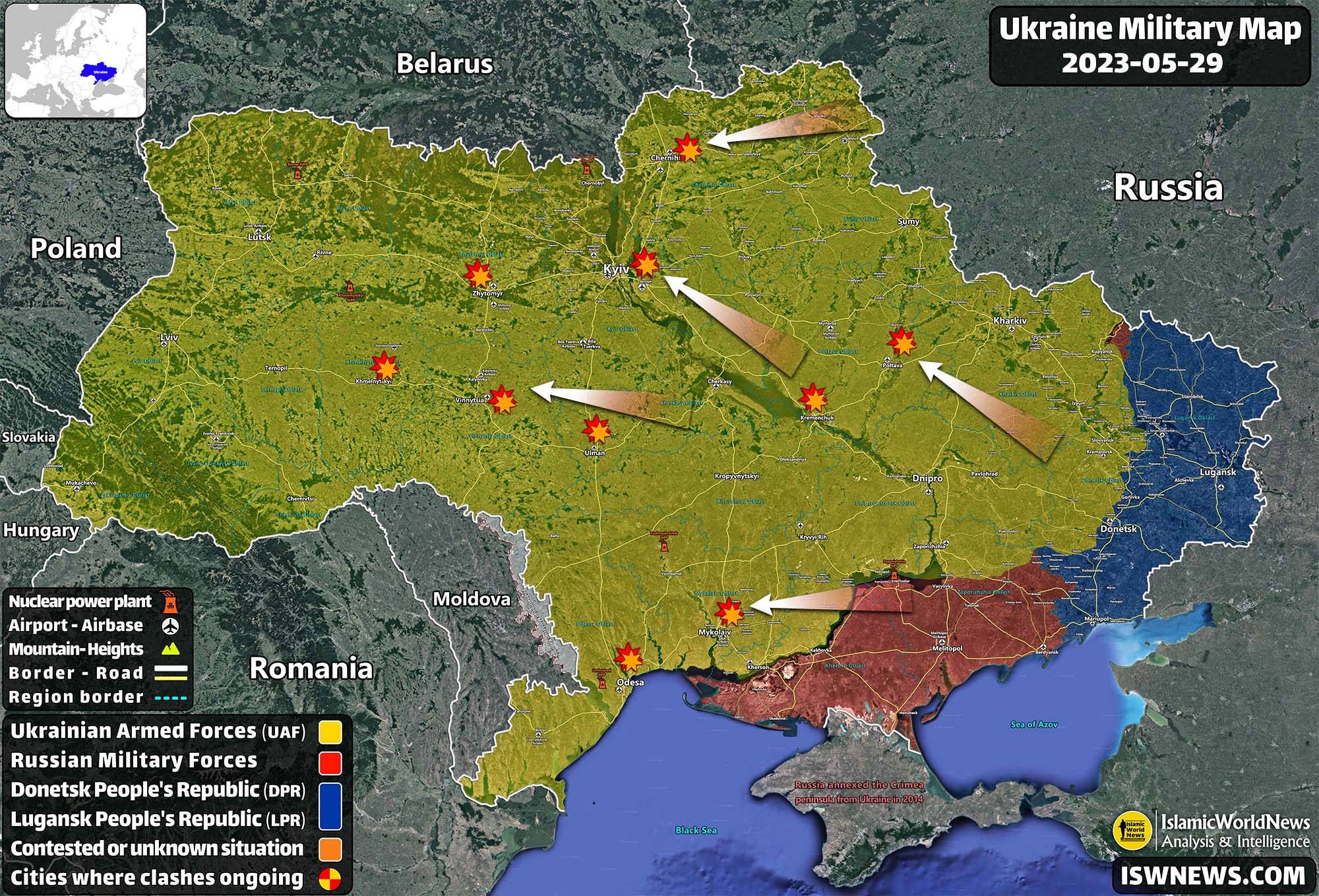
According to information from Russian sources, the Russian army simultaneously utilized several Shahed-136 suicide drones and flew its strategic Tu-95 bombers in the sky of the Caspian Sea and fired a large number of Kh-101 and Kh-55 cruise missiles at targets in the north, south and west of Ukraine.
There have not been released any documentary evidence or accurate data concerning today’s strikes, but a review of the available information indicates that the Russian army launched a massive airstrike on different areas in Ukraine.
Consistent with Ukrainian media reports, the red alert siren sounded in most Ukrainian cities and several explosions took place in the Obolon district of Kiev, Odessa, Uman city in Cherkasy Oblast, Poltava as well as an air base in Khmelnytskyi Oblast.
There have not been published any precise information on the details of the explosions and it is only being said that the ammunition and fuel depot of the air base has been demolished and the extent of the blasts damaged five Ukrainian aircraft in the air base.
In accordance with a statement released by the Ukrainian Air Force Command in this morning, some 9 Russian strategic Tu-95 bombers fired 40 Kh-101 and Kh-55 cruise missiles from the Caspian Sea towards targets in Ukraine, and 37 missiles out of the number were destroyed by the Ukrainian air defense.
Moreover, some 35 Shahed 136 or 131 suicide drones were fired from the north and south of Ukraine, and 29 UAVs out of the number were shot down by the Ukrainian armed forces. The Ukrainian army also intercepted and shot down a Russian reconnaissance drone during the vast military operation.
The analysis made by ISWnews on the basis of documentary evidence shows that this is the ninth large-scale strike by the Russian armed forces on Ukraine since the onset of 2023.
The Ukrainian army claims on a daily basis that Russia carried out wide-ranging missile or drone strikes; however, most of allegations lack documentary evidence and are media-oriented claims. For instance, the Ukrainian armed forces recently alleged that the Russian army had attacked Ukraine from two axes with 54 Shahed-136 suicide drones as part of its largest drone attack on May 28, and that the Ukrainian air defense succeeded in destroying 52 of the alleged drones!
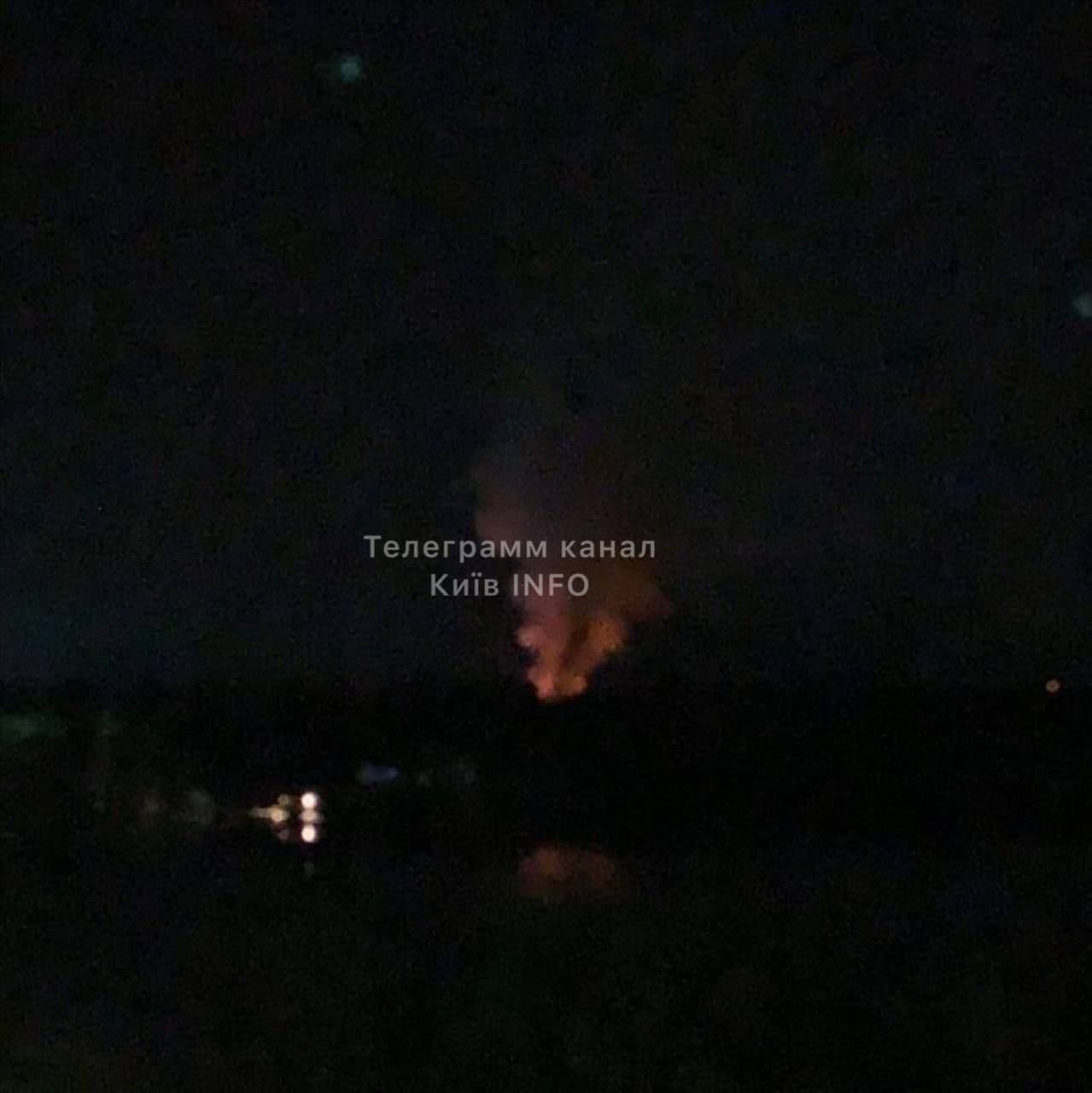
Click to view full size mapSiren in the city of KievUkrainian air defense countered with targets in the sky of Odessa cityA picture of the moment of the explosion in the city of Kiev
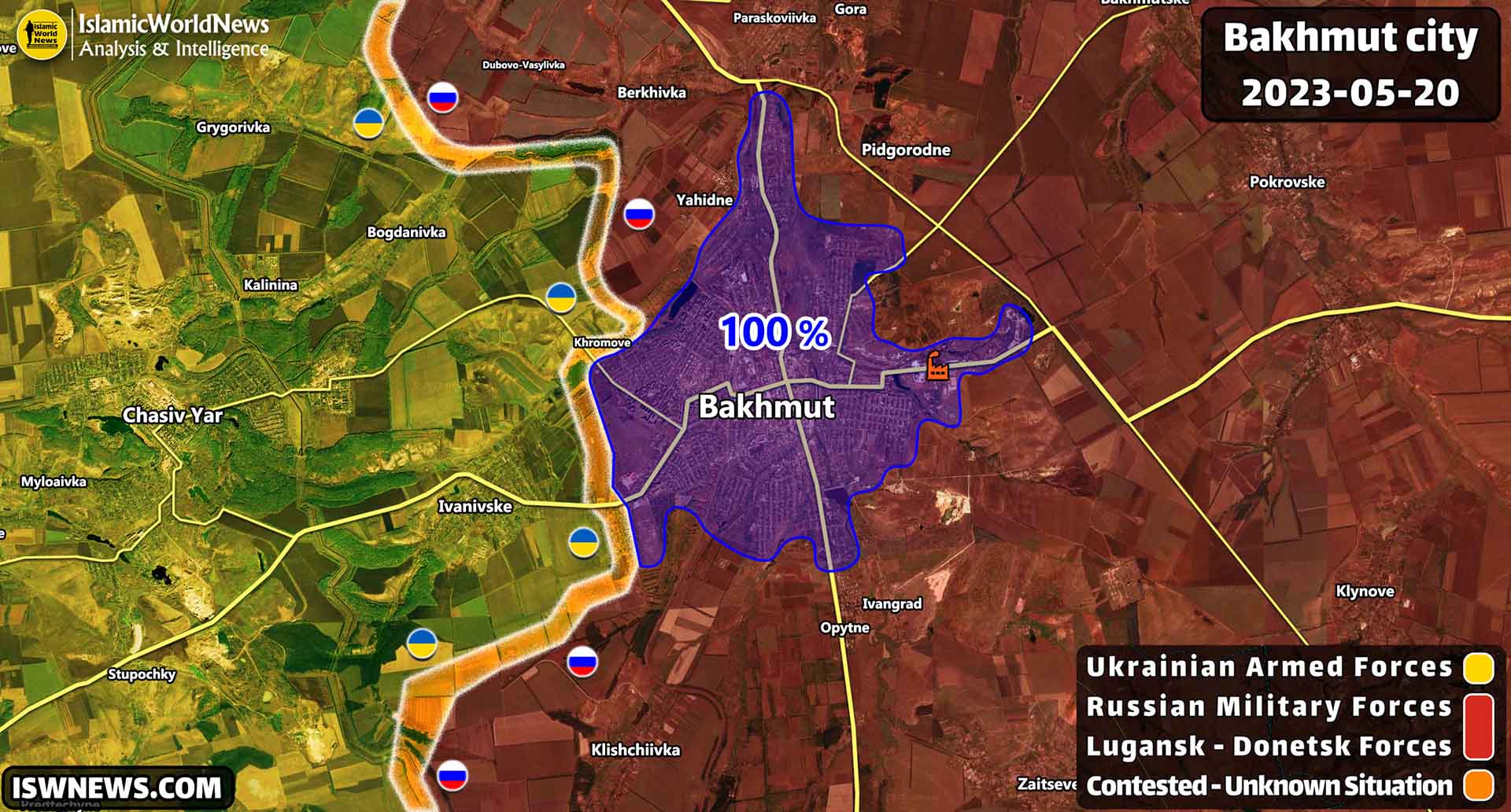
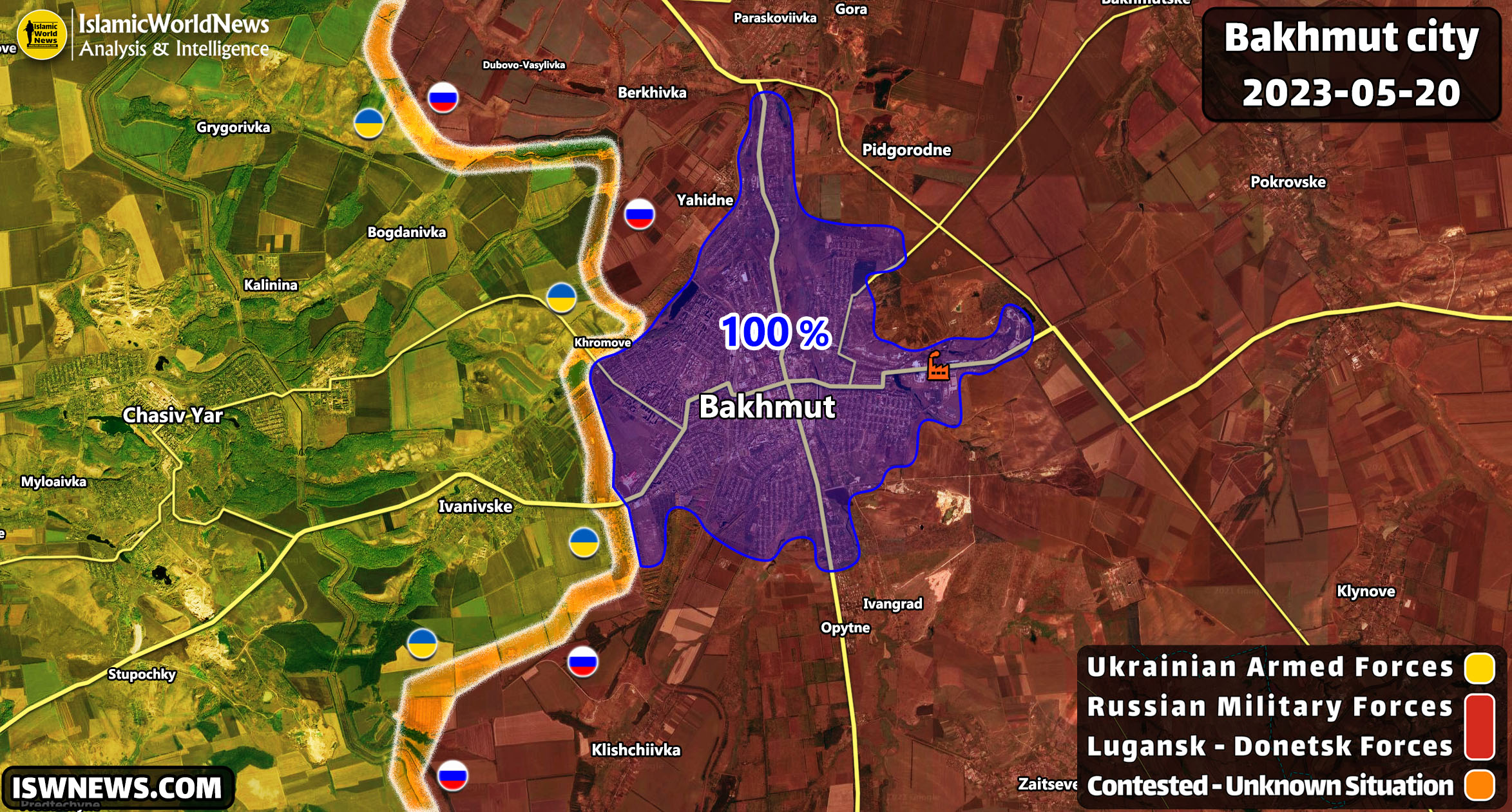
Following the battles of the Russian army and Wagner PMC forces with the Ukrainian army and its allies, the remaining areas in the northwest and west of this city were also controlled by the Russian army, and the battles in Bakhmut officially ended. It should be noted that since 10 days ago, Russian army forces had dominated more than 90% of Bakhmut city and the fighting continued in the few remaining areas.
At noon today, the head of the Wagner PMC, Yevgeny Prigozhin, announced the full capture of this city in a video message. He said: “Bakhmut Fortress”. Today this “fortress has fallen” despite all the efforts of more than 80,000 Ukrainian troops that were operating in this direction, not counting the reserves from Kharkiv, Svatovsk, Krasnoliman, and Zaporizhzhya. The remnants of the AFU forces retreated behind Chasov Yar, shielded from Russian forces by undermined bridges. Slavyansk and Kramatorsk have been turned into new fortresses, where new Ukrainian reserves are concentrated. For Russia, the Bakhmutsk battle was also one of the bloodiest and longest since the Great Patriotic War (World War II).”
Prigozhin stated that by May 25, Wagner forces will leave the city of Bakhmut and the positions will be handed over to the units of the Russian Armed Forces.
The main assault to capture the city of Bakhmut was started since 1 August 2022, and by mid-February, the clashes have gradually spread to inside the city of Bakhmut. During the capture of Bakhmut city, thousands of soldiers died on both sides and Bakhmut city was turned into ruins.
The intensity of the battles and losses were so great that this city became known as “Bakhmut Meat Grinder”. During the past few months, the Kiev government and its allies sent everything they could from manpower to military equipment to the city of Bakhmut to prevent the fall of this city, but in the end it was of no use and the city of Bakhmut was out of the control of the Kiev.
The city of Bakhmut is considered as one of the key points in the Donbass region and the control of this city will determine the future of the battles in the region. The next target of the Russian army in this region will be Slavyansk and Kramatorsk.
At night, air alert sounded in all regions of Ukraine. The main areas of the strikes were the southern and central regions of the country, where the Armed Forces of Ukraine (AFU) are accumulating military reserves for their further transfer to the front lines. Throughout the night, Russian missiles, kamikaze UAVs and guided bombs have been targeting the Ukrainian military.
There were two wave of massive strikes. In the late evening, explosions were reported in the regions of Kherson, Zaporozhye, Poltava, Vinnytsia, Kirovograd, Ternopil and Cherkasy, as well as in Odessa, Kharkiv and Kramatorsk. In the early morning, Russian Kalibr missiles struck their targets in the Khmelnitsky, Zhytomyr and Kiev regions.
Two Russian missiles hit the city of OdessaTwo Russian missiles hit the city of Odessa
According to some approximate estimations, in total, up to 50 cruise missiles of various types and UAVs targeted Ukraine.
The local authorities confirmed that Russian forces hit their targets in the Odessa region. Damage to a local industrial facility was confirmed. The local residents reported that more than ten explosions thundered in the city if Odessa and in the region.
On the eastern outskirts, Ukrainian warehouses in the village of Kotovsky were destroyed. According to unconfirmed reports, another target was the Shkolny airfield.
In addition, Ukrainian military facilities near the villages of Tairovo (located on the western outskirts of Odessa) and Kholodnaya Balka (located on the northern outskirts of the city) were destroyed.
More targets were hit in the area of Zatoka, where a strategically important railway bridge, as well as various fuel and ammunition depots were likely struck.
Western equipment is being supplied through the Odessa region, and there are a lot of hidden military warehouses.
Smoke from the explosion of a Russian suicide drone or missile in the city of Kiev
Russian strikes destroyed more Ukrainian military facilities along the so-called “Polish” supply line of the AFU, including in the Vinnytsia, Khmelnitsky and Ternopil regions, where Ukrainian forces are transferring foreign military supplies. Russian forces continue to destroy warehouses with ammunition and NATO weapons accumulated for the offensive.
The authorities of the Khmelnytskyi region reported explosions at the infrastructure facility. According to the regional military administration, the facility was damaged.
“There was a series of explosions. The air defense forces were working. In addition, unfortunately, there is a strike at the infrastructure of the Khmelnitsky district. There are no casualties. Information about the destruction is being clarified,” the regional administration reported.
More Russian strikes targeted the Kirovograd region, where at least eight explosions were reported. the capital of the region is the city of Kropivnistky where the headquarters of the 3rd separate Special Purpose Regiment of the Armed Forces of Ukraine, subordinate to the 4th GUR service of the Ministry of Defense of Ukraine, are located.
The Ukrainian capital also was targeted by Russian forces. The mayor of Kiev confirmed damage in the city. According to him, emergency services went to the scenes of the incidents. There are no casualties.
“Several explosions in the capital. In Darnitsky and Dneprovsky districts,” he wrote in his Telegram channel. – A fire in a garage cooperative as a result of falling wreckage in the Darnitsky district. In the same area, wreckage fell in several other places. Previously, there was an explosion also in the Desnyansky district.”
The AFU claims that the Ukrainian air defense managed to destroy 29 Russian missiles. The Ukrainians also claim that they shot down two Shahed-136 suicide drones during this attack. Despite this claim, the published videos show that some missiles hit the city of Odessa. Also, no video documentation has been provided for the destruction of 29 missiles and two suicide drones.
Images of Russian missiles hitting the cities of Odessa and Kiev
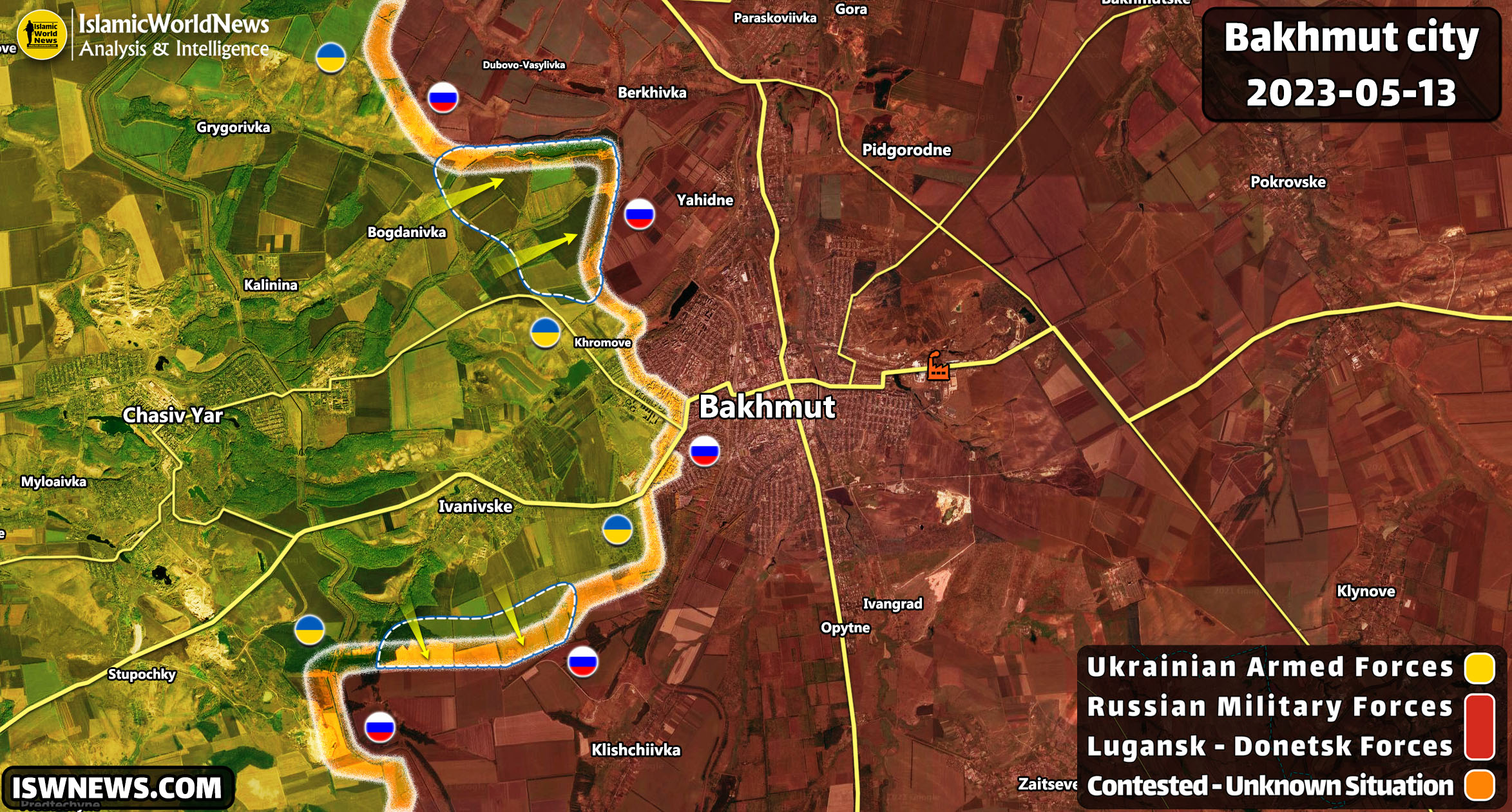
During the last three days, the Russian forces managed to advance a few hundred meters in the remaining areas in the northwest of the city of Bakhmut, but this city has not yet been completely captured by Russia and the Ukrainian forces are resisting.
On the other hand, during the past two days, Ukrainian forces have managed to push back Russian Army from a number of areas by carrying out counterattacks in the northern and western outskirts of Bakhmut.
In the northern outskirts of the city of Bakhmut, the Ukrainian forces pushed back the Russian forces from the Chasov Yar-Bakhmut road and around Bogdanivka and Khromove by carrying out several counterattacks. On the western outskirts, Ukrainian forces succeeded in making a partial advance in the south of Ivanivske.
The main purpose of carrying out such attacks around the city of Bakhmut is to open the siege ring of the city and try to take the initiative. As long as the logistics routes of the Ukrainian forces from the west to the city of Bakhmut are open, the conflicts inside the city will continue and the prolongation of the complete capture of the city of Bakhmut will leave more costs on the hands of Russia. Read more: Russia Controls 90% Of Bakhmut City (Map)
According to the Ukrainian Air Force Command, in this attack, the Russians used Shahed-136 or 131 suicide drones launched from the eastern front, cruise missiles fired by the submarines in the Black Sea and Kha-101 missiles fired by the Tu-95 strategic bombers from the north and attacked Ukrainian infrustructures in the country. The AFU claim that the Ukrainian air defense systems succeeded in destroying 18 Shahed suicide drones, four other unidentified drones, two Orlan reconnaissance drones, three Kha-101 and Kha-55 cruise missiles.
According to the information provided by the Russian sources and the published images, the railway repair and mechanical factory and an ammunition or fuel warehouse in Ternopil city were hit by cruise missiles. The Novabavarsky district of Kharkiv city and Zolochiv town were attacked by Russian Iskander ballistic missiles.
Also, several explosions were reported in the cities of Kiev, Sumy and Khmelnytskyi.
The moment a Russian missile hit the repair and mechanical plant of the Ukrainian railway in TernopilImages of the moment of explosion and fire at the repair and mechanical plant of the Ukrainian Railways in the city of TernopilExtinguishing the fire at the repair and mechanical plant of the Ukrainian Railways in the city of TernopilPublished images of the explosions in Kharkiv and ZolochivClick to view full size map