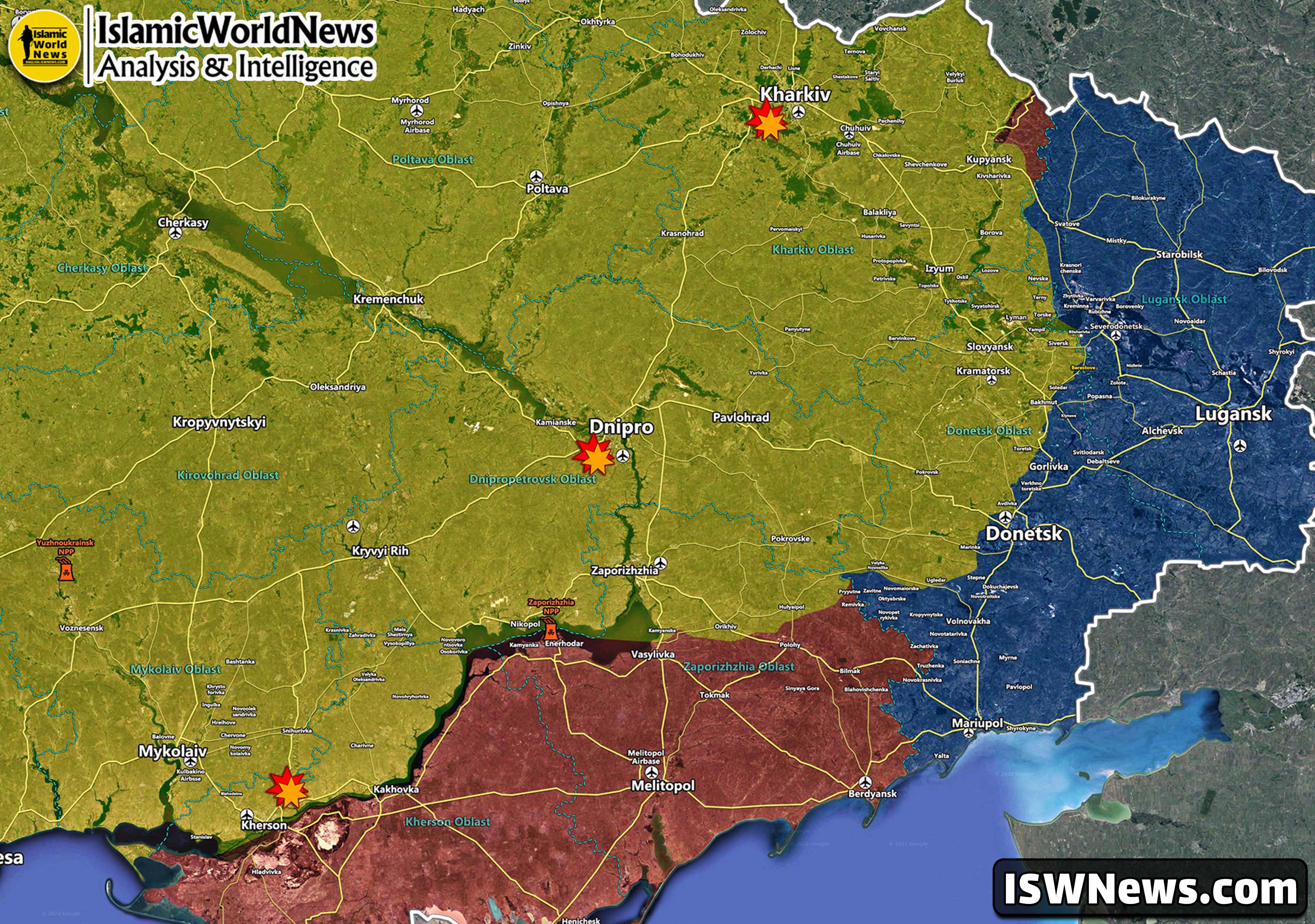
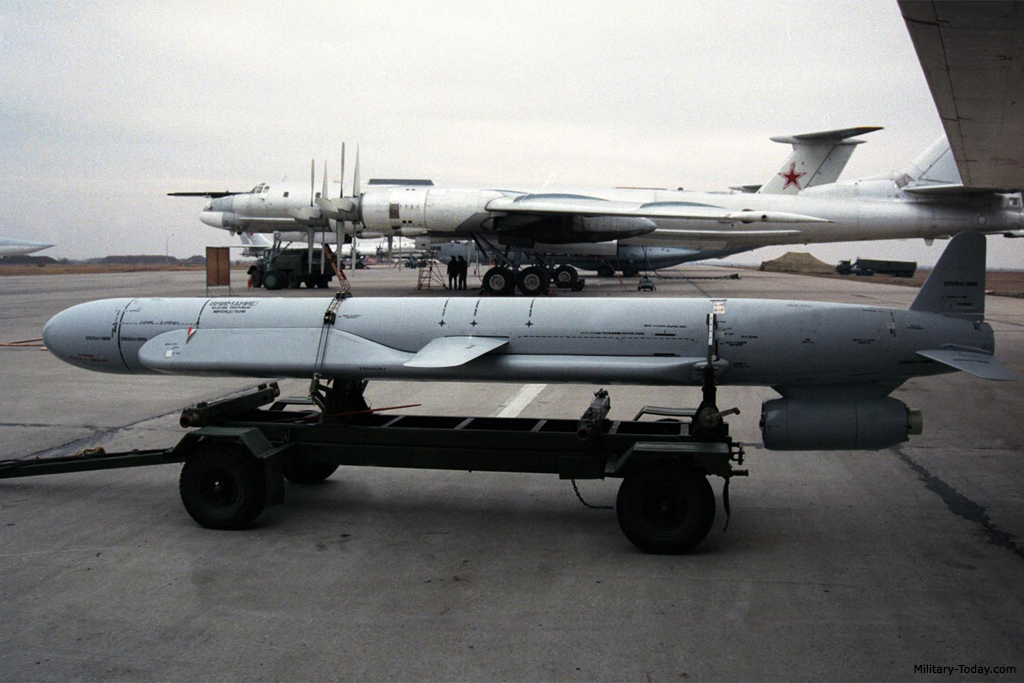
In its first large-scale attack in 2023, the Russian army, using submarines based in the Black Sea as well as Tupolev 22 and Tupolev 95 strategic bombers, launched dozens of cruise missiles towards Ukrainian energy and industrial facilities and infrastructure in the cities of Kyiv, Odesa, Mykolaiv, Zaporizhzhia, Kharkiv, Dnipro, Vinnytsia, Ivano-Frankivsk, Kryvyi Rih and Lvivs.
According to information published by the Ukrainian media, Russian missiles hit energy facilities, two power distribution stations and an industrial plant in the city of Kharkiv, one industrial plant in Zaporizhzhia, unspecified locations in the Odesa region, a residential building in Dnipropetrovsk, energy facilities in the cities of Ivano-Frankivsk, Lviv, Vinnytsia and Mykolaiv.
Also, explosions were heard in other cities of Ukraine, such as Sumy, Poltava, Zhytomyr and Ternopil, which according to Ukrainian media, were related to the confrontation of the Ukrainian air defense systems with Russian cruise missiles.
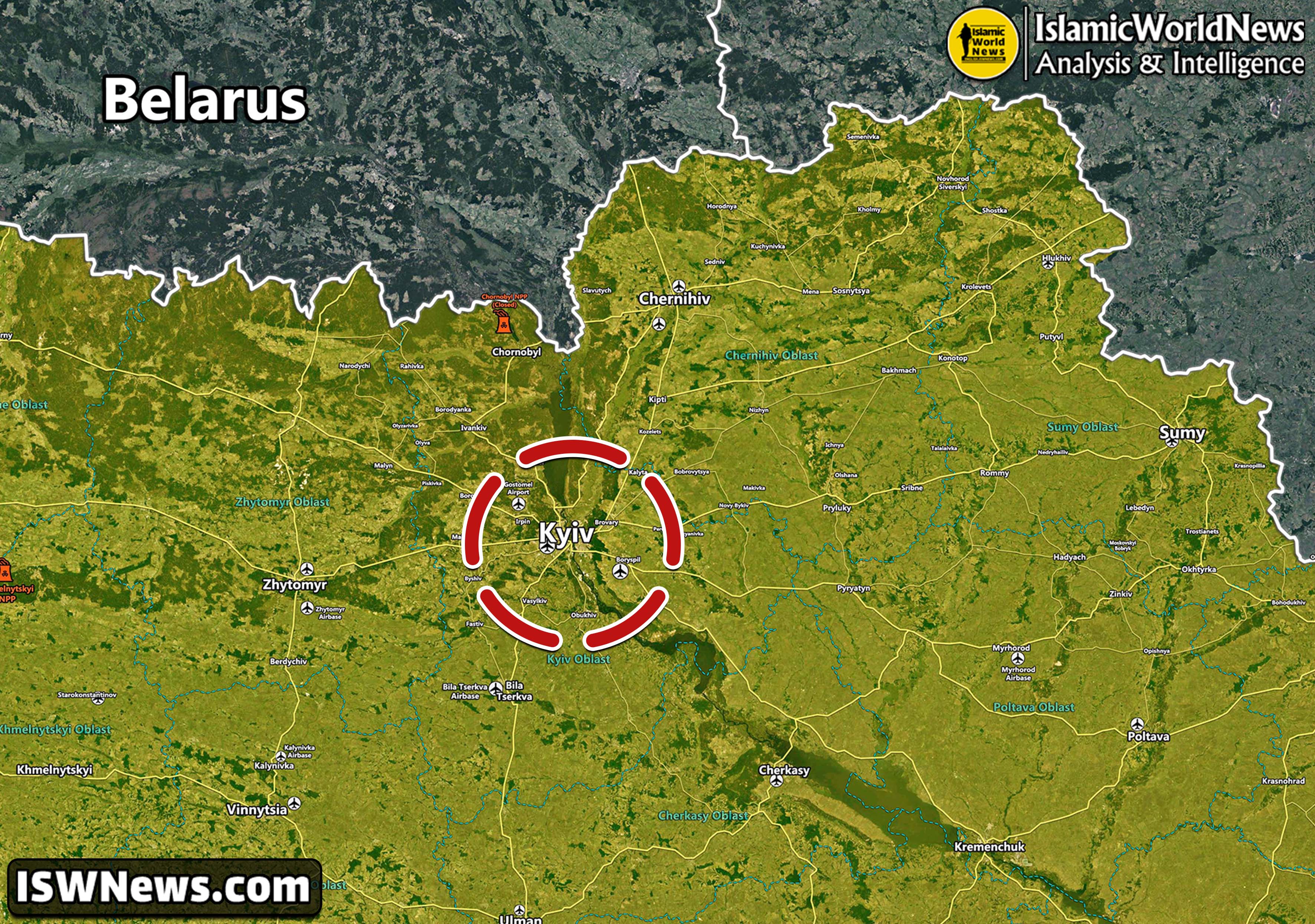
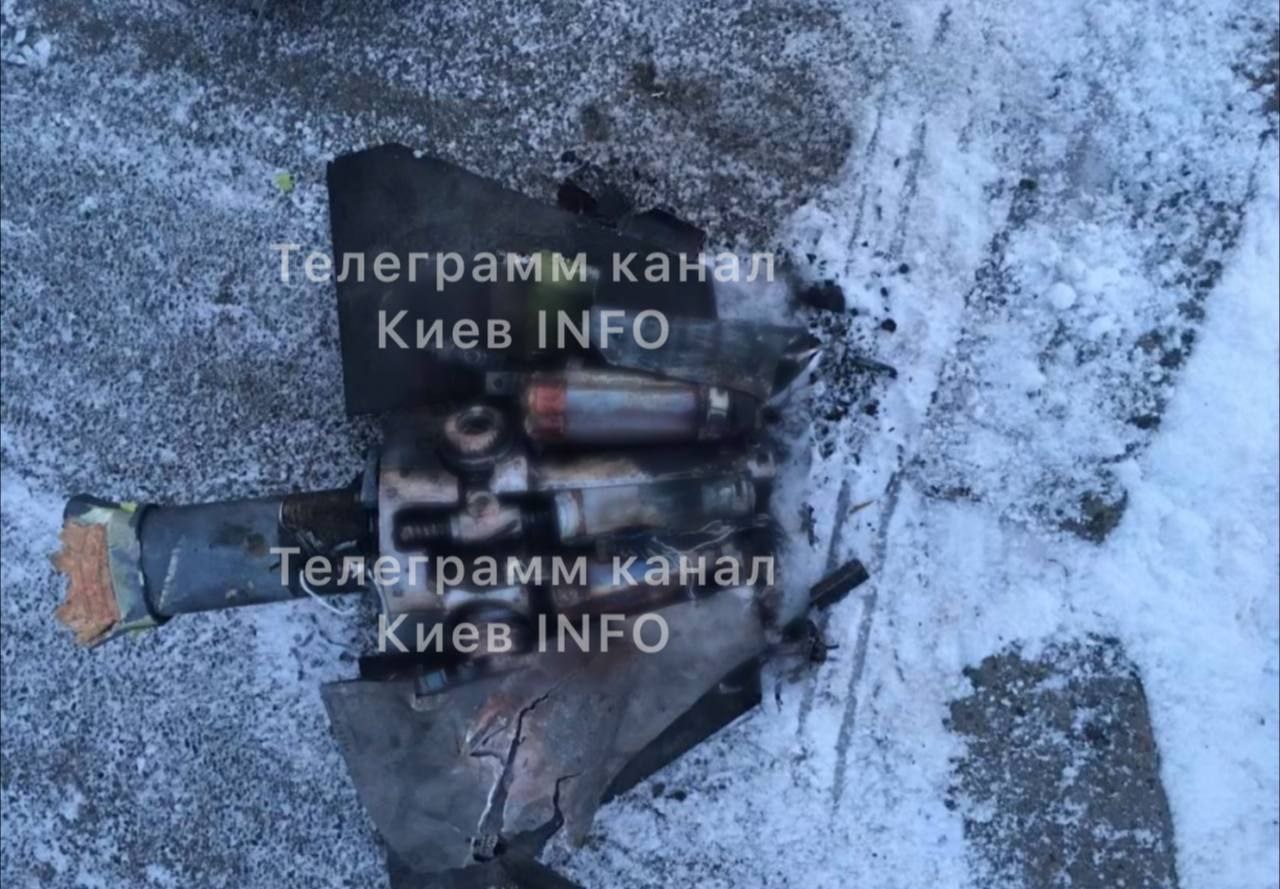
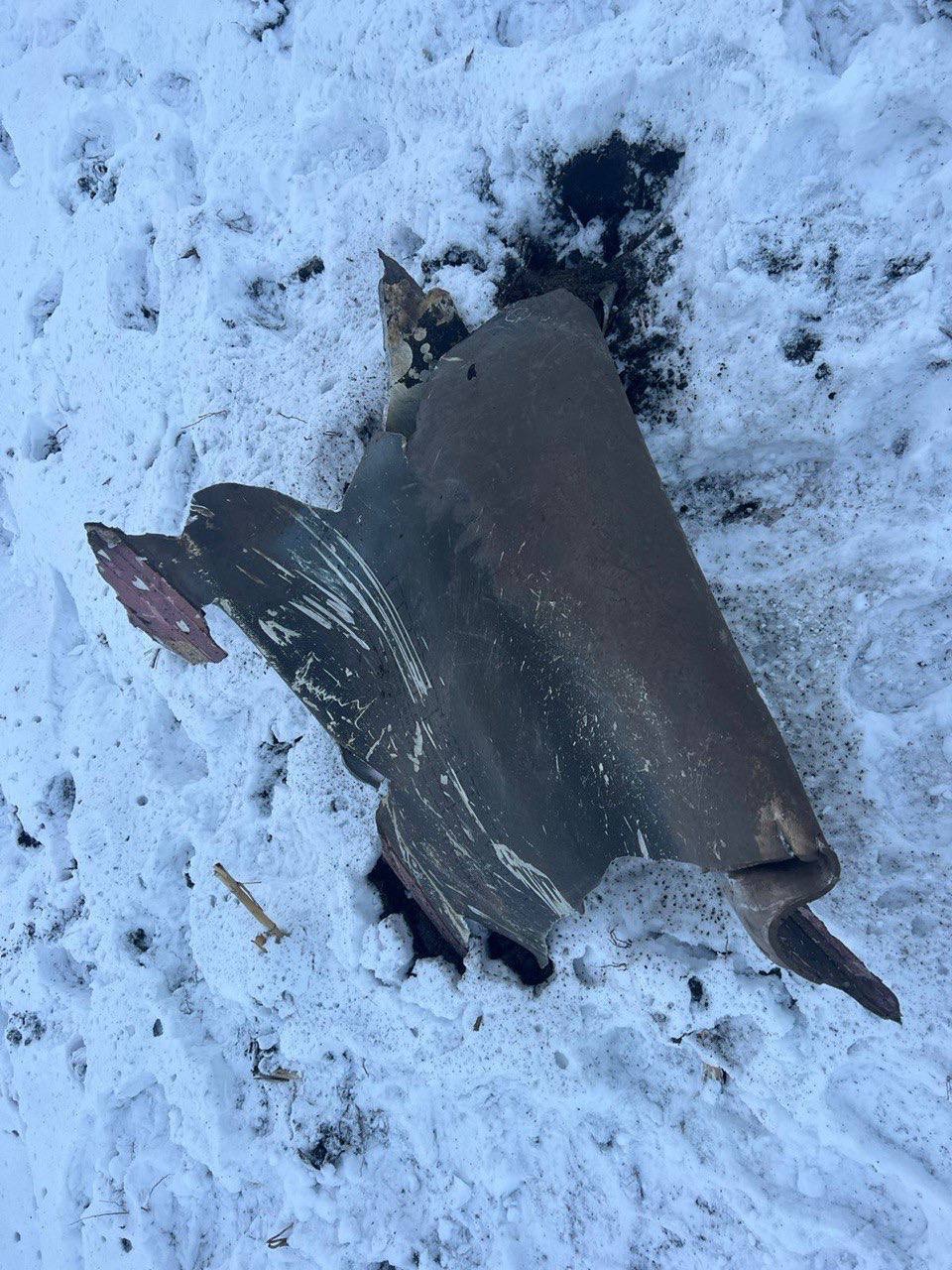
It’s noteworthy that, in addition to these attacks, the Russian army attacked the city of Kyiv on the morning of January 14 with one or more ballistic missiles, which led to several explosions and power outages in the city. This is the first time that the Russian army has used ballistic missiles to attack the capital of Ukraine. Despite various speculations, this attack could have been carried out to identify the location of the Ukrainian air defense systems in the area.
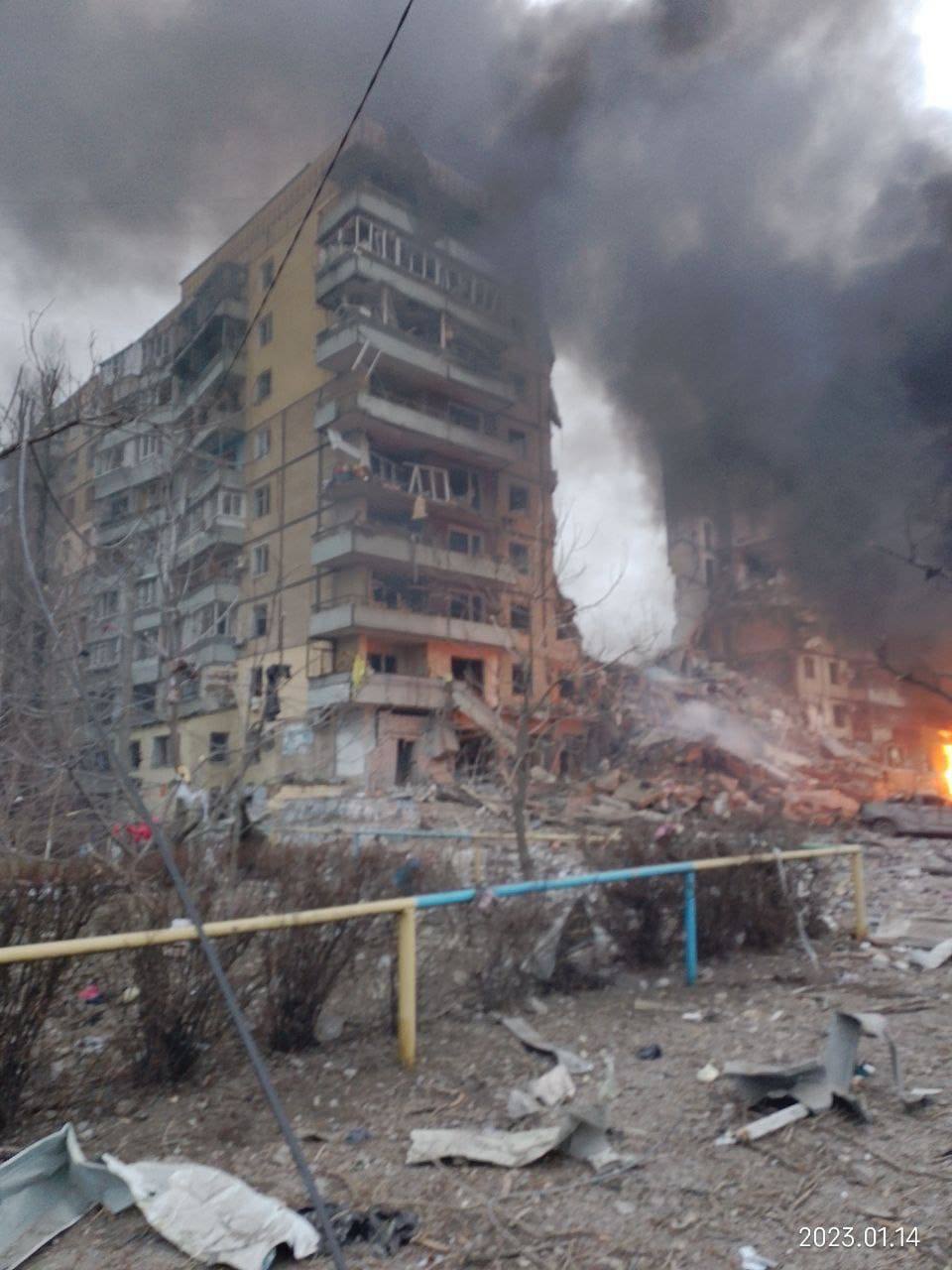
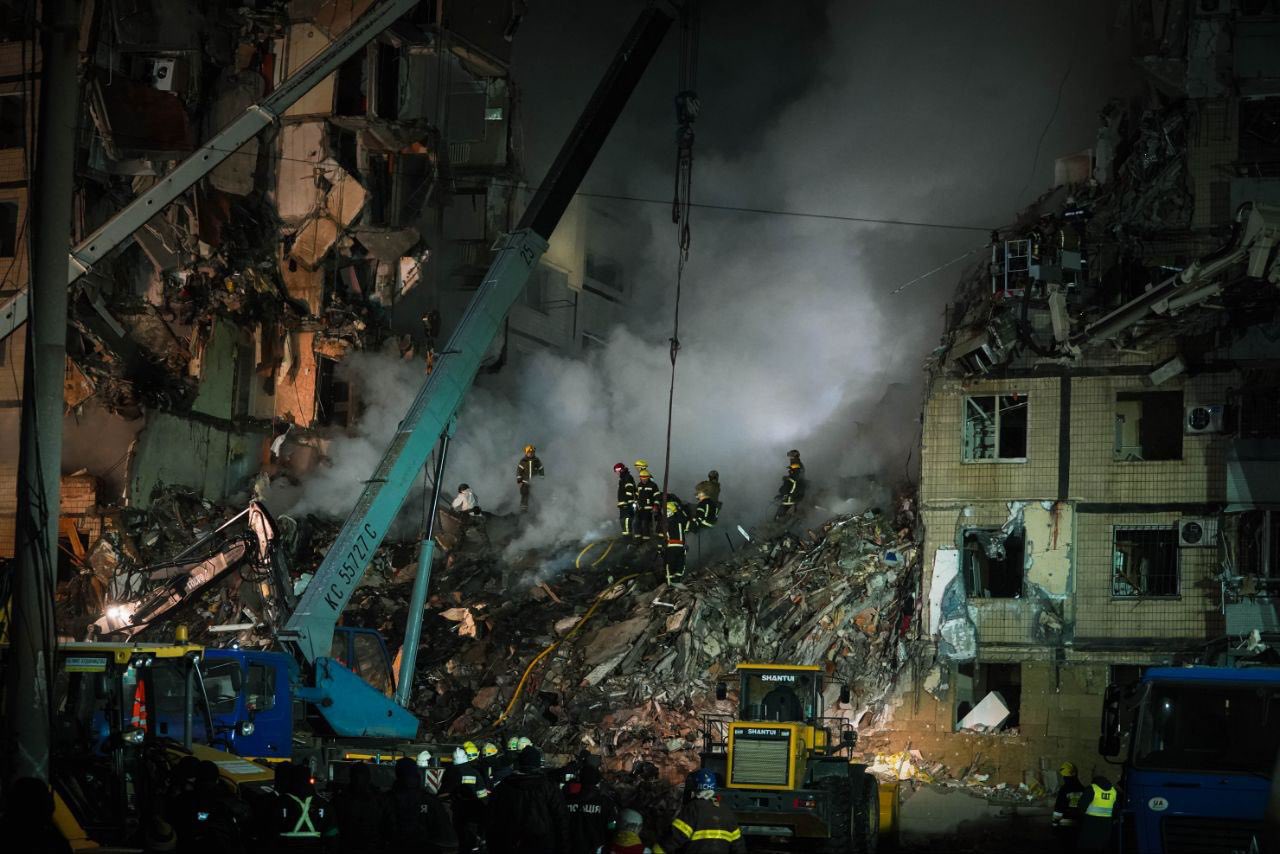
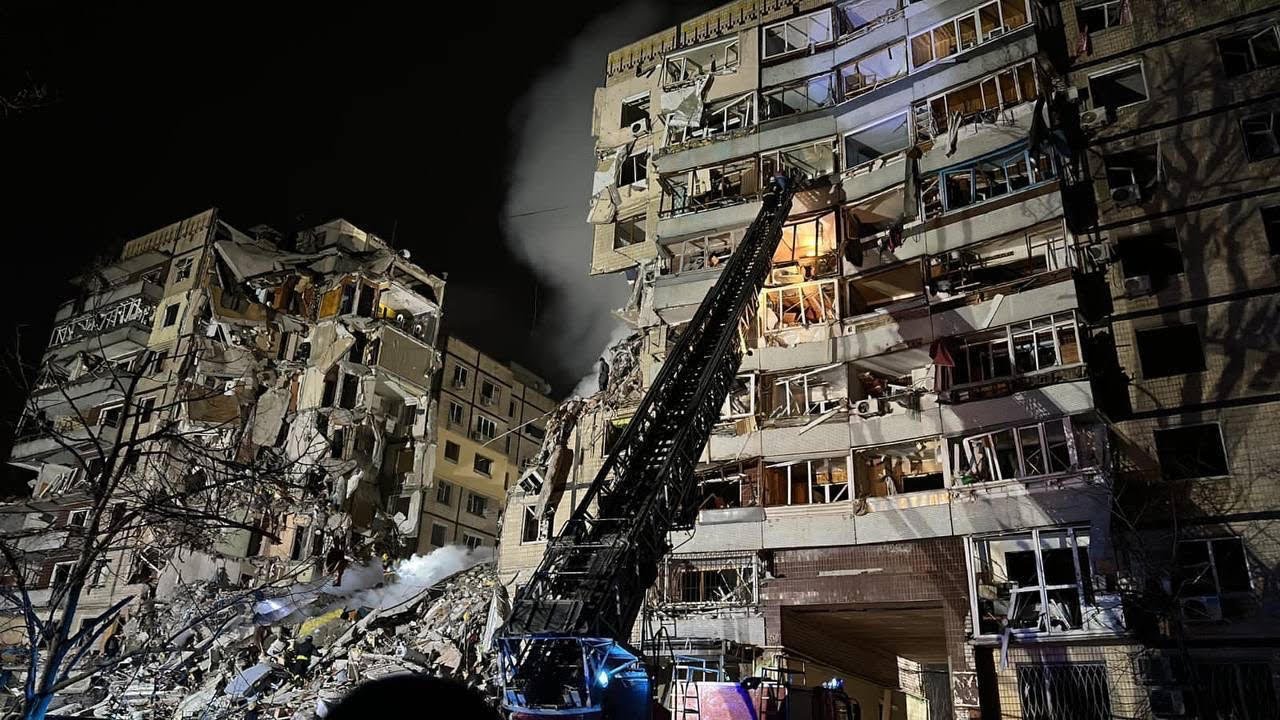
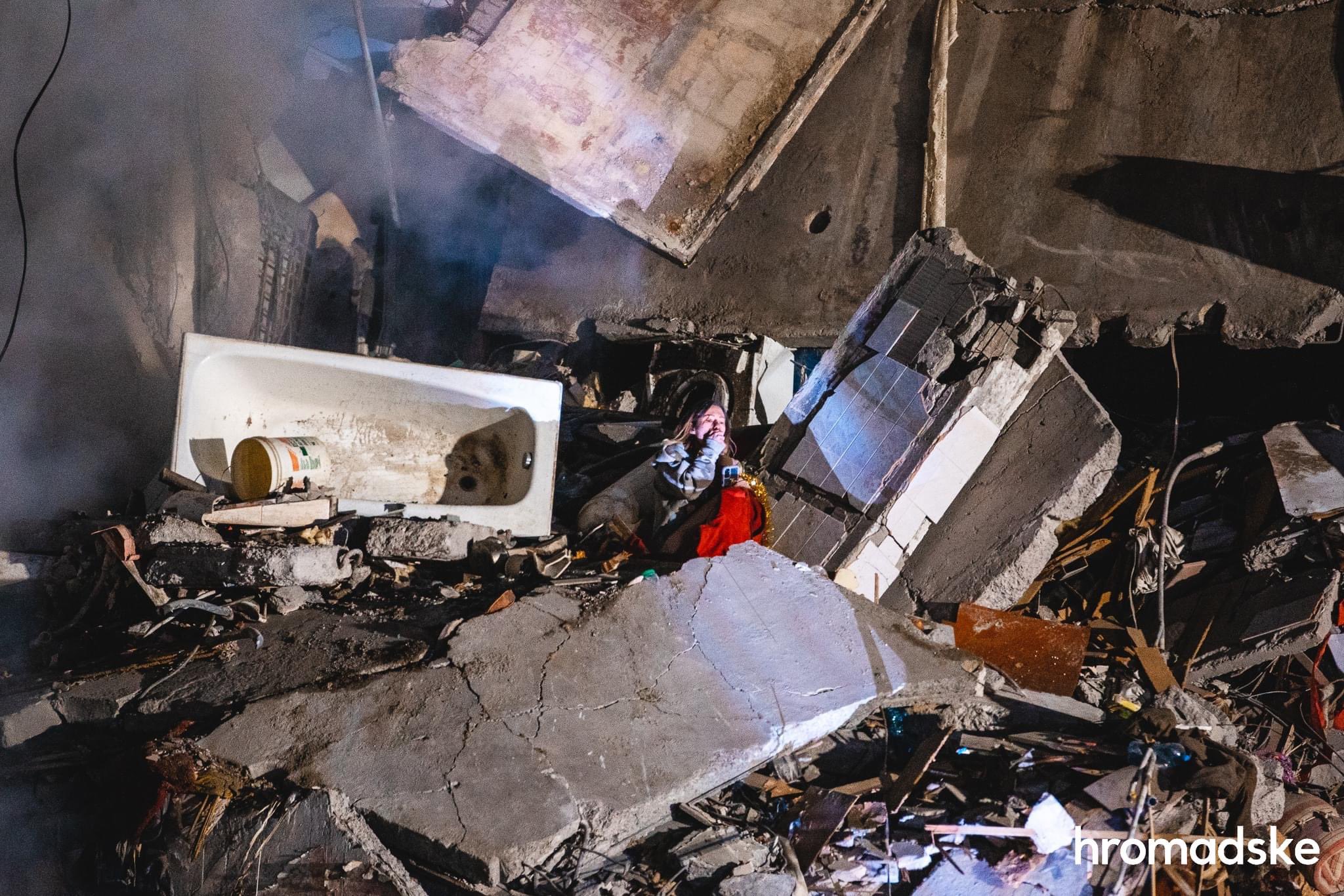
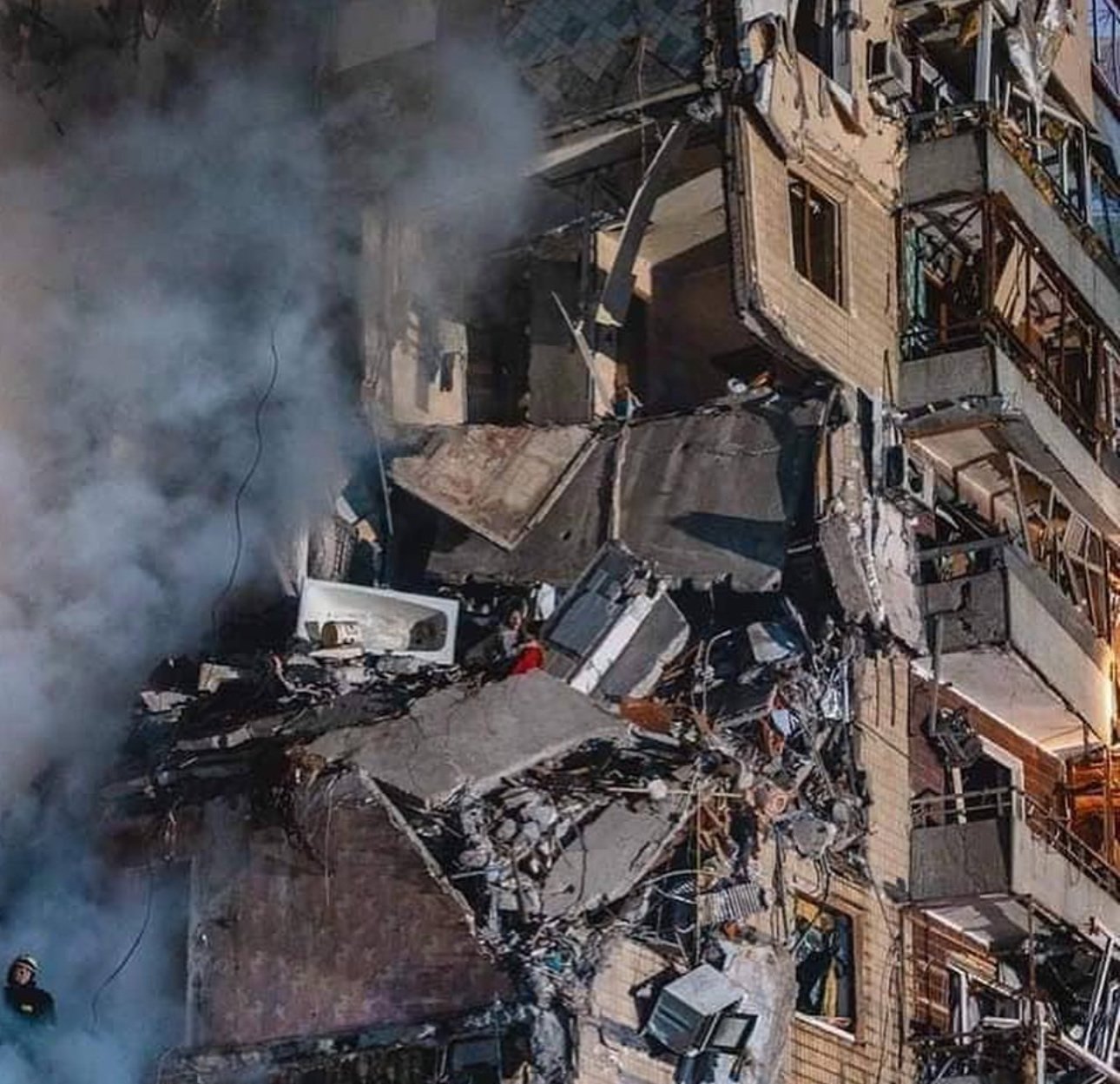
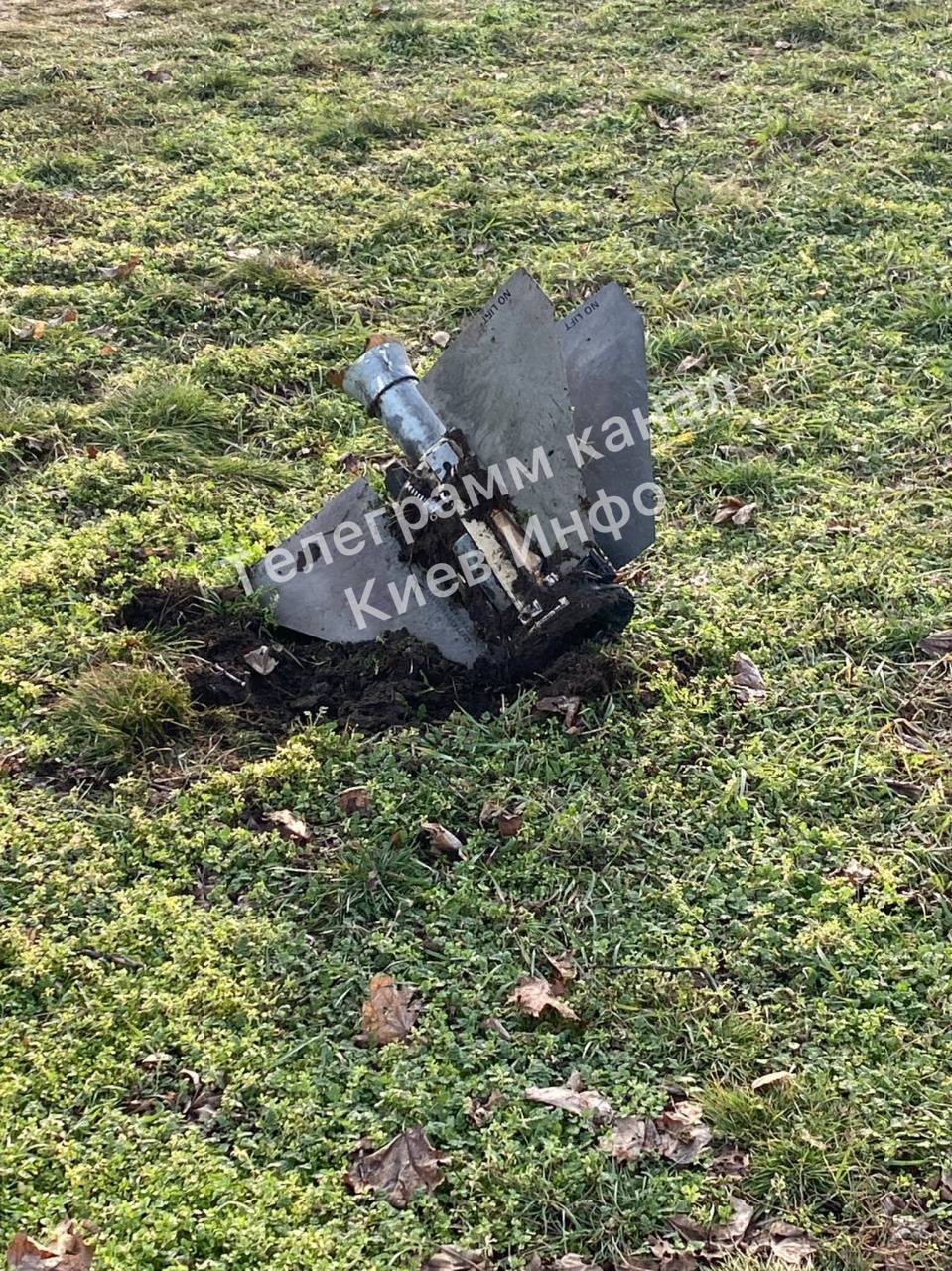
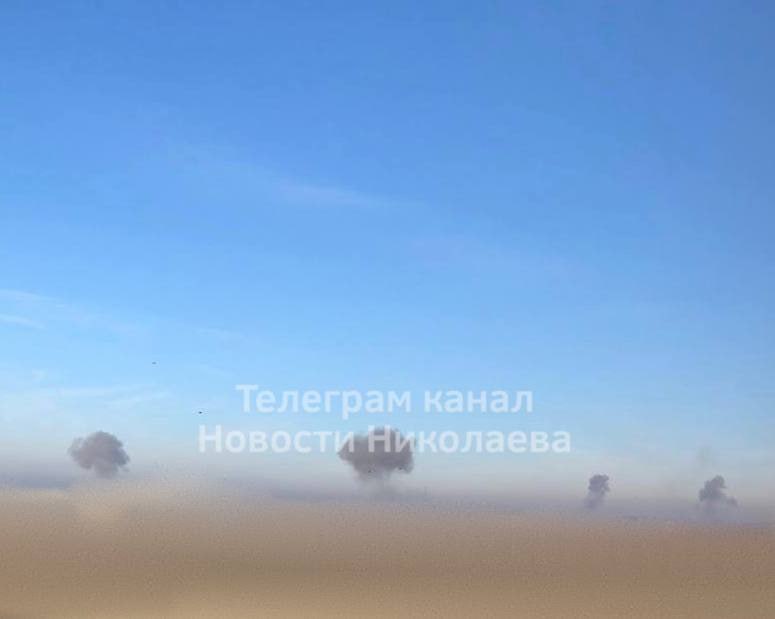
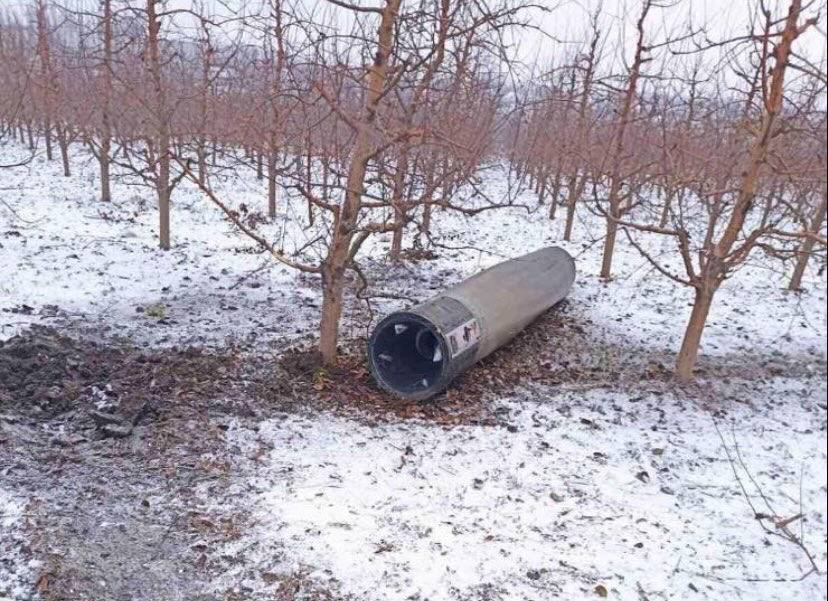
Russian cruise missile flying in the sky of Kherson cityOne of the cruise missiles of the Russian army hit the central railway station of the city of Kyiv, leading to the fire of the locomotives of a train.The fire caused by Russian missiles in the thermal power plant of Kyiv. It is said that this fire caused the burning of one of the turbines in this sector.Published images of Russian missiles hitting Ukrainian positions in the city of Dnipropetrovsk.The wreckage of the Ukrainian S-300 missile defense system fell on the territory of MoldovaRussian ballistic missile attack on the city of Kyiv in the morning of January 14Russian ballistic missile attack on the city of Kyiv in the morning of January 14As a result of one of the cruise missiles of the Russian army hitting a building in the city of Dnipropetrovsk, on the morning of January 25, at least 20 people were killed and more than 73 people were injured. Also, 38 people were rescued from the rubble of this building.Click to view full size
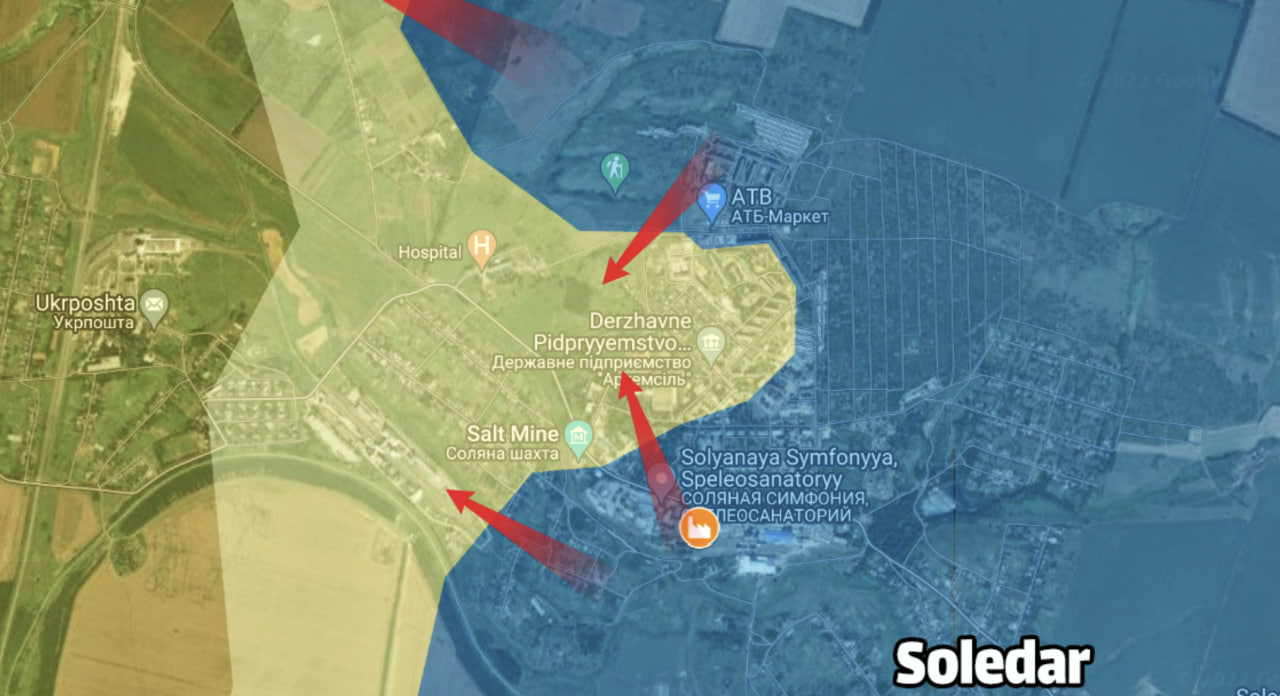
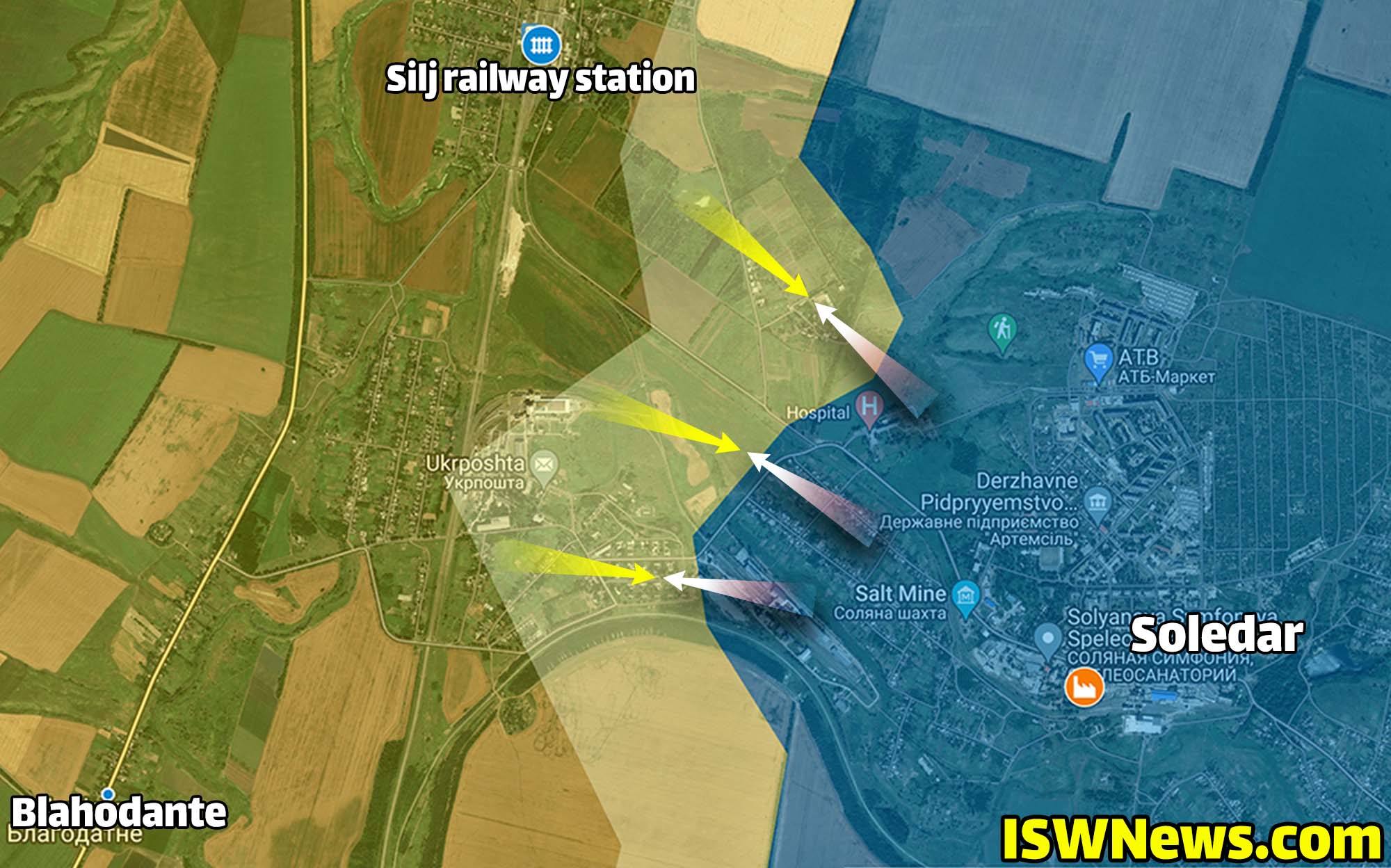
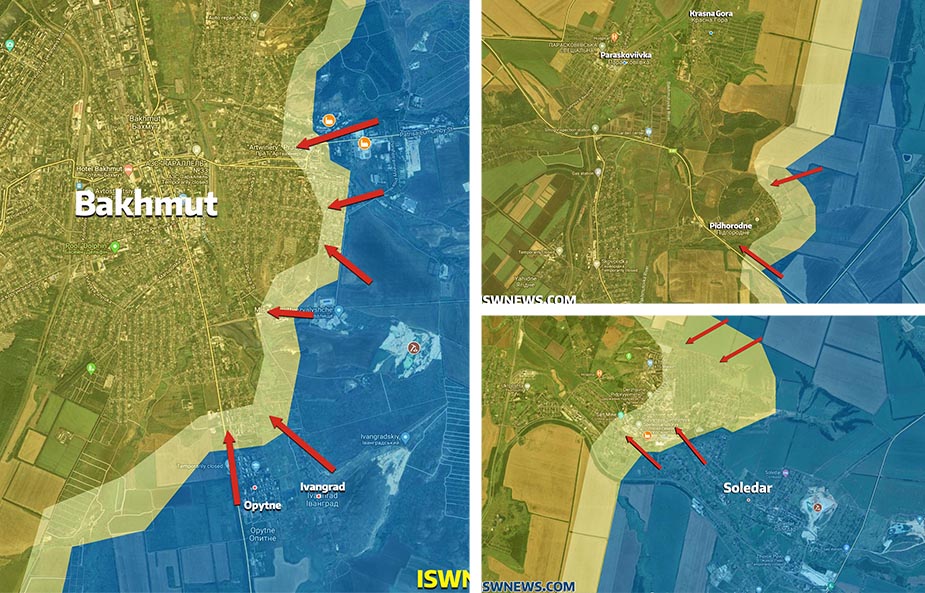
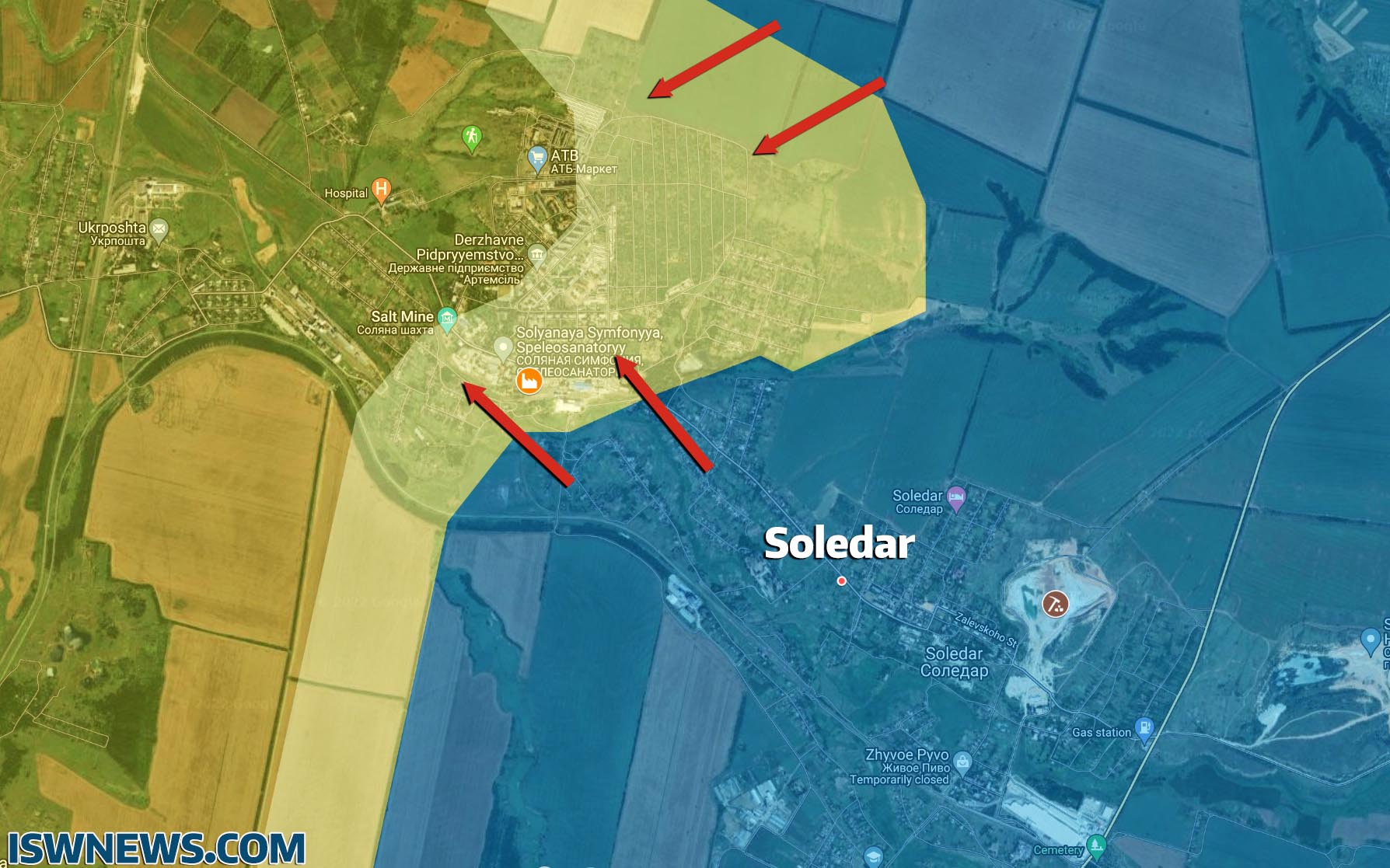
During the past three days, Russian forces captured the central areas in the northern part of Soledar town, and the conflicts spread to the remaining areas in the northwest of this town. With the advances made, the Ukrainian forces get caught in a quasi-encirclement situation and later, the AFU forces were forced to retreat to avoid encirclement.
The quasi-encirclement situation for the AFU in Soledar
Now, Russian forces are clearing the underground network of Ukrainian military installations in the Soledar mines and the last streets in the area. Also, attacks by Russian forces on salt mine No. 7 in the northwesternmost point of Soledar are ongoing.
The Russian media have stated that Ukrainian casualties in Soledar battles are more than 500 personnel, and with the resistance of the Ukrainian army and the prolongation of the conflicts, these statistics will probably increase.
Some Ukrainian sources have also reported that the country’s army is preparing for a counterattack to Soledar, which is far from expected considering the conditions of this axis.
Latest situation in Soledar
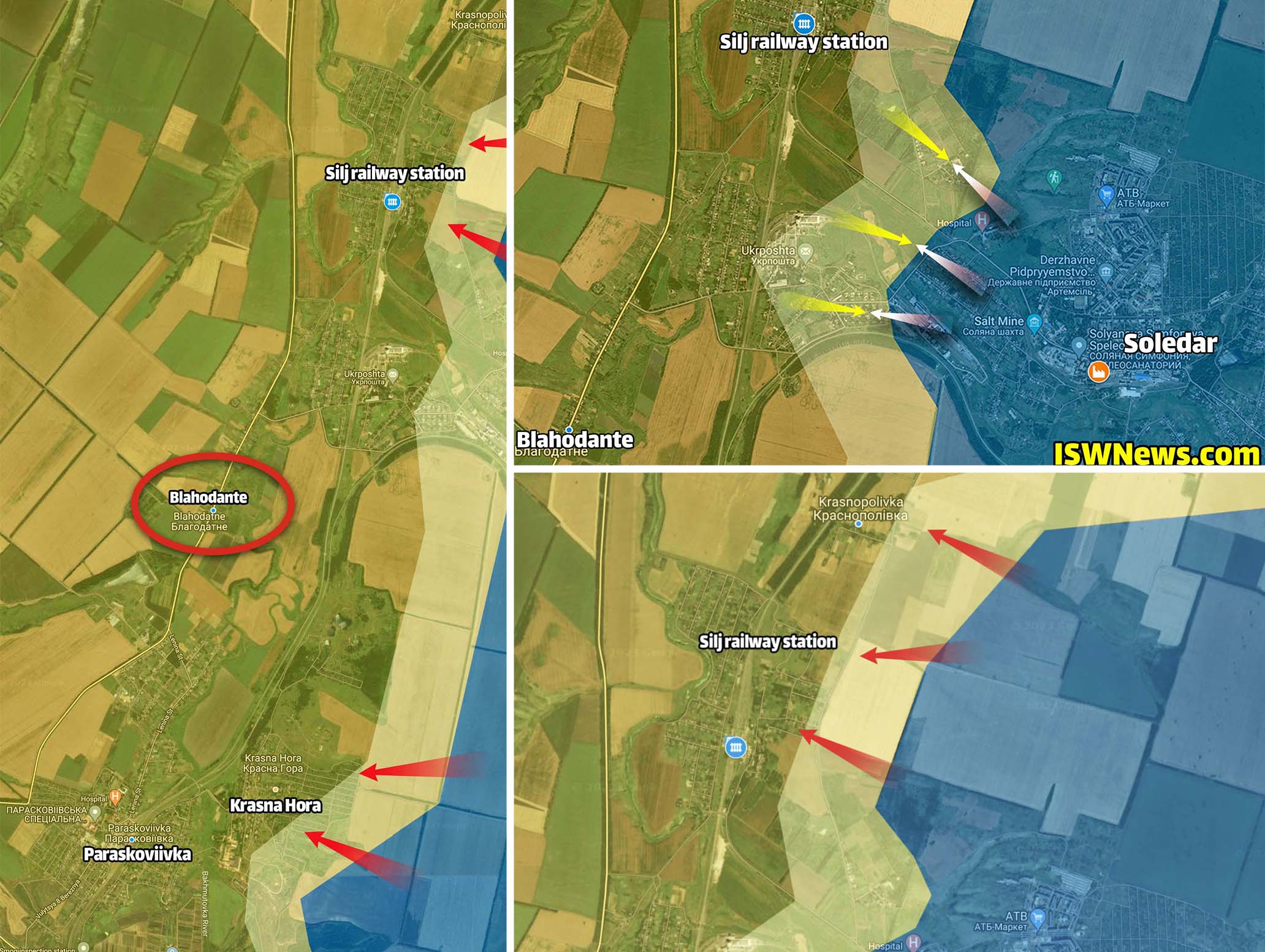
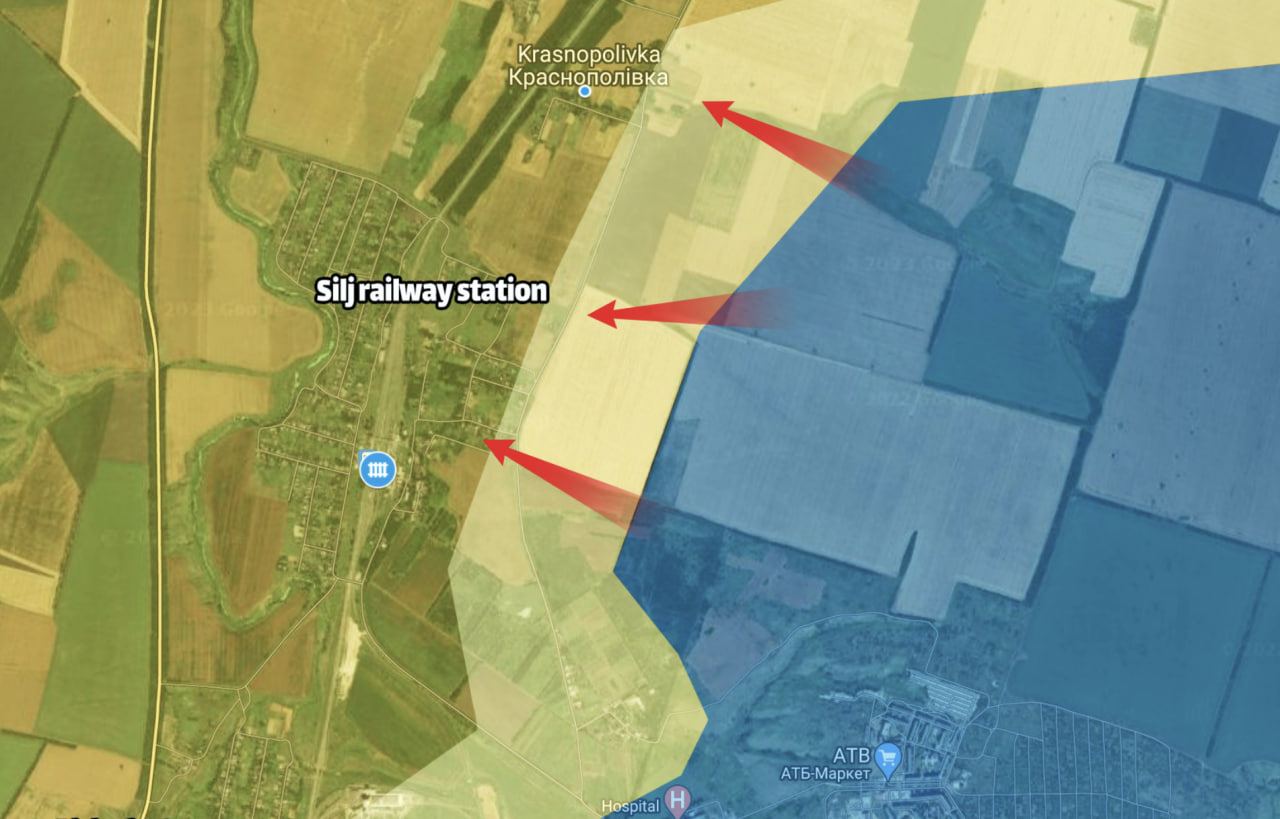
At the same time as these attacks, Russian forces advanced towards Silj railway station in north of Soledar. There are unconfirmed reports that the Russian-led forces also reached to Krasnopolivka village.
Situation near Silj railway station
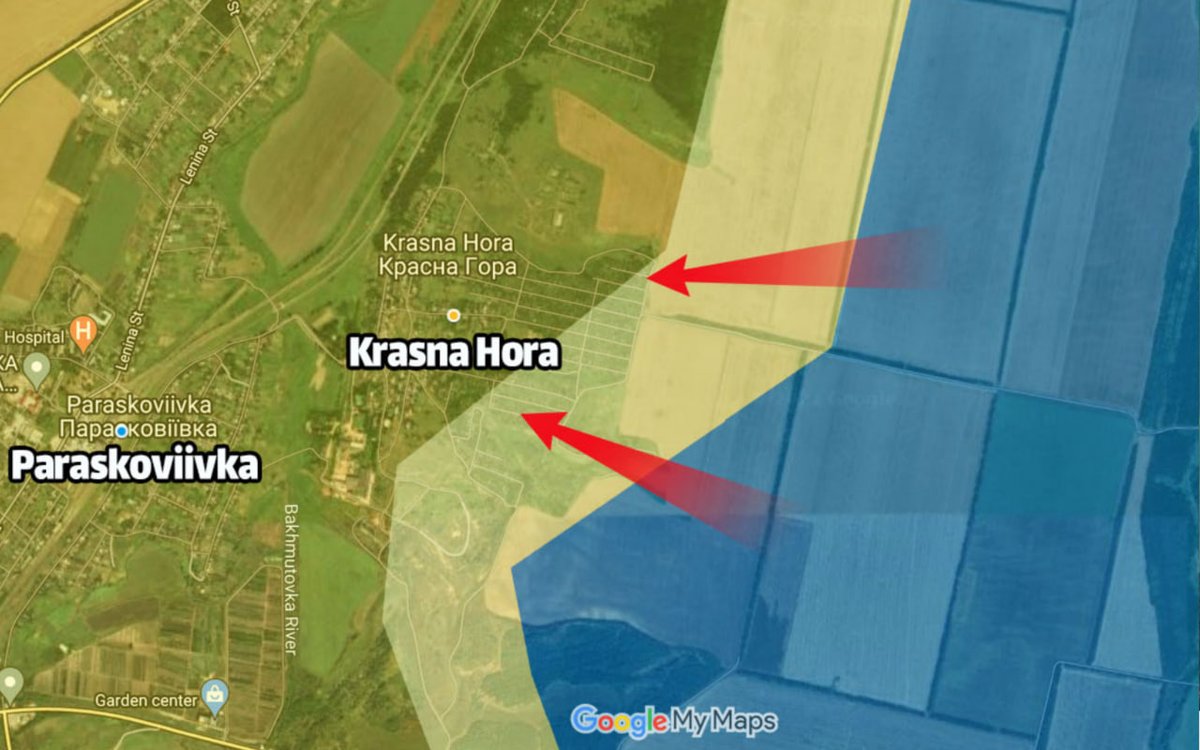
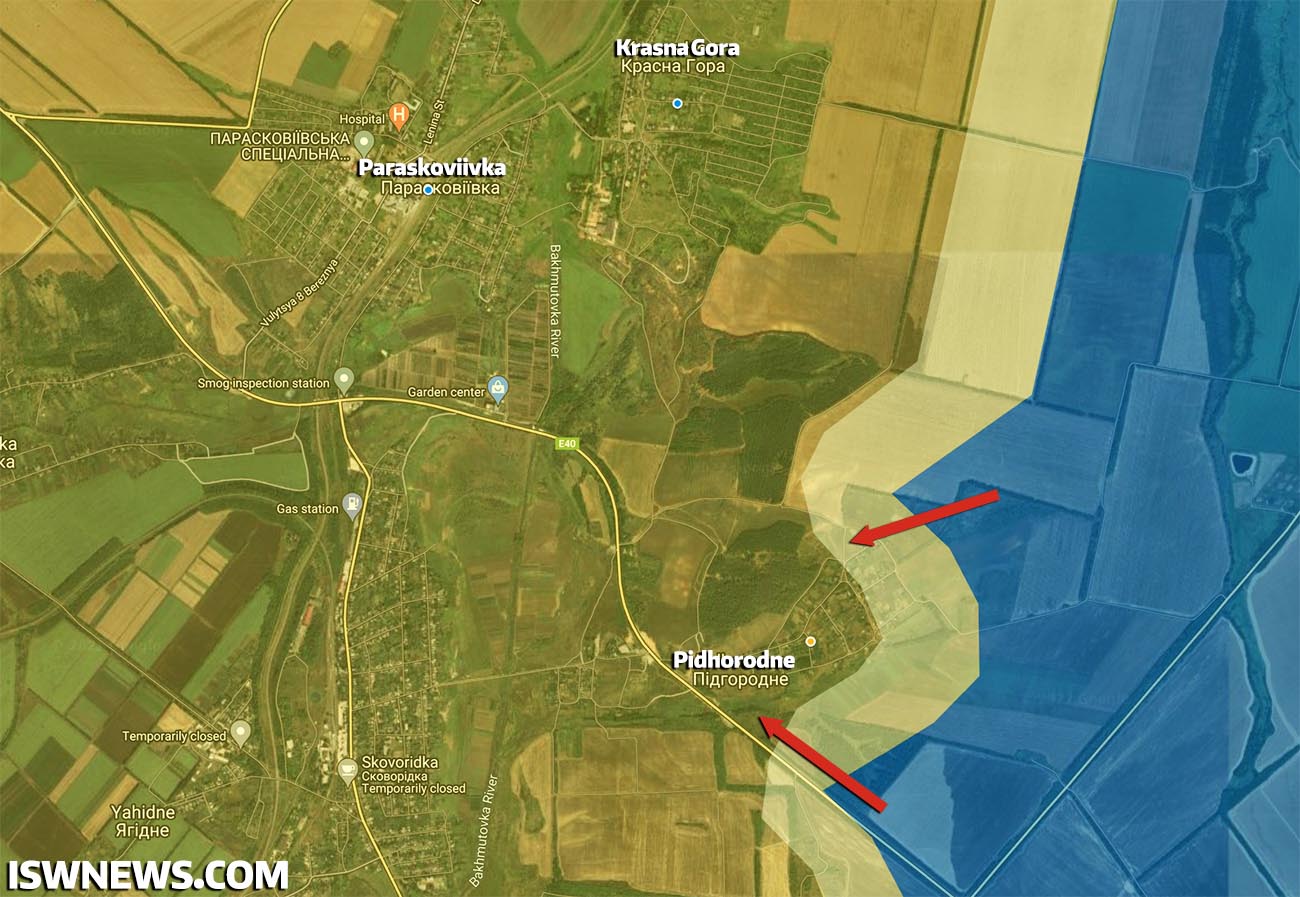
In the southwest of Soledar, the conflicts have also extended to Krasna Hora, and heavy clashes continue in the eastern and southern countryside of this village.
Situation near Krasna Hora village
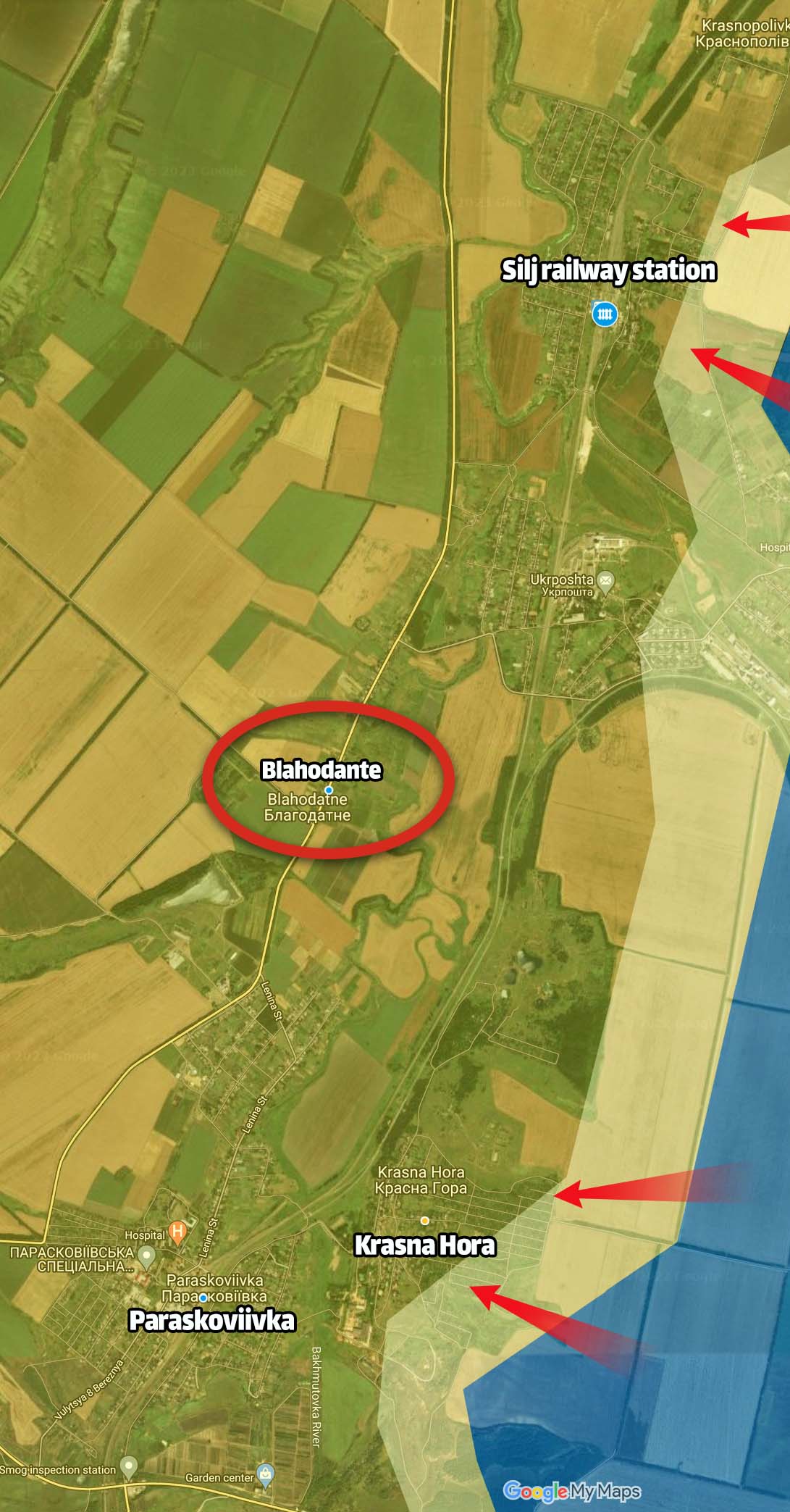
Considering the Russian army advances in the two main axes in this region, it seems that the capture of Blahodante and the cutting of the Bakhmut-Siversk route are the main and final goals of the Russian operation in this axis.
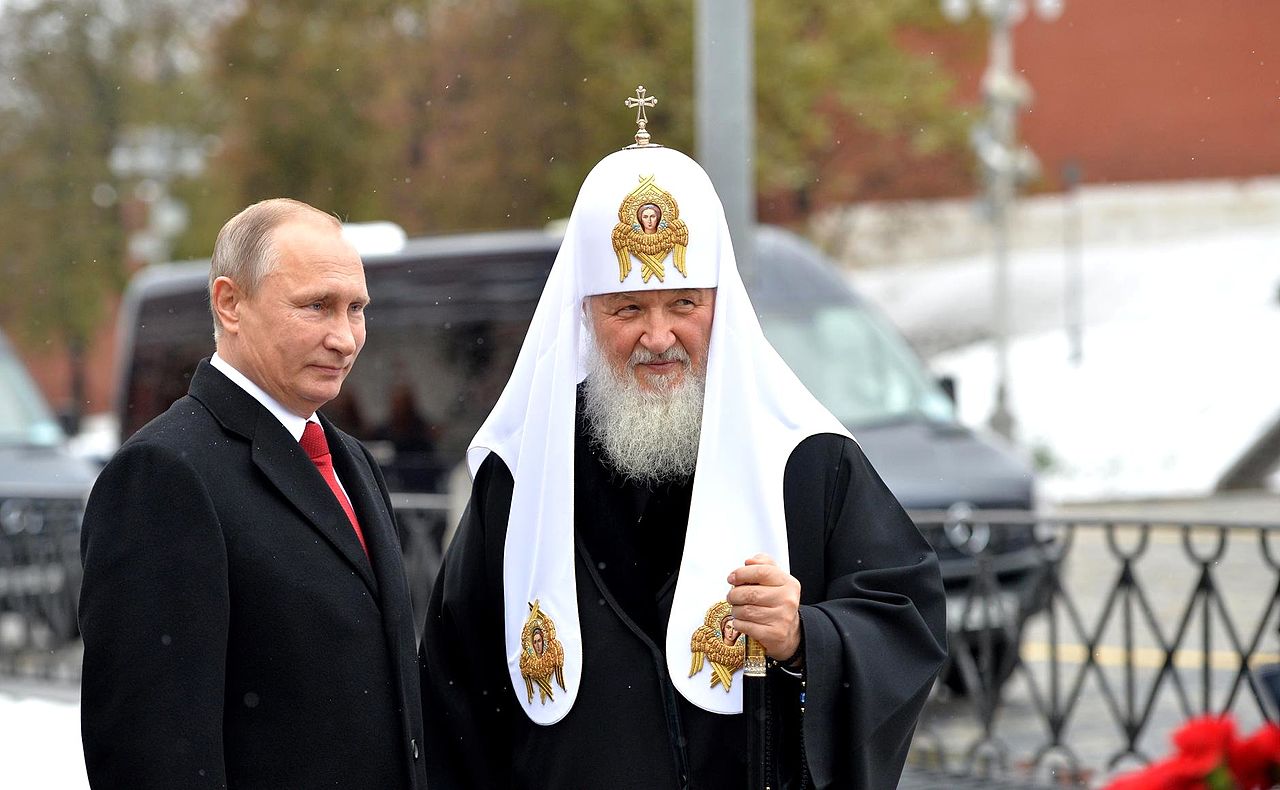
With the end of Russia’s one-sided ceasefire at 24:00 of January 7th, attacks and heavy bombardment in the Soledar and Bakhmut fronts continued with more intensity. Russian President, Vladimir Putin had ordered a 36-hour ceasefire in Ukraine starting from 12:00, 6 January to 24:00, 7 January, by the request of the Russia’s spiritual leader, Patriarch Kirill on the occasion of Orthodox Christmas Day.
On Soledar front, the Russian-led forces have begun their attacks to advance towards the salt mine area in the north of Soledar. Russian forces are pressing from both the south and northeast sides, and maintaining the position at this point has become more difficult for the defenders of the town than before.
In general, the situation in Soledar is more critical for the Ukrainians after the heavy Russian bombardment, and their first and second lines of defense in the town have been broken. The AFU 128th Brigades are resisting the Russian army in the third line of defense. However, despite the fall of most of the areas of Soledar, the news of the withdrawal of Ukrainians from Soledar is not true, and clashes in the northern parts of this town are still ongoing.
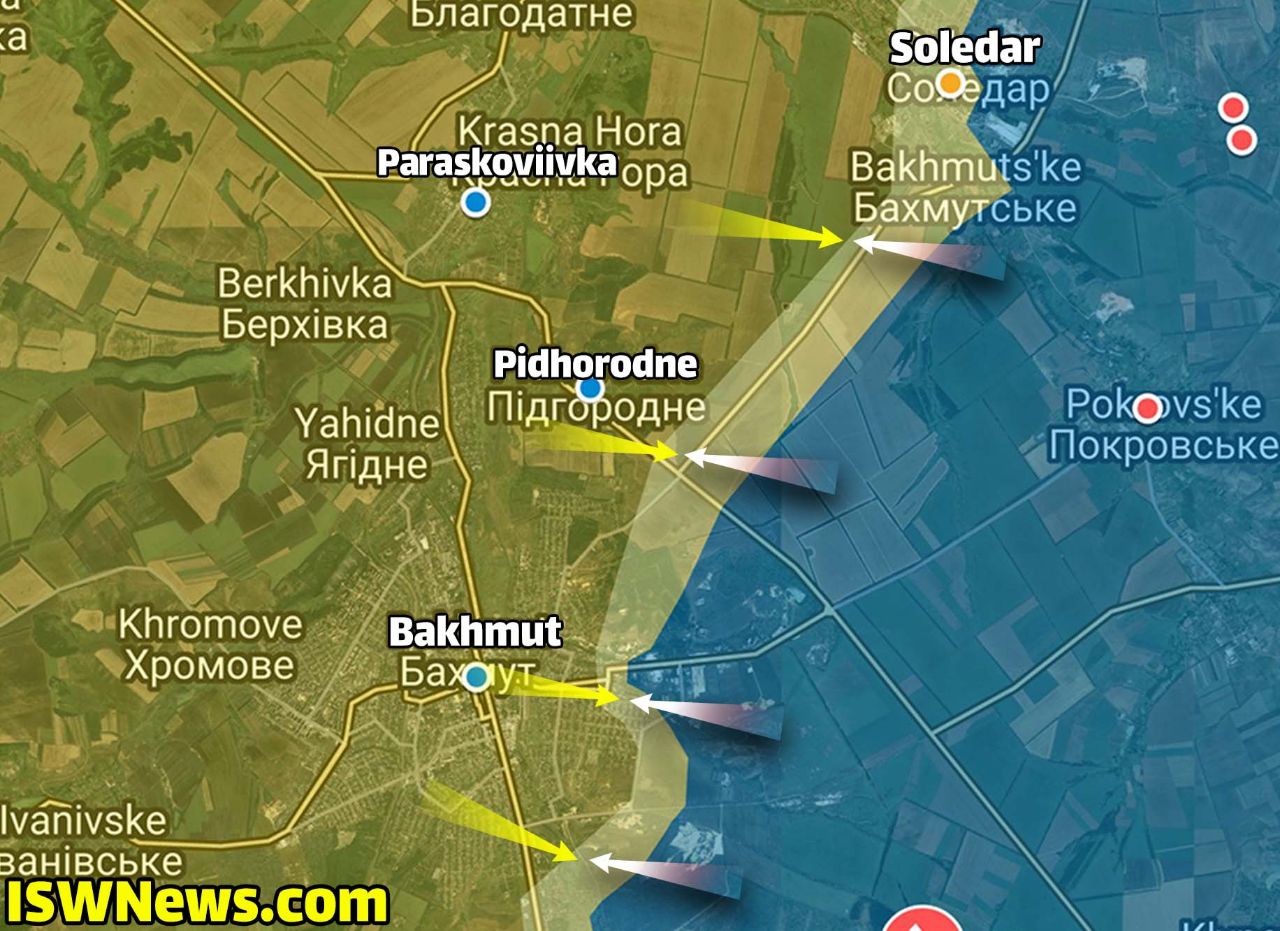
On Bakhmut front, clashes continue in the Pidhorodne area in northeast of Bakhmut city. In case of complete capture of Pidhorodne village, the process of besieging Bakhmut from the north side will be accelerated. Also, if the advance on this axis continues, the settlements of Krasna Gora and Paraskoviivka will be the next targets in north of Pidhorodne.
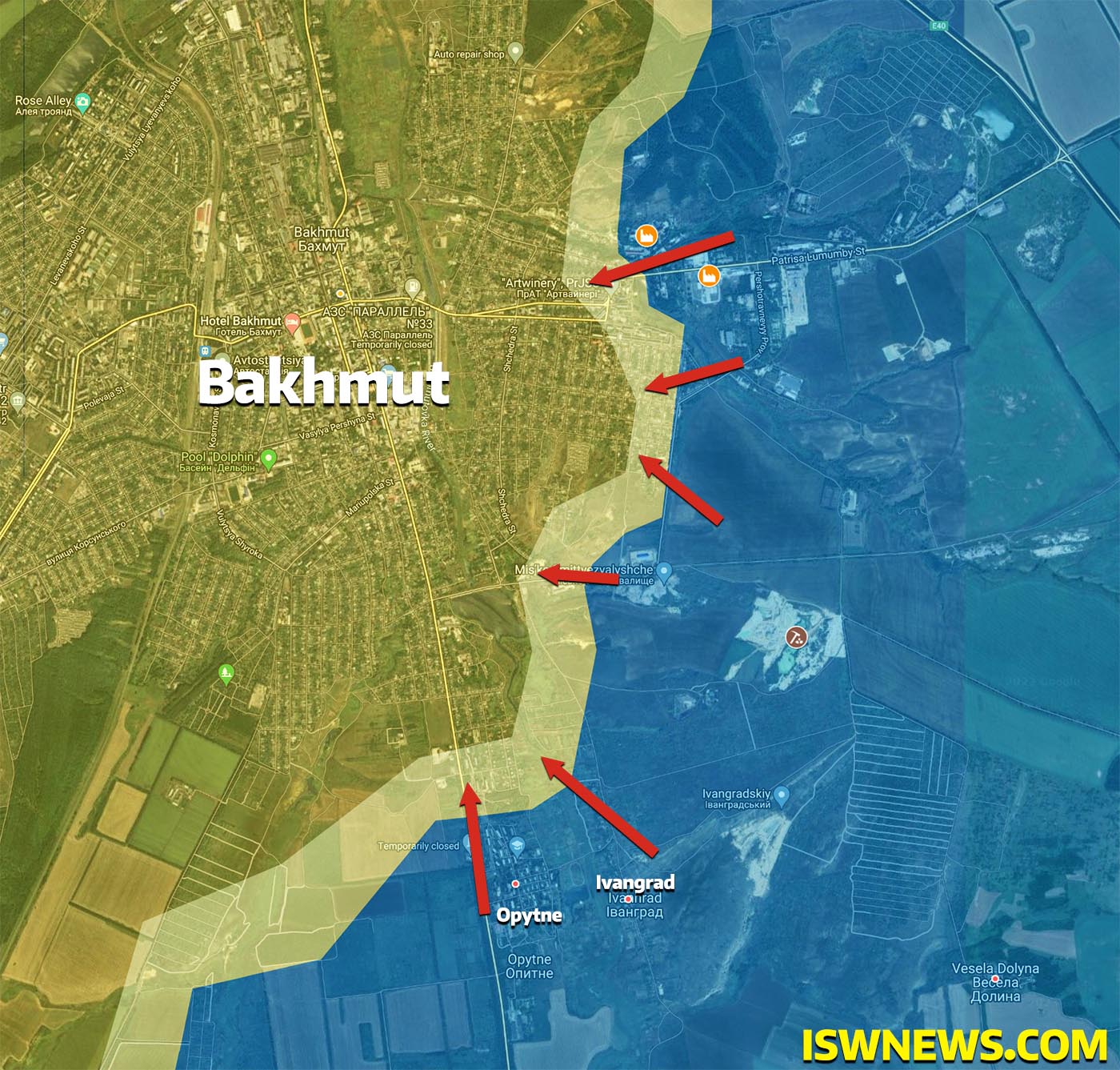
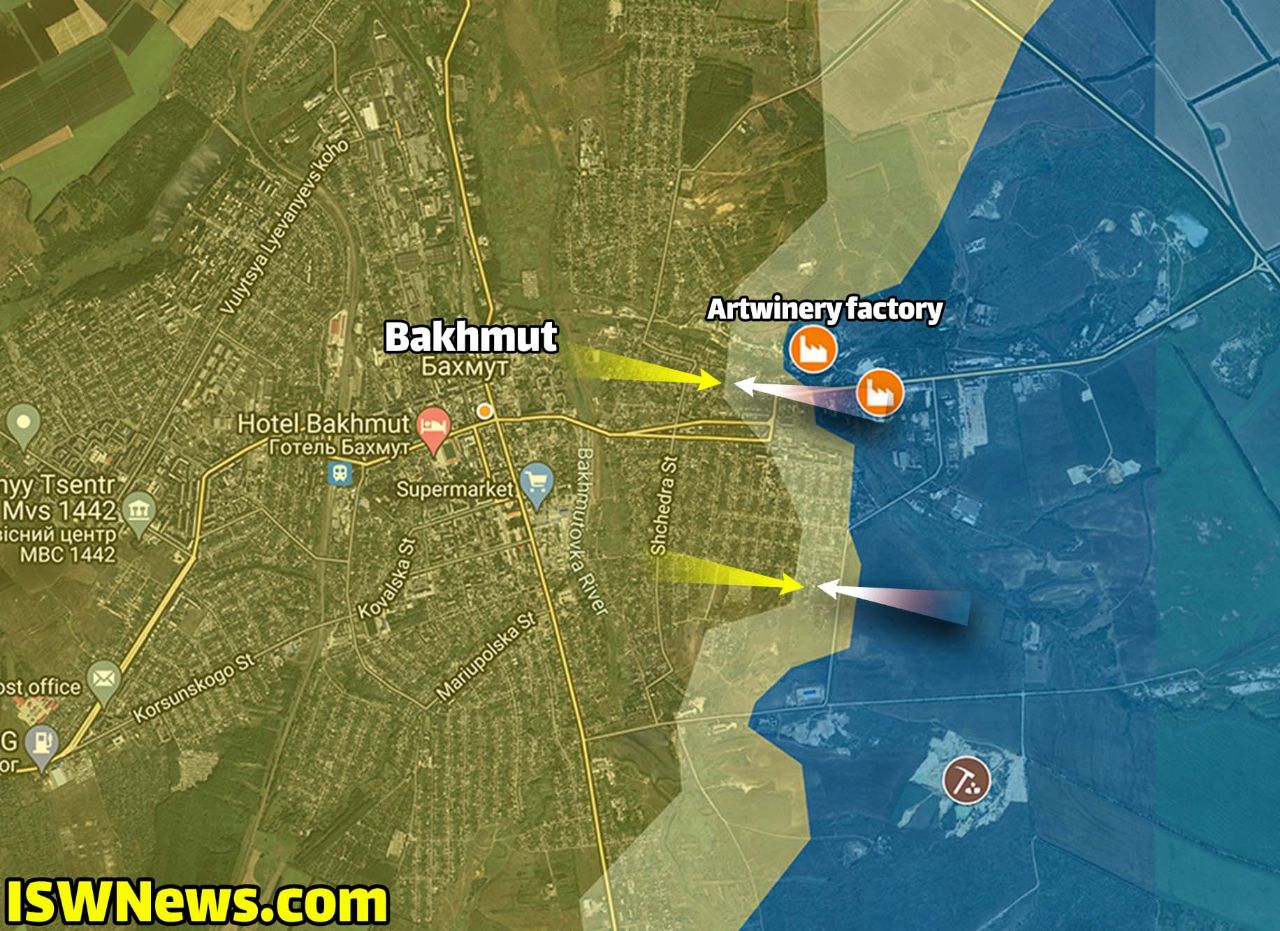
In the eastern and southeastern suburbs of Bakhmut city, the attacks of the Russian army continue, but clearing the industrial area in the eastern areas of Bakhmut has encountered difficulties. Currently, Russian forces are present at the eastern and southern entrances of Bakhmut city, and no progress has been made during the last week. In these axes, the Ukrainians have succeeded in slowing down the Russians by building fortified trenches and underground tunnels.
According to Russian media, the Ukrainian army has sent 4000 servicemen from Chernihiv region to the Soledar and Bakhmut fronts to compensate and replace the losses of its forces. Also, artillery equipment, five Sukhoi 25 and two MiG 29 fighter jets are to be sent to support the Ukrainian forces in this front.
In general, Russian forces are conducting a low-speed operation on the Donbas front with continuous airstrikes and limited ground attacks on Soledar and Bakhmut. This tactic forces the Ukrainians to bring more reinforcements to defend these settlements, and as a result, the loss of Ukrainian manpower and logistical equipment will increase day by day.
Bombardment of positions of Ukrainian forces in Pidhorodne axis with incendiary ammunition. Such attacks were previously carried out by Russian rocket launchers using 9M22S incendiary ammunition during the Mariupol battles
In October, American media reported that Russia purchased Iran-made missiles of Zolfaghar and Fateh-110. A month ago, several sources reported that Iranian cargo aircraft carried out several flights to Moscow, and the Russians used Iran-made Shahed-136 suicide drones in Kupyansk and Nikopol, Ukraine, indicating the military collaborations between Tehran and Moscow developed and entered a new phase.
The success of drone attacks by Russia and the psychological impact of the strikes on the Ukrainians prompted the Western states to activate their propaganda and political campaign against Iran-made warfare, and impose new sanctions on Tehran to dissuade the Islamic Republic from the military cooperation with Russia. Of course, the connection has never been confirmed by the Russian and Iranian statesmen, while the Western powers and the Zionist regime put forward different speculations on the delivery paths of the Iranian drones to Russia via Tajikistan, Uzbekistan or other countries.
Nevertheless, the Russian media outlets reported in November 2022 that the Russian and Iranian authorities held talks on the purchase of Iran-made short-range and medium-range ballistic missiles to be used for the Ukraine war. But new reports of those media claimed that the Iranian missiles are going to be swapped for 24 Russian Su-35 fighter jets.
The fighter jets were scheduled to be delivered to Egypt’s Air Force on the basis of a 2019 contract worth $2 billion, but the United States’ threats pushed back Cairo that was concerned about the potential sanctions by the West; so, the Egyptians refrained from receiving the whole shipment of the fighter jets.
Unofficial reports from both sides (Russia and Iran) say that the Su-35 jets will be handed over to Tehran, and that the Iranian pilots are getting trainings to start flying the fighters.
So, what are the benefits of the contract for Iran and Russia? And is the swap deal of the Russian Su-35 for the Iranian ballistic missiles useful for both countries?
Russia is experiencing a complicated conflict and the Russians’ missile arsenal is suffering from shortages after 10 months of heavy clashes. Moscow experiences that it could not reach the desired results in the Ukraine war, and the Russians cannot consume all missiles to target pre-planned points in Ukraine. Thus, they resort to bargaining the swap deal with Iran, which seems to be the best option for the Russians to find a way out of the existing weak point in the war.
As the Western media claimed, the Russians are after purchasing Zolfaghar and Fateh-110 missiles. The Iran-made missiles have not been used in a broaden conflict like the Ukraine war so far, but the Zolfaghar missiles were successfully fired at the Daesh hideouts in Deir Ezzor in eastern Syria in June 18, 2017 and October 1, 2018. The Fateh-110 missiles were also effectively fired at a spy center affiliated to Israel in Erbil, northern Iraq, on March 13, 2022. It is worth mentioning that the Fateh-110 missiles have been utilized by Ansar Allah fighters in the Yemen war.
The usage of fighters and strategic bombers will inflict heavy costs on the Ministry of Defence of the Russian Federation in the long-run. The most airstrikes by the Russians are being conducted by unguided weapons; so, in a situation that the Ukrainians have enhanced their counterstrikes, the Russian weaponries are not applicable to strike targets in the depth of the Ukrainian soil. Moreover, the accuracy of the Iran-made missiles can be seen as another strong point, which can help intensify the aftermath of Russian strikes on Ukraine.
The Iranian armed forces possess abundant missile arsenals that are the best option for the exchange of ballistic missiles with Su-35 in terms of price difference (the Rial-Dollar exchange rate deals) and other issues. The Zolfaghar and Fateh-110 are the best and widely used Iran-made missiles, and the Islamic country is not afraid of their structural details being revealed.
Russia’s usage of the Iranian weaponries in the war on Ukraine, while the Ukrainians enjoy all-out support by the US and NATO, is a sort of simulation or proxy war. Iran can oversee the result of Russians’ use of the weapons and equipment in order to develop them and overhaul their potential defects in the face of the West-made weaponries.
The West-imposed sanctions on Iran’s Air Force over the last 40 years caused the limitation of the access to warplanes, including state-of-the-art fighter jets; so, almost no country agreed to strike a deal with Iran in this respect. But the war in Ukraine created an opportunity for the Islamic Republic to purchase the Russian warplanes and the Iranians try to meet parts of their needs in the effort to stand against the enemies.
The military cooperation and the swap or sale of weaponries have always been considered as normal acts among militarily powerful states; however, the Iranians’ progress in manufacturing deterrent equipment, including drones and missiles, seems not to be in favor of the US and Europe, who have been the biggest producers and suppliers of weapons in the world for years; so, they resort to threats and sanctions in dealing with Iran’s progress in military sector.
In his message to the Russian Ministry of Defense, Putin said, “Considering the address of his holiness Patriarch Kirill, I commend the Minister of Defence of the Russian Federation to implement ceasefire from 12:00, 6 January 2023, to 24:00, 7 January 2023, along all the line of contact in Ukraine. Proceeding from the fact that the operations areas are inhabited by a large number of citizens who profess Orthodoxy, we appeal to the Ukrainian party to announc a ceasefire, and to give them an opportunity to attend the services on Christmas Eve, and on the Christmas Day.”
Until now, Ukraine has not reacted to this Russian request.
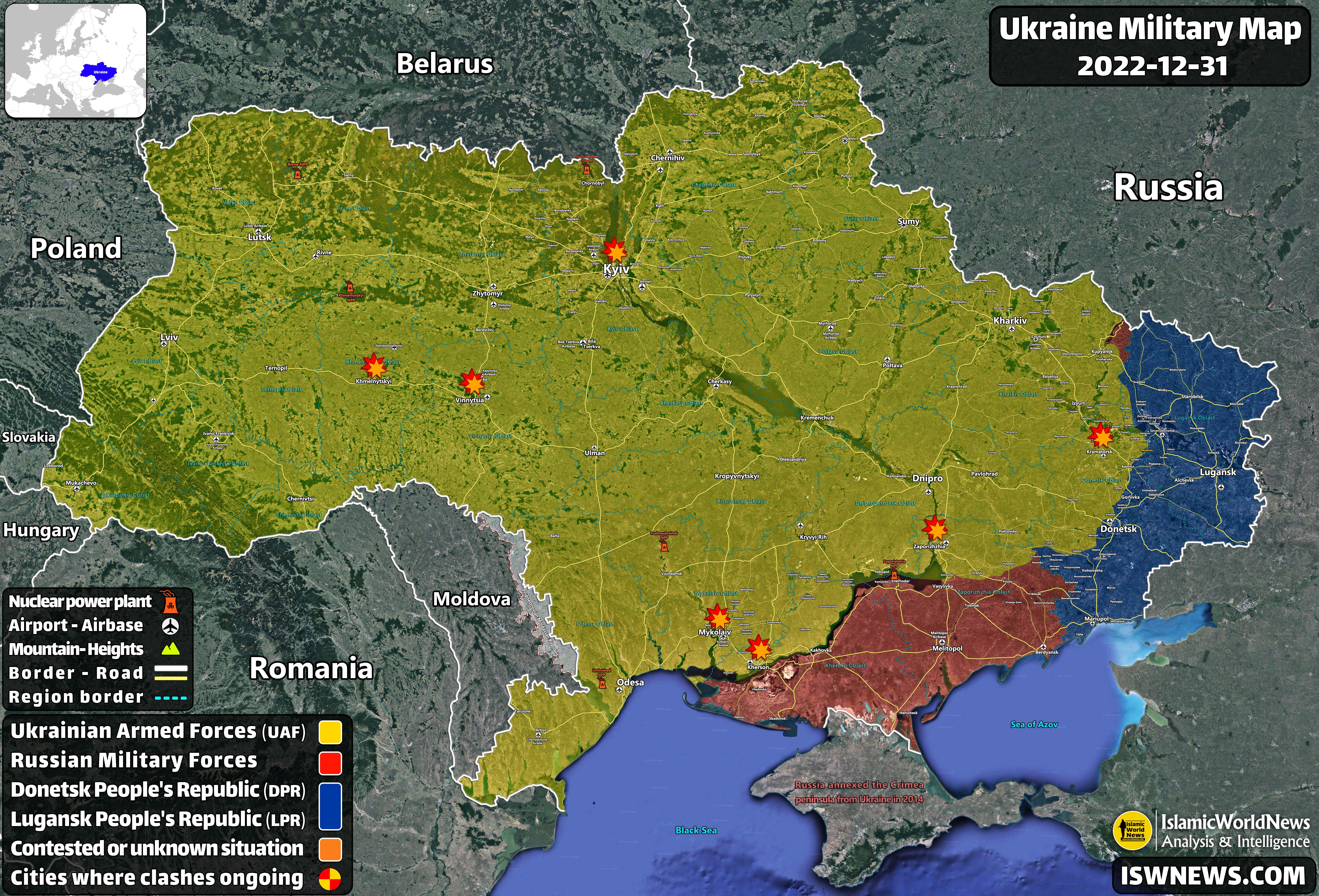
On the afternoon of December 31, the Russian military attacked Ukrainian industrial and military facilities in the cities of Kyiv, Mykolaiv, Zaporizhia, Kherson, Kramatorsk, Vinnytsia and Khmelnitsky using several cruise missiles.
According to Ukrainian media, these missiles were fired from Russian submarines in the Caspian Sea and the Black Sea towards Ukraine. The air defense of the Ukrainian army in the cities of Ternopil, Zhytomir, Chernihiv, Kyiv and Sumy, out of a total of 20 Russian missiles, have succeeded in destroying six missiles in the sky of Kyiv, five in Zhytomir and one in Khmelnytskyi.
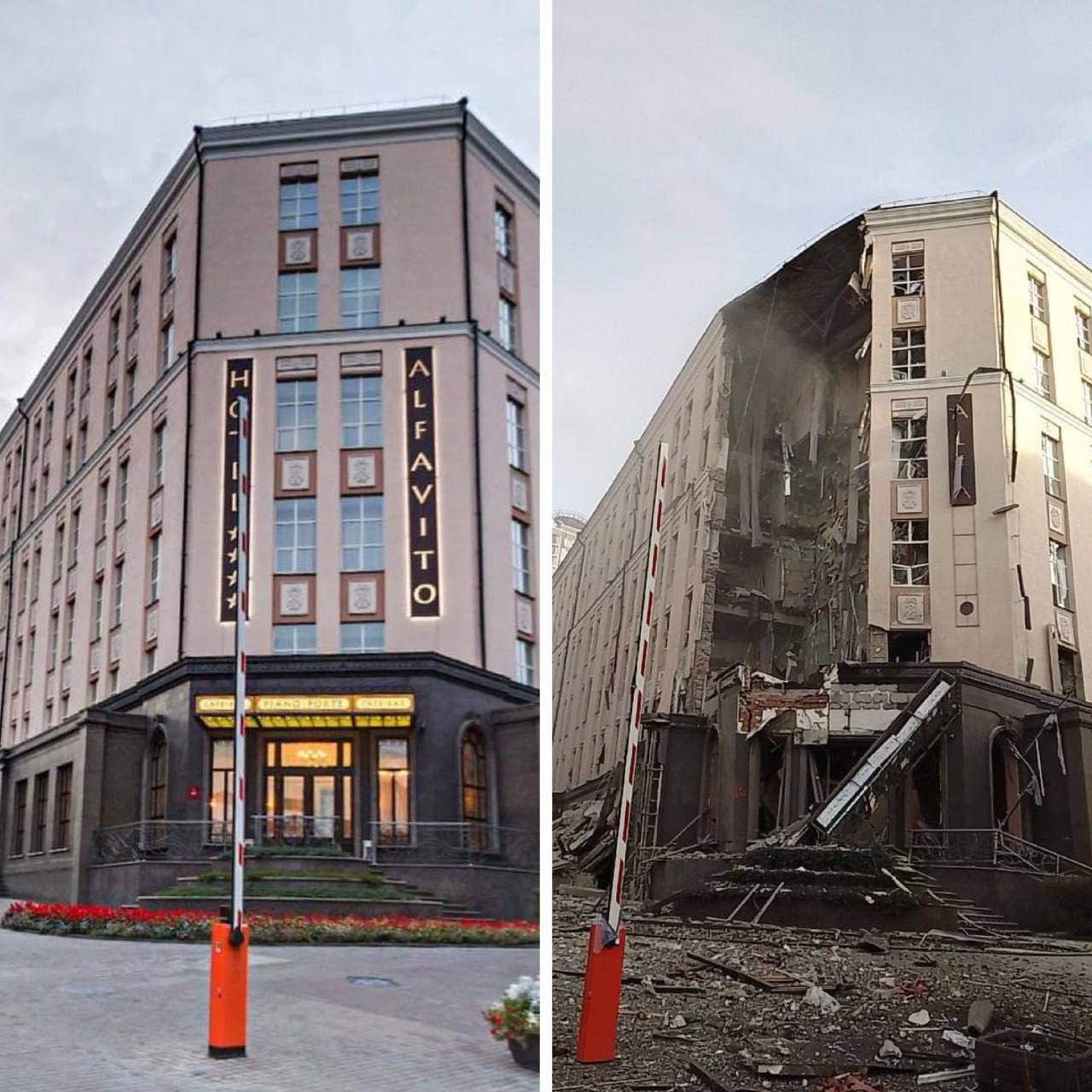
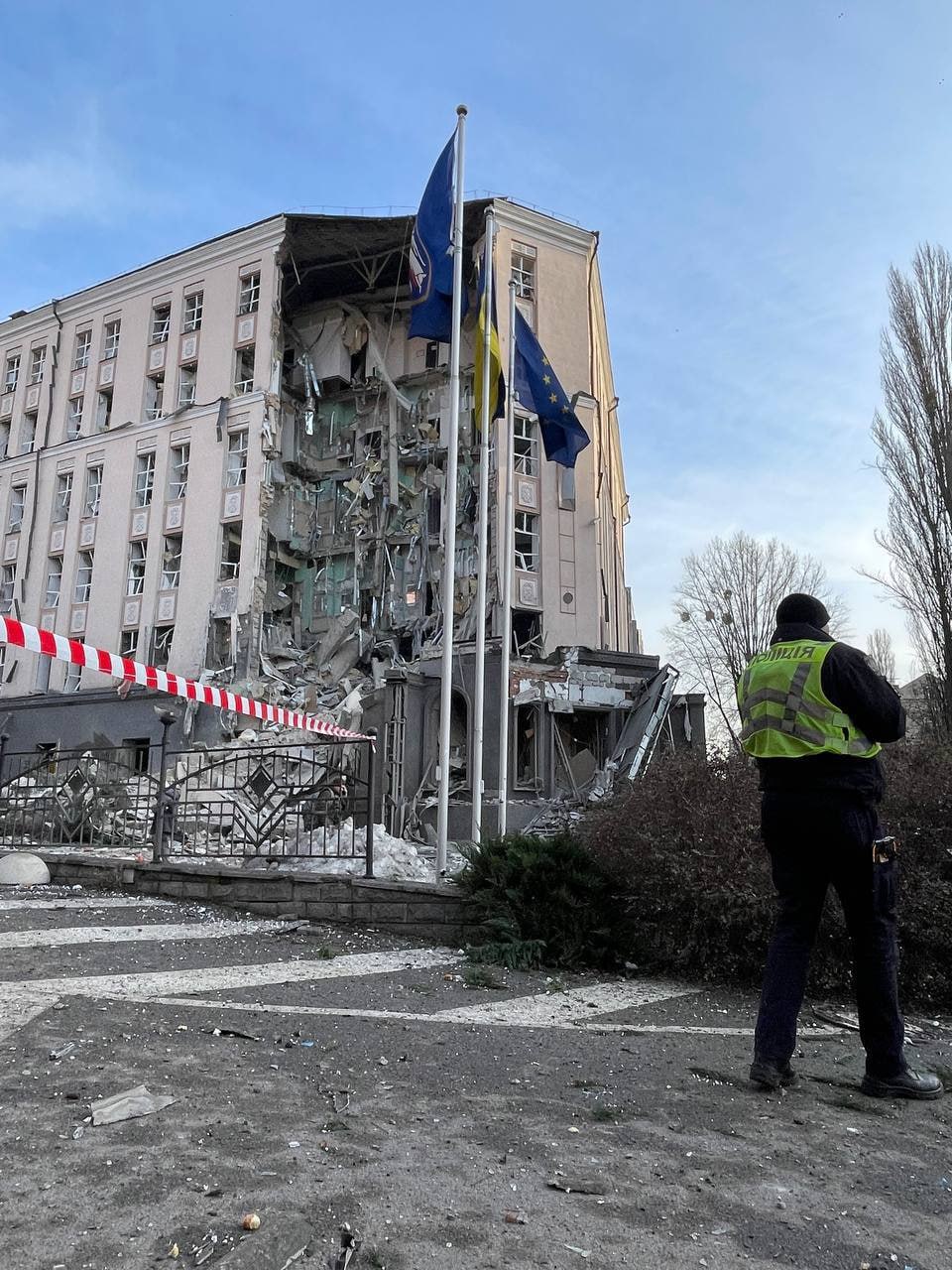
According to Vitaly Klitschko, the mayor of Kyiv, one person was killed and 22 people were injured, including a Japanese journalist, as a result of Russian cruise missiles hitting residential areas of the Ukrainian capital, including the Adler and Alfavito hotels. Also, 17 other people were injured in the cities of Zaporozhye, Mykolaiv and Khmelnytskyi.
This is the fourth large-scale air attack and the second missile operation of the Russian army against Ukraine since the last month, which, unlike the previous attacks, has not had any significant and effective results.
Russian cruise missile hit the city of KyivPictures of the Russian missile hitting the Alfavito Hotel in Kyiv and the wreckage of Ukrainian defense missilesRussian missile hit the city of KhmelnytskyiRussian missiles hitting MykolaivClick to view full size
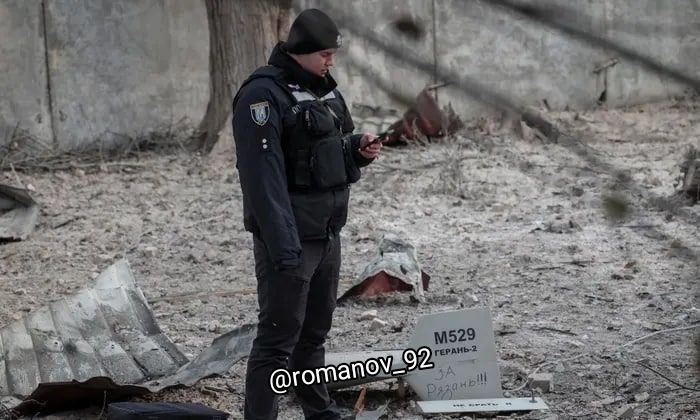
Last night and this morning on December 29, the Russian army heavily targeted the electrical facilities and other positions of Ukrainian forces in the cities of Kharkiv, Dnipropetrovsk and several other places with several Shahed-136 suicide drones. At the same time as drone attacks, the artillery of the Russian army has also struck positions of Ukrainian forces in Zaporizhzhia, Kherson and Mykolaiv fronts.
According to Ukrainian media, nine suicide drone attacks were observed in Kharkiv province, five in Dnipropetrovsk, two in Zaporizhia, two in Mykolaiv and two in Kherson.
It should be noted that the following videos are related to Russian drones hitting the cities of Kharkiv and Dnipropetrovsk, and so far no cases of Zaporizhzhia, Mykolaiv and Kherson have been observed or published. Therefore, it is possible that the Ukrainian media made a mistake in distinguishing drone attacks from artillery attacks and considered the sound of Shahed-136 while crossing the sky of the southern provinces as drone attacks in these areas.
Click to view full sizeShahed-136 suicide drone hit in KharkivShahed-136 suicide drone hit in KharkivShahed-136 suicide drone hit in KharkivShahed-136 suicide drone hit in DnipropetrovskShahed-136 suicide drone hit in DnipropetrovskRussian artillery attacks on Kakhovka and Chernobayuka in KhersonRussian artillery attacks on Kakhovka and Chernobayuka in Kherson
1- Donetsk: On December 12, following the Russian army’s new attacks on the eastern axis of Bakhmut city and the Soledar-Bakhmut road, the Russian-led forces succeeded in making minor advances near the Pidhorodne settlement. Some Russian media have published news about the complete withdrawal of Ukrainian forces from this settlement, which has the aspect of psychological warfare and is not true. According to their previous experiences, the Ukrainian forces are trying to stop the Russian army ground forces with the support of heavy artillery fire, and this tactic has been effective so far. Also, the AFU command has sent its auxiliary forces under the name of the 57th brigade from Chernihiv oblast to these fronts, and it seems that the Ukrainians still have no intention of withdrawing from Bakhmut.
– On December 13, following the Russian army attacks on the eastern front of Bakhmut, Artwinery factory was captured by the Russians. Clashes are currently taking place along along Fedora Maksymenka street in the east of Bakhmut city. View on the online map
– On December 16, Russian army artillery heavily shelled the positions and gatherings of Ukrainian forces in Bakhmut, Soledar and Opytne settlements.
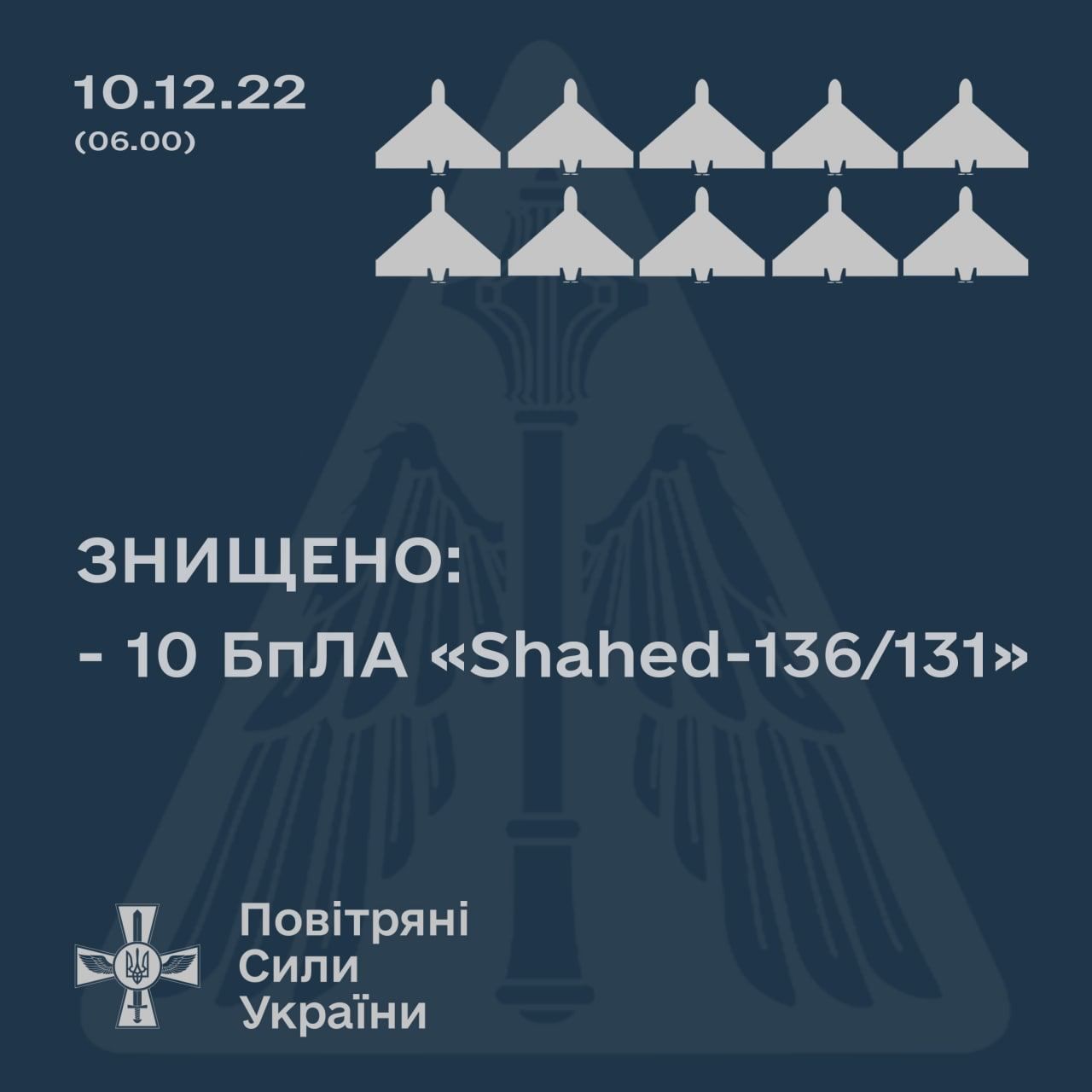
2- On December 10, the Russian army attacked Ukrainian energy facilities in Odesa, Mykolaiv and Kherson oblasts with several suicide drones. Ukrainian southern command claims to have shot down 10 Shahed-136 suicide over the Kherson, Odessa and Mykolaiv oblasts. Local sources have also reported the sound of several explosions in these three oblasts and power and water cuts in the city of Odesa.
3- Kyiv: On December 14, the Russian army attacked positions of Ukrainian forces in the city of Kyiv with several Shahed-136 suicide drones.
4- According to Western media reports, the US officials are considering and making a final decision to send the Patriot air defense system to Ukraine. In response to this decision, Russia warned the US, calling it a “provocative” move that “can lead to unpredictable consequences.”
5- On December 16, the Russian army heavily targeted Ukrainian energy facilities in different cities of Ukrainie with dozens of Kha-101 and Kha-55 cruise missiles.
Russian missiles hit Zaporizhzhiapower plant facilities
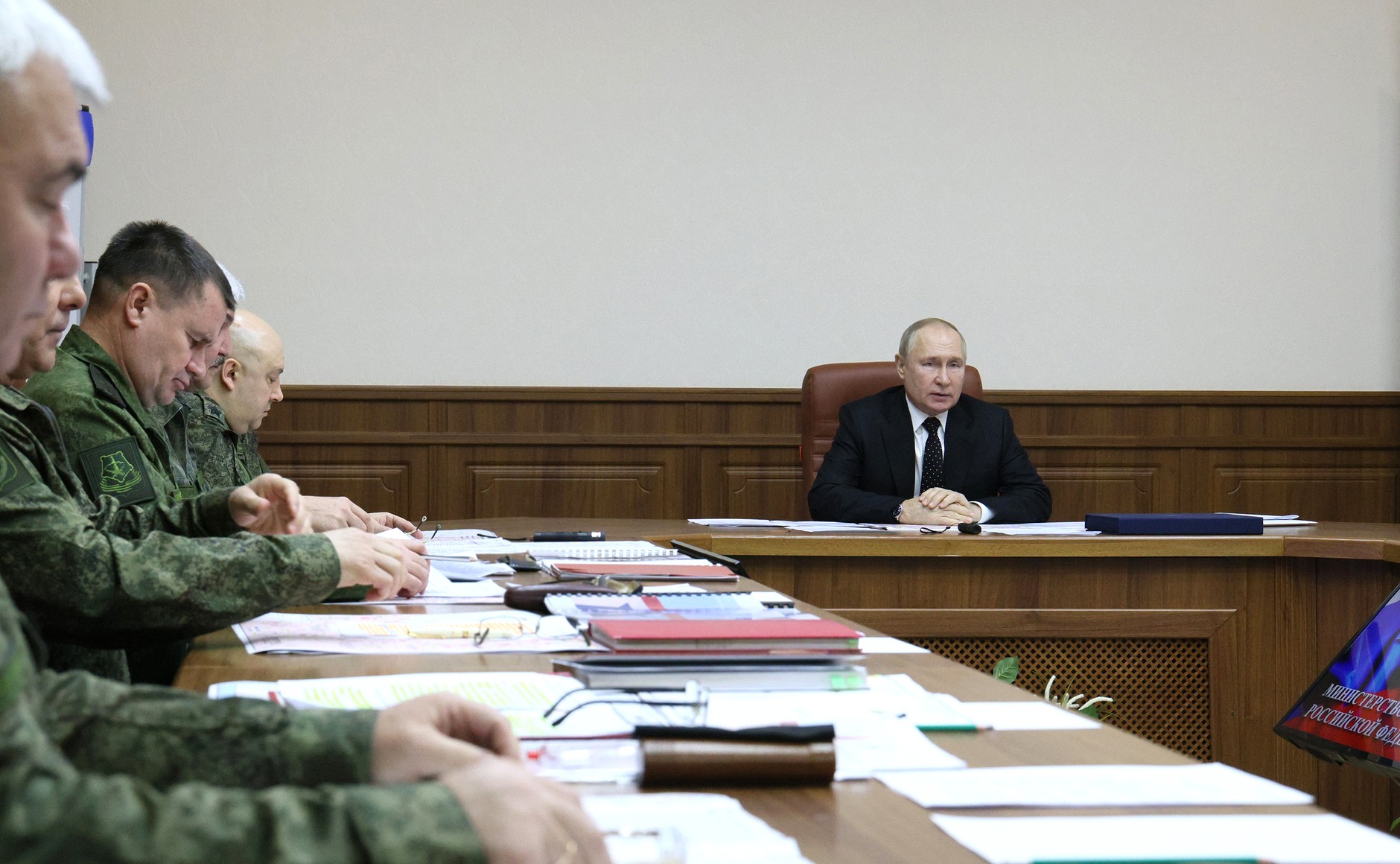
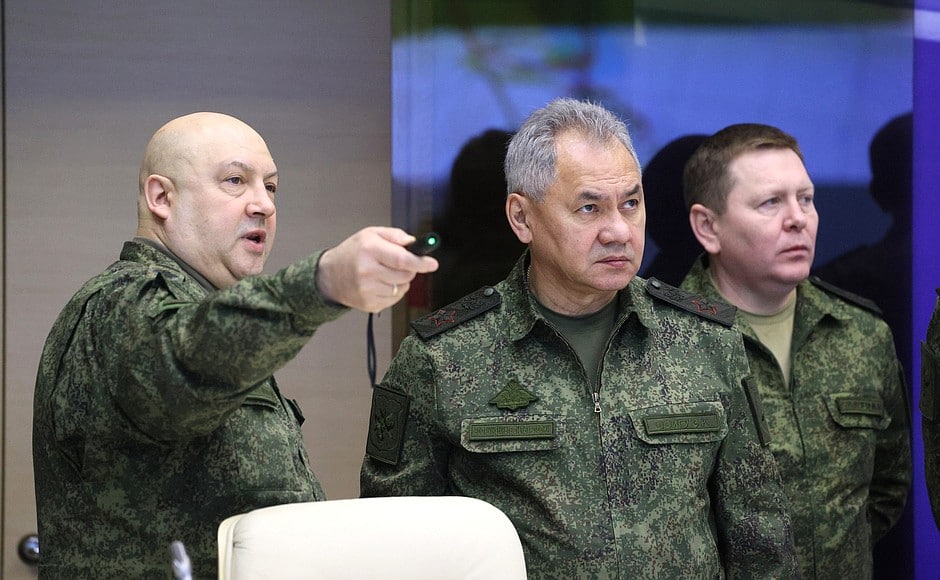
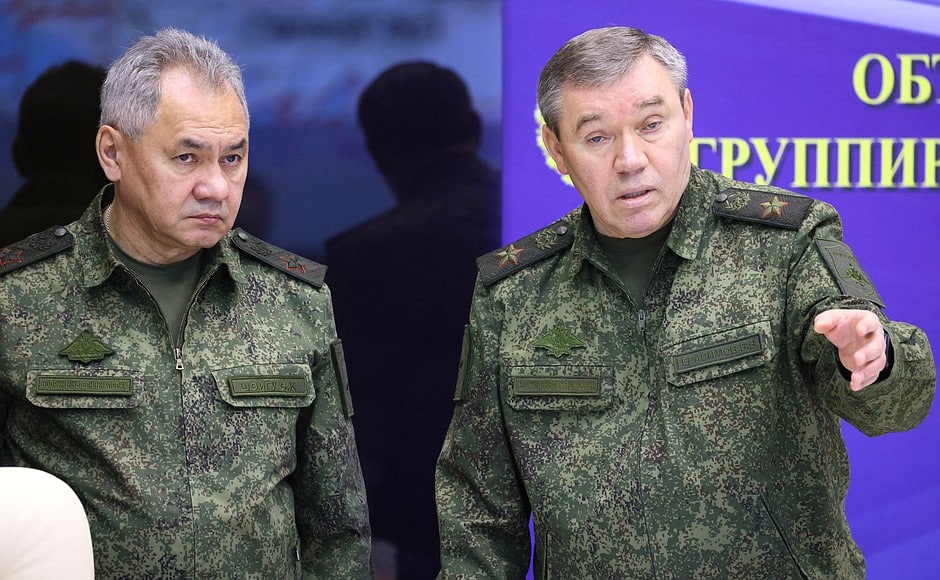
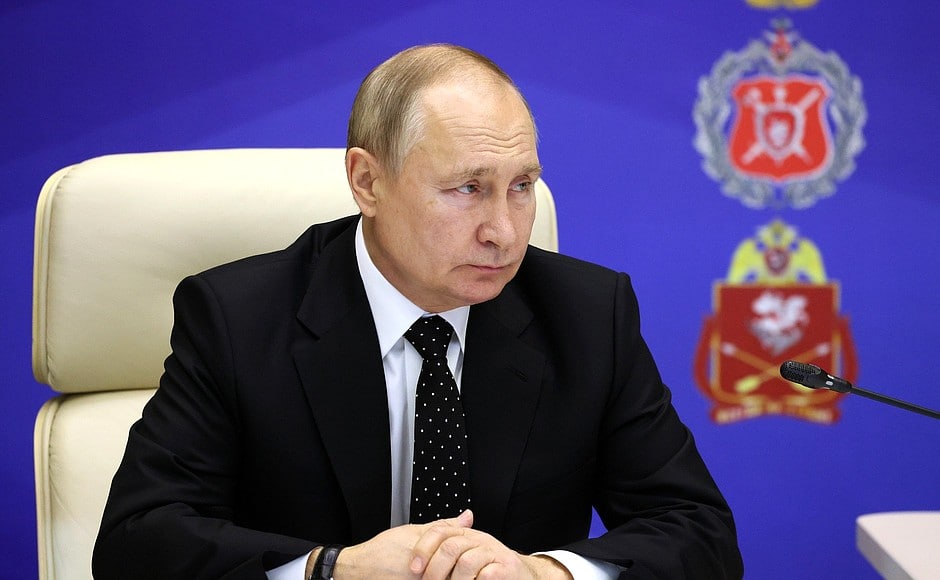
6- On December 17, Russian President Vladimir Putin participated in the meeting of military commanders in the command room of the Russian military special operations in Ukraine. In this meeting, Putin was briefed on the latest military developments in Ukraine by General Sergei Surovikin, the commander of the Russian forces in Ukraine, And also he had a separate meeting with Defense Minister Sergei Shoigu and Valery Gerasimov, Chief of the Joint Staff of the Armed Forces and other Russian military commanders. According to Russian media reports, in this meeting, Putin reviewed the proposals of Russian commanders regarding immediate and mid-term actions in the Ukraine war.
7- Luhansk: On December 16, as a result of Ukrainian shelling on the town of Lantrativka, a settlement close to the border with Russia 11 people were killed and 17 others were injured. In this attack, a school, a post office and several residential buildings were damaged.
8- Zaporizhzhia On December 11, Ukrainian army struck positions of Russian forces in the city of Melitopol using HIMARS systems. According to local sources, 10 explosions were heard during this attack. Also, some of these rockets reportedly hit a recreation center. No information is available on the amount of damages.
9- Crimea: On December 11, Russian Army announced the neutralization of Ukrainian suicide drone attack on Simferopol and Sevastopol.
On December 16, another massive attack hit the energy infrastructure of Ukraine.
After the missile attacks, electricity and railways transportation were stopped in different cities of Ukraine. Now, in addition to the energy cut off, several Ukrainian regions are experiencing serious interruptions with cellular communications, Internet and water supply.
During the attacks, at least seven explosions were reported in Kyiv, the Ukrainian capital.
The governor of the Kharkiv region stated that three missiles targeted the energy infrastructure facilities in the region.
The command of the Ukrainian Air Force also claimed that 60 of the 76 missiles fired by the Russians were shot down by the Ukrainian air defense.
The Russian military from a few months ago, in a smart move, stopped the implementation of scattered missile attacks with cruise missiles and has directed their use to important operations with strategic objectives, including the disabling of Ukrainian energy facilities. This method has been seen before in the course of the Yemen war and IRGC attacks against American and Israeli positions; with the difference that Ansar Allah targeted oil facilities and airports in Saudi Arabia in their attacks, and the IRGC targeted American and Israeli military and intelligence bases; And now in Ukraine; Russia is targeting Ukraine’s energy infrastructure.
Russian cruise missile flying in the sky of KyivRussian cruise missile flying in the sky of DniproThe people of Kyiv took shelter in the subwayRussian missiles hit Zaporizhzhiapower plant facilitiesPillars of smokes caused by Russian missiles hitting Ukraine from the perspective of an airplane in the sky of Moldova
Ukrainian sources reported the sounds of several explosions in Shevchenkivs’kyi district and from the outskirts of Kyiv. In this regard, Vitali Klitschko, mayor of Kyiv and head of the Kyiv City State Administration claimed Ukrainian Army shot down 10 Shahed-136 suicide drones over the city.
The Ukrainian military has also said it shot down 13 Shahed-136 suicide drones over Kyiv and the surrounding region early on Wednesday, But there were no immediate reports of casualties.
Also, some Ukrainian sources claimed that the Russian army also used the Arash suicide drone in this attack. If this claim is true and proven, today’s attack is the first operational use of Arash suicide drones in the war in Ukraine.
The moment when one of the suicide drones hit and exploded in the city of KyivThe moment when one of the suicide drones hit and exploded in the city of Kyiv
The attack was Russia’s first major drone attack on the capital in weeks. It should be noted that a wave of Russian drone and missile attacks since October has caused severe damage to Ukraine’s energy and electricity infrastructure as it enters the winter.
Ukraine has already received modern air defence systems from the west and the US, But so far, the interception and shooting down of Shahed-136 drones has not been so successful.
Some believe that the deployment of the US Patriot air defense systems can help; but, the US has previously resisted supplying Ukraine with the Patriot systems. However, the US officials, recently, after the repeated Russian airstrikes on Ukraine stated that the patriot missiles could/may be delivered to Ukraine in a matter of days. But there is still a big doubt about the effectiveness of Patriot system against the Iranian suicide drones. In the past, Iranian drones have managed to pass through Patriot defense systems many times in West Asia.
1- Donetsk: On December 7, the Russian army heavily bombarded Avdiivka and Bakhmut areas in a new round of artillery attacks. Heavy clashes also going on in the Bakhmut fronts. The pro-Russian media claim that during the recent battles in Bakhmut fronts, the Russian army destroyed a battalion of Ukrainian forces consisting of Ukrainian militia and Georgian volunteers.
– On December 7, as a result of the Ukrainian army’s artillery and rocket attacks on Gorlivka and Donetsk city, at least 8 people, including the deputy of the Donetsk People’s Council were killed and more than 20 people were injured.
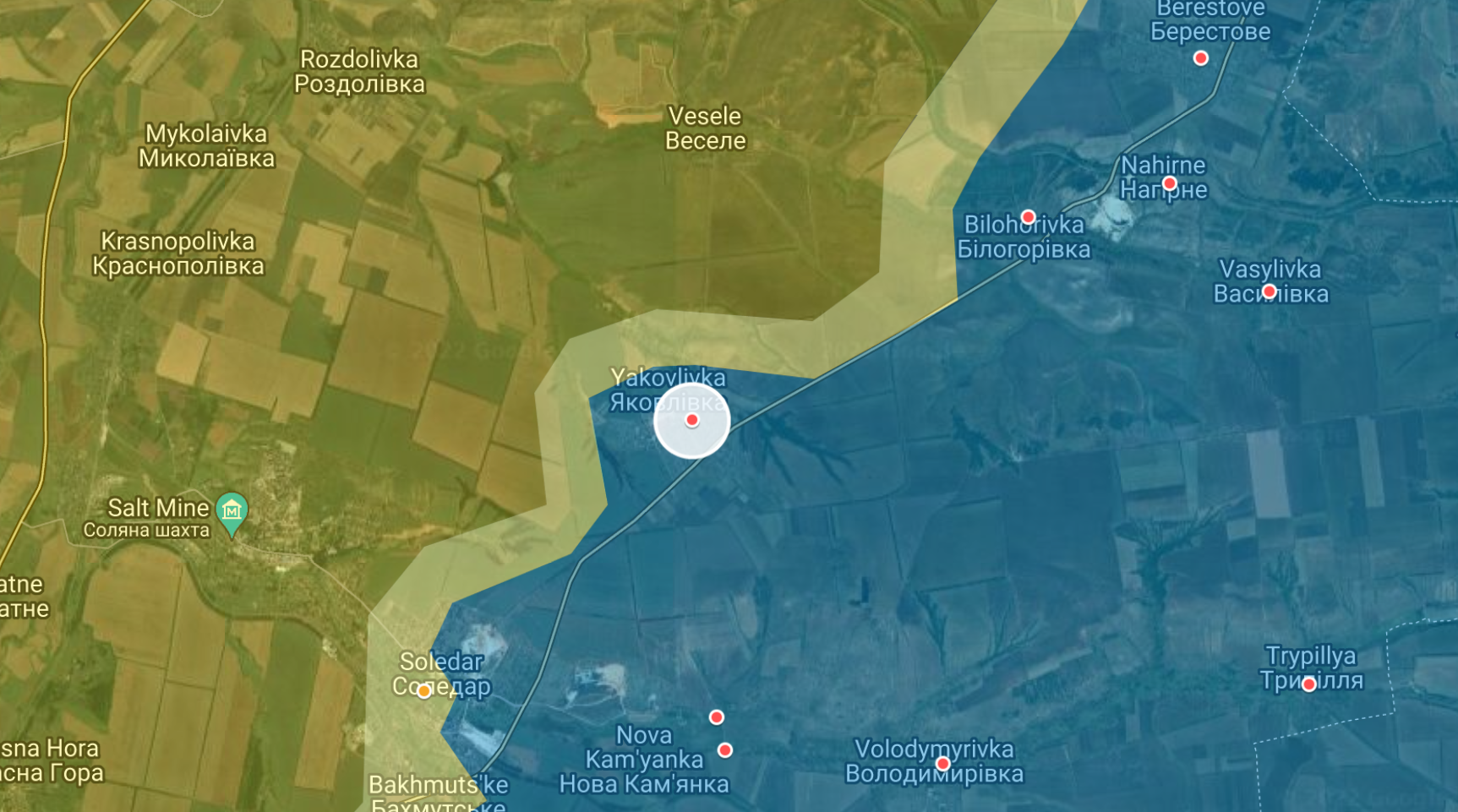
– On December 7, the Russian army, continuing its attacks on the northern regions of Donetsk oblast, captured the Yakovlivka village located on the northern axis of Soledar town. Advancement in this axis will lead to the withdrawal of Ukrainians from Soledar and weakening their position in Bakhmut. (View on the online map)
– On December 16, the artillery of the Russian army attacked the positions of the Ukrainian forces in the town of Toretsk. This settlement plays an important role in maintaining the lines of the Ukrainians in this axis (especially in preventing the advance of the Russians in the southern regions of Bakhmut).
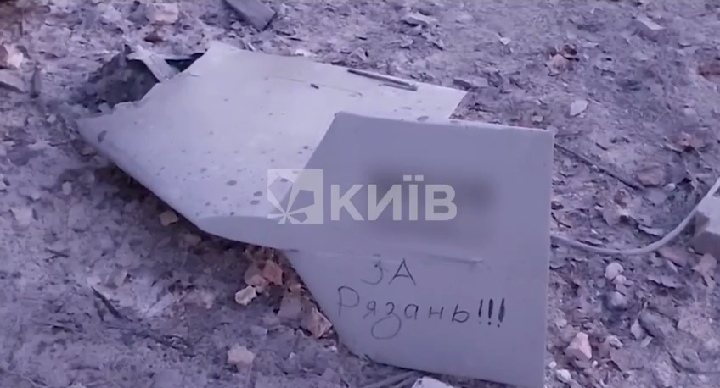
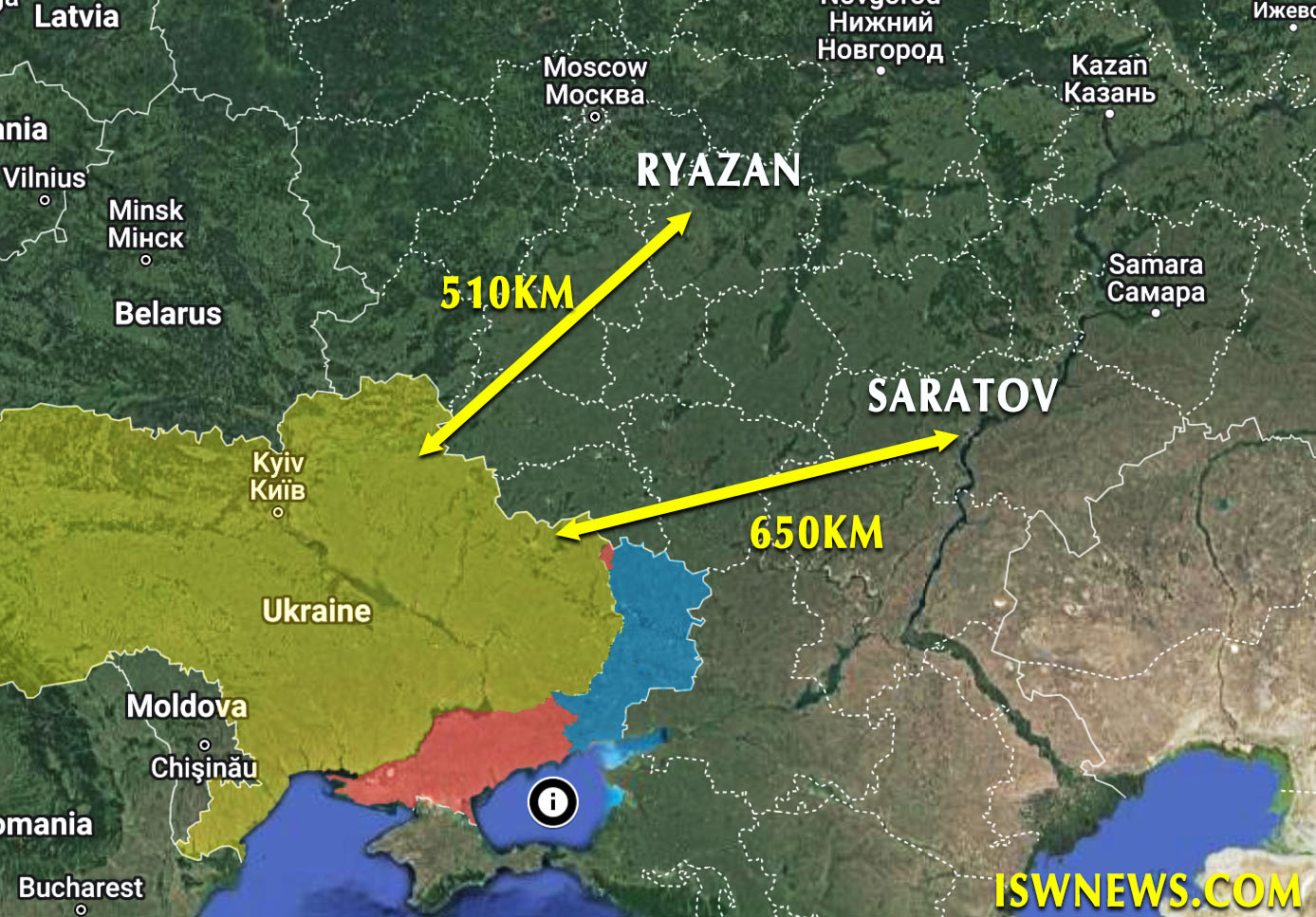
2- On December 5, the Ukrainian army attacked Dyagilevo military airport in Ryazan oblast and Engels airport in Saratov oblast deep in Russian territory with several suicide drones.
3- On December 5, Tupolev Tu-22M strategic bombers and submarines of the Russian army launched a massive attack on Ukrainian energy facilities in various cities using dozens of cruise missiles.
4- On December 7, Volodymyr Zelensky said in response to the Russian army’s missile attacks on Ukrainian energy facilities:
“Now it is impossible to revive Ukraine’s energy industry as it was before the massive (Russian) invasion. And that’s why the outages in the cities will continue.”
Zelensky previously claimed that one third of the energy sector was destroyed and 40% of Ukraine’s energy facilities were damaged in Russian attacks.
5- On December 4, as a result of the AFU drone attack on the city of Kursk located in the west of Russia, one of the oil storage tanks of the airport and another place in this city caught fire. According to the governor of the Kursk region, there were no casualties in this attack and the fire has been controlled, but the pictures and videos published show that the fire continues in these places.
6- The Russian army attacked positions of Ukrainian forces in the cities of Dnipropetrovsk and Zhytomyr with one or more Shahed-136 suicide drones. Local sources have also reported the occurrence of several explosions in these cities. The official details of this news have not been published yet, but some Russian sources, citing local sources, have reported that Zhytomyr energy facilities were hit in these attacks.
The decrease in Russian drone attacks in recent weeks has raised the suspicion that Shahed-136 drones are not capable of carrying out attacks in the winter due to the plastic parts and other materials that are not resistant to extreme cold. But these attacks questioned the Ukrainian authorities claims and put an end to the rumor about the Shahed-136 drones.
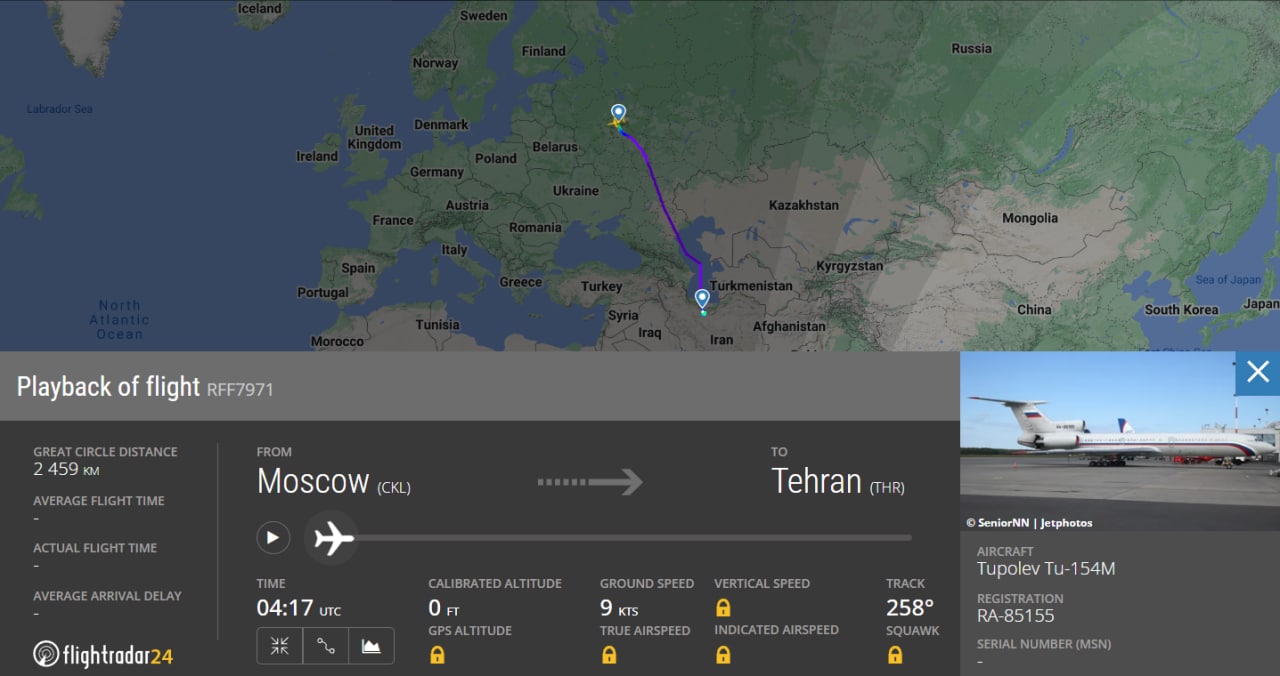
7- On December 3, a Tupolev-154 aircraft belonging to the Russian Ministry of Defense traveled from Moscow to Tehran, the capital of Iran, and returned to Moscow on December 4. According to Russian sources, this flight was carrying Alexander Fomin, the Deputy Minister of Defense of Russia and a number of other senior Russian military personnel to meet with Major General Mohammad Hossein Bagheri, the Chief of General Staff of the Iranian Armed Forces. Major General Bagheri said during the meeting, referring to the formation of the pillar of world power in the East.
“Today, the Americans admit that they have not been successful in the approach of unilateralism and creating a unipolar system. We emphasize the necessity of cooperation between Tehran and Moscow in bilateral, regional and international issues by maintaining the national interests of the two countries and maintaining the peace and security of the region, and negotiations in these areas should be carried out continuously.”
8- On November 30, following an explosion near the Ukrainian embassy in Madrid, the capital of Spain, one of the employees of the Ukrainian embassy was injured. According to Spanish media reports, an envelope containing explosives was sent to this embassy and the Ukrainian employee opened it.
9- The Ministry of Defense of Russia published a video of the operation of several Lancet suicide drones against military convoys and armored vehicles of the Ukrainian army in Kherson fronts. In this video, the moment when the Russian Lancet drones hit the P-18 and 36D6 radars, as well as a convoy of S-300 defense system launchers of the Ukrainian army are shown. This video shows that the Russian Lancet is successful in hitting fixed targets such as radars and has a low percentage in effectively hitting moving targets. The reason for this is due to the dimensions, weight and other technical characteristics of this drone.
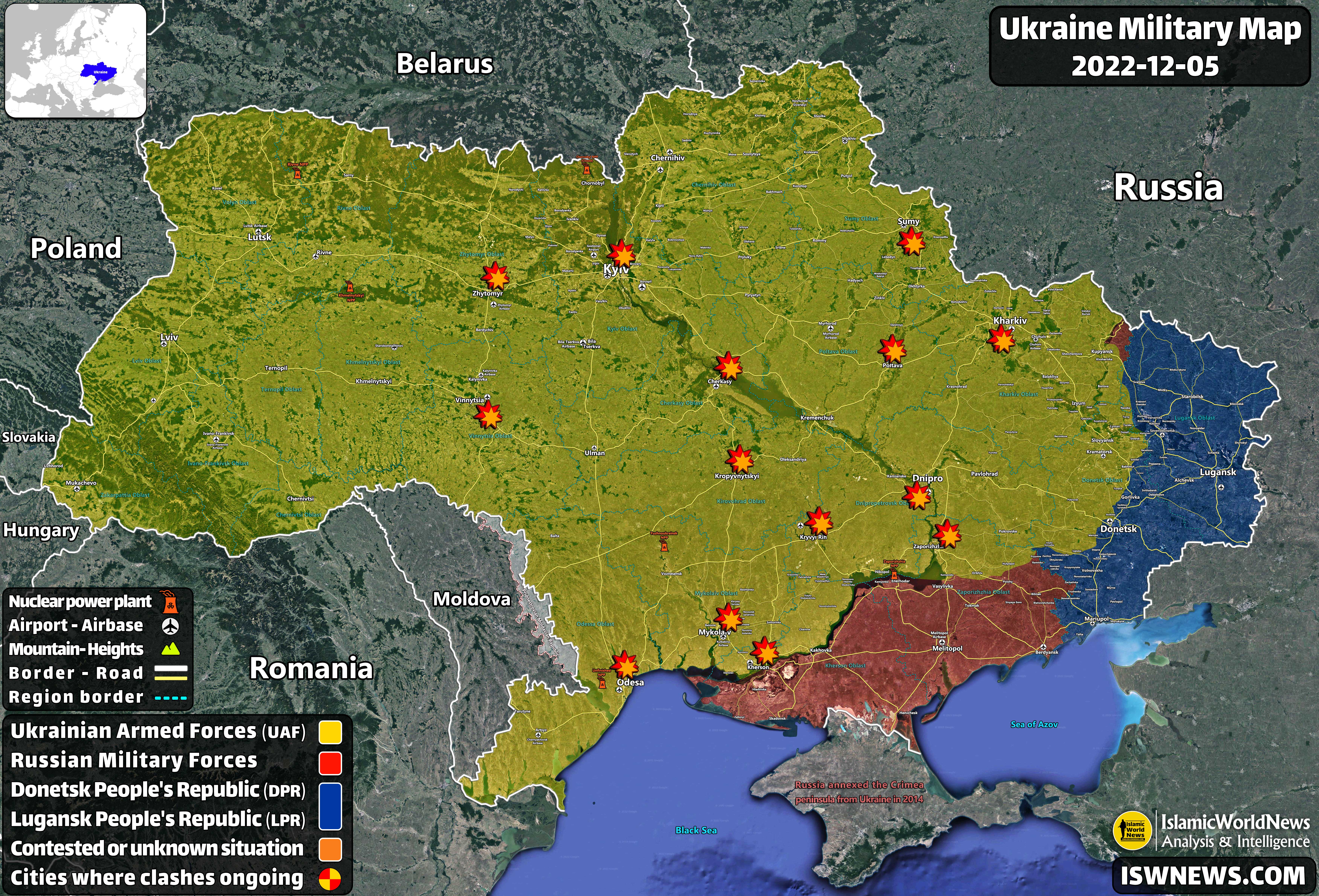
On December 5, the Russian army launched several Kh-101 and Kh-22 cruise missiles against Ukrainian cities by Tupolev Tu-22M Strategic Bombers and submarines located in the Black Sea. The missiles hit multiple energy facilities and positions in the cities of Kyiv, Dnipro, Zaporizhzhia, Cherkasy, Kremenchuk, Odesa and Kropyvnytskyi.
Following these attacks, the cities including Odessa, Sumy, Cherkasy, etc. have been cut off from electricity and water supply. Also, some Ukrainian sources in the cities of Zaporizhzhia and Cherkasy have reported hearing the sound of Shahed-136 suicide drones, but no picture or video has been published that proves the use of this drone by the Russians.
According to the report of the Russian Minister of Defense, the operation of the Russian army was carried out this afternoon (Dec 5) at 15:00 Moscow time, in response to the Ukrainian drone attack on Dyagilevo air base in Ryazan oblast and Engels base in Saratov oblast.
Ryazan and Saratov in Russia
In this operation, the Russian army has attacked 17 targets, including the command and control center,the facilities of Ukrainian defense complex, communication centers, power plants and military units of Ukraine by strategic bombers and submarines based in the Black Sea.
At the same time as the missile attacks of the Russian army on Ukrainian cities, the Moldovan media reported a missile falling in the border province of Briceni, located in the north of Moldova. The wreckage shown in the picture is a part of the S-300 missile system belonging to the Ukrainian army.
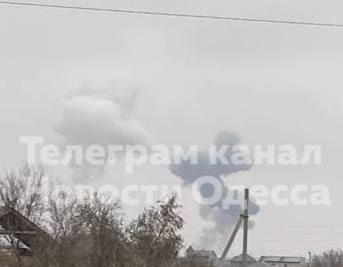
The wreckage of S-300 missile defense system falling in the territory of MoldovaImages of Russian missiles hitting the energy facilities of OdessaRussian missiles hit the energy facilities of OdessaRussian missiles hit the energy facilities of Odessa