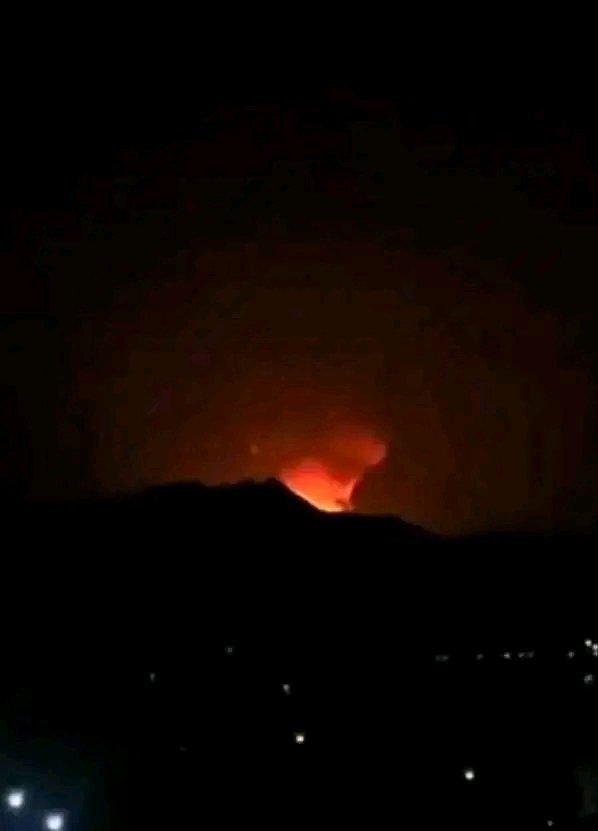
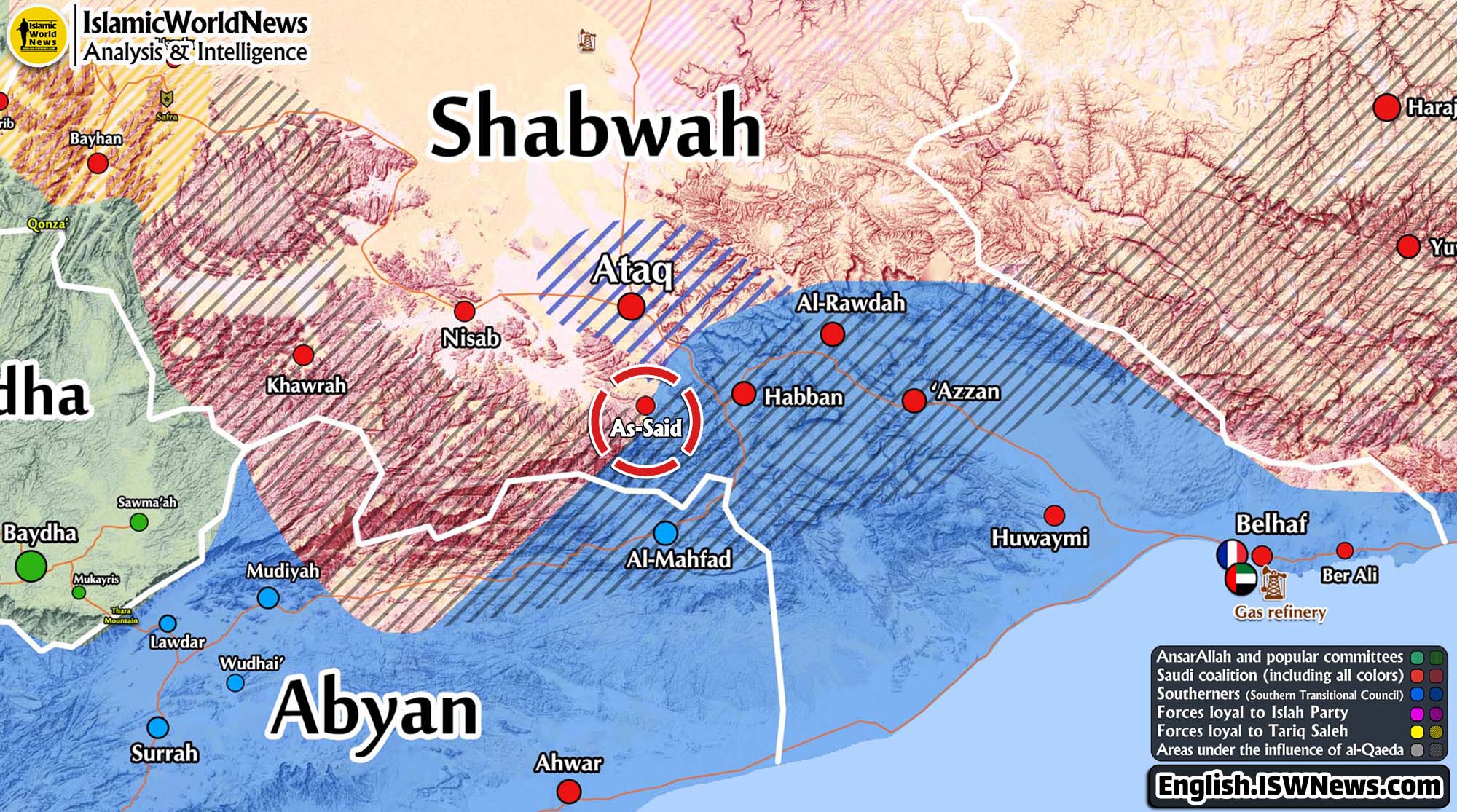
The American drone first dropped a bomb on a house, and minutes later launched a second strike on a civilian car. Both attacks resulted in casualties among civilians as well as the suspected individual.
Based on statistics from Western media regarding U.S. air operations in Yemen over the past two decades, more than 383 strikes have been conducted against al-Qaeda members in the country.
In the early hours of the incident, sources opposed to the Ansar Allah movement claimed that this drone belonged to the movement, or some others referred to it as the main perpetrator of this attack. However, the Ansar Allah group never took responsibility for shooting down this drone.
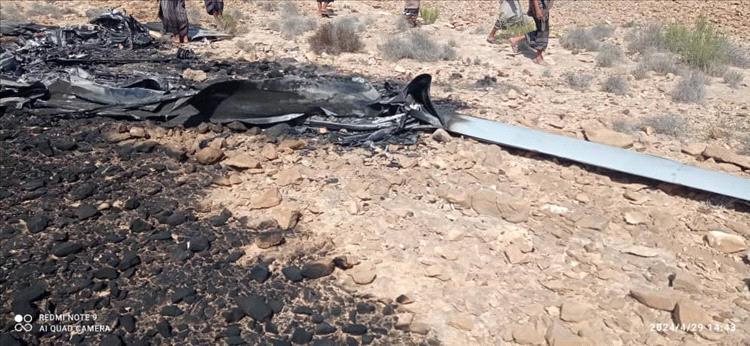
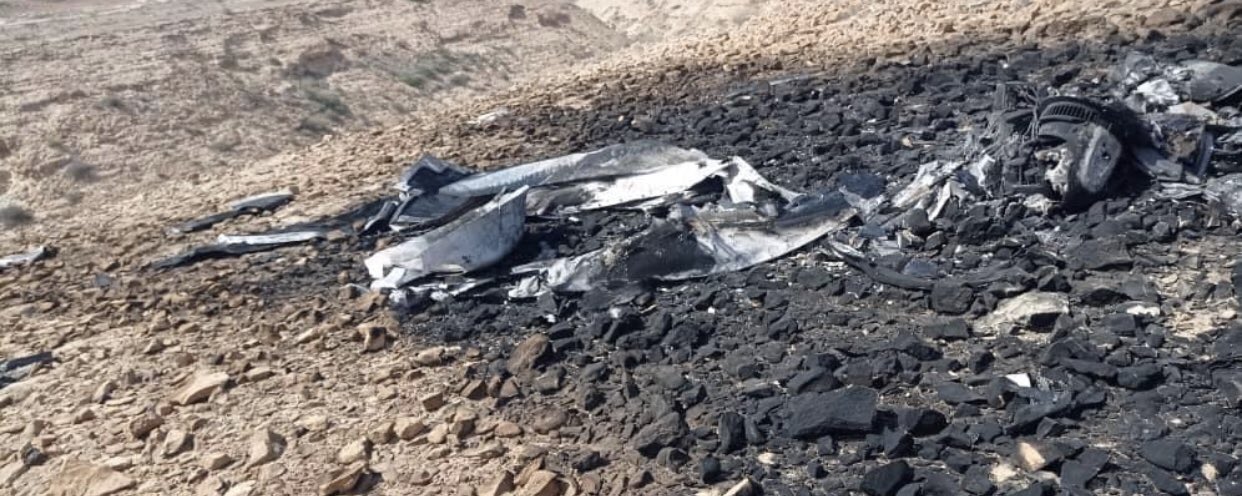
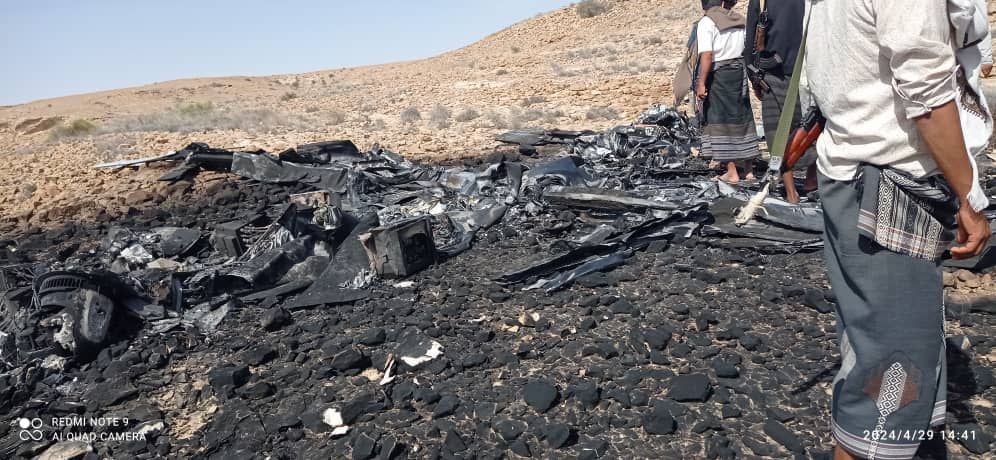
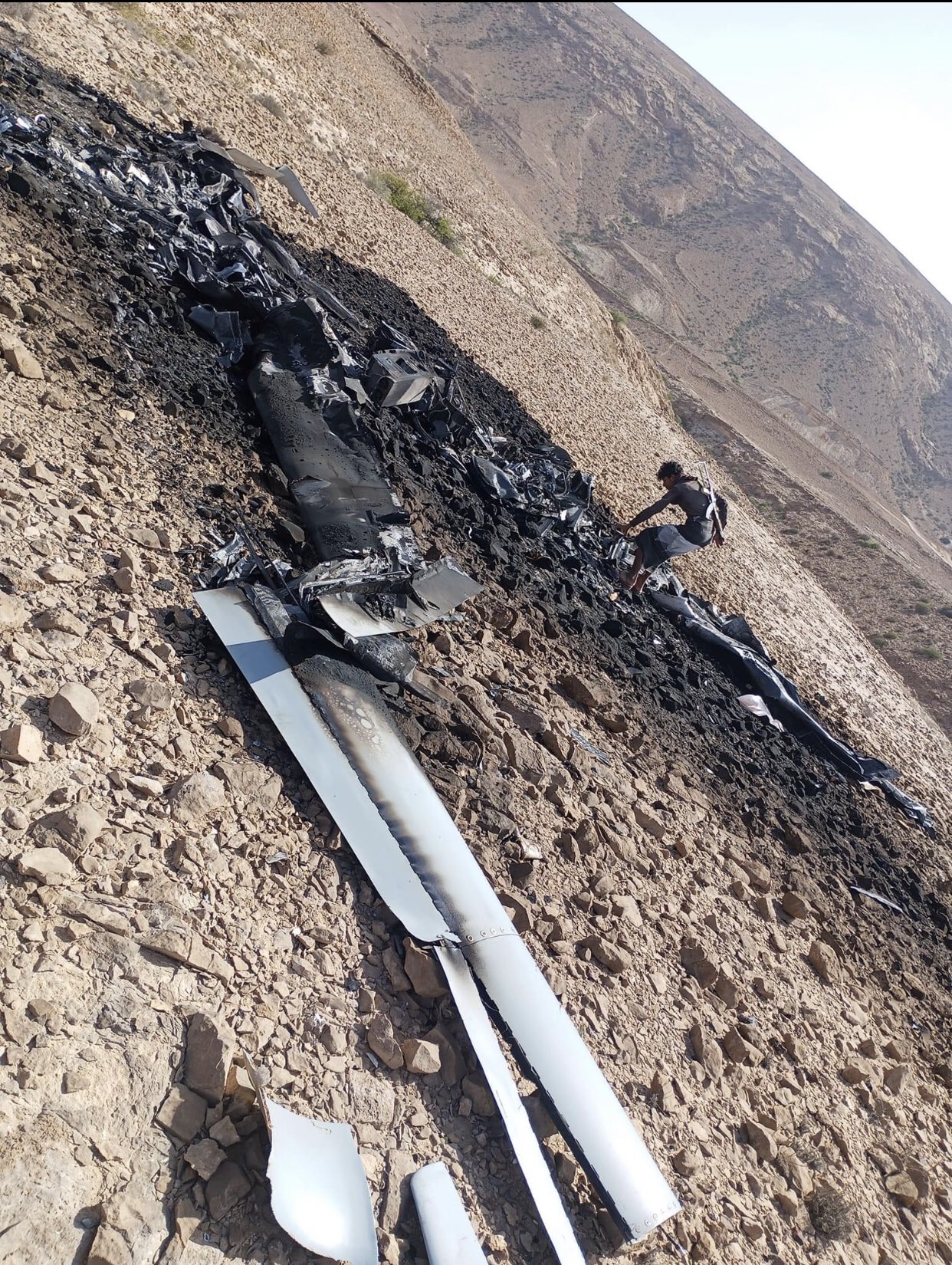
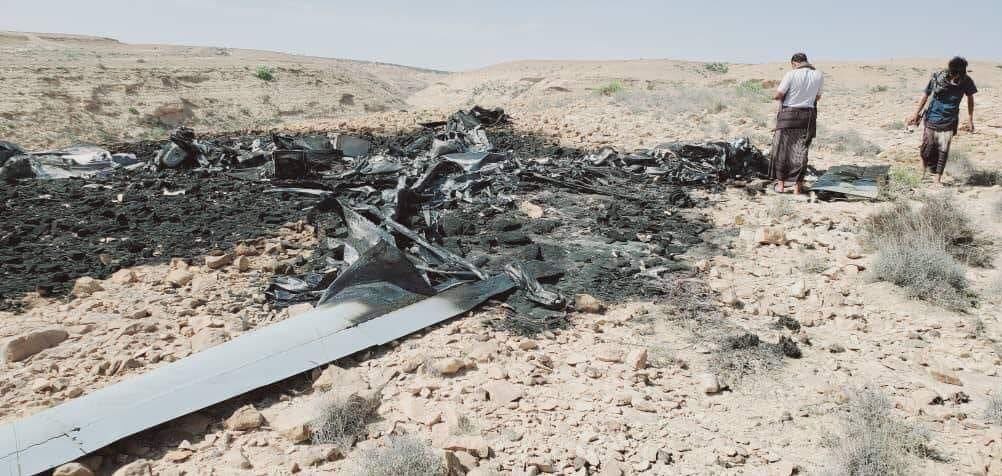
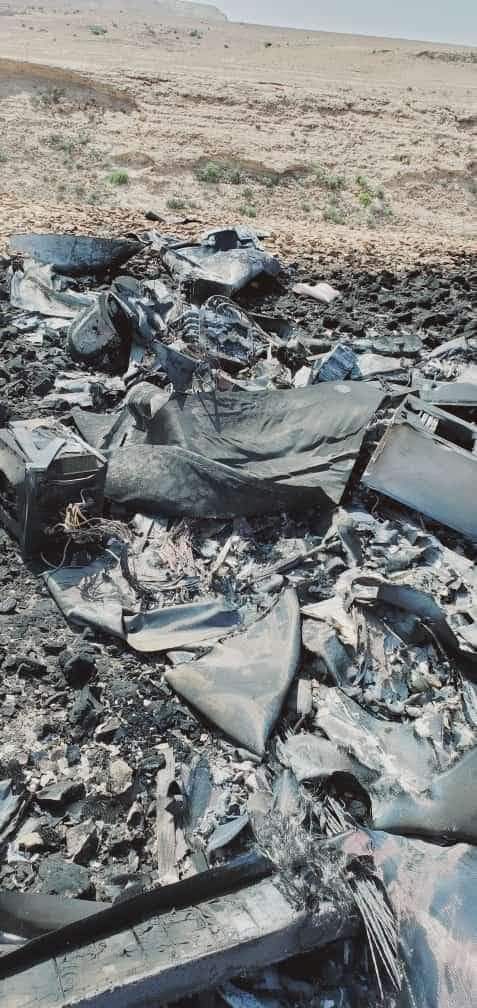
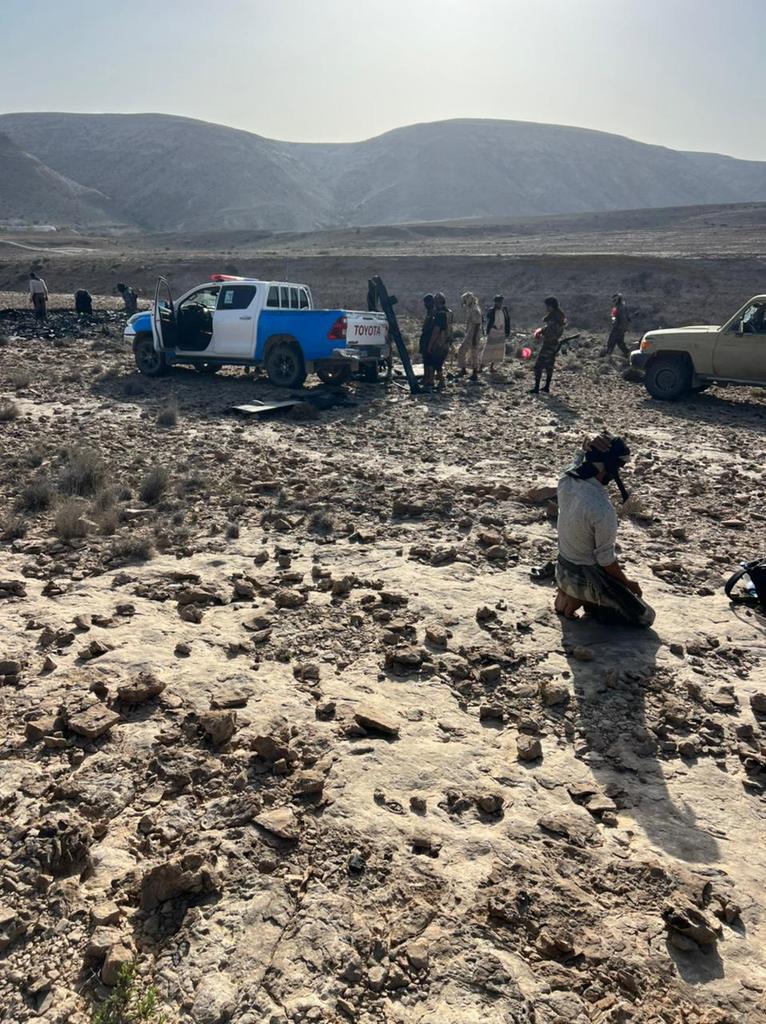
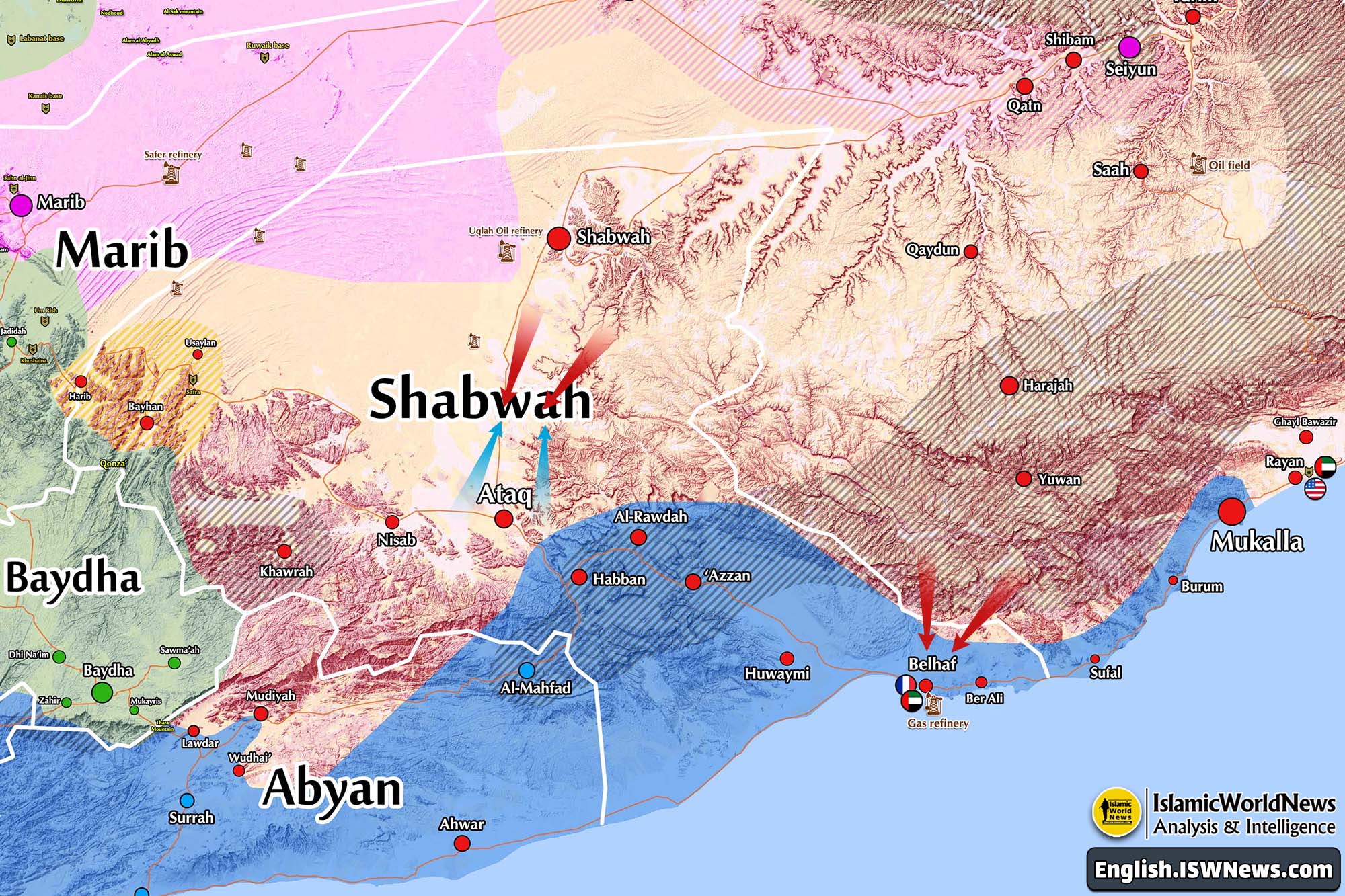
On the other hand, some speculations suggest that this drone was shot down by Al-Qaeda militants in Shabwah Governorate. This claim is consistent with the geographical location of the drone crash and the areas under Al-Qaeda control and influence in this Governorate. Additionally, considering the remains of the aforementioned drone, which were almost completely destroyed and burnt down, strengthens the speculation that the drone was destroyed by a foreign agent like Al-Qaeda.
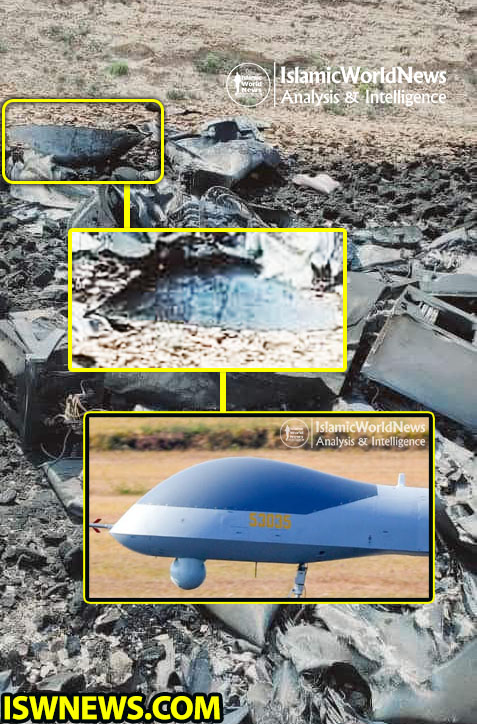
Examination of the wreckage of this drone by the IWN indicates that this UAV is most likely a Chinese Wing Loong 1 drone belonging to the United Arab Emirates.
Images of the wreckage of the downed drone indicate, after examinations, that it is most likely a CAIG Wing Loong 1 drone belonging to the UAE.
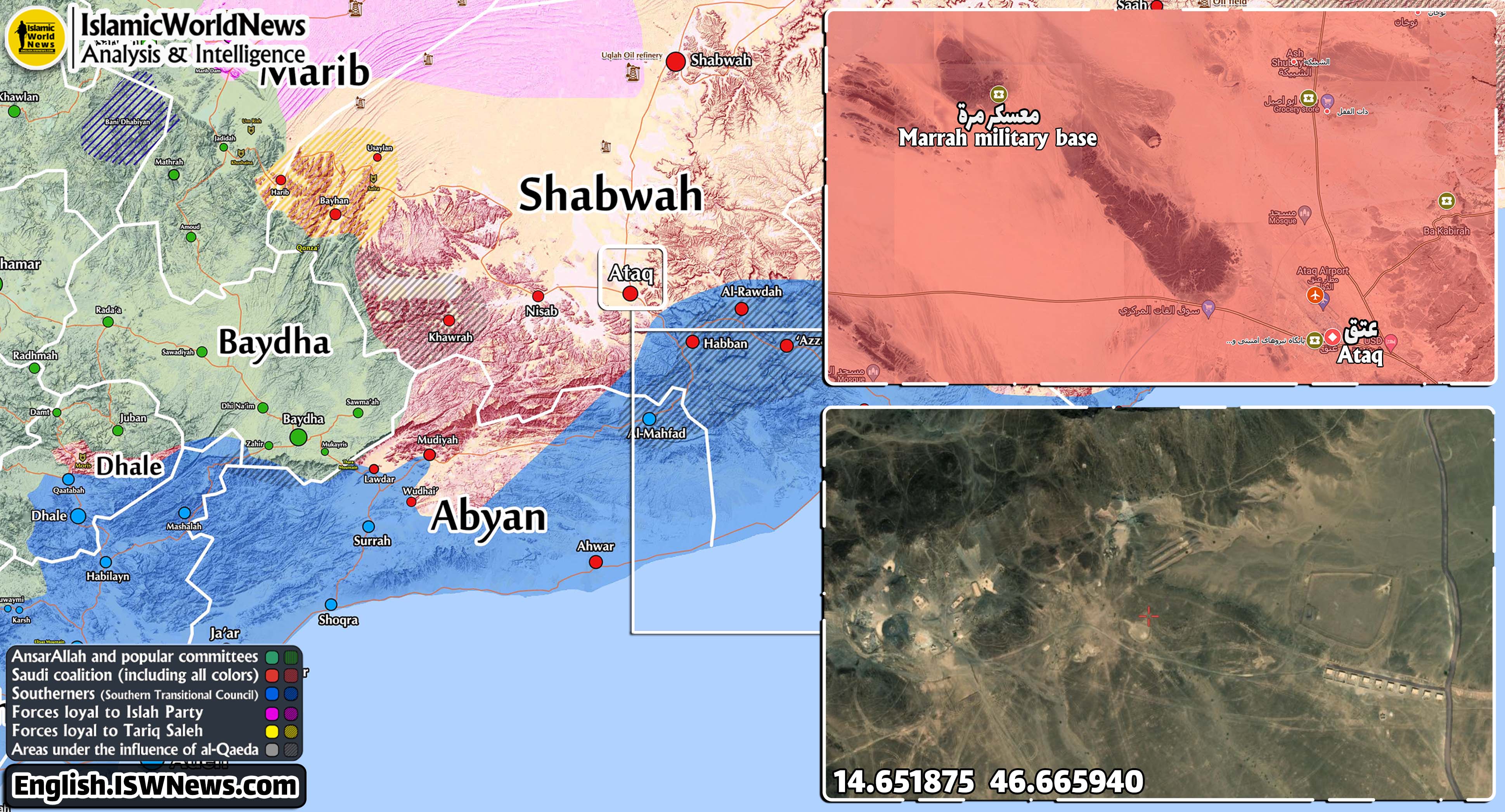
It is said that in the recent incident, the mentioned drone entered the Al-Rawdha area in Shabwah Governorate from the south and crashed in an uninhabited area. This indicates that the drone originated from the Balhaf and Razum coastal region. The Balhaf region has been under the control of Emirati forces for years, and there are also French occupiers in this area. Local sources from Balhaf and Shabwah have stated that the sky in this area has been witnessing daily flights of reconnaissance drones for years.
It should be noted that since the beginning of the war in Yemen, four UAE drones from the Wing Loong drone class have been shot down. The drone that crashed in the Al-Rawdha region in Shabwah Governorate on April 29, 2024 is the fifth Wing Loong UAV belonging to the UAE that has been shot down and destroyed in Yemen.
The wreckage of the downed drone in Shabwah province
1. Shabwah: On October 1, a new convoy of US military forces arrived at the Morra camp on the western outskirts of Ataq, the capital of Shabwah Governorate. These areas are controlled by the Shabwa Defence Forces and Al-Malaqa Forces, which are under the command of the United Arab Emirates (UAE). Also, in the past days, al-Qaeda militants had carried out attacks on Jardan district’s oil fields that affected the United States’ interests; so, the main reason for the presence of US forces at Marra base could be to prevent al-Qaeda threats to the region’s oil resources.
2- Lahij: Unidentified gunmen killed Colonel Mohammed Ali Abdullah al-Sini, former security commander of the Al-Madarabah and Ras al-Ara districts, who was also a sheikh of al-Sabiha tribe, when he crossed Atira area in Tabun district of Lahij Governorate.
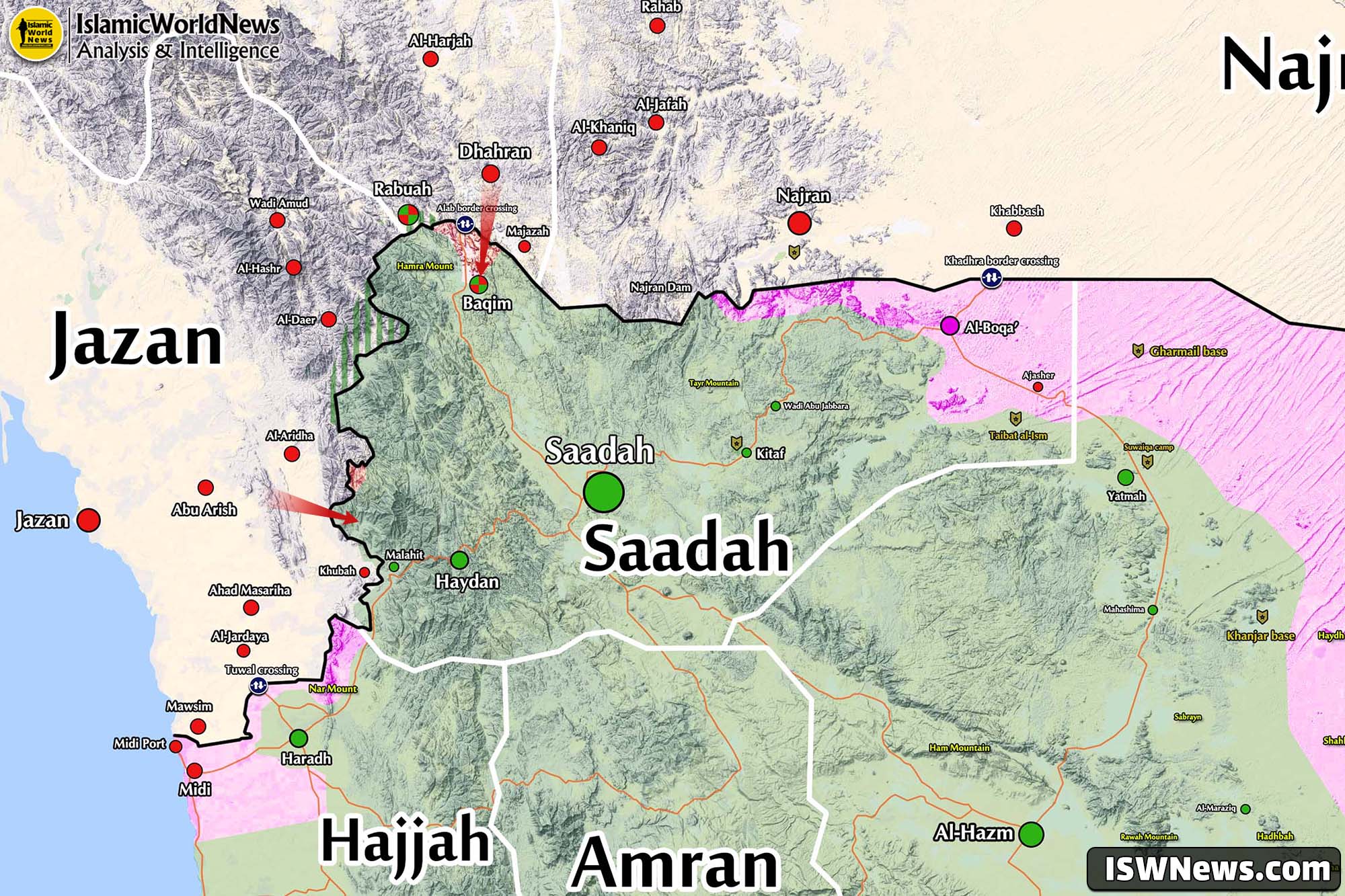
3. Sa’dah: – As a result of artillery attacks and shelling by the Saudi-led coalition on Manbe, Shadda and Qatabir districts over the past 48 hours, three civilians have been killed and five others injured, including one African migrant. – On October 1, commander of al-Maleqa forces Abu Zara’a Al-Muharrami inspected the Alab Front located north of Baqam district, announcing the readiness of his troops to move to this front and attack the positions of the Ansar Allah movement.
4- Al-Hudaydah: Saudi-led coalition forces violated their ceasefire with Yemen 187 times in this Al-Hudaydah Governorate in the past 48 hours.
5- Sana’a: The General People’s Congress (GPC) welcomed the fundamental change in the title and the restructuring of the current government to create national participation, as stated in the recent speech of leader of the Ansar Allah movement Abdul-Malik Badruldeen al-Houthi.
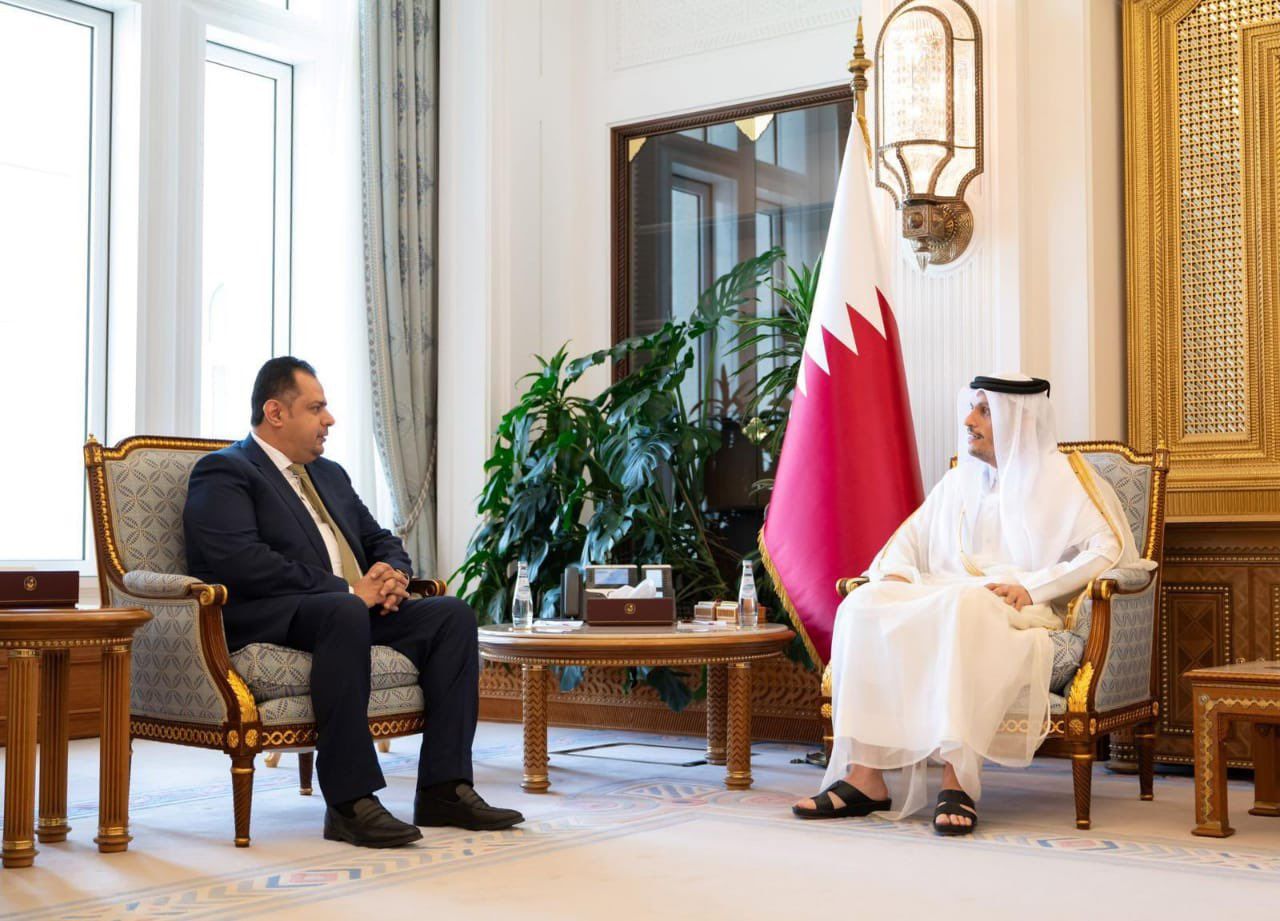
6- On October 1, the resigned Prime Minister of Yemen Maeen Abdulmalik Saeed met with Prime Minister of Qatar Mohammed bin Abdulrahman Al Thani during the Yemeni politician’s visit to Qatar. Al Thani referred to negotiations between Yemeni parties as the only solution to the Yemen crisis in this meeting.
7- On September 30, the US Treasury Department sanctioned two Chinese companies, Fan and Hong Kong Hymark, for supporting the Ansar Allah movement. According to the US claims, these companies sold several shipments of drone parts, including servo motors, worth over $100,000 to the Ansar Allah movement.
There has not been released any information about the casualties and damages of the rocket attack so far.
A few days ago, the positions of the Shabwa Defense Forces loyal to the Southern Transitional Council (STC) near the city of Ataq, located in the center of Shabwa Governorate, were hit by several mortar shells by unknown armed people.
Given the presence of the Al-Qaeda terrorist group in Shabwah Governorate and the increase in its activities in recent months, it is likely that these attacks were carried out by Al-Qaeda elements.
Therefore, Al-Qaeda has diversified its attacks on positions of the militants loyal to the Southern Transitional Council and it also targeted its enemies with light rockets.
They resort to tactics such as creating insecurity and inflicting casualties as the most effective way to push back the STC from Shabwah Governorate.
Following the recent tensions and power struggle among fractions affiliated to the Saudi-led coalition in the occupied territories of Yemen, Saudi Arabia ordered the deployment of the Ataq Military Axis and Al-Dara’ Al-Watan militants in Jardan district, located in northern areas of Ataq city, on April 11.
The forces embarked on setting up a field military base in the mentioned regions, and they also prepared and accumulated military equipment to start advances to Ataq city.
The move comes simultaneous with dispatching some battalions of the Al-Dara’ Al-Watan militants to the port city of Balhaf in a bid to take control of the gas facilities in the city as well as to force the military units of the United Arab Emirates (UAE) to retreat from Shabwah Governorate.
It is noteworthy that in early March, Saudi Arabia recruited certain commanders of the Yemeni Congregation for Reform ie. Islah Party, such as Abd Rabbah Laqab in order to strengthen Al-Dara’ Al-Watan militants.
They are expected to take part in the potential operation by Al-Dara’ Al-Watan militants in Shabwah Governorate.
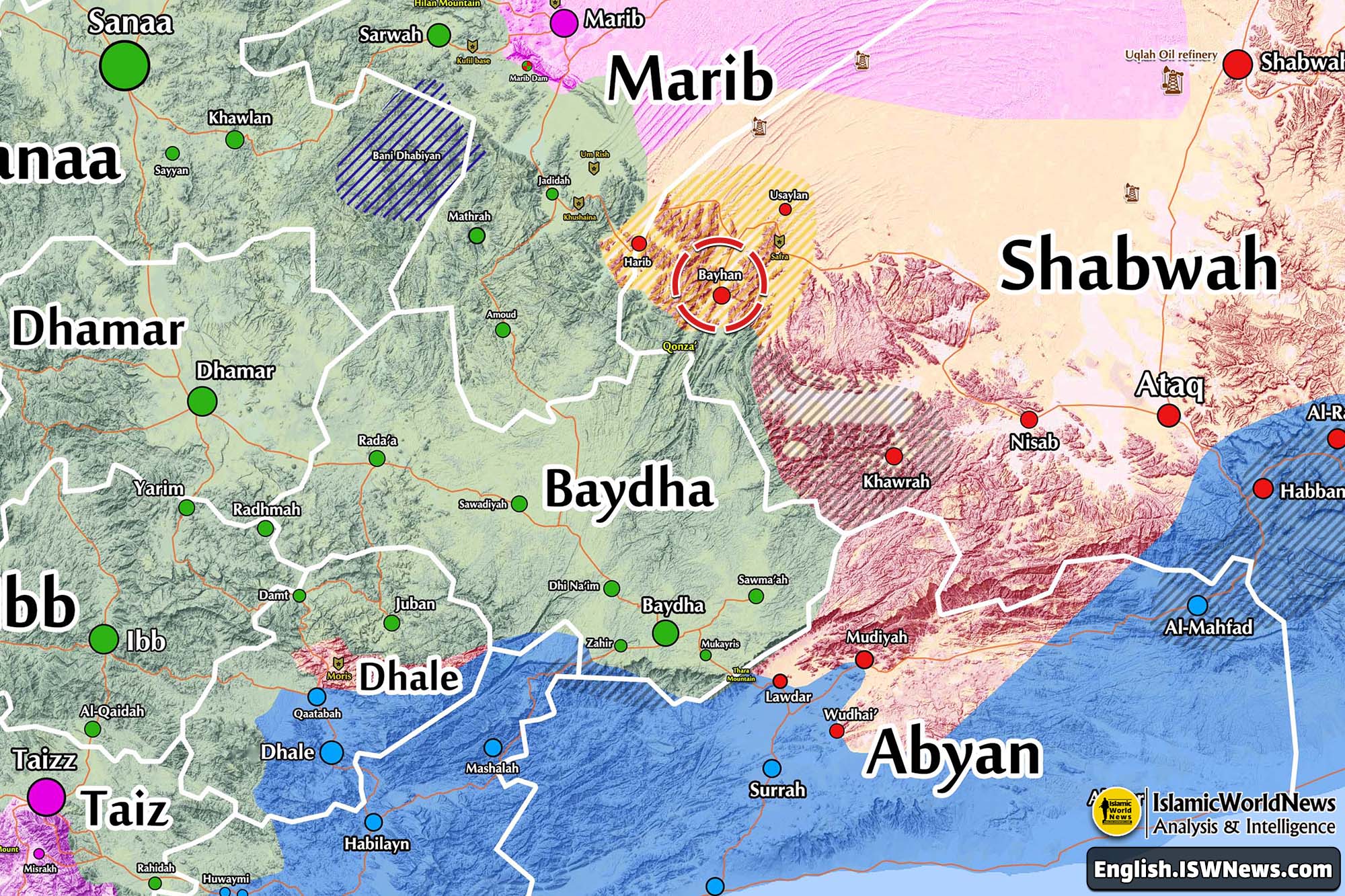
On April 8, Al Amaliqah Brigades succeeded in taking control of Bayhan al Qisab, a town in western Yemen, after confrontation with militants of a son of Governor of resigned government in Shabwa Awad bin Al-Wazir Al-Awlaki.
The conflict was triggered by a dispute over collecting tolls in al-Alia market; then, the forces of the Shabwa Defense withdrew from Bayhan al Qisab.
Bayhan al Qisab town is one of the oil-rich regions in Shabwah Governorate, which has been under the control of militants affiliated to the Saudi-led coalition; so, its oil revenues and other incomes of the region are being paid to the Al Amaliqah Brigades and the Southern Transitional Council (STC).
Recent conflicts in the areas, which have been usurped by the Saudi-led coalition, have turned into a routine activity of different fractions affiliated to the coalition, and each of the forces make their all-out efforts to expand their control on towns in southern and eastern governorates of the war-hit Arab country.
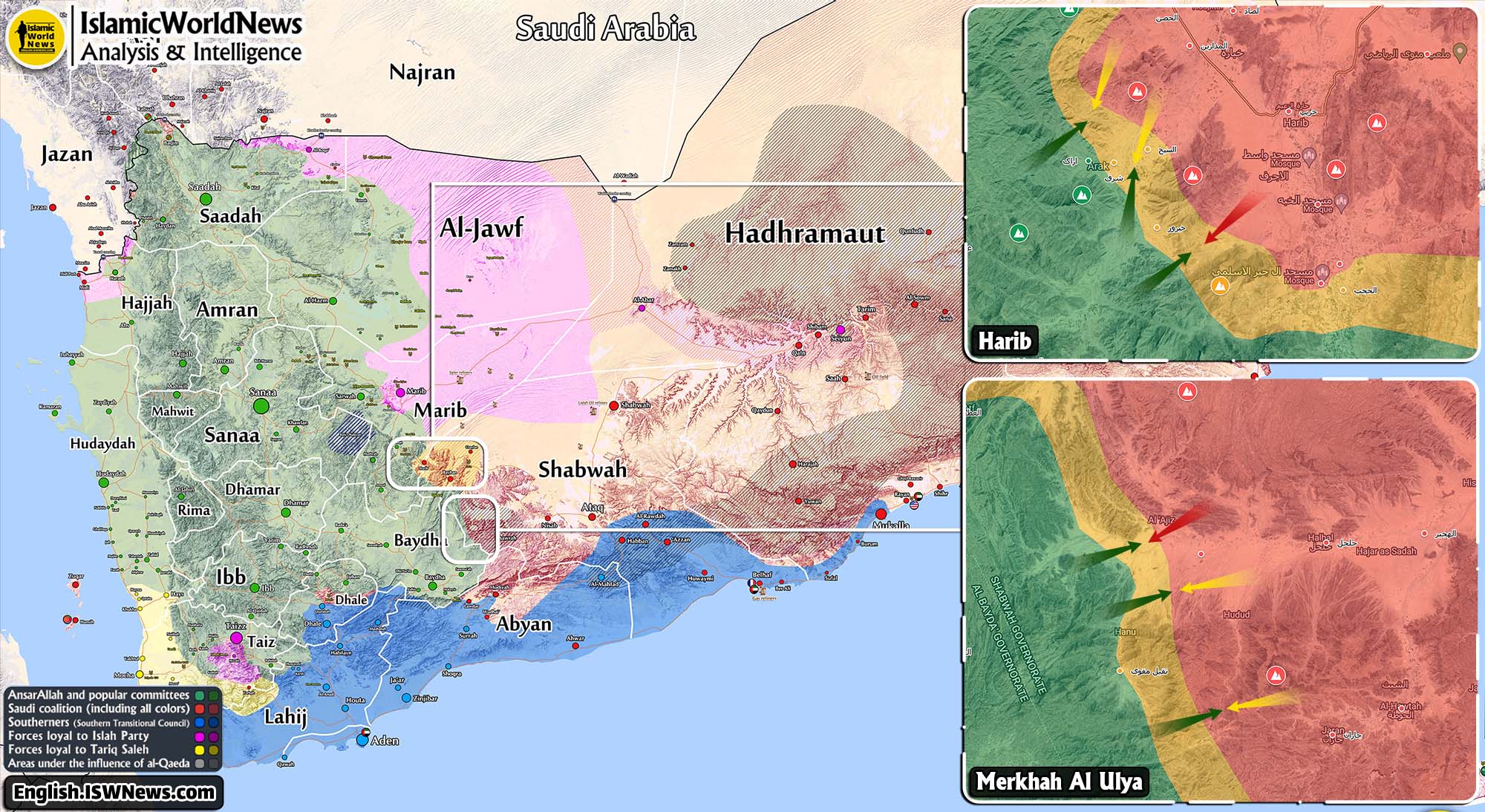
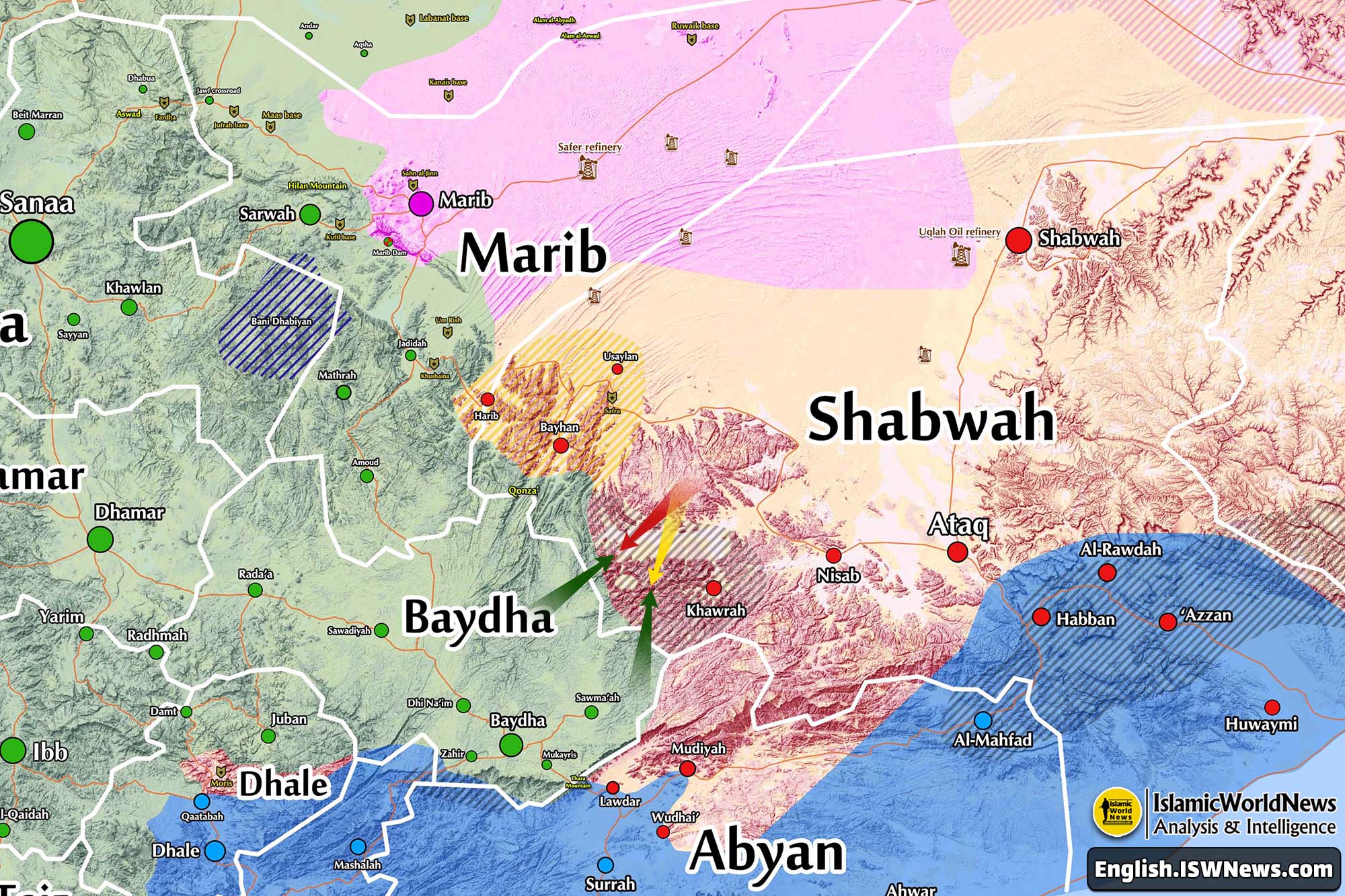
ISWNews Analysis Group – The recent strikes by the Saudi-led coalition forces to retake defense lines of Harib district in southern Marib Governorate as well as Markhah al-Oliya district in western Shabwah Governorate have faced strong resistance by Ansar Allah movement; so, the attacks doomed to failure.
After two weeks since the onset of clashes between Ansar Allah forces and the militants affiliated to the Saudi-led coalition in Harib front in southern Marib and Markhah al-Oliya front in western Shabwah, the attacks by the Amaliqah Forces and Shabwa Defense Forces came to an end without any progress; so, it can be said that Ansar Allah fighters’ advancement has been consolidated in these axes.
Harib Front
The confrontation in Harib front erupted after the Amaliqah Forces presumed that ceasefire has been on place in some fronts; so, they retreated from some areas, but the Ansar Allah took the opportunity and entered some regions such as Arak, Sharq, al-Sih, Jebel Ba’ra and Hiror. Then, the Amaliqah Forces began fighting Ansar Allah movement in order to retake its lost defense lines, but the confrontation has not yet borne any fruit and the Ansar Allah has still upper hand in this front.
According to sources on the ground, who are working with the Islamic World News, the Ansar Allah movement has consolidated its grip on western and southwestern heights of Harib region; so, fire control by the movement on this axis has led to the situation that the Amaliqah Forces and other units under the supervision of the Saudi-led coalition have lost their grip on these areas.
Markhah al-Oliya Front
Movements of the Amaliqah Forces and their affiliated forces towards the Harib front have prompted the Ansar Allah fighters to carry out some hit-and-run attacks with the aim of hindering potential military operation by these enemies.
Naturally, the confrontations have inflicted death tolls and material losses on both sides; however, the news stories published in recent two weeks show that the Saudi-led coalition forces particularly the Amaliqah Forces have suffered from heavy blows and they experienced more difficult condition in comparison to other Saudi-led forces.
Are the conflicts a sort of violating the existing ceasefire?
Undoubtedly, the clashes will affect the Yemen peace negotiations, but they have nothing to do with the ceasefire and even violation of the foreign-mediated truce. Given the fact that the Yemen ceasefire has not been renewed since September 2022, there is not any kind of accord or obligation to refrain confrontations in different fronts in the war-stricken country; thus, the recent advances by the Ansar Allah movement cannot be considered as a violation of any truce and agreement.
Would the advances lead to unity among the Saudi-led coalition groups?
The Saudi-led coalition forces are in a deep power struggle. Saudi Arabia has created Al-Dara’ Al-Watan and the Islah Party and dispatched them to southern governorates of Yemen in a bid to decrease the might of the Southern Transitional Council (STC). On the other hand, political tension between officials of the resigned government of Yemen and heads of the Islah Party still continues; so, there are some speculations that chairman of the Presidential Leadership Council Rashad al-Alimi may dispatch militants to Marib Governorate and other regions that are under the control of the Islah Party.
Therefore, the clashes between the Ansar Allah movement and the Amaliqah Forces or other militants affiliated to the resigned government of Yemen can decline the pressures imposed on the STC; then, it can maintain power balance among different Saudi-led groups.
In conclusion, the control of the resigned government on Shabwah and Marib governorates, which possess abundant resources of oil and gas, would not be in favor of the Ansar Allah. The population of areas under the control of Ansar Allah is much more than the number of inhabitants in the occupied territories, and the movement is in dire need of oil resources to meet demands of this part of Yemen in order to revitalize its economic power. Despite the fact that Ansar Allah tries to prevent looting of oil resources by the resigned government, the economic warfare is still looming, and the pressures by the US and the UK gets in the way of pursuing Saudi Arabia to give concessions in peace negotiations with Yemen.
In the new round of offensive attacks on the positions of the Amaliqa Brigades and Shabwa Defense Forces, Ansar Allah movement succeeded in capturing Khashiba Ridge, Shamakh Arba’a and Al-Hillah areas in Markha al-Oliya district. The regions are among the defense lines of the Saudi-led militants in the western parts of Shabwah Governorate. The Ansar Allah movement retreated from these regions after inflicting heavy losses and tolls on the Amaliqa Brigades and Shabwa Defense Forces as well as destroying the trenches and defense facilities of the coalition forces.
The second round of the offensive attack by the Ansar Allah fighters kicked off on March 27 in Markha al-Oliya district and they concluded the strike on March 28.
The Amaliqa Brigades released images to claim that they could shoot down a Rased reconnaissance drone and a Rajum hexacopter.
The offensive attacks by the Ansar Allah movement in Harib district, located in southern Marib Governorate, as well as the western front of Shabwah Governorate started following provocation and violation of the ceasefire by the Amaliqa Brigades in middle of March 2023. The scale of tolls and losses has astonished the authorities of the Shabwah Governorate.
According to local sources in Shabwah province, an American serviceman was killed in the clashes after the verbal tension between the American and the Amaliqah forces at al-Marrah base located in the suburbs of Ataq city, the capital of Shabwah province. The conflict occurred after the Americans had a dispute with Salafi members of Amaliqah over the control of the audio system of the al-Marrah base prayer hall.
After this incident, the Saudi-backed government of Yemen has issued an order to arrest eight members of Amaliqa forces. Also, a helicopter has transferred the body of this American serviceman to a military ship in the Arabian Sea. However, the local authorities of Shabwah province have denied the occurrence of a conflict and the death of an American at the Marrah base.
Al-Marrah base is one of the military bases of the Yemeni army in Shabwah province, which is located in the northwest of Ataq city. This base is one of the places that was occupied by the American advisers after the expulsion of Islah Party militants from the city of Ataq, and it plays an important role in ensuring the security of this area.
On January 22, the Shabwah Defence Forces, assisted by UAE drones, kicked off a military operation in the areas under the control of militants of the Islah Party in Nisab and Markhah As Sufla districts.
Following a recent failure attempt in the city of Ataq, the militants of the Islah Party succeeded in inflicting numerous casualties on the defending forces of Shabwah and the militants of the Southern Transitional Council by conducting hit-and-run assaults. The casualties can be considered as the root cause of the new operation by the UAE-backed militants in the west of Shabwah Governorate.
In spite of capturing Ataq city and most of the regions of Shabwah Governorate by the UAE-backed militants, Nisab and Markhah As Sufla districts in western Shabwah as well as Jardan and Arma districts in northern Shabwah Governorate are still under the control of Islah Party’s forces. After clearing the mentioned regions, the UAE would be able to mobilize its militants to seize the oil fields in northern Shabwah Governorate and eastern Marib Governorate.
1- Shabwah: – Timothy Lenderking, US Representative in Yemen Affairs: “We express our concern about the escalation of violence in Shabwah. The US will deal with any force that advances towards the oil fields and poses a threat to the oil companies. We have asked the UAE to be calm in Shabwa province and resolve the issues through dialogue. – Rashad Al-Alimi, the head of the Presidential Council of Yemen, assigned the responsibility of securing the Ataq-Abar road to the Southern Transitional Council (STC) forces. – In the past week, the UAE drones struck positions of Islah Party militants in the district of Jardan and Markha al-Sulfa several times. – On August 20, Al-Amaliqa forces and Shabwa defense forces took control of the Ayaz areas, Alam military camp and the Ayaz oil field from the Islah Party militants. Heavy clashes is going on near the Uqlah oil fields and along the Ataq-Abr road.
2- Hadhramaut: – On August 17, the Southern Transitional Council forces took control of Wadiah border crossing by expelling the forces of Hashim Al-Ahmar, the officer in charge of Wadiah border crossing and a member of Islah Party. – On August 16, the MARAN CANOPUS ship with the Greek flag has loaded two million barrels of Yemeni crude oil in Dhabah port. The value of this shipment is estimated at 200 million dollars. – Fadi Hassan Baaum, one of the leaders of the Southern Movement (al-Harrak al-Janoubi) in Hadhramout province, will travel to Aden city to meet and unite with Aidarus al-Zoubaidi, the head of the Southern Transitional Council.
3- Sanaa: According to local sources, the delegation of Saudi Arabia entered the city of Sana’a in a secret trip to meet and talk with Ansar Allah officials.
4- Hudaydah: The Saudi-led coalition forces violated the ceasefire 199 times in the last 48 hours in this province.
After the defeat of Al-Amaliqah militants in the urban war and the advance of Islah Party militants towards the governor’s office and Ataq Airport, the UAE warplanes and drones heavily bombed the positions of Islah Party in this area. At the same time as these attacks, other brigades of Al-Amaliqah forces and the STC forces were sent to Ateq, and the militants of the Islah party had to stop besieging the governor’s office and Ataq Airport.
According to local sources, UAE aircraft have carried out more than 40 airstrikes on the positions of the Islah party in the city of Ataq and the areas of Ayaz, Nukhan, Al-Shabika and the northern roads of Ataq. Also, more than 70 militants were killed and injured in these clashes.
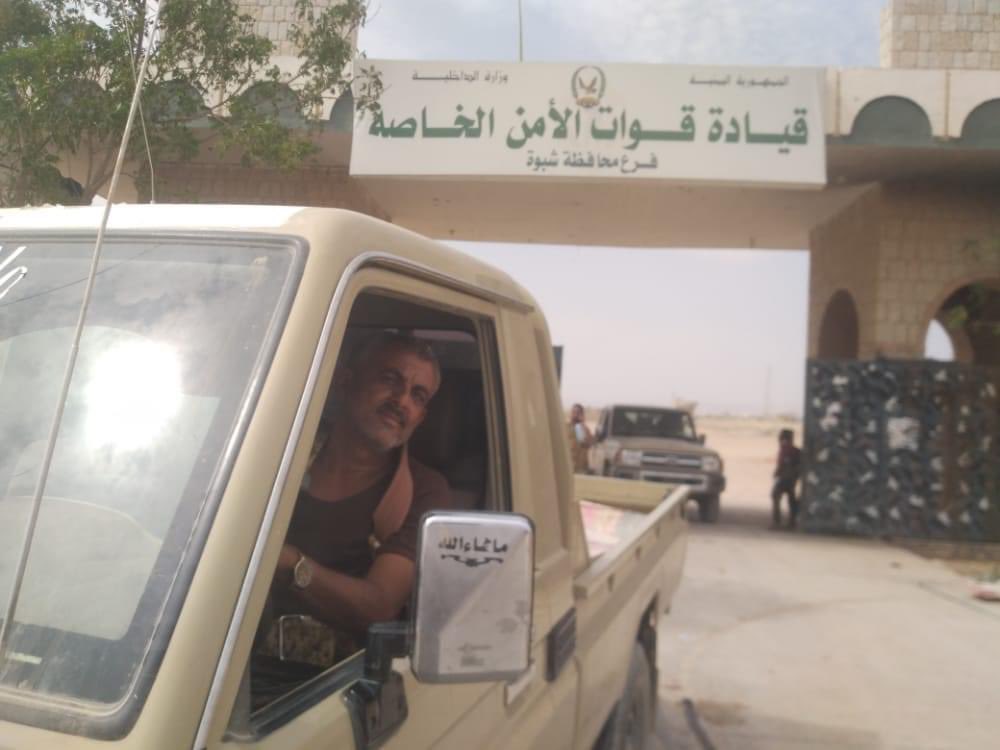
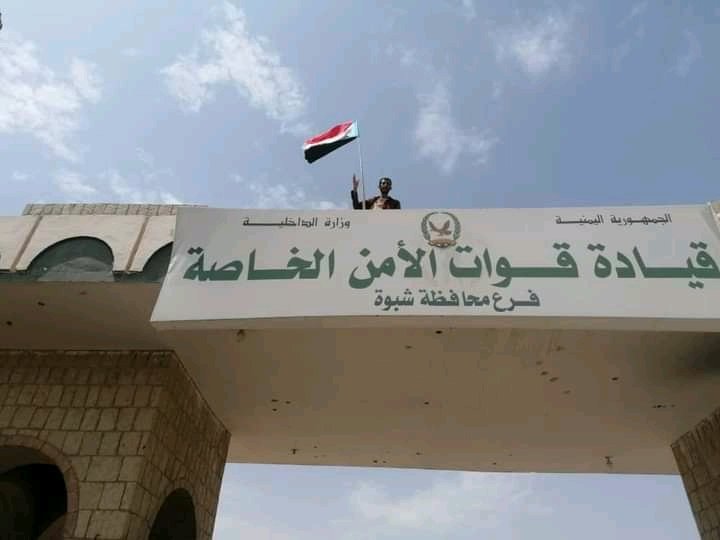
Currently, the base of the special security forces as one of the main headquarters of the Islah party in Ataq has fallen and the militants of this party have retreated to other bases and areas under their control, and most of the areas of Ataq are under the control of the forces loyal to Awadh bin Al-Wazir al-Awlaqi, the governor of Shabwah. Al-Awlaqi demanded the evacuation and handing over of the bases of the Islah party in the city of Ataq, but Islah party still refuses to surrender these areas.
Following this defeat, the leaders of the Islah party have announced their intention to withdraw from the agreement with the Saudi coalition and cooperate with the Presidential Leadership Council. In a statement, they held Al-Awlaqi responsible for the killing of dozens of people in Shabwah province and demanded his dismissal from the post of governor of Shabwa. Following this issue, some local sources claimed that Tariq Saleh nominated one of his relatives named “Nasser Bajbil” to succeed Awad bin Al-Wazir Al-Awlaqi. Al-Awlaqi is one of the main pillars of the UAE in the occupied areas of Yemen, and it is unlikely that the UAE will agree to his dismissal.
Images of the Southern Transitional Council’s control over the Special Security Forces base (Islah Party militants) located in the west of Ataq city.Clashes between Al-Amaliqa forces and Islah Party militants in Ataq city