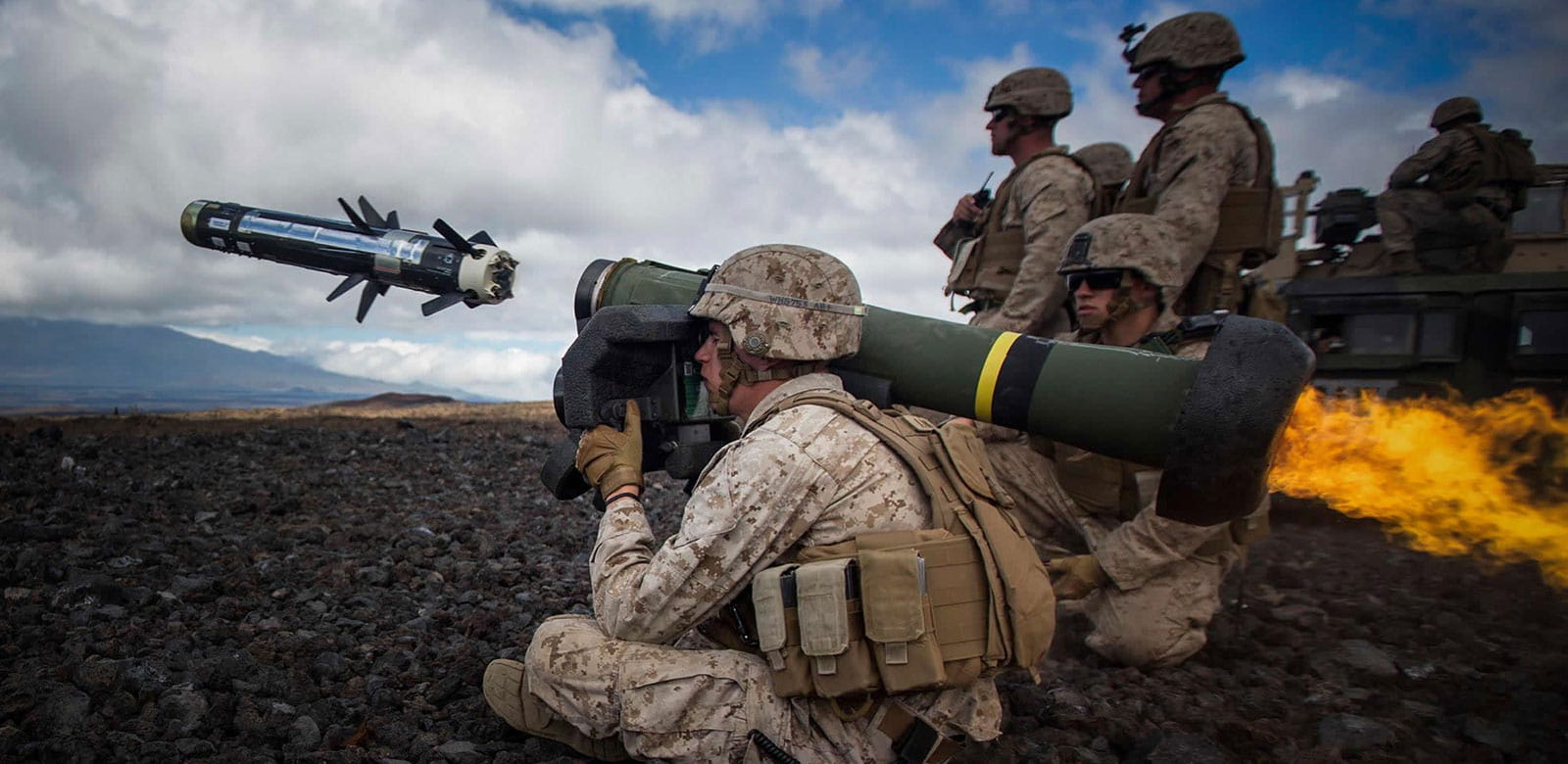
The gunner carries a reusable Command Launch Unit (CLU), which is the targeting component of the two-part system. The CLU has three views which are used to find, target, and fire the missile and may also be used separately from the missile as a portable thermal sight. Infantry are no longer required to stay in constant contact with armored personnel carriers and tanks with thermal sights.
The CLU weighs 6.4 kg and uses passive infrared guidance to fix and track targets. The day sight is equipped with 4x magnification and the infrared-imaging night sight features 4x and 9x magnification.
Both the gunner and the ammunition bearer carry the Launch Tube Assembly, a disposable tube that houses the missile and protects the missile from harsh environments. The tube has built-in electronics and a locking hinge system that makes attachment and detachment of the missile to and from the Command Launch Unit a quick and simple process.
The Javelin measures roughly 1.2 m in length, 127 mm in diameter, and weighs 22.1 kg, with some minor differences depending on the variant. The missile carries a single 8.4 kg tandem-charge, high-explosive antitank (HEAT) warhead. This round utilizes an explosive shaped charge to create a stream of superplastically deformed metal formed from trumpet-shaped metallic liners. The result is a narrow high velocity particle stream that can penetrate armor. It has a qualified maximum range of 2,500, though the U.S. notes that it has “demonstrated performance to 4,000 meters in most operational conditions.”
The Javelin employs a soft launch mechanism. This means when an operator pulls the trigger, an initial low-g motor ejects the missile from the firing tube. Once it exits the firing tube, the missile then ignites its main flight motor to propel it toward its target. The Javelin’s soft launch mechanism prevents missile exhaust from hitting the operator, enables fires from inside confined spaces and buildings, lowers recoil for shoulder-launched fires, and minimizes launch smoke trails that indicate launch locations and invite counterfire.
Operators can select to use the weapon in top attack mode or direct attack mode. Top attack mode is designed to target tanks; the missile flies upward to reach a peak altitude of 150 m before striking the tank’s more vulnerable roof. The direct attack mode is designed to engage fortified targets, bunkers, buildings, and helicopters. In this mode, the missile flies relatively straight to its target at a peak altitude of 50 m.
Early versions of the Javelin had a range of 2000 meters, which was later increased to 2500 meters. Javelin has been used in more than 5000 conflicts in Afghanistan and Iraq. This system is supposed to remain in service until 2050. The United States has been buying Javelins at the rate of about 1,000 a year. The maximum production rate is 6,480 a year, though it would likely take a year or more to reach that level. The delivery time is 32 months; that is, once an order is placed, it will take 32 months before a missile is delivered.
FGM-148 Javelin specifications: Length: 1.1 m Barrel length 1.2 m Diameter 142 mm Total system weight: 22.3 kg Warhead weight: 8.4 kg Tandem-charge HEAT Penetration rate: 800 mm RHA Effective range: 75 to 2500 m Target discovery range: 4000 m Guidance system: Infrared homing Origin: U.S.
On May 23, Israeli warplanes fired several missiles from the Mediterranean Sea west of Banias, targeting some points in the central region.
In this regard, the Deputy Head of the Russian Center for Reconciliation in Syria, said: “On Friday evening, from 20:25 to 20:32 local time, six Israeli Air Force F-16 fighter jets without entering Syrian airspace fired 22 missiles at the Syrian Research Center facility in the area of Masyaf and the port of Banias. Syrian air defenses destroyed 16 missiles and a drone.”
He added: “As a result of Israeli airstrikes, three Syrian soldiers and two civilians were killed and two Syrian soldiers were wounded. The special equipment warehouses of the Syrian Research Center were also damaged.
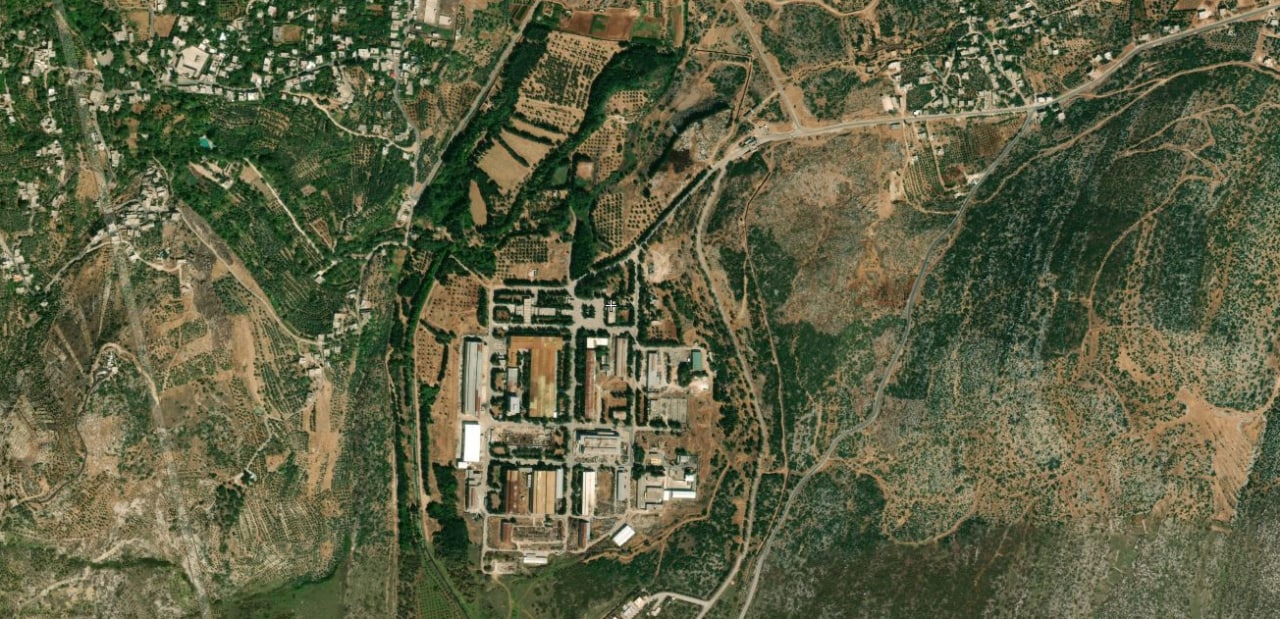
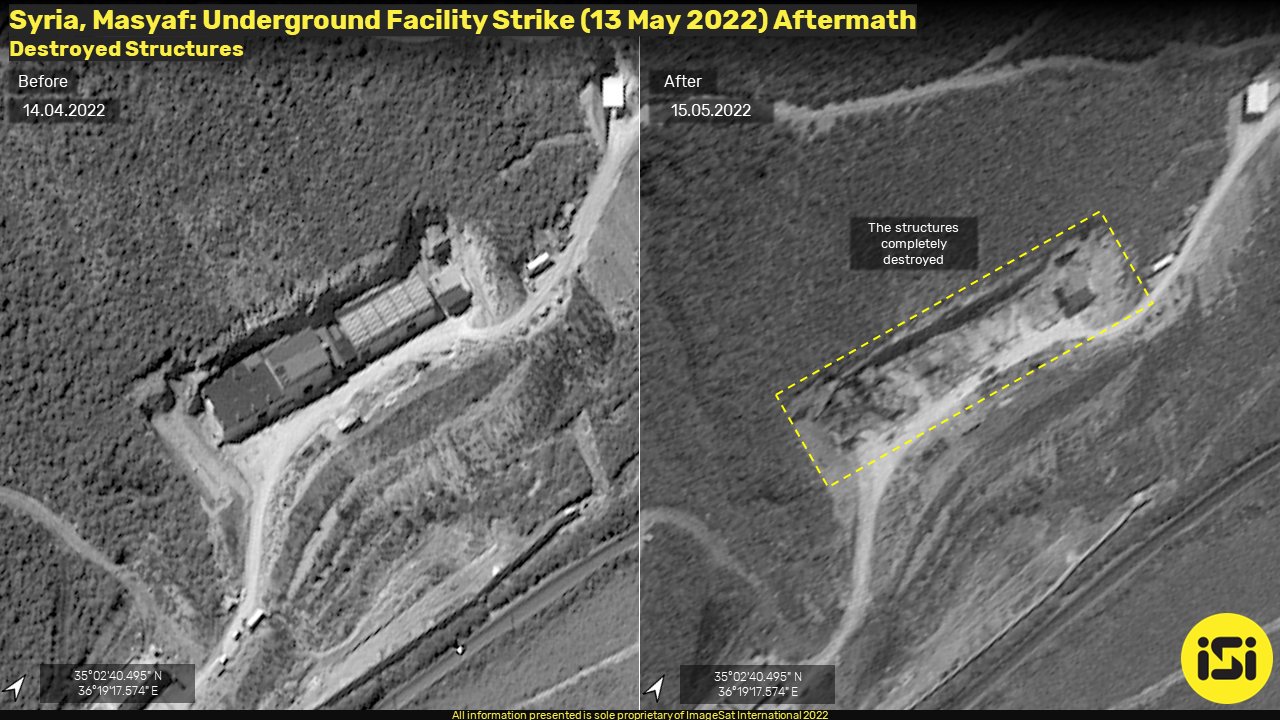
Satellite images released from the Masyaf area show that at least two buildings were severely damaged and parts of them destroyed as a result of Israeli airstrikes.
1- Saada: On May 12, local sources reported the martyrdom of seven civilians by Saudi border guards in the al-Raqo border area of Munbah. These people were first tortured by electricity and then martyred.
2- Marib: The Saudi-affiliated media reported that Ansar Allah’s drone had attacked the house of Sheikh Hassan Mohammad Shafaan in the Raghwan district center. Three people were injured in the attack.
3- Hudaydah: The Saudi-led coalition forces have violated the ceasefire 108 times in the past 48 hours in al-Hudaydah region.
4- Aden: On May 15, the assassination of Brigadier General Saleh Ali Hassan, the head of the joint operation of the Saudi coalition forces in the fourth military zone of Yemen, in the al-Ma’la area in the city of Aden, was failed.
Picture of his car after explosion in Aden
5- Dhale: – On May 15, local sources reported the sound of an explosion in the city of Dhale. – On May 16, the UAE-backed Hizam al-Amni (Security Belt) forces claimed to have shot down an Ansar Allah drone over the Al-Fakhir area.
Picture of the downed Ansar Allah drone in Al-Fakhir area
6- Shabwa: – On May 15, unidentified gunmen blew up an oil pipeline in the Shaqah area in the Mayfa’a district. – A bomb blast near the governorate building of Shabwa province in the city of Ataq resulted in minor damages to the forces of “Awad Ibn Al-Wazir”, the new governor of Shabwa.
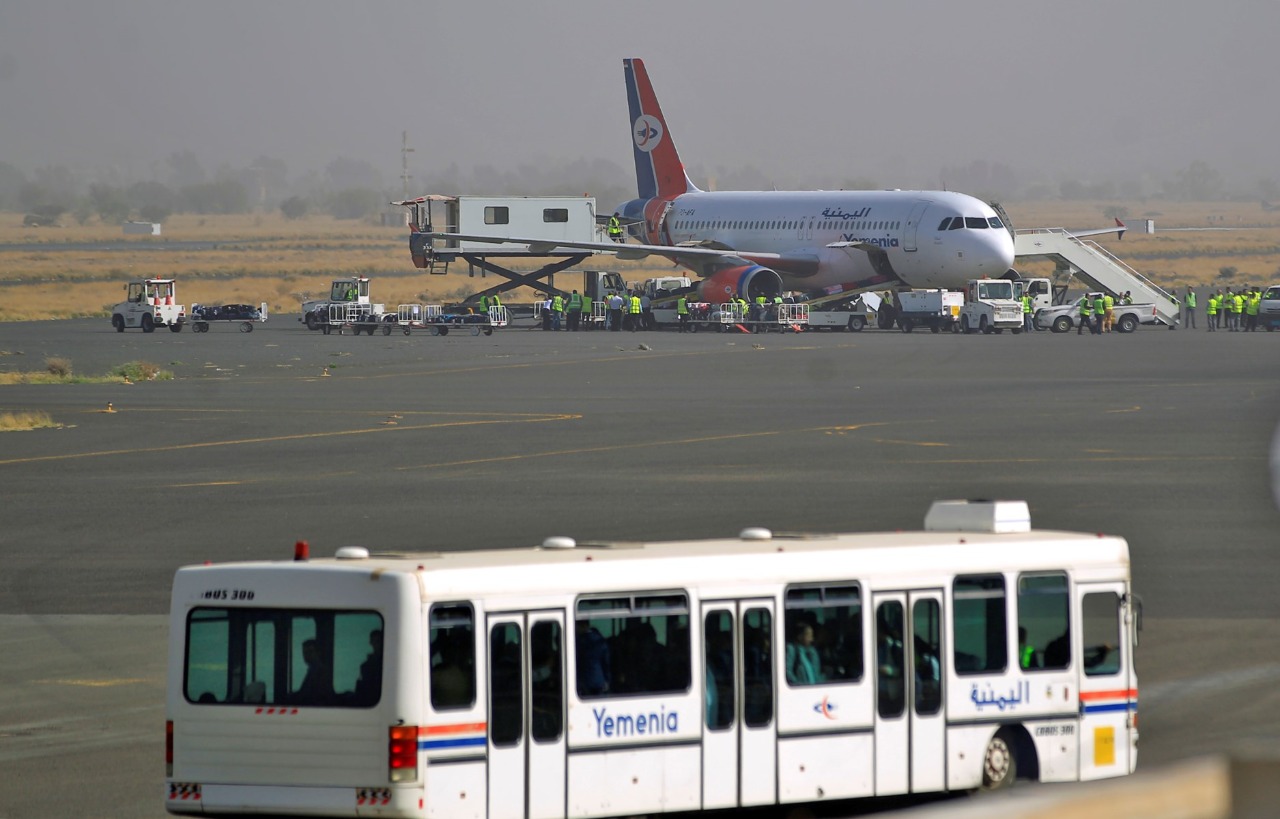
7- Sanaa: – On May 16, the first commercial flight from Sanaa Airport to Amman Airport in the Jordanian capital took place at 8:00 am local time. Under the two-month ceasefire agreement announced by the United Nations, 16 commercial flights to Sanaa Airport will be operated. – According to the officials in Sanaa Airport, if the Saudi coalition does not prevent it, the second and third flights will be operated to Amman Airport on May 18 and May 25.
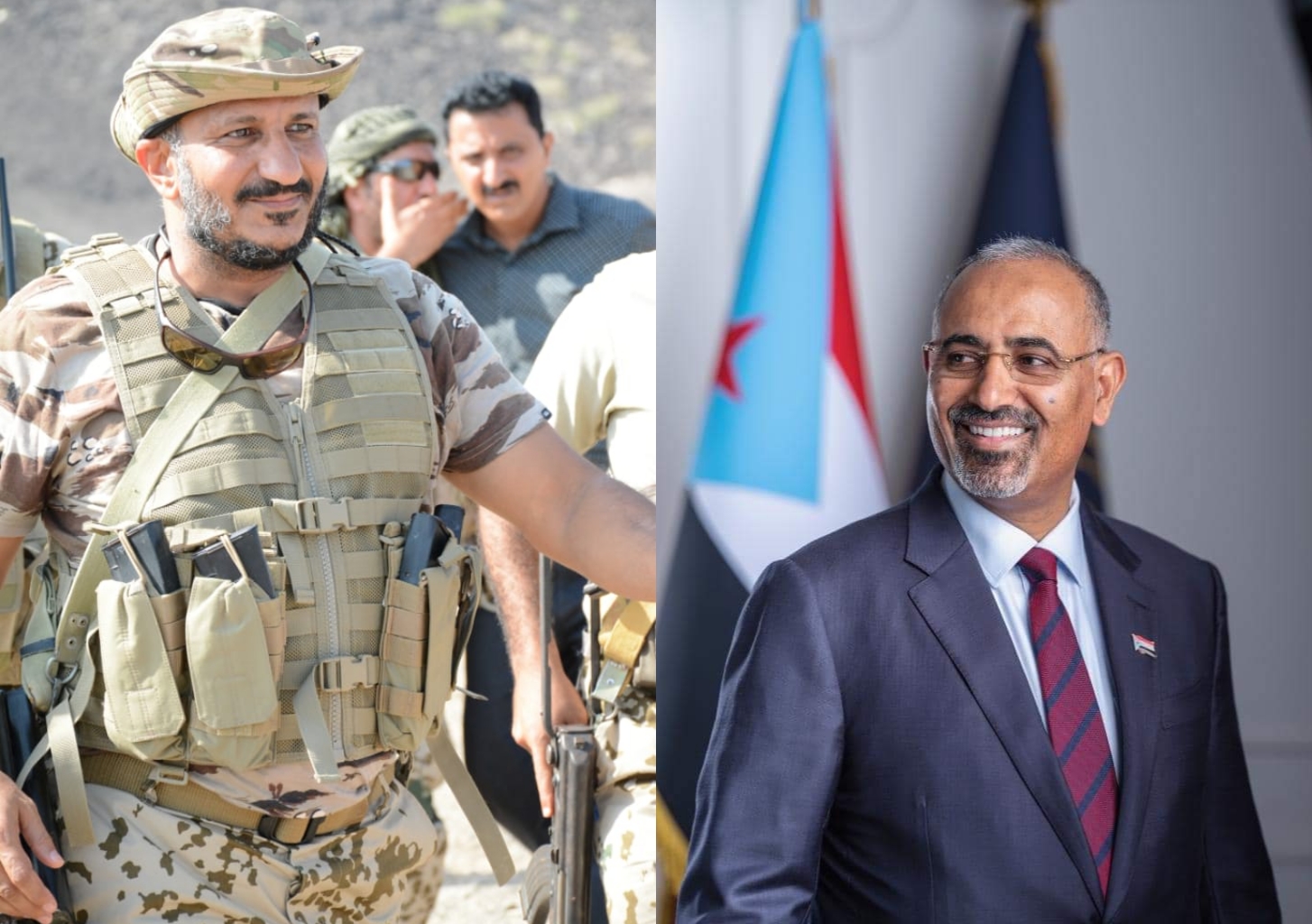
Following the arrest of 20 members of the Presidential Guard by the forces of Southern Transitional Council (STC) in Aden, new tensions have begun between supporters of Tariq Saleh and Aidarus al-Zoubaidi in areas controlled by the Saudi coalition in Yemen. In response to the arrest of his troops, Tariq Saleh issued an order to confront the STC militants. With this order, the Al-Amaliqa forces, which are under the command of Tariq Saleh, in retaliation arrested five members of the STC in the city of Ataq, the capital of Shabwa province.
Following the resignation of Mansour Hadi, the power struggle between members of the Presidential Council of the resigned government, including Tariq Saleh and Aidarus al-Zoubaidi , has intensified. The rivalry began with tensions over control of the oil resources of Marib and Shabwa provinces on April 17, and has continued until recently, when the Southern Transitional Council threatened to arrest Tariq Saleh. Prior to the threat, the Southern Transitional Council protested the entry of Tariq Saleh’s forces into Aden and warned that he would be arrested if he continued to infiltrate Aden.
Simultaneously with the threat, one of the STC forces, Salem Seif al-Radfani, was assassinated in the city of Aden. News sources in STC believe that the assassination was carried out by agents affiliated with Tariq Saleh. There was also another clash in the city of Ataq between the forces of the Southern Transitional Council and Awad al-Awlaki, the governor of Shabwa, which left one dead and one wounded.
The weakening of Mansour Hadi’s supporters and the Islah Party has led to an increase in the power of other currents in the Yemeni opposition. This has led to a power struggle between the UAE-affiliated factions, including Tariq Saleh and Aidarus al-Zoubaidi, and each of these influential people in the southern regions is seeking more power to attract foreign support, especially from the UAE sheikhs.
It should be noted that the “Yemeni National Resistance” (YNR) is an armed organization in southwestern Yemen led by Tariq Saleh, which has more than 10,000 troops and includes several groups, including former members of the Republican Guard (of Ali Abdullah Saleh), army soldiers and security forces separated from the Sanaa government, al-Amaliqa and al-Tihama forces.
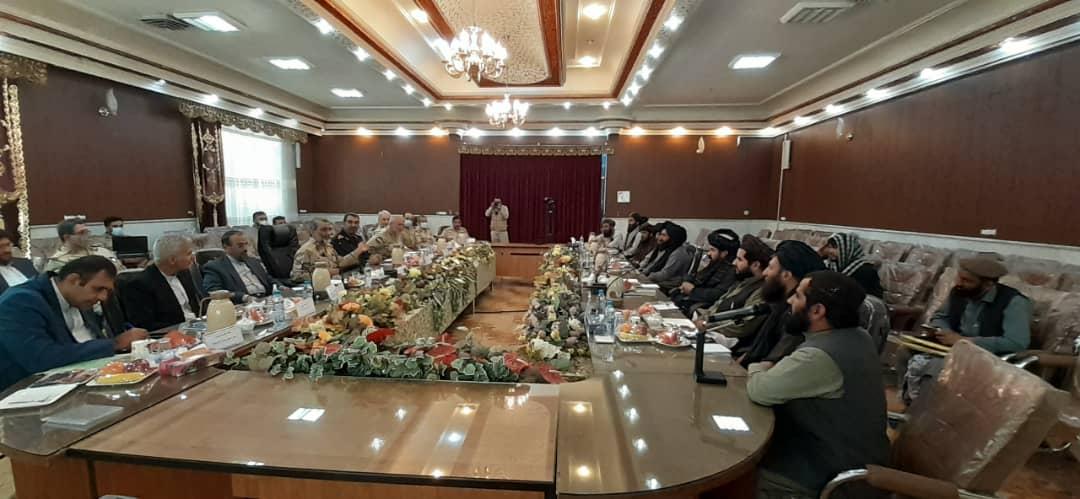
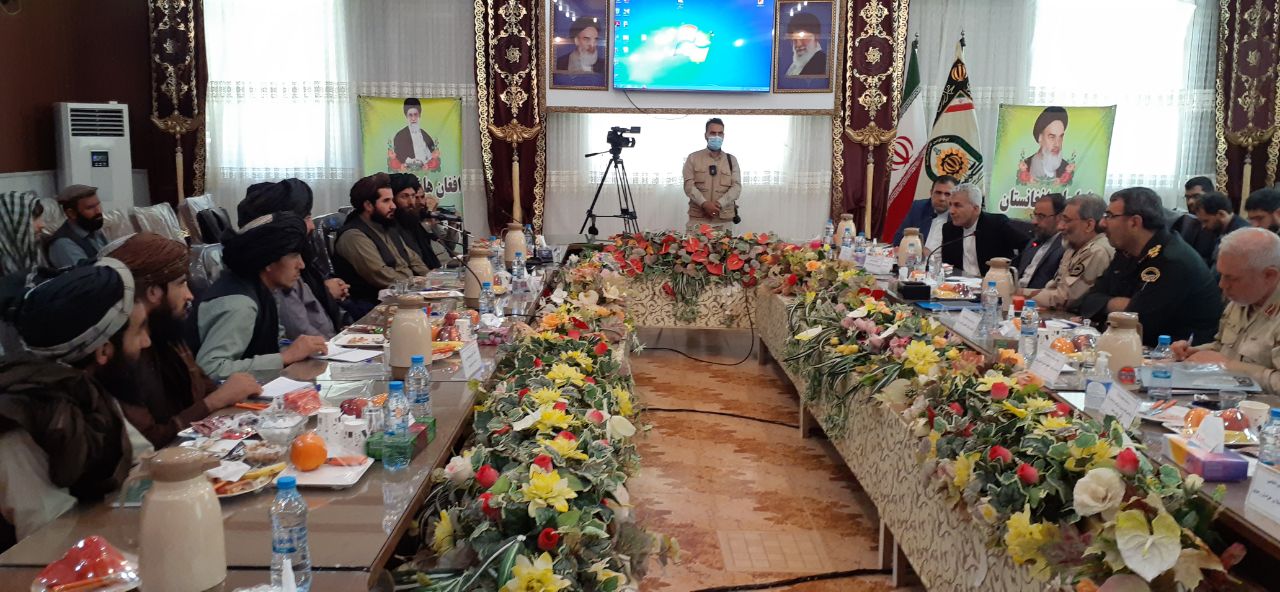
The meeting of Iranian police officials and Taliban representatives was held in the presence of Brigadier General “Ghasem Rezaei”, the deputy commander of the Iranian police and “Mawlawi Shabir Ahmad”, the head of Afghanistan Ministry of Defense in Taybad city in Iran’s Khorasan Razavi province.
General Rezaei said during the meeting: “Iran and Afghanistan are friends and brothers and have good political relations and trade exchanges. During the past years, we have been together in various events with a spirit of interaction and cooperation, and wherever the enemies wanted to damage these relations, they failed due to the goodwill and sense of brotherhood that governs the thinking of the two nations.” Regarding the foreign intervenes, Rezaei added: “The efforts of both countries should be focused on cohesion and unity, and by managing and planning for small incidents, we should not allow the enemies to magnify problems and prevent their abuse. Our borders are territorial, but our religion and culture have no borders, and the will of the Iranian nation and government is to support our friendly and brotherly country Afghanistan.” Emphasizing on ISIS danger he said: “ISIS is the common enemy of both nations and its annihilation is one of the common goals of both countries, and in this way, the free people of Iran and Afghanistan have sacrificed martyrs for the path of Islam.” The deputy commander of the Iranian police pointing the dark era of drug production in the past government of Afghanistan said: “Creating cultural solidarity among border residents and combating drug trafficking in order to develop stability and security at the borders should be our concern. We appreciate the will of the people and the new government of Afghanistan in the fight against drug production and change of the past policy toward this matter. The border guards of the Islamic Republic of Iran are ready to provide their experiences and training in the border area to the Afghan border guards. Increasing and strengthening joint security patrols is essential.”
Mawlawi Shabir Ahmad, the Taliban’s Ministry of Defense, thanking the Iranians for their hospitality, stated: “We do not forget the kindness and assistance of our neighbor Iran during the US invasion of Afghanistan and Iran’s assistance to its oppressed people. ISIS is the common enemy of both nations, and since arrogance (US and NATO) could not strike at the two countries in this way, it is trying to create divisions that we will not allow to succeed in this regard and to know that the unity of the two nations is impenetrable.”
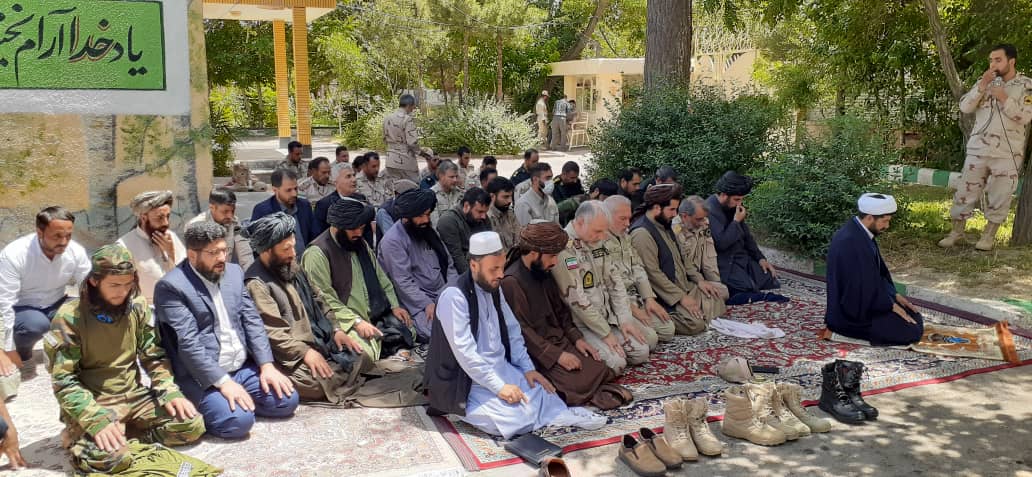
On the sidelines of the meeting, Iranian and Taliban officials held joint congregational prayers as a sign of unity and empathy.
Joint meeting and prayer of Iran and Taliban in Taybad city
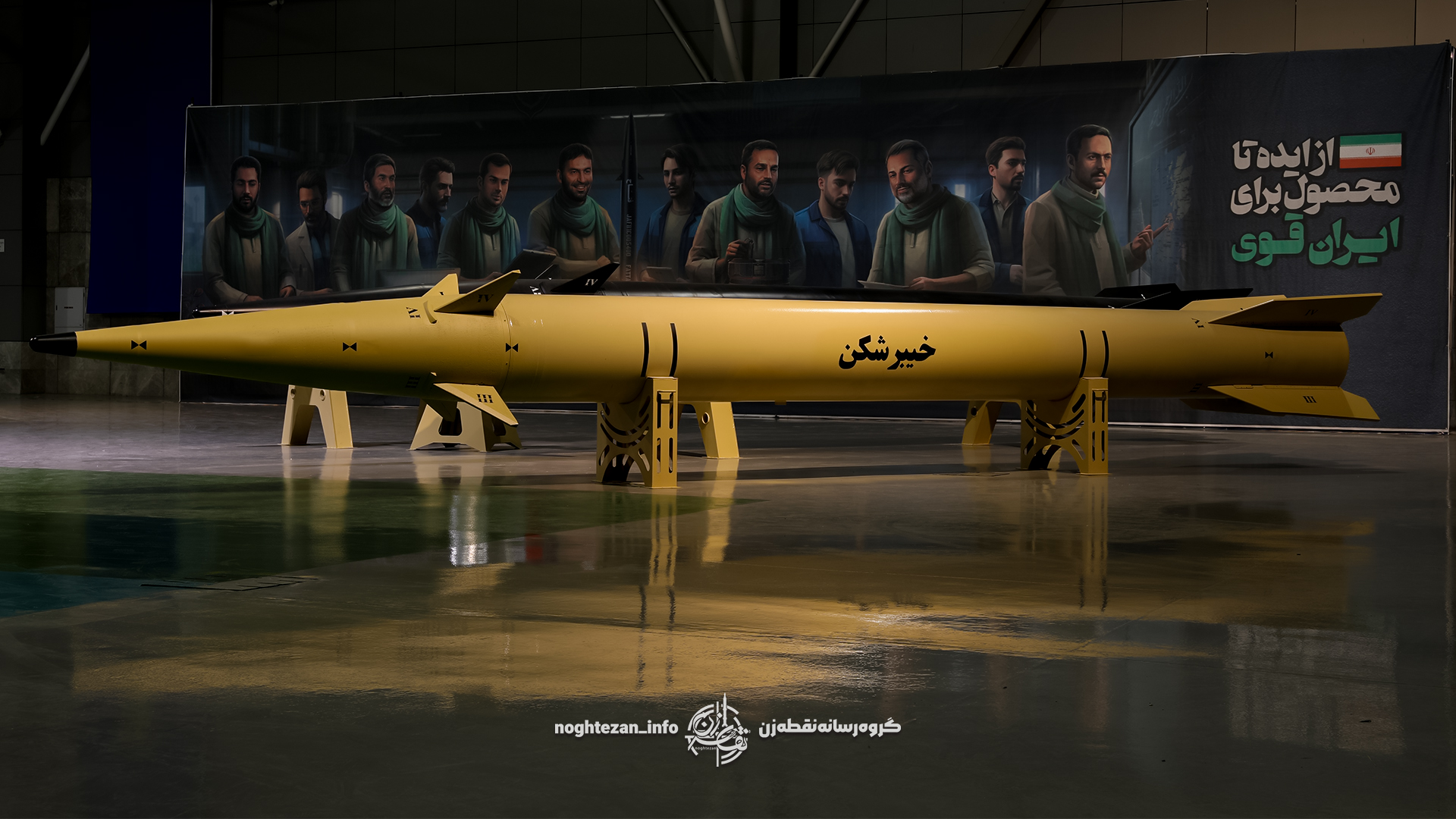
On February 9, 2022, during the visit of the Chief of General Staff of the Iranian Armed Forces, Major General Mohammad Bagheri, and the Commander of the IRGC Aerospace Force, Brigadier General Amir Ali Hajizadeh, to one of Iran’s underground missile bases, the Khaybar Shekan or Kheibar Shekan (Khaybar Breaker) tactical short-range ballistic missile was unveiled.
The unveiling of this missile on the eve of the forty-third anniversary of the victory of the Islamic Revolution of Iran, and especially the unique name of this missile, attracted many attention and reactions around the world. “Khaybar” refers to the famous war between Muslims and Jews in the early years of Islam and the victory of Muslims over the Jews after Imam Ali (as) threw down the door of the final fort.
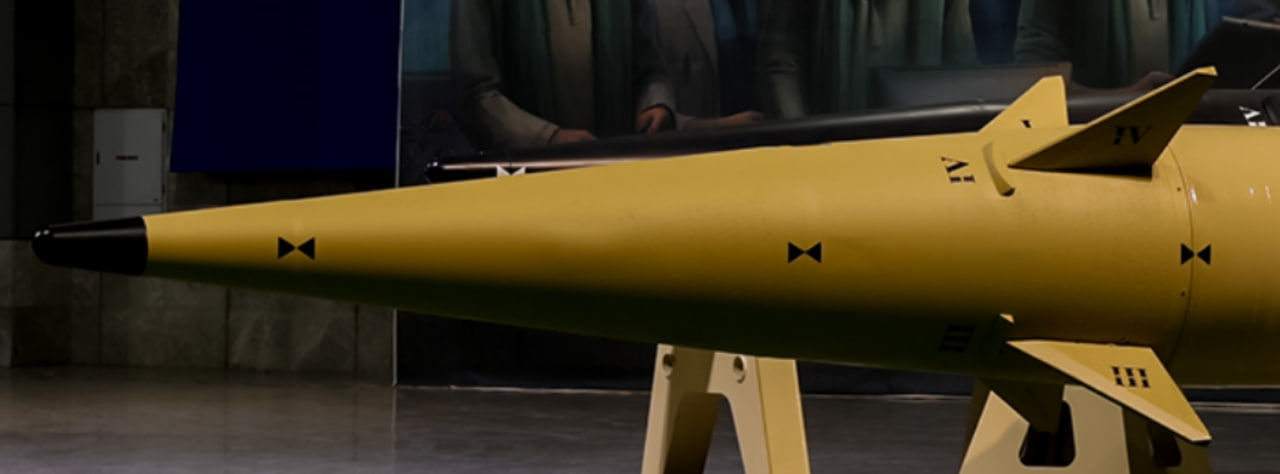
The first thing that catches the eye in the Khaybar Shekan missile is the relatively larger dimensions of its warhead movable fins. Increasing the size of the fins, increases the maneuverability of the warhead after entering the atmosphere and allows for more sophisticated and faster maneuvers in order to pass more effectively through layers of in-atmosphere anti-missile defenses such as the David Sling and Patriot.
Khaybar Shekan missile warhead and larger movable fins
The warhead configuration is of Tri Conic type. The use of this conservative configuration is to maintain the stability of the warhead during heavy maneuvers and in the landing phase causes high maneuverability to pass through the layers of missile defense systems. Of course, the amount of drag in this configuration is a bit high. In engineering, increasing the drag force is intended by the weapon designer to achieve greater maneuverability.
An example of how a maneuverable warhead (MaRV) works
Unfortunately, the exact details of the missile, such as weight, length, diameter, warhead weight, etc., have not been officially provided by Iranian officials; But according to estimates, the diameter of the missile is 800 mm and its length is about 10.5 meters.
Length and diameter of Kheibar Shekan missile
Due to the reflection of light from the missile body and its texture, it seems to be a composite body material, which means low deadweight of engine. Therefore, the missile weighs between 4.5 and 5 tons, assuming the weight of the warhead is 500 kg, which is a unique number for a short-range ballistic missile with a range of 1450 km. At the time of unveiling, it was mentioned that the weight of this missile has been reduced to one third, which is consistent with one third of the mass of the 15-ton Qadr S missile.
Extreme agility and speed in hitting targets at a range of 1450 km is one of the main capabilities of this missile.
Body of Khaybar Shekan Ballistic Missile
As mentioned, this missile is based on the Dezful missile and with a weight of 30% of liquid fuel missiles, it has achieved the range of the same missiles. Therefore, this missile has solid fuel, and due to the reduction of dimensions and weight of this missile, it is possible to use two missiles of this type on dual launchers.
Smaller missile dimensions have significant advantages. The smaller the missile, the more missiles can be stored in the confined space of underground missile bases. Also, the need for drilling to increase the length of the tunnels and the cost and time is reduced. It should be noted that in the past, due to the lack of space for missiles, the IRGC Aerospace Force implemented the idea of multi-floor missile depots.
Iran Underground Missile Base
Another advantage of reducing the dimension of missiles is the use of a wide range of launchers; So that the Khaybar Shekan ballistic missile can be launched from the Iran Khodro Diesel’s Aria 10-wheel launcher. This truck has recently joined the Iranian Armed Forces.
Iran Khodro Diesel’s Aria 10-wheel launcher
Another item that was revealed with the unveiling of Khaybar Shekan missile is the use of a dual launcher that have the ability to carry and launch up to two Khaybar Shekan short-range missiles. Until now, short-range missiles, such as Iranian Qiam missiles with a maximum range of 1,000 km, were carried by the launcher as a single unit; Increasing the number of missiles means increasing the firing rate, which is a very effective and proven tactic in overcoming on missile defense systems.
Another important issue that occurred during the unveiling of the Khaybar Shekan missile, which led to much speculation, was the naming of the missile and the type of warhead: Khaybar Shekan (Breaker). At first, it looked like a bunker buster warhead, but with the release of more footage of the missile firing and hitting the target, the bunker buster warhead theory was rejected due to the angular impact on the target and how it exploded instantly.
Of course, the possibility of developing a bunker buster warhead for this missile is quite possible. However, in the unveiling footage of the missile, the missile uses the HE warhead, which according to the commander of the IRGC Aerospace Force, Sardar Hajizadeh, the explosive used in the warhead, is several times more than its TNT equivalent, and provides more explosive power. Therefore, a combination of RDX and HMX has probably been used to provide such performance.
Video of the unveiling and performance of the Khaybar Shekan ballistic missile
In 2023, another variant of the Kheibar Shekan missile was unveiled. This missile, which is known as Kheibar Shekan-2, is almost identical to Kheibar Shekan-1.
Khaybar Shekan-2 with a range of 1800 km
The only difference in the appearance of Khaybar Shekan-2 with Khaybar Shekan-1 is the warhead. The Khaybar Shekan-1 missile has a three-cone warhead, but the Khaybar Shekan-2 missile uses a single-cone warhead.
In the booster section, the boosters of the Khaybar Shekan-2 and 1 missiles are exactly the same size with a diameter of 76 cm, but the weight of the Khaybar Shekan-2 missile is less than the Khaybar Shekan-1 missile. The range of Khaybar Shekan-2 has also increased from 1450 km to 1800 km.
The image on the right is the three-cone warhead of Khaybar Shekan-1 and the image on the left is the single-cone warhead of Khaybar Shekan-2.
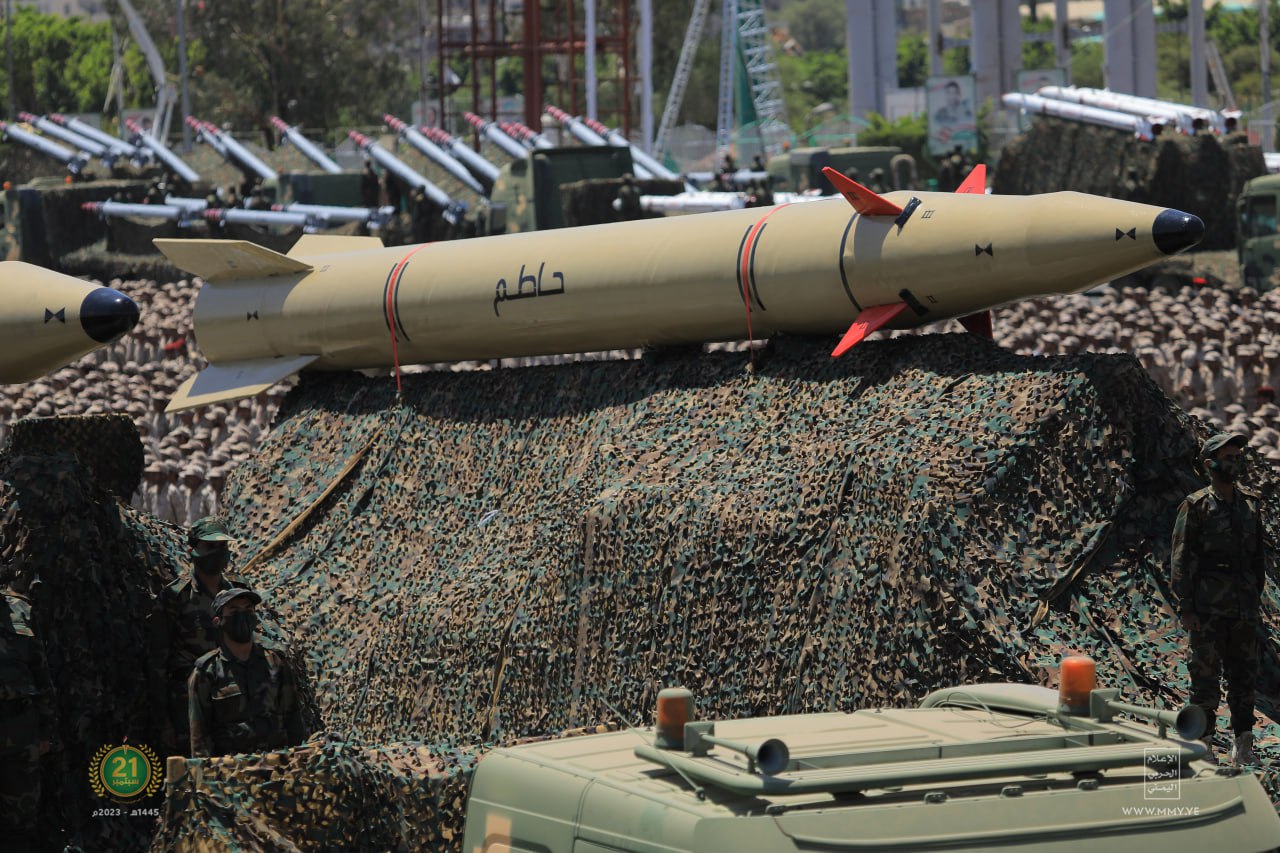
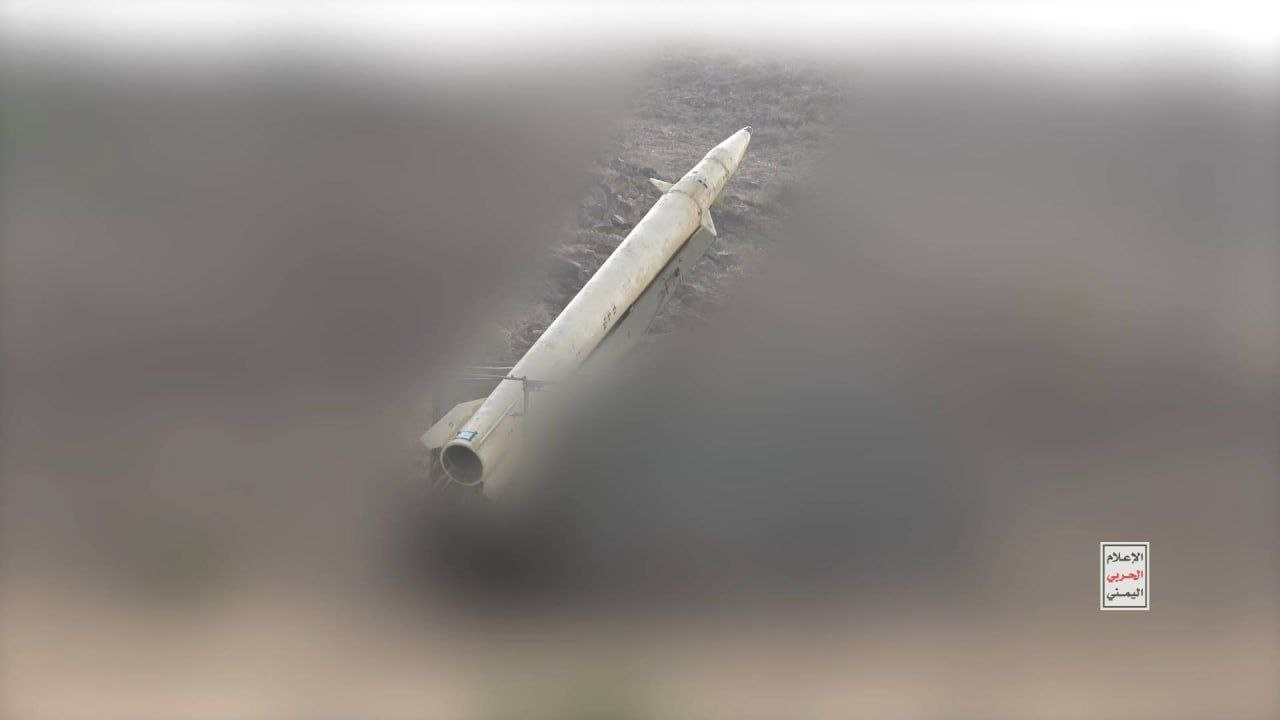
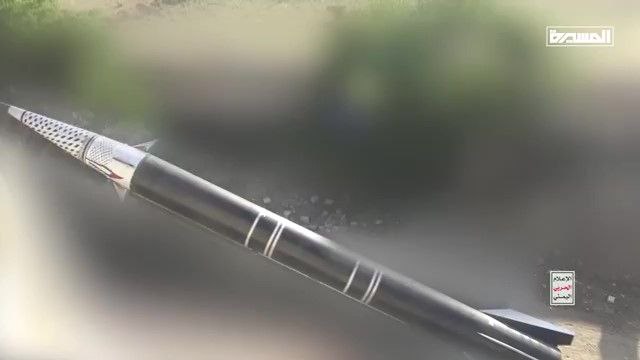
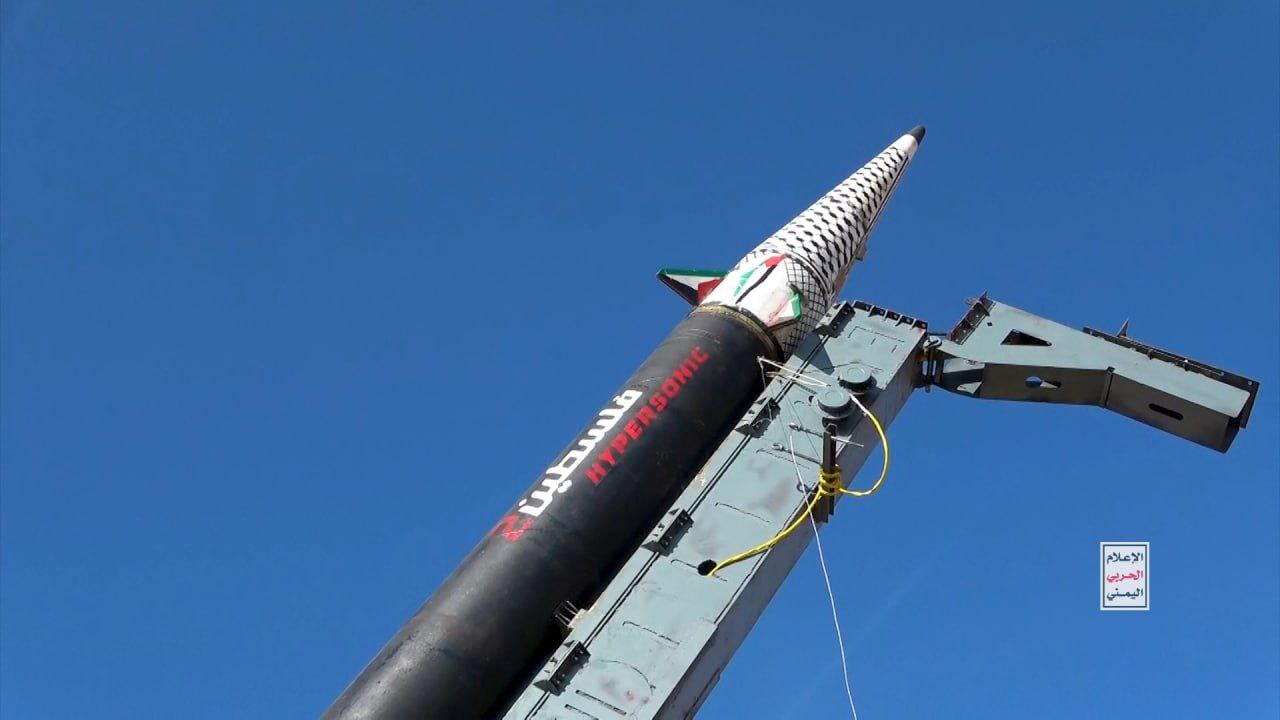
It should be noted that the variants of Khaybar Shekan 1 and 2 missiles named Palestine and Hatem missiles have been put into service by the Yemeni army (Ansar Allah).
In fact, the Hatem-1 and 2 missiles with a three-cone warhead are similar to the Khaybar-Shekan-1 missile, and the Palestine-1 and 2 missiles with a single-cone warhead are similar to the Khaybar Shekan-2 missile.
Hatem-1 missileHatem-2 missilePalestine-1 missilePalestine-2 missileHatem 1 and 2 and Palestine 1 and 2 missiles
Regarding the range of these missiles, apart from the Palestine-2 missile, no exact information is available, but naturally, their range should be similar to the Iranian variants.
The range of these missiles is classified as follows based on the announced information: Khaybar Shekan-1 »»» 1450 km Hatem-1 »»» 1450 km Hatem-2 »»» unknown range and Khaybar Shekan-2 »»» 1800 km Palestine-1 »»» 1800 km Palestine-2 »»» 2150 km
The Palestine-2 missile was used in an attack on a target near the city of Tel Aviv, and its range was officially announced as 2,150 km. Considering that Palestine-2 is similar to Khaybar Shekan-2 (with a range of 1,800 km), it seems that its warhead has been greatly reduced in order to reach a range of 2,150 km.
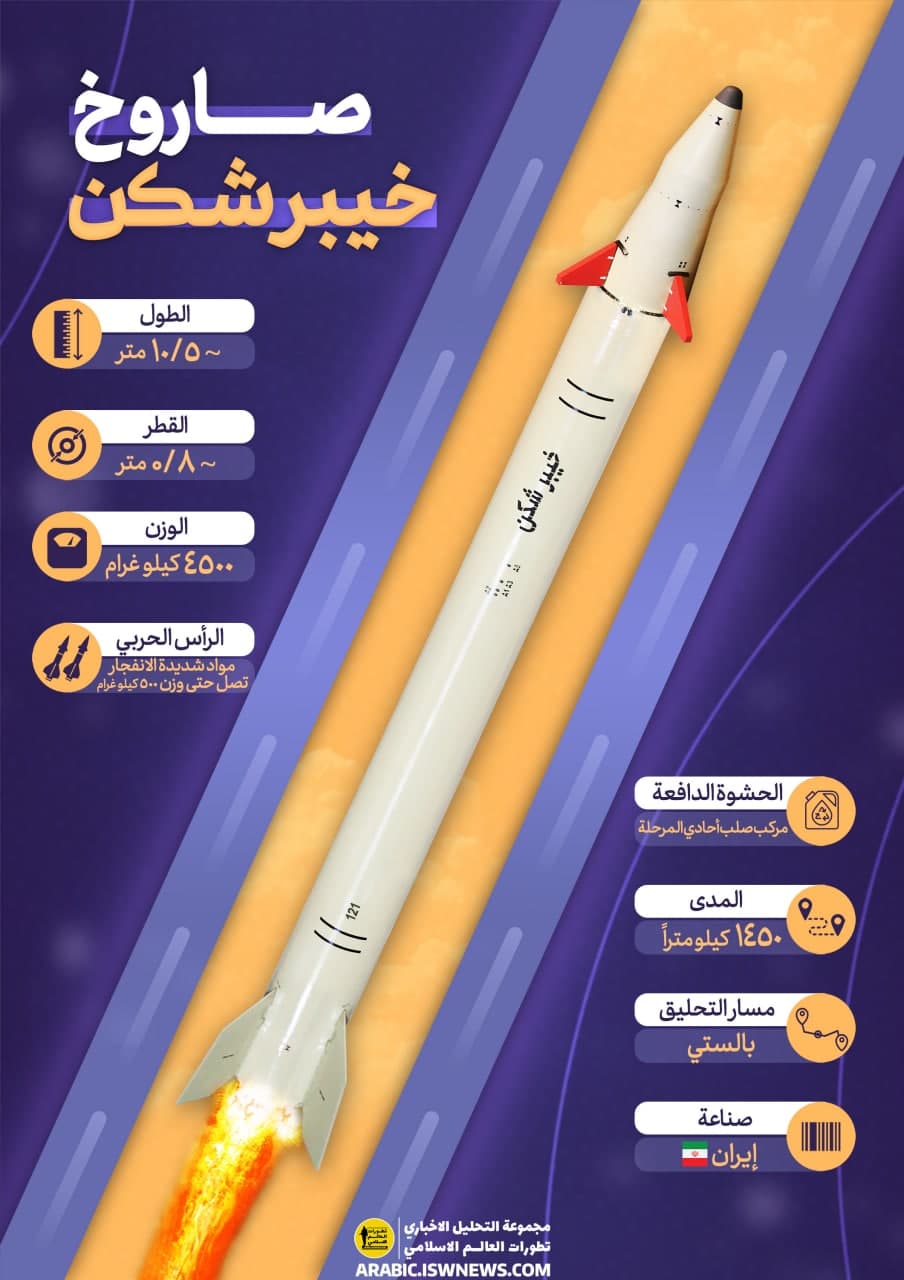
Khaybar Shekan-1 missile specifications: Length: 10.5 m Diameter: 0.8 m Weight: 4500 kg Warhead: High Explosive up to 500 kg Fuel: Solid (One-stage) Range: 1450 km Flight trajectory: Ballistic, MaRV warhead Origin: Iran
Click to view full size
“Kheibar Shekan Ballistic Missile” collection of posters in Persian, Arabic, Kurdish, Azeri, Russian for Social Media:
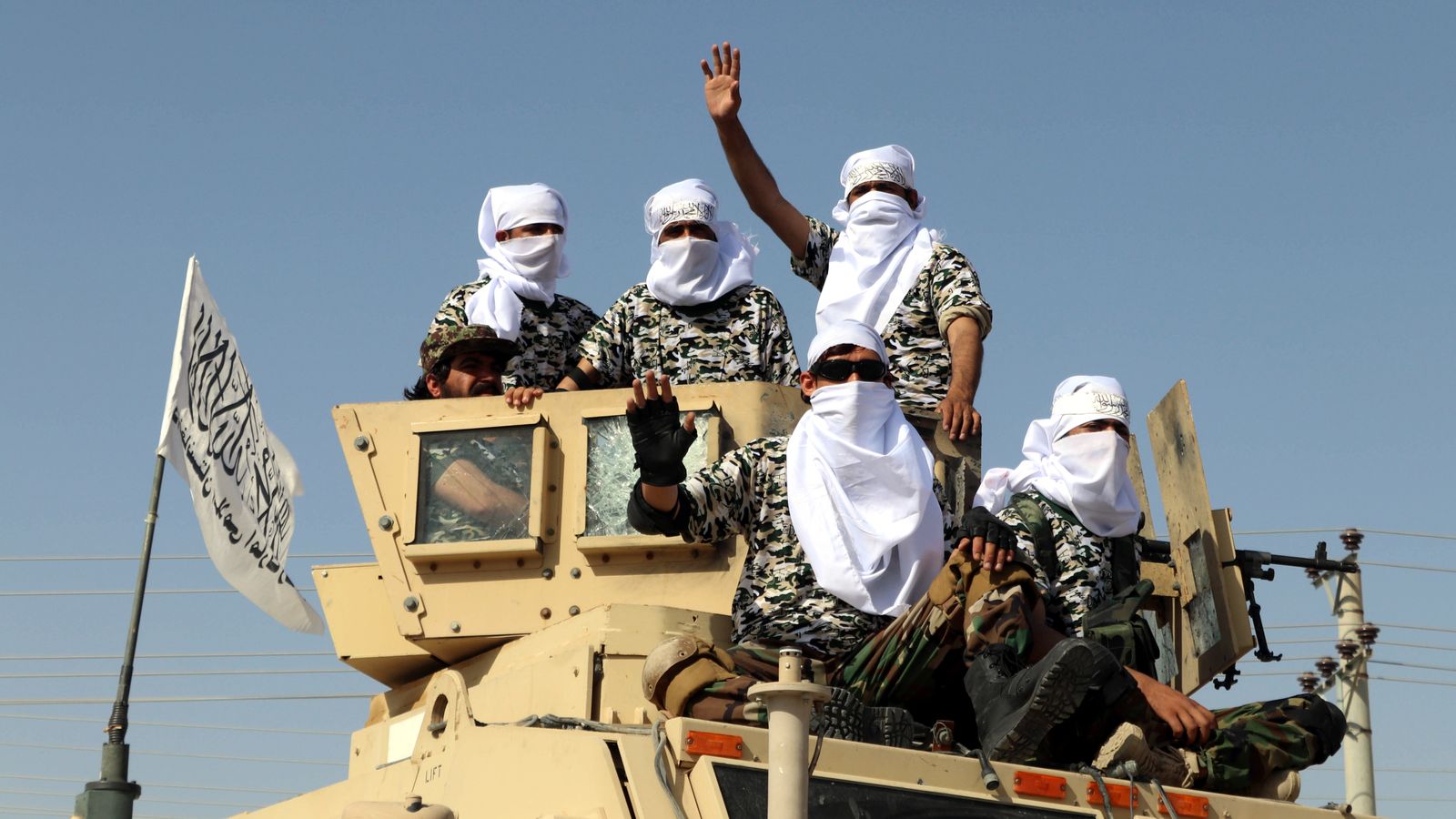
On May 15, Taliban militants opened fire on Tajik border post near the Sher Khan Bandar border in the Imam Sahib district of Kunduz province after verbal tensions with a Tajik border guards. The Taliban firing was met with a response from the Tajik military, which lasted more than four hours. Despite several hours of clashes, the two sides did not report any casualties.
This is the first time that Taliban militants have been directly involved in armed clashes with the Tajik military. Since taking power in Afghanistan, Taliban militants have repeatedly clashed with neighboring countries, including Pakistan, Iran, Uzbekistan and Turkmenistan, indicating that their militants are misguided and unfamiliar with international and border law.
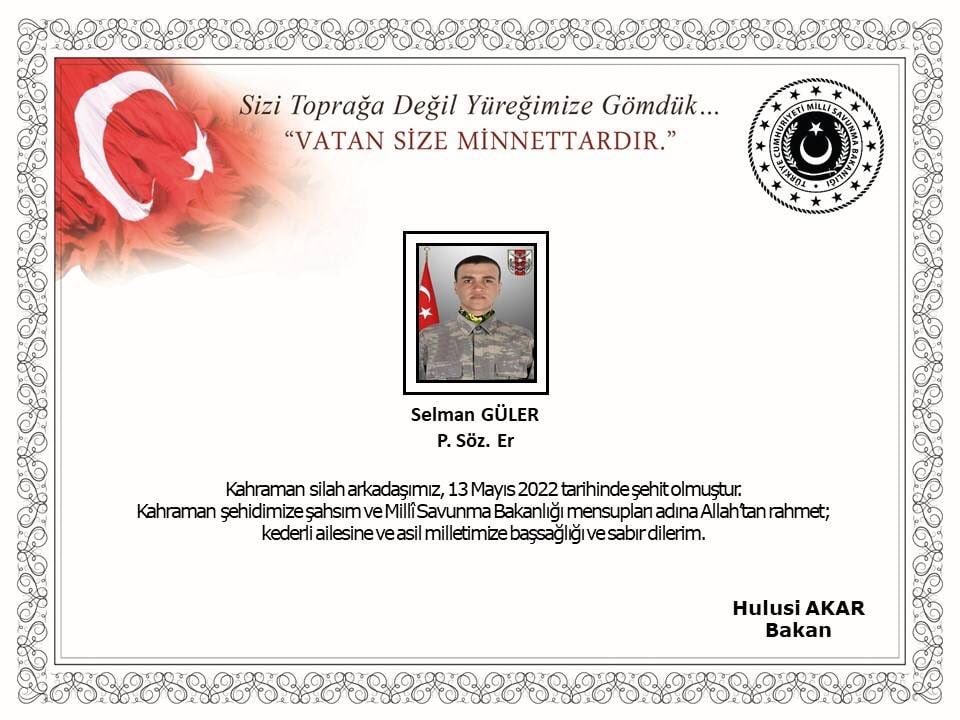
Thus, the number of casualties of the Turkish army in Operation Claw Lock, which began on the morning of April 18, increased to 11 personnel.
On May 1 also, the Turkish Ministry of Defense announced that two Turkish soldiers had been killed during Operation Claw Lock in northern Iraq.
It should be noted that on the morning of April 18, Turkey has launched a new ground and air cross-border offensive named ‘Operation Claw Lock’ against Kurdish militants in northern Iraq. Turkish military has conducted dozens of military operations against PKK militants in northern Iraq in recent years.
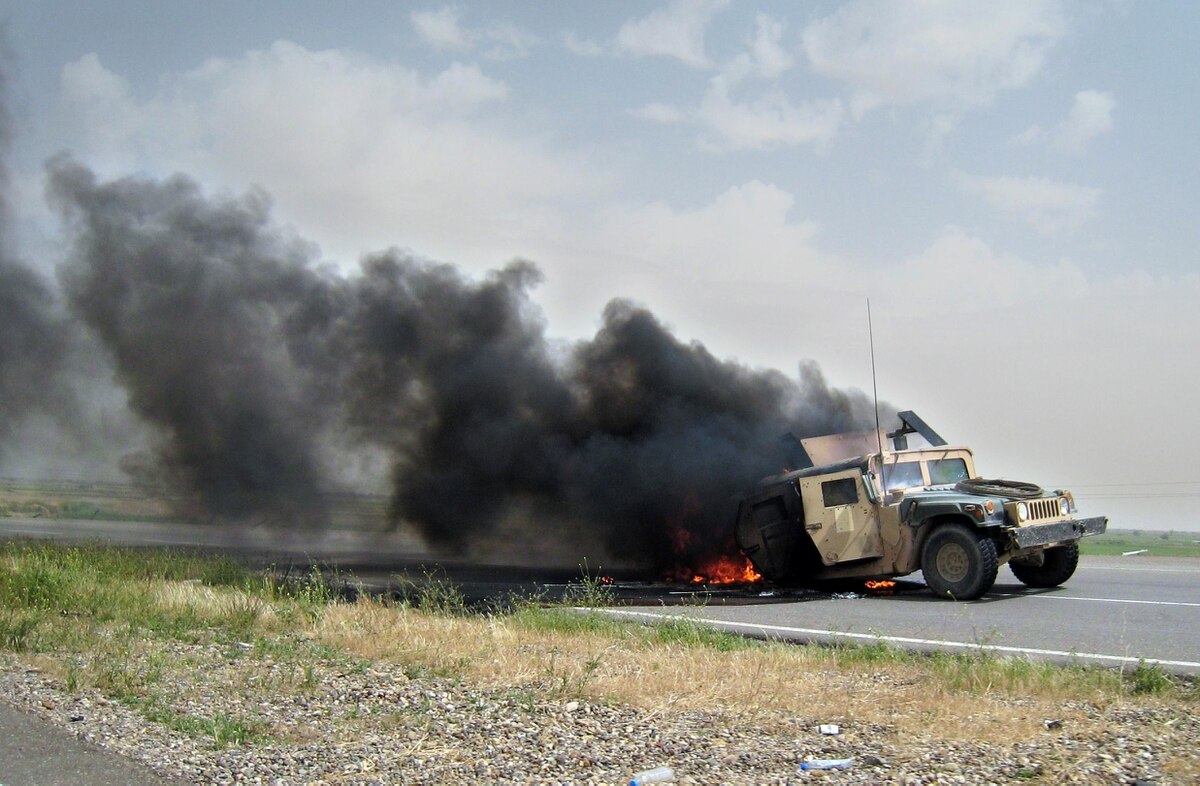
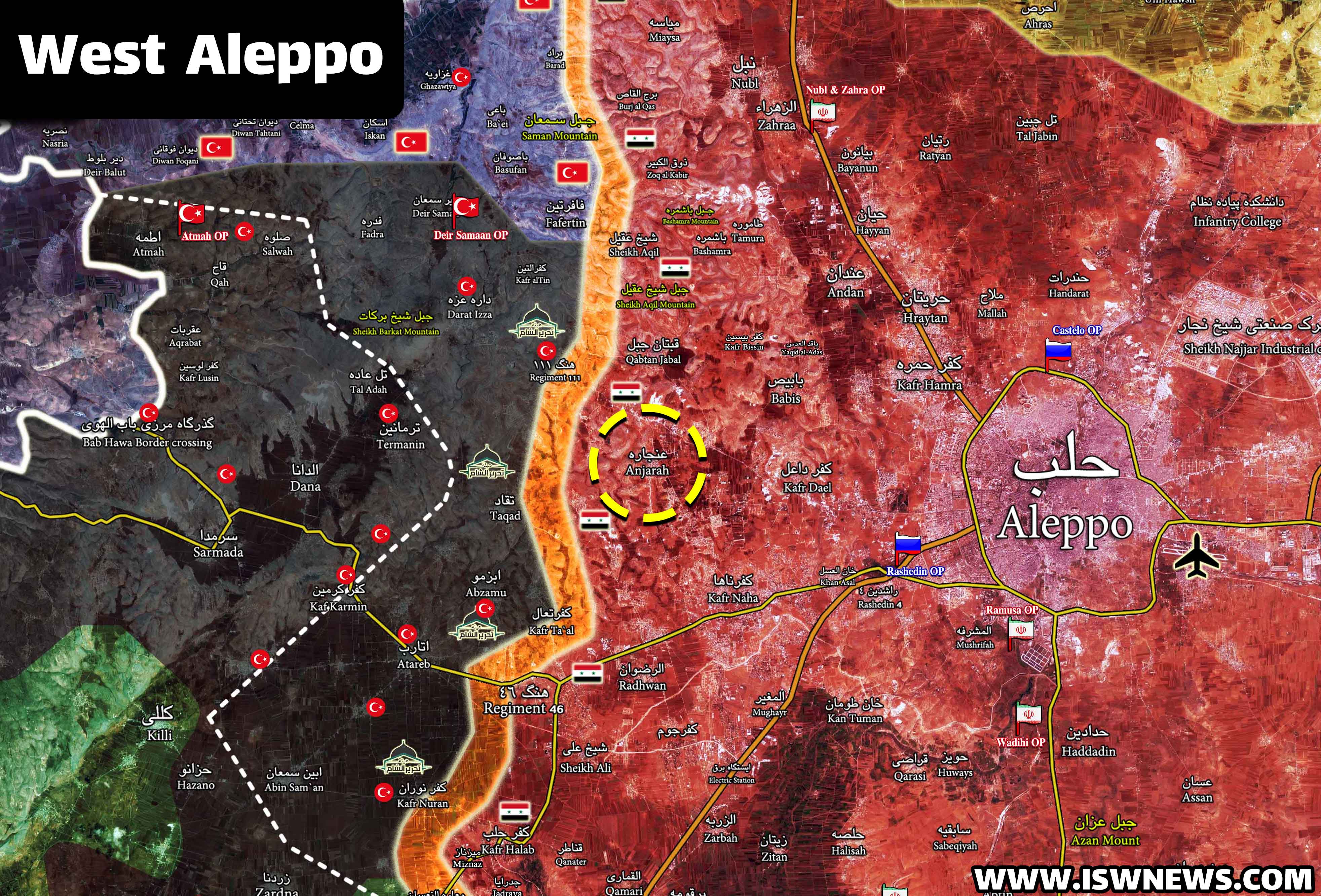
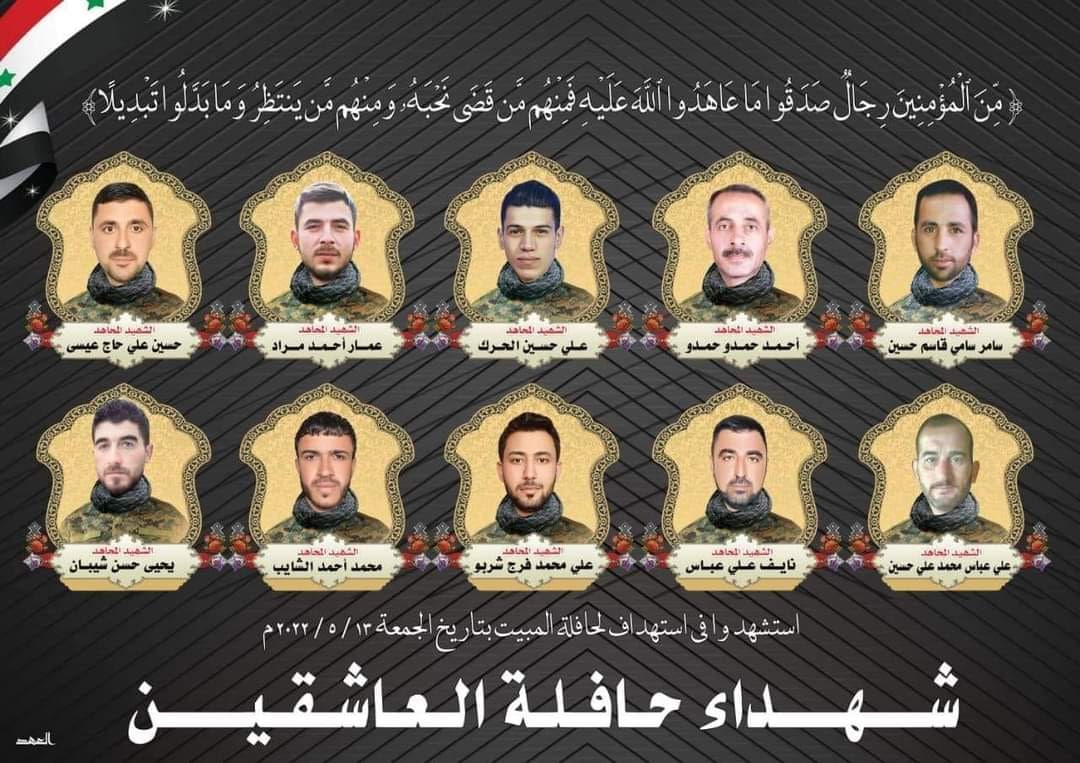
On May 13, Ahrar al-Sham group, a member of the National Front for Liberation coalition, targeted a bus carrying the Syrian National Defence Forces (NDF) on the Anjara front west of Aleppo with an anti-tank guided missile. The attack killed 10 Syrian National Defence Forces and wounded nine others.
Video of Ahrar al-Sham terrorist group targeting a bus carrying NDF forces with ATGM
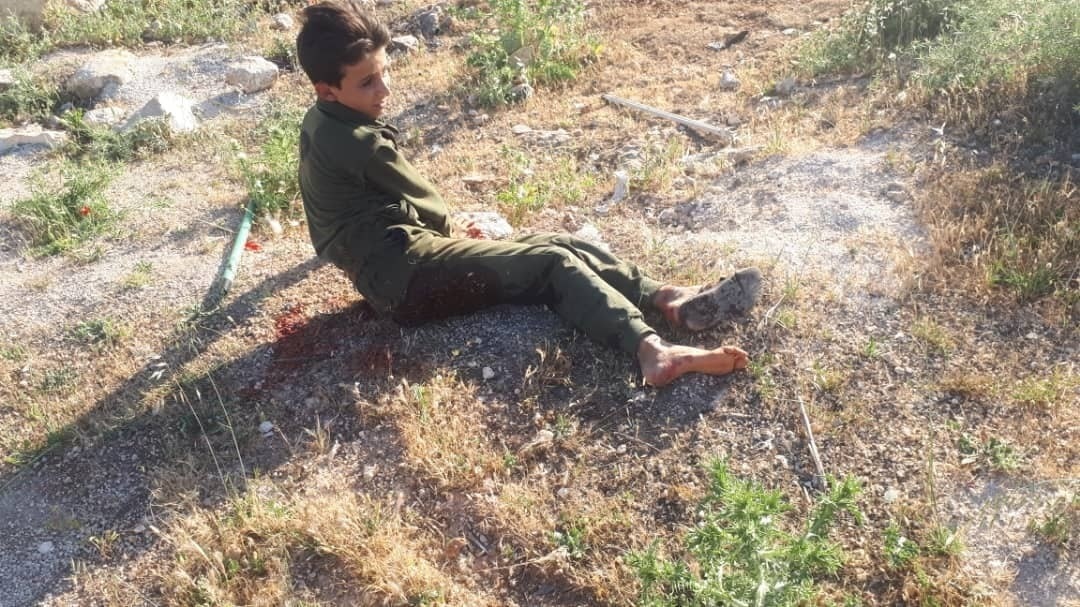
Simultaneously with the funeral of the martyrs of the attack in the Shiite towns of Nubl and Al-Zahra in Aleppo province, Turkish-backed militants targeted Nubl and Al-Zahra area with artillery shells, killing a 12-year-old Syrian boy named “Ali Hussein Hajj Issa” and another one-year-old child named “Mahdi Saeed” was injured.
Syrian child martyred and another wounded by Turkish-backed group artillery attacks on Nubl and Al-Zahra
In response, the Syrian army targeted militant positions in northern Aleppo with airstrikes and artillery. No information is available on the number of militant casualties.
Funeral ceremony for the martyrs of the NDF forces