Author: Mirza

  • Iran’s ambassador to Yemen Hassan Irloo dies of coronavirus

    Iran’s ambassador to Yemen Hassan Irloo dies of coronavirus

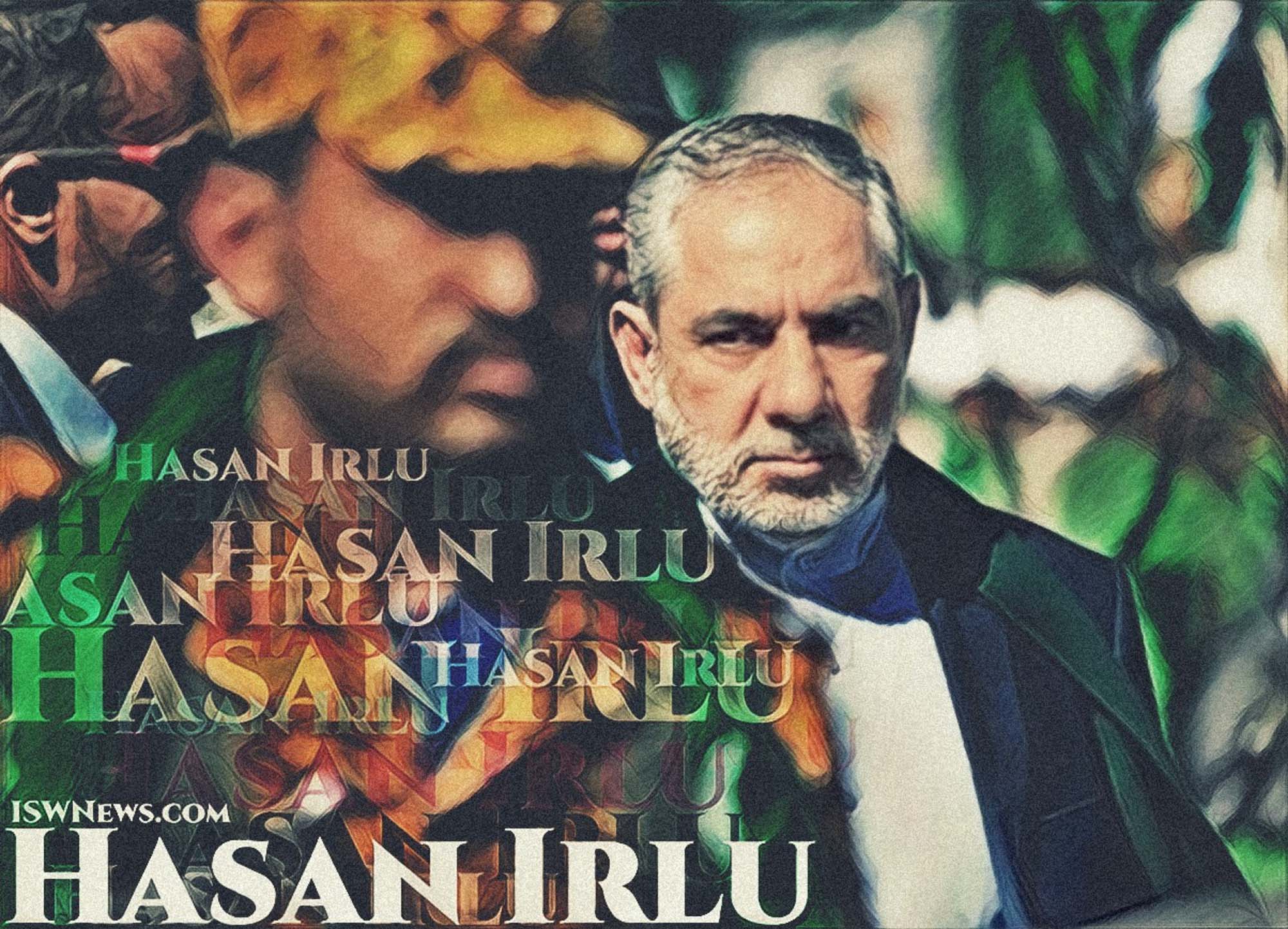
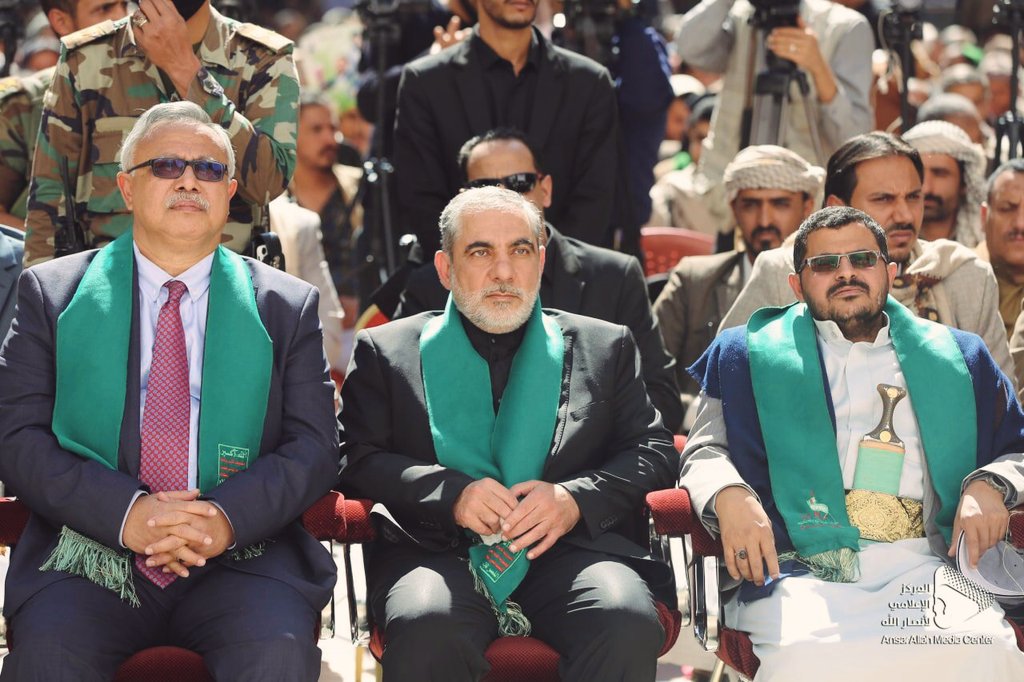
    According to Iranian Foreign Ministry spokesman Saeed Khatibzadeh, “Iran’s ambassador to Yemen, Hassan Irloo, was a chemical warfare veteran of the Iraq-Iran war and contracted coronavirus at his mission in Yemen. Due to the late cooperation of some countries (Saudi Arabia), he unfortunately returned to the country in unfavorable conditions, and despite using all the treatment steps to improve his condition, he was martyred this morning.”

    The Ambassador of the Islamic Republic of Iran, Hassan Irloo, arrived in Sanaa on October 17, 2020, or in other words, his mission was announced on that date. No details are available on how he arrived in Yemen. The media have speculated about how he could have entered Yemen from smuggling by international ships or across the Oman border to flying on a UN plane and arriving by boat of African migrants. In any case, in his short but fruitful period, Irloo demonstrated active diplomacy and good performance in the direction of friendship between the two nations, and carried out worthy and constructive actions in Yemen.

    It should be noted that the United States added Hassan Irloo to the list of its sanctions on December 8, 2020. This is while, the US has played a key role in Saudi Arabia’s war against Yemen, which has caused the world’s worst humanitarian disaster in the impoverished Middle Eastern country.

    Just hours after the death of Hassan Irloo, the Iranian ambassador to Yemen, some foreign media and unofficial Iranian social media channels have published information and speculated about his death, but what is the reality?

    Some media outlets have spread rumors that Hassan Irloo was wounded in a bombing by Saudi coalition warplanes in Yemen and later killed in Tehran after being transferred to Iran. ISWNEWS deny this rumor. According to reliable information obtained from sources present at the hospital where he was hospitalized, ISWNEWS can confirm that he was not wounded in any way by the bombings of the Saudi coalition.

    There are also other rumors circulating in social media claiming that Hassan Irloo is the same Abdulreza Shahlai, the commander and coordinator of the IRGC Quds Force in Yemen. This rumor is also denied by the ISWNEWS. General Shahlai or the person whom, known by the Western security services as Shahlai, is in perfect health and is still carrying out his mission in Yemen.

    Read more:
    Suspicious departure of Iranian ambassador from Yemen
    The Assassination of the IRGC Quds Key Element in Yemen Was Failed
  • The effects of the recent Israeli airstrike on Damascus Airport

    The effects of the recent Israeli airstrike on Damascus Airport

    On the morning of December 16th, Israeli warplanes fired eight cruise missiles from the Golan Heights into Damascus Airport. After the attack, Admiral Vadim Kolit, deputy head of the Russian Reconciliation Center in Syria, said that the Syrian army’s Pantsir-S anti-aircraft systems had destroyed seven of the eight missiles fired by Israeli fighter jets.

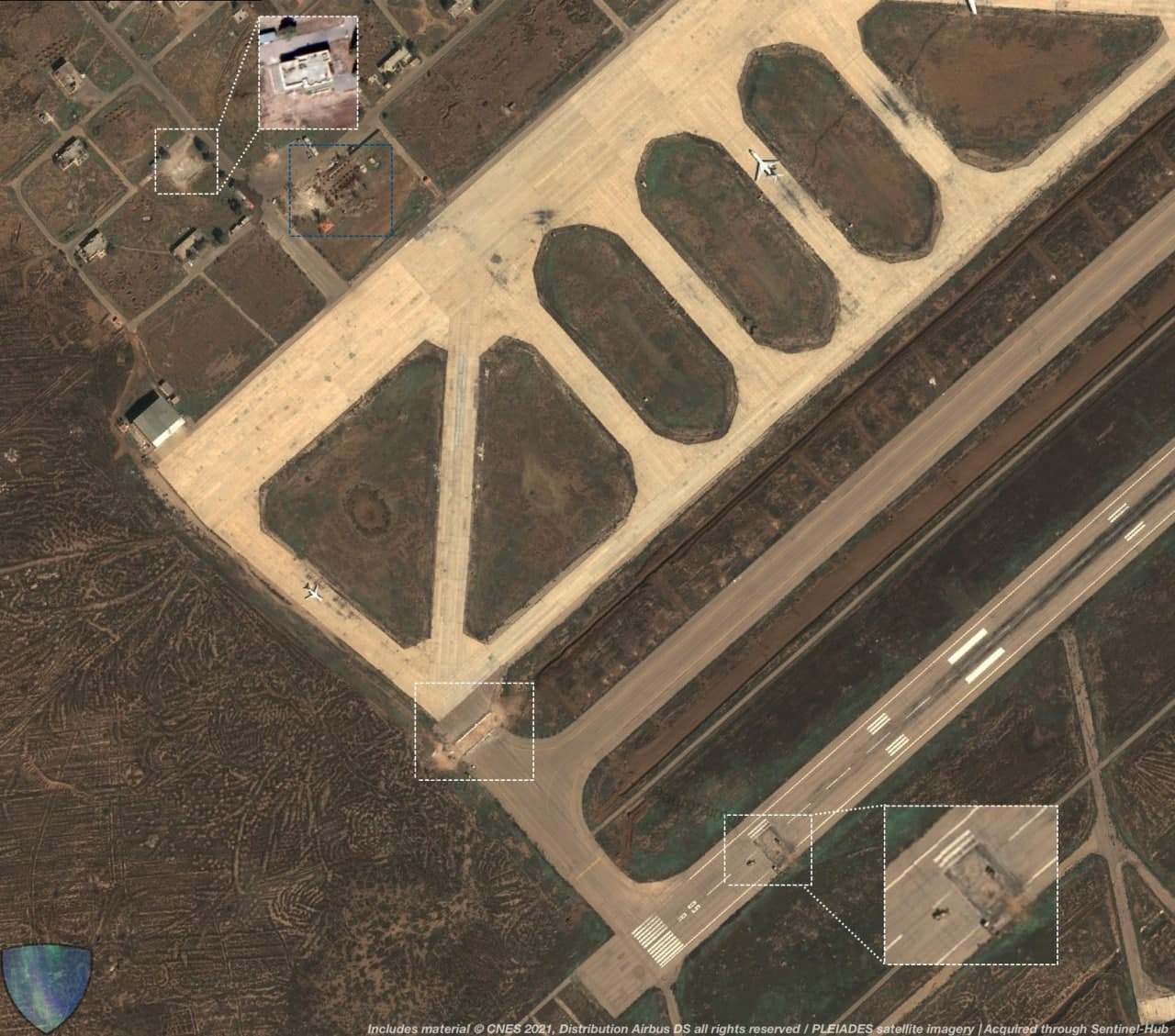
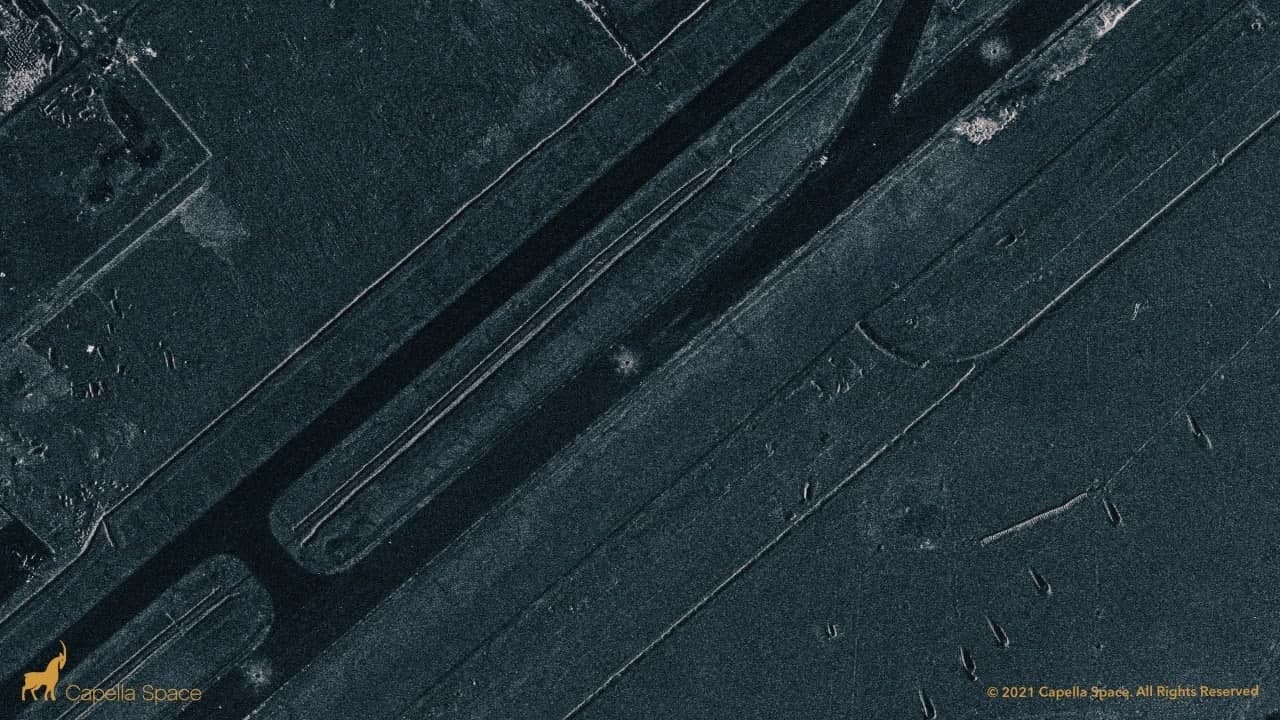
    While the Russians claim that SAA Pantsir systems have intercepted and destroyed seven of the eight hostile missiles, satellite images show that at least three missiles hit the runway at Damascus Airport. According to satellite images, at least three successful hit were made by a distance of 600 meters from each other on the runway of Damascus Airport.

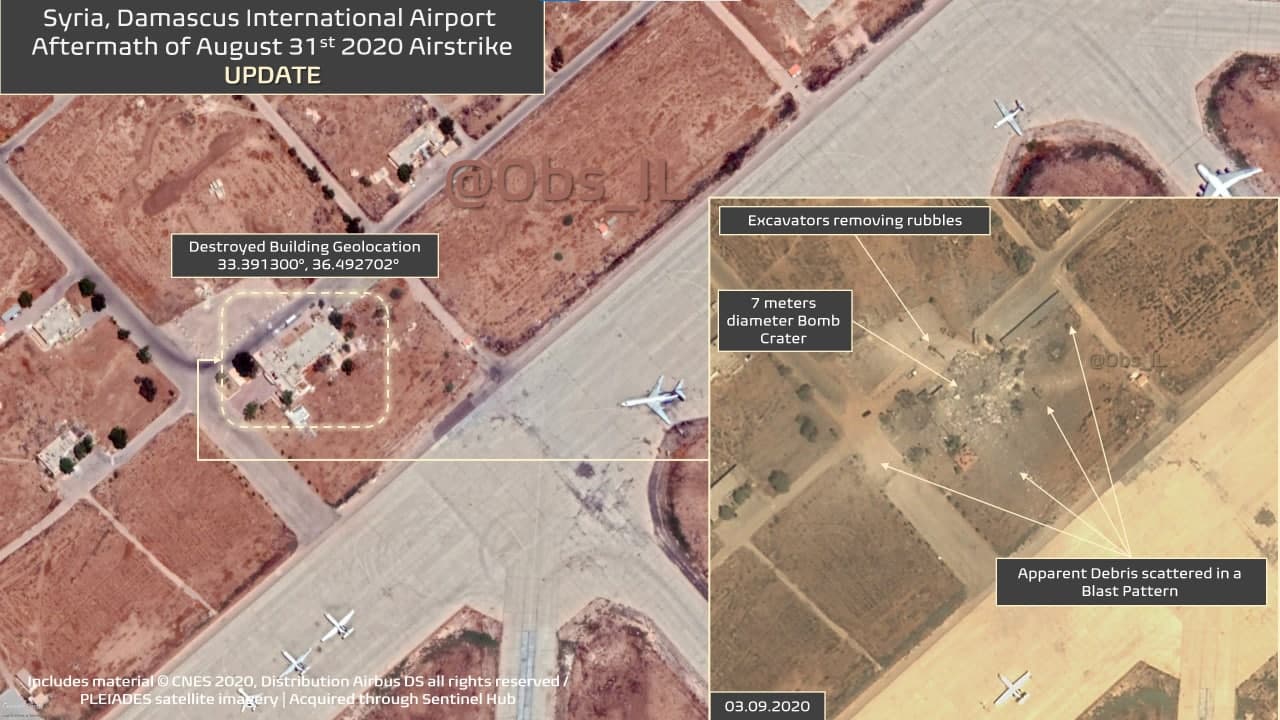
    This is not the first time that Damascus Airport has been targeted by Zionist airstrikes. On February 3, 2021, Israeli warplanes fired several missiles at Damascus Airport, destroying a building, damaging the runway, and causing property damage. On August 31, 2020 also a building in the southwestern part of Damascus Airport was severely damaged as a result of an Israeli airstrike.

    Damascus International Airport has been the target of numerous Israeli airstrikes in recent months due to the landing of Iranian transport and passenger planes. The Israeli regime believes that the Iranian military is using the airport to provide the logistical support to its forces in Syria. Under this pretext, the Zionist regime’s airstrikes on Syria intensify after the landing of Iranian planes in the country.

    Read more:
    Israeli airstrike on southern Syria
    Israel missile attack on Latakia + Images
    Israel Airstrike on Syria’s Homs

    Damascus Airport, August 31, 2020
    Damascus Airport, February 3, 2021
  • Ansar Allah uses attack helicopter in Marib battles + Video

    Ansar Allah uses attack helicopter in Marib battles + Video

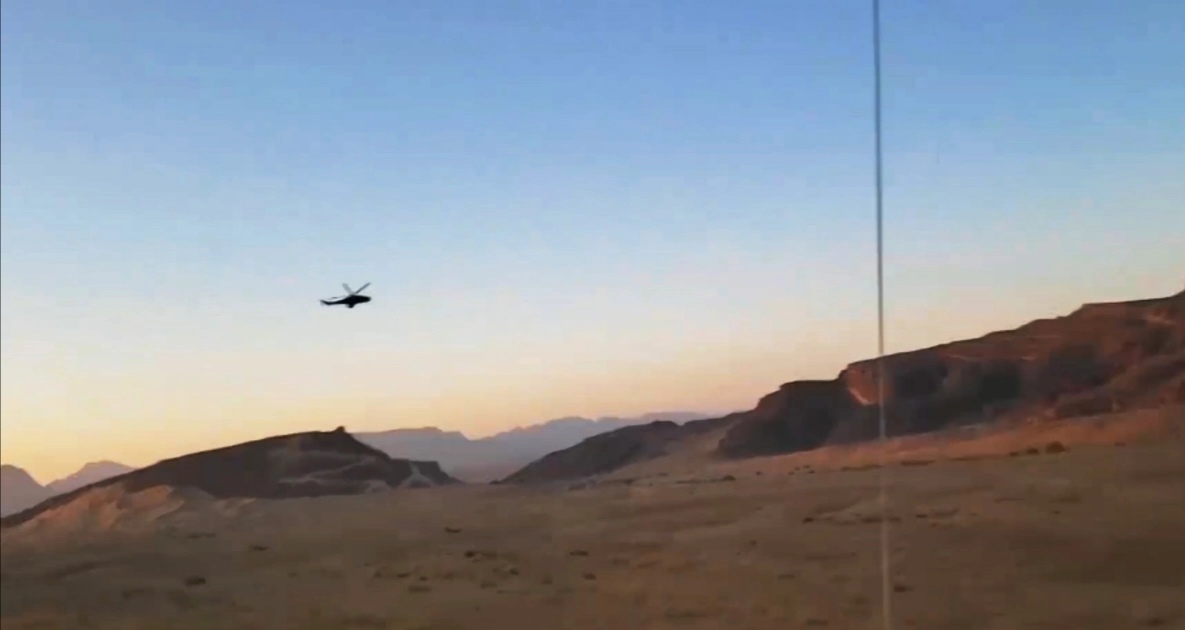
    Considering the recent operations of the Ansar Allah military helicopter on the southern fronts of the city of Marib, it can be said that this helicopter or helicopters have successfully carried out three support operations so far.

    After the liberation of the most parts of the al-Balaq al-Sharqi heights by Ansar Allah on December 8, the Saudi coalition has focused its heavy attacks on retaking these points.
    Heavy fighting continues south of Marib. The heavy bombardment of the Saudi warplanes, the constant artillery fire, the numerous flights of combat and reconnaissance drones, the heavy casualties of Saudi-led forces, etc. show the serious determination of the Saudi coalition to keep Ansar Allah away from Marib city.

    Read more: Video: In a rare move, Ansar Allah helicopter enters the battles of Marib!

    Video No. 1: Ansar Allah helicopter supports the battles in the south of Marib, probably on December 17th
    Video No. 2: Ansar Allah helicopter supports the battles in the south of Marib on December 19th
  • Suspicious departure of Iranian ambassador from Yemen

    Suspicious departure of Iranian ambassador from Yemen

    According to Iranian Foreign Ministry spokesman, Saeed Khatibzadeh, Iranian Ambassador to Yemen Hassan Irloo has left the Yemeni capital Sanaa due to coronavirus disease and ongoing treatment in Tehran. This is while, the Western and Saudi media, by lying, stated that the reason for this issue was the emergence of serious differences between Iran and Ansar Allah.

    Rejecting rumors about the story, Mohammad Abdulsalam said, “During the agreement between Iran and Saudi Arabia through Iraq, the Iranian ambassador to Sanaa was transferred by an Iraqi plane due to his health condition.”

    The Ambassador of the Islamic Republic of Iran, Hassan Irloo, arrived in Sanaa on October 17, 2020, or in other words, his mission was announced on that date. No details are available on how he arrived in Yemen.
    The media have speculated about how he could have entered Yemen from smuggling by international ships or across the Oman border to flying on a UN plane and arriving by boat of African migrants.
    Mohammad Ali al-Houthi had also said in this regard that the manner in which the Iranian ambassador entered would not enter the minds of the enemies.
    In any case, in his short but fruitful period, Irloo demonstrated active diplomacy and good performance in the direction of friendship between the two nations, and carried out worthy and constructive actions in Yemen.

    Read more: Answering Key Questions about Yemen War – Part Seven

  • Yemen: Peace agreement between Ansar Allah and Yatmah tribes

    Yemen: Peace agreement between Ansar Allah and Yatmah tribes

    The provisions of this agreement are as follows:
    1- Ansar Allah fighters will not enter the town of Yatmah and the control of these areas will be handed over to the elders and representatives of the Yatmah tribes.
    2- The weapons left behind by the Saudi coalition in their bases in Yatmah will be handed over to the tribal fighters to ensure the security of the region.
    3- The Yatmah tribes have also pledged not to follow the Saudi coalition and to prevent the Saudi-backed figures from entering the Yatmah and attacking the Ansar Allah positions.

    Currently, the clashes continue in the northern areas of al-Jawf province, and Ansar Allah is stabilizing the progress in this area.

    Clashes between Ansar Allah and Saudi-led forces in the north of al-Jawf province began on December 4th and intensified with airstrikes by coalition warplanes. Finally, on December 16th, Ansar Allah launched an operation to liberate the Yatmah area and its suburbs, which is still ongoing.

    Read more: Latest Updates on Yatmah Front, 18 December 2021 (Map Update)

    Click to see the full size map
  • Latest Updates on Syria, 19 December 2021 (Map Update)

    Latest Updates on Syria, 19 December 2021 (Map Update)

    1- Aleppo:
    – On December 17, artillery of Turkish-backed militants shelled village of Bughaz on the eastern outskirts of the city of al-Bab.
    – On December 18, Turkish Army spy drones were spotted flying over the Shahba area.

    2- Idlib:
    On December 18, Syrian Army artillery shelled positions of Turkish-backed militants on the outskirts of the town of al-Barah.

    3- Daraa:
    On December 16, a former rebel was assassinated by unknown gunmen in Uthman town, north of the city of Daraa.

    4- Deir Ezzor:
    – On December 17, two SDF members were wounded in an attack by ISIS on the SDF position between the Tayanah-Dhiban road. ISIS has officially claimed responsibility for the attack in a statement.
    – On December 19, a series of ant SDF demonstrations took place in the town of Abu Hamam in the Shaitat area

    5- Hasakah:
    – On December 17, artillery of Turkish-backed militants shelled the suburbs of Tal Tamar in Hasakah province.
    – On December 16, Syrian Army forces prevented the passage of a US military convoy consisting of five vehicles at a checkpoint in the village of Tala al-Dhahab on the southern outskirts of Qamishli and forced the American occupiers to retreat.
    – On December 18, an Iraqi refugee was killed by unknown individuals in the first part of al-Hawl camp.
    – On December 16, the Syrian Democratic Forces (SDF) announced the death of three of its members in a clash with Turkish-backed militants on the outskirts of the city of Tal Tamar.

    6- Raqqah:
    – On December 16, Russian fighter jets targeted ISIS hideouts in the Rasafa area, southwest of Raqqa.
    – On December 15, artillery of Turkish-backed militants shelled M4 highway and the outskirts of Ain Issa town.
    – On December 18, two SAA members were killed as a result of an attack by unknown gunmen on a Syrian Army vehicle in southwestern Raqqa.

    7- On December 16, the Zionist regime’s airstrikes in parts of southern Syria resulted death of an army soldier and material damage.

    8- On December 18, the White House announced “We will continue our military presence in Syria because ISIS is still present in Syria.”

    9- On December 16, Western sources reported that a British Air Force fighter jet had shot down an unidentified drone using an air-to-air missile on the outskirts of Al-Tanf base.

    10- On December 17, the Russian Center for Reconciliation in Syria announced: The militants violated the ceasefire 8 times in the Idlib region, of which 2 cases are related to Aleppo province, 2 cases are related to Hama province, and 2 cases are related to the province. Latakia and 2 cases related to Idlib province.

    Click to see the full size map
  • Two rockets hit near the US Embassy in Baghdad + Images

    Two rockets hit near the US Embassy in Baghdad + Images

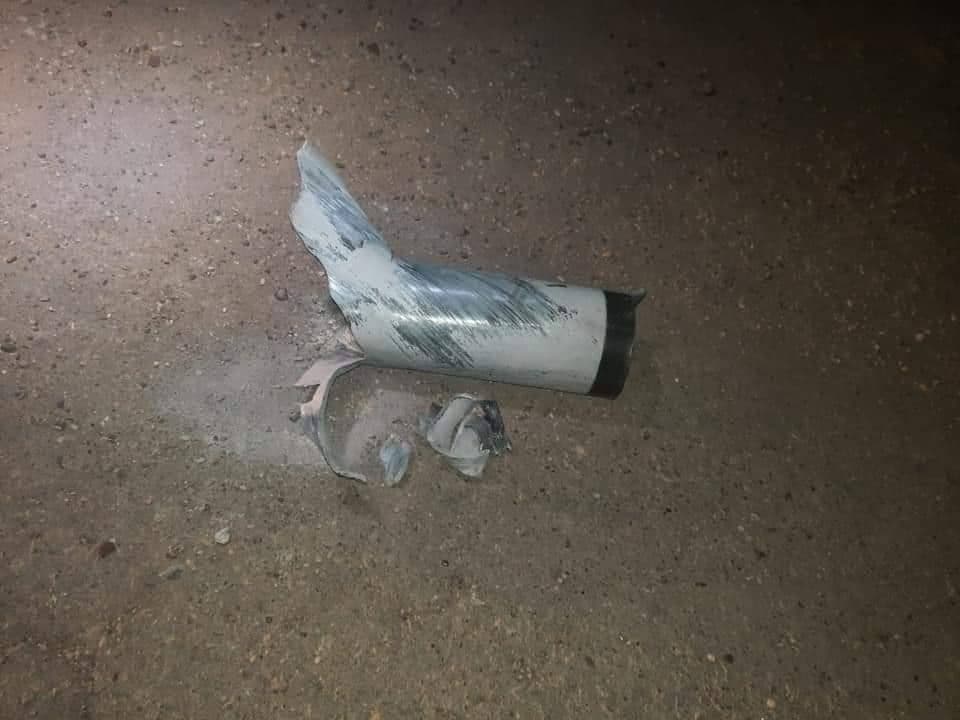
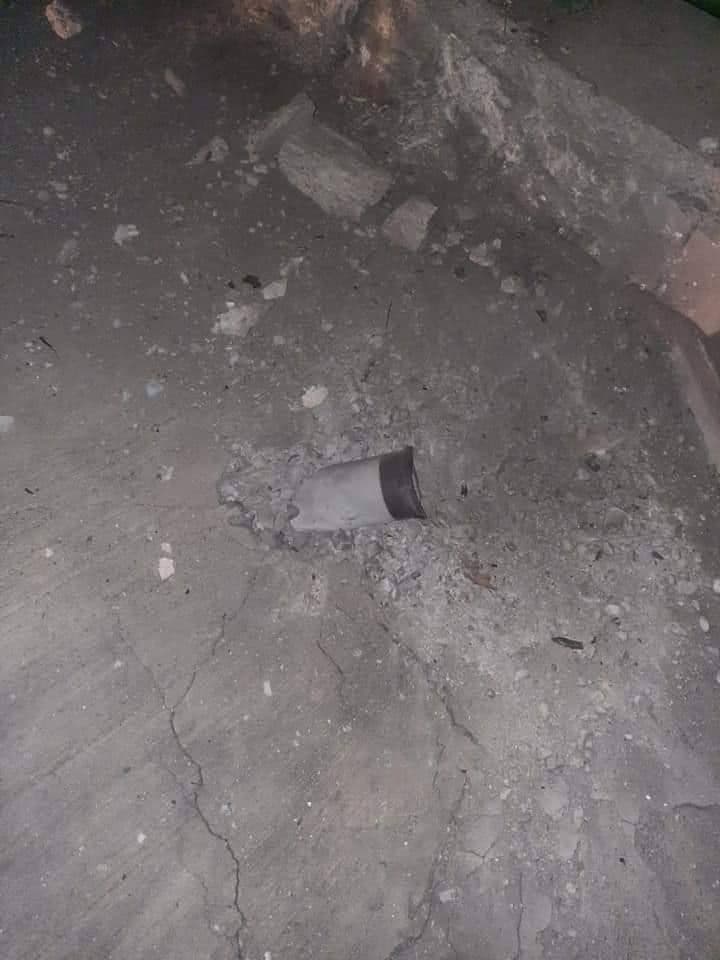
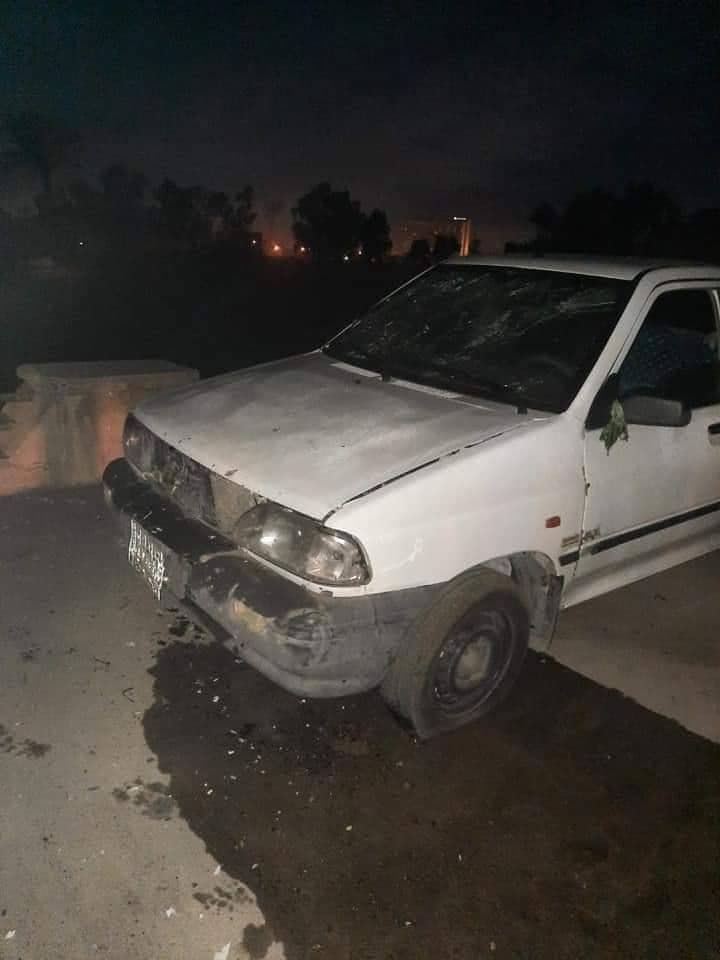
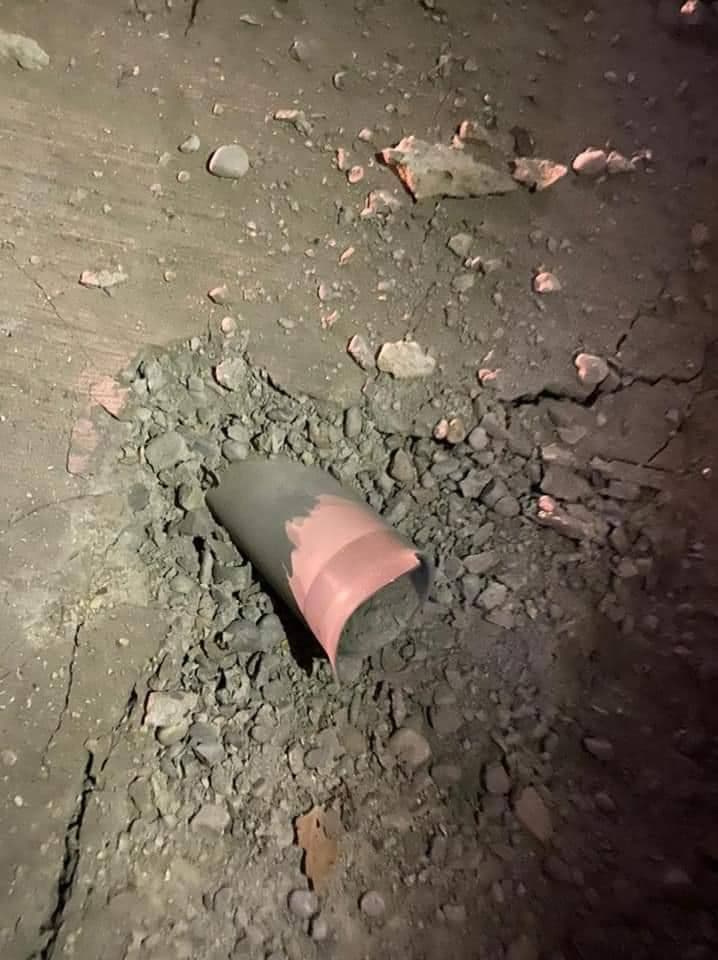
    This morning, two rockets hit near the US Embassy in Baghdad. One of the rockets is said to have been intercepted and destroyed by US C-RAM defense systems. The attack did not cause any casualties, but two vehicles were damaged.

    Security forces have also launched an investigation to identify the location of the launch of rockets.

    No group has claimed responsibility for the attack.

    Sirens sounding at Green Zone
  • Military Knowledge: MIM-104F PAC-3 MSE missile

    Military Knowledge: MIM-104F PAC-3 MSE missile

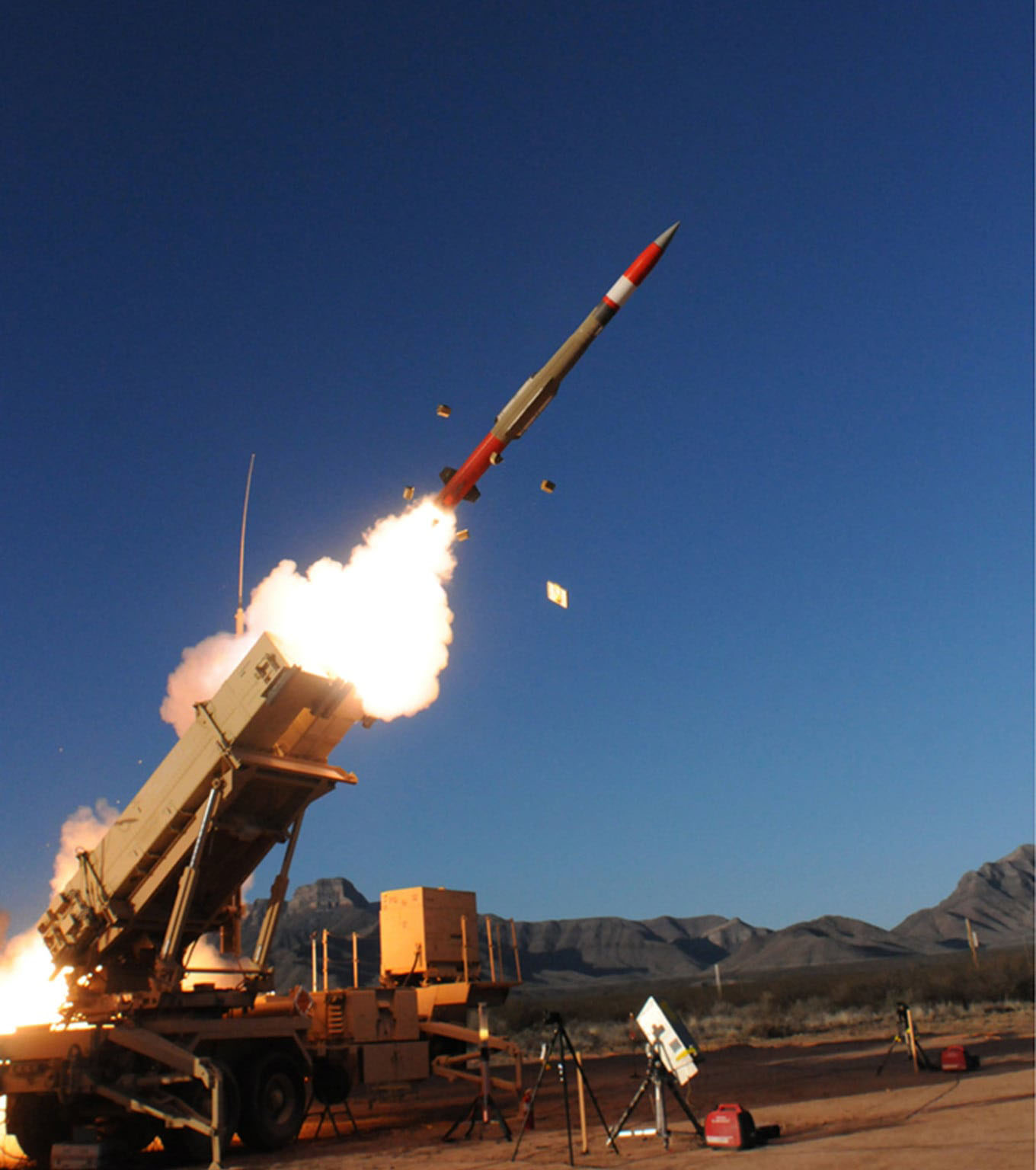
    The PAC-3 MSE missile with a length of 2.5 meters and a weight of 312 kg has a range of 40 km and a maximum altitude of 20 km, and due to its small size, it can install 16 of these missiles on the Patriot launcher.

    The seeker of this missile is based on active radar homing, which receive the target coordinates by AN/MPQ65 radar and the navigation is based on the missile’s own radar. This reduces the volume of calculations and removes the limit on the number of conflicting targets in the system at the same time.

    The radar of the PAC-3 has increased detection and tracking ranges. It also has improved discrimination abilities. The radar can discriminate whether or not the aircraft is manned, or which of multiple re-entering ballistic objects are carrying ordnance. Also the software of the PAC-3 ensures that ballistic missiles with chemical warheads or with early release submunitions are destroyed at a certain altitude.

    However, the use of active radar guidance has increased the cost of missile, with each PAC-3 MSE missile costing more than $ 9 million for US partners and about $ 5 million for the US military.

    The missile has a small High Explosive Fragmentation (HE-FRAG) warhead to enhance the kill probability, however it may be not enough for engaging with heavy aircraft targets such as warplanes and bombers. So for this reason, this missile is used in combination with the PAC-2 missile in the Patriot system.

    The target hunting mechanism in the PAC-3 missile is based on Hit-To-Kill. In this method, kinetic energy is the main factor in destroying the target, but in order to increase the destruction and self-destructive ability, there is also a small warhead of high explosive fragmentation type in this missile.

    MIM-104F PAC-3 missile specifications:
    Range: 40 km
    Maximum (engage) altitude: 20 km
    Missile length: 2.5 meters
    Missile weight: 320 kg
    Origin: USA

    Read more:
    Military Knowledge: Patriot Missile System
    Military Knowledge: MIM-103C PAC-2 missile

  • Ansar Allah drone strikes on coalition positions in southern Saudi Arabia

    Ansar Allah drone strikes on coalition positions in southern Saudi Arabia

    In these attacks, Ansar Allah targeted positions of Saudi coalition at the King Khalid Airbase in Khamis Mushait with one suicide drone and Abha Airport with two suicide drones. These attacks were carried out in two stages at dawn and noon today, December 19th.

    Given Ansar Allah’s previous attacks on positions of Saudi coalition in southern Saudi Arabia, Ansar Allah may have used Qasef 2K drones.

    Read more:
    Infographic: Ansar Allah Drone and Missile Operations in the First Six Months of 2021
    Military Knowledge: Qasef 2K Suicide Drone
    Ansar Allah attacks Saudi Arabia with 25 suicide drones and ballistic missiles

  • Latest Updates on Africa, 19 December 2021

    Latest Updates on Africa, 19 December 2021

    1- Libya:
    – On December 15, clashes between Haftar’s militias under the command of Al-Mabrouk Sahban and the 166th Battalion led by Masoud Al-Jadi were reported in the city of Sabha. A number of gunmen on both sides reportedly were killed and wounded.
    – On December 16, the UN Secretary-General’s Special Adviser on Libya, Stephanie Williams met with the leaders of the armed groups in the city of Misrata.
    – On December 17, a meeting between Libyan Joint Military Committee 5+5 with the presence of UN Secretary-General’s Special Adviser on Libya was held in Sirte city.

    2- Mali:
    – The French military is preparing to leave its base in Timbuktu after eight years of military presence in the country.
    – Emmanuel Macron has cancelled a Dec. 20-21 trip to Mali to visit French troops due to France’s deteriorating health situation over the spread of the Omicron COVID-19 variant.

    3- Ethiopia:
    – A spokesman for the Tigray Front said 28 people had been killed and 78 wounded in an Ethiopian Army airstrike on a market in the town of Alamata.
    – The Ethiopian Foreign Ministry has announced its opposition to cooperating with the UN fact-finding committee on the Tigray conflict. In a statement, the ministry accused the United Nations of politically abusing the current situation in the country.

    4- Nigeria:
    – On December 14, 10 Nigerian soldiers were killed and wounded as a result of an ISWAP attack on Nigerian Army positions in the town of Sabon Gari in Adamawa State.
    – On December 14, ISWAP terrorists assassinated a member of the Nigerian Army in the town of Debro in Borno State.
    – On December 16, ISWAP terrorists targeted a Nigerian Army patrol on the Komshi-Banki road in Borno state. IS claims that seven people were killed in the attack.

    Read more:
    ISWAP attack on Nigerian Army convoy, Dozens killed + Images
    Tigray forces retreats from southeastern Amhara (Map Update)

  • Breaking: IED attack on US convoy in Iraq

    Breaking: IED attack on US convoy in Iraq

    No group claimed responsibility for the attack.

    According to data obtained by ISWNews, this is the 186th attacks by Iraqi resistance groups on US logistical convoys since March 21. Of these, 21 attacks were carried out in Anbar province.

    Read more:
    Infographic: Iraqi Resistance Groups Operations against the US in the first six months of 2021
    Infographic: Iraqi Resistance Groups

  • The second terrorist attack on Sunni scholars in Kabul

    The second terrorist attack on Sunni scholars in Kabul

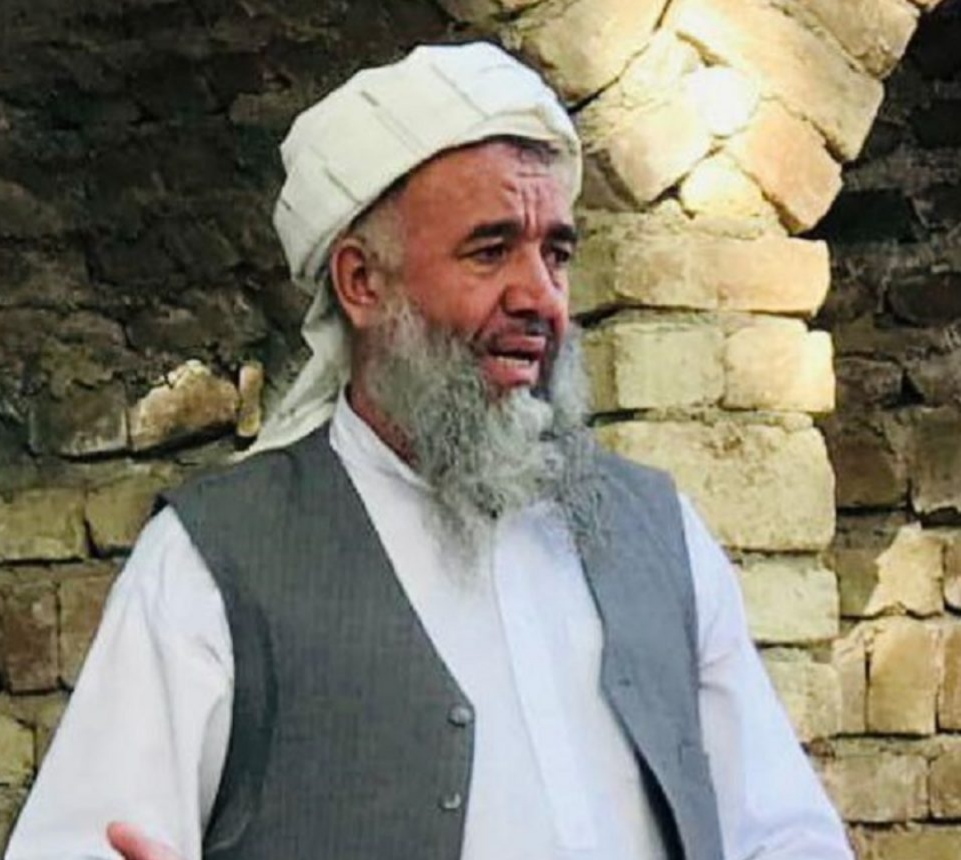
    Mawlawi Besmillah Shakir is the second Sunni cleric to be assassinated in Kabul in the past two days, after Mawlawi Abdul Salam Abed. No group has claimed responsibility for the attack. However, the Taliban have launched an investigation to arrest the perpetrators of the attack.

    It is worth mentioning that on December 17, the car carrying Mawlawi Abdul Salam Abed was attacked in the PD-4 of Kabul. Four people were injured in the terrorist attack, and one of the wounded, named “Amanullah Safi” died after being taken to hospital.

    Read more: Sunni scholars, the new target of terrorist attacks in Afghanistan

    According to a spokesman for the Kabul Security Command, on the afternoon of December 18, another explosion occurred at 5:40 p.m. near Rana University, in the PD-2 of Kabul. One person was killed and three others were injured in the blast, which was apparently caused by the explosion of a civilian car gas cylinder.

    As in previous days, no group has claimed responsibility for the attacks. But IS-KP remains the main culprit in these terrorist attacks in Afghanistan. In repetitive projects, IS seeks to create religious and ethnic divisions by assassinating Sunni scholars.