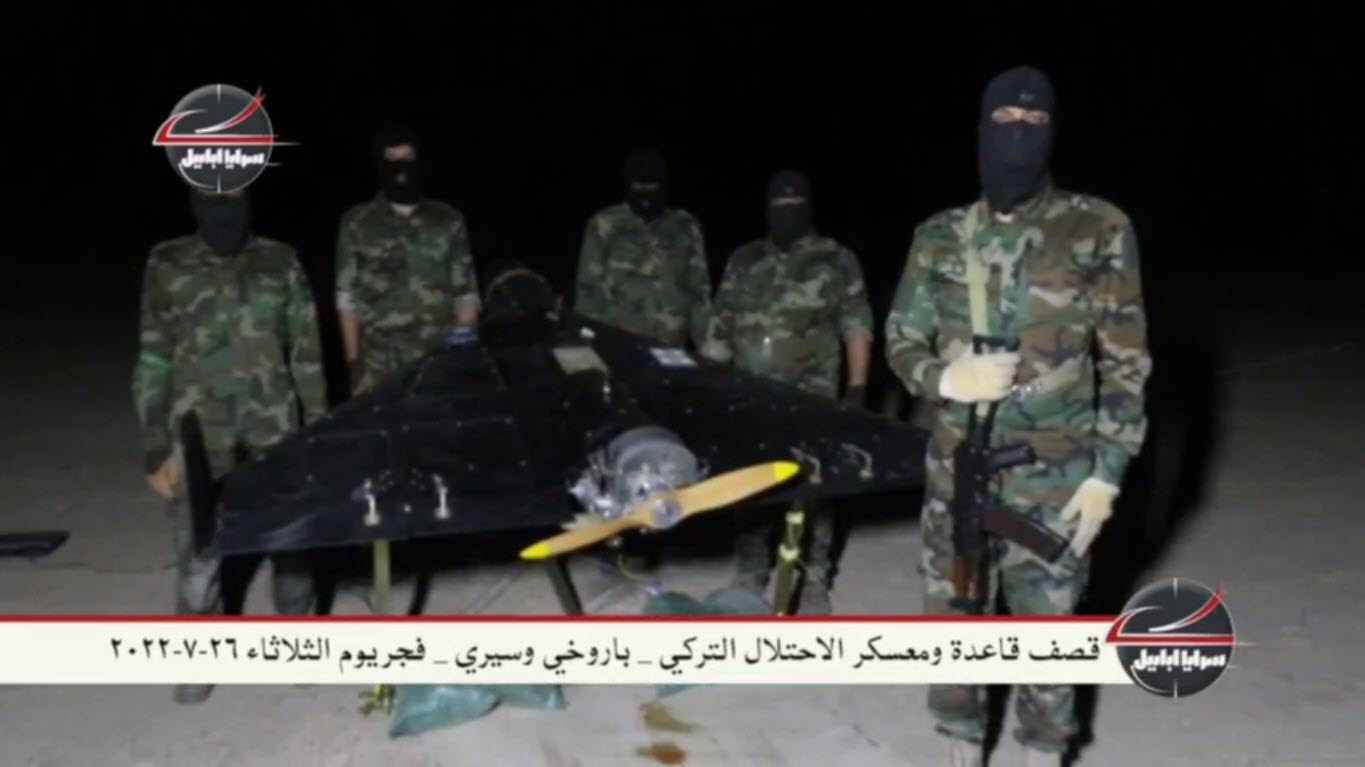
In the early hours of July 26, the Saraya Ababil resistance group attacked two military bases belonging to Turkish Army in the Barukhe and Siriye areas in northern Iraq, using the “Murad 6” suicide drones. Saraya Ababil group announced that these attacks were carried out in response to the Turkish army’s artillery attack on Dohuk province which killed and injured 31 tourists.
An interesting point to note is the type of drones used by this group to attack the Turkish army bases in northern Iraq. Murad-6 drones are very similar to Iranian “Shahed 136” and the Yemeni “Waid” suicide drones.
Murad-6, Shahed 136 and Waid drones
This is the third official operation of the Saraya Ababil resistance group. Earlier, during two operations on January 3 and 5, 2022, this group targeted the positions of US forces at Camp Victory near Baghdad International Airport with several drones and rockets.
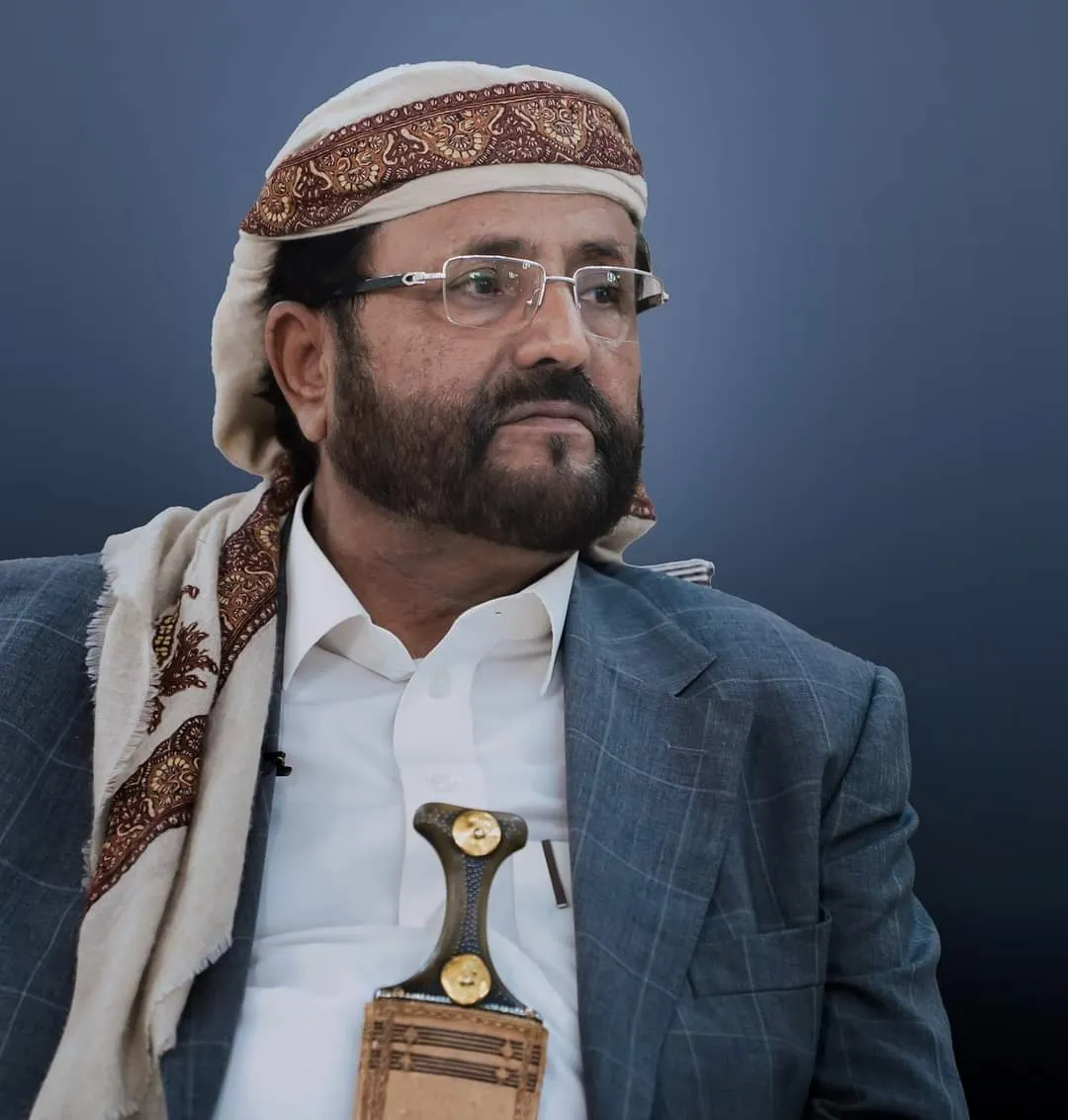
According to a local report in Marib, the command of the Saudi coalition has started the process of removing Sultan Al-Arada, the governor of Marib and a member of the Presidential Leadership Council (of the resigned government of Hadi), and appointing a suitable successor for this position. According to this report, the Saudi ambassador to Yemen, Mohammed Al-Jaber, has informed Sultan Al-Arada that he should submit his resignation from the position of governor of Marib and be content with being a member of the Presidential Leadership Council. In response, al-Arada refused to resign. The coalition has also threatened to remove him from all positions if he does not comply.
It is said that the command of the Saudi coalition has considered “Diab bin Mu’ayli”, the head of the political office of the Tariq Saleh organization in Marib, to succeed Sultan Al-Arada.
After the resignation of Abdrabbuh Mansur Hadi from the presidency, the tension and political competition between the members of his successor council has increased. Islah Party, Southern Transitional Council, National Congress Party (pro-Tariq Saleh faction), Salafis, etc. are all part of this power struggle.
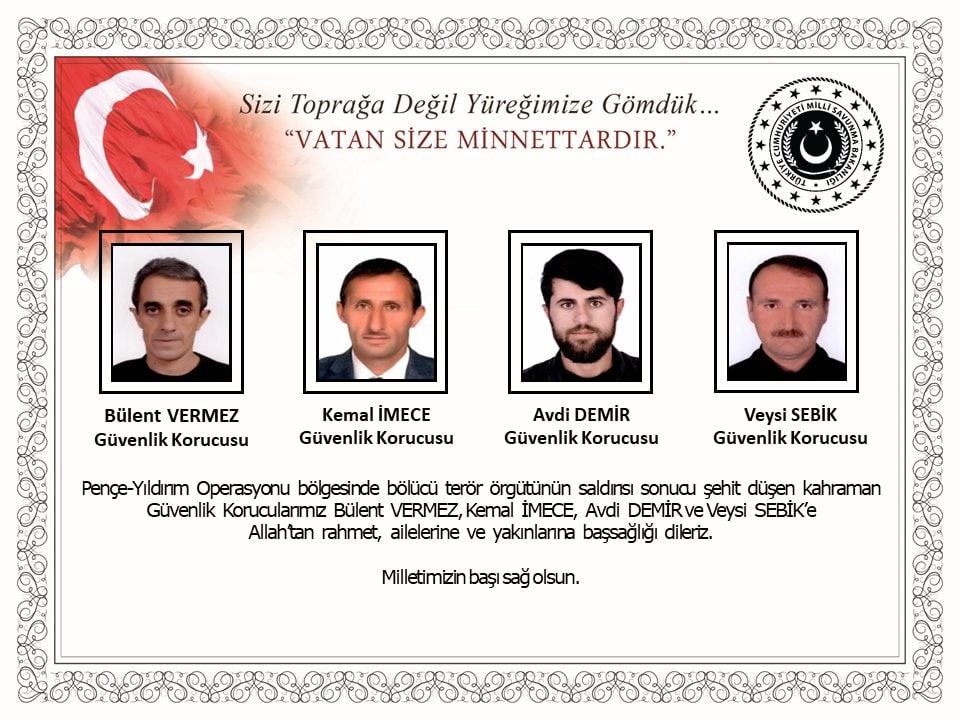
On July 25, Süleyman Soylu, Turkish Interior Minister announced the death of one servicemen and four security forces of this country in northern Iraq. He did not provide more details in this regard.
Although Turkey has announced that these soldiers were killed during the Claw Lock operation, it is likely that the recent rocket and drone attacks by Iraqi resistance groups on Turkish military bases led to the death of these soldiers.
According to the new casualties, Turkey’s death toll in the “Claw Lock Operation”, which has began in the morning of April 18 increased to 43 servicemen.
It is worth mentioning that on July 18 also the Turkish Ministry of Defense announced the death of two more servicemen of this country during the Claw Lock operation in northern Iraq.
Images of Turkish soldier and security forces killed in northern Iraq
Following the increase of conflicts between the Islah Party and the resigned government in Shabwah province, Awadh bin Al-Wazir al-Awlaki, the governor of Shabwah, ordered the arrest of Brigadier Generals “Abdrabbuh Lakab” and “Wajdi Baaum”, military commanders affiliated with the Islah Party in Shabwah province.
Lakab is the commander of the second brigade of special security forces in Shabwah province and has been prosecuted for conflict with the forces of the resigned government of Mansour Hadi. After the issuance of Laqab’s arrest warrant, the airport of the coastal city of Belhaf was attacked by rockets. Some says it was the Laqab forces who attacked the airport. He was also attacked on July 19, but survived the assassination attempt.
Currently, Al-Amaliqah forces have entered the city of Ataq to help the armed forces of Shabwah Governor and have engaged in some areas, including the Gulf Hotel, with the militants of the Islah Party, but so far they have not achieved anything, and the Islah Party is still present in their bases in this city.
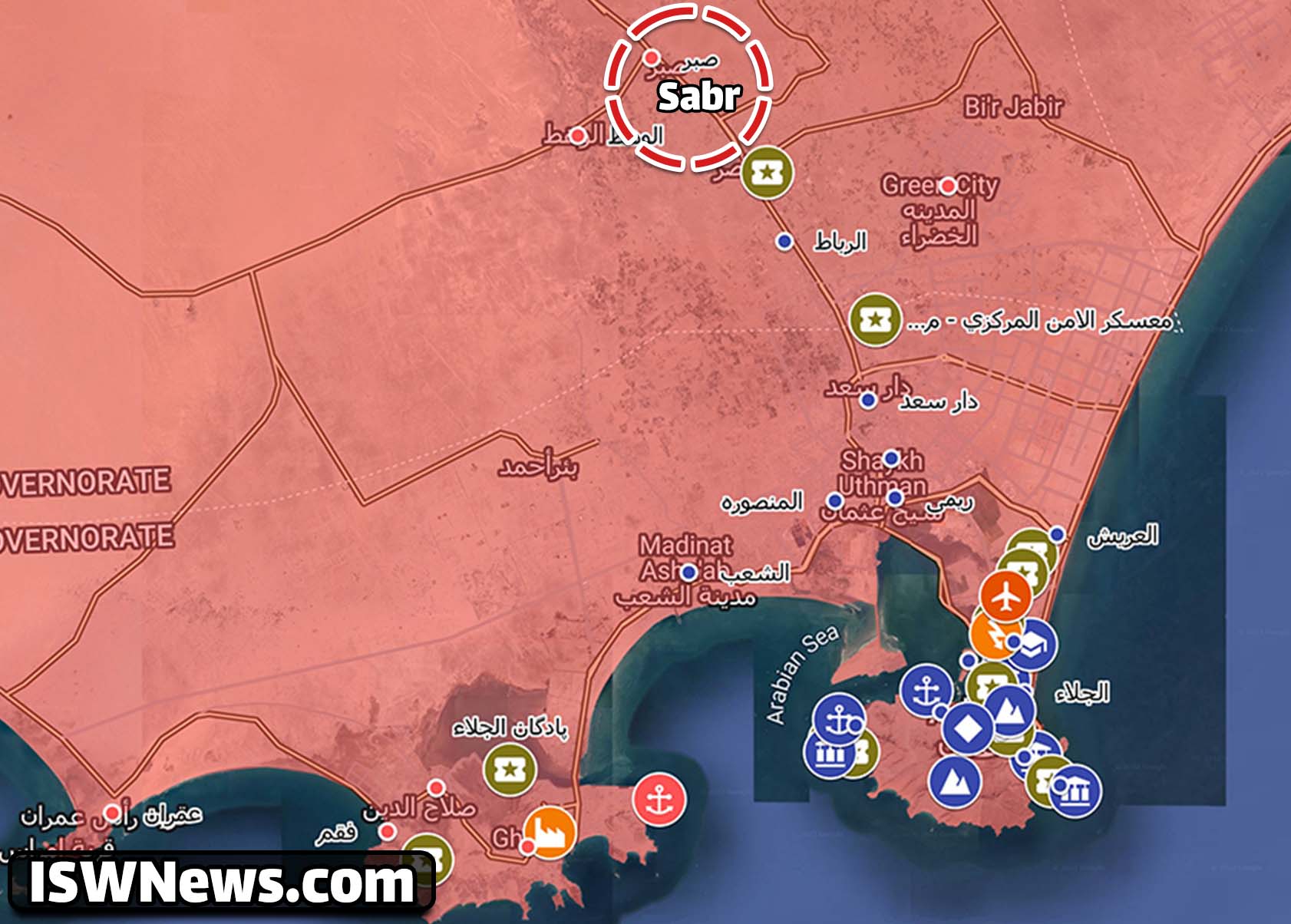
One person was killed and several others were injured when an unknown armed person threw an explosive device into Al-Saeed Mosque in Sabr town, located in Tabn district in Lahj province. This attack took place during sunset prayer and the presence of Major General Azzam al-Maghribi al-Sabihi, the commander of the second brigade of Amaliqah forces in this mosque.
Azzam al-Maghribi is one of the most prominent Salafi and radical leaders of the Saudi coalition, who is in charge of the second brigade of the Al-Amaliqah forces. After the increase of political competition and military conflict between the members of the presidential council of the resigned government of Yemen, Al-Maghribi plays an active role in the conflict with the armed members of the Southern Transitional Council. Therefore, it is possible that the attacker carried out this attack under the orders of the southerners…
Two days ago on July 22 also the Ahrar al-Iraq resistance group attacked Turkish Bashiqa military base with 14 rockets.
After Turkey’s attack on northern Iraq last week, which killed and injured a large number of Iraqi civilians, Iraqi groups’ rocket and drone attacks against the Turkish army have increased dramatically.
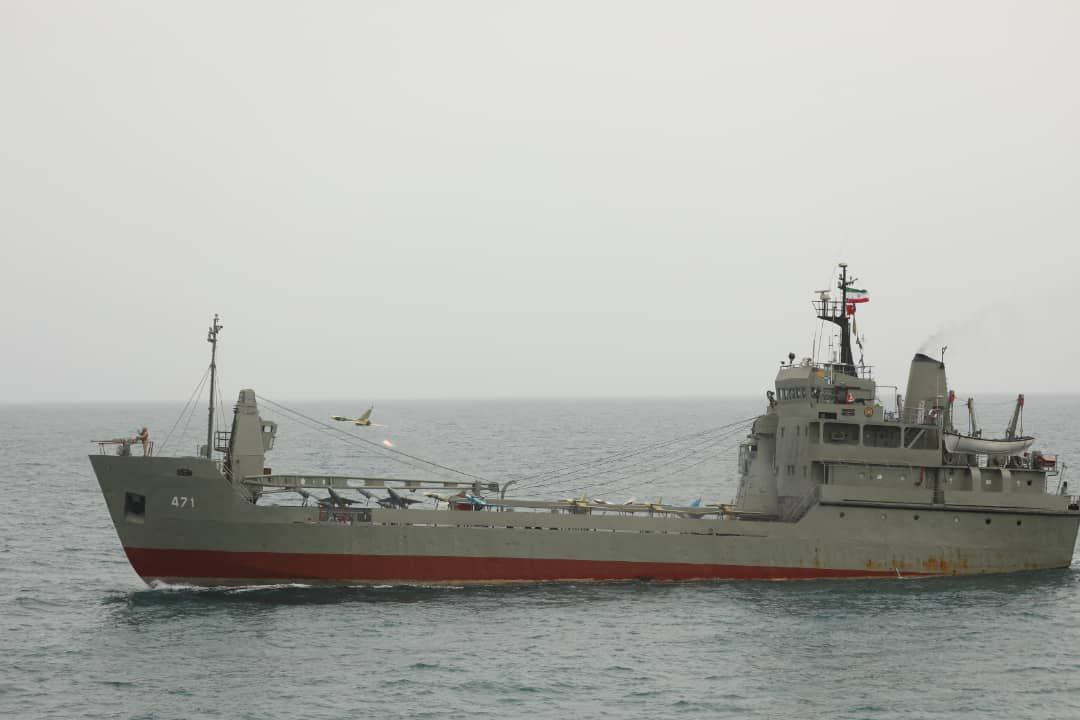
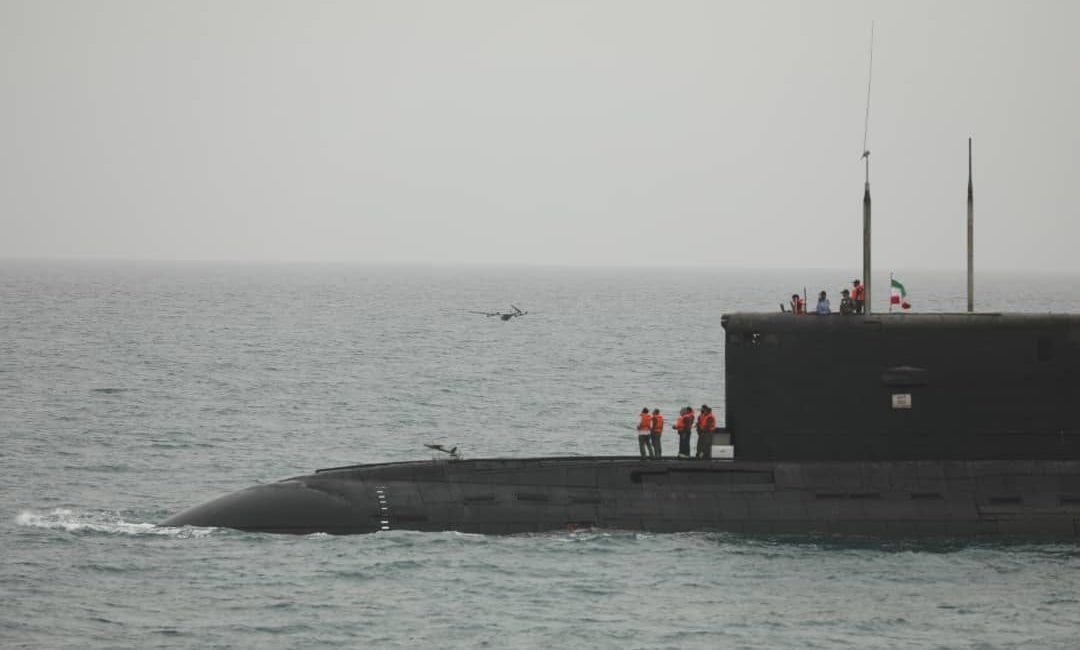
In this ceremony which was held on July 15, the Lawan and Delavar warships were converted into drone carriers, and for the first time, several drones were launched from the Iranian Fateh and Tariq submarines.
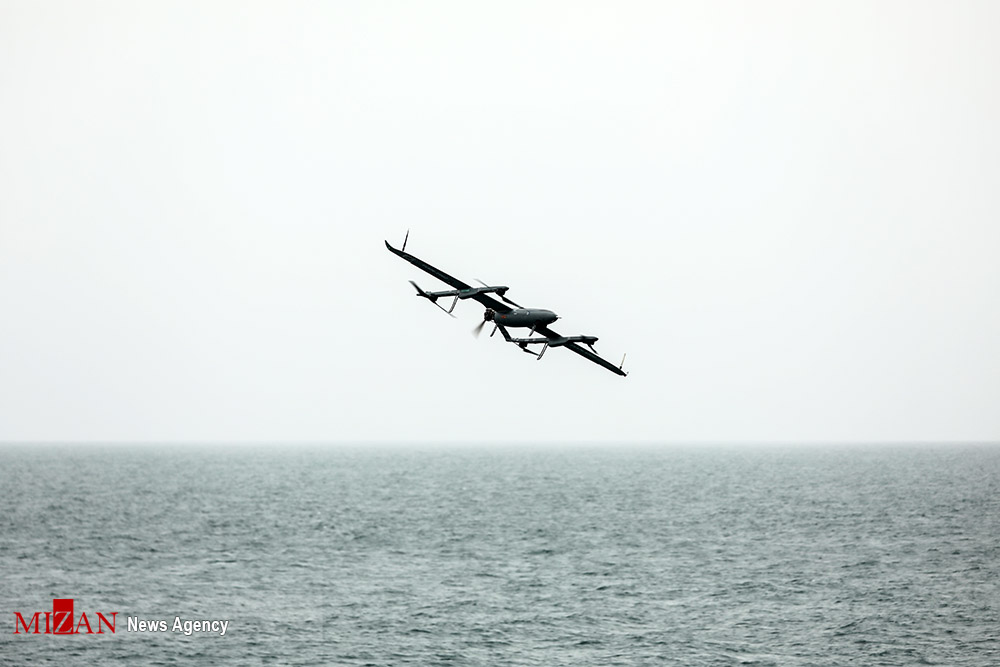
Drones such as Arash and Ababil 2 suicide drones, Pelican and Homa vertical take-off and landing drones, Karar combat and suicide reconnaissance drones, and Ababil 4 reconnaissance and combat drones were showcased and flew in this ceremony.
Click to view full size
The most important challenge for this drone carriers is the recovery of reconnaissance drones. The conventional method is to use nets; in this way, the drone hits a net installed on the ship at the lowest possible speed. This method is effective for small drones that have a short range, but it is not so favorable for larger drones. Larger drones like the Ababil 4 drone sit in a runway after taking off and completing the mission. In the unveiling ceremony, the Ababil 4 drone landed on the landing strip in Jask after taking off from the drone carrier.
In the interview of Admiral Shahram Irani, important points were mentioned about the drone fleet, which can be mentioned as follows:
The possibility of repairing and producing drones inside the fleet
The possibility of combined operations in the form of flight groups of drones and swarm operations
The possibility of moving the command control center from one ship to another or subsurface guidance or using a flight unit for command.
The possibility of setting different targets for several different categories of drones
The possibility of using drones for electronic warfare
The possibility of flying 40 to 50 drones at the same time to support any mission and the possibility of replacing them quickly
UAVs launched from submarines enable the detection of targets in the distance. For this reason, the range of submarine weapons, especially cruise missiles such as the Jask 2 missile, increases. But the main challenge for subsurface fleet use of UAVs is the launch and recovery of the UAV. If a submarine comes to the surface for every launch, the risk of detection increases greatly during the war. This also applies to the recovery of the reconnaissance drone. According to the commander of the Iranian Navy, it will be possible to launch drones under the surface in the future. Also, the possibility of discovering underwater targets will be added to drones.
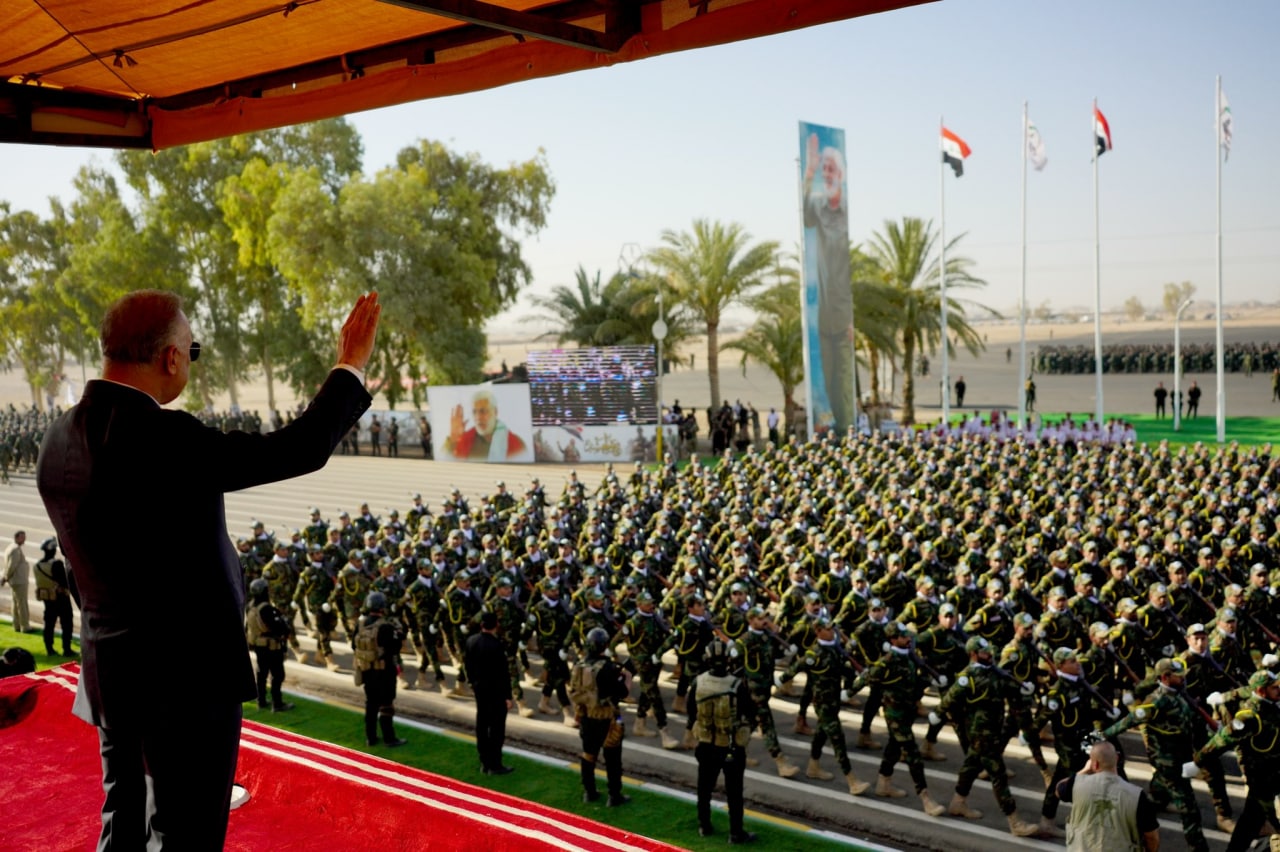
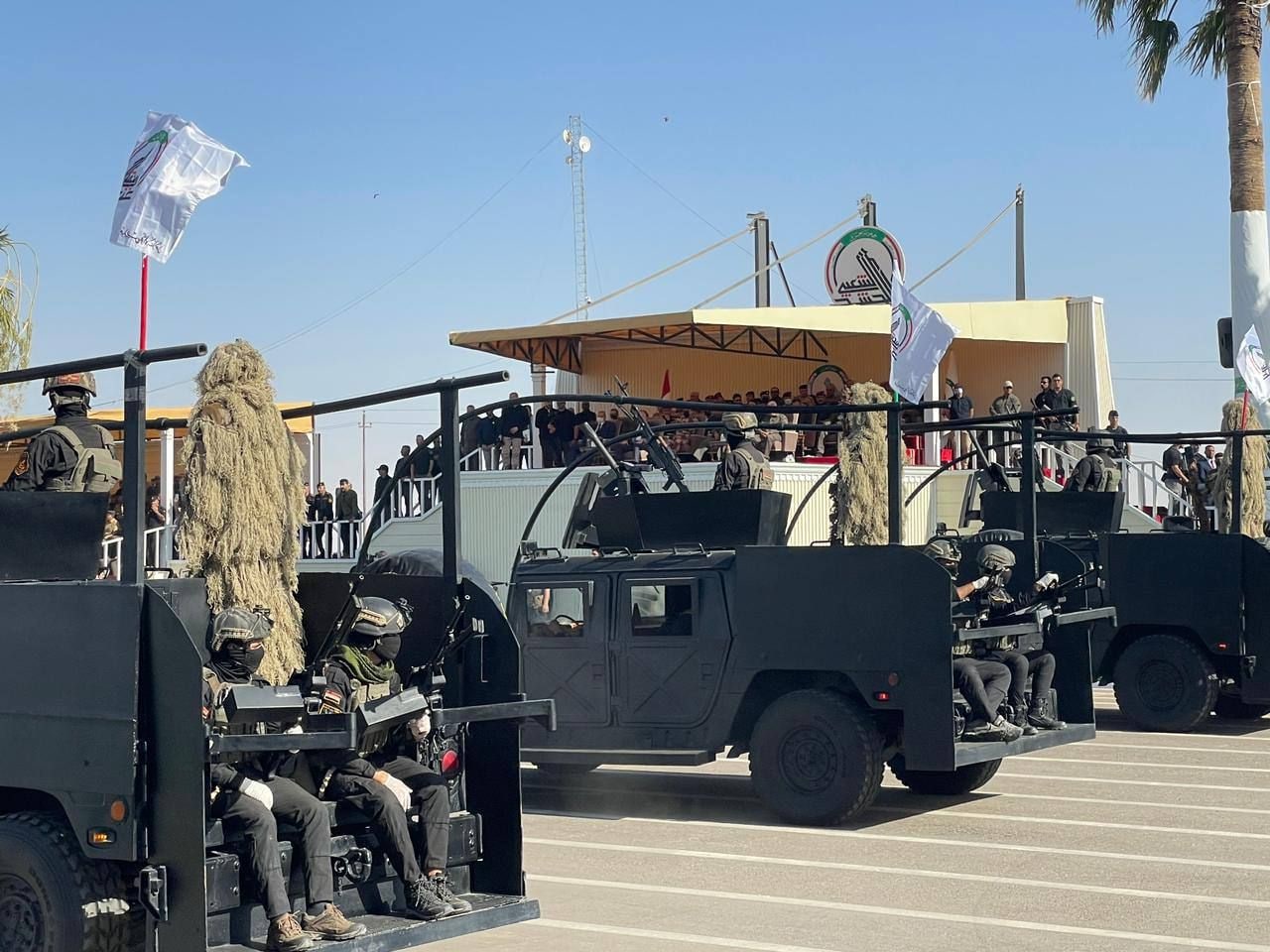
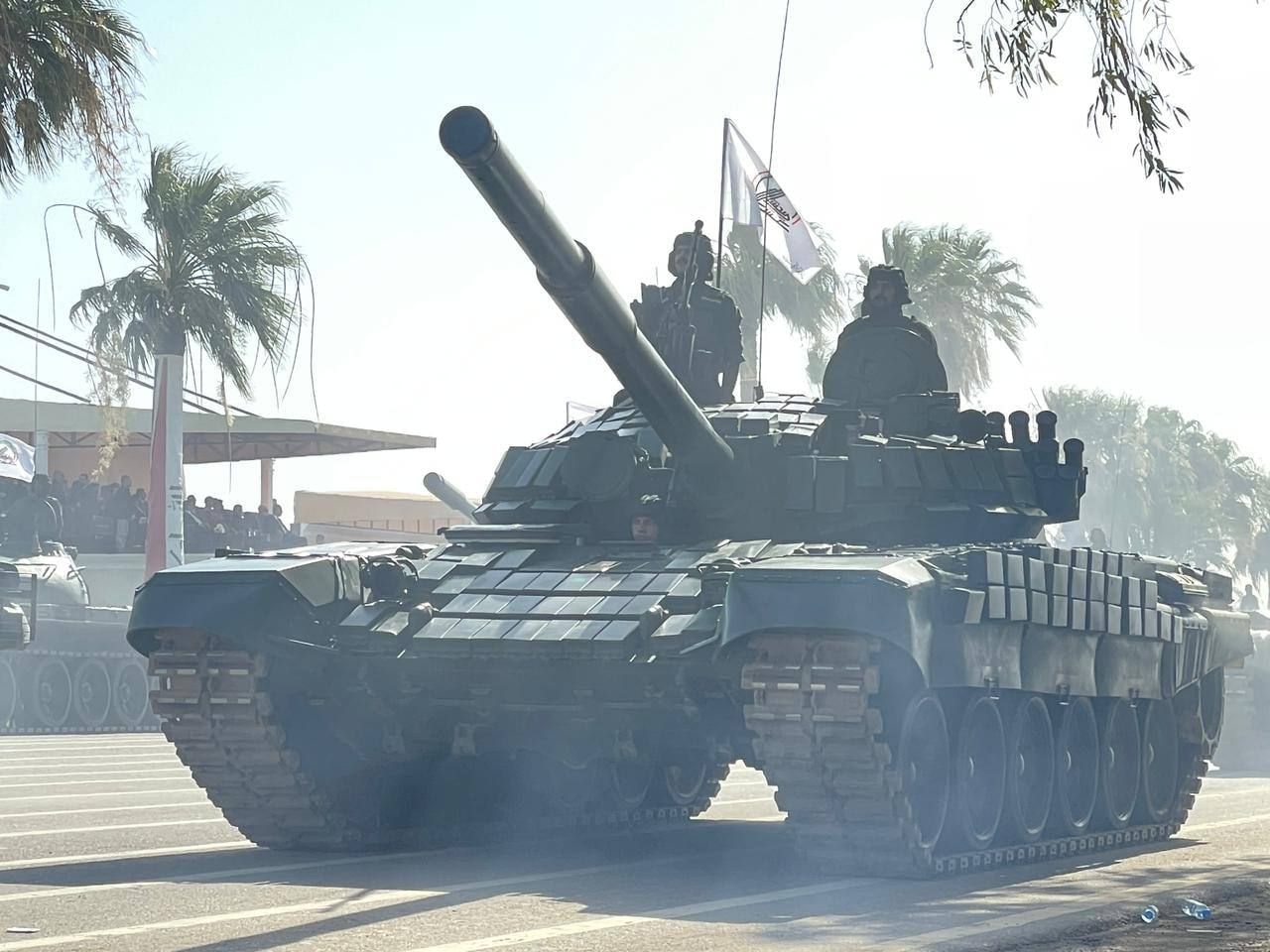
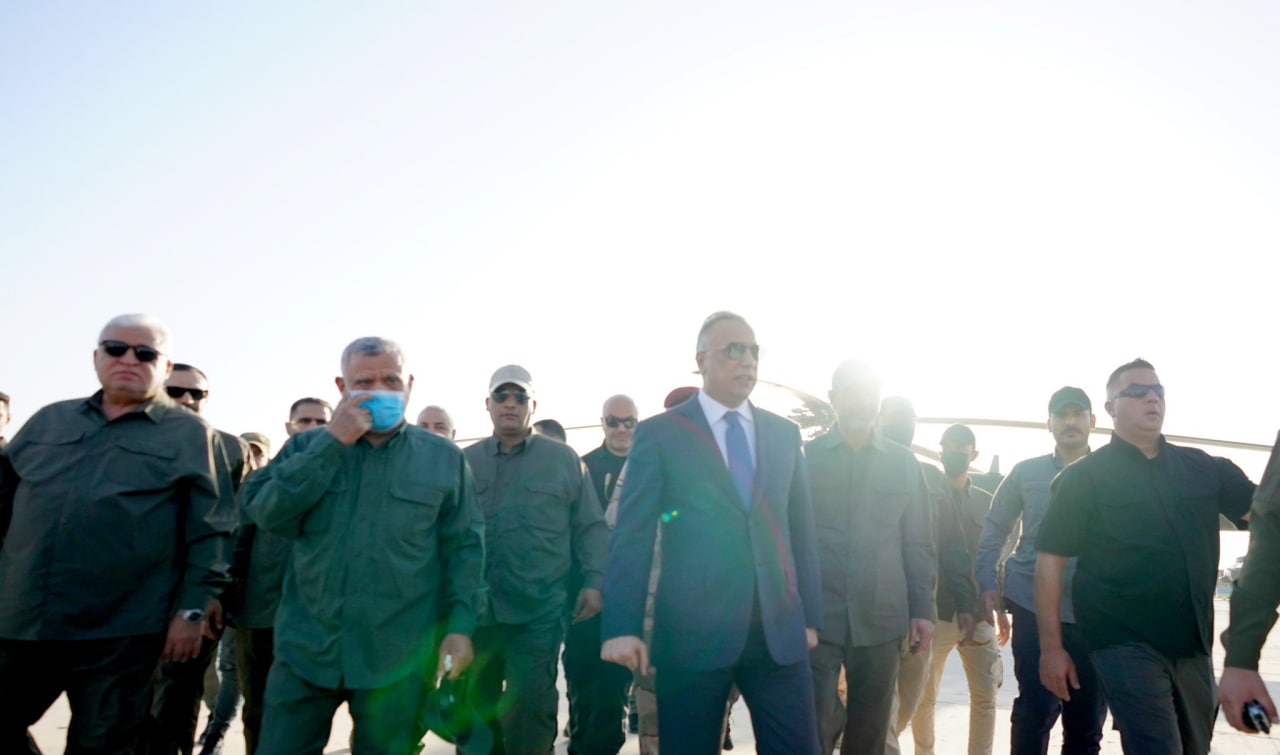
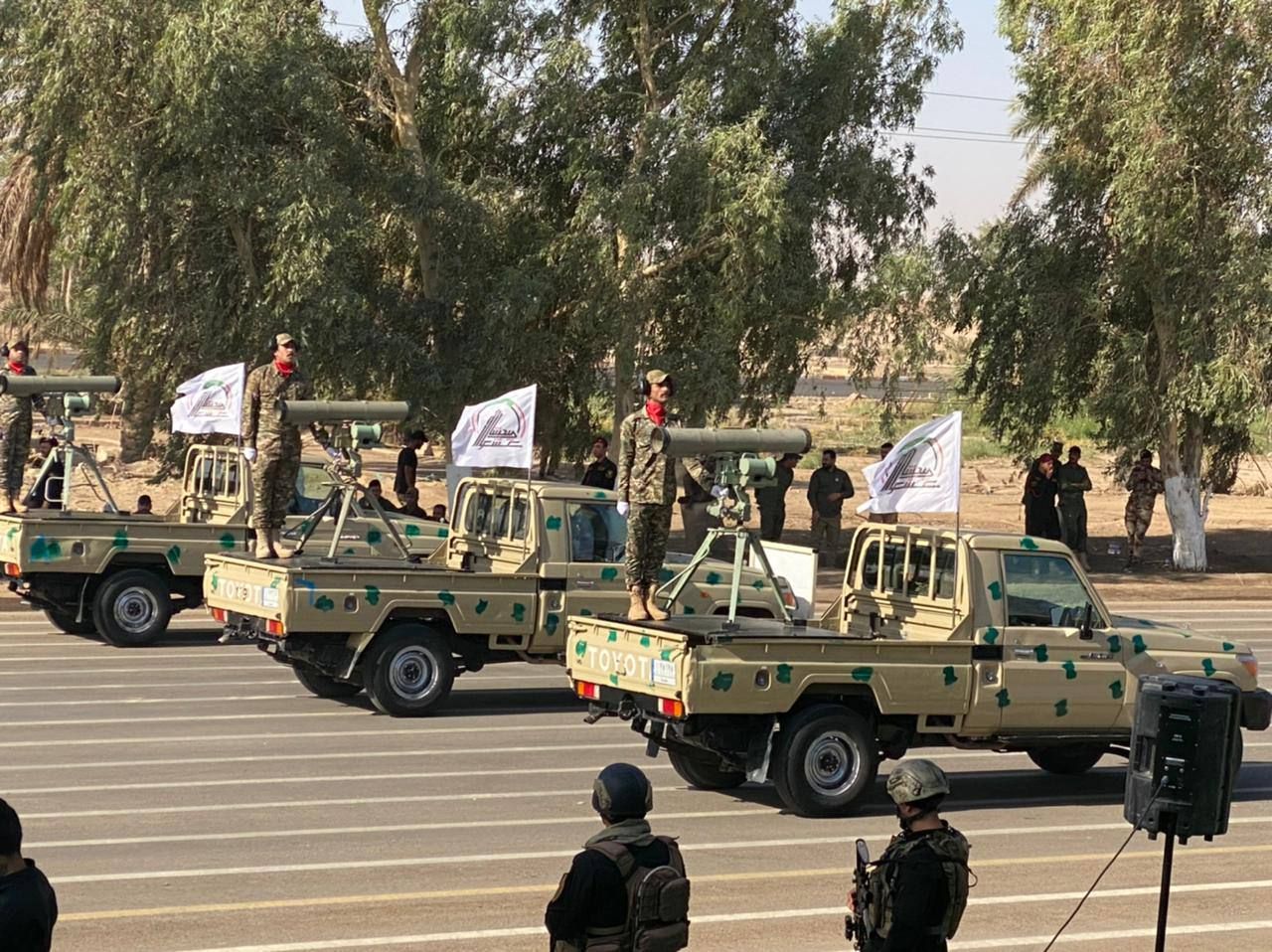
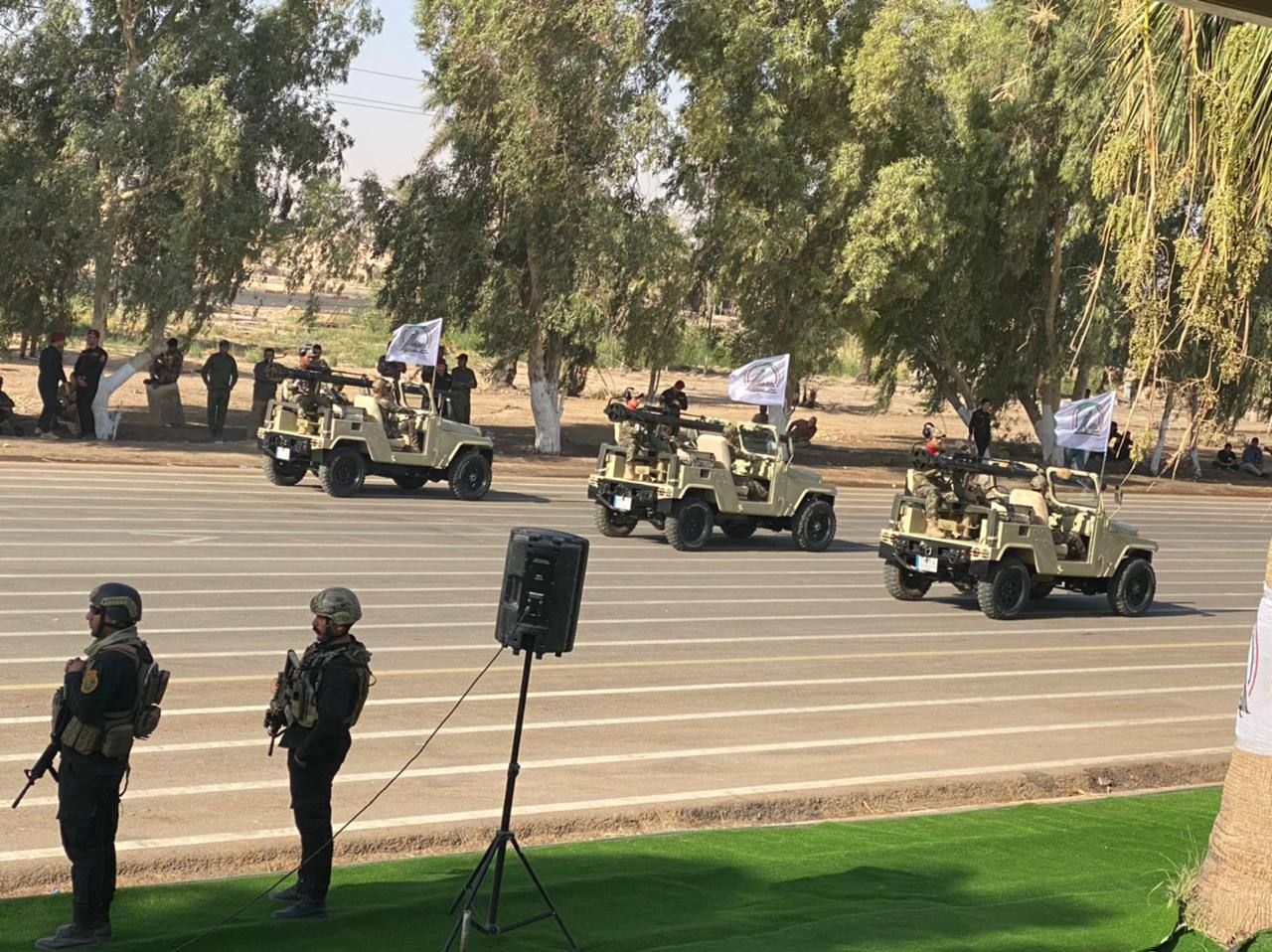
The Iraqi Hashad al-Shaabi (PMU) parade, marking the eighth anniversary of the organization, was held in the presence of Mustafa Al-Kadhimi, Prime Minister and Commander-in-Chief of the Iraqi Armed Forces, Hashd al-Sha’abi commanders and Iraqi officials at the Abu Montazer al-Muhammadawi military base (former Camp Ashraf) in Diyala province.
Among the interesting points of this parade, we can mention the presence of “Safir” jeeps armed with 106 cannons and “Dehlavieh” anti-armor missiles manufactured by the Islamic Republic of Iran. Also, for the first time during this parade, “Al-Abhar” armored vehicles belonging to the Popular Mobilization Units were put on public display.
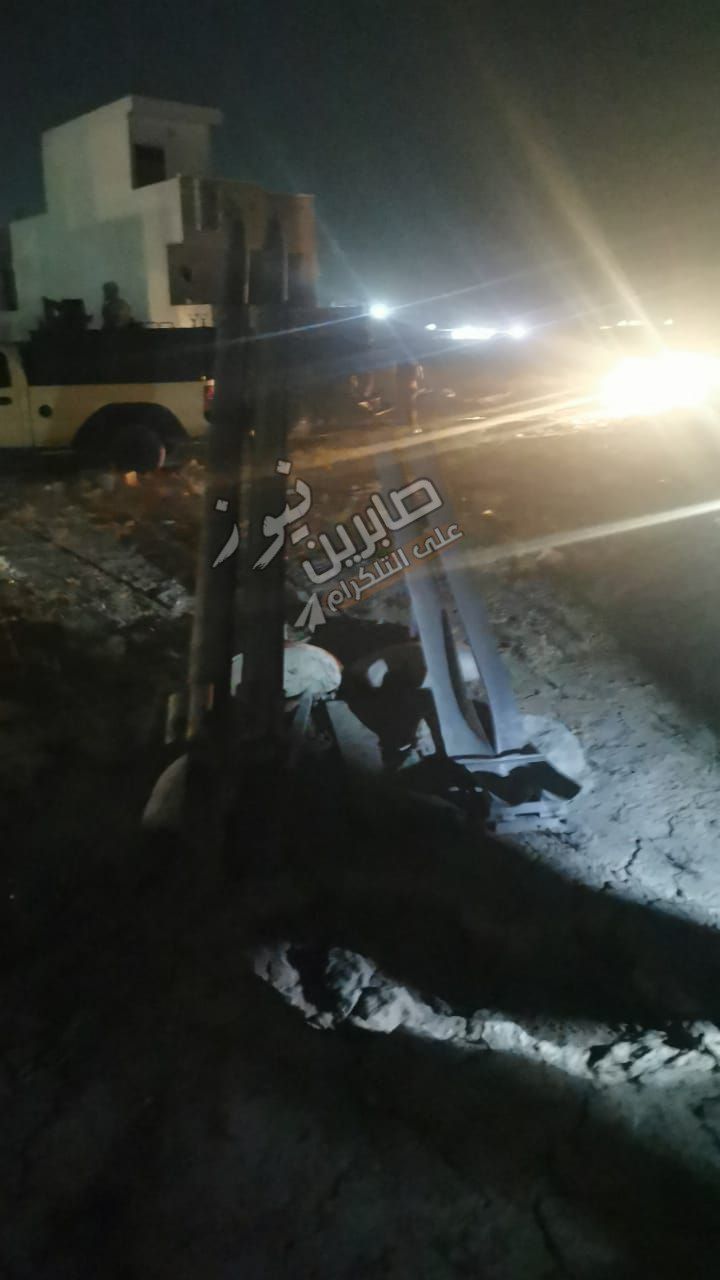
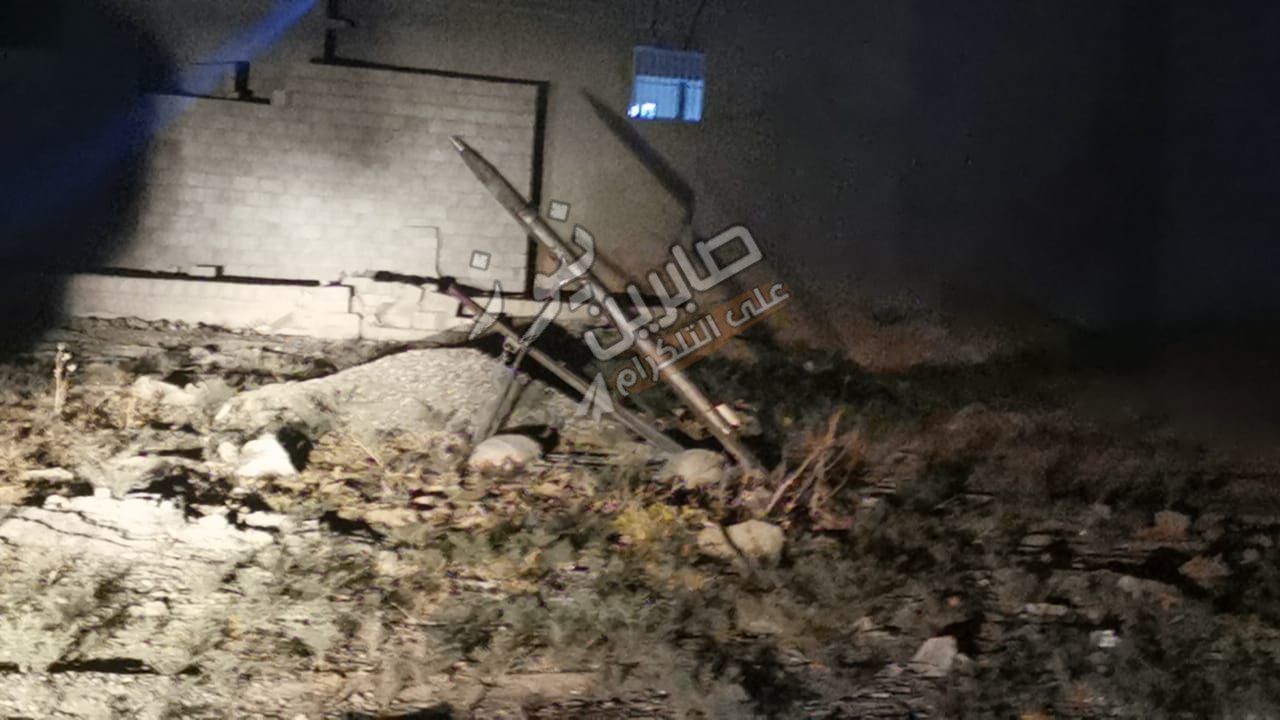
On July 22, Bashiqa military base in the north of Mosul was targeted with14 Grad rockets. The Islamic resistance group “Ahrar al-Iraq” took responsibility for the attack by publishing a statement. According to Ahrar al-Iraq group, this attack was in response to the Turkish army’s artillery attack on Dohuk province, which killed and injured 31 tourists.
Following the visit of Mohammed bin Zayed Al Nahyan, the President of the United Arab Emirates to France on July 18, an agreement on the guaranteed supply of energy for Frnce was signed between Total and Abu Dhabi National Oil Company. Among the items of this agreement is the extraction of liquefied natural gas (LNG) from the facilities in Belhaf port on the southern coast of Yemen. According to local sources in Belhaf, the company has issued notices to its employees to return to work, but has not specified a date for resuming operations.
It should be noted that the Belhaf port gas facility in Shabwah province has the capacity to produce 6.7 million tons of liquefied gas, and 39% of its shares have been taken over by the French company Total.
With the start of clashes between the forces of the Saudi coalition around Belhaf, the activity of some parts of these facilities was stopped, but the UAE gained control of Belhaf by dividing the resources of the occupied areas of Yemen with Saudi Arabia and ended the conflicts at this vital point.
The relations between France and the UAE have made significant progress in the past years, especially in the military and energy fields. These relations have entered a new phase with the start of the Ukraine war and France has turned to the UAE to replace Russia’s energy sources.
Early on July 22, the Israeli Army attacked Damascus outskirts with several missiles which resulted in the martyrdom of three Syrian soldiers, the injury of seven others and the material losses.
A military source said that, “at exactly 00:32 today, the Israeli enemy carried out an air aggression from the direction of the occupied Syrian Golan, targeting some points in the vicinity of the city of Damascus. Our air defenses confronted the aggression’s missiles and shot down some of them.”
Israel’s attacks against Syria and the killing the Syrian citizens are taking place while international organizations and the United Nations have closed their eyes to the aggressions and crimes of the Israeli regime.
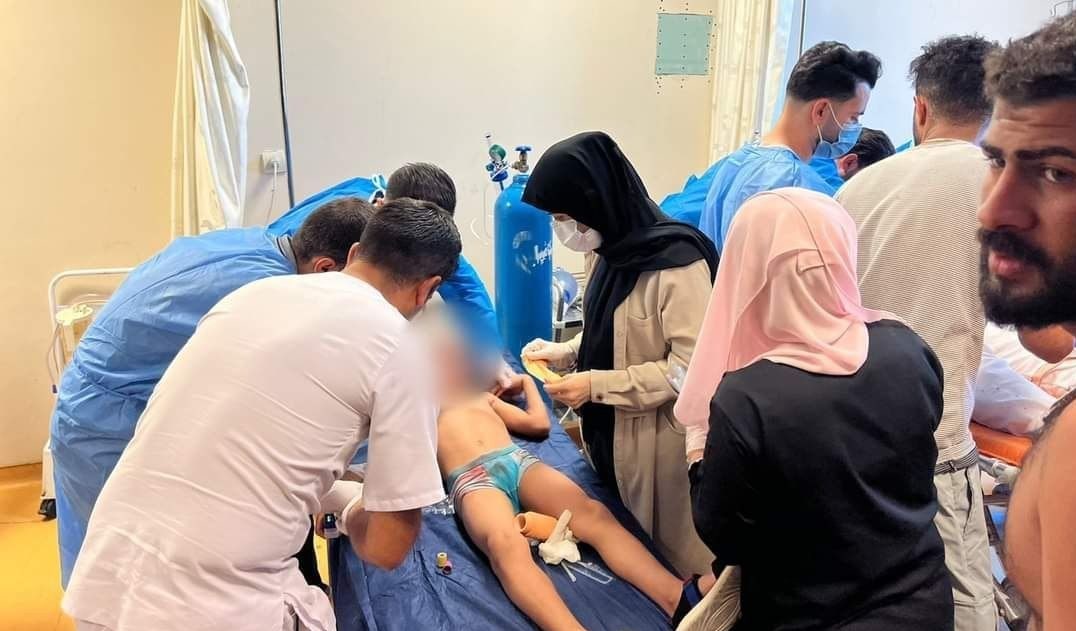
On July 20, the artillery unit of the Turkish army targeted a resort in Batifa area, located in the Dohuk province of Iraq. According to preliminary information, 8 civilians were killed and more than 23 others including a number of women and children were injured.
This attack has taken place while the Turkish army has carried out numerous attacks against the civilian areas of northern Iraq under the pretext of fighting PKK militants in recent months, which has caused a lot of damages. The Iraqi government, which has the responsibility of ensuring the security of the people of this country and guarding its borders, has not taken a firm and significant position on these incidents so far, and this issue will likely leads to the recurrence of such incidents in the coming months.
However, it is likely that in response to this attack, groups such as “Islamic Resistance of Ahrar Al-Iraq Brigade” and “Ahrar Sinjar“, which have a history of attacking Turkish bases, will organize attacks against Turkish army positions in northern Iraq.