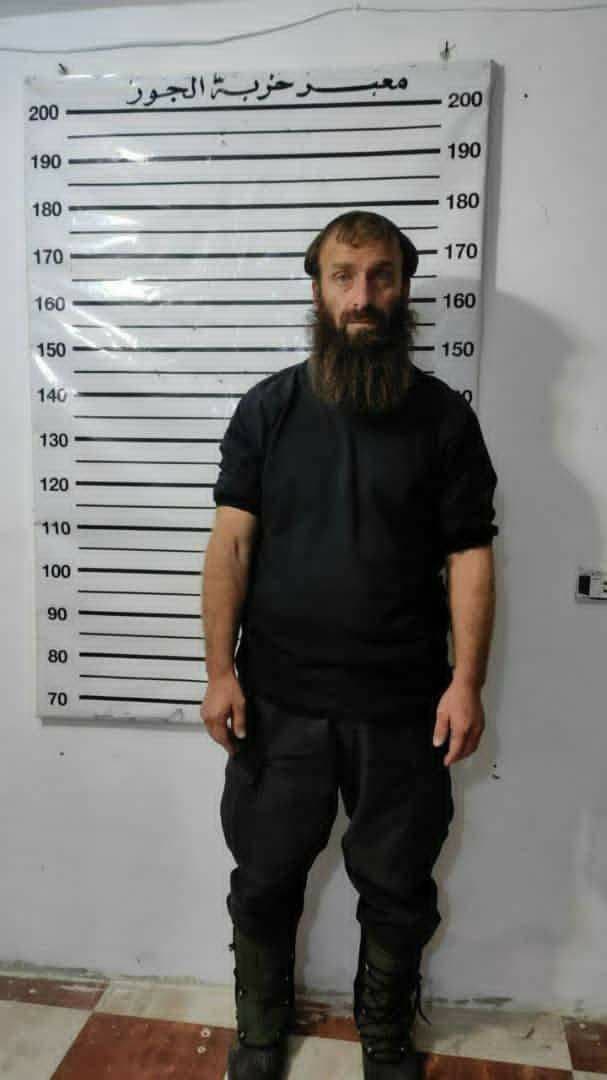
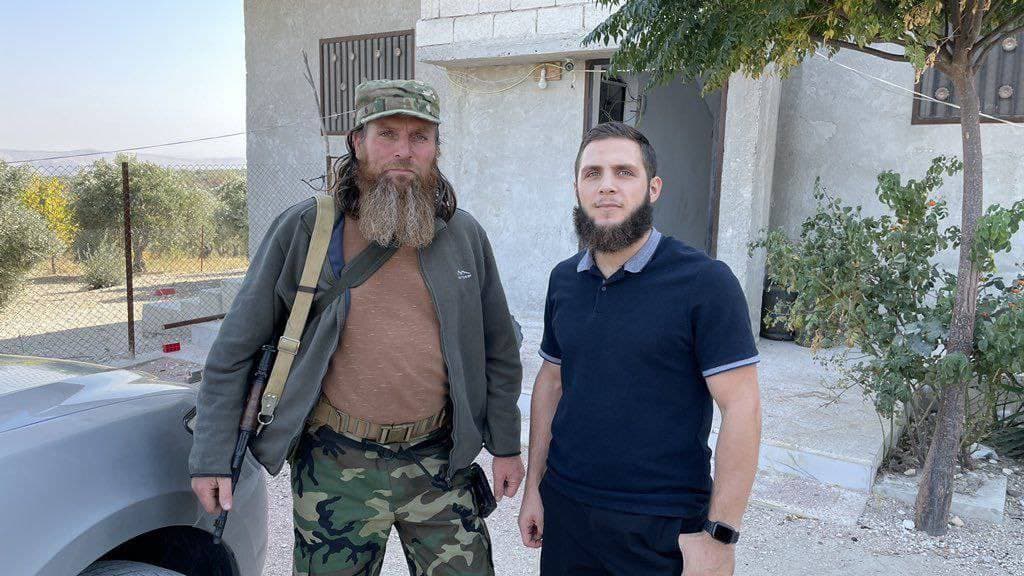
Following the clashes between Hayat Tahrir al-Sham (HTS) and Junud al-Sham and Jundallah militants in northern Latakia, Tahrir al-Sham arrested Abu Musa al-Shishani, brother of Muslim al-Shishani, the leader of Junud al-Sham, along with two other field commanders while fleeing to Turkey.
Musa al-Shishani was opposed to surrendering to Tahrir al-Sham and was very dissatisfied with his brother’s acceptance of Tahrir al-Sham’s terms. After Tahrir al-Sham militants advanced in the occupied areas of northern Latakia, he and two others decided to flee to Turkey, but failed.
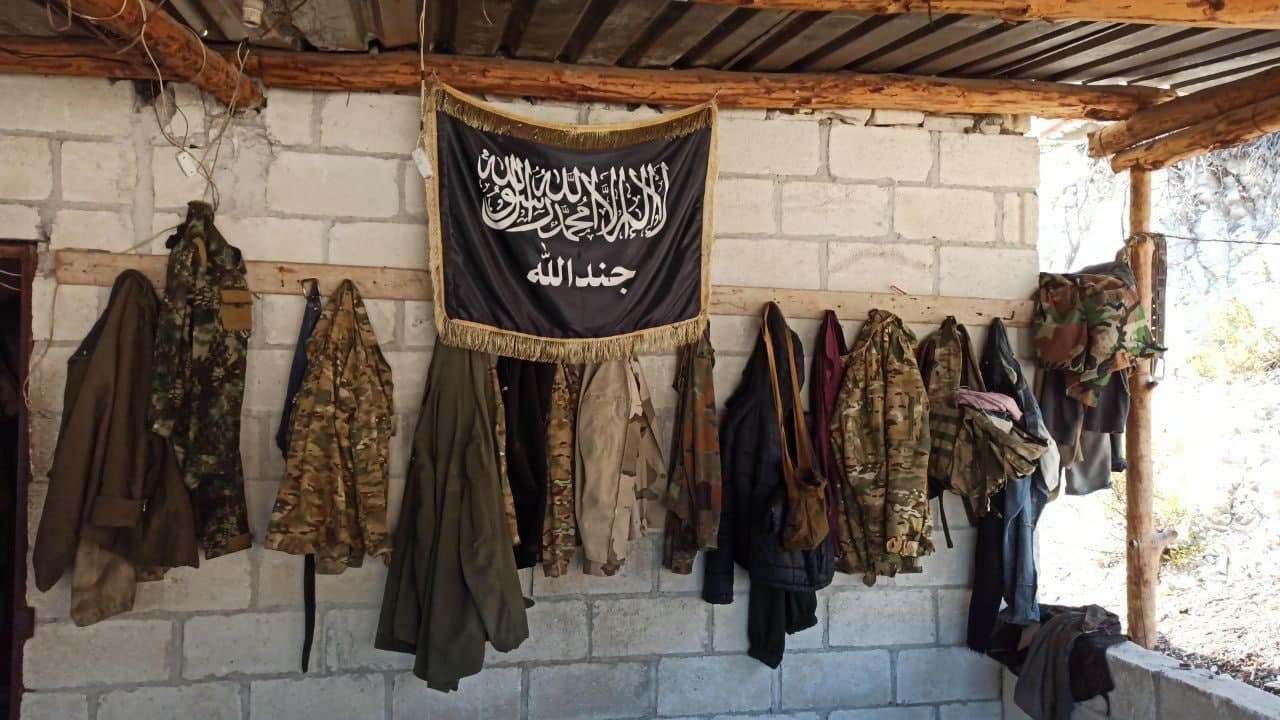
Also, as a result of the armed clashes between al-Julani and Abu Hanifa al-Azari militants in Jabal al-Turkman, Tahrir al-Sham militants succeeded in taking control of the al-Sallur area. Also, pictures released by Tahrir al-Sham show that Jundallah militants have retreated from their last positions.
Given Tahrir al-Sham’s recent advances against Jundallah and the acceptance of Tahrir al-Sham’s terms by Muslim al-Shishani, the leader of Junud al-Sham faction, to transfer him and his men to Idlib, it seems that the clashes between the two groups has ended.
The attempt of Muslim al-Shishani’s brother and two other commanders to flee to Turkey was also due to their knowledge of the current situation and the lack of conditions for resisting Tahrir al-Sham.
According to data obtained by ISWNews, this is the 163th attacks by Iraqi resistance groups on US logistical convoys since March 21. Of these, 26 attacks were carried out in Baghdad province.
At around 23:34 local time on the evening of October 13th, Israeli warplanes used the airspace of the US-occupied Al-Tanf area to launch an attack on the Tadmur area and a telecommunication tower, during which a Syrian soldier was killed and three others were wounded. Following the attack, the Syrian Allied Operation Room issued a statement saying that it would retaliate the attack and will avenge the blood of the martyrs and the wounded.
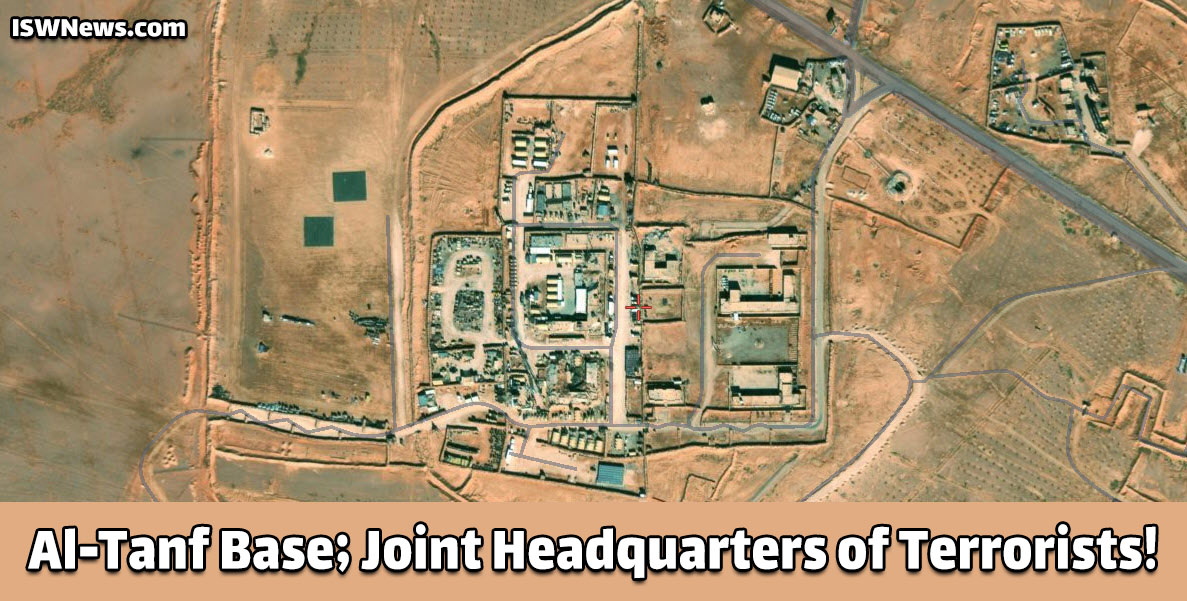
A few days later, on the evening of October 20th, the positions of the US military and its militants at Al-Tanf base were targeted by suicide drones. Shortly afterwards, images leaked from the base showed that at least three points at the base had been targeted and destroyed by drones. The scale of the damages to the base forced the CENTCOM to react, and they issued a statement blaming Iran for the attack, saying that five suicide drones were used in the attack and that no American forces were killed neither injured. The US-backed Maghawir al-Thawra militants also carried out a ridiculous propaganda by transferring a number of civilians to the targeted areas and publishing pictures of crying children, which not only did not deceive anyone, but also made fun of the group’s official Twitter account.
And where is the Al-Tanf base?
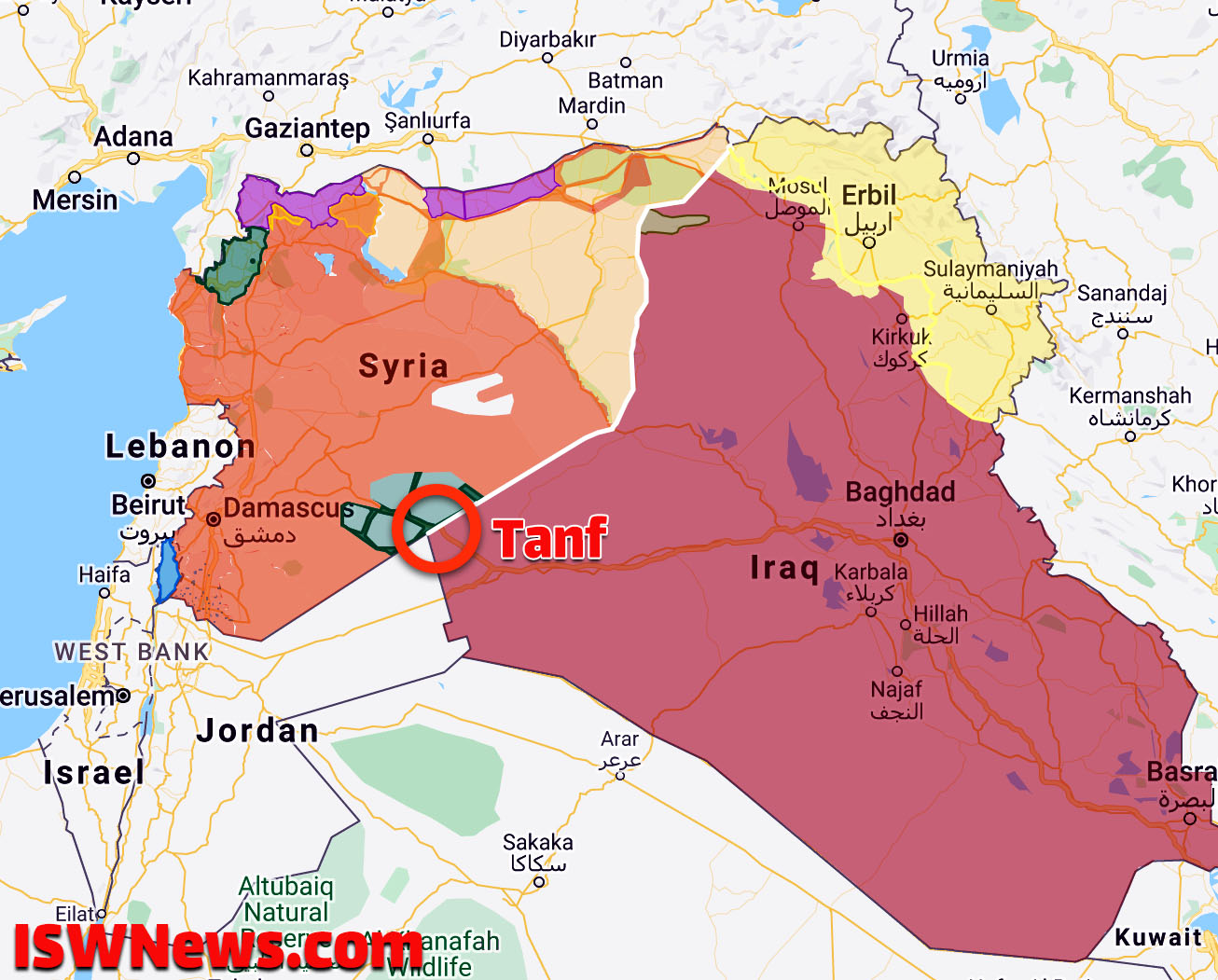
Al-Tanf base is located in the border triangle of Syria, Iraq and Jordan. The location of the base on the border between Iraq, Syria and Jordan and the Al-Waleed border crossing on Iraq and on the Baghdad-Damascus road has made Al-Tanf base one of the most important and strategic US bases in the West of Asia.
The base plays a key role in training, providing weapons and intelligence support to Syrian opposition militants, and seeks to destabilize the Iraqi-Syrian border and influence the Iran-Mediterranean communication route by moving and providing widespread support to ISIS operatives. Documents and reports from the Iraqi-Syrian border guards show that US forces stationed at the base are playing an important role in transporting ISIS terrorists from Kurdish militant prisons to various parts of Iraq and Syria.
Al-Tanf region in the border triangle of Syria, Iraq and Jordan
The Al-Tanf area has been occupied by US forces for years, and contrary to what US say, due to their presence in the area, it has become an insecure place for the Syrian and Iraqi governments and a place for sedition and attack on Syria and Iraq sovereignty; An area where Syrian Army forces and Iraqi resistance groups are not allowed to approach within a 55-kilometer radius. By occupying this region, the United States believes that it has blocked Iran’s direct land access from Tehran-Baghdad-Rutba to Damascus; But is that really the case? The answer is clear: Absolutely not!
In addition to these issues, the use of airspace of the Al-Tanf region by Israeli regime warplanes in recent attacks and attacks on Syria in recent years prompted the Syrian Allied Operation Room to decide to retaliate against these attacks. In the past, we have seen attacks in Syria against the positions of the American occupiers, but the drone strike on Al-Tanf is the first of its kind and can be considered as a turning point and the beginning of such attacks. Eye for an eye! Attack against attack. In a way that Israel and the United States understand that for every aggression and attack, there will be a painful and reciprocal attack and response. This will be the key to entering the field of deterrence against the United States and Israel in Syria.
The Murad tribes were among Ansar Allah’s fiercest enemies, playing an active role on the fronts against Ansar Allah from the beginning of the Marib conflict. After the return of Ansar Allah forces to the west and south of Marib province, some of the Murad tribes stopped fighting and made peace with Ansar Allah. But another part supported the Saudi coalition, which these supports were also cut off by Ansar Allah advances in the area and the district of Jabal Murad came under the control of Ansar Allah and popular committees.
The liberation of al-Judayda and Jabal al-Murad brings Ansar Allah to the last defensive position of the Saudi coalition in the south of Marib, i.e. the al-Balaq al-Sharqi mountain.
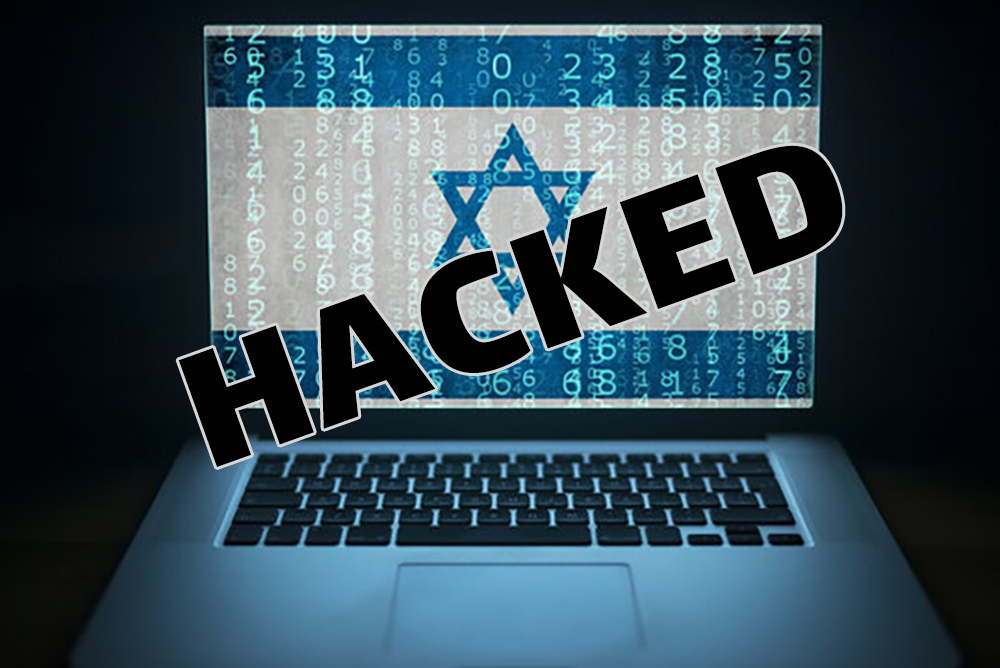
The files, leaked by a hacker group named “Moses Staff”, also contain details of the deployment of an IDF combat brigade, including job descriptions, a full list of names, e-mail addresses, phone numbers, and residential addresses of members of the brigade.
Israeli cybersecurity agencies, which are responsible for countering cyberattacks and receive large sums of money each year, have so far not had much success in combating hacker attacks and intrusion.
Israel brags about its cyber security while during the last several months sensitive information has been leaked from economical, security, social and military organizations and according to Hebrew media, hackers were successful in penetrating the sensitive areas of the Regime.
It shows that the Israeli regime’s heavy investment in cyber security has not been effective enough for them and instead of investing large budgets in this field, its better for them to reconsider and change some of their actions and behavior!
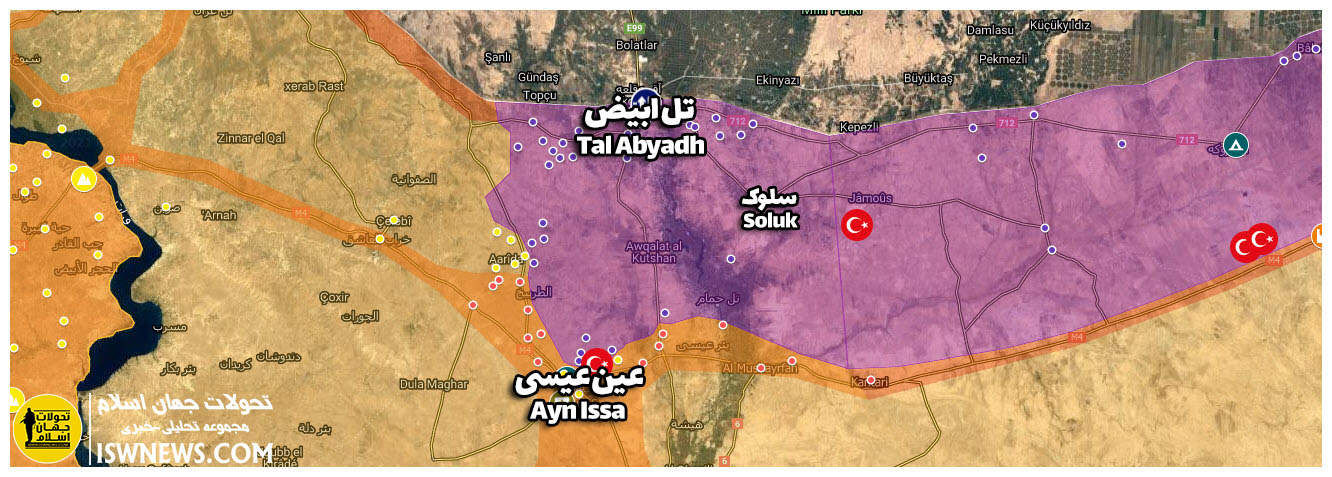
While Turkey’s new operation is expected to start in the following weeks, yesterday a Turkish army convoy entered Tal Abyad. It included M60 tanks, ACV-15 AACVs and logistical equipment entered from Akçakale town, Şanlıurfa Province province in Turkey.
As tensions and exchanges of fire continue between Turkish-backed militants and Kurdish militias, Turkish-backed militants have made significant movements along the Kurdish contact lines in Afrin near Sheikh Isa, Maranaz, Tal Rafat and the Minnagh military airport, and Syrian Army dispatched equipment and reinforcement to the Tal Rafat area on the northern outskirts of Aleppo.
Inhabitants of Tal Rafat also gathered demanding leave of Turkish militia from Syria and to fight back Ankara’s assault and condemned Turkish army and militia’s attacks to residential areas.
It is noteworthy that Turkish parliament passed a bill to allow the army to continue its presence in Iraq and Syria. According to this bill Turkish Army can operate for two more years in Iraq and Syria.
On the other hand, the Saudi coalition has claimed the destruction of one suicide drone in the skies of Najran and another in the skies of Abha Airport. Following these attacks, Riyadh’s flight to Abha Airport was disrupted. No casualties have been reported so far.
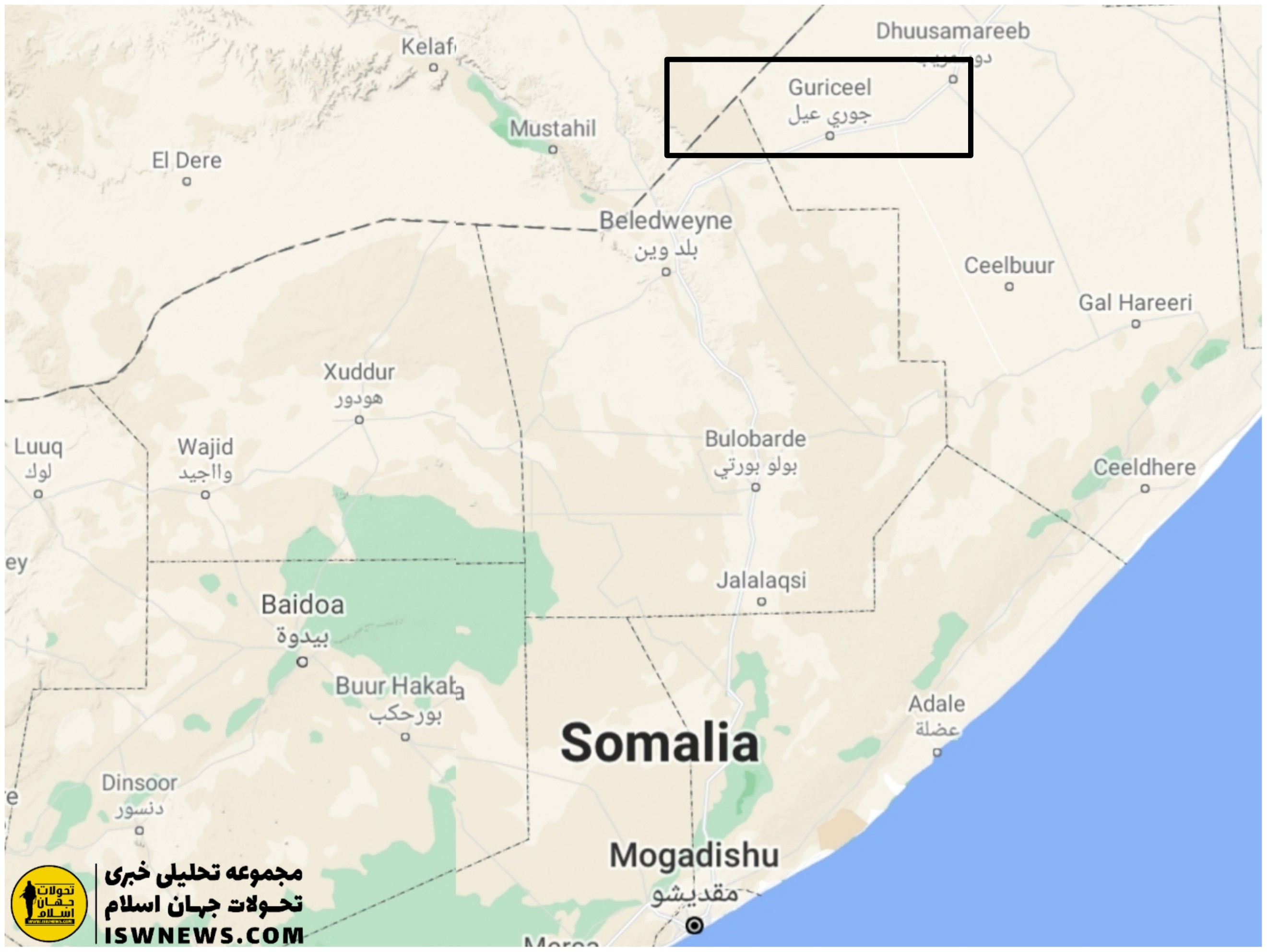
Three weeks ago, government forces withdrew from the town of Guriel as a result of a heavy attack by the Ahlu Sunna Waljama’a group. Following the fall of Guriel to Ahlu Sunna Waljama’a militants, the Somali army launched a counterattack since October 23, and heavy fighting continues despite the army advancing in the town.
No reliable casualty figures have been released, and local sources put the death toll at more than 120 and the number of injured at about 600.
The Ahlu Sunna Waljama’a is a Sufi Islamist group that has been active in Somalia since 1991. Its members are generally moderate Islamists and oppose the views of Salafi jihadist groups such as Al-Shabaab and other groups such as ISIS. The group’s leaders have stated that their goals are to prevent the imposition of Sharia (Wahhabism) law and to protect Sunni-Sufi traditions. During the Somali civil war, the group collaborated in overthrowing the communist socialist regime of Mohamed Siad Barré. He also fought extremist groups such as al-Shabaab between 2008 and 2012, during the transitional government of Somalia, and later with the Somali federal government.
In 2015, political disputes in Galmudug state led to bloody clashes between Ahlu Sunna Waljama’a forces and the Somali National Army in the town of Guriel. However, after a short time, the two sides made peace and an agreement was signed between the Minister of Defense and the leader of the Ahlu Sunna Waljama’a group. In 2018, the Ahlu Sunna Waljama’a merged their military forces and administration into the government forces of Galmudug state.
But over the past month, fighting and clashes in the region have flared up again due to differences between forces in Galmudug state and Ahlu Sunna Waljama’a.
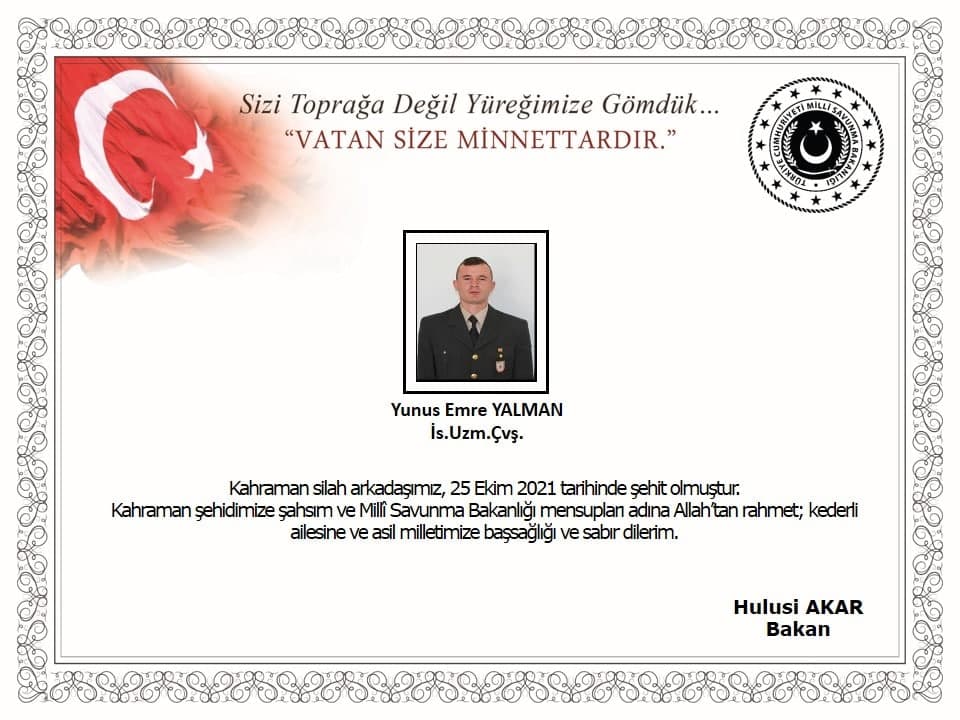
Meanwhile, the Turkish Ministry of Defense claimed that 15 PKK members were killed by Turkish troops in the past week.
The operation of the Turkish Armed Forces under the name Pence-Simsek (Thunder Claw) and Pence-Yildirim (Lightning Claw) began on April 24 in the northern regions of Iraq and continues to this day.
However, the direct clashes have declined in northern Iraq, with the Turkish military increasingly focusing on airstrikes and drone operations. On the other hand, the PKK militants are trying to inflict casualties on the Turkish army by carrying out surprise attacks and guerrilla warfare.
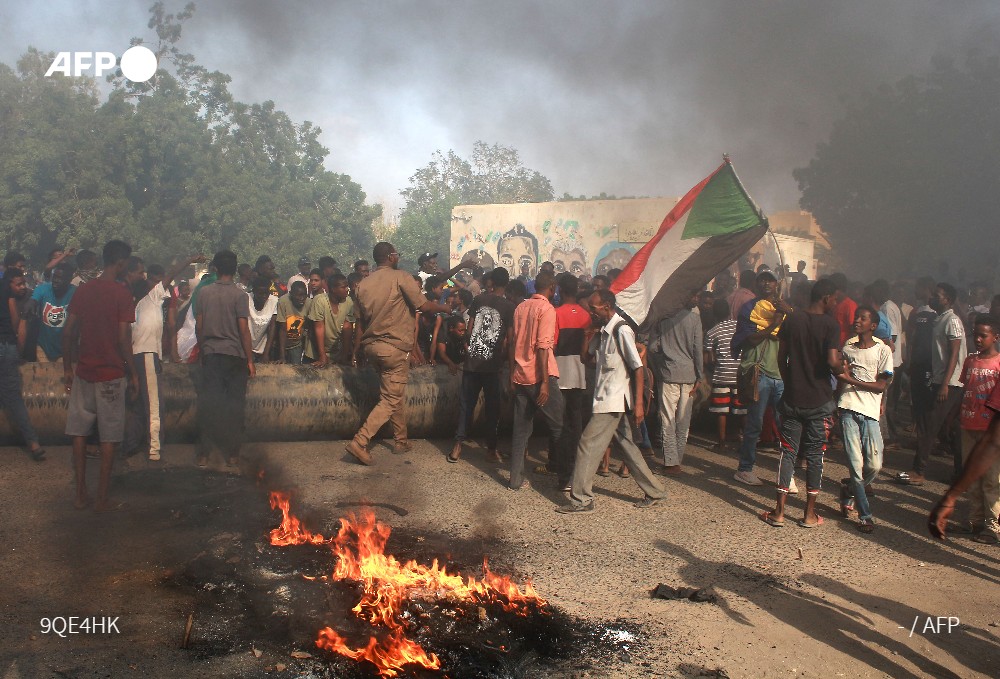
On October 25, a group of Sudanese military and intelligence forces raided the home of Prime Minister Abdalla Hamdok and four other ministers of the Sudanese transitional government. After these arrests, tens of thousands of Sudanese protesters poured to the streets in the Sudanese capital, Khartoum, to protest the coup d’état. The Sudanese army and police have also occupied government radio and television buildings, blocking the airport and main roads in Khartoum.
Local sources also reported a massive internet outage in the Sudanese capital, and no details were available on the fate of the detainees. Pro-government political groups have also called on their supporters to resist and protest, and the situation in Sudan remains tense.
“Some are dragging the country into a civil war with hatred and racism, threatening national unity,” said Sudan Army Commander Abdel Fattah al-Burhan. He added: “The Prime Minister is in my house to keep himself safe and he will live his life normally and he will return home. We want a transitional government that runs the country and keeps the armed forces out of politics. We want the independence of the judiciary and the establishment of the Constitutional Court, the Supreme Judicial Council and the Prosecutorial Council.”
Omar al-Bashir was ousted in a 2019 military coup against the government, and Abdalla Hamdok was elected prime minister of the transitional government. The transitional government must run the country for three years and, at the end of its term, hold democratic elections And hand over power to the elected government.
Following a request from Tahrir al-Sham (formerly Jabhat al-Nusra ) to Muslim al-Shishani, the leader of the “Junud al-Sham” militants, to leave Jabal al-Turkman in northern Latakia and disband the Jundallah group, the militants objected and the Tahrir al-Sham decided to send troops and clash with the “Junud al-Sham” and “Jundallah” militants.
Tahrir al-Sham forces attacked positions of Ajnad al-Quqaz in the eastern and northern neighborhoods of Jasr al-Shughur. During the clashes in Jabal al-Turkmen, Jundallah militants withdrew from some of their positions in the area. A number of militants were also captured by Tahrir al-Sham.
According to the images published by Tahrir al-Sham from entering the points of Jundallah militants in Jabal al-Turkman and Jasr al-Shughur, it seems that the militants of Junud al-Sham, Ajnad al-Quqaz and Jundallah have accepted defeat and fled from most of their bases and surrendered.
It is also said that “Muslim al-Shishani”, the leader of the Junud of Al-Sham, surrendered to the conditions of Tahrir al-Sham and left Jabal al-Turkmen for Idlib.
Muslim al-Shishani, a prominent terrorist leader in northwestern Syria
Earlier, Tahrir al-Sham also threatened the “Junud al-Sham” who must declare their dissolution and hand over their weapons, otherwise the group and its elements will be dealt with military response. Tensions between the militants escalated when, a few days ago, Muslim al-Shishani criticized al-Julani in an audio file stating that Tahrir al-Sham was trying to link Junud al-Sham militants to ISIS, to justify fight with Junud al-Shama and remove the group. However, given the current situation, it seems that al-Shishani’s work as an independent and autonomous individual in Jabal al-Turkmen has come to an end.
The Tahrir al-Sham is currently expanding its dominance and influence in Idlib province and northwestern Syria, and the militants oppose the Tahrir al-Sham if they do not accept their conditions for handing over weapons, disbanding the group and joining the Tahrir al-Sham; They have to wait for the armed battle and the attacks of Tahrir al-Sham. On the other hand, some figures close to the militants believe that Tahrir al-Sham’s attack on old and experienced armed groups such as these groups, especially on the Jabal al-Turkmen and Kabani, has weakened the fronts And eventually will lead to the loss of important areas such as Kabani.
During the clashes in the past few days, Ansar Allah had succeeded in liberating the suburbs of Al-Jadeeda and cutting off the road leading to the management of Jabal Murad. This situation led to the siege of al-Judaydah, and this morning, full control of the town fell to Ansar Allah forces.
The operation for the liberation of al-Judaydah town started on September 22, and Ansar Allah managed to enter the al-Jubah district on September 24.
Al-Judaydah is the closest town to the city of Marib from the south, and is the only supply route for the Saudi-led forces to the Jabal Murad district in the south of Marib province. With the liberation of al-Judaydah, the path of Ansar Allah to reach the other fronts in the south of Marib will be easier.