Author: Mirza

  • Latest military situation in Ukraine after 200 days of war (Map Update)

    Latest military situation in Ukraine after 200 days of war (Map Update)

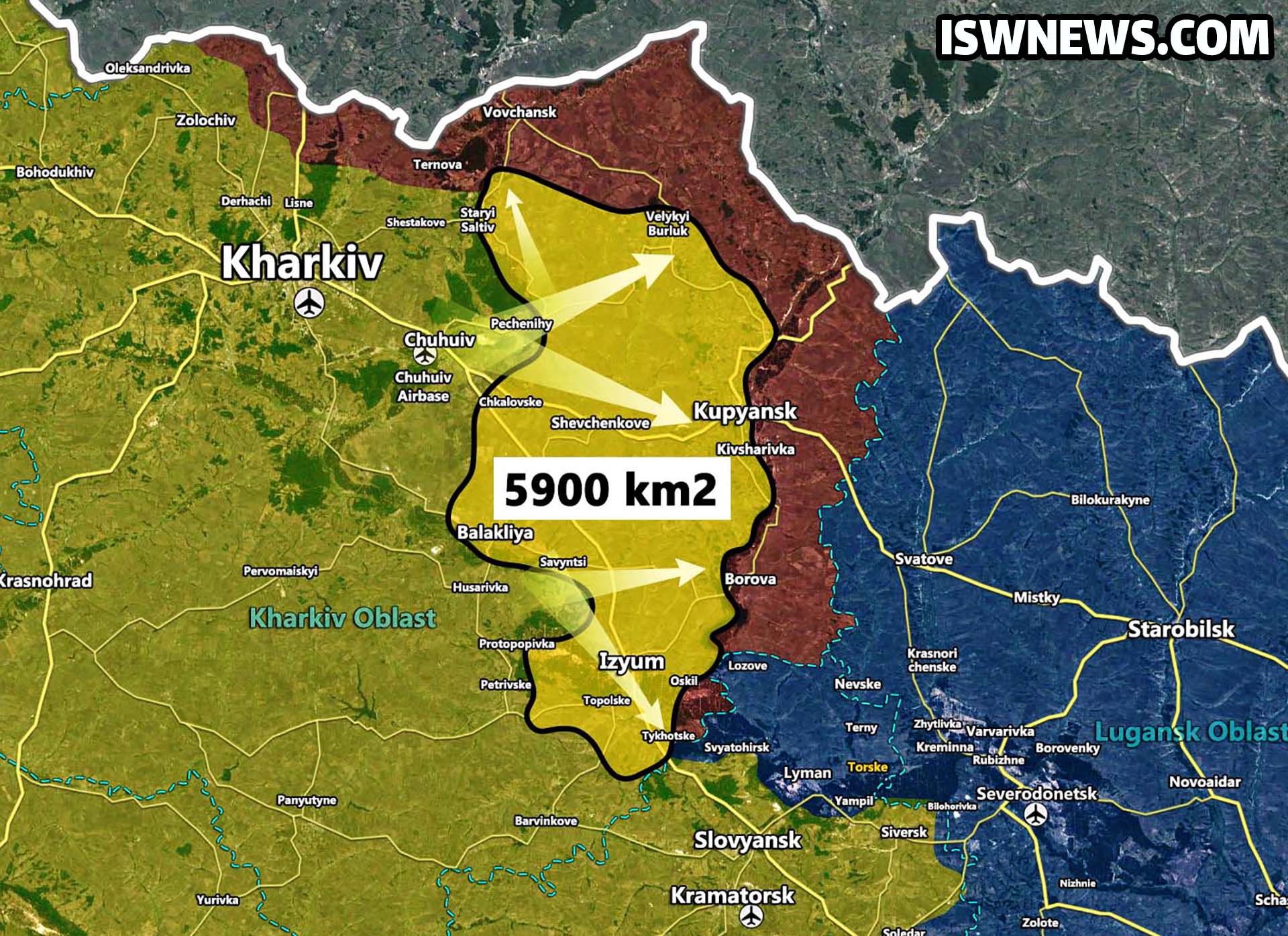
    In recent days, Russian Army and its allies withdrew from large areas of the southeast and east of Kharkiv Oblast, and after that, the Ukrainian forces entered the areas almost without any particular conflict and dominated the villages and cities one after the other. During these retreats, important towns and areas such as Balakliya, Izyum, Kupyansk and Dvorichna came under the control of the Ukrainian army. It is safe to say that these retreats are considered to be Russia’s biggest defeat and retreat in the Ukraine war after Russia’s extensive retreats from the northern regions of Ukraine and the city of Kyiv in the early months of the war.

    It should be noted that in the course of these retreats, an area of nearly 5900 square kilometers has been controlled by the Ukrainian army, and according to the developments in Kharkiv Oblast, it seems that this area will be increased and the Russian army will retreat to the border lines north-east of Kharkiv. According to the latest information, an order has been issued for the evacuation of the border town of Vovchansk, and the evacuation of this town means Russia’s return to the international borders in this region. During the battles of recent months, the town of Vovchansk was used as a logistic bridge of the Russian army towards the eastern regions of Kharkiv Oblast.

    By carefully looking at the field map, it can be seen that the Russians’ purpose for these retreats is to move the forces behind the Oskil River and use this river as a natural defense barrier. A similar tactic that we saw earlier using the Siverskyi Donets River in the same region and parts of Donetsk Oblast in the Lyman axis or Luhansk Oblast at some point of the battles.

    But what is the reason for this and why did the Russians withdraw from these areas?

    There are many different reasons for the recent defeats of the Russians in Kharkiv Oblast. In the last two months, after Russia’s success in seizing the city of Severodonetsk and advancing towards the important towns of Slavyansk and Bakhmut, we witnessed a long-term stoppage and, in other words, “stagnation” in the eastern fronts of Ukraine. In addition to this issue, on the southern fronts in Kherson and Mykolaiv Oblasts, we have practically witnessed a confusion and stoppage of the Russians.
    The absence of a comprehensive operational plan by the Russian army and the lack of coordination of operations between the eastern front and the southern front and the failure to use all or most of Russia’s combat capacity in terms of manpower, logistics, ground forces and air fleet, failure to suppress the Ukrainian air force effectively, not suppressing the western military aid sent to Ukraine effectively, relying on old and outdated tactics in the war in Ukraine, etc. are among the reasons that can be clearly seen in the battles in Ukraine.

    Despite the importance of the Ukraine war for Russia, in terms of logistics, the Russian army has practically used a small part of its manpower in this war, or has not used all its missile or air power in these battles. Or there are great uncertainties regarding the plan, the general picture and the ultimate goal of Russia’s operations in Ukraine; A subject that emerges in a strange way at every stage of the war. Failure to capture the entire city of Kyiv and its surrounding areas while this was possible, and then extensive retreats from the north, and then a complete focus on the eastern front and the entry of military power into this area, and again reducing or stopping operations in this axis for a period of Almost two months and the confusion between advancing or stabilizing areas in the southern front, practically shows the confusion of the Russian command. On the one hand, the Russians are looking for results, and on the other hand, they are not willing to spend more. If this war is important for Russia and the Russians want to achieve goals in this war, they must devote all or most of their combat power to this war, otherwise they will not have a chance against the Ukrainian army with high manpower; Or the goals will be achieved at a very high cost and in an unknown period of time.

    On the other hand, maybe the Ukrainian forces have an easier task than the Russians, and that is to push the Russians back and take back the lost areas. A subject that does not have logistical difficulties and the difficulty of planning an attacker on several fronts. Considering the almost good logistic support of the western countries to Ukraine and the intelligence superiority of the Ukrainians and the use of human forces more than Russia in this war, only a little negligence on the part of the Russians is enough to change the tone of the war in favor of Ukraine. Ukrainian forces have shown that they are capable of resisting and inflicting heavy blows on the Russian army if they have proper support and sufficient logistics, and they have high combat power. Considering that more than six months have passed since the war, the Ukrainian forces have gradually found their combat organization and have come out of the confusion of the initial months. It seems that if the current trend of Russia does not change, in the coming weeks and months we will see more effective attacks and operations by Ukrainian forces to retake the eastern and southern regions.

    News of other regions:

    The military situation in Luhansk and Donetsk Oblasts has not changed significantly in the last two months, and sporadic clashes continue around Bakhmut, Soledar, North of Gorlivka, west of Donetsk in Mariinka and Pesky, and near Ugledar. In Mykolaiv and Kherson Oblasts, the clashes between the Russian and Ukrainian army forces continue in the Arkhanhelske and Sukhyi Stavok axes in the Ingulets axis. The conflicts in these areas are currently equal and neither side is able to make large advances.

    Read more:
    Latest Updates on Donbas Front, 15 August 2022 (Map Update)
    Latest military situation in Ukraine, 17 July 2022 (Map Update)

    Click to view full size
  • Islah Party’s conditions for returning to the Saudi coalition

    Islah Party’s conditions for returning to the Saudi coalition

    Abdul Razzaq Al-Hajri, Secretary General of Islah Party, the branch of the Muslim Brotherhood in Yemen, during a meeting with representatives of the European Union in the city of Riyadh, the capital of Saudi Arabia, determined his new conditions in exchange for returning to the rule of the Saudi coalition. Emphasizing that the recent developments in Shabwa and Abyan provinces have ended their participation with the Saudi coalition, he announced “the withdrawal of the armed members of the Southern Transitional Council from the bases in southern Yemen, participation in the decisions of the Presidential Council and the commitment of this Council to the transfer of power”, is part of the conditions of returning to the rule of the Saudi coalition.

    This meeting was aimed at organizing the power of pro-Saudi coalition groups that have been exposed to collapse due to recent developments.

    Islah Party, Southern Transitional Council and Yemen People’s Congress Party (the branch which is opposition to Ansar Allah) are among the powerful factions opposing Ansar Allah in Yemen, which are under the command of the Saudi coalition with the support of Western countries.

    Read more: Latest updates on clashes between Islah Party and UAE-backed forces in Yemen

  • A Turkish servicemen was killed in northern Iraq

    A Turkish servicemen was killed in northern Iraq

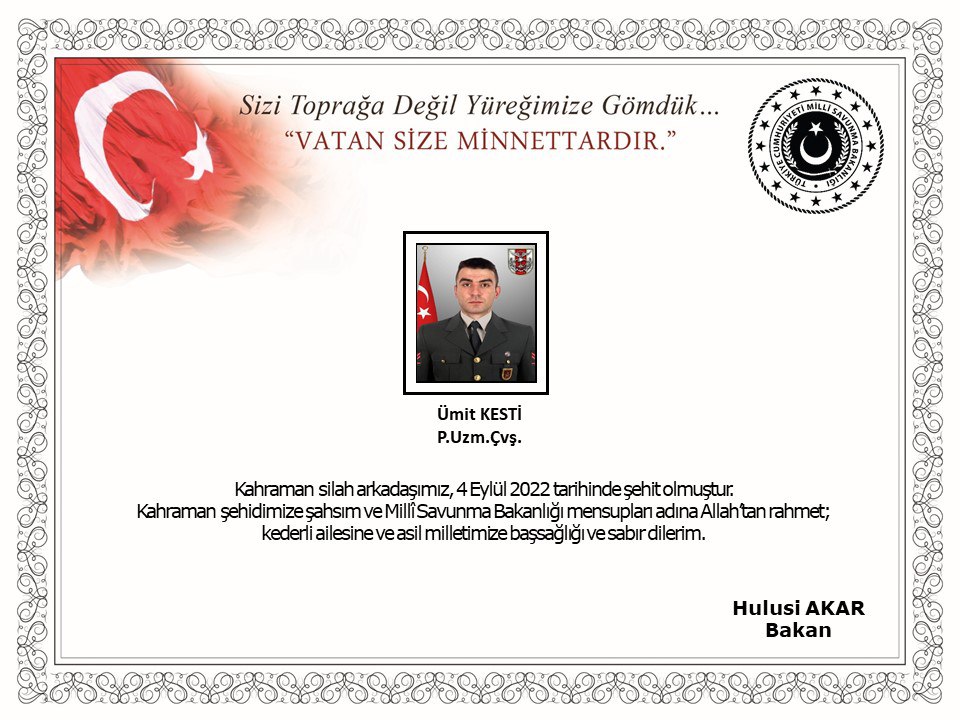
    According to the statement by the Turkish Ministry of Defense, this soldier, Umit Kesti, was killed on the September 4th in a helicopter crash incident in northern Iraq. With the death of this Turkish soldier, the number of Turkish Army casualties in operation “Claw Lock” increased to 51 servicemen.

    Read more:
    A Turkish servicemen was killed in northern Iraq
    A Turkish servicemen was killed in northern Iraq

  • Israel aggression on Syria’s Aleppo

    Israel aggression on Syria’s Aleppo

    According to a Syrian military source, “at around 20:16 Tuesday local time, the Israeli enemy attacked the Aleppo airport by firing several missiles from the direction of the Mediterranean Sea in the west of Latakia. This attack resulted in damage to the runway and the suspension of flights at this airport until further notice.”

    On September 1st, the Israeli fighter jets also attacked Aleppo Airport and Damascus provinces with several missiles which resulted in material losses.

    Read more: Israeli airstrikes on Aleppo and Damascus + Images

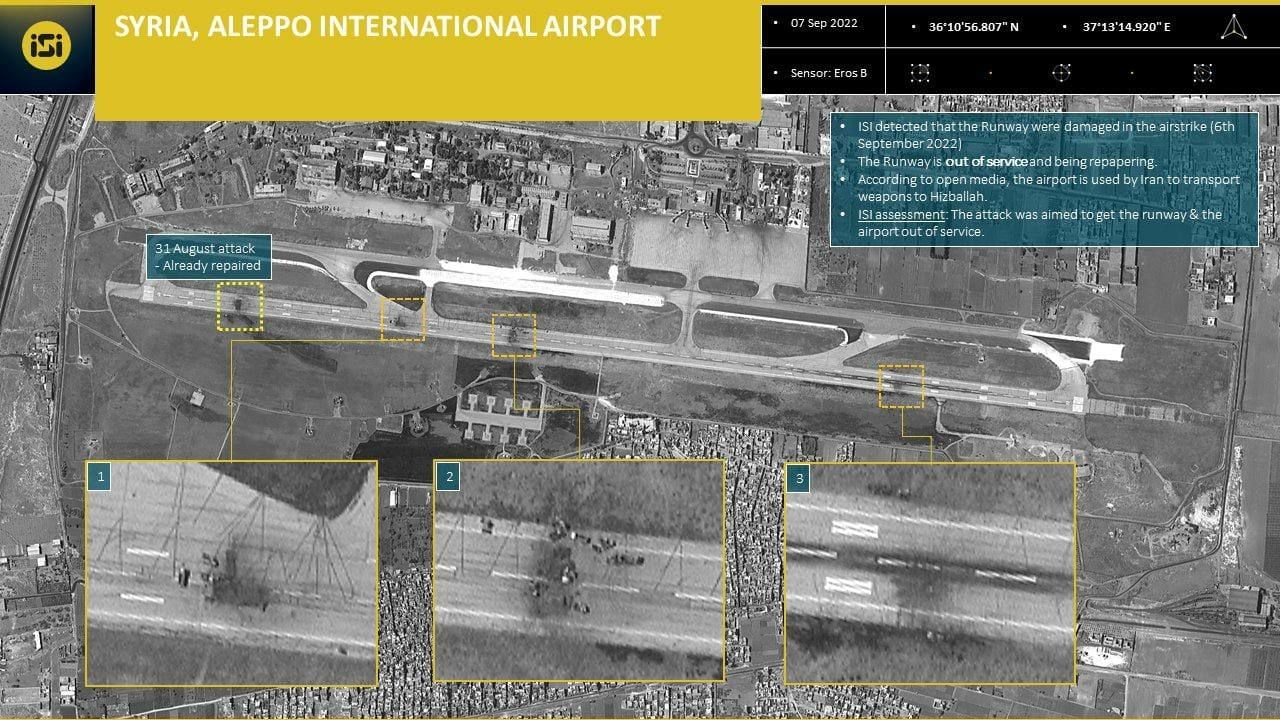
    The images published by the Israeli satellite company ISI show that the Israeli airstrikes on Aleppo Airport, the runway was severely damaged and it is not possible for planes to land and take off at this airport. This issue has caused Aleppo airport flights to be transferred to Damascus airport until further notice.

    The Israeli regime has targeted Aleppo Airport twice in less than a week. The Hebrew media stated that one of the goals of these attacks was to stop the flights of this airport in order to prevent Iranian planes from landing and disrupting the process of cargo transfer to Syria.

    Read more: Israel released satellite images of the attack on Aleppo and Masyaf

  • Why did a Syrian newspaper criticize Hamas?

    Why did a Syrian newspaper criticize Hamas?

    Immediately after the battle of the “unity of squares”, the Syrian newspaper Al-Watan published an article titled “Hamas betrayed the resistance and responded to aggression with statements.” In the context of Hassan Nasr-Allah’s recent statements about the inevitable reconciliation between Hamas and Assad, the Syrians decided to criticize the leading Palestinian party. Why? Does official Damascus really consider Hamas inclined to “compromise with the enemy” or does it still not trust them as an Islamic organization? My opinion is that it’s not about Hamas, it’s just that we are witnessing a battle of projects within the Axis of Resistance.

    It is extremely important for the Iranians and Hezbollah that Hamas not only return its headquarters to Syria, but also establish itself firmly in this Arab republic. Thus, this will make it possible to realize the IRGC’s long-standing idea of creating a million-strong Palestinian army with an Islamic ideology. Hamas is the leading party and from the point of view of certain circles in Iran, it is they who can lead hundreds of thousands of Palestinian refugees from Lebanon, Syria and Jordan to the final battles for the holy al-Quds.

    In contrast to this idea, the old functionaries of the BAATH of Syria act, who believe that Zionism should be fought within the framework of “international law”, and the Palestinians should resist purely on “their territories”. Therefore, officials of the era of Hafiz Assad believe that the presence of not only Hamas, even the Iranians and Hezbollah is “harmful” for Syria. But not all representatives of the establishment share the opinion of the “old people” about the departure of the Iranians. Some of the military and military intelligence representatives close to Bashar believe that a war with Zionism is inevitable and the Palestinians will be allowed to use the territory of Syria to fight the enemy, but it is important to strengthen the Palestinian Jihad as opposed to Hamas. This approach is dictated by the opinion of officials from political intelligence, where they believe that the repeated presence of Hamas in Syria and their obvious success in the “liberation campaign” against al-Quds will become an “infectious example” for Muslim activists who are ready now in alliance with the Iranians to create a number of Islamic parties for subsequent “enlightenment” Syria. Why is the political intelligence of the Syrian Arab Republic afraid of Hamas, and not the Palestinian Jihad? Since Hamas is a political party, and the PIJ is more of a military organization. In the current situation, it is the Hamas model that will be more attractive to Syrians.

    The Baathists feel that every day brings the end of the epic with Hamas closer, so provocateurs focused on the above-mentioned political circles are trying to delay the Iranian plan to reconcile Assad with Hamas as much as possible.

    P.S. I would like to add that projects with Hamas or Palestinian Jihad at the forefront are designated in the context of the idea of involving the Palestinians as a key force of the Axis of Resistance. This is one of the many projects of the Quds force, which is not limited to the names of Palestinian parties or organizations. There are many other projects where, for example, the Iraqis or Hezbollah will play the main role in the liberation, but in any case, the Palestinian factor will be at the forefront of the struggle for the holy land of Islam.

  • Suicide attack on the Russian embassy in Kabul left 25 dead and wounded

    Suicide attack on the Russian embassy in Kabul left 25 dead and wounded

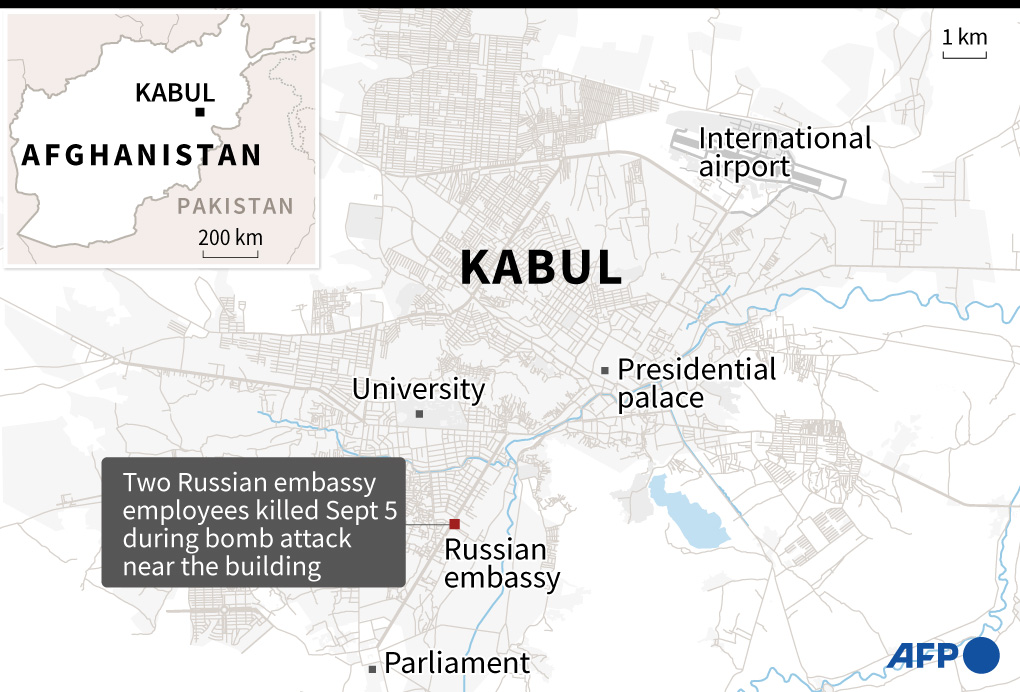
    As a result of the attack of an unknown suicide bomber on the entrance of the Russian embassy located in the 7th district of Kabul at noon on the September 5th, 12 people including two Russian diplomats, seven civilians and three Taliban militants were killed and 13 others were injured.

    The Ministry of Foreign Affairs of Russia, the UNAMA mission and the Embassy of the Islamic Republic of Iran in Kabul, the Ministry of Foreign Affairs of the Taliban, Hamid Karzai, the former president, and Abdullah Abdullah, the head of the National Reconciliation Council in the previous government of Afghanistan, have condemned this attack. So far, no group has claimed responsibility for this terrorist attack.

    The terrorist attack on the Russian embassy in Afghanistan is one of the most important security events in Afghanistan. In addition to the weakness of the intelligence agencies of the Taliban, this action indicates the increase of power of the anti-Taliban groups and the concentration of their attacks on the interests of countries with influence in Afghanistan.

    Read more: An explosion in Herat kills the extremist cleric Mujibur Rahman Ansari!

  • US builds new military base in northeastern Syria

    US builds new military base in northeastern Syria

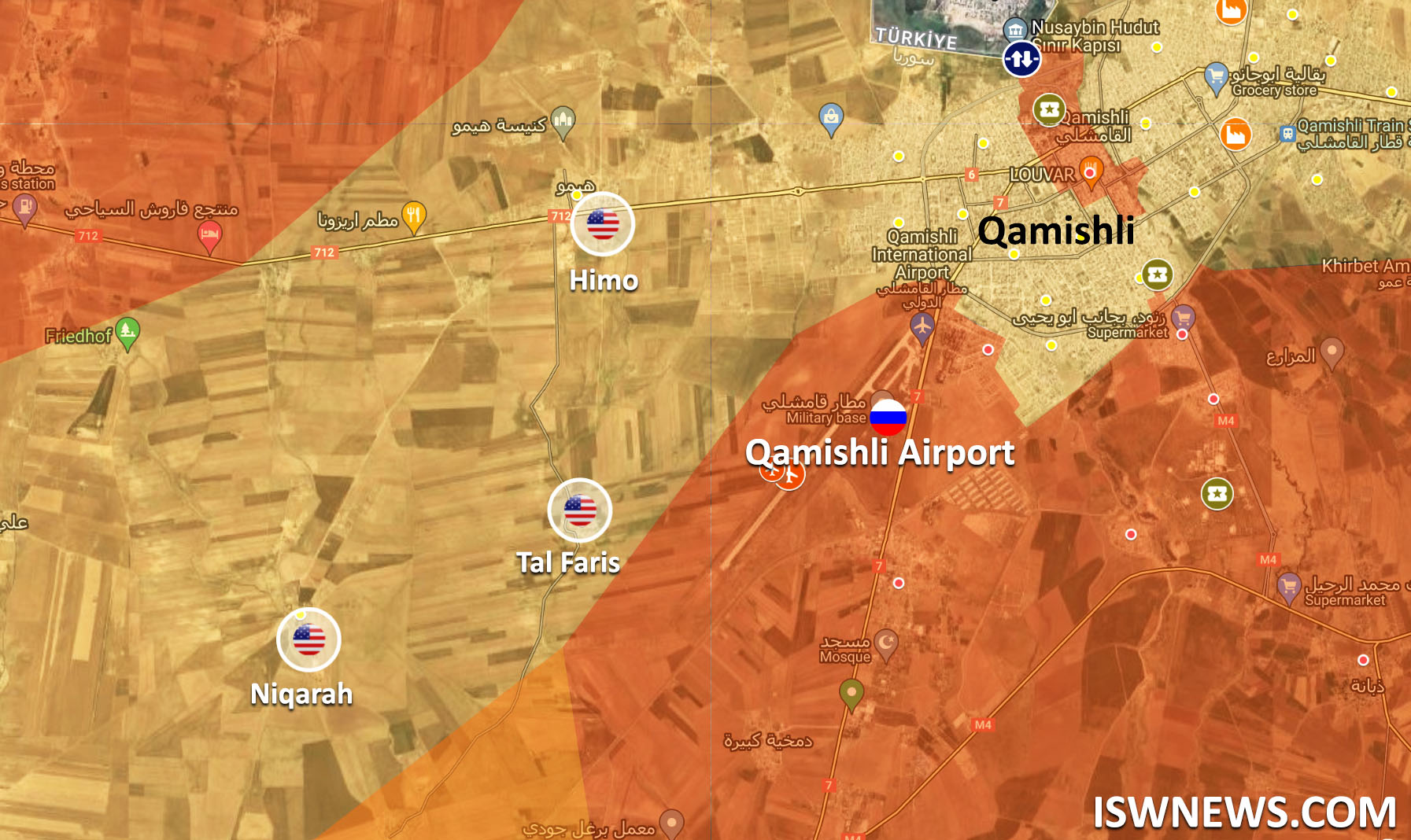
    The US coalition built a new military base in al-Naqara village, three kilometers southwest of Qamishli city in Haskeh province. After the two US military bases in Himo village and Tal Faris, this is the third US base around the city of Qamishli.

    Considering that the newly established base in Al-Naqara and Tal Faris are located near the Qamishli airport, the US coalition is able to monitor the movements of the Russian military in this airport.

    During the last few years, the Russian army has deployed radars, air defense systems, all types of fighters, helicopters and other military equipment in this base and has actually turned Qamishli Airport into its main base in northeastern Syria.

    Over the past months, the US coalition has expanded its presence in northeastern Syria by building new bases and deploying more equipment, including heavy weapons. Officially, the United States claims that there are fewer than a thousand American troops in Syria, but the actual numbers seem to be much higher.

  • Seizure and release of a US sea drone by the IRGC in the Persian Gulf + Video

    Seizure and release of a US sea drone by the IRGC in the Persian Gulf + Video

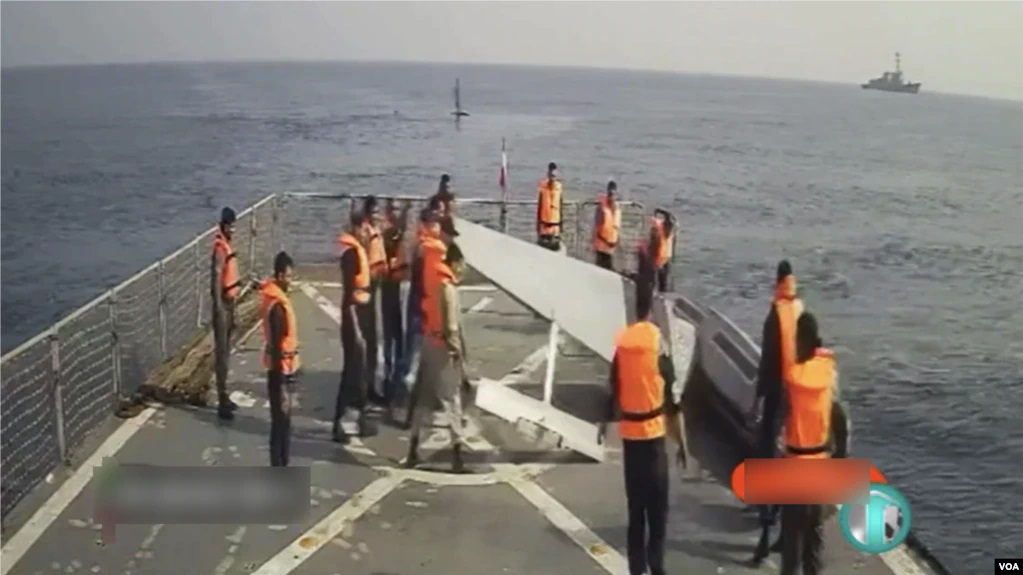
    According to Iranian officials, the navigational communication of this unmanned vessel with the control center was cut off and the IRGC seized it with the aim of securing the shipping route in the Persian Gulf and finally with the presence of the US frigate USS Thunderbolt in the area and being justified by security issues and safe navigation, the US drone was released.

    Although it is said that the “navigational system failure” is the main reason for its seizure by the IRGC Navy, however, it seems that the navigational communications of this vessel were cut off by the IRGC electronic warfare and then, in a clever move, this valuable asset was seized.

    It is important to mention that the United States Fifth Fleet has deployed a new task force known as Task Force 59 since last year with the aim of integrate unmanned systems and artificial intelligence in the West Asia region. Rapid integration of advanced unmanned systems with maritime and coastal operations in areas under the control of the US 5th Fleet, including the Persian Gulf, the Strait of Hormuz, the Sea of ​​Oman, the Strait of Bab al-Mandab, the Red Sea, the Suez Canal and parts of the Indian Ocean, are among the main tasks of this group.


    The main purpose of the entry of unmanned vessels or so-called “sea drone” of the United States into the Persian Gulf is to increase the combat power and naval deterrence with low-risk for the American Navy in the southern waters of Iran. Sea drones on surface or below surface can provide many valuable capabilities. These capabilities are especially important in the shallow waters of the Persian Gulf to deal with Iran’s mine warfare systems, small submarines, and fast boats.

    As a result, the presence of these systems in the Persian Gulf has a series of risks and also a series of benefits for Iran! Capturing the advanced and required examples of American unmanned vessels will obviously have a significant impact on the completion of the unfinished projects of Iranian unmanned vessels, and Iran’s upper hand in the waters of the Persian Gulf will be maintained.

    Release footage of US sea drone by the IRGC in the Persian Gulf


  • Rocket attack on US troops in northern Syria

    Rocket attack on US troops in northern Syria

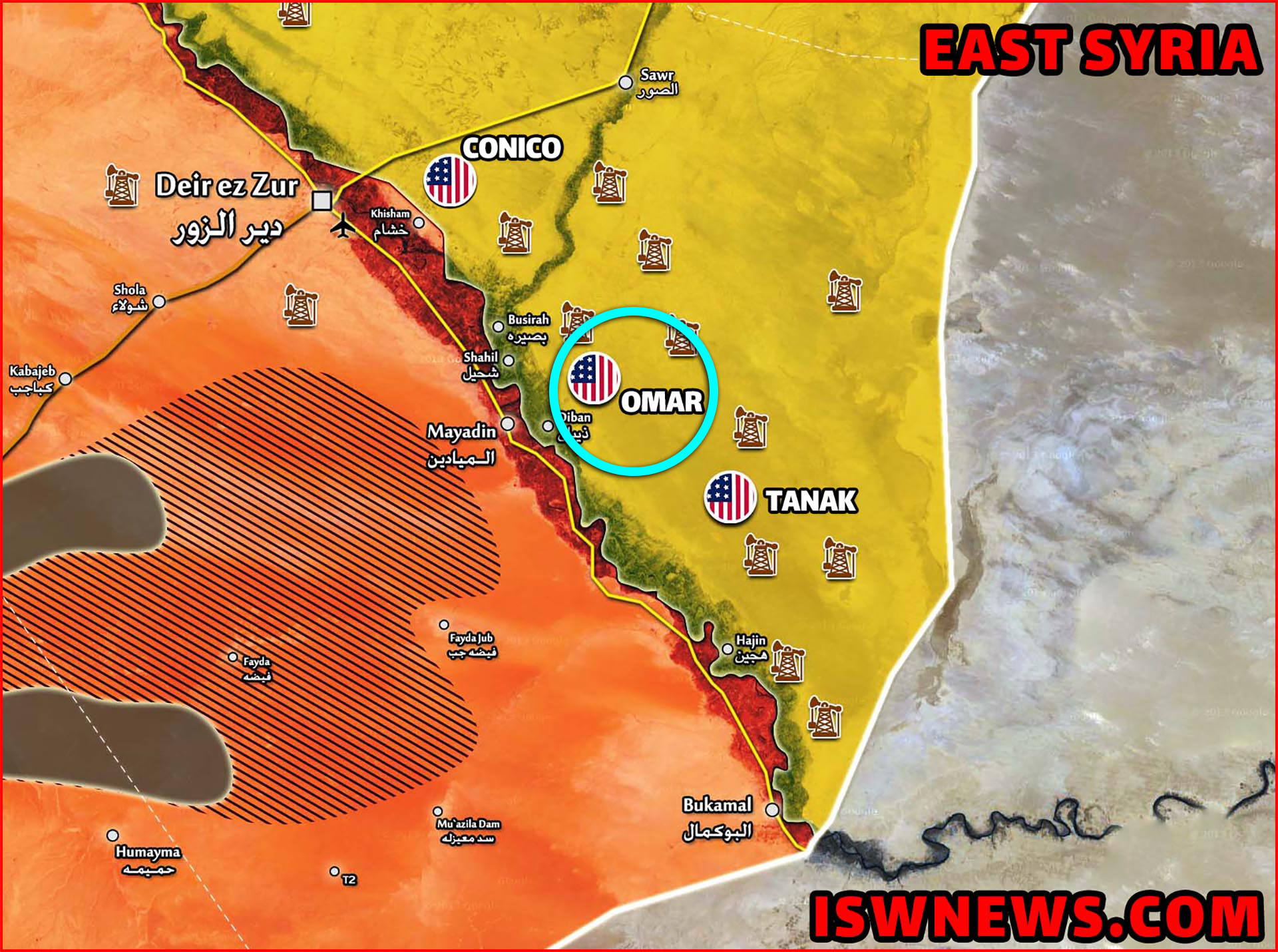
    On September 3rd, the positions of the US coalition located in the Omar oil field were targeted by three rockets. So far, no information has been released about the amount of casualties and damages of this attack.

    Although no group has claimed responsibility for this attack, but due to the increase of tensions and conflicts between the resistance forces and the US military, it is likely that resistance forces are behind the attack. Our field source has also confirmed this.

    It is worth mentioning that also on August 25, in another attack, positions of the US coalition at the Omar oil field were targeted by a drone attack.

    Read more: Drone attack on the US base in Deir Ezzor province

  • Israel released satellite images of the attack on Aleppo and Masyaf

    Israel released satellite images of the attack on Aleppo and Masyaf

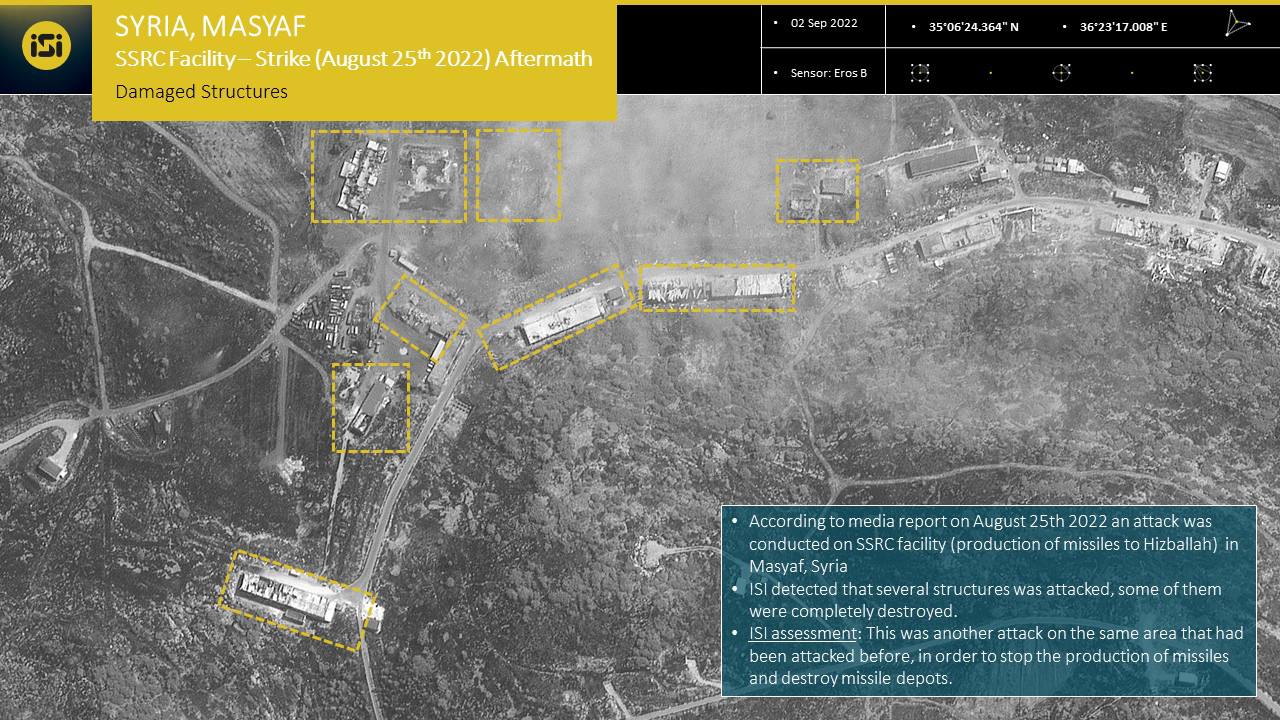
    According to the published images, in the Israeli airstrikes on Masyaf, several buildings and possibly some equipment were destroyed or damaged. This attack was carried out on August 25th at 19:15 local time. Masyaf scientific (or military) research center is one of the regular targets of the Zionist regime’s missile attacks and has been targeted many times in recent years.

    Read more: Israeli missile attacks on Hama + Images

    Six days later, in another missile attack, the Zionist regime targeted Aleppo International Airport. This attack was carried out on August 31th at 20:00 local time. According to field information, the aim of this attack was to prevent the landing of the Iranian Airbus A300B4 plane at Aleppo airport. The issue that caused the Mahan Air plane to change its route to Damascus and land at Damascus airport. The satellite images released from Aleppo airport confirm the speculations about damage to the runway of Aleppo airport. In the published images, the effects of the missile attack on the landing strip are evident; Also, the Israeli regime destroyed one of the radio navigation systems (VOR) in the airport perimeter to disrupt the incoming flights.

    Read more: Israeli airstrikes on Aleppo and Damascus + Images

    The Israeli regime’s air strikes are being carried out purposefully in the shadow of the hidden war with Iran in West Asia, especially in Syria. Although compared to previous years, the success rate of interception and destruction of Israeli missiles by Syrian air defense systems has increased; However, this has not yet reached to a proper deterrence level and Israeli missiles are still causing significant material and human losses in Syria. Considering the ineffectiveness of Russian air defense systems in dealing with hostile missiles, it seems that the efforts of another strategic ally of Syria, i.e. Iran, should be more active and effective in this field. More professional training for the Syrian air defense forces, equipping and strengthening the Syrian air defense systems and conducting retaliatory attacks causing material and human losses on Israel are among the things that should be on the agenda more than in the past.

  • An explosion in Herat kills the extremist cleric Mujibur Rahman Ansari!

    An explosion in Herat kills the extremist cleric Mujibur Rahman Ansari!

    As a result of the explosion of unknown suicide bombers to the Gozargah Mosque, located in the northeast of Herat city, 29 people, including Mulawi Mujibur Rahman Ansari, the imam of this mosque, have been killed and dozens of civilians have been injured. According to some local sources in Herat, Mullah Abdul Ghani Baradar, Deputy Prime Minister of the Taliban, Mulawi Noor Ahmad Islamjar, Governor of Herat and Mulawi Lotfullah Hakimi, Inspector of the Ministry of Defense of the Taliban were present in this mosque during the explosion.

    So far, no individual or group has claimed responsibility for this terrorist attack, but some local sources accused ISIS terrorist group. Zabihullah Mujahid, the spokesman of the Taliban, also said after the death of Mulawi Mujibur Rahman Ansari that the perpetrators of this great crime will be punished for their evil deeds.

    Who is Mulawi Mujibur Rahman Ansari?

    Mujibur Rahman Ansari is the son of Khawaja Mohammad Rafiq Ansari and was born in 1362 H.S. in the neighborhood of Gozargah in Herat city. At the age of 15, he became a memorizer of the Holy Quran and at the age of 19, he became the imam of the “Gozargah” Grand Mosque in Herat city. He is from the Pashtun tribe, one of the extremist religious scholars of Herat, and one of the staunch supporters of the Taliban group in Afghanistan.
    In one of his sermons on August 25th, Ansari had declared the celebration of Nowruz to be haram, and in an interview with the Saudi television channel Wasal Haq, he called all the Shiites of Afghanistan as Rafidhi and infidel and asked the Afghan government to remove all Shiites from government institutions.

    Read more: The Taliban suicide bomber propagandist was killed by a suicide attack! + Video

  • Latest updates on clashes between Islah Party and UAE-backed forces in Yemen

    Latest updates on clashes between Islah Party and UAE-backed forces in Yemen

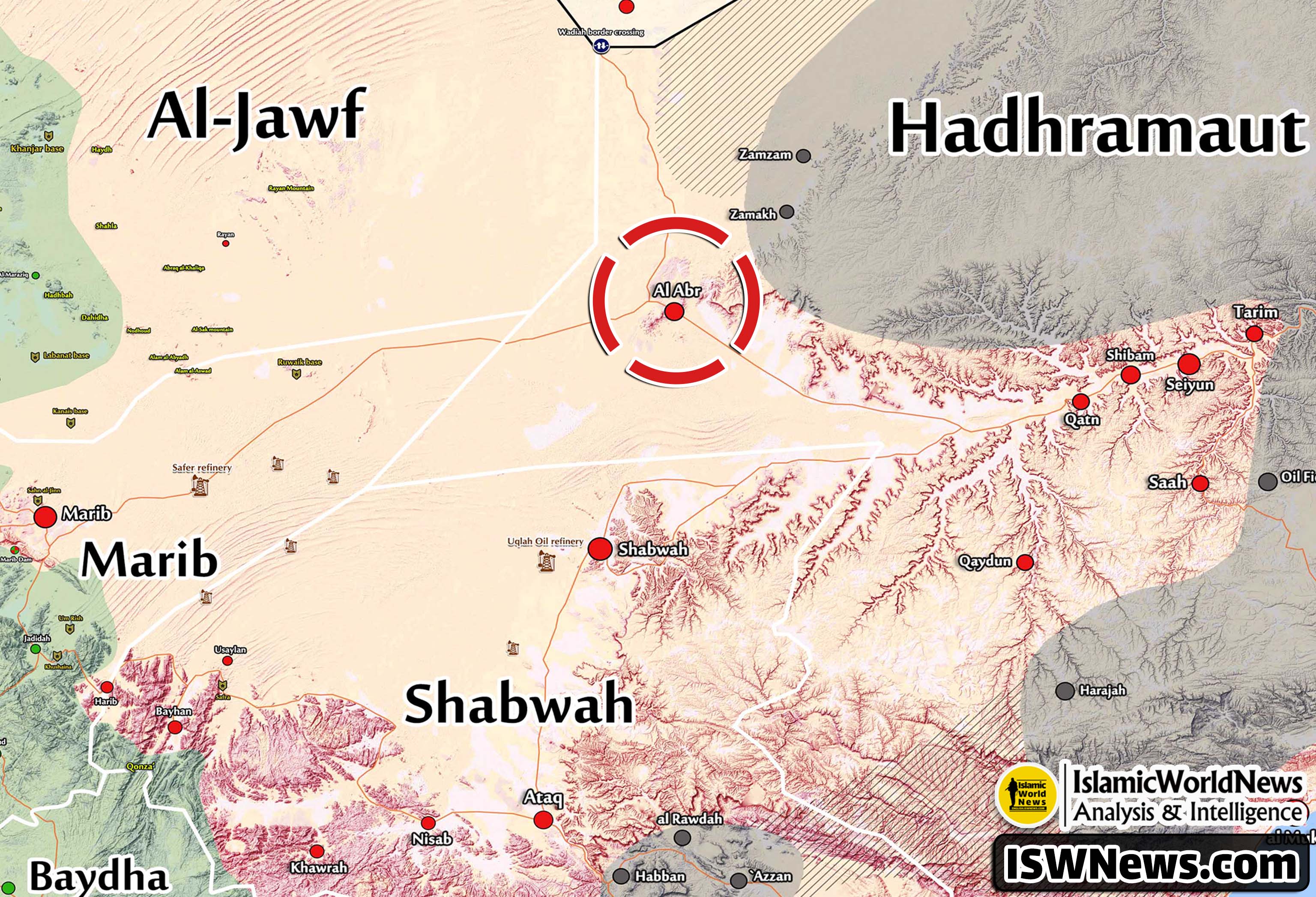
    According to the latest news from the occupied areas of Yemen, the commanders of the Islah Party have sent new auxiliary forces to the Al-Abr region located in the west of Hadhramout province and have deployed their rocket launchers and artillery in the hills overlooking the desert of this region. Currently, no specific conflict has been reported in this axis, but the formation of the Islah party foces in Al-Abr raises the possibility of a serious conflict between this group and the UAE-backed forces.

    On the other hand, the UAE, centered on the Southern Transitional Council, is creating a new military organization in Al-Mahrah province called “Al-Mahrah Elite and Al-Mahrah Defense” (دفاع المهرة والنخبة المهرية).
    Khaled Saeed Taha, the military commander of the Southern Transitional Council in Al-Mahrah province, considered this action to strengthen the security and stability of the south And referring to the statement of the recent meeting of the sheikhs and elders of the Al-Mahrah tribes, on their behalf, demanded the expulsion of the pro-Islah armed groups from Al-Mahrah province.
    Of course, the elders of the Al-Mahrah tribes in this meeting first emphasized the necessity of confronting foreign forces and then called for general mobilization against the Islah Pary, but the Southern Transitional Council, by changing these terms, demanded to stop the process of general mobilization and incite the people to take action against the Islah Pary and to control the oil areas in Al-Mahrah province.

    In Abyan province, the Southern Transitional Council forces under the command of Mukhtar al-Nubi have entered the Lawdar district, and so far there has been no specific conflict between the tribes supporting Islah Party and the STC.

    The situation in Shabwah province has not changed, and the Islah party media still claim to be preparing an attack to recapture the city of Ataq from Shabwah governor Awad bin Al-Wazir al-Awlaki.

    Despite the reducing of the conflicts in the occupied areas of Yemen, the power of the Islah party is still declining and the power of the groups under the UAE is increasing. It seems the Islah Party, by not responding to the offer of alliance with Ansar Allah, in addition to guaranteeing its fall, increased the desire of the West and the Southern Transitional Council to implement the plan to divide Yemen.