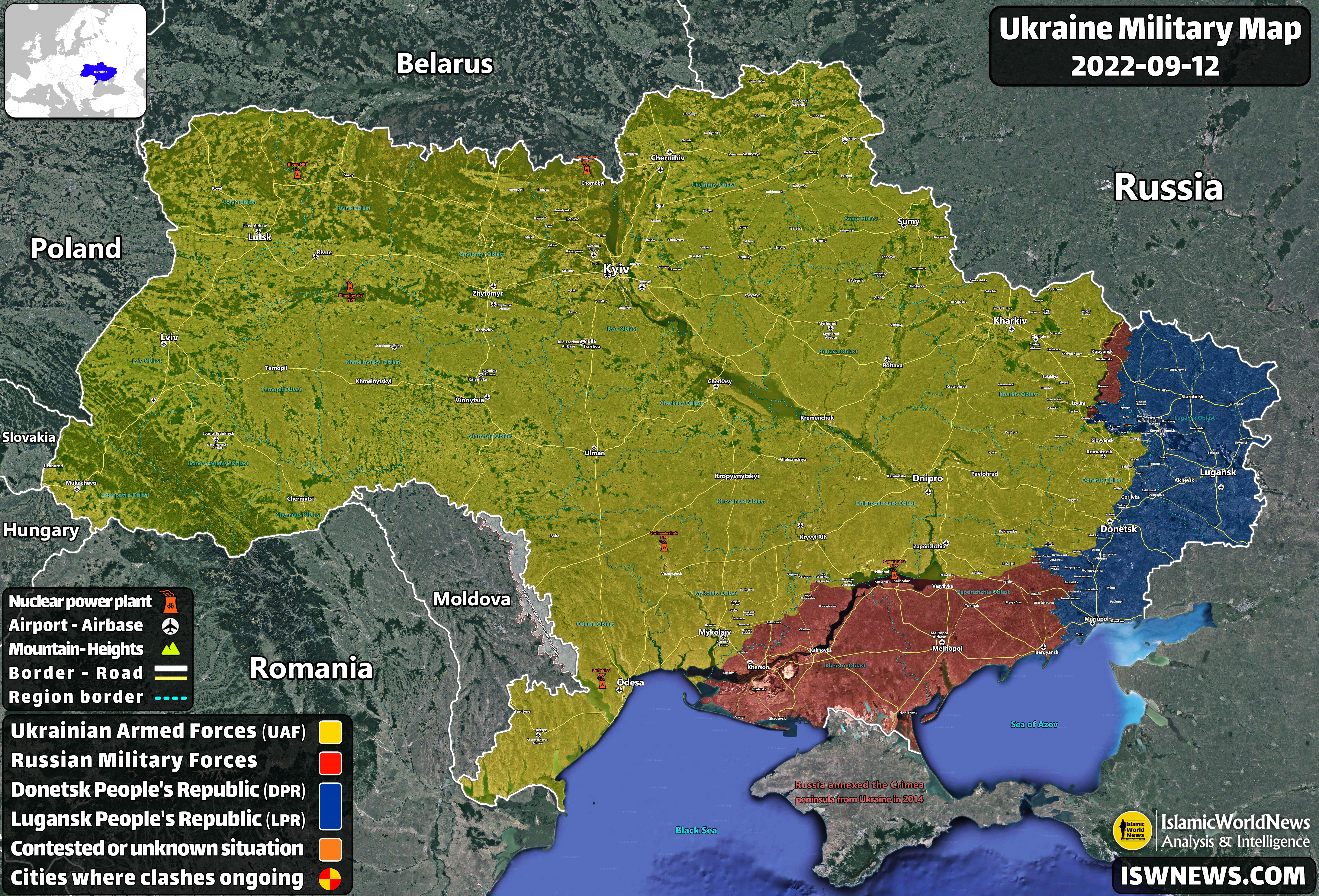
In the last week, the Ukrainian forces, crossing the Siversky Donets river, reached Lyman town from the north and south direction. In south of Lyman, the villages of Staryi Karavan and Brusivka have come under the control of Ukrainian forces. In north of Lyman, the regions of Lozove, Rubtsi, Korovii Iar, Oleksandrivka, and Yarova are under the control of Ukrainian forces.
Currently, heavy clashes continue in south of Lyman and in north in Drobysheve and Novoselivka between Russian and Ukrainian forces. Also, in recent days, Russian forces have repelled the attacks of Ukrainian forces in Karpivka and Ridkodub regions several times.
Due to the fact that the amount of conflicts is higher in the northern front of Lyman, it seems that the Ukrainian forces are trying to encircle the Russian forces from the north side and surround them in Lyman by breaking the defense lines in the mentioned areas.
Also, sporadic clashes continue in the Bilogorivka front. Based on the formation of forces in this area, Bilogorivka is almost not under the control of any of the parties.
Clashes between Russian and Ukrainian forces in other fronts of Donbas continue sporadically, and no specific changes have been made in the field map. The Soledar and South Bakhmut fronts are among the active areas in the last week. The fronts of the city of Donetsk has also remained unchanged in the last week.
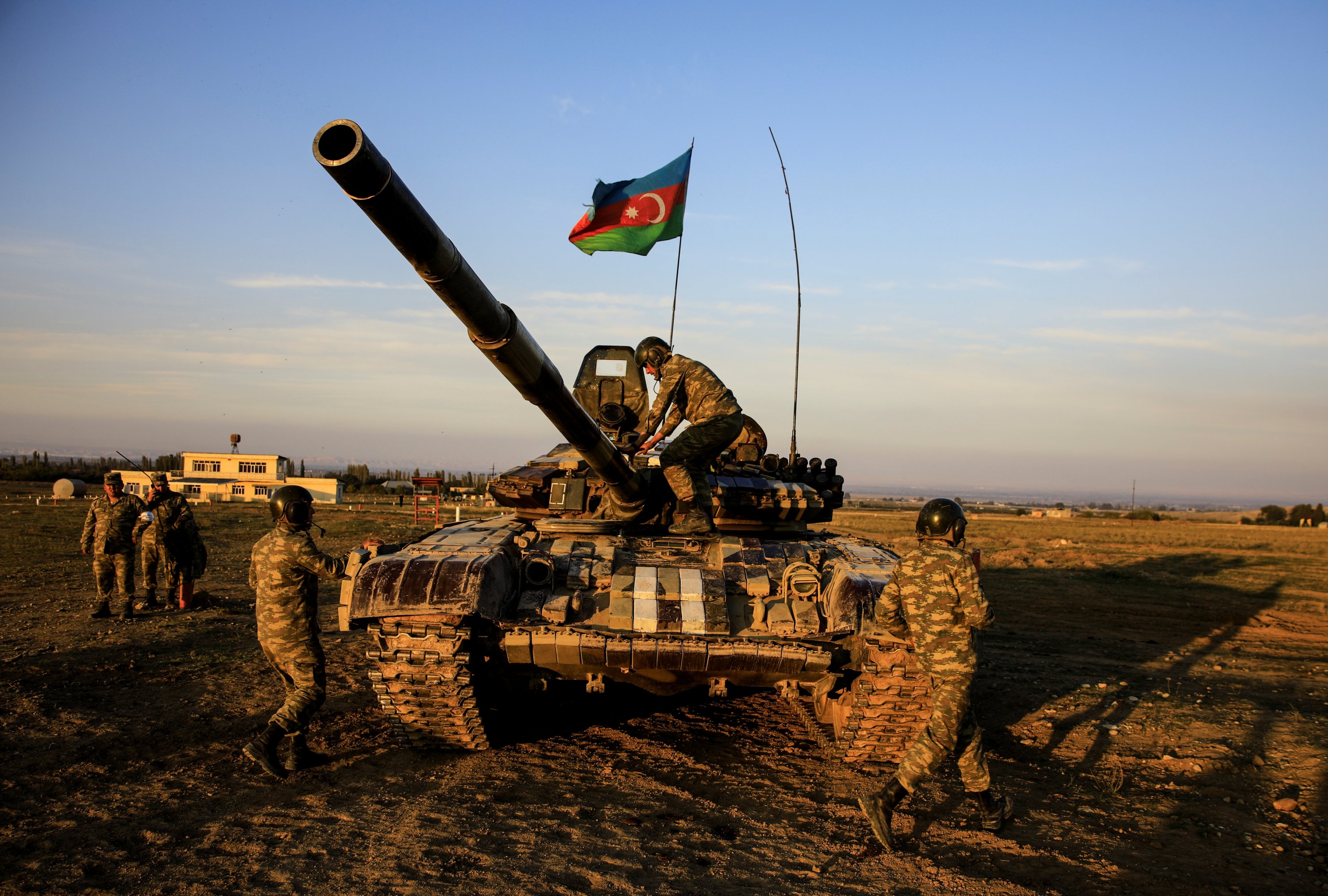
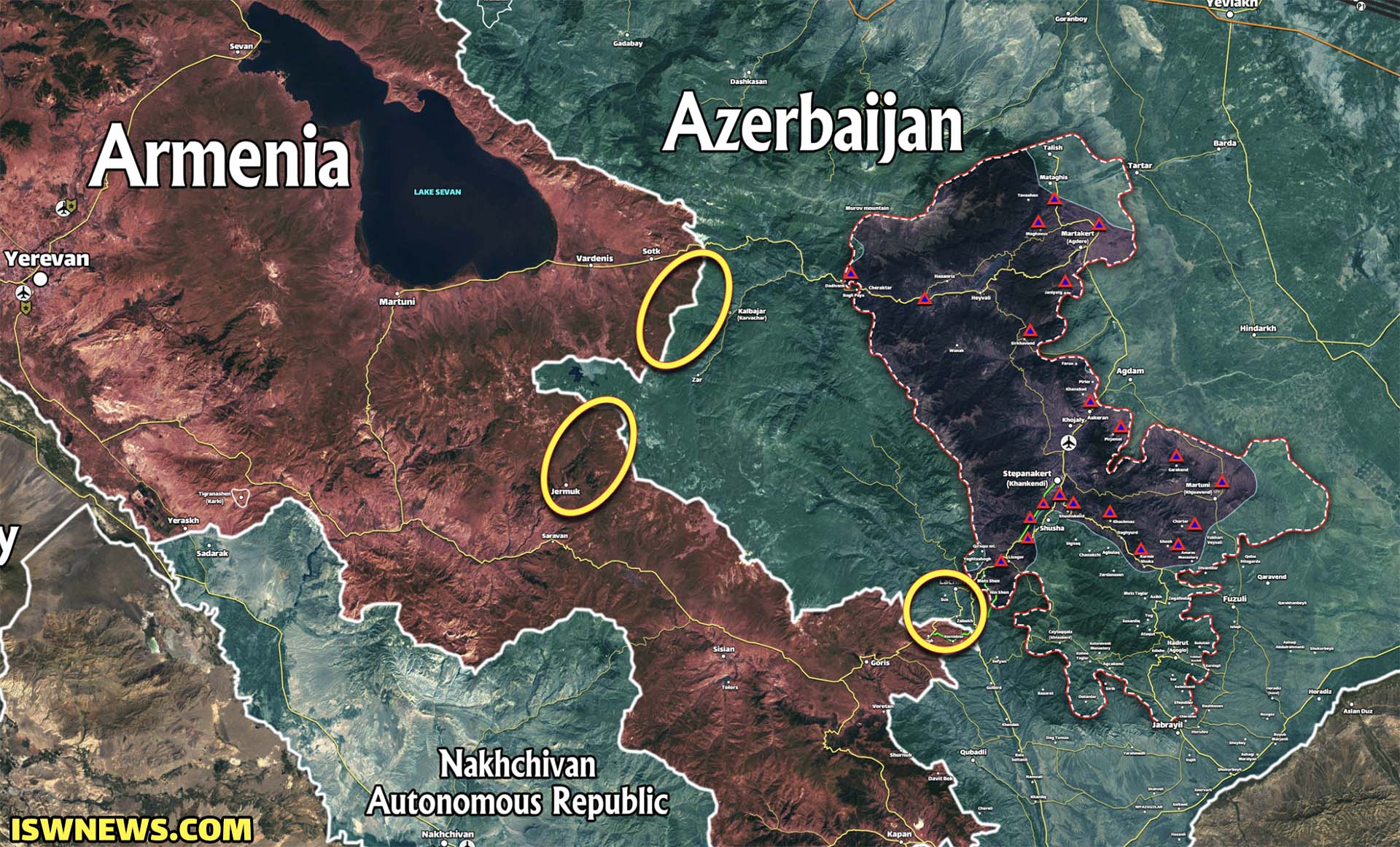
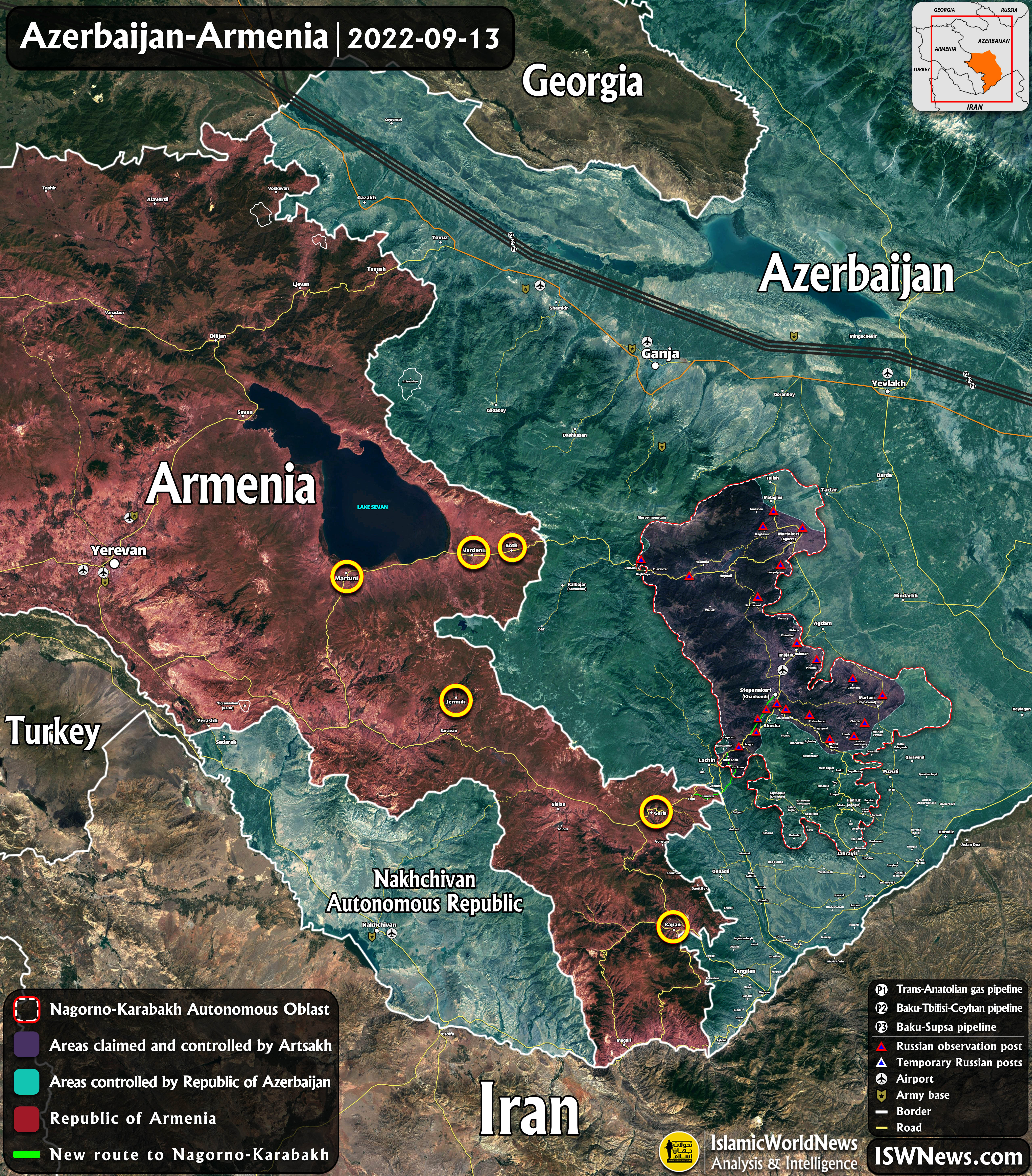
During the border clashes, the Azerbaijani army managed to penetrate deep into defense positions of Armenia by capturing 7 military positions. Edvard Asryan, Chief of the General Staff of the Armenian Armed Forces, during a visit to the Jermuk region, admits that Azerbaijan has advanced and several positions have fallen: “The Azerbaijani army, due to superiority in personnel and firepower, have advanced in an area with a width of 8.5 km and a depth of 7.5 km near Jermuk, which have been stopped by defensive measures.”
Also, the people of Sotk town have quickly evacuated their houses due to the advance of the Azerbaijani army. Residents of Kut and Norabak villages near Sotk have also been displaced.
In the map below you can see the progress of the Azerbaijani army and the occupied areas of Armenian territory in the Jermuk area.
Click to view full size
Allegation of war crimes by Azerbaijan
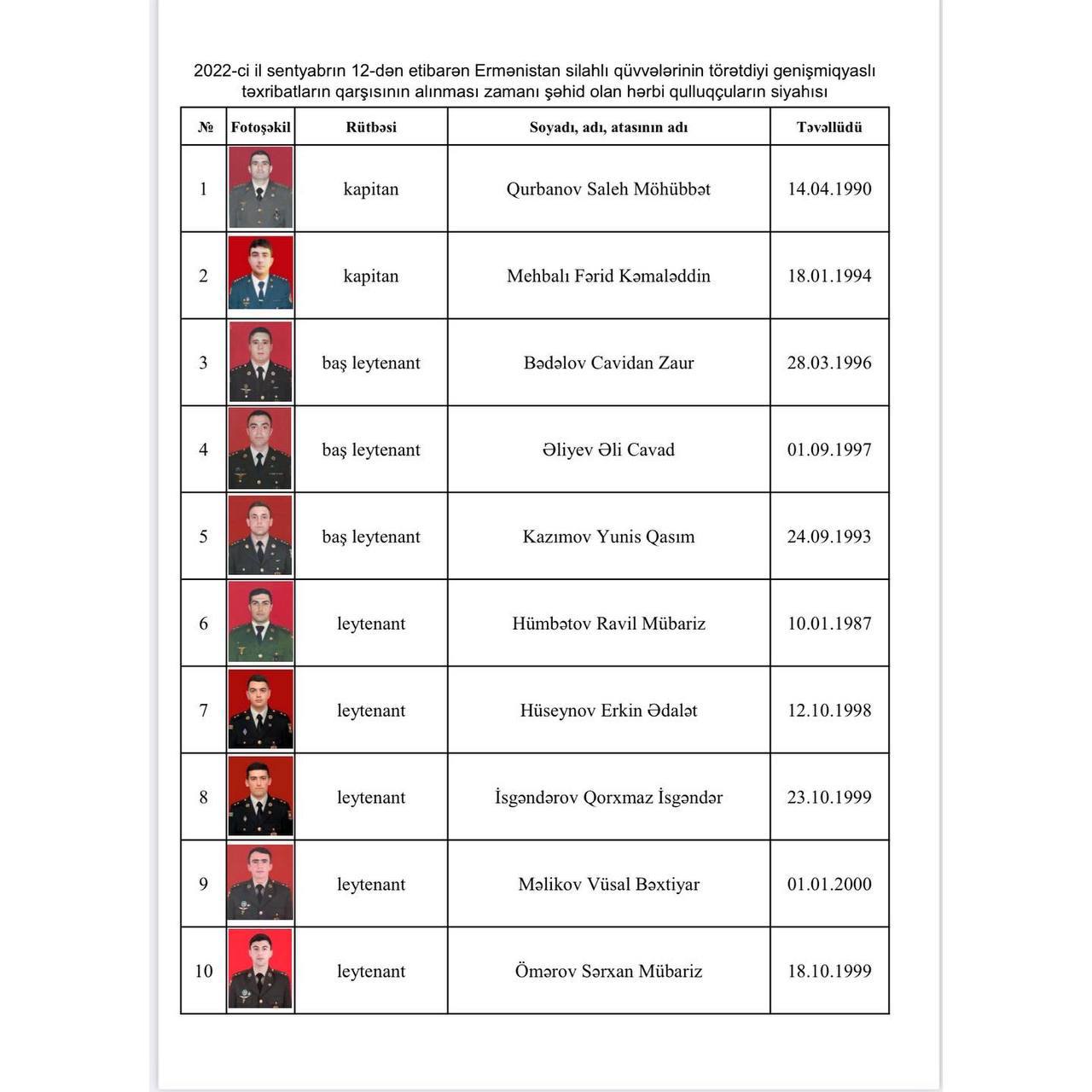
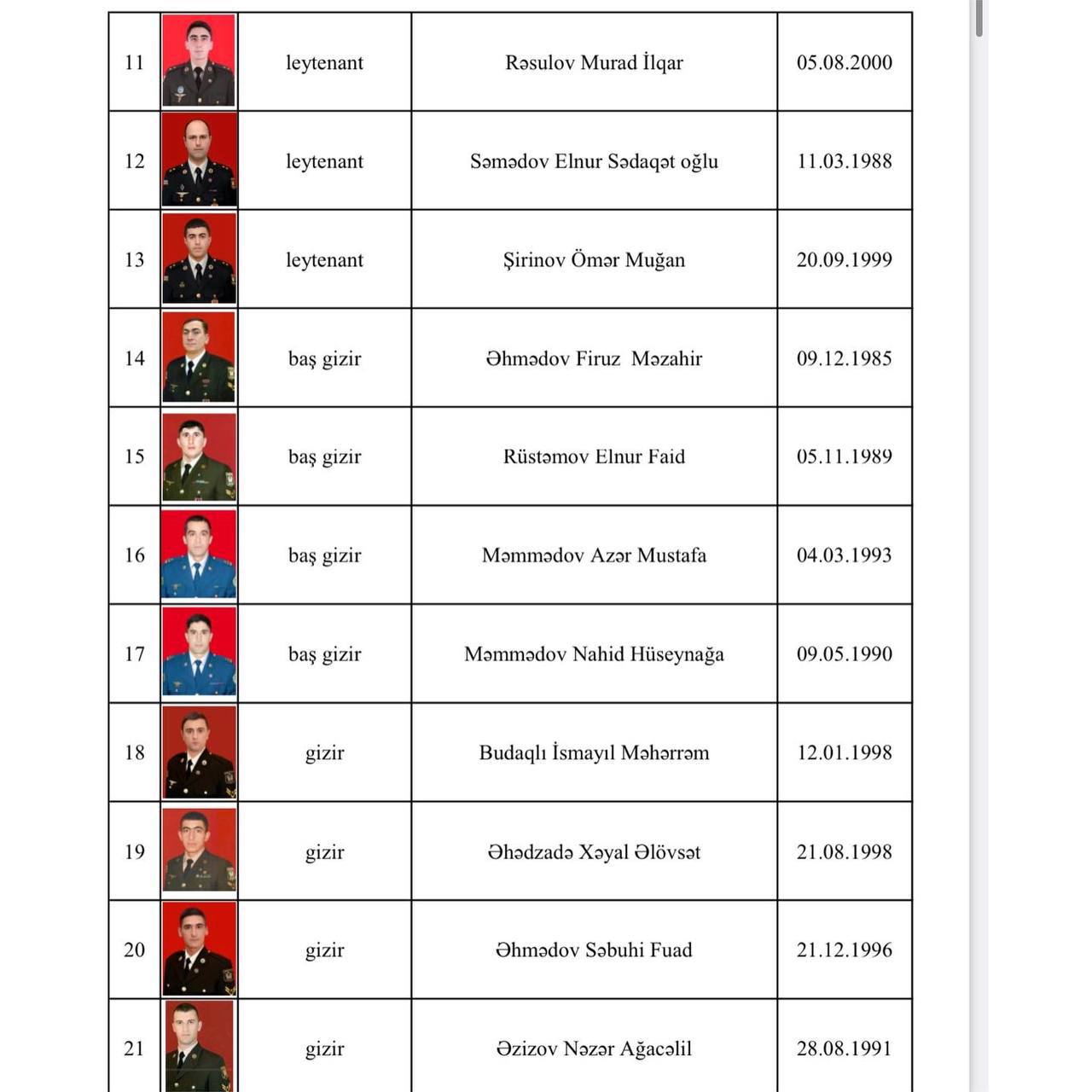
The head of the Joint Chiefs of Staff of Armenia accuses Azerbaijan of war crimes and states: “The heads, arms and legs of Armenian soldiers were separated from the bodies.” However, Azerbaijani media say: “The military court examined the bodies of 32 Armenians and found no signs of torture.” The bodies of 95 other soldiers were also handed over on September 20 through the mediation of Russia.
Armenian sources report the death of 141 soldiers, but the Azerbaijani side has estimated 400 Armenian casualties. Azerbaijan’s state television has also announced the presence of five Armenian soldiers who were captured and will be released soon through the mediation of Russia.
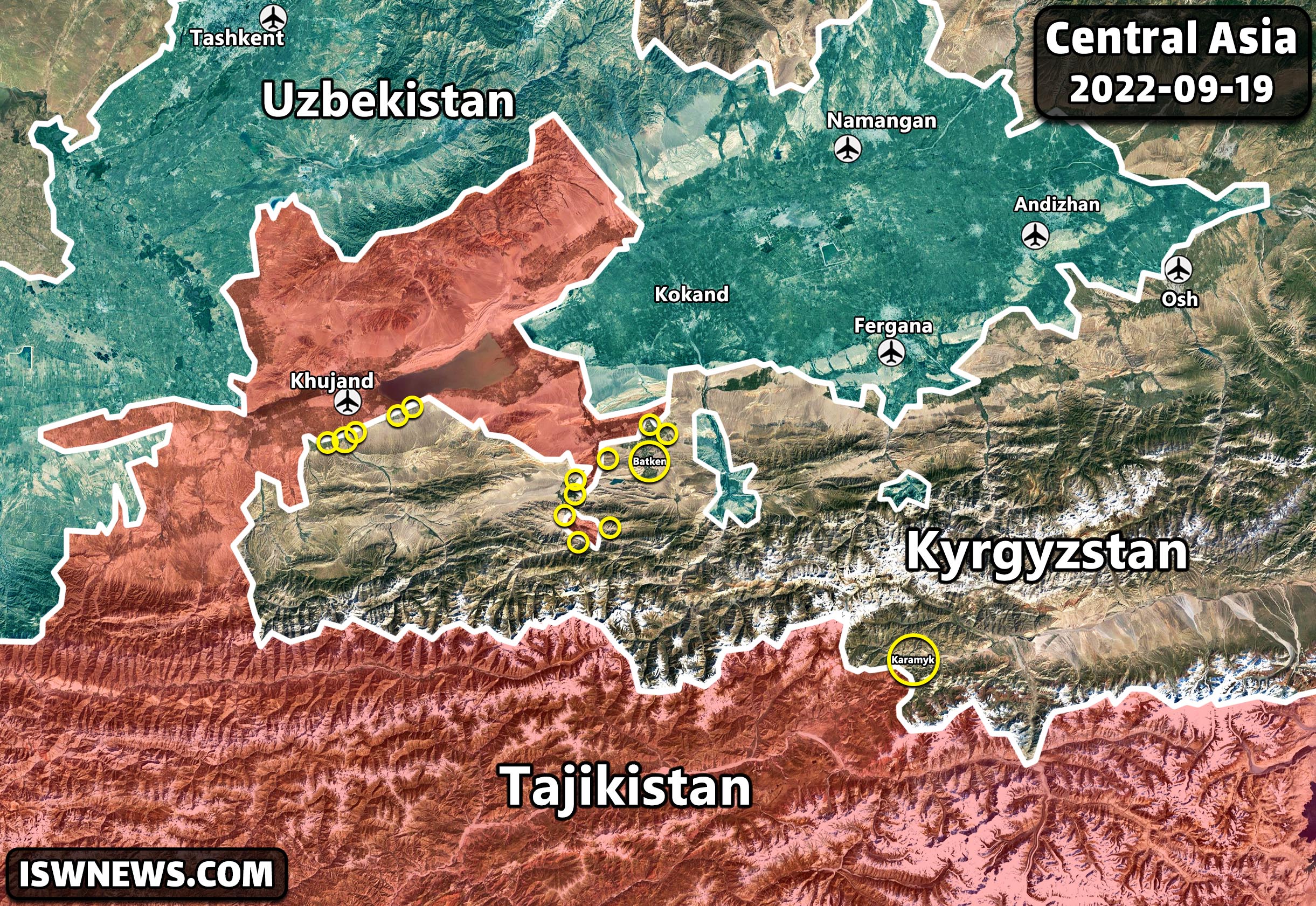
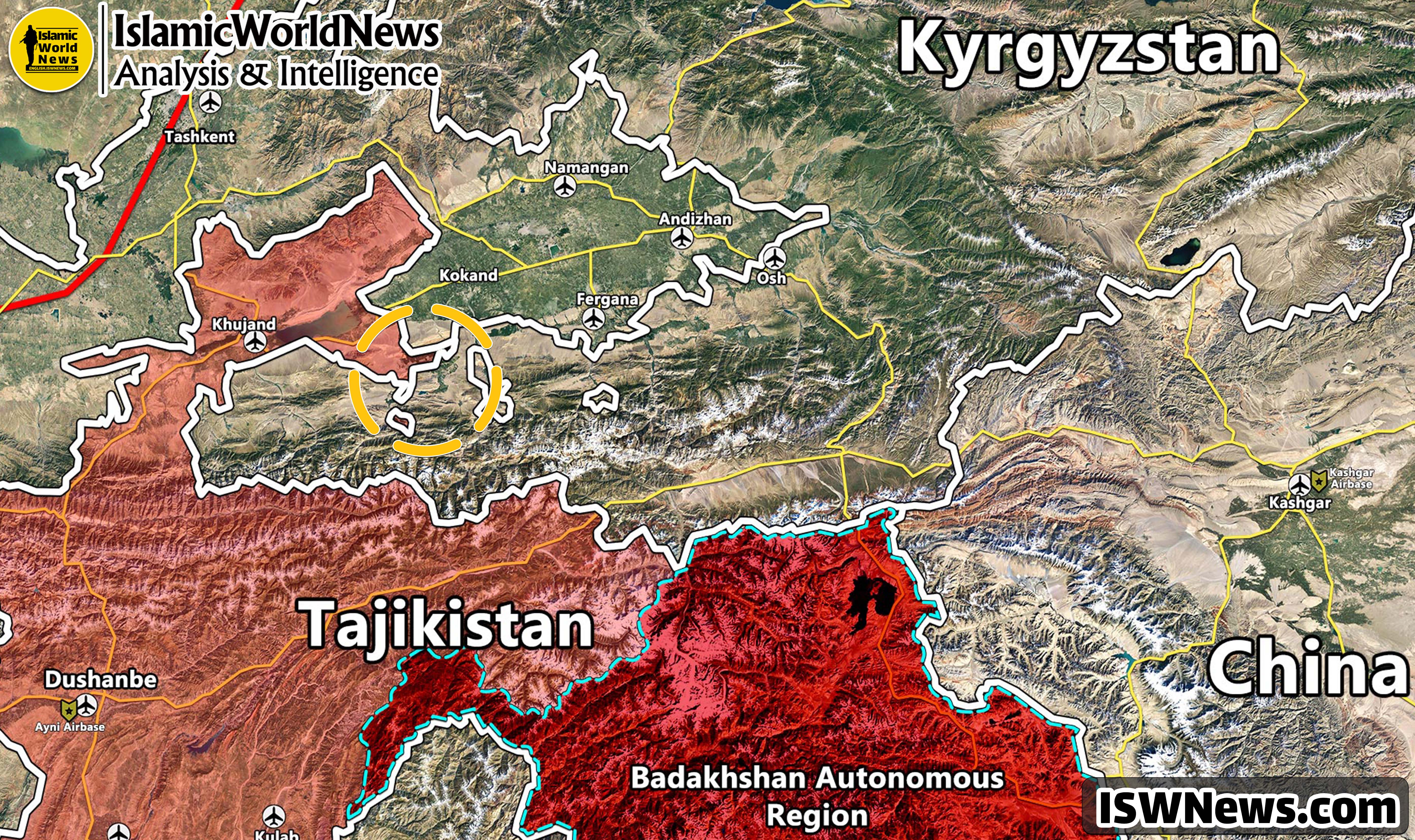
After six days of border conflict between the Kyrgyz and Tajik soldiers, the heads of the security organizations of the two countries finally signed an agreement with the aim of ensuring peace and establishing a ceasefire between the two countries.
During this negotiation, which was held on the territory of Tajikistan, Kamchybek Tashiev, the head of the National Security Organization of Kyrgyzstan, and Saimumin Yatimov, the head of the National Security Organization of Tajikistan, signed an agreement for the withdrawal of the military forces of both sides from each other’s territory, the release of prisoners and the stabilization of the situation.
It should be noted that during the six-day border conflict between Tajikistan and Kyrgyzstan, more than 350 soldiers and civilians were killed and wounded on both sides.
After establishing diplomatic contact between the governments of Tajikistan and Kyrgyzstan on September 16th, the two countries agreed to establish a ceasefire starting at noon of the same day, but this agreement did not last long and the exchange of fire continued. At the same time as the conflict increased, the Tajik army moved BM-21 Grad rocket launchers to the border with Kyrgyzstan and attacked Kyrgyz military positions and Batken Airport several times.
On the other hand, Kyrgyzstan has attacked the equipment and gatherings of the Tajik forces using its unmanned aerial vehicles (Bayraktar TB2). The ground conflict has also led to the destruction of the Ak-Say border bridge and several tanks and armored vehicles from the forces of both sides.
According to the Ministry of Health of Kyrgyzstan, since the beginning of the border conflict with Tajikistan, 59 people have been killed and more than 150 people have been injured. The Kyrgyz government also claims that these conflicts have led to the evacuation and displacement of more than 137,000 civilians. Tajik media also quoted the Ministry of Health of this country as saying that 24 people died and more than 121 people were injured.
Currently, the United Nations, Iran, Russia, US and other foreign countries have called and sent messages to the leaders of the two countries, calling for an end to the conflicts and solving the border disputes through dialogue, but the border conflicts continue regardless of these requests.
Video number 1: Destruction of the Ak-Say bridge by the Tajik armyVideo number 2: The destruction of the T-72 tank of the Kyrgyz army by the forces of the Tajik army
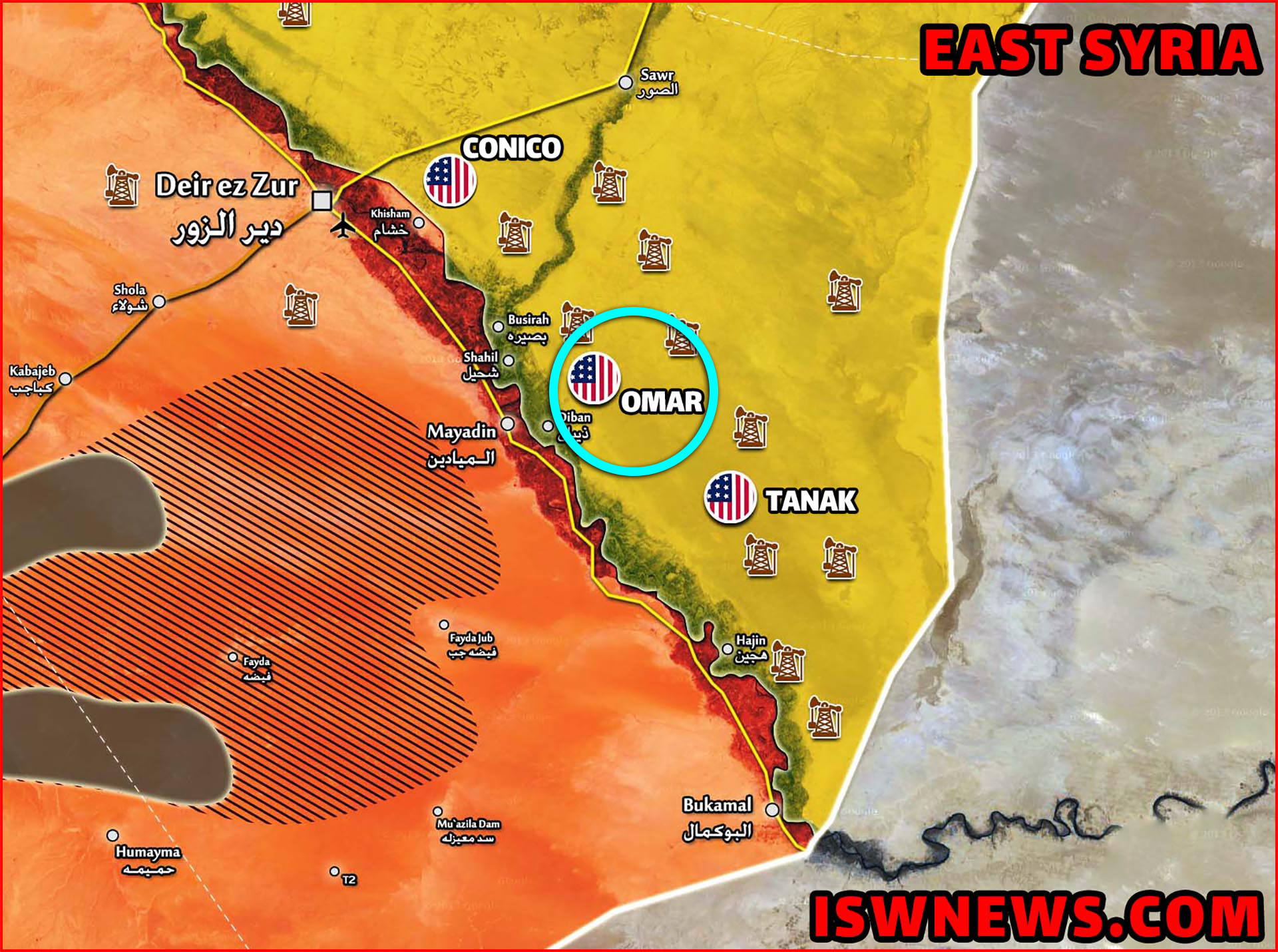
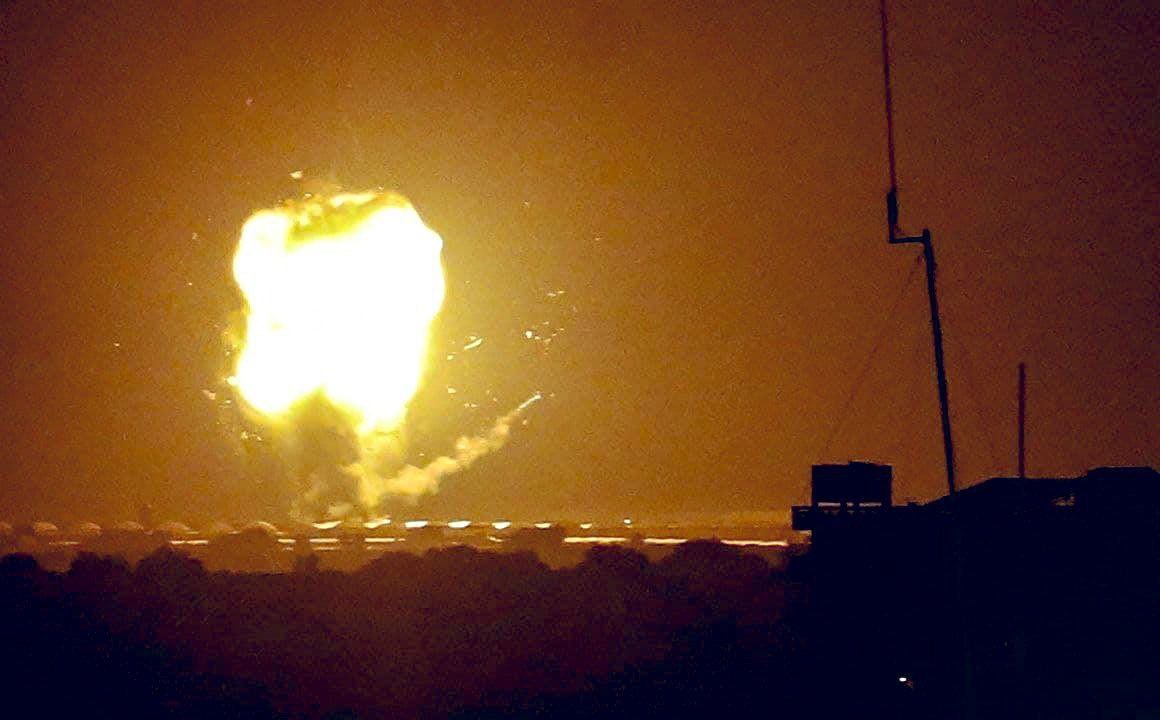
On the 18th of September, positions of the US coalition located in the Omar oil field were targeted by several rockets. So far, no information has been released about the casualties and damages of this attack.
According to ISWNEWS field source, after the rocket attacks, the sound of explosions came from this base and smoke was observed over it.
It is worth mentioning that also on September 3rd, in another attack, positions of the US coalition at the Omar oil field were targeted by three rockets.
According to the a Syrian military source, “at around 00:45 Saturday local time, the Israeli enemy fired a missile from the north-east side of Lake Tiberias, targeting the Damascus International Airport and also places around the city of Damascus. Air defense systems were activated to deal with missiles and intercepted a number of them. This attack resulted in the martyrdom of five Syrian soldiers and material damages.”
More details in this regard have not been published, but it is said that the positions of the Syrian army in the “Al-Kiswah” area, located in the southern suburbs of Damascus, were also one of the targets of this attack.
On the other hand, Nikol Pashinyan, the Prime Minister of Armenia, also announced the number of casualties of this country during the conflict with the Azerbaijan military. According to Pashinyan, at least 135 Armenian soldiers have been killed in recent clashes.
In this regard, in an strange move, the Ministry of Internal Affairs of Azerbaijan forbade the singing of religious slogans at the burial ceremonies of the dead of the recent conflicts and announced that those who violate this order will be prosecuted!
It is worth mentioning that the conflict between the Republic of Azerbaijan and Armenia started in the last hours of September 12th. The cause of these clashes has not been determined precisely, but each side accuses the other of violating the ceasefire.
Following the warning of the Kyrgyz border guards to the Tajik soldiers to leave the disputed area, the border conflict has started on Wednesday, 14 September, near the border station and seven border villages located in Badkand province. These clashes have resulted in the death of two Tajik servicemen and the wounding of three Tajiks and 11 Kyrgyz.
At present, with the establishment of diplomatic contact between the two sides, the conflicts have stopped and the governors of the two border provinces of Sughd (Tajikistan) and Batken (Kyrgyzstan) are scheduled to meet and discuss with each other to resolve the border tension.
The countries of Tajikistan and Kyrgyzstan share more than 970 kilometers of borders with each other, most of which were marked after the collapse of the Soviet Union. The lack of identification of about 30% of the borders of the two countries, which have water resources and vast lands, has led to numerous conflicts between the two countries in recent years. These conflicts are stopped each time with the mediation of Russia and other countries in the region, and resume again due to the failure of the parties negotiations.
Border conflict between Kyrgyz and Tajikistan border guardsBorder conflict between Kyrgyz and Tajikistan border guardsBorder conflict between Kyrgyz and Tajikistan border guards
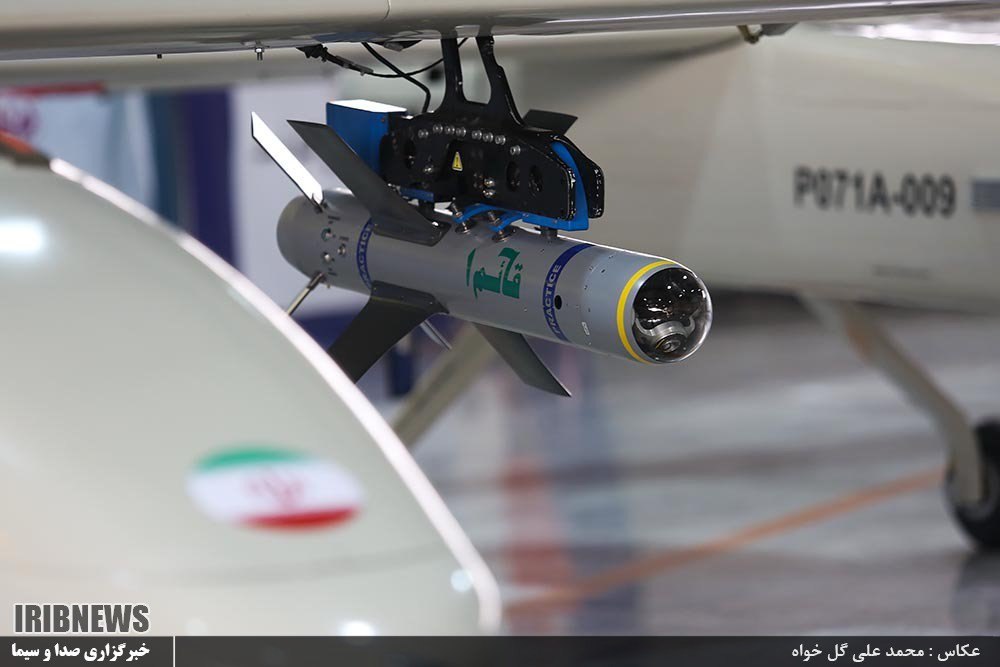
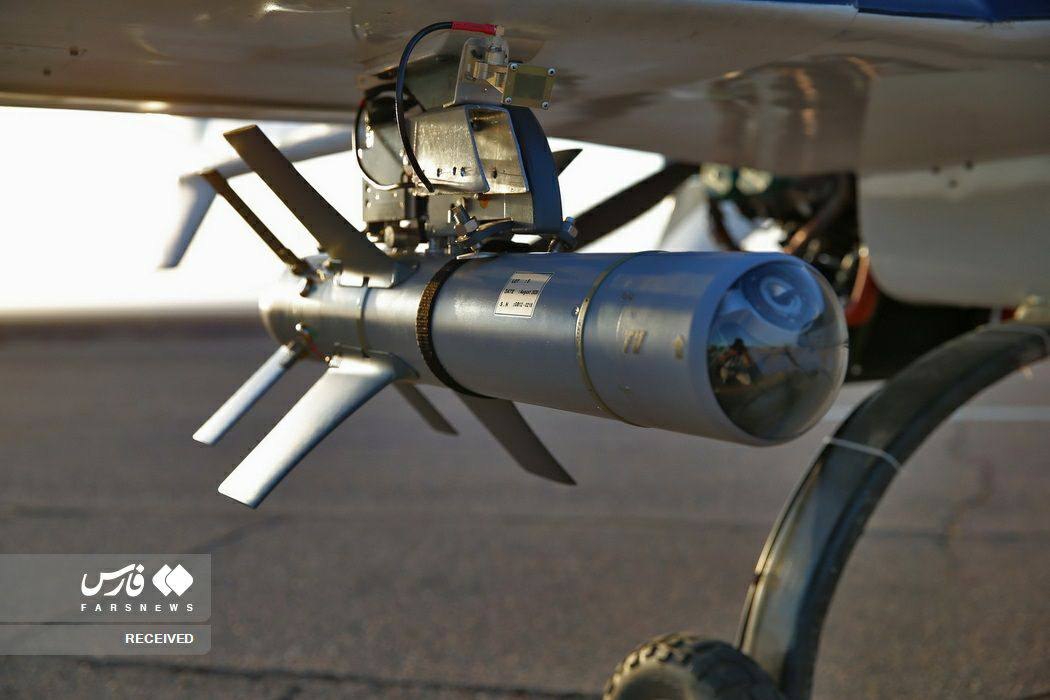
Qaem 1, 5 and 9 bombs were all unveiled during a ceremony in August 6, 2019 in Tehran. According to Amir Hatami, Former Minister of Defense and Armed Forces Logistics of Iran, at the unveiling ceremony of Qaem bombs, this product was jointly produced by the two Organizations of Defense Industries and Iran Electronics Industries. Amir Hatami stated that the minimum operational height of these bombs is 4 to 10 thousand feet (1219 to 3048 meters) and its range is 12 to 40 kilometers, and the ability to install different penetrating and shrapnel warheads with different ranges and various destructive power is also available in these bombs.
It should be noted that the “minimum operational height” of the Qaem bomb means that if we drop the bombs below this height (below 1219 meters), they will not be able to glide and will quickly fall towards the targets.
The speech of the former Minister of Defense, Amir Hatami, regarding Qaem smart bombs and announcing a range of 12 to 40 kilometers for them
But in another place, Brigadier General Shahrokh Shahram, the CEO of Iran Electronics Industries, states that the range of Qaem bombs is 20 to 40 kilometers. Due to the contradiction between the words of Amir Hatami and Shahrokh Shahram, the exact range of these bombs is in an aura of uncertainty. Also, unfortunately, the range of this series of bombs has never been officially announced in any of the military exhibitions. In the rest of the article, we will try to determine the range of each of the bombs of the Qaem series separately.
Brigadier General Shahrokh Shahram, the CEO of Iran’s Electronics Industries, explained about Qaem series bombs and announced a range of 20 to 40 kilometers for them.
Small Diameter Bombs (SDB) are a new type of bombs that have been produced and adopted in the last few years by the military powers like the United States. The U.S. prototypes of this model were heavy bombs and were launched by the fighter jets and from a high altitude. Due to Iran’s need for lighter but practical weapons for its modern drones, Iran was inspired by this type of bombs in making smart bombs, and these efforts finally came to fruition in 2010 with the introduction of the miniature bombs of the Sadid family. Sadid-342 can be considered the first miniature bomb of Iran, which was later developed in the Qaem family.
In the process of producing these bombs, the production of seeker that can be used in all current and future Iranian smart bombs was very important. Therefore, Iran’s Ministry of Defense produced seekers with various guidance methods. Two examples of these seekers named thermal image seekers RU320ST and visible image seekers RU113ST have been displayed, which have been installed and observed on Sadid and Qaem families.
RU320ST image thermal seeker (left side) next to RU113ST visible image seeker (right side)
Although there is no information available about the history and order of production of Qaem bombs, but based on the available data, the category can be considered as follows:
Qaem-5 bomb: The specifications of Qaem bombs have not been officially announced, but at the Baghdad defense exhibition, some specifications of Qaem-1 and Qaem-5 bombs were displayed. According to the specifications announced in this exhibition, the dimensions of the Qaem-5 and the Sadid-342 bomb are very close to each other, but due to use of fixed wings and the increase in the weight of the warhead, its weight has reached 20 kg.
Qaem 5 specs with BS20 branding presented at ARMY 2022Qaem 5 specs with BS20 branding presented at Baghdad defense exhibition
At the time of the unveiling of these bombs, Amir Hatami announced the range of the Qaem family from 12 to 40 kilometers. Looking carefully at the front and rear wings of Qaem-5, we will notice the larger dimensions and aerodynamic shape of the Qaem-5 compared to the Sadid family of bombs. Probably, the range of Qaem-5 is greater than that of Sadid 342 and 345 because it has less weight and more wing area, which will increase the lift and decrease the drag and finally increase its range. Therefore, based on the mentioned facts, Qaem-5 range can be considered 12 km if released from a height of 5 km. Qaem-5 bomb has the possibility of being installed on the fighter jet, and if it is released from a high altitude, a range of up to 20 kilometers can be considered for it.
The middle wings of the Qaem-5 are longer and have a backward and curved shape, which indicates an improvement in the flight characteristics of the wings compared to the Sadid-345.
The seekers used in Qaem 5 are visual/optical (TV), thermal (IR), laser and a combination of optical and laser. The use of all kinds of seekers in Qaem 5 allows operations to be carried out with great accuracy and in all weather conditions.
Optical seeker (TV) for Qaem-9
A variant of the Qaem-5 has also been seen, which has an infrared seeker and a proximity fuse (probably of the laser type), which is remarkable in its own right. The reason for using infrared is probably to reduce the cost of construction; But it will be less accurate. However, the use of a proximity fuse next to the infrared seeker compensates this defect to some extent.
A variant of a Qaem 5 bomb with an infrared seeker and a proximity fuse
Unknown variant of Qaem-5: A variant of Qaem-5 was showcased in the exhibition of the achievements of self-sufficient Jihad of the Iranian Navy in December 14, 2021. The length and width of the wings had increased noticeably. This increases the wing area and ultimately increases the range. And also there is the possibility of increasing the (warhead) weight without increasing the range.
A variant of Qaem- 5 bomb with greater length and wings
This type of Qaem-5 bomb was seen under the wing of Fotros reconnaissance and combat drone in the Iranian Army’s Strategic UAV Base 313, which strengthens the possibility of its operational nature. Therefore, we can expect to see this bomb on other combat drones of the Iranian Armed Forces in the near future. A capability that will significantly increase the offensive power of Iranian drones.
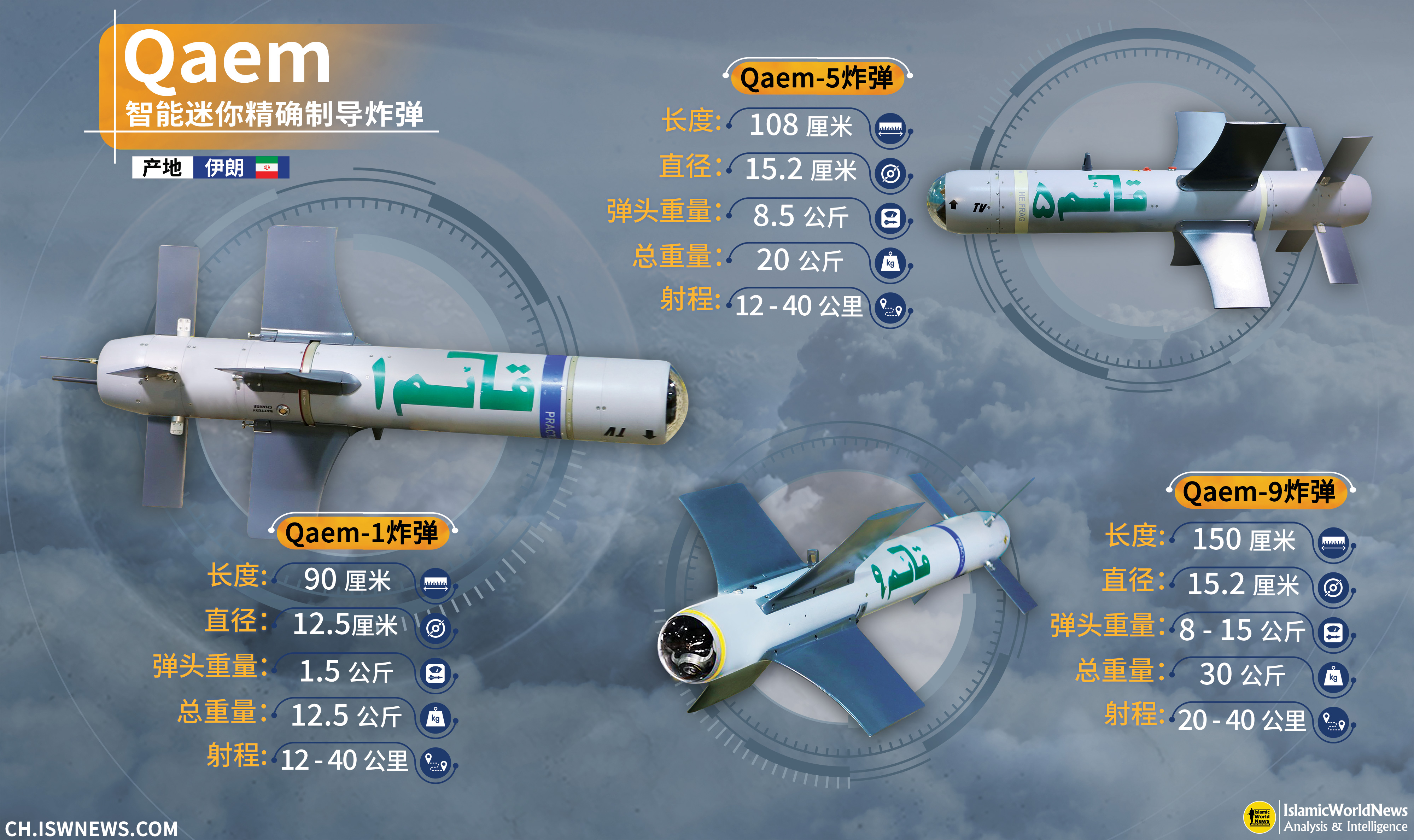
Qaem-5 smart bomb specifications: Length: 108 cm Diameter: 15.2 cm Seeker type: Visible (TV), thermal (IR), laser (L), a combination of optical and laser Type of warhead: Fragmentation Fuse type: programmable and timed Warhead weight: 8.5 kg Total weight of the bomb: 20 kg Range: 12 to 20 km based on the release height (in the unknown variant of Qaem-5, its range can be increased up to 40 km)
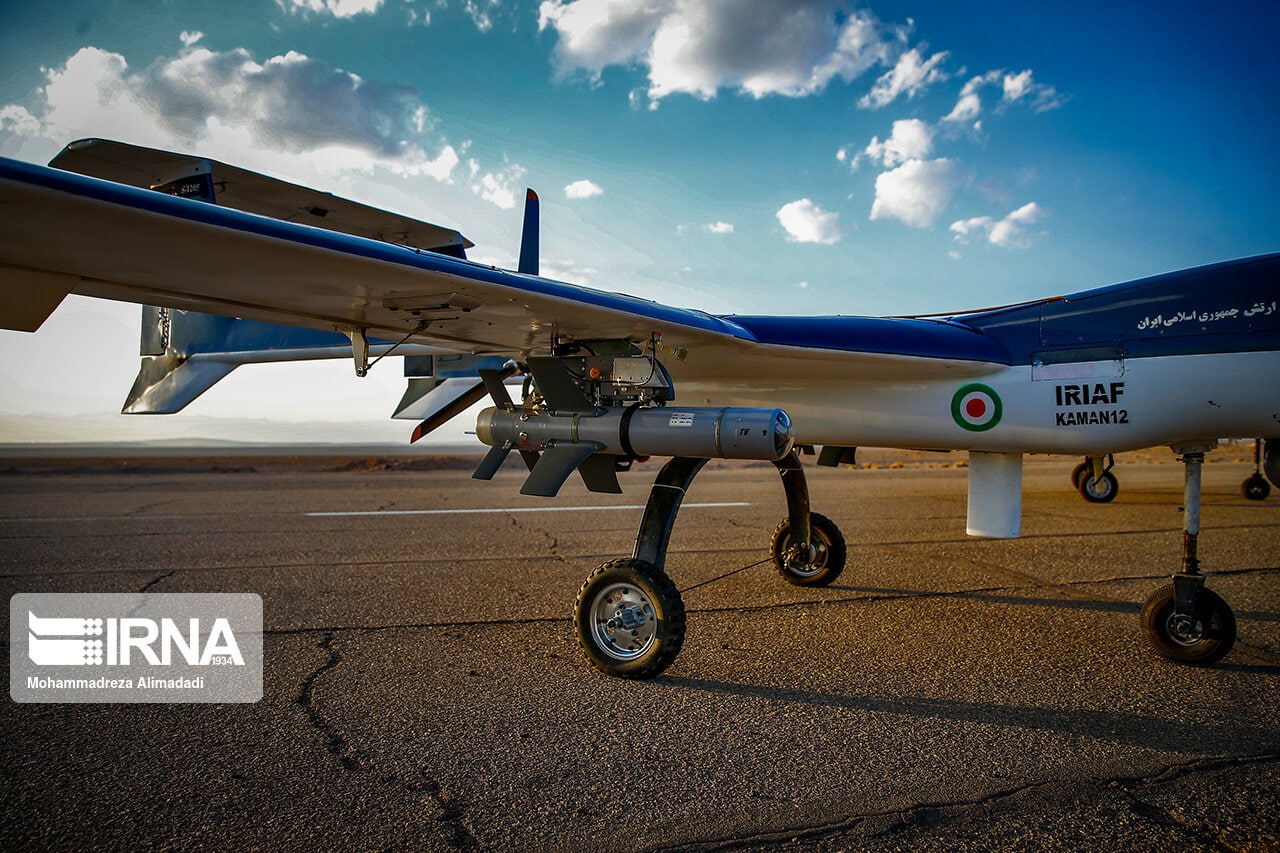
Qaem-1 bomb: The Qaem-1 smart bomb can be considered as the second member of the Qaem bomb family because the Qaem-5 was created along the lines of Sadid’s changes and the Qaem-1 was created due to the need for a light bomb to be carried by light drones. Iran uses a large number of light drones, such as Ababil 3 and 4. Because these drones do not have much power to carry ammunition; The Qaem-1 light and smart bomb can properly perform its duty on Iranian light drones in line with the doctrine of “one shot for each target”.
ARMY 2022 exhibition and Qaem-1 and 5 bombs – the difference between the two bombs and the style and miniaturization of Qaem-1 is clear.
The specifications of Qaem-1 bomb have also been displayed in the Baghdad defense exhibition under the brand name BS12.5 The weight of this bomb is 12.5 kg, its length is 90 cm and its diameter is 12.5 cm.
Qaem-1 specification with BS12.5 brand
Qaem-1 also uses visual or optical (TV), thermal (IR), laser, a combination of optical and laser seekers. But Qaem-1, in the warhead type, has been introduced with more variety. So far, warheads with fragmentation, incendiary, direct impact (kinetic energy) have been introduced for this bomb. Of course, it is important to mention that it is possible to use these warheads for the entire Qaem family. A programmable and timed fuse allows the bomb to detonate at a certain distance from the ground or at a specific height, increasing the effect of the warhead on targets. The total weight of Qaem-1 bomb is 12.5 kg and its warhead is 1.5 kg. The range of this bomb has not been announced like other members of the Qaem family. Qaem-1 with its light weight and small diameter and wings that are exactly similar to Qaem-5 can have a significant range. The Qaem-1 appears to have a slightly higher wing-to-body ratio than the Qaem-5. But it will probably have a range equivalent to Qaem-5, i.e. 12 km if released from a height of 5 km and a range of 20 km if released from a high altitude. The minimum release height for this bomb is 4,000 feet or 1,219 meters.
Qaem-1 bomb
Specifications of Qaiem-1 smart bomb with BS12.5 brand: Length: 90 cm Diameter: 12.5 cm Seeker type: Visible (TV), thermal (IR), laser (L), a combination of optical and laser Warhead type: fragmentation, incendiary, direct impact (kinetic energy) Fuse type: programmable and timed Warhead weight: 1.5 kg Total weight of the bomb: 12.5 kg Range: 12 to 40 km
Qaem-9 bomb: Qaem series bombs have been widely seen on all kinds of Iranian drones, but so far no pictures of Qaem-9 bomb installation have been seen. The Qaem-9 bomb has not been exhibited and very few pictures are available. According to the statements of the former Minister of Defense of Iran at the time of the unveiling of the Qaem bombs that these bombs can be used on drones and fighter jets and since the Qaem-9 bomb has not been seen on drones, we can have the impression that Qaem-9 is specially developed for fighter jets. Of course, it should be noted that it is definitely possible to install Qaem-9 bombs on drones. Although the dimensions of Qaem-9 are not available, it obviously uses the same diameter as Qaem-5, i.e. 152 mm. Considering that the wing location in this model has changed and its length and weight have also undergone changes, the center of gravity of Qaem-9 has definitely changed compared to Qaem-5. By examining the available images, a significant increase in the length of the bomb can be seen. According to the investigations, the length of this bomb should be around 150 cm. Also, in this bomb, it is possible to use all kinds of warheads and seekers used in Qaeim 1 and 5. Next is to determine the weight of the bomb. For this purpose, due to the increase in the length of the Qaem-9 bomb and based on the Qaem-5 bomb, we increase the weight of the Qaem-5 bomb by approximately 50% and consider the weight of 30 kg for the Qaem-9. Considering the dimensions of the Qaem-9 bomb, this bomb is a very favorable option for using a thermobaric warhead. Because this type of warhead has more weight and requires more space. Regarding the range, we return to the words of Amir Hatami and Brig. Gen. Shahram. The dimensions and length of the front and rear wings have been increased for the Qaem-9, which improves its aerodynamic characteristics and increases its range. The range of this bomb can be estimated to be 20 km if released from a height of 5 km and 40 km if released from a fighter, i.e. a height of more than 8 km. It is also worth noting that Qaem-9 bombs cannot be dropped from a height of less than 3 kilometers.
Qaem-9 bomb
Possible specifications of Qaem-9 smart bomb: Length: 150 cm Diameter: 15.2 cm Seeker type: Visible (TV), thermal (IR), laser (L), a combination of optical and laser Warhead type: fragmentation, incendiary, direct impact (kinetic energy) and thermobaric Fuse type: programmable and timed Warhead weight: 8 to 15 kg Total weight of the bomb: 30 kg Range: 20 to 40 kilometers based on release height
Unknown variant of Qaem family: A variant of Qaem smart bomb was displayed in the exhibition of achievements of the self-sufficient jihad organization of the Iranian Navy in December 14, 2021, which has much larger dimensions than other members of Qaem family. It seems that the diameter of this bomb is the same as other bombs, but its length has increased. The dimensions of the wings have also increased significantly. Definitely, this unknown bomb has more weight and range, but no accurate information can be obtained from it. This bomb may be designed to be dropped from large drones or fighter jets. It is also possible that this bomb was chosen instead of Qaem-9 due to its similarity with the main structure of the Qaem-5 bomb, which has the highest production rate in the Qaim family, and has the same specifications. This issue can be due to reducing the costs of bomb production and preventing the creation of new infrastructure in the new production chain. With no change in the diameter of the bomb, all the seekers used in Qaem-5 can be used on this variant as well.
An unidentified bomb with larger dimensions but a similar pattern to Qaem-5
Possible specifications of the unknown variant of Qaem bombs family: Length: 150 cm Diameter: 15.2 cm Seeker type: Visible (TV), thermal (IR), laser (L), a combination of optical and laser Warhead type: fragmentation, incendiary, direct impact (kinetic energy) and thermobaric Fuse type: programmable and timed Warhead weight: 8 to 15 kg Total weight of the bomb: 30 kg Range: 20 to 40 kilometers based on release height
Qaem free fall bomb or laziness in installing wings?! A wingless bomb has been seen in footage released about the Mojaher-6 drone in Ethiopia, which is close in size to the Qaem-5. The lack of wings makes this bomb unguided and similar to a free-fall bomb. Considering the absence of any tracking system in the front part of the bomb, there is a possibility that this bomb was made according to Ethiopia’s needs in a way to be cheap so that it can be widely used. Another possibility is that the bomb seen in the picture is one of the three bombs of the Qaem family, and it was mounted on Mohajer-6 without wings and for promotional photography. In the meantime, due to haste or any other issue, guidance wings have not been installed on these bombs.
The Azerbaijani army has published a statement and accused Armenia of violating the ceasefire in the Kalbajar and Lachin axes and has again used this issue as a pretext for artillery and airstrikes on Armenian positions. The Armenian Ministry of Defense also confirmed the attacks of Azerbaijan and announced that the Azerbaijani army has again used drones to target Armenia in Jermuk region.
Tensions continue in Karabakh and the borders of the two countries while Russia announced the beginning of a ceasefire between Azerbaijan and Armenia yesterday. However, it seems that Russia’s measures to reduce tensions are useless and the parties involved, especially Azerbaijan, do not adhere to the ceasefire.
Therefore, Russian President Vladimir Putin has announced to the CSTO (Collective Security Treaty Organization) that Russia will take further steps to reduce tensions on the borders of Azerbaijan and Armenia. The special envoy of Russia, Igor Khovaev, will also travel to Baku and Yerevan to meet the officials of the two countries.
The government of Baku is still seeking for the creation of a corridor known as the Zangezur Corridor to connect the main land of the Republic of Azerbaijan to Nakhchivan, and in the meantime, any tension in the Karabakh region and the borders of the two countries is used as a pretext for launching attacks and intensifying tensions and conflicts in this region, so that if the situation becomes acute, it can use this issue to carry out a final and big operation to achieve its goal.
According to the available information, from last night until this morning, the artillery of the Azerbaijani army has bombarded the areas of Sotk, Jermuk, Vardenis and Goris. It is also said that the Azerbaijani army attacked a target in the city of Martuni inside the territory of Armenia using a suicide drone.
There are also news about the entry of the Azerbaijani army into the territory of Armenia, which is not true and cannot be confirmed.
Last night, the Azerbaijani media reported the violation of ceasefire by Armenia on the border lines between the two countries and the Karabakh region. Following this news, some Azerbaijani social networks announced the implementation of the construction of the new Zangzor corridor from Nakhchivan and the sending of 12 military cargo planes full of equipment from Turkey to the Azerbaijani armed forces.
In a statement, the Ministry of Defense of the Republic of Azerbaijan announced the destruction of an Armenian military unit, a radar station and two S300 anti-aircraft missile systems.
On the other hand, Armenia accuses the Azerbaijani army of violating the ceasefire. Armenia has announced that the drones of the Azerbaijani army attacked the Zangzor military unit in Armenia. Armenian Prime Minister Nikol Pashinyan said that at least 49 Armenians were killed in the conflict with Azerbaijan.
Azerbaijan fired Katyusha rockets against Armenia
Armenian media reports the evacuation of a number of villages in Kapan and Goris regions. According to the information of the media of both sides, the Azerbaijani army and the Armenian army have mobilized their forces on the border lines and there is a possibility of more battles.
In this regard, the Armenian government has announced that Nikol Pashinyan, the Prime Minister of this country, has announced the details of last night’s clashes with the Republic of Azerbaijan to Russian President Vladimir Putin over the phone.
Although the Ministry of Defense of Russia announced the beginning of the ceasefire between Armenia and Azerbaijan at 9:00 am today, tensions in Karabakh are still high. France has asked the UN Security Council for an urgent meeting regarding the tension on the border between Azerbaijan and Armenia.
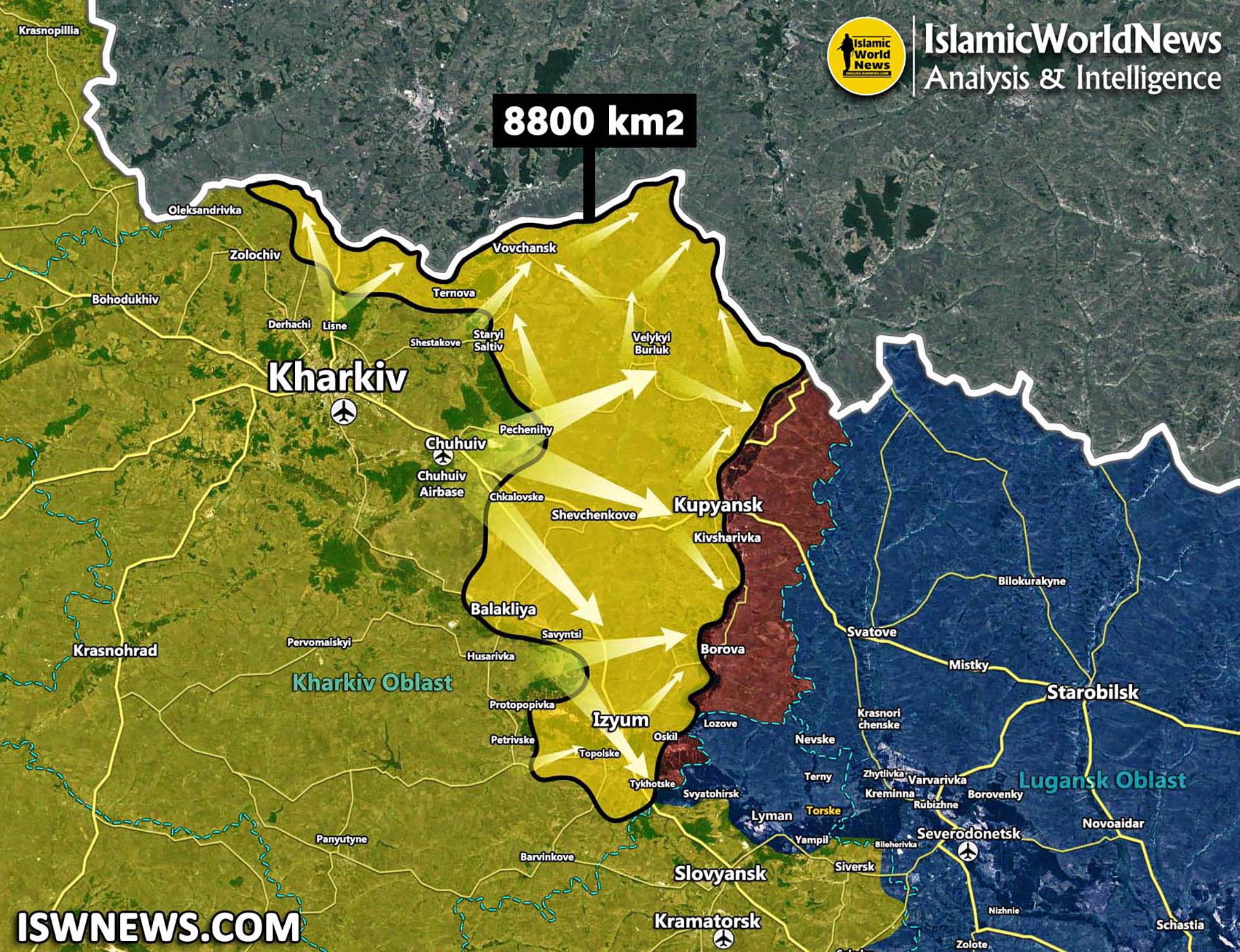
The Russian army completely withdrew from the northern and northeastern regions of Kharkiv oblast, and the Ukrainian army took control of these regions. As predicted, the Russian forces in the north of Kharkiv retreated to the international borders, and in the east of Kharkiv, the forces went behind the Oskil river, and the eastern areas of the Oskil river are the only areas of Kharkiv oblast that are currently under the control of Russian forces.
In this way and with the retreats, about 8800 square kilometers of Kharkiv oblast came back under the control of the Ukrainian government.
It is noteworthy to mention that during the withdrawal of the Russian army from these areas, many Russian descent people of these areas also fled to Russia for fear of genocide, being persecuted, etc.