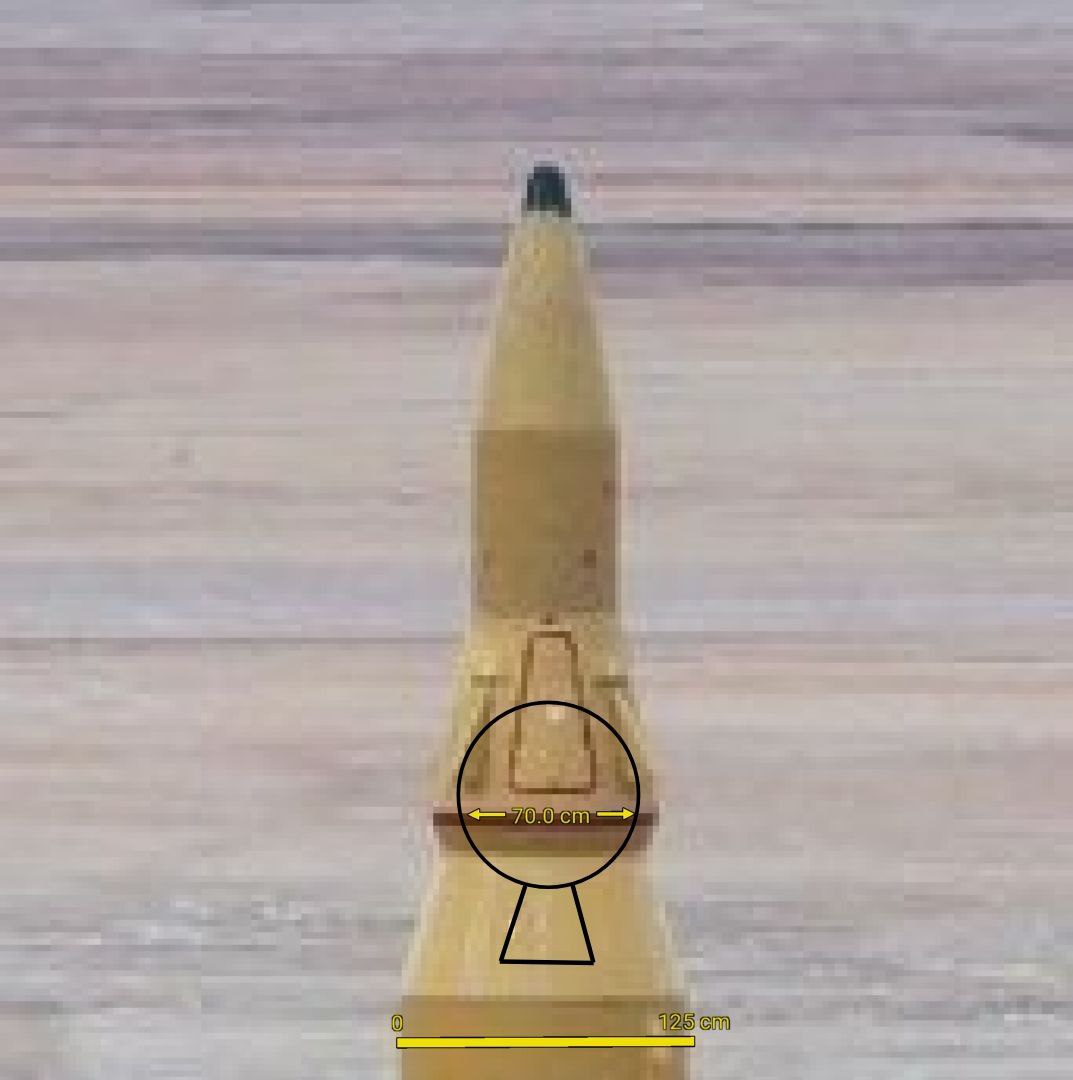
After the release of images of the third stage engine of the Qaseed satellite carrier, interesting points can be obtained from this engine. First, we start with the dimensional estimation of this engine, which was determined with the help of calculations based on the single-point perspective of the image, the diameter of the cylinder holding the satellite was determined, and then by placing the diameter of the cylinder as a base in an image from the front view, the diameter of the spherical body of the engine was calculated, which is about 700 mm.
Interestingly, these dimensions match up well with the newly unveiled exo-atmospheric trajectory maneuvering warhead of Qadr medium-range ballistic missile that we reviewed a while back.
Since this engine has a carbon fiber composite body like the Salman and Rafe engines and most likely has a thrust vector control mechanism with the help of a flexible nozzle, the engine body is designed spherical. Spherical bodies in pressure tanks have the lowest mass at the same pressure compared to other geometries, and the purpose of spherical design is to reduce the dead weight of the satellite carrier.
As mentioned, the dimensions of this engine are quite suitable for placement in the exo-atmospheric maneuvering warhead, and since it is common for the IRGC Aerospace Force to use the same modules and parts in order to reduce costs in different missile systems, it is likely that the third stage engine of the Qased satellite carrier is used in this warhead.
It is even predicted that an exo-atmospheric anti-missile defense missile is under development using Raafe, Salman and Qased third stage engines along with third stage gas thrusters. This achievement can provide Iran with exoatmospheric anti-ballistic missile or anti-satellite weapon technology, and for the first time, the Islamic Republic will have a defense umbrella against intercontinental nuclear weapons.
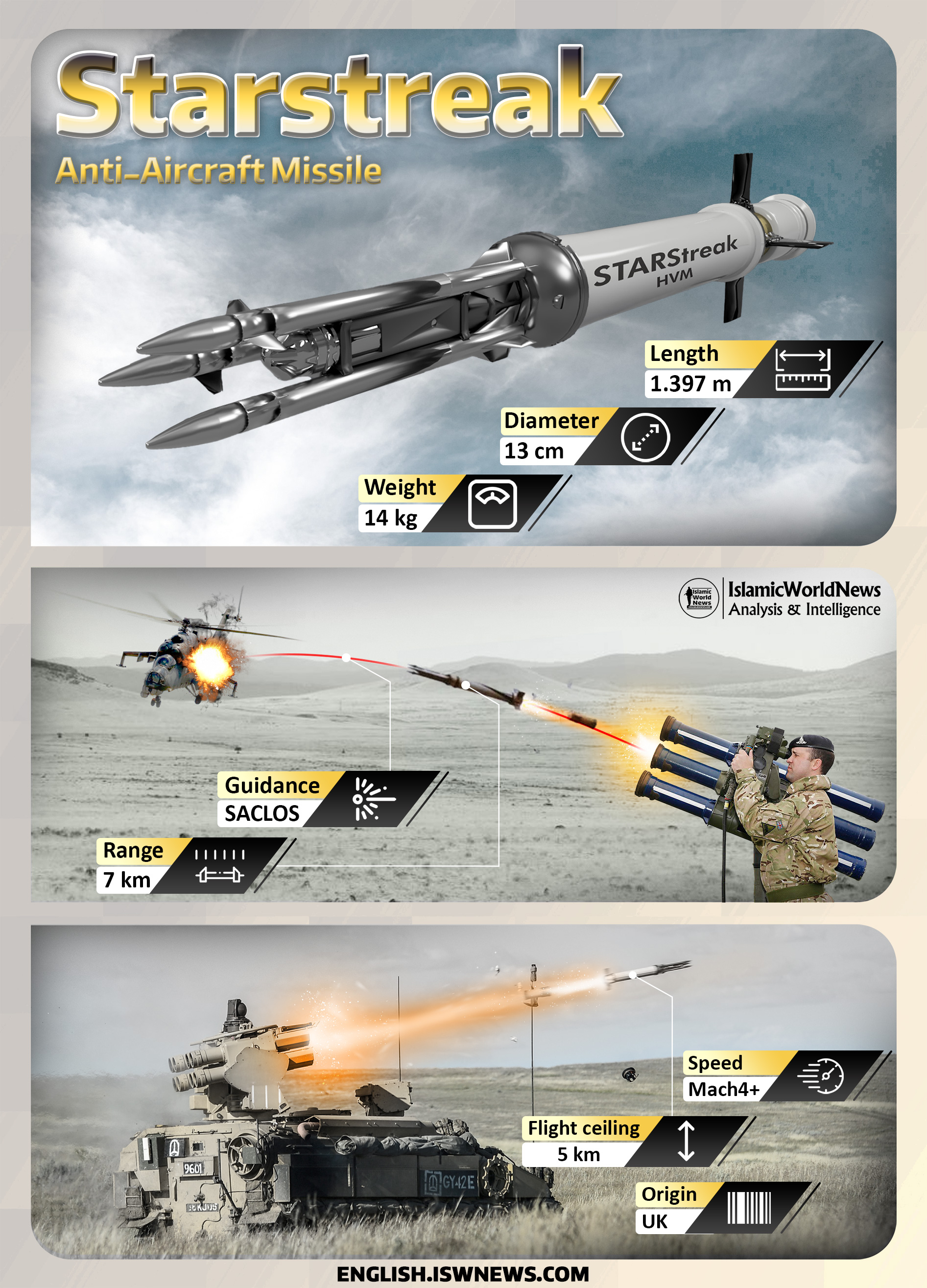
After STARStreak missile launch, the missile accelerates to more than Mach 4, making it the fastest short-range surface-to-air missile in existence. It then launches three laser beam-riding submunitions, increasing the likelihood of a successful hit on the target. The darts are guided to the target at a maximum distance of 1.5 meters from each other.
Starstreak has been in service with the British Army since 1997 And in 2012 Thales relaunched the system as ForceSHIELD.
The warhead of this missile consists of three darts. Each dart or submunition has 450 grams of PBX-98 explosive and the total weight of the darts is 900 grams. Each dart is 396 mm long and 22 mm in diameter. Each dart consists of a rotating fore-body, with two canard fins, attached to a non-rotating rear assembly with four fins. The rear assembly of each dart also houses the guidance electronics including a rearwards facing sensor.
The submunitions on this missile is made from a tungsten alloy; Because tungsten has a density about three times that of steel, which increases its kinetic energy and range and height, and the impact of its fragments on the body of the target aircraft is greater. The reason why tungsten fragments are most effective is the high hardness of tungsten-based alloys, which is very suitable for penetrating the aircraft body.
Delayed impact mechanism is used in darts. On impact with the target a delayed-action fuse is triggered, allowing the projectile to penetrate the target before the explosive warhead detonates. This activation mechanism is designed to fragment and maximise damage inside the target.
STARStreak air defense missile performance
The first stage rocket motor has a very short burning time; this launches the missile from the tube but burns out before leaving the tube to protect the operator. This is to prevent damage to the operator due to the high speed and temperature of the exhaust gases. Four metres away from the operator, when the missile is at a safe distance, the second stage motor fires. This rapidly accelerates the missile to a burn-out velocity exceeding Mach 4. As the second stage burns out, three dart sub-munitions are released. The three sub-munitions have enough kinetic energy to manoeuvre to meet a target evading at 9 g at 7,000 metres.
In the new versions of this missile, the maximum effective firing range has been increased to more than 7 km and the maximum operating ceiling to 5 km.
Variants of STARStreak missile: ATASK (Air To Air Starstreak) Variant: This type is made for shooting from a helicopter. This was developed in combination with McDonnell-Douglas and Lockheed-Martin electronics between 1995 and 1998 specifically for use with the AH-64 Apache. However, this type of missile has not yet entered service.
ATASK (Air To Air Starstreak) Variant
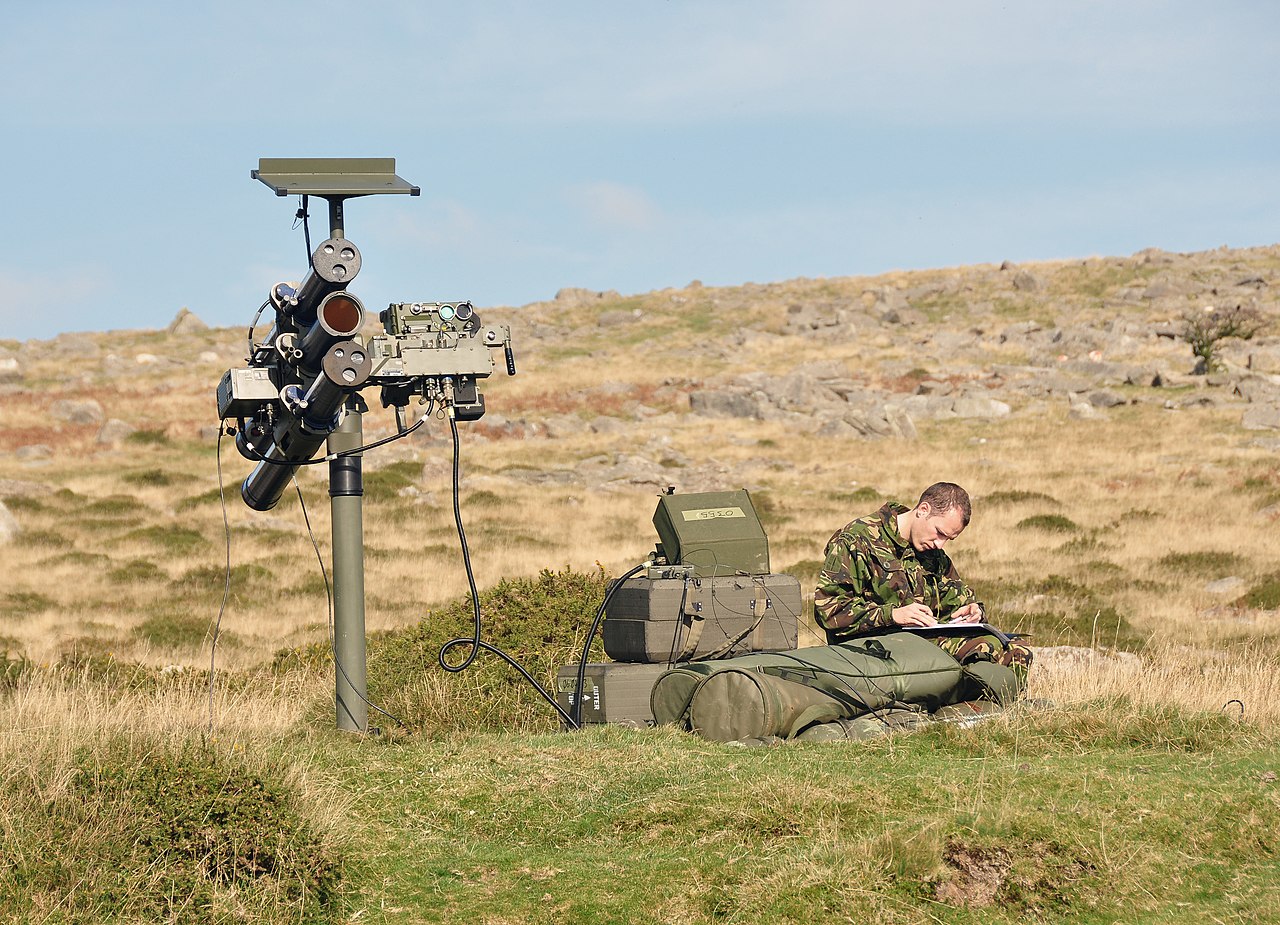
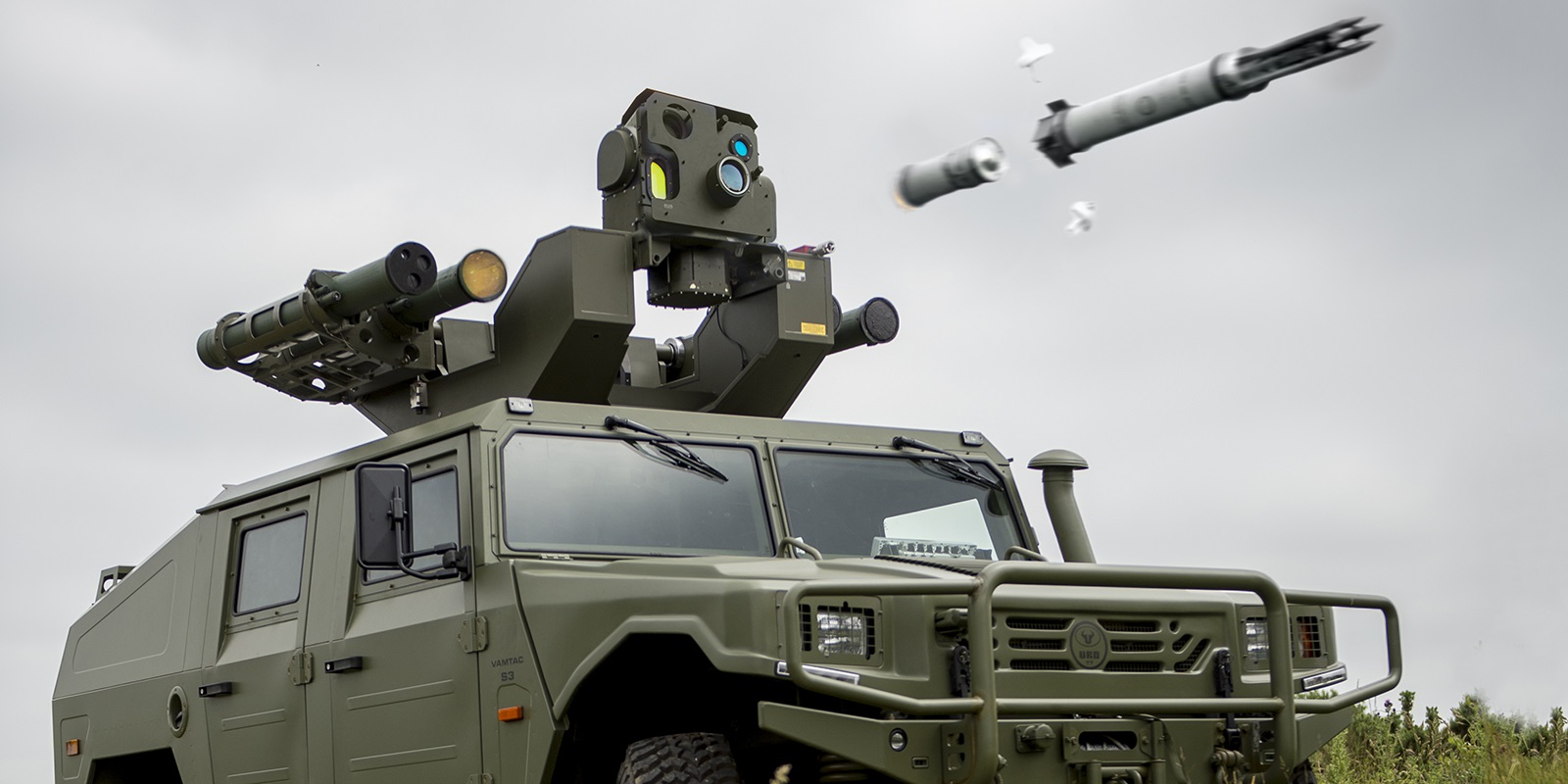
Lightweight Multiple Launcher (LML) Variant: The Lightweight Multiple Launcher can be mounted on a tripod as a fixed launcher or on a light vehicle such as a Land Rover or Humvee. This type holds three STARStreak missiles ready for firing. While STARStreak missiles are designed to target high-speed air targets, the LML adds the capability to defeat surface targets such as Light Armoured Vehicles, trucks and fixed installations, as well as aerial targets such as drones and helicopters. A very precise laser guidance system is also included in this system, which allows the operator to select target tracking modes manually or automatically.
Lightweight Multiple Launcher (LML) Variant
RAPIDRanger Variant: RAPIDRanger is a lightweight, highly automated multi-missile launcher which can be fitted to most tracked and wheeled military vehicles. In this type, a four-round launcher is installed on various armored vehicles. RAPIDRanger can also be loaded with a range of missiles from Thales and other providers, adding the ability to attack ground targets such as armoured personnel carriers, static installations and platforms. The addition of an integral 360° surveillance sensor provides the RAPIDRanger with completely autonomous system operation for 24/7 force protection.
RAPIDRanger Variant
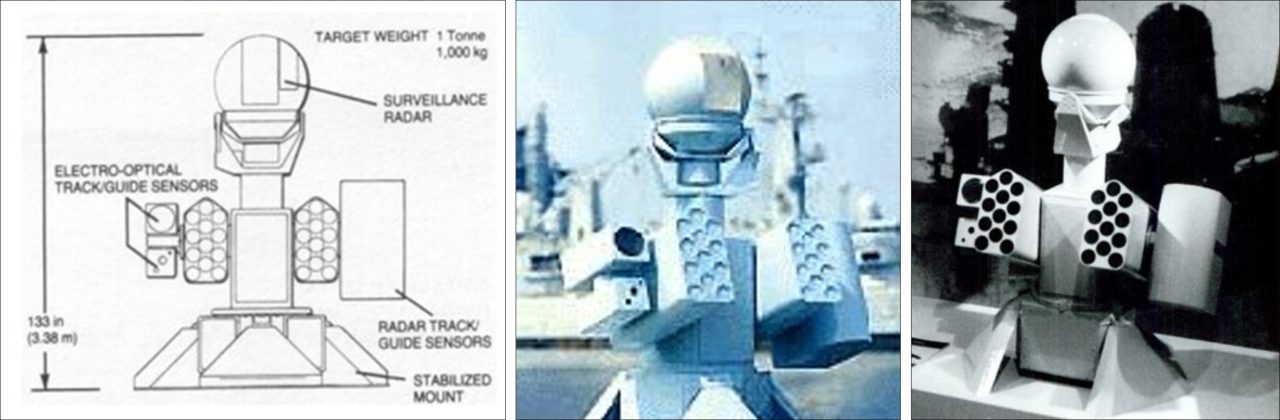
Seastreak Variant: Seastreak is a naval type of this missile. In this model, the CIWS (close-in weapon system), which includes 24 STARStreak missiles, is formatted in two blocks of 12 missiles. This system is used on warships to deal with short-range targets.
Seastreak Variant
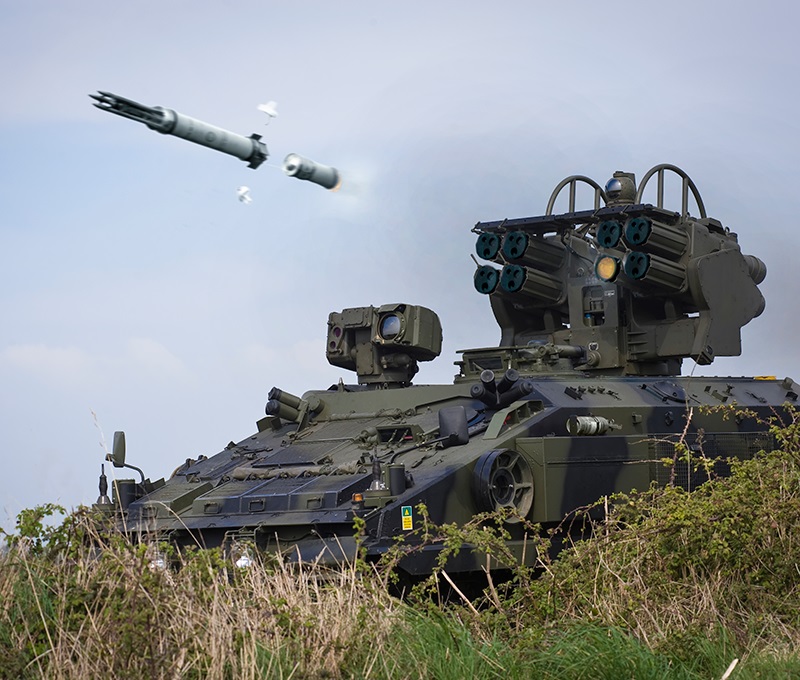
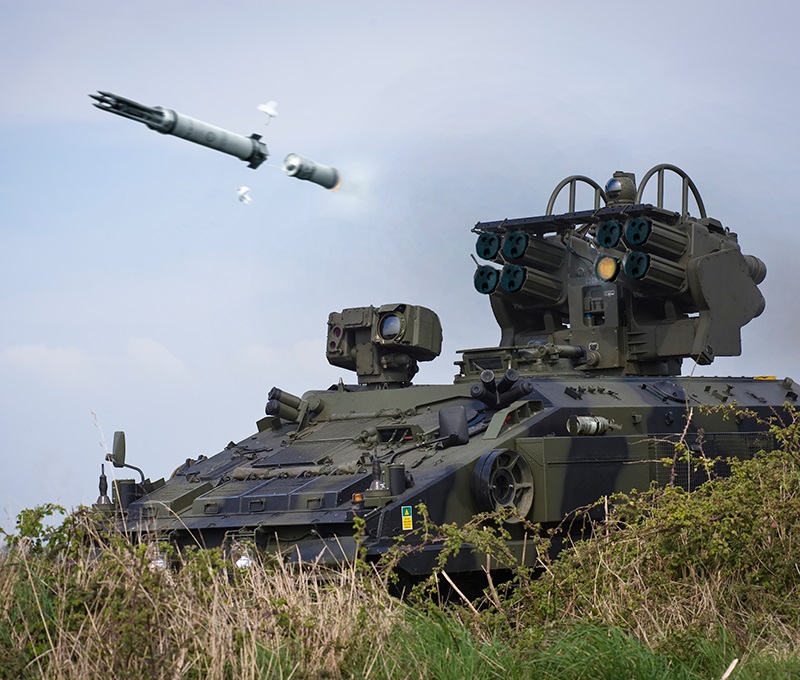
Self-propelled high-velocity missile (SP HVM) Variant: In this type, an eight-round launcher with internal storage for a further 8 missiles is mounted on the Alvis Stormer armored vehicle.
Self-propelled high-velocity missile Variant
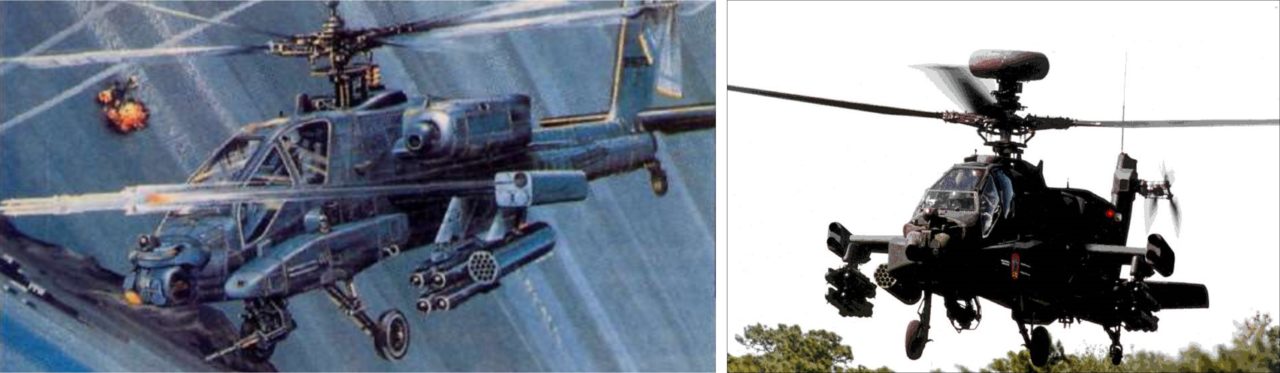
Starstreak Avenger Variant: This system was built based on the needs of the US military in the early 1990s. In this type, the Starstreak missile launcher is installed on the Boeing Avenger vehicles replacing one pod of Stinger missiles with one pod of four Starstreak missiles. As a result, the vehicle has a quadruple pod of the Stinger missile and a quadruple pod of the Stinger missile.
Left image: Avenger Air Defense System – Right image: Boeing Starstreak Avenger System
Starstreak Mark II Variant: This is an upgraded version of the Starstreak missile. In this type, the missile range has been increased to more than 7 km. THOR/Multi Mission System (MMS) Variant: This type has a four-round Starstreak missile launcher mounted on the Austrian Pinzgauer cross-country chassis.
THOR/Multi Mission System Variant
Starstreak anti-aircraft missile specifications: Length: 1.397 m Diameter: 13 cm Weight: 14 kg Range: 7 km Speed: Mach 4 + Flight ceiling: 5 km Guidance: SACLOS Origin: UK
Click to view full sizeClick to view full size
“STARStreak Anti-Aircraft Missile” collection of posters in Arabic, Kurdish, Azeri, Russian, Persian for social media:
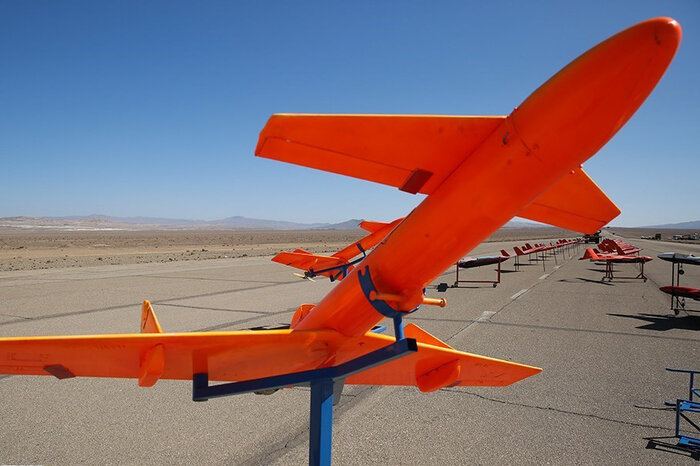
The Ababil-2 drone is a target, reconnaissance and suicide drone. Ababil-2, which was initially produced with a reconnaissance and target mission, was later defined as a suicide drone and is now at the disposal of the Iranian Armed Forces with this mission.
The Ababil series started operating in 1987. Ababil-1 was also used as a suicide drone during the Iraq-Iran war in 80s. Ababil-2 has been in mass production since 1991 by Iran Aircraft Manufacturing Industries (HESA) And since then entered the service of the Iranian Armed Forces.
The Ababil-2 drone does not need a runway to land and take off. The Ababil can be launched from a zero-length jet-assisted take-off platform or by a pneumatic catapult launcher with the help of a rocket attached to the end of the UAV. For landing and recovery, a parachute or skids can be used for conventional landings on a runway or field.
This drone with a high operating rate is a potential threat to a variety of enemy equipment from tanks, personnel and defense systems on the battlefield.
Ababil-2 has an operating range of 100 km, a flight duration of 75 to 120 minutes, a flight ceiling of 11,000 feet (3352.8 m) and a maximum cruising speed of 220 km/h and 370 km/h in dive mode.
Guidance and control of Ababil-2 is done by the ground control center. In this case, the images are transmitted online to the control and command center. The newer Ababil-2 models are equipped with 123 system (automatic stabilizer) and GPS. “123 System” is a new project in the electro avionics engineering department of HESA. This system provides features such as easy flight with more safety by non-professional pilots (in long and short range), automatic take-off and semi-automatic landing, planning and guidance on a desired route with the help of global navigation system, the possibility of disconnecting the control center from the drone and automatic operation of the drone, sending information from the UAV to control center in 17 separate channels, including information on engine speed, ascend and rotation angles, fuel quantity, battery voltage, altitude, and travel speed for Ababil-2.
Ababil-2 uses a cheap camera with 12 megapixel image quality.
Ababil-2 is responsible for tasks such as reconnaissance, battlefield surveillance, border patrol, aerial photography, artillery firing correction, as bait to luring air defenses, carrying out suicide missions and training drone personnel.
Two Ababil-2 models have been observed to date that also have different engines. The difference in appearance of these models is in the tail, the first model has a vertical tail attached to the main body and the second model has two identical vertical tails on the rear wing.
Left image: with two identical vertical tails – Right image: with one vertical tail
Ababil-2 specifications: Length: 2.88 m Wingspan(rear): 3.25 m Height: 0.91 m Empty weight: ~ 27 kg Maximum take-off weight: 83-128 kg Payload: 40 kg of cargo or explosives Internal fuel capacity: 16 liters Engine: W3 or MD series with 20-30 hp Maximum speed: 370 km/h Cruise speed: 250 km/h Combat range: 120 km Endurance: 75-120 minutes Service ceiling: 3352.8 m Origin: Iran
Click to view full size imageClick to view full size image
“Ababil-2 Drone” collection of posters in Arabic, Persian, Kurdish, Russian, Chinese, Azeri and Hebrew for social media:
The gunner carries a reusable Command Launch Unit (CLU), which is the targeting component of the two-part system. The CLU has three views which are used to find, target, and fire the missile and may also be used separately from the missile as a portable thermal sight. Infantry are no longer required to stay in constant contact with armored personnel carriers and tanks with thermal sights.
The CLU weighs 6.4 kg and uses passive infrared guidance to fix and track targets. The day sight is equipped with 4x magnification and the infrared-imaging night sight features 4x and 9x magnification.
Both the gunner and the ammunition bearer carry the Launch Tube Assembly, a disposable tube that houses the missile and protects the missile from harsh environments. The tube has built-in electronics and a locking hinge system that makes attachment and detachment of the missile to and from the Command Launch Unit a quick and simple process.
The Javelin measures roughly 1.2 m in length, 127 mm in diameter, and weighs 22.1 kg, with some minor differences depending on the variant. The missile carries a single 8.4 kg tandem-charge, high-explosive antitank (HEAT) warhead. This round utilizes an explosive shaped charge to create a stream of superplastically deformed metal formed from trumpet-shaped metallic liners. The result is a narrow high velocity particle stream that can penetrate armor. It has a qualified maximum range of 2,500, though the U.S. notes that it has “demonstrated performance to 4,000 meters in most operational conditions.”
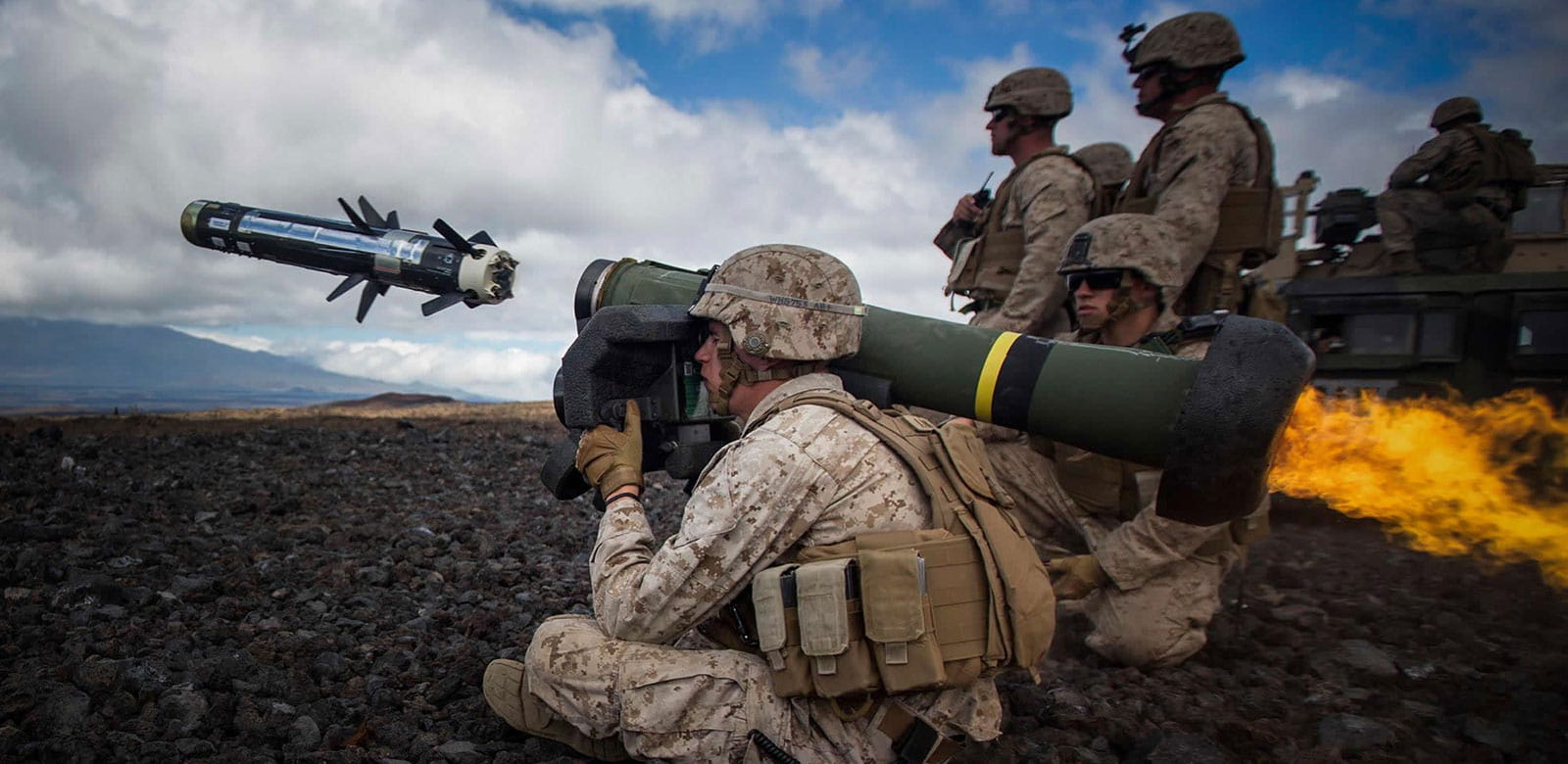
The Javelin employs a soft launch mechanism. This means when an operator pulls the trigger, an initial low-g motor ejects the missile from the firing tube. Once it exits the firing tube, the missile then ignites its main flight motor to propel it toward its target. The Javelin’s soft launch mechanism prevents missile exhaust from hitting the operator, enables fires from inside confined spaces and buildings, lowers recoil for shoulder-launched fires, and minimizes launch smoke trails that indicate launch locations and invite counterfire.
Operators can select to use the weapon in top attack mode or direct attack mode. Top attack mode is designed to target tanks; the missile flies upward to reach a peak altitude of 150 m before striking the tank’s more vulnerable roof. The direct attack mode is designed to engage fortified targets, bunkers, buildings, and helicopters. In this mode, the missile flies relatively straight to its target at a peak altitude of 50 m.
Early versions of the Javelin had a range of 2000 meters, which was later increased to 2500 meters. Javelin has been used in more than 5000 conflicts in Afghanistan and Iraq. This system is supposed to remain in service until 2050. The United States has been buying Javelins at the rate of about 1,000 a year. The maximum production rate is 6,480 a year, though it would likely take a year or more to reach that level. The delivery time is 32 months; that is, once an order is placed, it will take 32 months before a missile is delivered.
FGM-148 Javelin specifications: Length: 1.1 m Barrel length 1.2 m Diameter 142 mm Total system weight: 22.3 kg Warhead weight: 8.4 kg Tandem-charge HEAT Penetration rate: 800 mm RHA Effective range: 75 to 2500 m Target discovery range: 4000 m Guidance system: Infrared homing Origin: U.S.
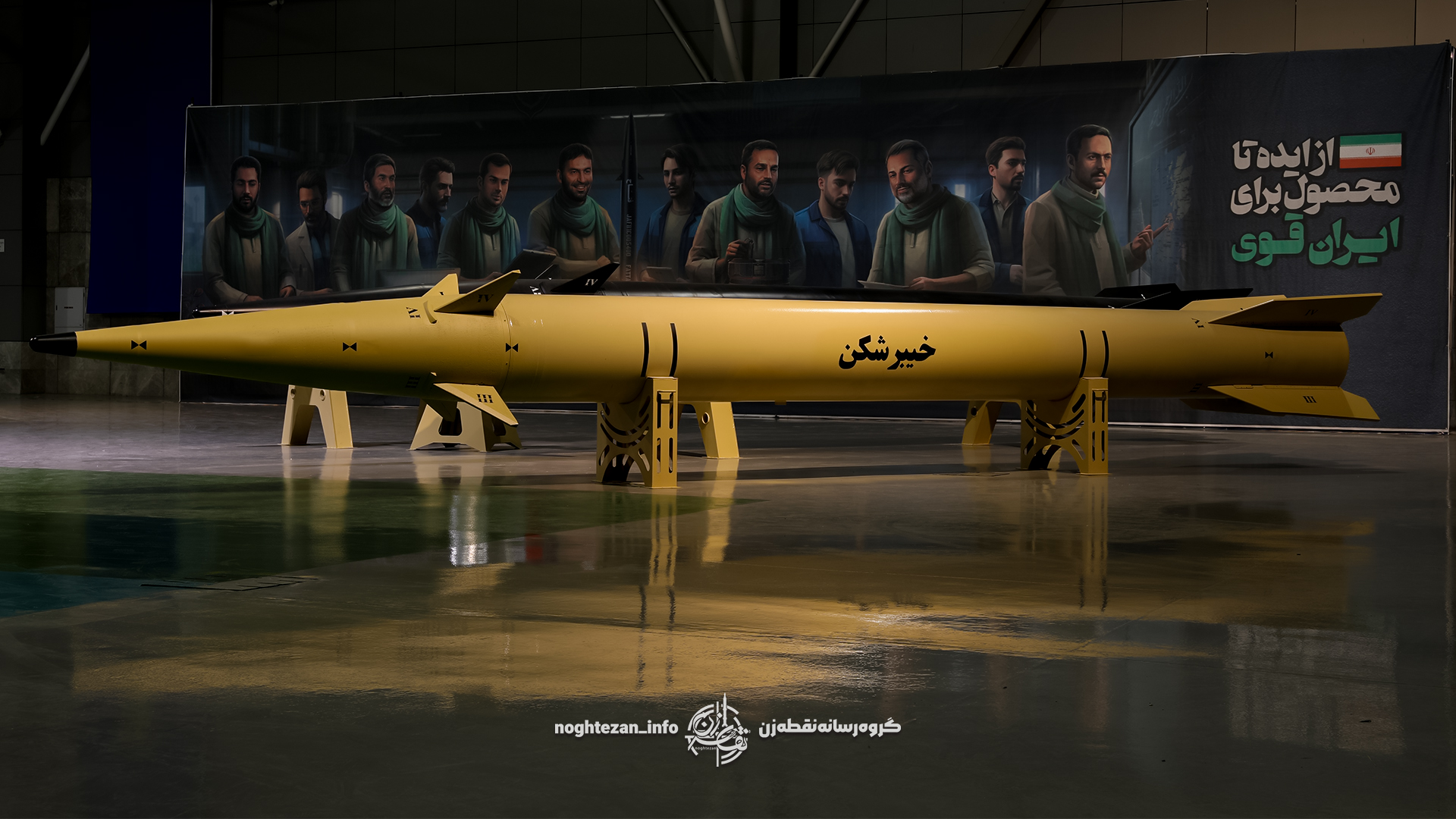
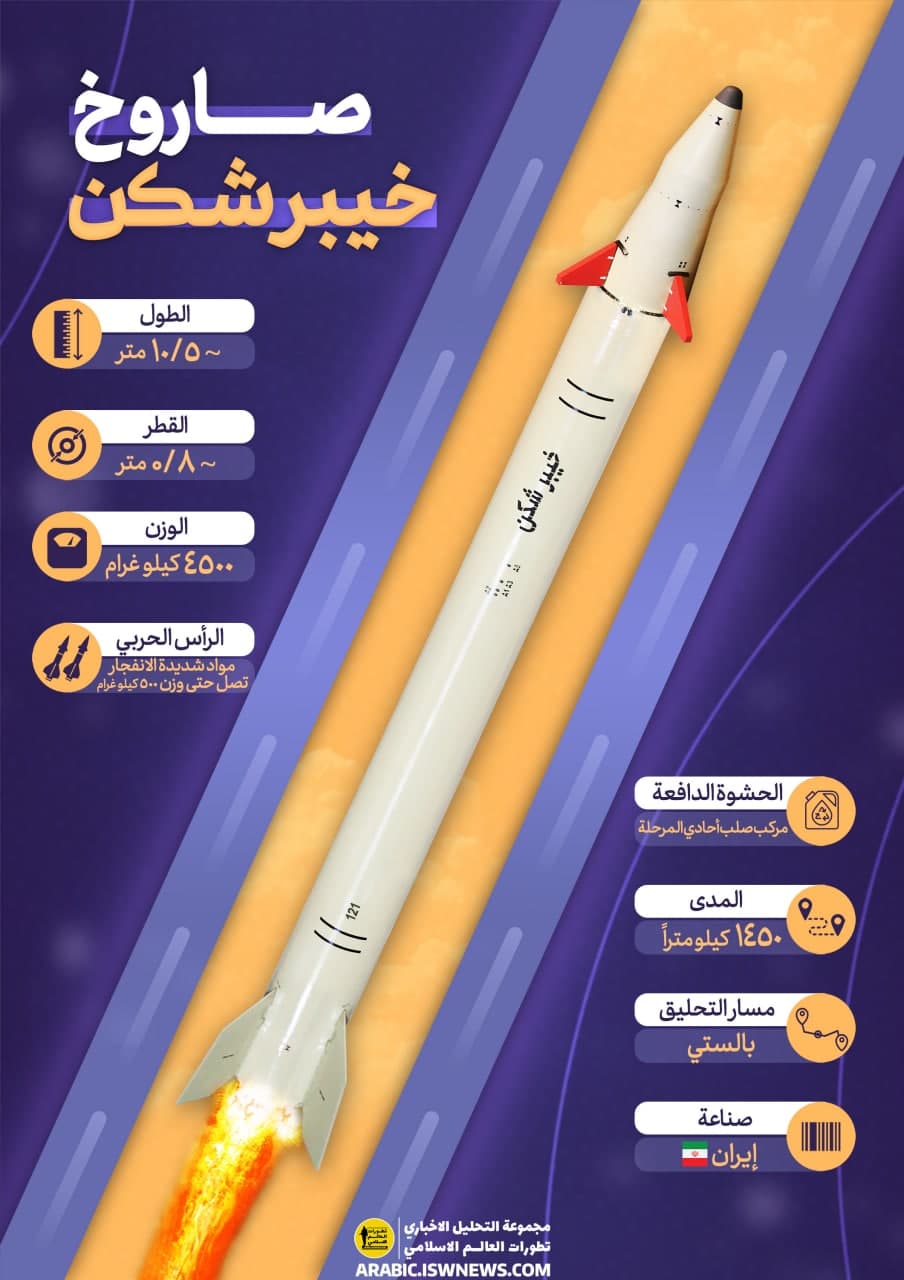
On February 9, 2022, during the visit of the Chief of General Staff of the Iranian Armed Forces, Major General Mohammad Bagheri, and the Commander of the IRGC Aerospace Force, Brigadier General Amir Ali Hajizadeh, to one of Iran’s underground missile bases, the Khaybar Shekan or Kheibar Shekan (Khaybar Breaker) tactical short-range ballistic missile was unveiled.
The unveiling of this missile on the eve of the forty-third anniversary of the victory of the Islamic Revolution of Iran, and especially the unique name of this missile, attracted many attention and reactions around the world. “Khaybar” refers to the famous war between Muslims and Jews in the early years of Islam and the victory of Muslims over the Jews after Imam Ali (as) threw down the door of the final fort.
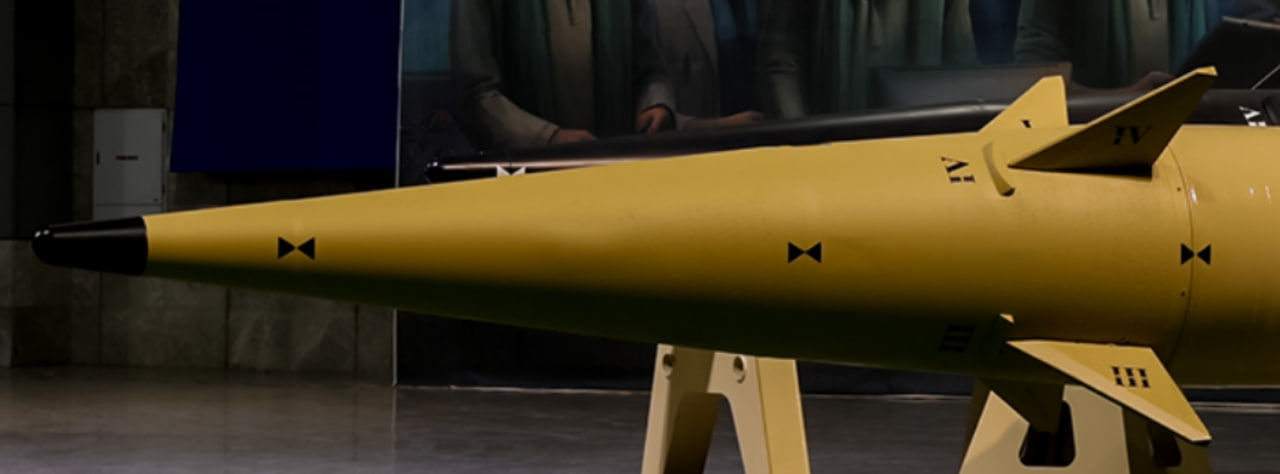
The first thing that catches the eye in the Khaybar Shekan missile is the relatively larger dimensions of its warhead movable fins. Increasing the size of the fins, increases the maneuverability of the warhead after entering the atmosphere and allows for more sophisticated and faster maneuvers in order to pass more effectively through layers of in-atmosphere anti-missile defenses such as the David Sling and Patriot.
Khaybar Shekan missile warhead and larger movable fins
The warhead configuration is of Tri Conic type. The use of this conservative configuration is to maintain the stability of the warhead during heavy maneuvers and in the landing phase causes high maneuverability to pass through the layers of missile defense systems. Of course, the amount of drag in this configuration is a bit high. In engineering, increasing the drag force is intended by the weapon designer to achieve greater maneuverability.
An example of how a maneuverable warhead (MaRV) works
Unfortunately, the exact details of the missile, such as weight, length, diameter, warhead weight, etc., have not been officially provided by Iranian officials; But according to estimates, the diameter of the missile is 800 mm and its length is about 10.5 meters.
Length and diameter of Kheibar Shekan missile
Due to the reflection of light from the missile body and its texture, it seems to be a composite body material, which means low deadweight of engine. Therefore, the missile weighs between 4.5 and 5 tons, assuming the weight of the warhead is 500 kg, which is a unique number for a short-range ballistic missile with a range of 1450 km. At the time of unveiling, it was mentioned that the weight of this missile has been reduced to one third, which is consistent with one third of the mass of the 15-ton Qadr S missile.
Extreme agility and speed in hitting targets at a range of 1450 km is one of the main capabilities of this missile.
Body of Khaybar Shekan Ballistic Missile
As mentioned, this missile is based on the Dezful missile and with a weight of 30% of liquid fuel missiles, it has achieved the range of the same missiles. Therefore, this missile has solid fuel, and due to the reduction of dimensions and weight of this missile, it is possible to use two missiles of this type on dual launchers.
Smaller missile dimensions have significant advantages. The smaller the missile, the more missiles can be stored in the confined space of underground missile bases. Also, the need for drilling to increase the length of the tunnels and the cost and time is reduced. It should be noted that in the past, due to the lack of space for missiles, the IRGC Aerospace Force implemented the idea of multi-floor missile depots.
Iran Underground Missile Base
Another advantage of reducing the dimension of missiles is the use of a wide range of launchers; So that the Khaybar Shekan ballistic missile can be launched from the Iran Khodro Diesel’s Aria 10-wheel launcher. This truck has recently joined the Iranian Armed Forces.
Iran Khodro Diesel’s Aria 10-wheel launcher
Another item that was revealed with the unveiling of Khaybar Shekan missile is the use of a dual launcher that have the ability to carry and launch up to two Khaybar Shekan short-range missiles. Until now, short-range missiles, such as Iranian Qiam missiles with a maximum range of 1,000 km, were carried by the launcher as a single unit; Increasing the number of missiles means increasing the firing rate, which is a very effective and proven tactic in overcoming on missile defense systems.
Another important issue that occurred during the unveiling of the Khaybar Shekan missile, which led to much speculation, was the naming of the missile and the type of warhead: Khaybar Shekan (Breaker). At first, it looked like a bunker buster warhead, but with the release of more footage of the missile firing and hitting the target, the bunker buster warhead theory was rejected due to the angular impact on the target and how it exploded instantly.
Of course, the possibility of developing a bunker buster warhead for this missile is quite possible. However, in the unveiling footage of the missile, the missile uses the HE warhead, which according to the commander of the IRGC Aerospace Force, Sardar Hajizadeh, the explosive used in the warhead, is several times more than its TNT equivalent, and provides more explosive power. Therefore, a combination of RDX and HMX has probably been used to provide such performance.
Video of the unveiling and performance of the Khaybar Shekan ballistic missile
In 2023, another variant of the Kheibar Shekan missile was unveiled. This missile, which is known as Kheibar Shekan-2, is almost identical to Kheibar Shekan-1.
Khaybar Shekan-2 with a range of 1800 km
The only difference in the appearance of Khaybar Shekan-2 with Khaybar Shekan-1 is the warhead. The Khaybar Shekan-1 missile has a three-cone warhead, but the Khaybar Shekan-2 missile uses a single-cone warhead.
In the booster section, the boosters of the Khaybar Shekan-2 and 1 missiles are exactly the same size with a diameter of 76 cm, but the weight of the Khaybar Shekan-2 missile is less than the Khaybar Shekan-1 missile. The range of Khaybar Shekan-2 has also increased from 1450 km to 1800 km.
The image on the right is the three-cone warhead of Khaybar Shekan-1 and the image on the left is the single-cone warhead of Khaybar Shekan-2.
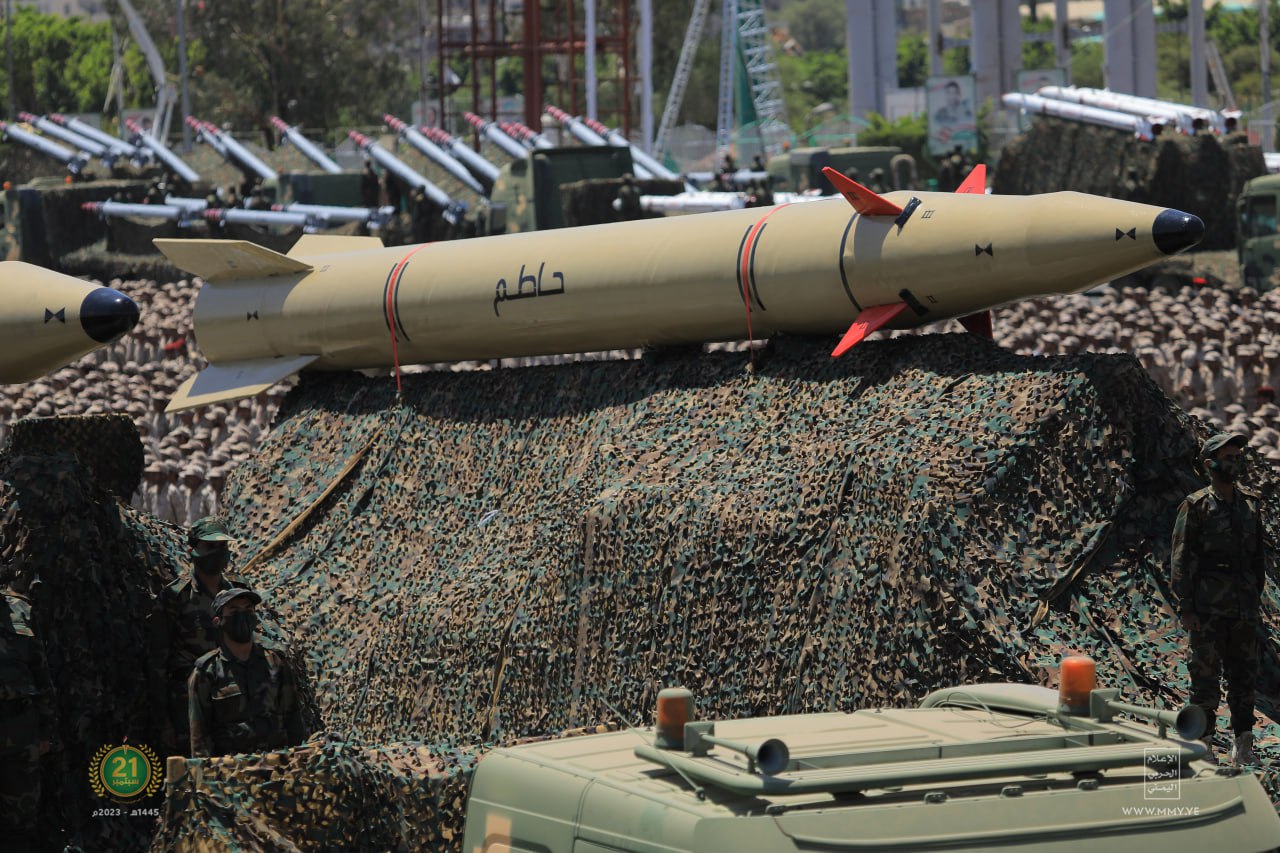
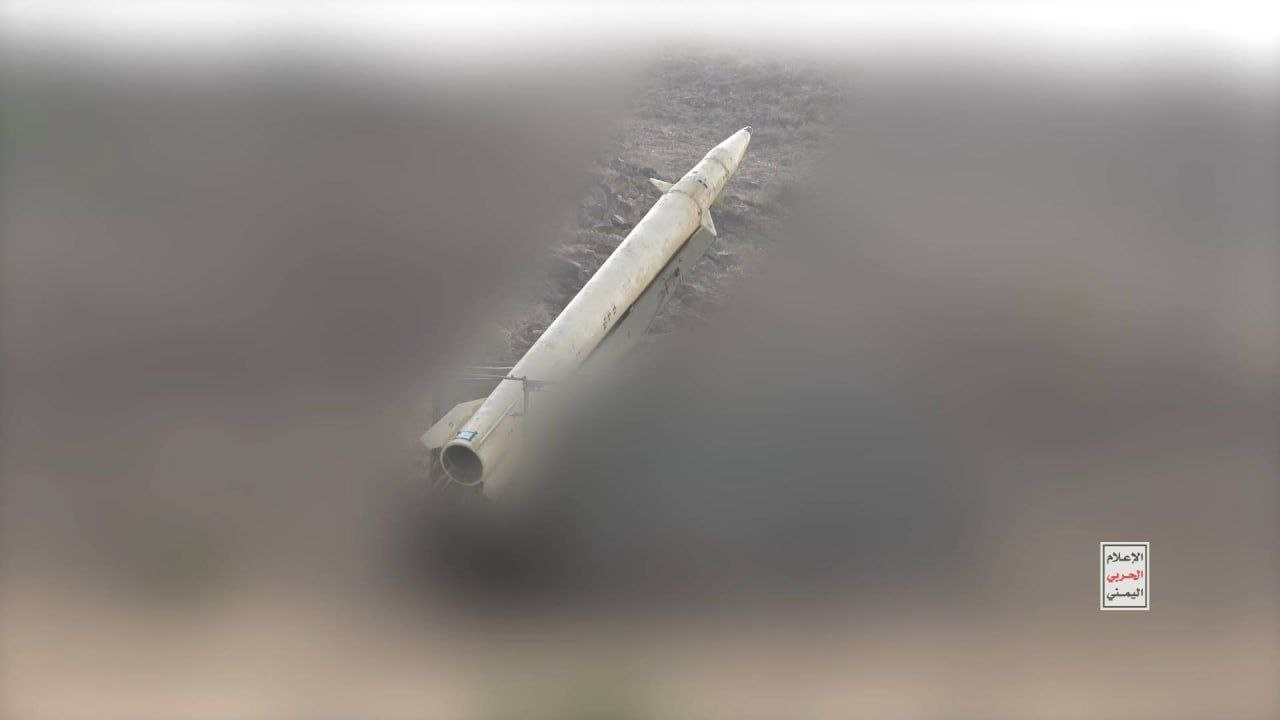
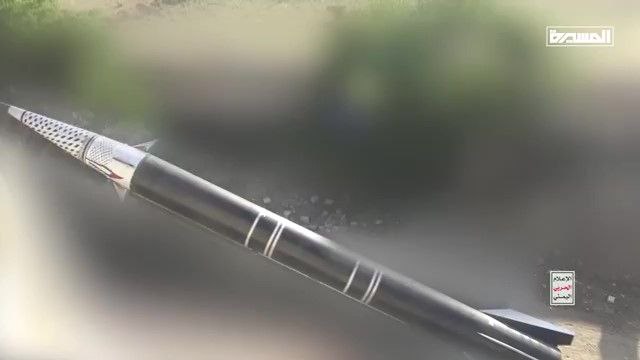
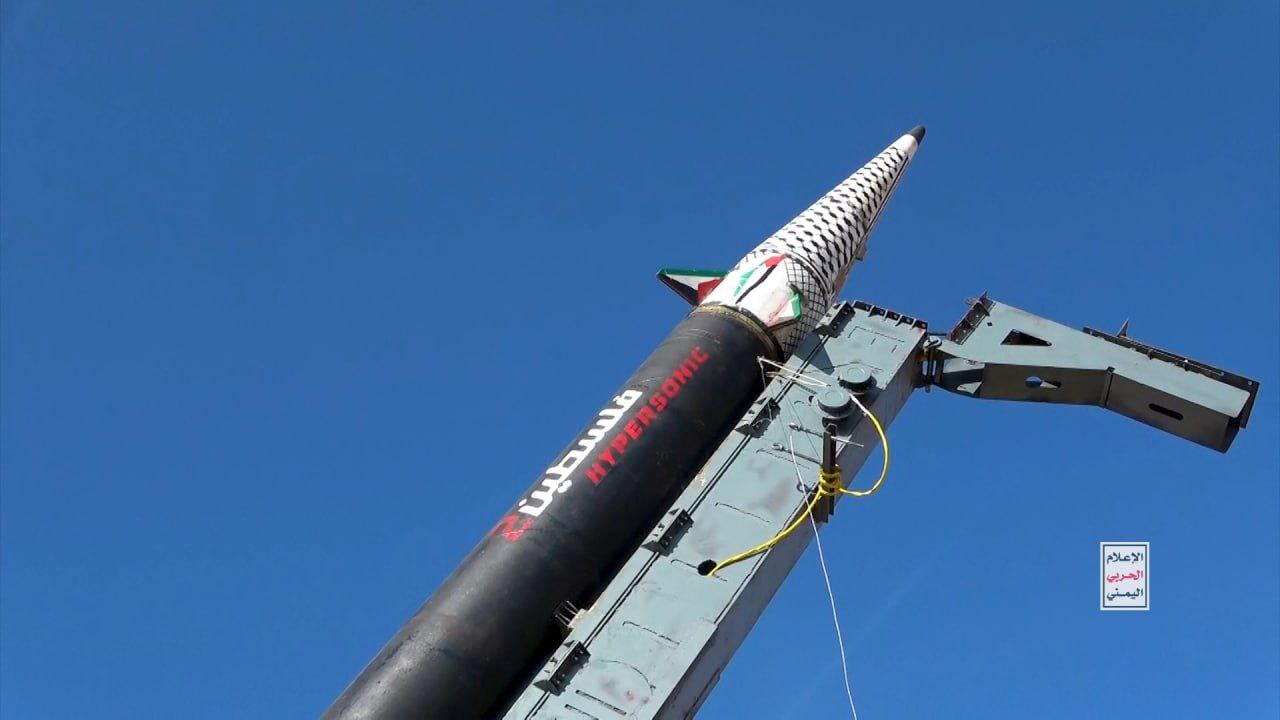
It should be noted that the variants of Khaybar Shekan 1 and 2 missiles named Palestine and Hatem missiles have been put into service by the Yemeni army (Ansar Allah).
In fact, the Hatem-1 and 2 missiles with a three-cone warhead are similar to the Khaybar-Shekan-1 missile, and the Palestine-1 and 2 missiles with a single-cone warhead are similar to the Khaybar Shekan-2 missile.
Hatem-1 missileHatem-2 missilePalestine-1 missilePalestine-2 missileHatem 1 and 2 and Palestine 1 and 2 missiles
Regarding the range of these missiles, apart from the Palestine-2 missile, no exact information is available, but naturally, their range should be similar to the Iranian variants.
The range of these missiles is classified as follows based on the announced information: Khaybar Shekan-1 »»» 1450 km Hatem-1 »»» 1450 km Hatem-2 »»» unknown range and Khaybar Shekan-2 »»» 1800 km Palestine-1 »»» 1800 km Palestine-2 »»» 2150 km
The Palestine-2 missile was used in an attack on a target near the city of Tel Aviv, and its range was officially announced as 2,150 km. Considering that Palestine-2 is similar to Khaybar Shekan-2 (with a range of 1,800 km), it seems that its warhead has been greatly reduced in order to reach a range of 2,150 km.
Khaybar Shekan-1 missile specifications: Length: 10.5 m Diameter: 0.8 m Weight: 4500 kg Warhead: High Explosive up to 500 kg Fuel: Solid (One-stage) Range: 1450 km Flight trajectory: Ballistic, MaRV warhead Origin: Iran
Click to view full size
“Kheibar Shekan Ballistic Missile” collection of posters in Persian, Arabic, Kurdish, Azeri, Russian for Social Media:
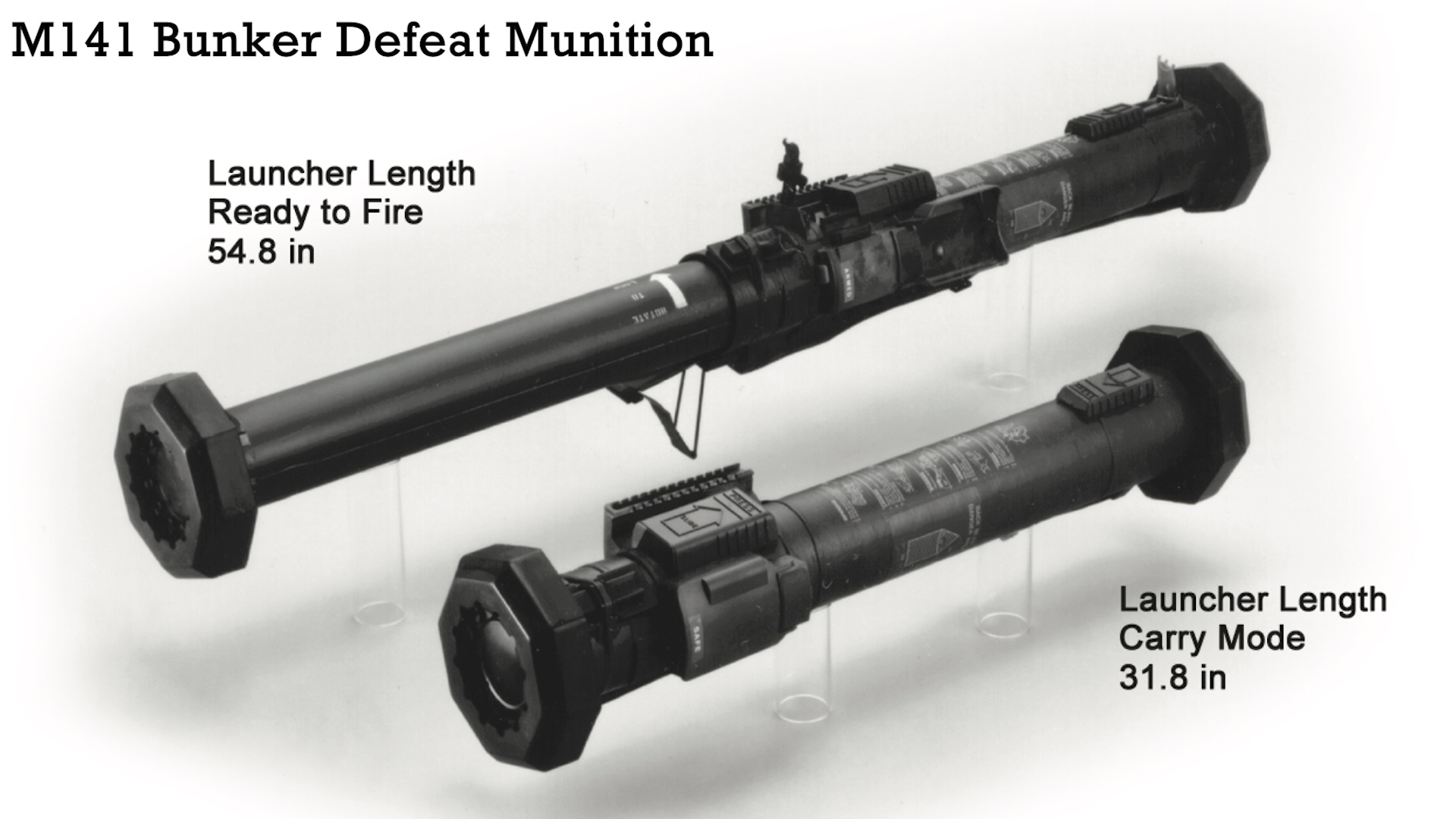
M141 or SMAW-D (“Disposable”), is a single-shot, shoulder-launched weapon designed to defeat hardened structures. The weapon was designed as a modification of the United States Marine Corps Shoulder-launched Multipurpose Assault Weapon (SMAW) to fill the void in the United States Army inventory of a “bunker buster” weapon.
The SMAW-D operates on the principle that the recoil created by launching the rocket is counteracted by a “backblast” of gases fired from the rear of the weapon like RPGs. This makes the SMAW-D inherently dangerous, especially in confined, urban areas, as is with all weapons of this design.
M141 Bunker Defeat Munition has two configurations: a “carry mode” in which the launcher is 810 mm long, and a “ready to fire mode” in which the launcher is extended to its full length of 1,400 mm.
The warhead is the same High Explosive, Dual Purpose (HEDP) as the United States Marine Corps SMAW. It is effective against masonry and concrete bunkers as well as lightly armored vehicles. The projectile is capable of penetrating up to 200 mm of concrete, 300 mm of brick, or 2.1 m of sandbags. The warhead is activated by a crush switch in its nose that is able to distinguish between hard and soft targets. On soft targets, such as sandbags, the detonation is delayed until the projectile is buried in the target, producing a devastating effect. The warhead detonates immediately on contact with hard targets.
M141 Bunker Defeat Munition specifications: Weight: 1.7 kg Length: 810 mm In service (US Army): Since 1999 Caliber: 83.5 mm rockets Range: 15-1000 meters Penetration rate in concrete: 200 mm Penetration rate in brick: 300 mm Penetration rate in sandbags: 2.1 meters
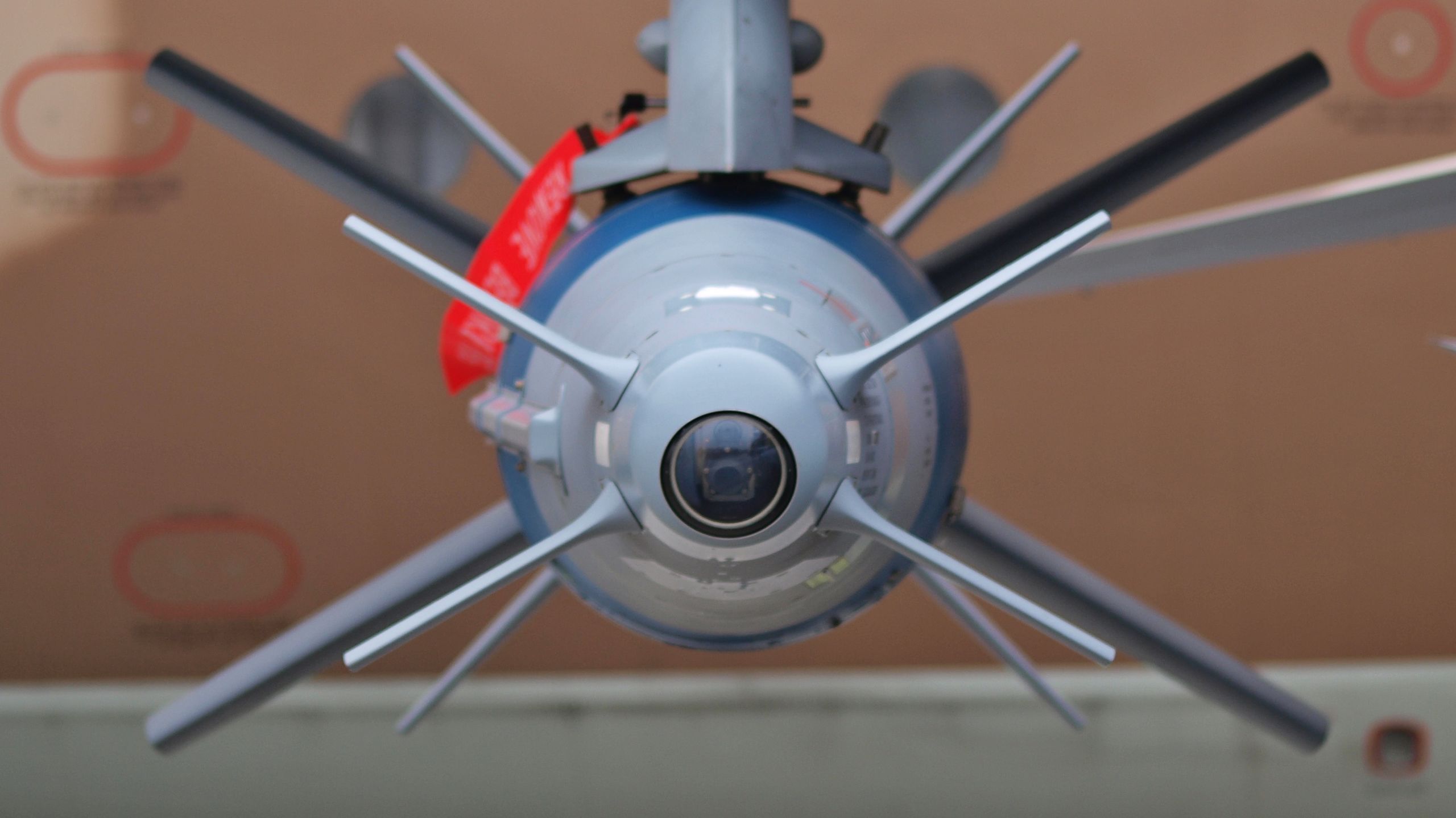
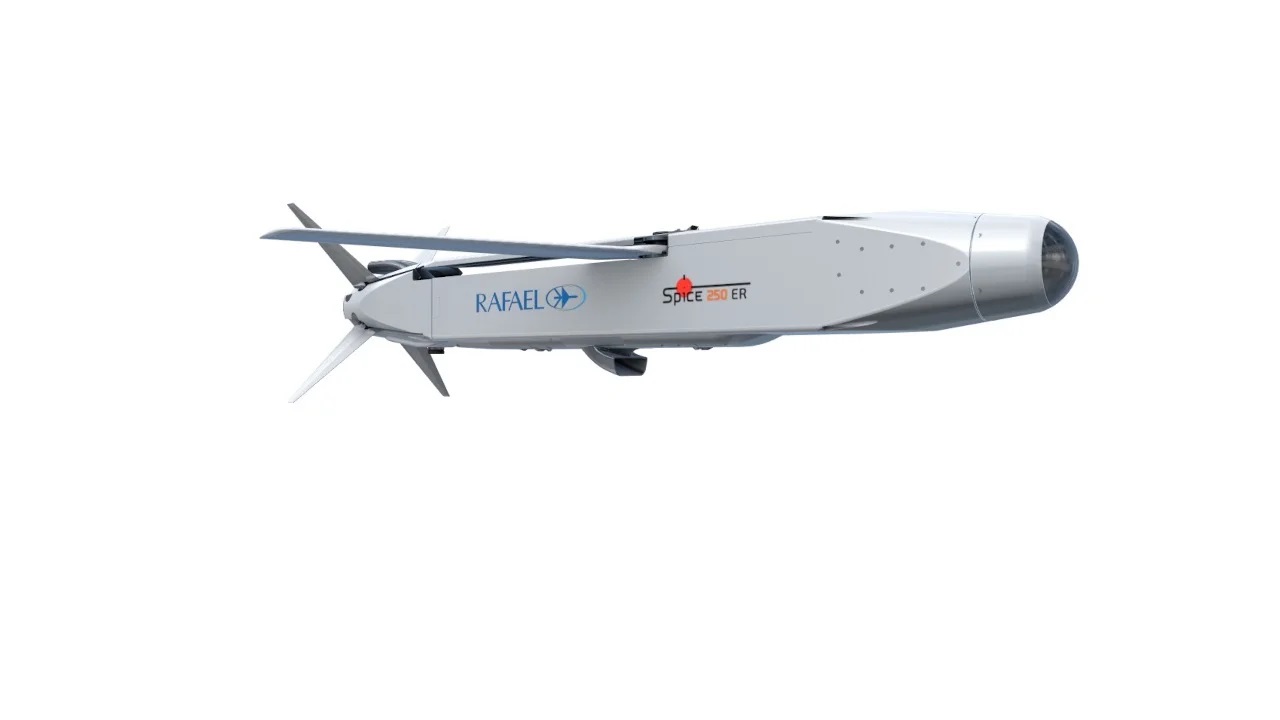
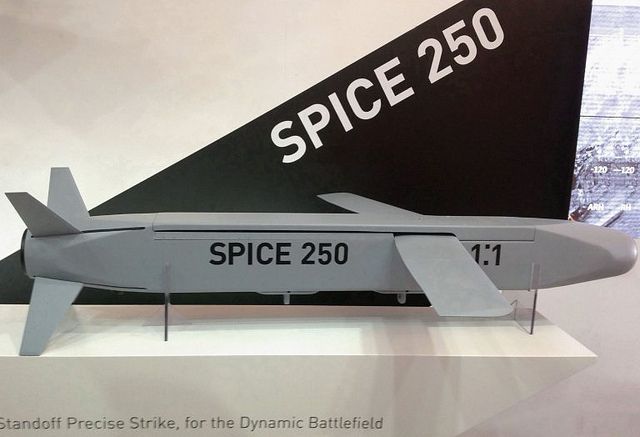
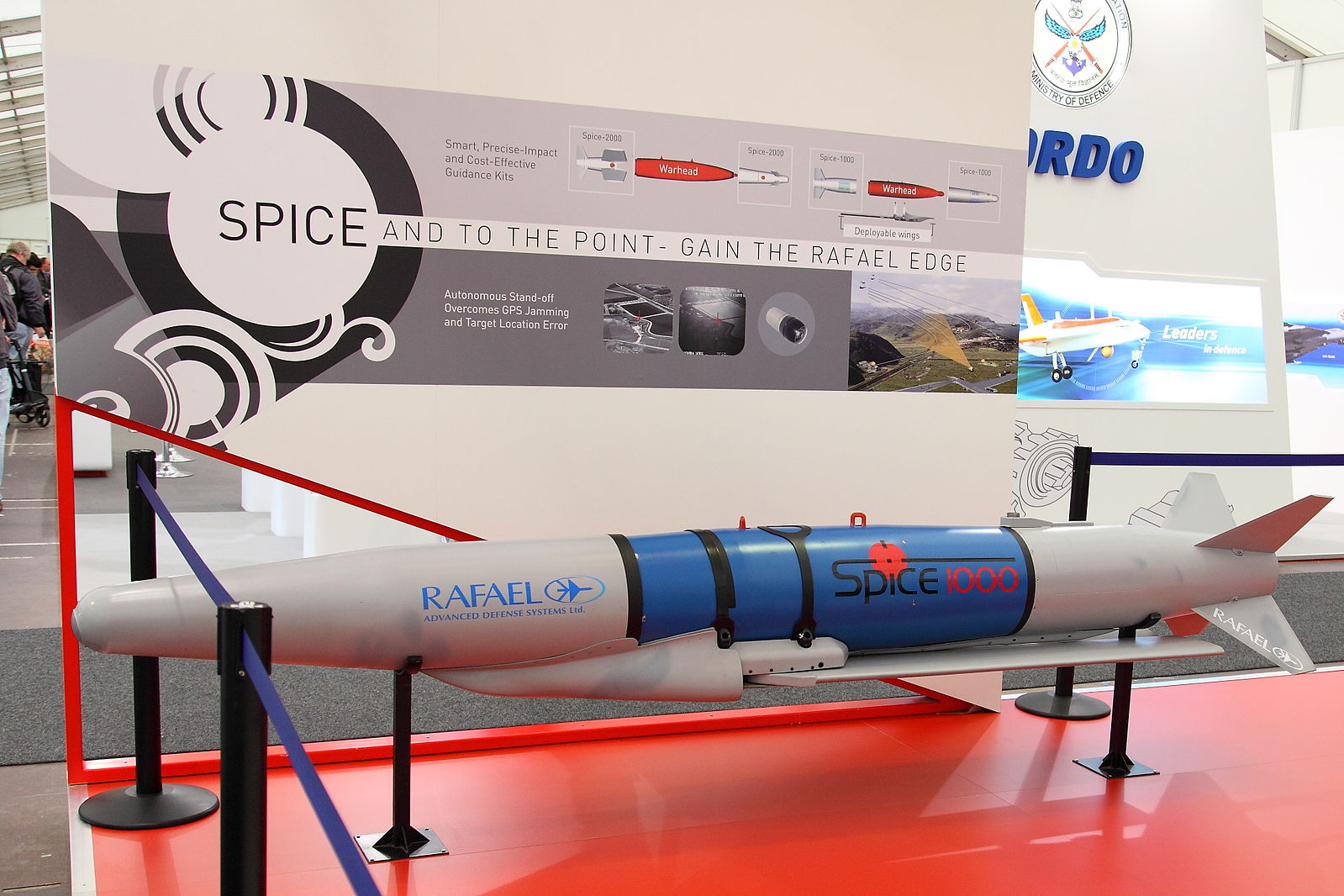
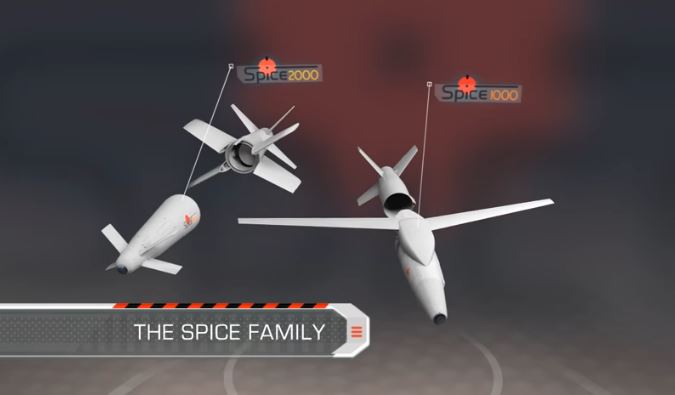
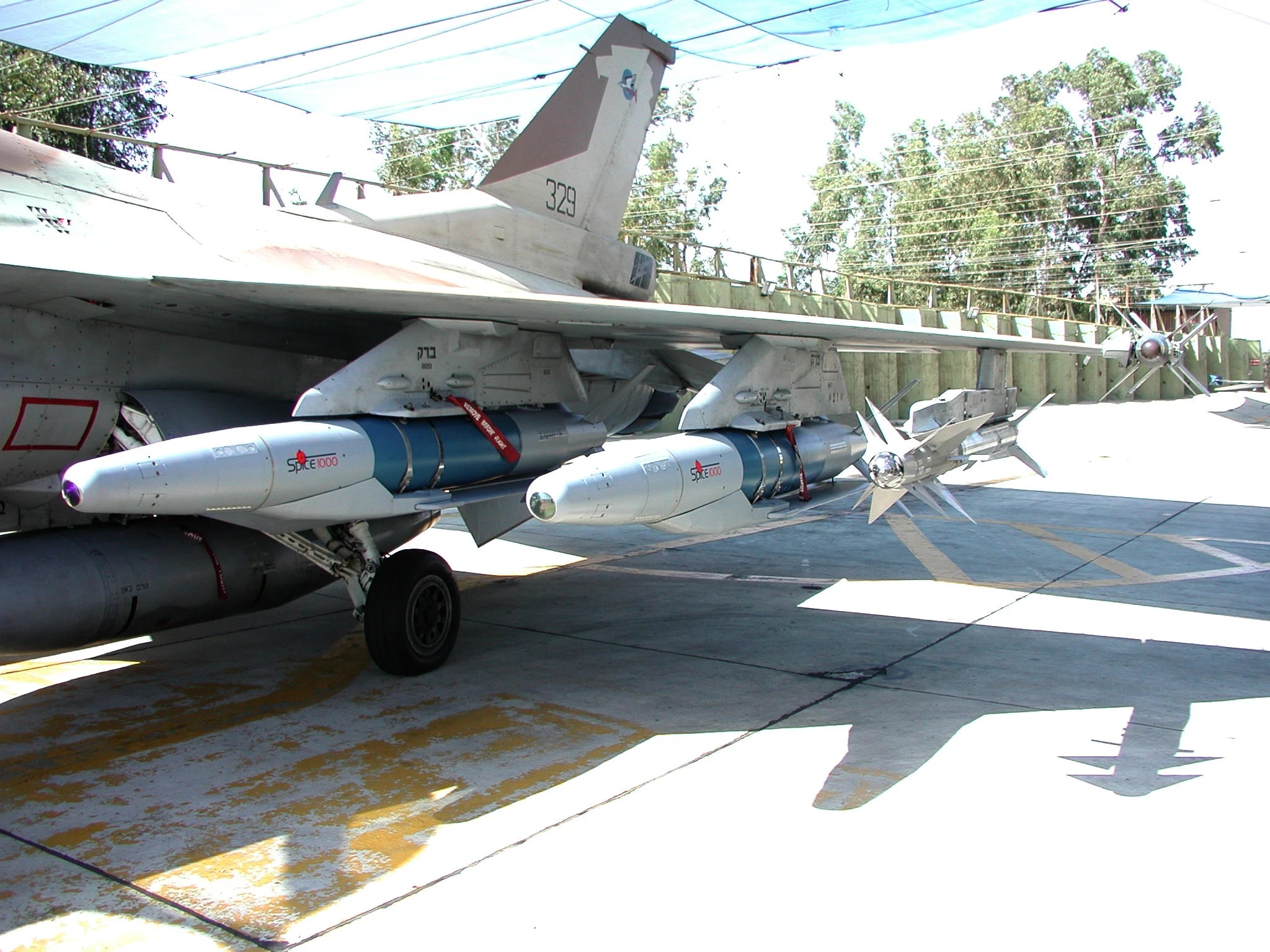
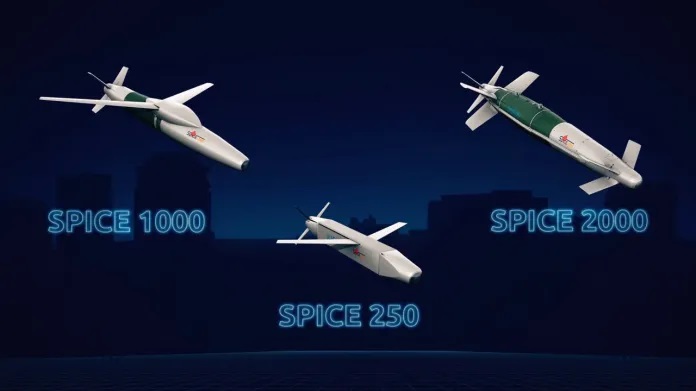
The Spice bombs have been in service with the Israeli army since 2003 and are classified as Spice 1000, Spice 2000 and Spice 250. The numerical part of the name of each bomb indicates the weight of that bomb per pound. For example, Spice 250 weighs 250 pounds, and is the result of add-on kit for the Mark 81 (Mk 81) 250-pound bomb.
Spice bombs use a combination of electro-optical and satellite guidance and have the advantages of both methods. The use of satellite guidance provides drop-and-forget option for several such targets simultaneously and the ability to engage hidden or camouflaged targets in all weather conditions; and electro-optical guidance provides man-in-the-loop guidance for extremely high precision; the ability to engage relocatable targets; lower CEP than that of satellite-guided munitions; and independence from external information sources like satellites.
Electro-optical guidance is based on the pilot’s command and can be independent of external information sources such as satellite imagery, and the pilot can instantly determine and engage the target. It is also possible to transfer target information to the bomb with up to 100 different targets, and the pilot selects one of the predetermined targets depending on the circumstances and drops the bomb for it.
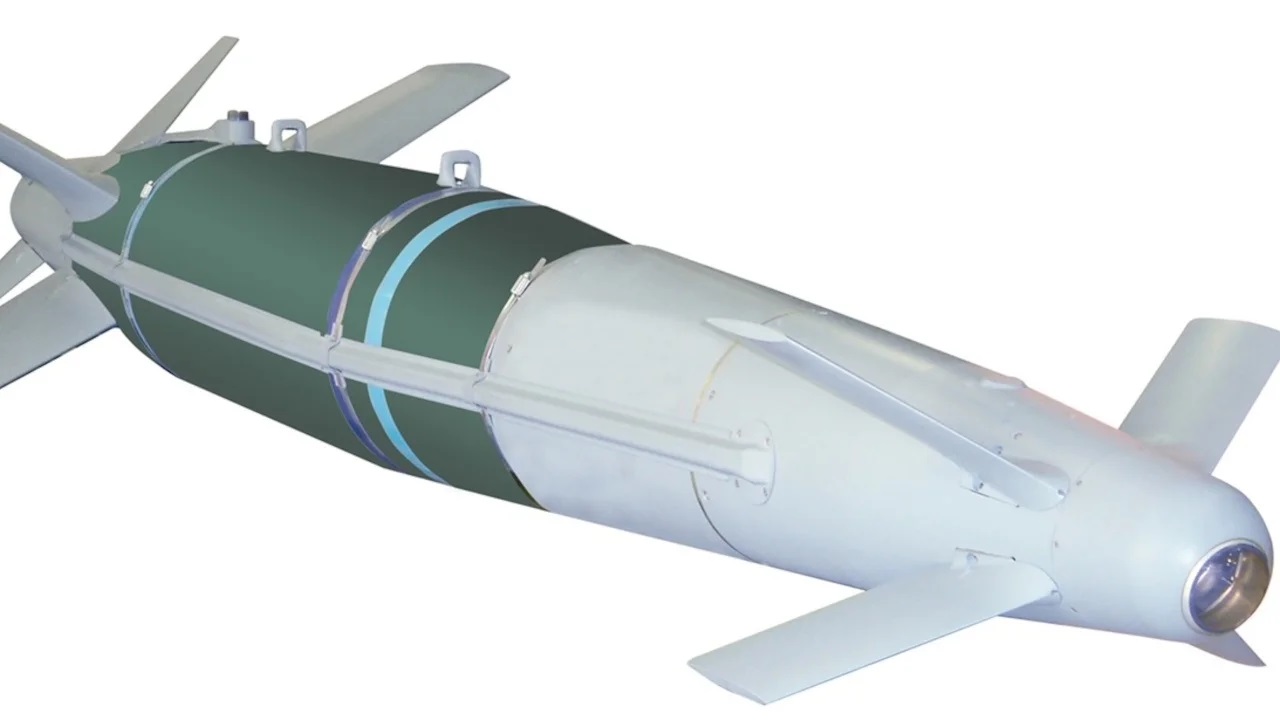
One of the advantages of spice bombs is their glide capability, which due to the use of 12 aerodynamic control surfaces in 3 groups (fore, mid-body and tail), the “Spice” has a very long glide range of about 60 kilometers. This allows a striking aircraft to release a bomb at a target without entering the threat envelope of most short and medium-range air defense systems which might protect it.
Regarding target selection and engagement, the spice bomb engages the target in three ways: First, there is pure CCD or thermographic camera (IIR) image matching, when the guidance section uses algorithms to match the target image in its memory with the image provided by the seeker, and align the center of the seeker’s field of view with the desired image.
Second, if the CCD\IIR seeker can not acquire its target for any reason (such as visual obstructions), the bomb can automatically switch to GPS\INS guidance. This means that the bomb aspires to bring itself to the target’s altitude at a known geographical location. The bomb receives data on its current location from GPS satellites, or from an inertial navigation system in the bomb itself, that has been fed, through the pylon datalink, with the dropping aircraft’s coordinates a fraction of a second before the drop, and can therefore calculate its coordinates from the dropping time and on.
Third, there is a manual “man-in-the-loop” guidance option, in which the weapon systems officer looks at a backseat TV display to see the seeker’s view and uses the backseat stick to control the bomb to the target. This guidance method is probably the most accurate one employed today for air-dropped munitions. Its main drawback is that it allows for only one bomb to be guided at a time.
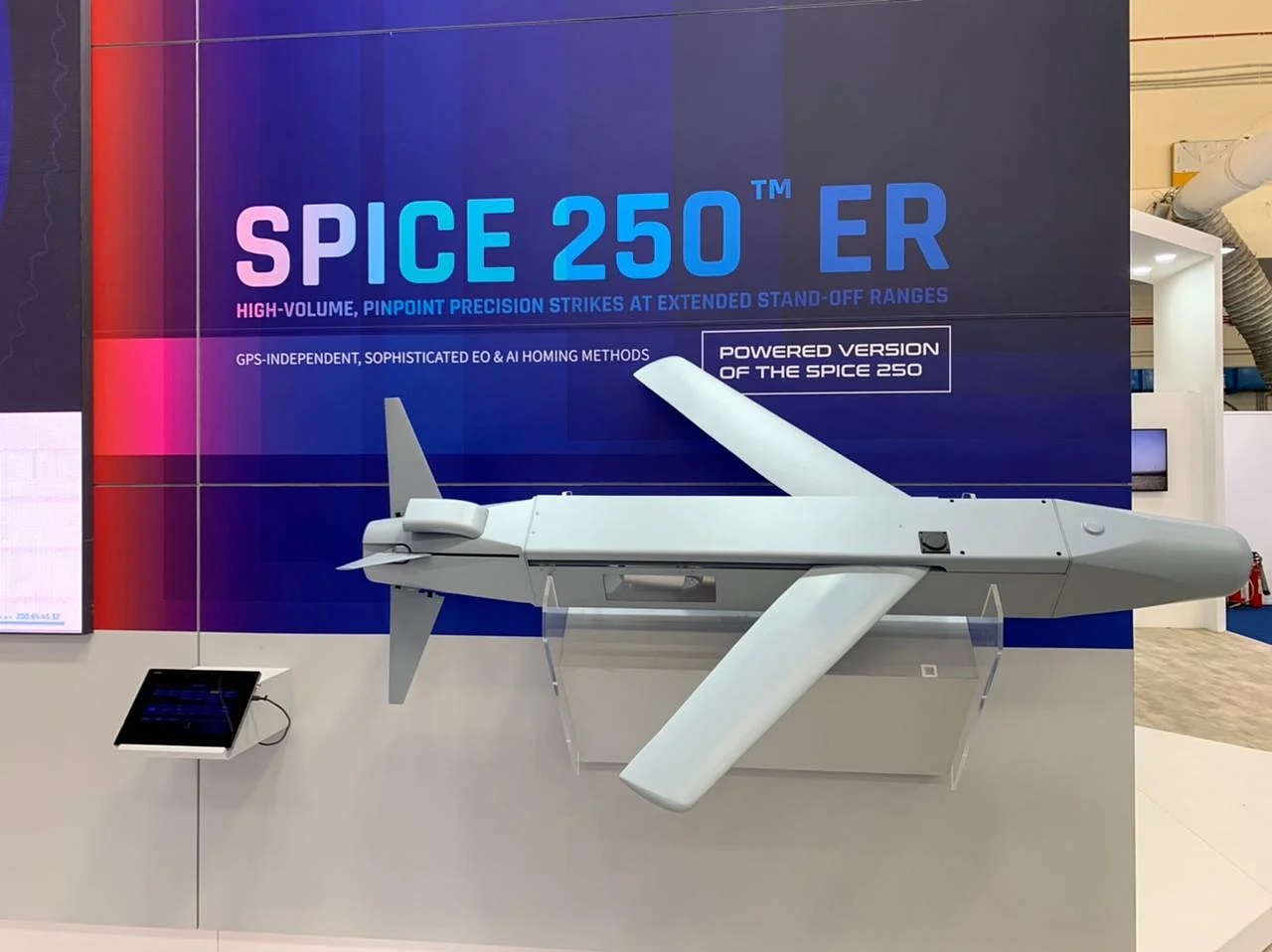
Spice bomb variants: – Spice 1000. An add-on kit for 450 kg warheads such as the MK-83, MPR1000, BLU-110, RAP-1000 and others. The weapon has deployable wings similar to the JSOW and the SDB that substantially increase its range to 100 km and facilitate the integration to light fighter aircraft. –Spice 2000. An add-on kit for 900 kg warheads such as the MK-84, BLU-109, RAP-2000 and others. –Spice 250. A 113 kg glide bomb designed as a complete system rather than an add-on kit, with a stand-off range of 100 km. –Spice 250 ER. A new version of the Spice 250 bomb equipped with micro-turbojet engine with an internal JP-8/10 fuel tank to increase its range to more than 150 km.
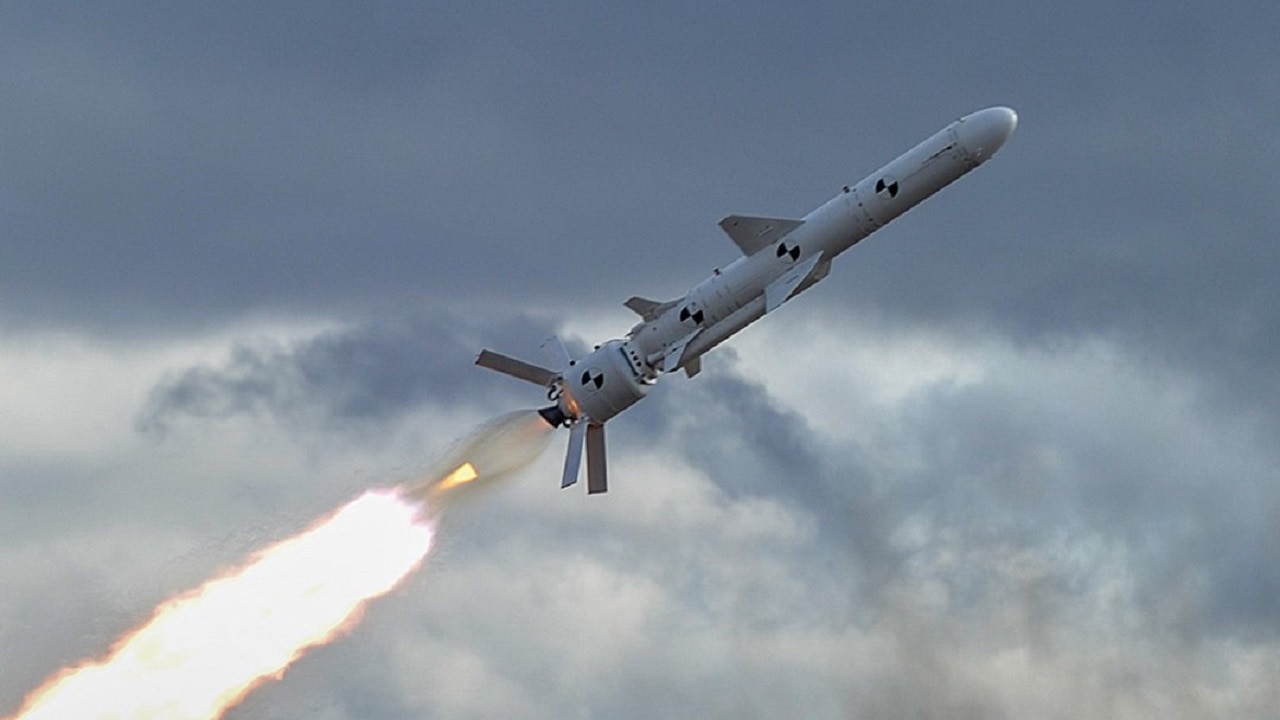
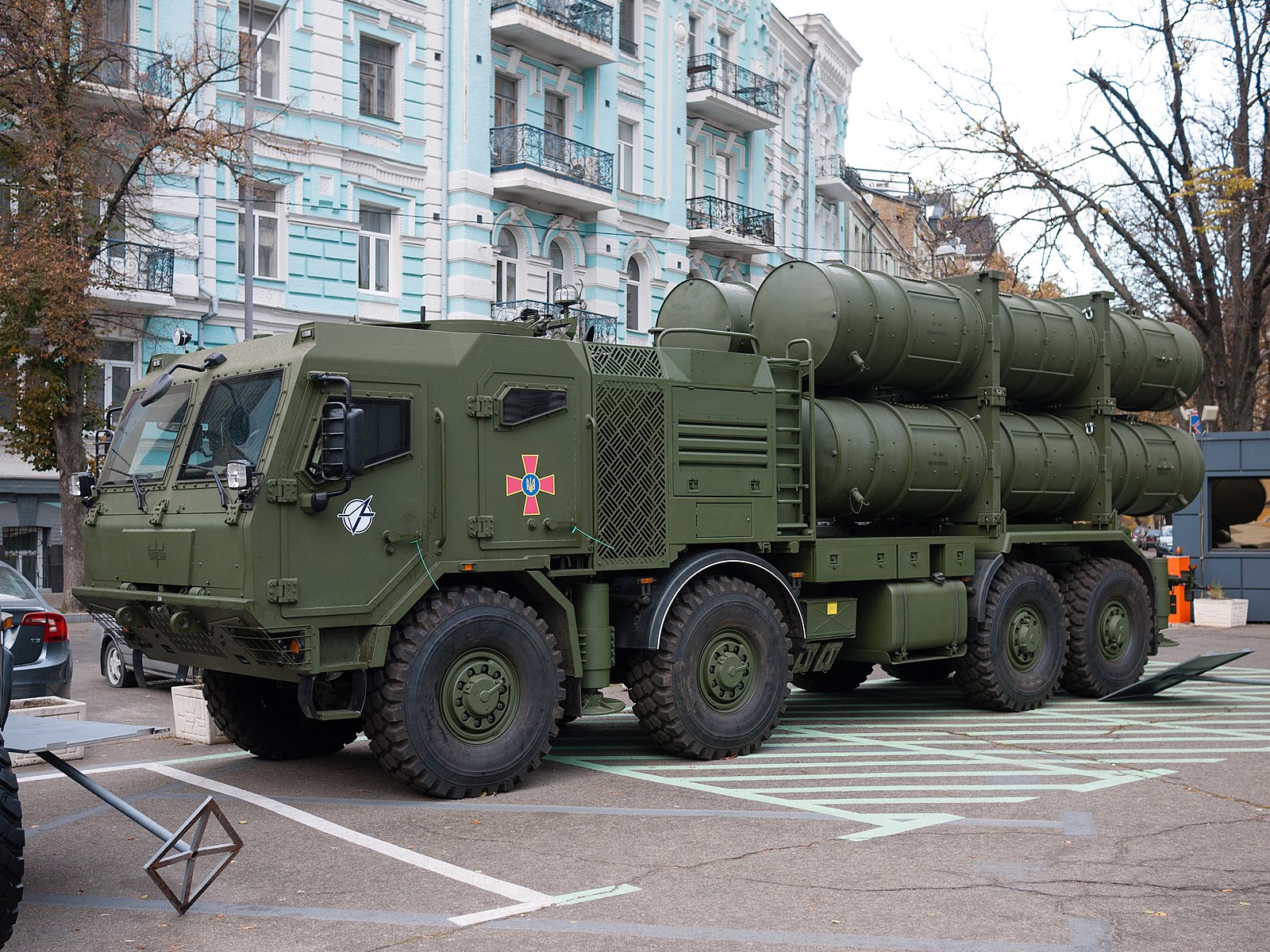
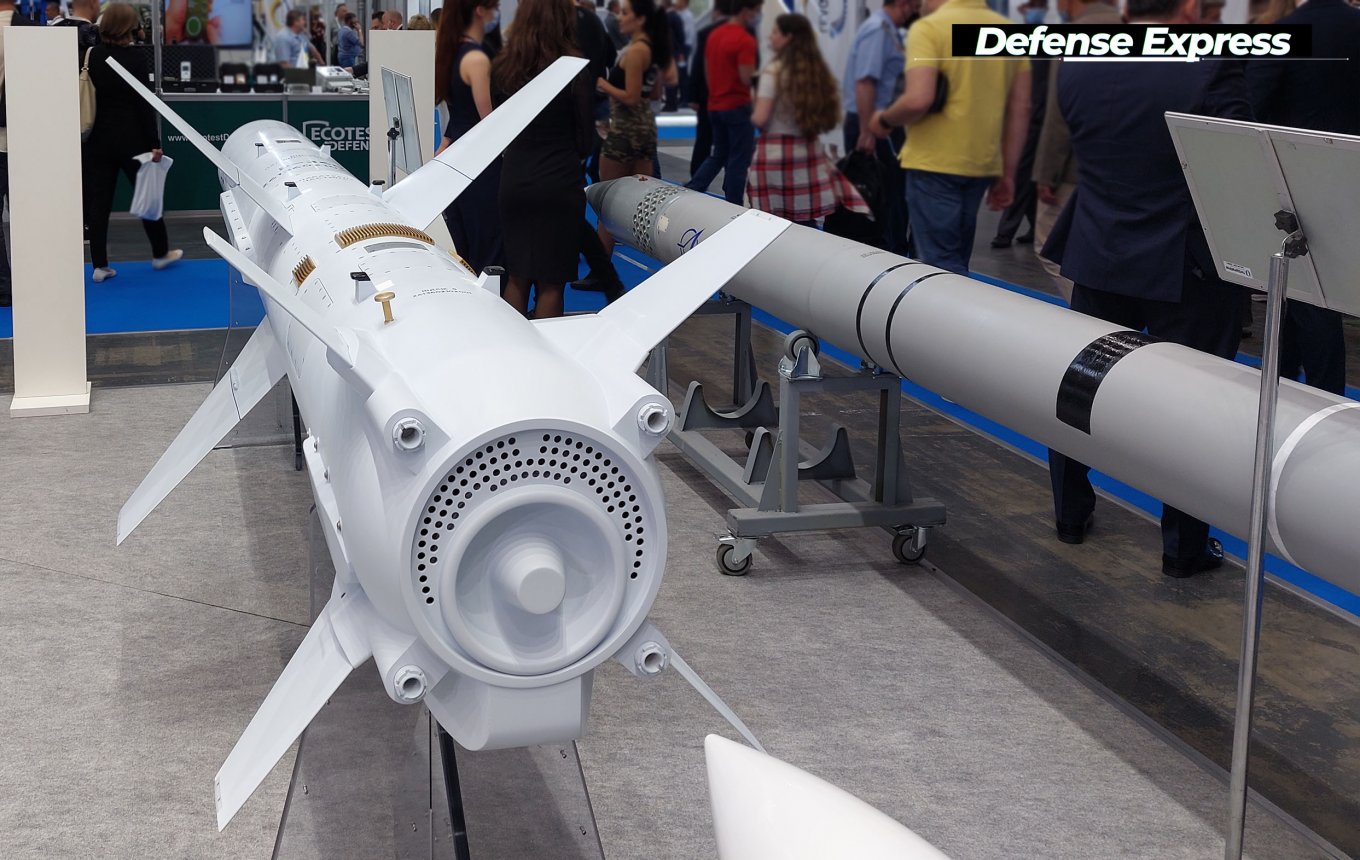
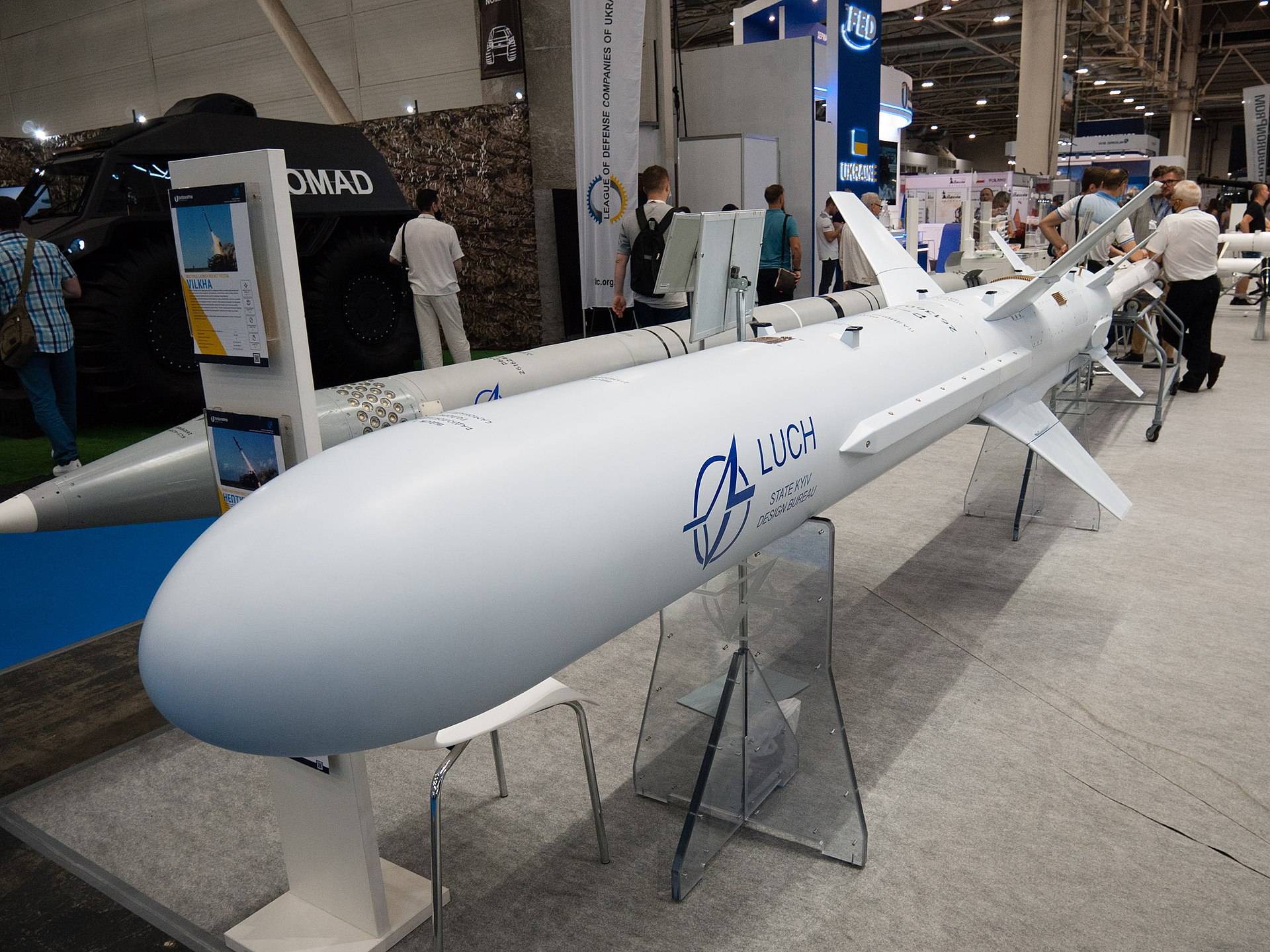
R-360 Neptune is a Ukrainian anti-ship cruise missile developed by the Luch Design Bureau. Neptune’s design is based on the Soviet Kh-35 anti-ship missile, with substantially improved range and electronics, longer body with more fuel, larger booster, and some other modifications.
The Neptune missile was officially unveiled in 2015 at the Defense Exhibition in Kyiv and the system entered service with the Ukrainian Navy in March 2021.
The first tests of the system were conducted on 22 March 2016, attended by Secretary of the National Security and Defense Council, Oleksandr Turchynov. On 17 August 2018, the missile successfully hit a target at a range of 100 kilometres during test firings in southern Odesa Oblast.
R-360 Neptune test launch, 2019
The first flight samples of the cruise missile were manufactured in the second quarter of 2016. Production of advanced missile systems took place in cooperation with other Ukrainian enterprises, including Artem Luch GAhK, Kharkiev State Aviation Plant, Motor Sich, Lviv LORTA, etc.
A Neptune missile including rocket motor is 5.05 metres in length, with a cross-shaped hard wing. Neptune missiles are designed to be housed in transport and launch containers with dimensions 5.30 by 0.60 by 0.60 metres. The system has a maximum range of about 280 kilometres. A single missile weighs 870 kilograms, of which 150 kilograms is the warhead. It carries a High Explosive Fragmentation (HE-FRAG) warhead.
In terms of propulsion, Neptune uses a solid-fuelled booster in the first stage which takes the missile off its launcher and up to its cruise speed within a couple of seconds, then activates its turbofan engine. The small air-breathing jet engine takes over to fly the missile at around 900 km/h, just below the speed of sound, to its target. The engine of this missile is MS-400 turbofan made by Motor Sich Ukraine. This engine has a thrust of 3920 Newtons and a specific fuel consumption of 850 grams per kiloton of thrust per hour. Engine length is 850 mm and its diameter is 315 mm. It also weighs 85 kg.
R-360 Neptune anti-ship cruise missile uses inertial navigation system with active radar homing on the terminal stage of its flight. The missile flies low for most of its flight at 30 meters above sea level to take it away from radar detection. As it approaches the radar coverage envelope of its target, it will descend to 3-10 meters above the surface in order to overcome hostile defense systems.
This missile travels at subsonic speed. It is estimated that due to its subsonic speed that anti-ship missile can be intercepted rather easily, especially by advanced defense system.
Ukrainians also developed coastal defense missile system, that will carry Neptun missiles. A Neptune coastal defence system comprises a truck-based USPU-360 mobile launcher, four missiles, a TZM-360 transport/reload vehicle, a RCP-360 command and control vehicle, and a special cargo vehicle. Czech Tatra T815-7 trucks replaced prototype KrAZ vehicles.
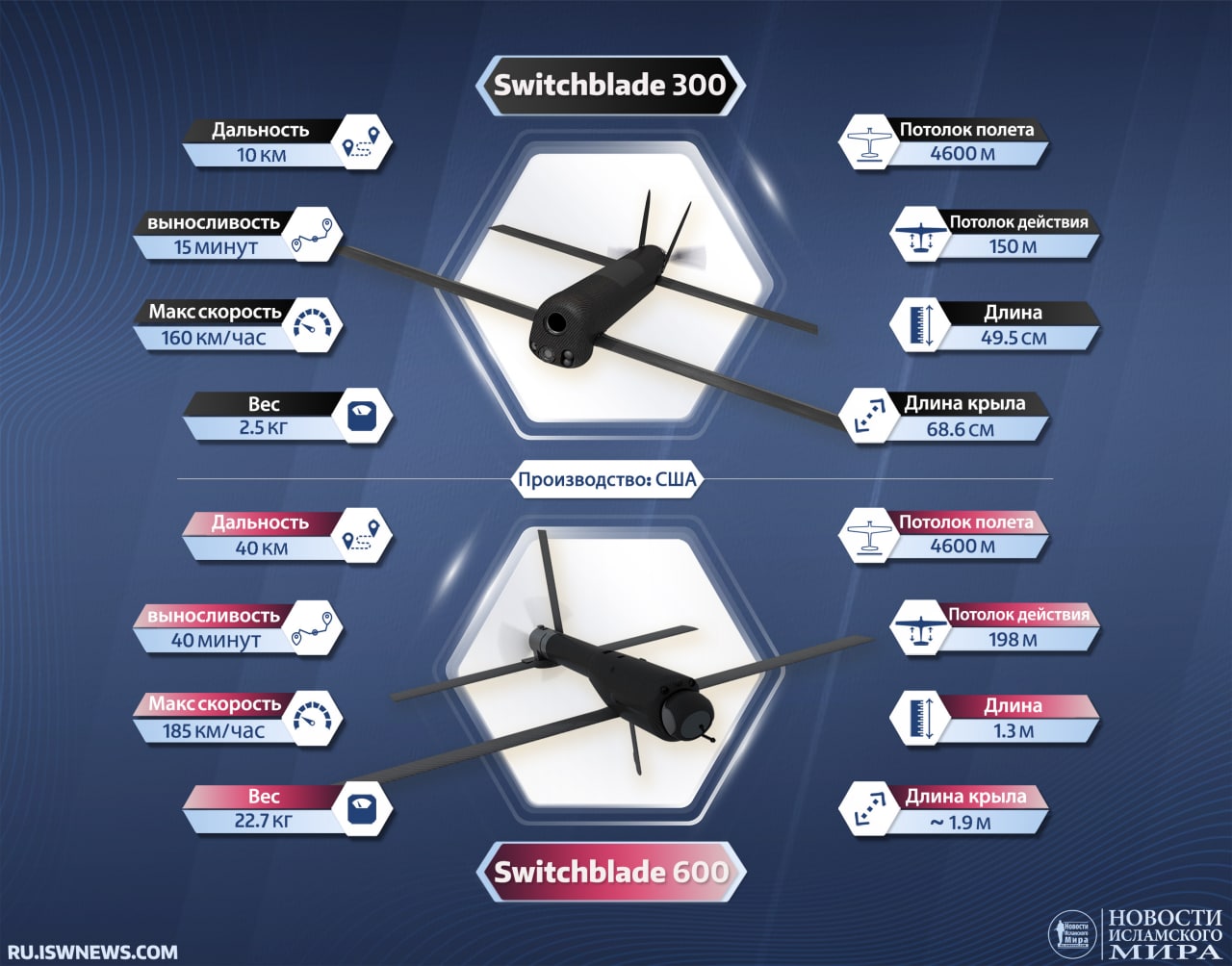
Switchblade drones are a type of miniature loitering munition developed by AeroVironment specifically for the US military. The dimensions of these drones are so small that they can be carried in a backpack. The Switchblade launches from a tube, flies to the target area, and crashes into its target while detonating its explosive warhead. The first prototype of the Switchblade drone was introduced in 2011 and reached the production stage; But in 2020, after the unveiling of the Switchblade drone, the first version was rebranded to Switchblade 300.
It is worth noting that during the Ukraine-Russia war, the US military provided more than 100 of these drones to the Ukrainian army.
Switchblade 300 drone: The Switchblade 300 drone is designed as an expendable drone to increase precision firepower for platoon-sized infantry units. It is 49.5 cm long and weighs 2.7 kilograms including the carrying case and launcher, making it small and light enough for one soldier to carry. The name switchblade comes from the way the spring-loaded wings are folded up inside a tube and flip out once released.
Launch and function of the wings of the Switchblade 300 drone
It can be controlled up to 10 kilometers. Its small size limits its endurance to 10 minutes. This makes it unsuited for scouting roles, but it is useful for inexpensively engaging long-range targets and assisting in relieving units pinned down by enemy fire. The Switchblade uses a color camera and GPS locating to identify, track, and engage targets, as well as being able to be pre-programmed on a collision course. Its warhead has an explosive charge equivalent to a 40mm grenade to destroy light armored vehicles and personnel. If a situation causes a strike to be called off, the operator can call off the Switchblade and re-target it.
Switchblade 300 performance and observing by Puma UAV – Switchblade 300 launch capability from Jump 20 UAV
Switchblade 300 is propelled by an electric engine, so its small size and silent flight makes it extremely difficult to detect or try to intercept, enabling it to close in on a target at 160 km/h. The Switchblade uses the same Ground Control Station as other AeroVironment drones including the Wasp, RQ-11 Raven, and RQ-20 Puma. This creates commonality and the potential for teaming of longer-endurance small UAVs to recon for targets, then having the Switchblade attack once they are identified with the same controller. It should be noted that the multi-pack launcher with remote control capability is also designed for Switchblade 300 drones. This launcher comes in a standard 6-pack configuration weighing 73 kg. The design is scalable from 2 to 20 rounds and allows fast reloading in less than 30 seconds per round. The U.S. military has been deploying these packages since early 2019 to defend its bases. The system can be placed outside and remotely fired from the relative safety of a command-and-control center more rapidly and with up to six shots.
Switchblade 300 Multi-pack launcher – Six-tube firing system
Switchblade 300 specification: Range: 10 km Endurance: 15 minutes Max speed: 160 km/h Weight: 2.5 kg Length: 49.5 cm Wingspans: 68.6 cm Flight ceiling: 4600 m Flight altitude: 150 m Origin: USA
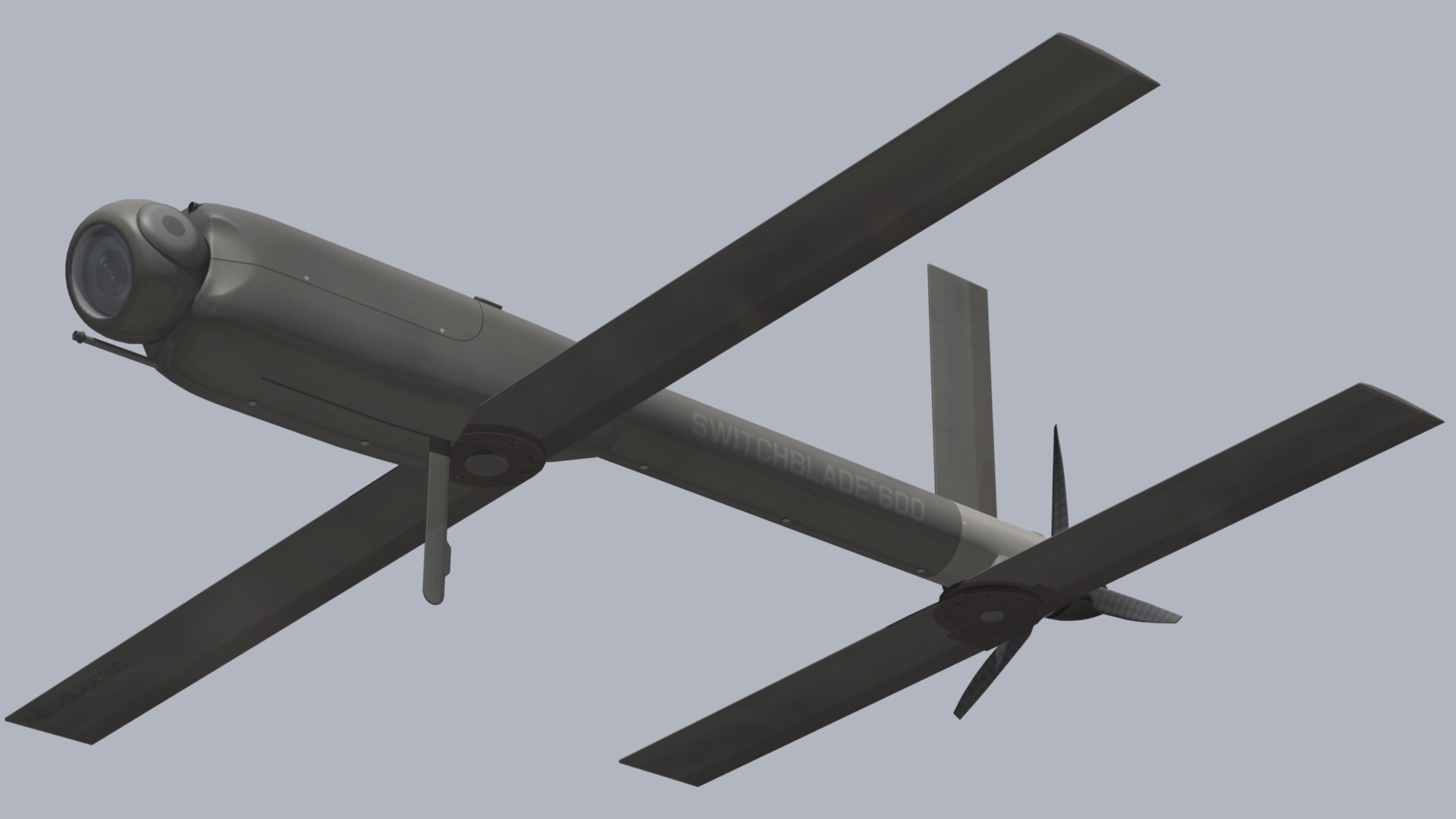
Switchblade 600 drone: The Switchblade 600 drone is larger than the Switchblade 300. The length of this drone is 1.3 meters and its weight is 22.7 kilograms; However, it is still portable by man and can be assembled in 10 minutes. The Switchblade 600 is designed to fly up to 40 km in 20 minutes, as well as for a further 20 minutes of roaming, which means a final range of 80 km (40 minutes in total). The Switchblade 600 attacks at a 185 km/h dash speed, carrying an ATGM warhead based on the FGM-148 Javelin, designed to neutralize armored vehicles.
Launch and function of the wings of the Switchblade 600 drone
A touchscreen tablet-based fire control system can manually or autonomously control the Switchblade 600. It is secured through onboard encrypted data links and Selective Availability Anti-Spoofing Module GPS with a patented wave-off capability. An optional pocket digital data link module allows engagements beyond 90 km. The Switchblade 600 was developed for the Single Multi-Mission Attack Missile development program. Other methods could include a six-pack vehicle-mounted version and by air-launch. One of the advantages and interesting points of the Switchblade 600 drone is that it can hunt targets with a much longer range than Javelin ATGM, but it costs less than a Javelin missile.
Switchblade 600 specification: Range: 40 km Endurance: 40 minutes Max speed: 185 km/h Weight: 22.7 kg Length: 1.3 m Wingspans: ~ 1.4 m Flight ceiling: 4600 m Flight altitude: 198 m Origin: USA
Click to view full sizeSwitchblade 300 drone – Click to view full sizeSwitchblade 600 drone – Click to view full size
“Switchblade Loitering Munition” collection of posters in Persian, Arabic, Kurdish, Azeri, Russian for Social Media:
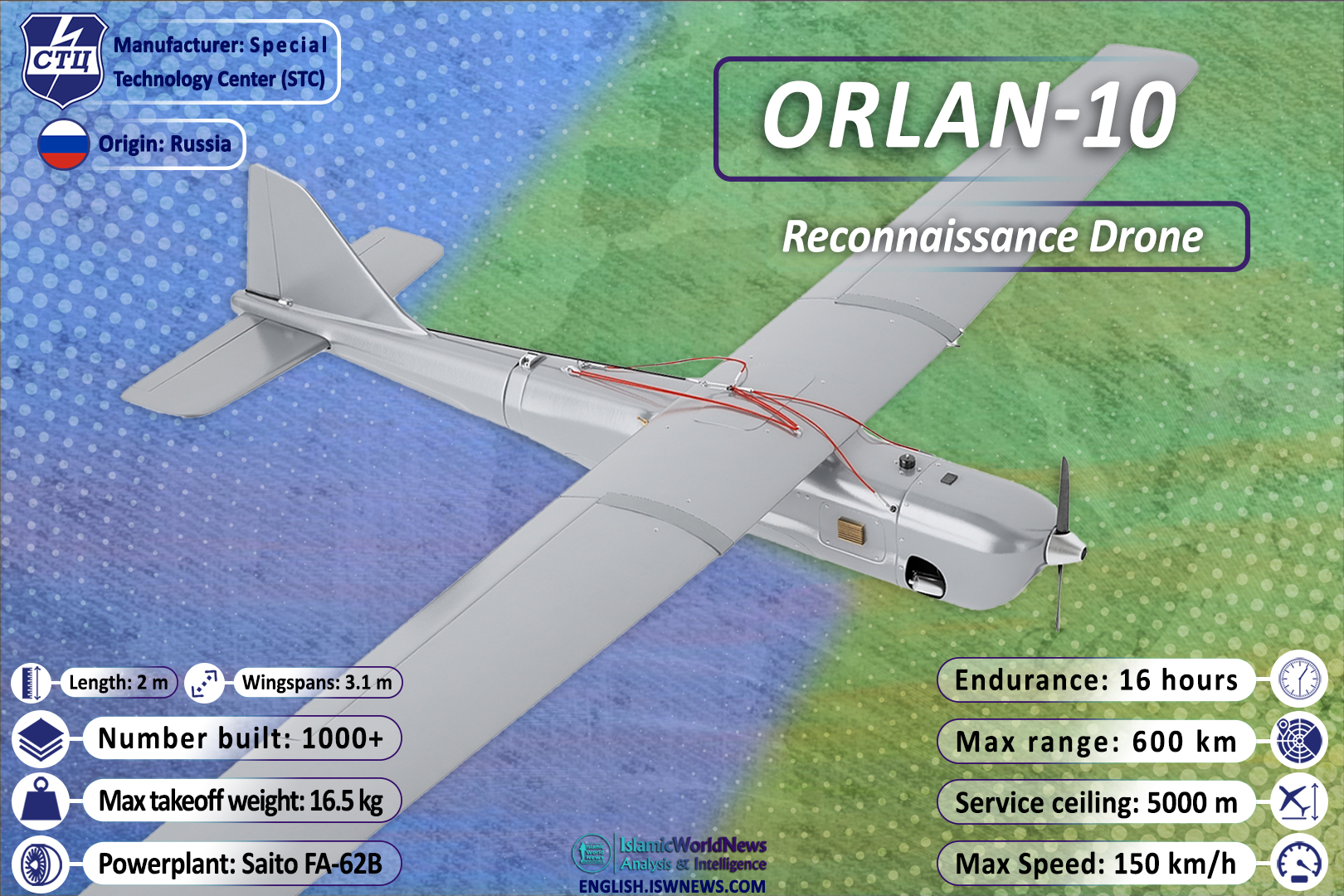
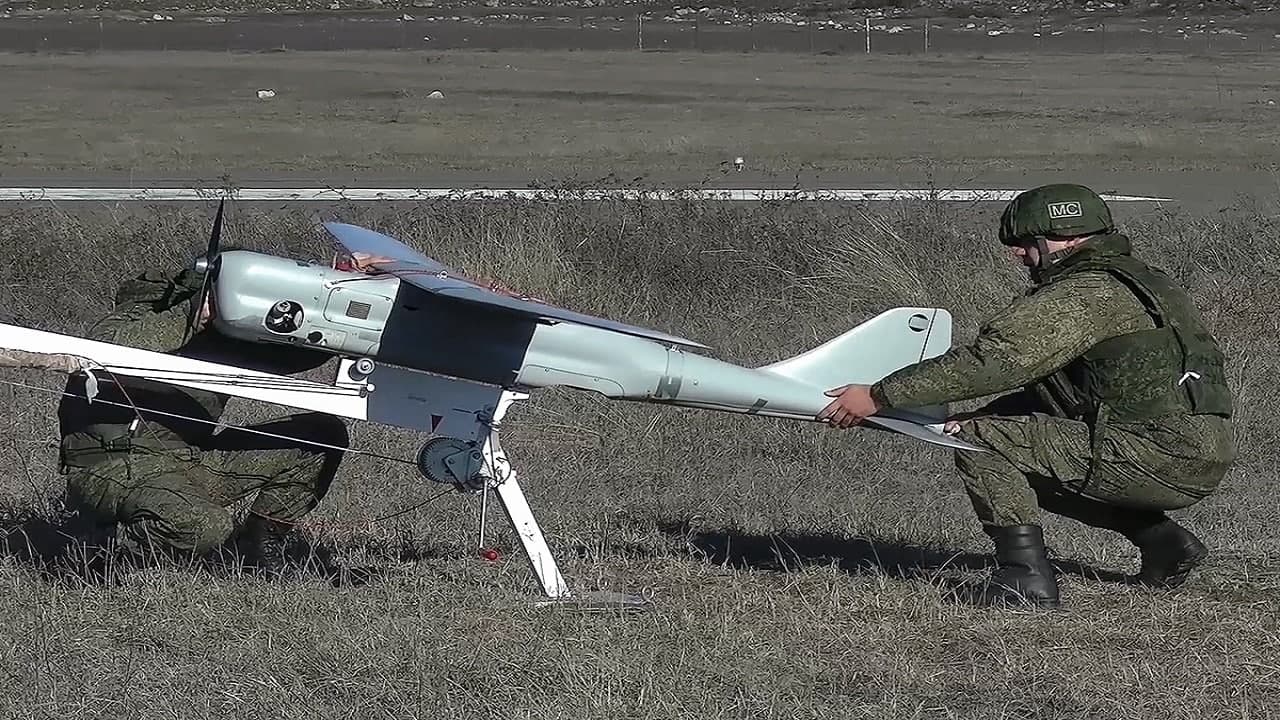
The Orlan-10E, an export variant of the Orlan-10 drone, was unveiled at the 19th FIDAE International Exhibition in March 2016, and ROSOBORONEXPORT (the sole state intermediary agency for Russia’s exports/imports of defense-related and dual use products, technologies and services) also announced plans to export the Orlan-10E drone.
The drone is used for a variety of missions, including reconnaissance, surveillance, electronic warfare, search and rescue, combat training, radio signal detection and target tracking on difficult terrain.
Orlan-10 specifications: Length: 2 meters Wingspans: 3.1 meters Max takeoff weight: 16.5 kg Empty weight: 12.5 kg Endurance: 16 hours Combat range: 140 km Maximum(ferry) range: 600 km Service ceiling: 5000 meters Speed: 150 km Engine: Saito FA-62B single cylinder four stroke gasoline piston engine, 0.75 kW (1 hp)
Click to view full sizeClick to view full size
“Orlan-10 Reconnaissance Drone” collection of posters in Persian, Arabic, Kurdish, Azeri, Russian for Social Media:
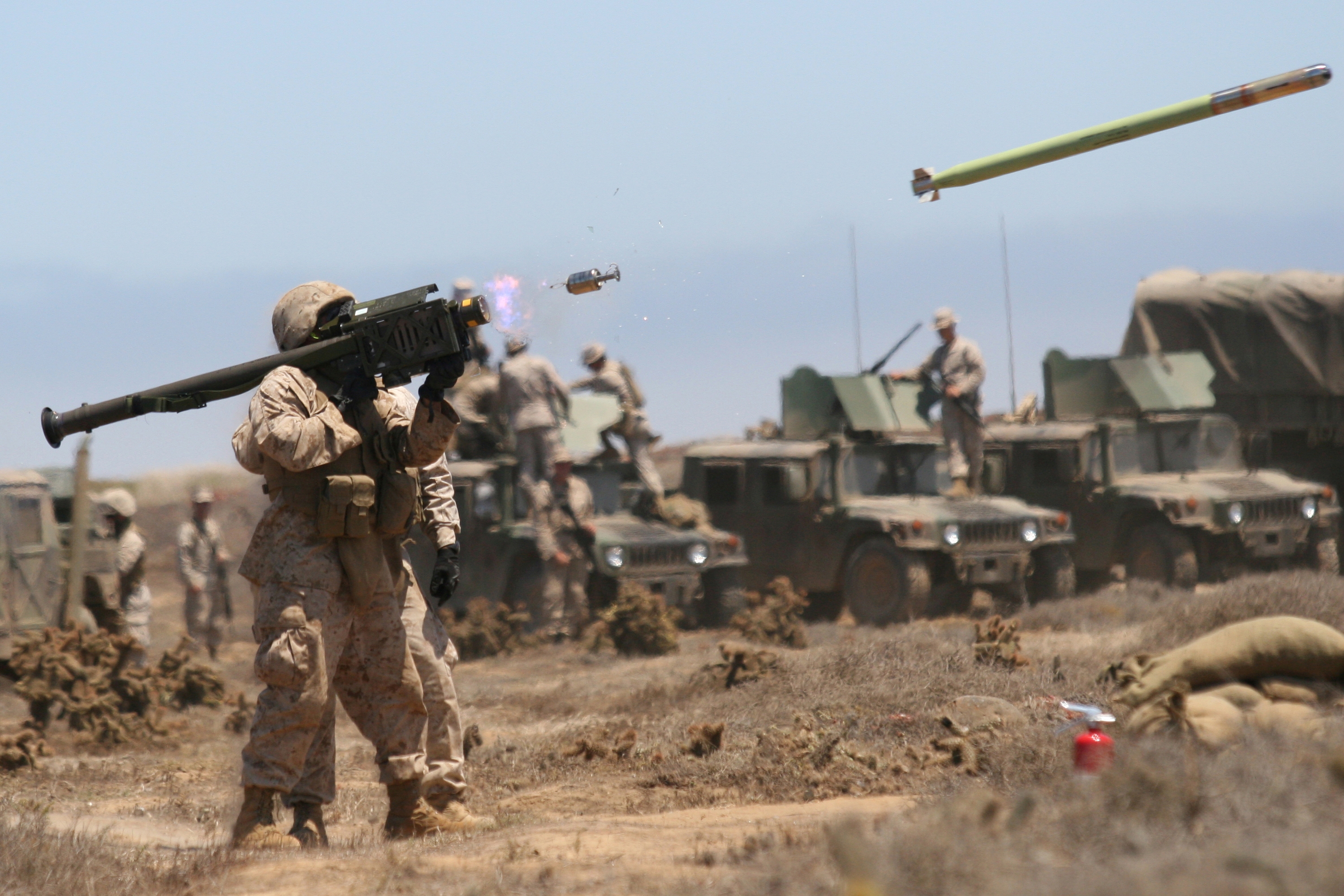
The FIM-92 Stinger is a man-portable air-defense system (MANPADS) that operates as an infrared homing surface-to-air missile.
FIM-92 Stinger can be used in a wide range of vehicles and ground and helicopter launchers. The Stinger was designed in the United States by General Dynamics and entered service in 1981 and has been used in more than 29 armies worldwide. The Stinger missile is produced under license by Airbus Defence in Germany and by ROKETSAN in Turkey, and more than 70,000 Stinger missiles have been produced to date.
The missile is 1.52 m long and 70 mm in diameter with 100 mm fins. The missile itself weighs 10.1 kg, while the missile with its launch tube and integral sight, fitted with a gripstock and Identification friend or foe (IFF) antenna, weighs approximately15.2 kg.
The Stinger is launched by a small ejection motor that pushes it a safe distance from the operator before engaging the main two-stage solid-fuel sustainer, which accelerates it to a maximum speed of 750 m/s.
The warhead contains 1.02 kg of a mix of HMX, TNT, and aluminium powder explosive with an impact fuze and a self-destruct timer that functions 17 seconds after launch.
FIM-92 Stinger missile specifications: Length: 1.52 meters Diameter: 70 mm Mass: 15.19 kg Weight (missile): 10.1 kg Warhead: High explosive Weight: 1 kg HTA-3 Maximum range: 4800 meters Guidance: System Infrared homing
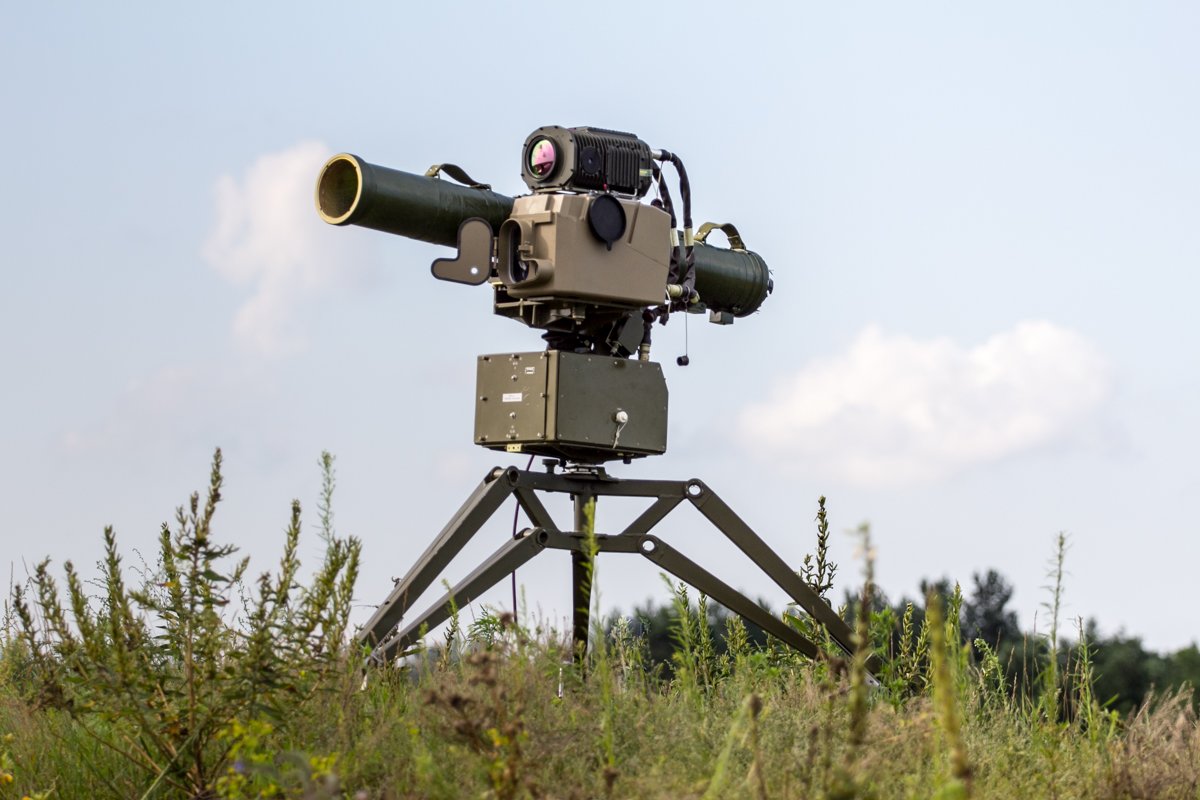
The Stugna-P is an Ukrainian anti-tank missile system developed by the Kyiv-based Luch design bureau to compete with foreign models of the same class.
The Stugna-P system consists of a tripod, a missile container, a guidance device and a computer used to control all the firing operations and allow the operator to remotely control the launcher station from a safe distance of up to 50 m. The laser guidance sighting system is the PN-I that can be used during day and night conditions with a firing range from 100 to 5,000 meters. The PN-I weighs 17.2 kg and features television surveillance and sighting system, a laser range finder, a laser guidance system, and a control system for the missile’s axes.
The launcher unit of the Stugna-P ATGM
The missile of the Stugna-P is able to destroy stationary and moving armored targets protected with state-of-the-art composite and explosive reactive armor. This ATGM is also used to hunt targets at low altitudes and low speeds such as helicopters.
The tandem shaped-charge warhead of this missile is capable of penetrating up to 800 mm of rolled steel.
The Stugna-P can launch 130mm and 152mm missiles, the most common of which are the RK-2S, RK-2OF, RK-2M-K, and RK-2M-OF guided missiles. They can be equipped with different types of warheads including tandem cumulative, high-explosive fragmentation, or thermobaric. high-explosive fragmentation are used against aerial targets and thermobaric warheads are used against targets such as troops gathering, trenches and concrete structures.
The STUGNA missile uses semi-active laser beam riding guidance. The missile can engage targets from 100 to 5,000 m, with flying time to the maximum range not exceeding 14.3 seconds.
Beam riding guidance is based on a signal that is pointed towards the target. The signal does not have to be powerful, as it is not necessary to use it for tracking as well. The main use of this kind of system is to destroy airplanes or tanks. First, an aiming station in the launching area directs a narrow radar or laser beam at the enemy aircraft or tank. Then, the missile is launched and at some point after launch is “gathered” by the radar or laser beam when it flies into it. From this stage onwards, the missile attempts to keep itself inside the beam, while the aiming station keeps the beam pointing at the target. The missile, controlled by a computer inside it, “rides” the beam to the target.
STUGNA missile has a length of 1,360mm, and a weight of 29.5 kg.
STUGNA-P ATGM specifications: Range: 100 to 5,000 m Weight: 29.5 kg Missile length: 1360 mm Missile weight : 29.5 kg Armor penetration: 800 mm rolled steel System operating temperature range: -40 to +60 degrees Celsius