After the spreading of unofficial reports by the Israeli media about the airstrikes of the Israeli regime on the positions of Ansar Allah in the city of Sana’a, the chief of staff of Israel, Aviv Kochaviy, claimed that the airstrikes on a third country (probably Yemen) coincided with the recent military operation of this regime against the Palestinian Islamic Jihad group in Gaza. During a military conference, without mentioning the details of this attack, Kochaviy said that the Israeli army conducted an operation in a third country during the recent conflict with the Islamic Jihad in the Gaza Strip.
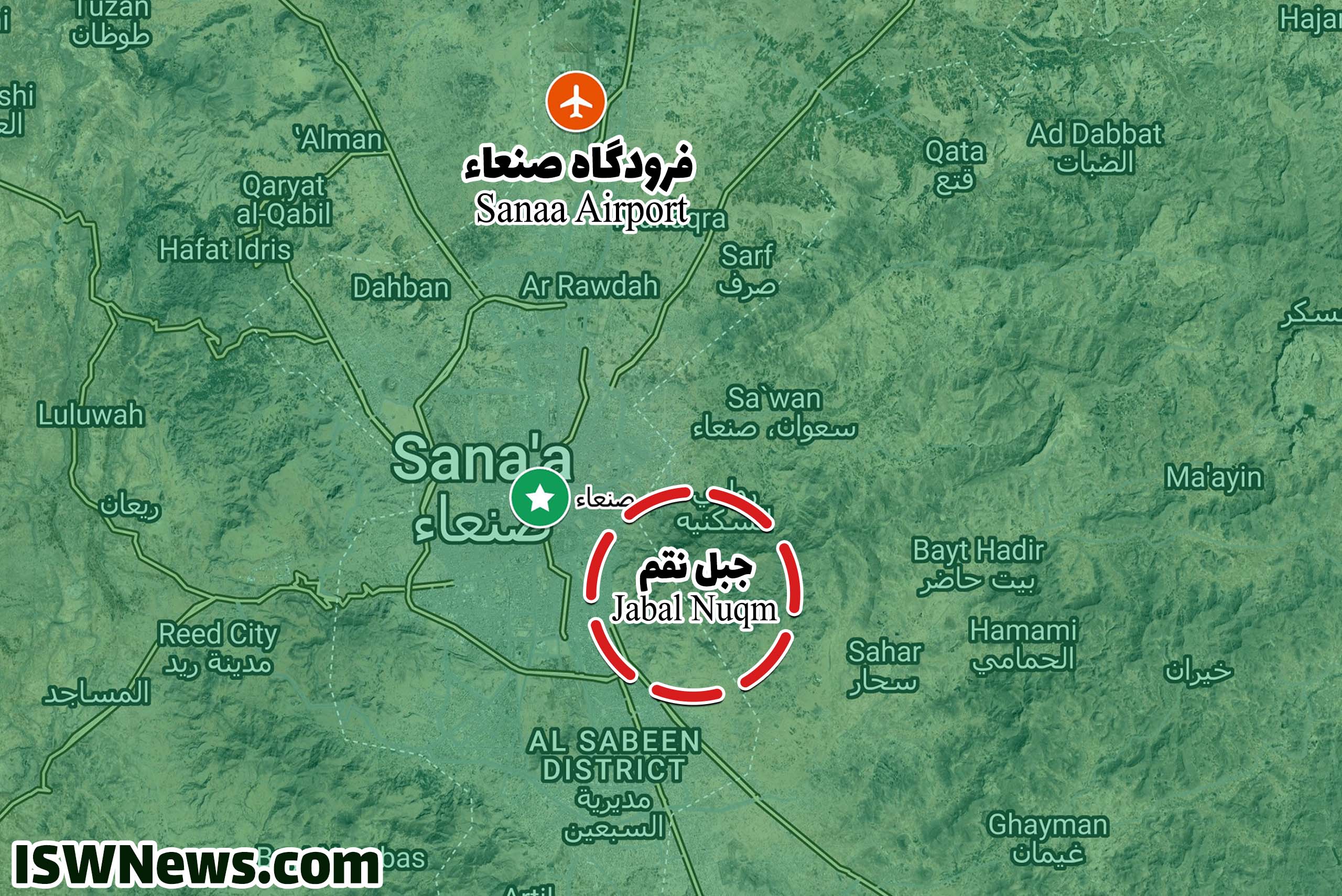
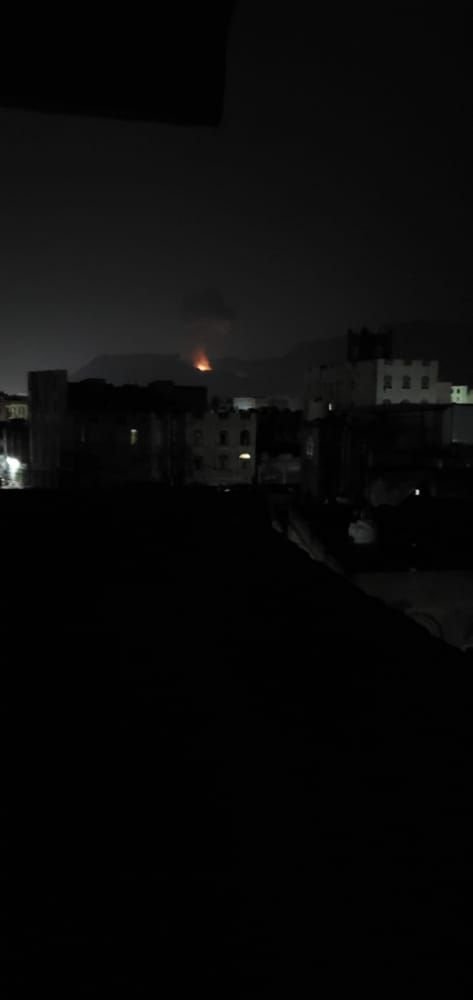
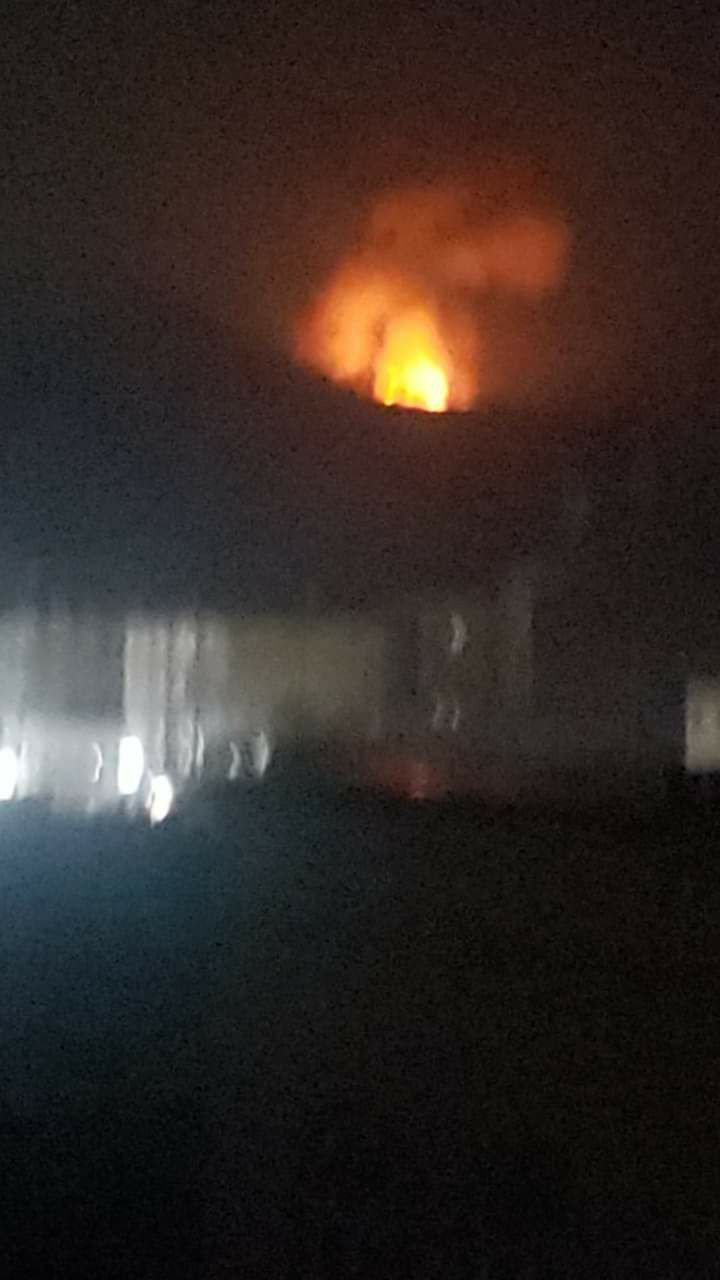
Kochaviy’s mysterious claims has led speculations about the nature of the explosion at the Al-Hafa base in the suburbs of Jabal Nuqum, located east of Sana’a on August 7, to an airstrikes by the Israeli warplanes. The Zionist media have recently started a heavy psychological war against Ansar Allah. The media attack against the resistance in Yemen was also accompanied by the Saudi affiliated media, in which, these media claimed that the missiles sent by Iran were unsuccessfully tested and that six Iranian and Hezbollah advisers were killed in this explosion!
The authorities of Ansar Allah have not yet shown an official reaction to this news, and some Yemeni media have attributed the explosion to the destruction of an old ammunition depot. All in all, no reliable information have been published about the incident so far.
In the case of Israel’s aggression against Ansar Allah’s positions, this Yemeni movement has several options to retaliate against Zionists, including attacking Israeli ships in the Red Sea, the Israeli intelligence base in Eritrea (located in the Emba Soira mountain), the joint bases of the UAE and Israel in the Socotra island, etc.
Images of the explosion at the Al-Hafa base in the outskirts of Jabal Nuqum
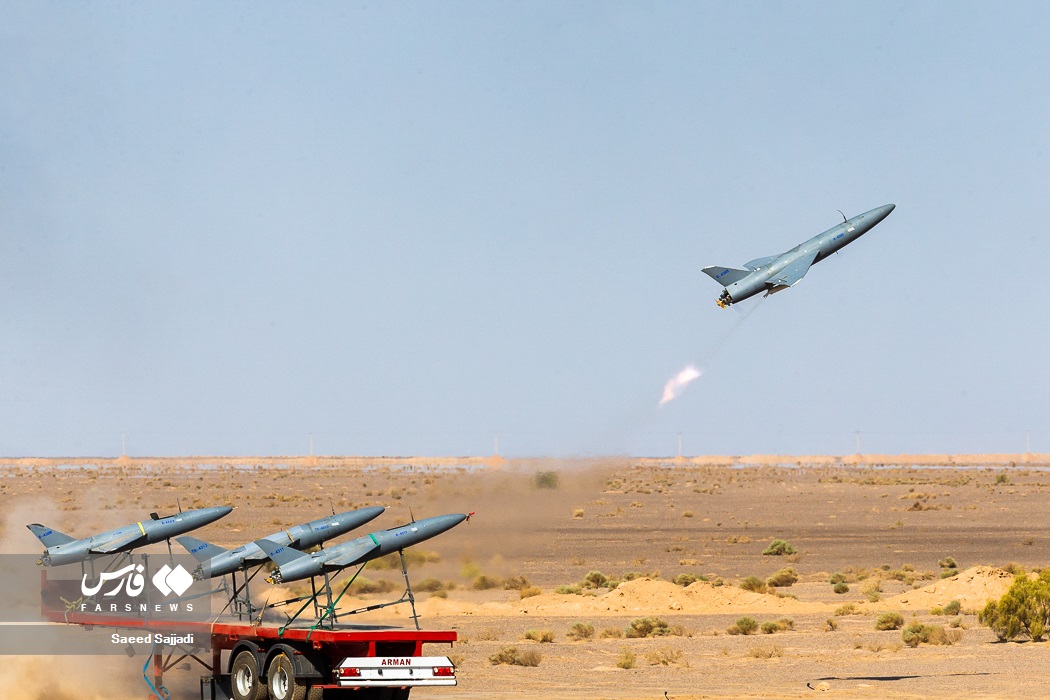
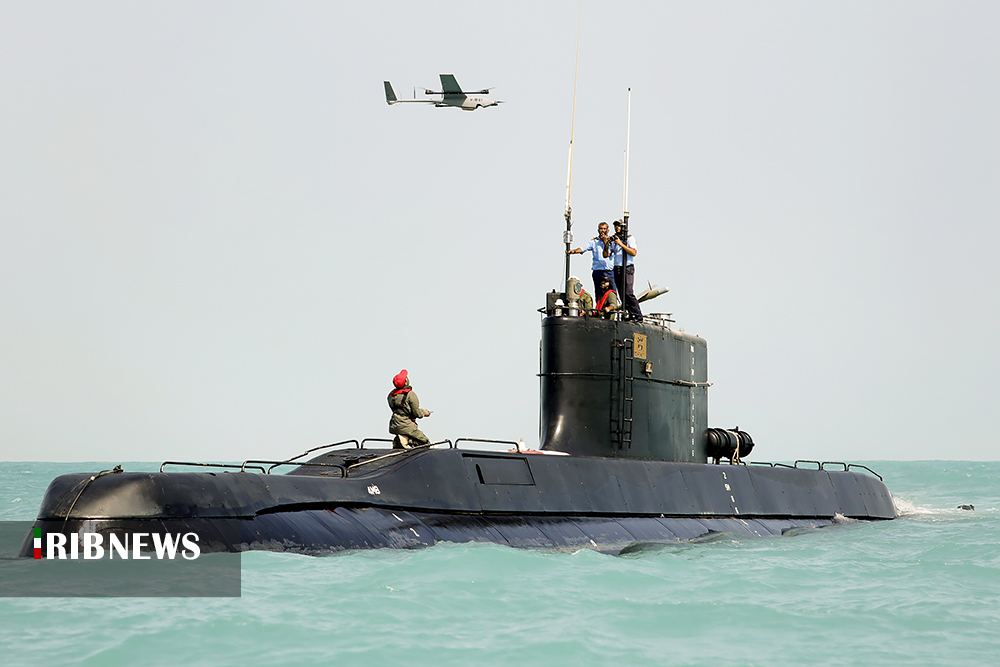
On August 24, the 1401 joint drone exercise of the Islamic Republic of Iran Army began with the presence of the Army’s Ground Force, Navy, Air Force and Air Defense Force in the north, south, west and center of the country and with the participation of more than 150 drones.
On the first day of this exercise, the surveillance and reconnaissance drones successfully performed the operation of monitoring the country’s borders and identifying the desired targets in the general area of the exercise.
According to Rear Admiral Seyed Mahmoud Mousavi, the spokesman of the joint military drone exercise, the Yasir, Sadeq, Pelikan, Ababil 3, Yazdan and Mohajer 6 drones were sent to identify targets and also to monitor the desired areas on the borders and international waters.
Iran Army’s 1401 joint drone exercise
In the continuation of the main stage and on the second day of this exercise, Kaman, Mohajer and Ababil drones, using indigenous accurate and pinpoint weapons, including Qaem bombs, Almas missiles and MK-82 bombs, targeted the simulated positions of enemy like the command and control centers, fuel tanks, ammunition dumps, radar and missile systems and gathering places with high accuracy.
Iranian military experts and technicians have in recent years made substantial headways in manufacturing a broad range of indigenous equipment, making the armed forces self-sufficient in the arms sphere.
Iranian officials have repeatedly underscored that the country will not hesitate to strengthen its military capabilities, including its missile power, which are entirely meant for defense, and that Iran’s defense capabilities will be never subject to negotiations.
Images of the Iran Army’s 1401 joint drone exerciseIran Army’s 1401 joint drone exercise
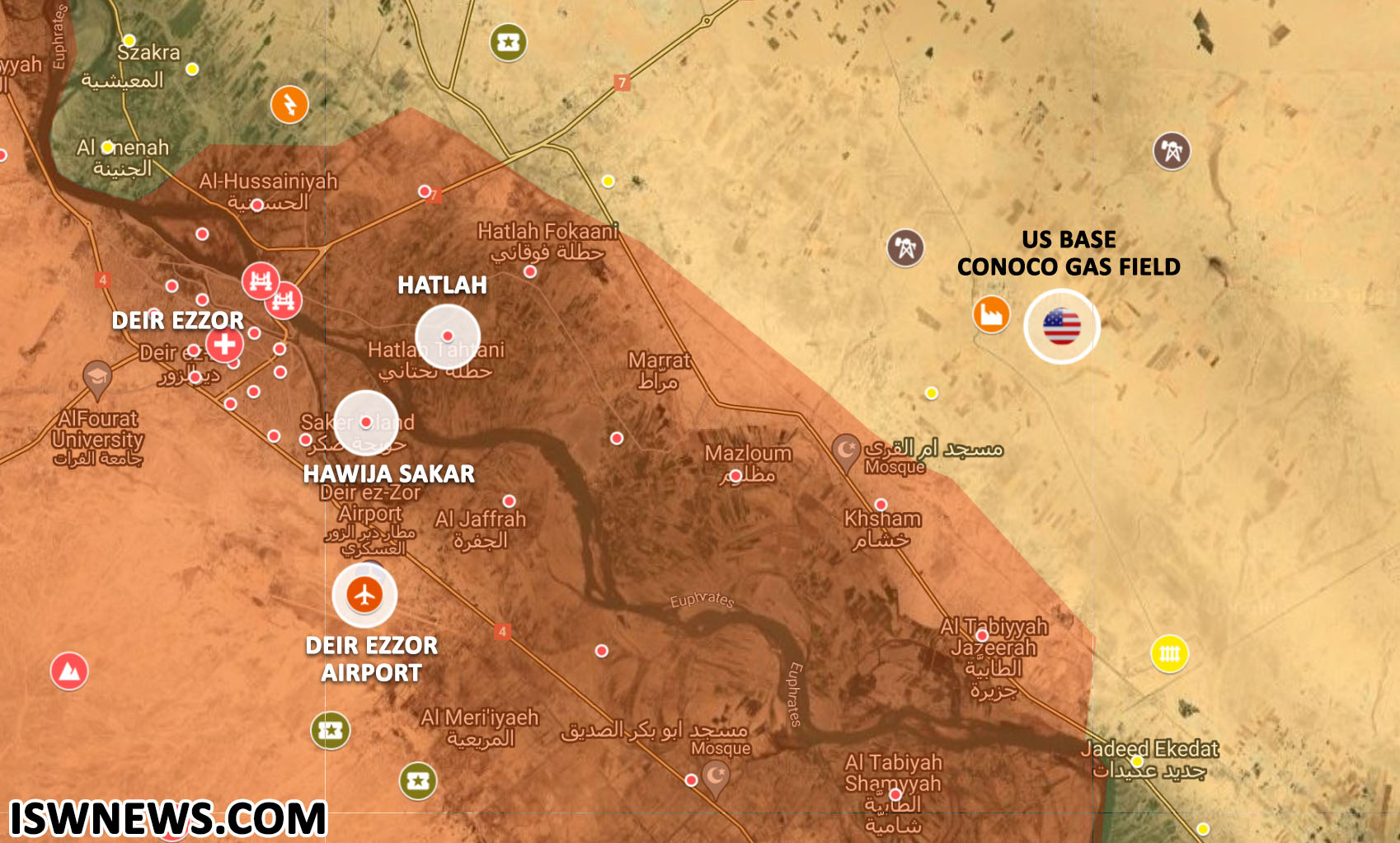
According to field observations, at the same time as the rocket attacks, Syrian army fighter jets and Russian military helicopters were patrolling around the city of Deir Ezzor.
The IWN field source in Syria, in a conversation with us, said that the rocket attacks against CONOCO gas facilities were carried out from Hawija Sakar area in north of Deir Ezzor. After this attack, the US fighter jets bombarded the rocket launch site in Hawija Sakar, as well as the airport and Hatlah area. However, none of the resistance forces and the Syrian army forces were harmed in the attacks.
According to the information released by the US CENTCOM, rocket attacks were carried out around 19:20 (local time) and three US servicemen were injured.
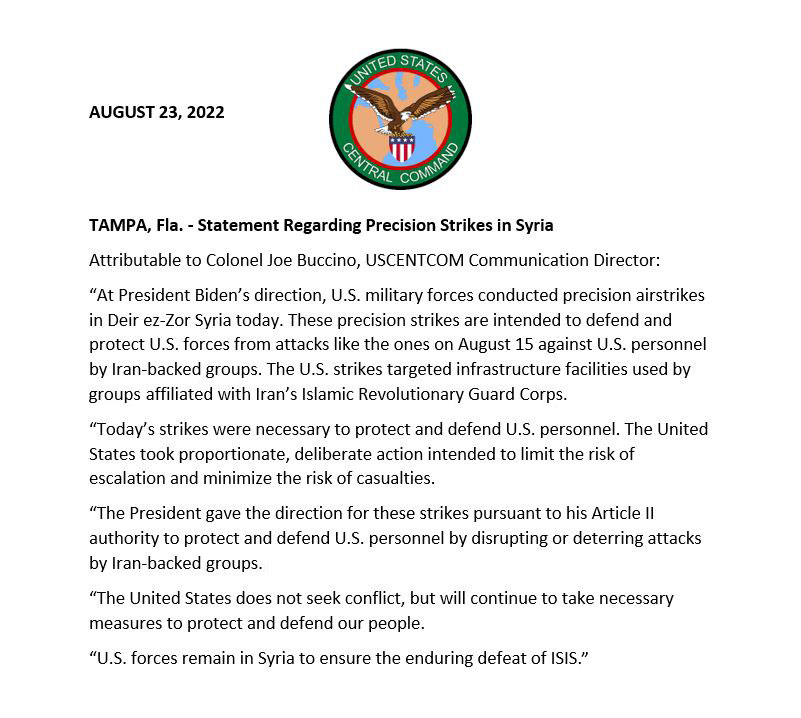
It should be noted that the SAA and the resistance forces rocket attacks were carried out in retaliation to the US missile attacks. One August 23, the US fighter jets bombed the facilities and ammunition depots of the resistance forces and the Syrian army in the Ayyash region of Deir Ezzor province.
According to the US claim, these targets belonged to the forces supported by Iran and the axis of resistance and was carried out in response to the attack of Iranian-backed forces on US positions on August 15.
Centcom’s statement did not mention the targets of this attack, but at the same time as the US attacks, local sources reported an air strike on an ammunition warehouse and a fire in the village of Ayyash located in the northern suburbs of Deir Ezzor city. In this regard, the residents of Deir Ezzor reported the sound of multiple explosions this morning.
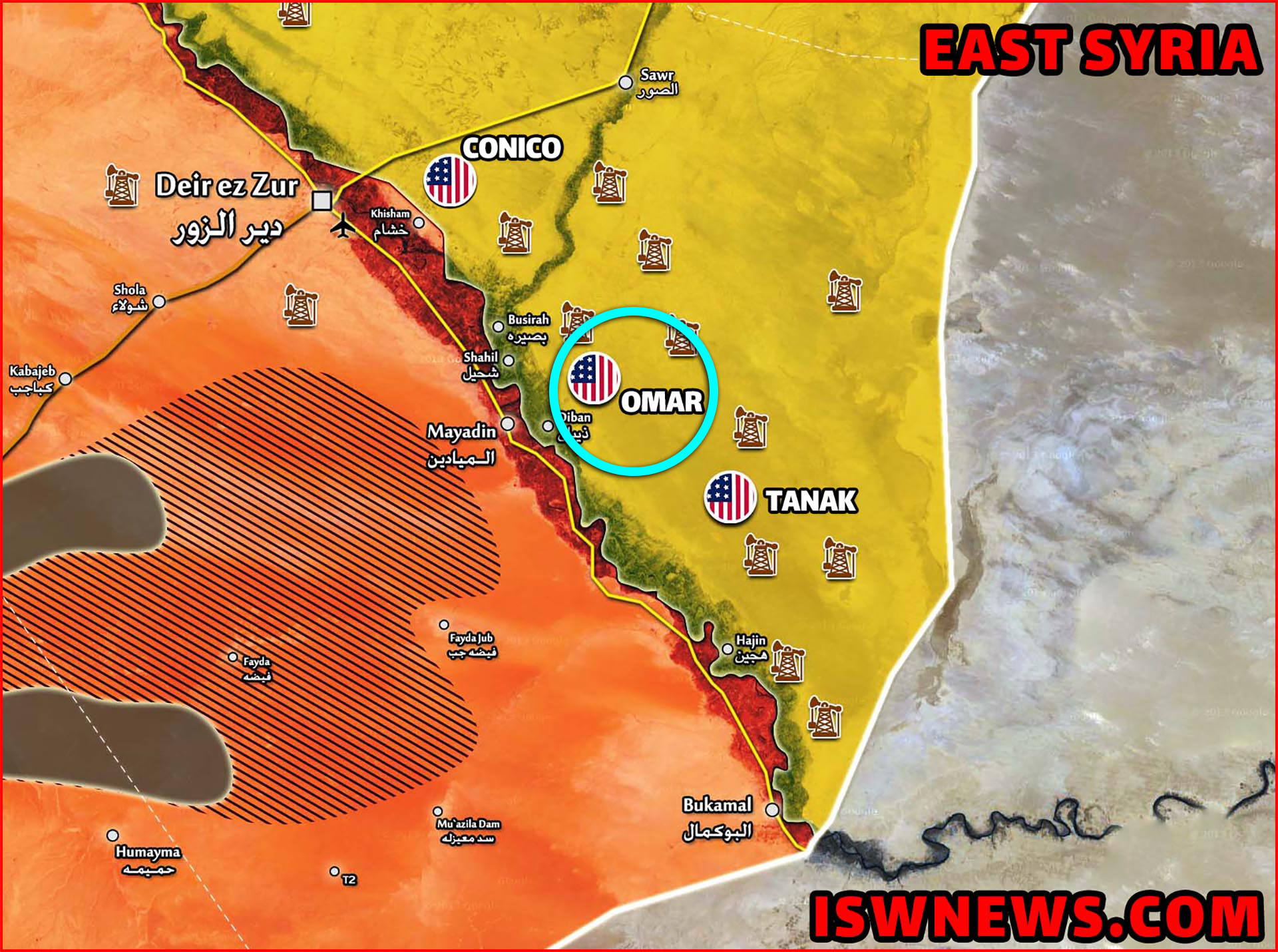
It is worth mentioning that on August 15, there were two attacks against the positions of the US coalition in Syria. In the first attack, around 06:30 am (local time), the Al-Tanf US base in Homs province was targeted by a drone attack. At 21:00 (local time), the second attack against the US military was carried out in the Omar oil field with several rockets.
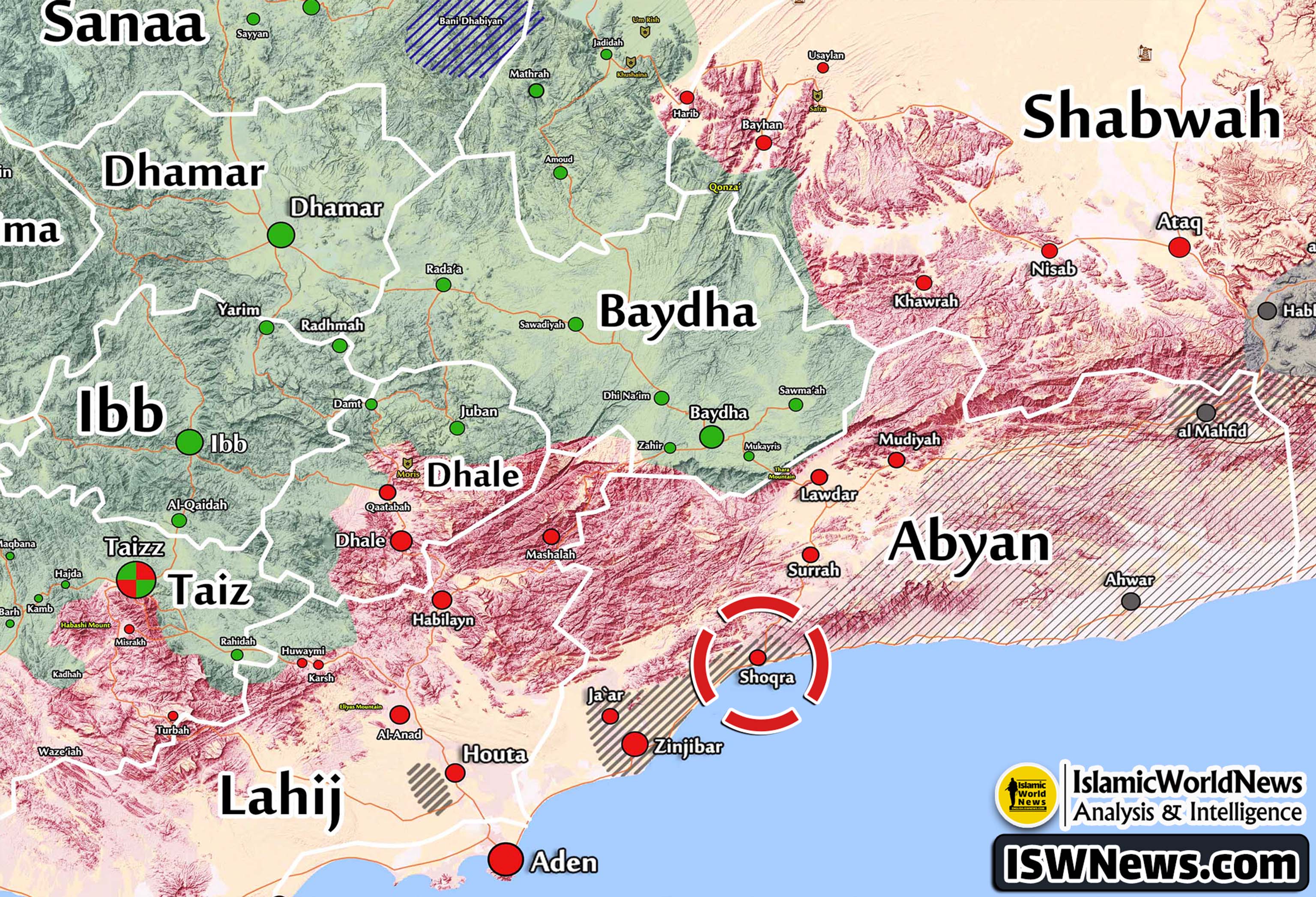
Following the recent defeats of the Islah party in Shabwah and Hadhramout provinces, the Islah party in Abyan province handed over the control of the coastal city of Shoqra and the areas of Qarn al-Kalasi and Al-Arqub to the Southern Transitional Council forces. According to the statements of Hamsan Al-Uzali, the commander of the 8th Brigade of the Saudi-backed government of Yemen (affiliated to the Southern Transitional Council), the control of the cities of Lowder, Al-Wadhi’, Mudyah and Al-Mahfad will also be handed over to the STC.
In this regard, Tariq Saleh, the commander of the National Resistance Forces, has issued an order to confront the militants of the Islah Party in the cities of Marib and Taiz. Therefore, the National Resistance Forces with the support of the UAE will soon begin their attacks in these cities.
The situation in the Hadramaut and Shabwa fronts is still against the Islah party, and the militants of this party lost control of the Ayaz area, the Alam base and the Ayaz oil field. Currently, heavy clashes are going on around the Al-Uqla oil fields and along the Ataq-Abar road.
Considering the military weakness of the Islah (Reform) Party and their disregard for the proposal of an alliance with Ansar Allah, as well as the continuous support of the UAE to the forces of the resigned government, the probability of their defeat in the provinces of Hadramaut, Shabwa, etc. is high; But in the cities of Taiz and Marib, their resistance will be more difficult due to popular support.
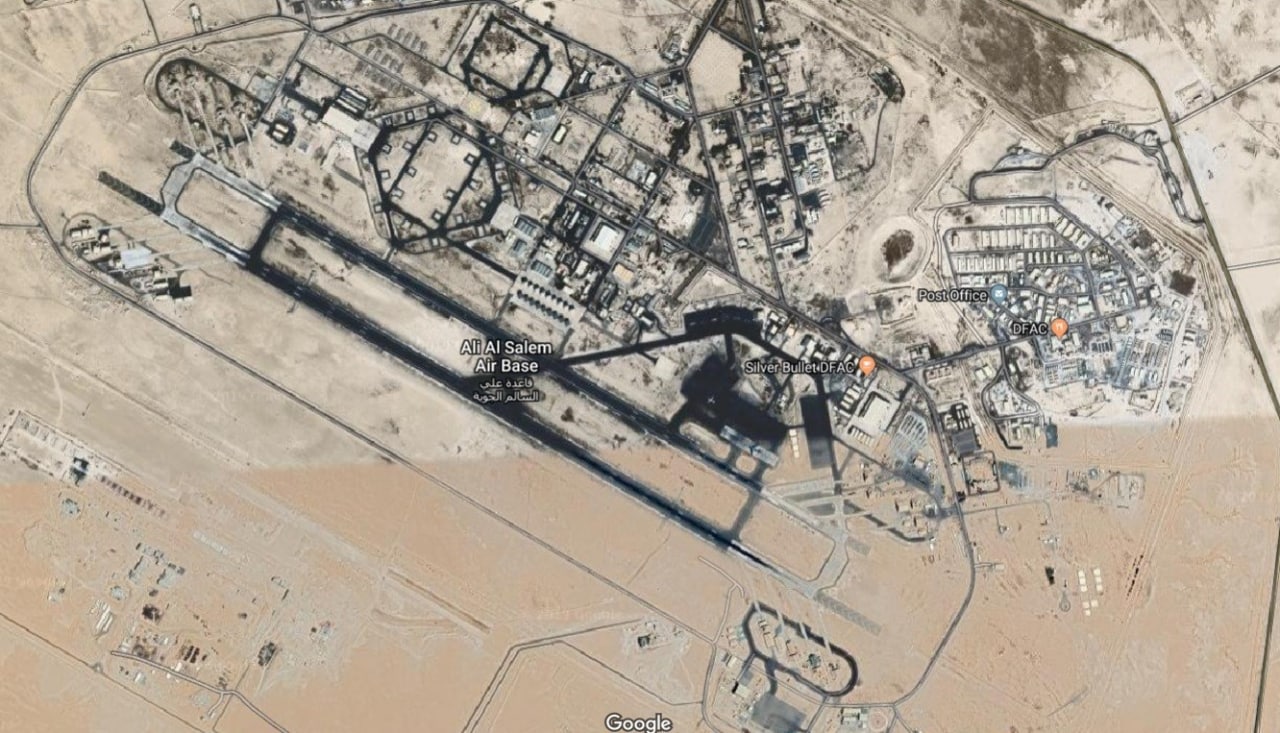
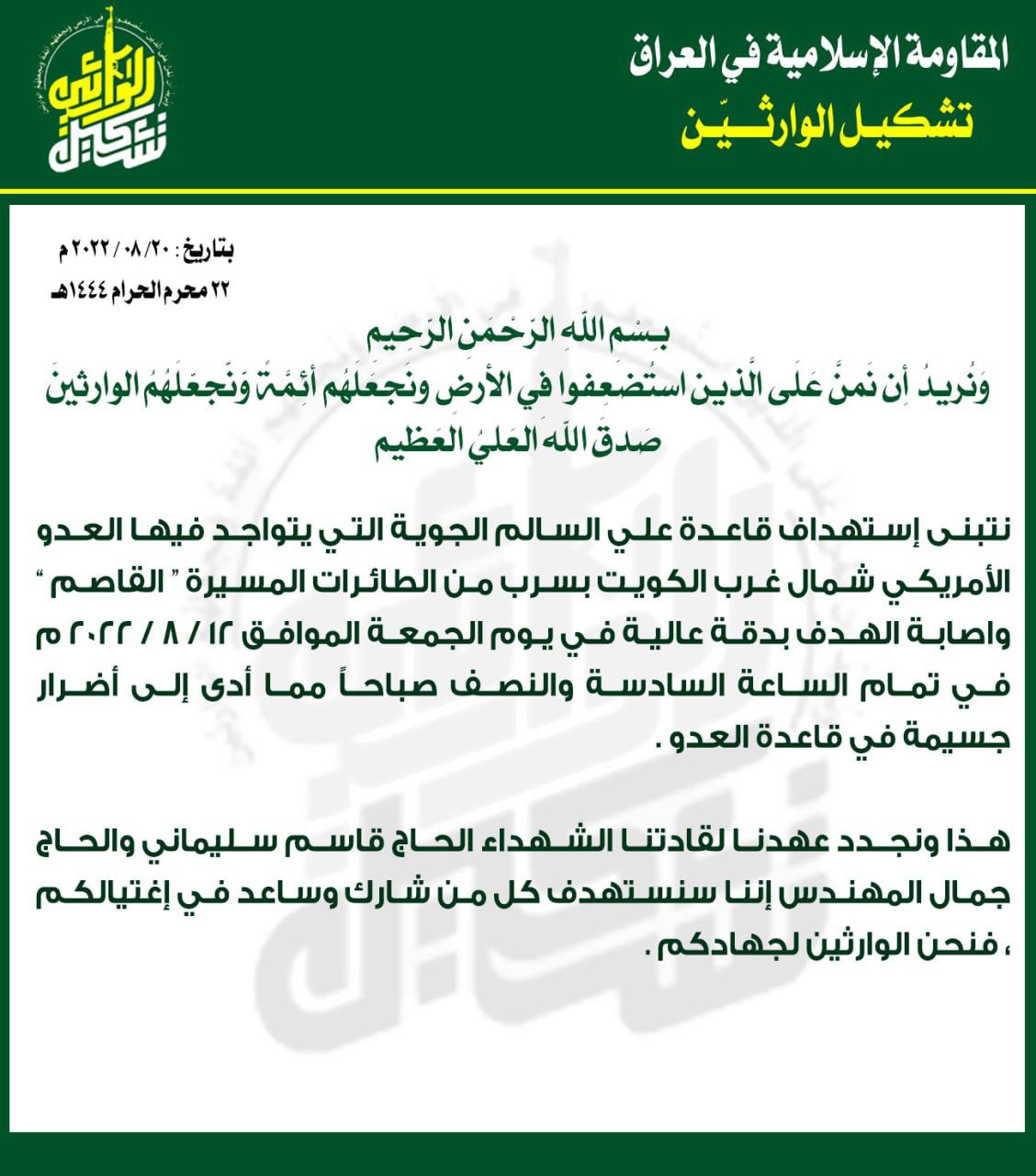
On August 20, the newly established resistance group “Tashkil al-Warithin” announced the attack on the US military positions in Ali Al Salem Air Base in Kuwait by releasing a video and a statement. According to the statement, this attack was carried out at 06:30 (local time) on August 20 using several suicide drones named “Qassim”.
In its statement, the resistance group “Tashkil al-Warithin” renewed its pledge with the commanders of martyr Hajj Qassem Soleimani and Abu Mahdi Al-Muhandis and announced that we are the heirs of your jihad, therefore we will target those who were involved in your assassination.
On the other hand, the Kuwaiti media denied the news of the drone attack on Ali Al Salem Air Base and announced that Kuwait’s air defense is strong and capable of deterring any aggression. These media claimed that there was no intrusion into Kuwait’s airspace and that all measures were taken to protect the country’s airspace.
It is worth mentioning that the newly established group “Tashkel al-Warithin” is the second Iraqi group that uses drones to attack some military targets in the countries of the region. Earlier in January 23, 2021 and February 2, 2022, the resistance group “Alwiyat al-Waad al-Haq” published a statement about drone attacks on military targets in the United Arab Emirates and Saudi Arabia.
The video published by the resistance group “Tashkil al-Warithin” of the attack on the Ali Al Salem Air BaseStatement of the resistance group “Tashkil al-Warithin”
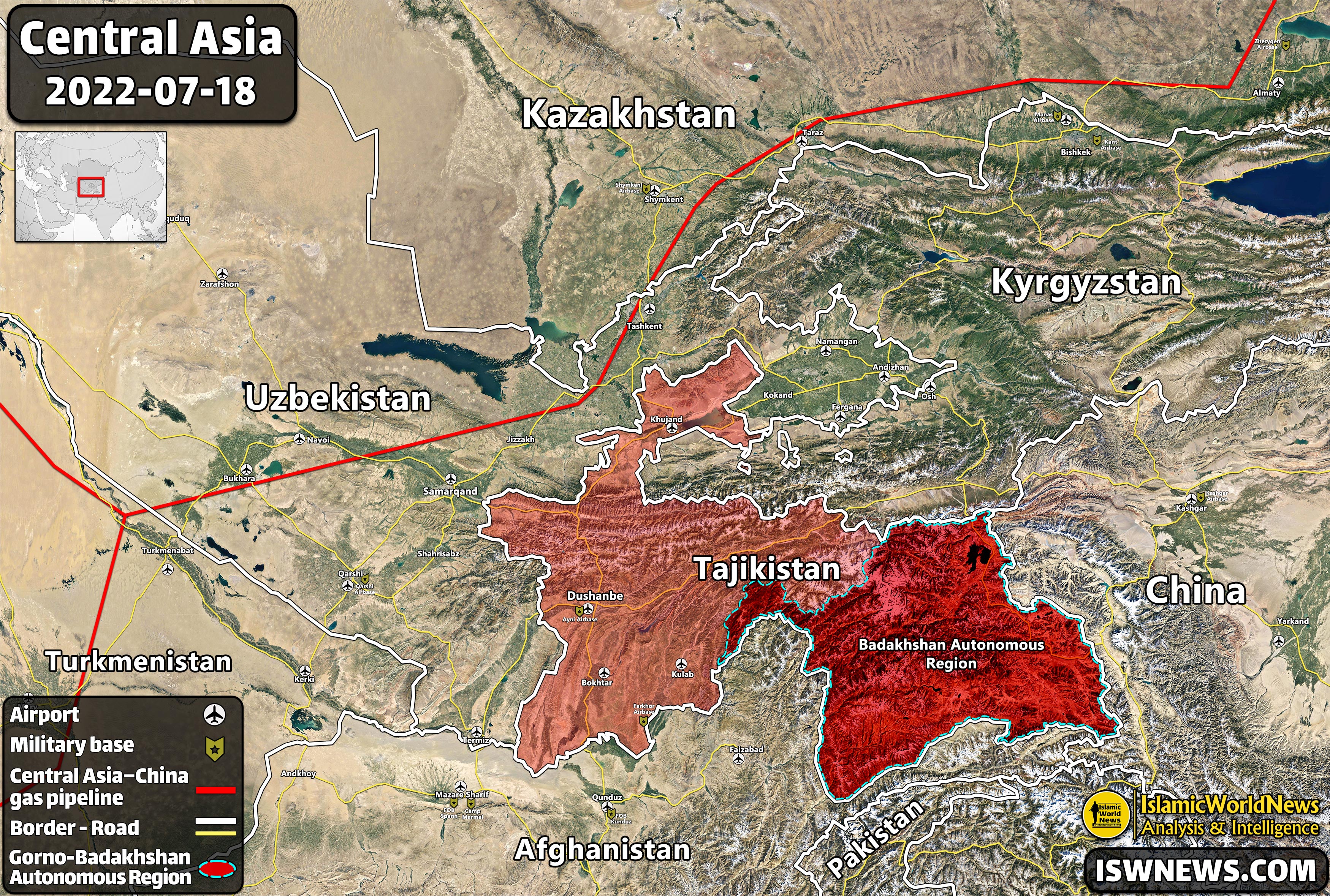
After the collapse of the Soviet Union, diplomatic relations between Tajikistan and the United States began on February 14, 1992, with the opening of the US embassy in Dushanbe. Now the US ambassador to Tajikistan is Manuel P. Micaller Jr. that has replaced the former US ambassador, John Mark Pommersheim, since March 15, 2019. The Embassy of Tajikistan in Washington also started working in 2002 and the ambassador of this country in the US is “Hamralizoda Farrukh Mahmud”.
The basis of two decades of political relations is based on cooperation in the field of fighting terrorism, preventing drug trafficking, commercial and economic agreements, etc., but these relations have taken on a military and security aspect in recent months, and the US has gained a stronger presence in Tajikistan. The root of this can be found in the developments of the last year in the Central Asia region and the world. The withdrawal of the US from Afghanistan and the rise of the Taliban, the war between Russia and Ukraine, the expansion of relations between China and Iran with the countries of Central Asia, etc. are among the reasons that have forced the US to make more efforts to increase its influence in Tajikistan. In this regard, the United States has brought its political, military and cultural advisors and representatives into the field and has put extensive programs on the agenda of Tajikistan.
The main US programs in Tajikistan can be categorized as follows:
1- Political and military: During the last year, the number of visits and meetings of “Thomas West”, the special representative of the United States for Afghanistan, “Donald Low”, the assistant secretary of the United States of America, and General “Michael Kurilla”, the commander of United States Central Command with the authorities of Tajikistan have increased dramatically. According to US officials, these meetings were centered around the security issues of Central Asia, especially Afghanistan, the strengthening and construction of border posts in Tajikistan, and the protests of the autonomous province of Badakhshan. In addition to these, important issues such as handing over weapons transferred from Afghanistan to the Tajik army, US intelligence-security use of Tajik border bases, immigration to US, military training, etc. have been considered.
In an interview with Radio Liberty Tajikistan, Donald Low says about the construction of border posts: “We are waiting for the completion of the new project for the construction of a border post in Chaldovar region. Of course, in the issue of border checkpoints, the US has completed other projects, but the Chaldovar project was the largest project, and the other projects were for handing over and transferring military facilities and equipment to the border guard forces of Tajikistan.” It should be noted that this base is located in the Chaldovar area, located south of the border town of Aiwaj, and its reconstruction operations were entrusted to US military companies by the Tajik government with the financing of the US Drug Enforcement Administration in 2020.
According to General Kurilla’s statements, since the beginning of political relations with Tajikistan, the United States has provided more than 330 million dollars in financial aid to Tajikistan in the field of security, of which the provision of RQ-20 Puma drones worth 20 million dollars was the largest part.
Another issue that has been highlighted in the field of military cooperation between the two countries is the fighter jets and helicopters of the Afghan army, which fled to Tajikistan during the fall of the previous Afghan government. In their meetings with the Tajik authorities, the US officials have promised to hand over these aircraft to the Tajik army, but in return, the US had demands from Tajikistan, the details of which are not clear.
2- Cultural: The US non-governmental organizations (NGOs) have been able to create a special social footholds among the people of Tajikistan in the form of humanitarian aid and through human information intelligence (HUMINT) methods. In addition to recruiting and identifying scientific elites, these organizations have identified Afghan refugees and Russian-affiliated people and expanded their intelligence network by granting immigration visas to America, financial aid, holding educational, artistic programs, etc.
Unlike Tajikistan, Kyrgyzstan and Uzbekistan’s relations with the United States have not changed much after the fall of the Afghan government. Kyrgyzstan is still unhappy with the US military withdrawal from the Manas Air Base in 2014, and due to the US’s secret support for Kyrgyzstan’s unrest, Kyrgyzstan has not welcomed the Americans in military and security issues. To the extent that no Kyrgyz official came to meet General Kurilla’s recent trip to Manas Airbase! Despite receiving military aid from the United States, Uzbekistan has aslo declared its policy to be neutral and has declared that it will not allow the construction of a military base and the deployment of foreign troops on its territory.
In general, the Americans have been able to create a new and strong footholds for themselves by establishing warm relations with the officials of Rahmon’s government and deeply examining the needs of the people of Tajikistan. Despite the fact that US has not succeeded in establishing a military base in Tajikistan, their political-intelligence network has expanded in Tajikistan, and this means they have succeeded in penetrating Tajikistan without sensitizing the Tajiks’ main partner, Russia. Tajikistan shares more than 1,400 kilometers of common border with Afghanistan and has a lot in common with this country in terms of ethnic and religious composition. Therefore, in order to continue to control and play a role in the developments of Afghanistan and Central Asia, the United States firstly needs Tajikistan and secondly Uzbekistan, Kyrgyzstan, Pakistan and Turkmenistan.