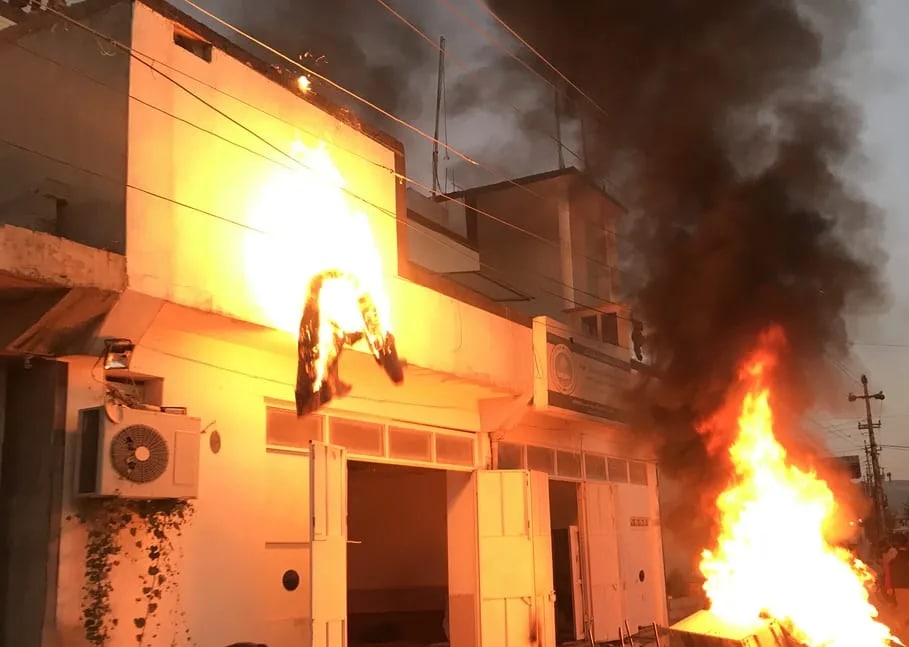
Early on September 1, despite the end of the recent riots in Baghdad and the reduction of tensions, the forces of Saraya al-Salam, affiliated with Muqtada al-Sadr attempted to assassinate one of the Asaib Ahl al-Haq commanders in the city of Basra, But the Asaib Ahl al-Haq forces neutralized the terror operation with their vigilance and two militia members of Saraya al-Salam were killed during the exchange of fire.
Hours after this incident, Saraya al-Salam forces in retaliation, attacked one of the headquarters of Asaib Ahl al-Haq in Basra and killed two members of Asaib Ahl al-Haq.
On the other hand, Iraq’s security information unit, in a strange move, denied the occurrence of these clashes and announced that what happened in Basra was related to a criminal case! And the security forces have arrested some of the suspects of this incident and the process of investigation on this criminal case has started.
After these incidents, all the offices of Asaib Ahl al-Haq in different cities of Iraq were closed until further notice by the order of Qais Al-Khazali, the secretary general of Asaib Ahl al-Haq. Addressing the forces of Asaib Ahl al-Haq, he said, “Those who are looking for an opportunity to create a crisis; With silence, destroy their plans.”
It seems that despite the failure of Sadr’s projects and goals in recent weeks, the militants affiliated to Muqtada Sadr are seeking to create chaos and increase tensions by inciting rivals and opposition groups. These dangerous actions must be controlled and neutralized by the security forces as soon as possible before the chaos and conflicts spread to different regions of Iraq. It is also necessary for Muqtada Sadr, as the leader of the Sadr Movement, to clearly state his position on this type of actions and take measures to control the forces under his command!
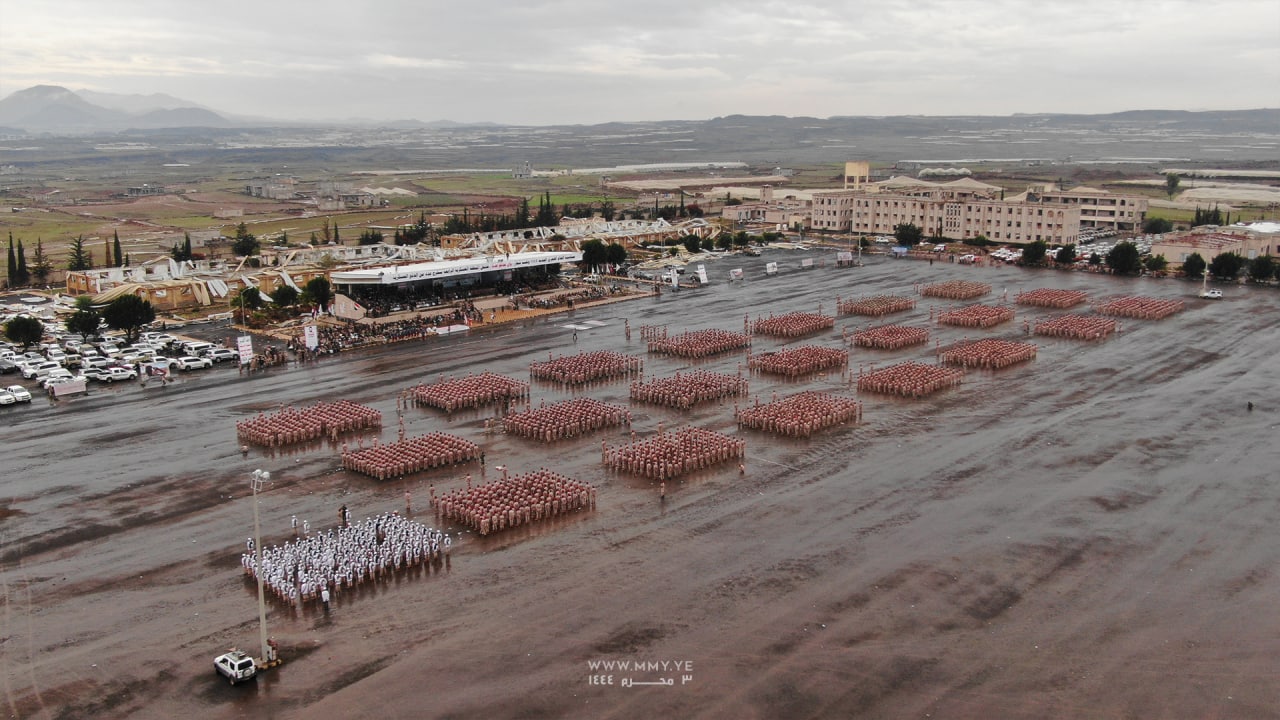
Following the claims of Israeli media and authorities about the attack on Ansar Allah’s positions in Sana’a, the Yemeni armed forces issued an official warning to Israel. In this statement, which was published by Ansar Allah media, it is stated: “The activities of the Israeli regime against our country are not new, because many reports in the past years have indicated the support of the Zionists for the aggression against Yemen and against the revolution of the Yemeni people. Our great people and our beloved country and the armed forces, with the spirit of jihad duty to defend the sanctities and the country, are ready to face any possible threat. A free, proud and firm Yemen will not remain idle against any stupidity that may occur from the Zionist enemy. The armed forces warn the Zionist enemy from doing any stupidity, because any aggression against Yemen will not be met with silence, but with an appropriate response. The Yemeni armed forces are ready at any moment for any option that our leader decides, and the Israeli enemy must take this warning seriously. With the support of its leader, people and armed forces, Yemen will not hesitate to launch harsh and painful attacks on the Zionist enemy in response to any possible aggression.”
The unprecedented reaction of the Yemeni armed forces to the media war and Israel’s evils against Yemen is related to the developments in Lebanon and Palestine. Pressure and even fighting in several axes is the strength of the resistance axis and the weakness of the Western-Arab axis. Israel definitely does not have the ability to deal with multi-faceted resistance attacks, and if any battle occurs, it will be the loser of this confrontation.
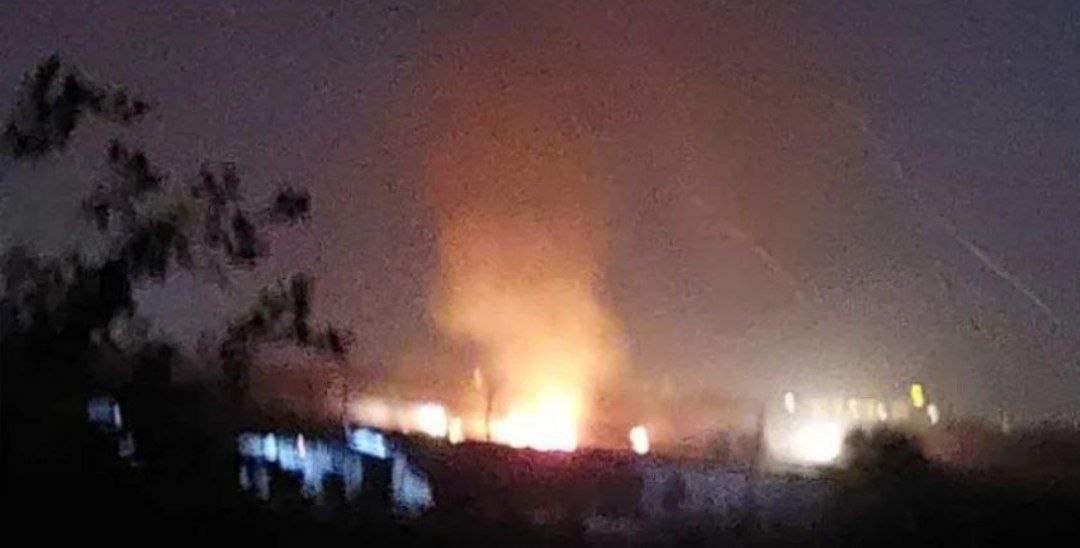
According to a Syrian military source, “around 20:00 local time on Wednesday, August 31, the Israeli enemy targeted Aleppo International Airport by firing several missiles, which resulted in material damages.”
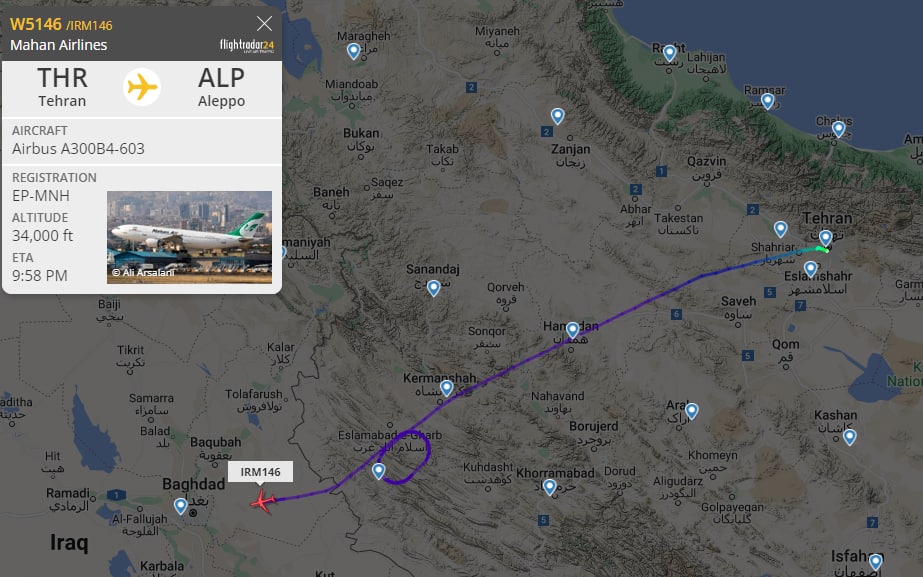
At the same time as this attack, an Airbus A300B4 passenger plane of Iran Mahan Air was on its way to Aleppo International Airport and it seems that it has changed its destination to Damascus Airport. This incident strengthens the speculations about the damage to the runway of Aleppo International Airport.
Mahan Air Airbus A300B4 plane
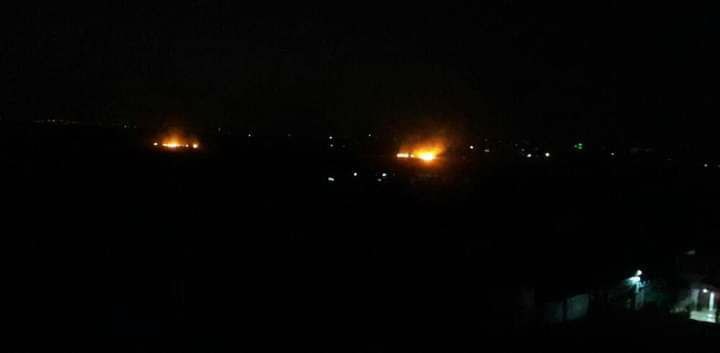
Minutes after the Israeli airstrikes on Aleppo Airport, Damascus International Airport was also targeted by the Israeli warplanes. In this regard, a Syrian military source stated “Around 21:18 local time on Wednesday, the Israeli enemy fired several missiles from the direction of Lake Tiberias, targeting areas in the southeast of Damascus city, which the Syrian air defense tried to counter and intercepted and destroyed several enemy missiles. There were no casualties in this incident.”
The exact details of the attack on Damascus have not been published, but it is said that the headquarters of the Syrian army’s first division in the “Al-Kiswah” area, in the southern suburbs of Damascus, was also one of the targets of the Israeli attacks.
According to a ISWNEWS field source, the Mahan Air Airbus A300B4 passenger plane finally landed at Damascus International Airport.
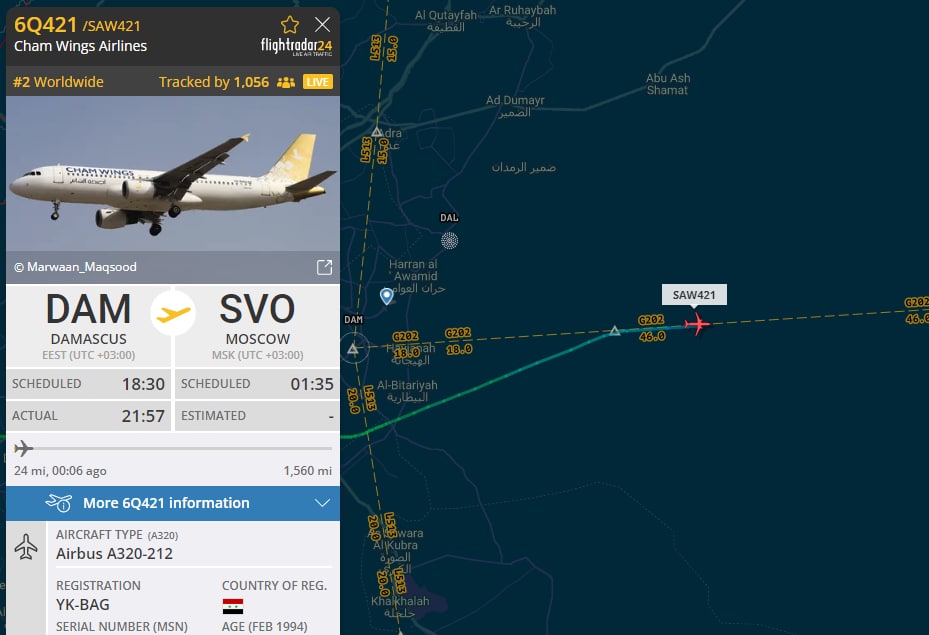
Considering the Damascus-Moscow flight (Cham Wings Airlines) and the possibility of Mahan Air’s Airbus A300B4 passenger plane landing at Damascus International Airport, the hypothesis of damage to the runways of this airport in the airstrikes is ruled out. Nevertheless, the release of satellite images in the coming days can help clarify this incident and confirm or deny the news published about the Israeli regime attacks.
It is worth mentioning that on August 25, Israeli warplanes also fired several missiles from the southwest of Tartus province from the Mediterranean Sea and attacked targets in the outskirts of Hama city and Tartus city, during which two civilians were injured.
Mohajer-6 combat reconnaissance drone is a medium-class drone manufactured by the Iran’s Ministry of Defense. This drone was first officially unveiled in April 2017 during the visit of the President of Iran to the Defense Achievements Exhibition of the Ministry of Defense.
Mohajer 6, as the newest member of the Mohajer drone family, has been deployed in the Ground and Naval Forces of the Islamic Revolutionary Guard Corps (IRGC), the Islamic Republic of Iran Army Ground Forces, and the FARAJA organization (the Law Enforcement Command of the Islamic Republic of Iran).
Iran started marketing for the sale of Mohajer-6 drone at the MAKS 2019 International Exhibition in Russia.
Mohajer-6 UAV replica at MAKS-2019 International Exhibition
This drone can be considered as Iran’s most successful export drone. Mohajer-6 has been exported to Iraq (Hashd al-Shaabi) and Ethiopia. Mohajer-6 and Qaem bomb series have performed very well in Ethiopia.
Mohajer 6 UAV in the service of Iraq’s Hashd al-ShaabiMohajer 6 UAV in the service of the Ethiopian army
In Venezuela, a replica of Mohajer-6 was first seen, and then a sample of it was produced in this country. There is no information available about the Venezuelan sample.
Mohajer 6 UAV replica with Qaem bomb series in Venezuela
Mohajer-6 drone uses a rectangular body with a wide and sharp tip. Its simple rectangular wings are located on the upper part of the body and its tail has a High Boom Tail configuration. This drone is powered by a 3-blade Rotax 912 piston engine. The Mohajer-6 drone has a forward-looking camera at its tip, which enables continuous monitoring of the drone’s path independently of the camera below the drone.
Camera in the nose of Mohajer-6
So far, Mohajer-6 with Oghab-4 electro-optical system has been seen in two versions, H and D, both of which are equipped with a day vision camera with 36x optical zoom, a laser rangefinder and a cooling thermal camera.
Oghab 4 optical systems in three types
The Oghab 4H electro-optic system has a focal distance of 15 to 300 mm and weighs 18 kg, and the Oghab 4D system has a focal distance of 60 to 120 mm and weighs 19 kg. As a result, the Oghab 4 system in the H version has a better field of vision and resolution.
Oghab 4H optic installed on Mohajer-6Oghab 4D camera installed on Mohajer-6
Also, images of a new camera with 60x zoom for this drone have been released, which shows Iran’s progress in making advanced electro-optic systems for drones.
Video of a new electro-opticwith 60x zoom that can be installed on Mohajer-6. In the footage, due to the visible landing gear, this optic is probably being tested on Ababil-4.
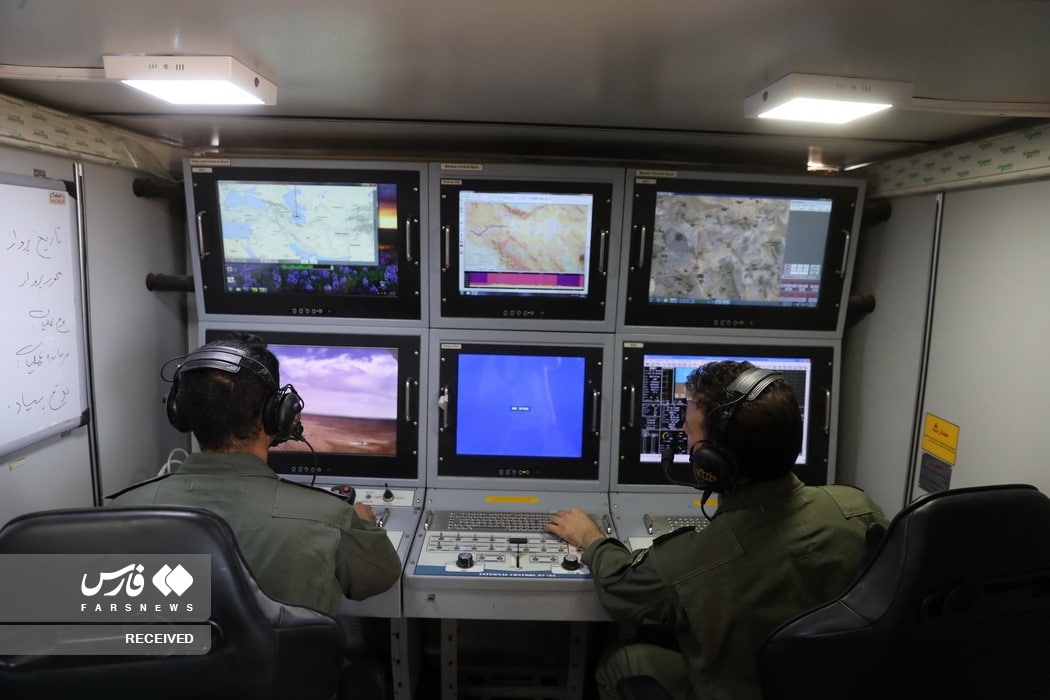
The guidance and control system of Mohajer-6 drone is placed on a truck, which allows it to be moved quickly.
The control room of Mohajer-6 droneInterior view of Mohajer-6 control room
Unfortunately, the weight information of Mohajer-6 has not been officially announced. In the early days of the introduction of this drone, due to the installation of two Qaem-5 bombs, its carrying capacity was stated by the media as 40 kg; But this number was not correct, because the weight of Qaem-5 has not been officially announced. Considering the similarity of dimensions and front wings of Qaem-5 bomb and Sadid-345 bomb, if the weight of its warhead has not changed, due to the presence of fixed rear wings, the weight of Qaem-5 bomb should be slightly heavier than Sadid-345 (34 kg).
However, a poster of Mohajer-6 has been published in the permanent exhibition of the defense achievements of the Islamic Revolutionary Guard Corps, which stated that the weapons payload was 100 kg and the gross weight was 600 kg.
Mohajer-6 poster in the permanent exhibition of the defense achievements of the Islamic Revolutionary Guard Corps
Also, at the ARMY 2022 exhibition, the Ministry of Defense of Iran published a catalog of its defense products, which published the specifications of Mohajer-6 under the title M6, and stated that the weapons payload is 100 kg, and the maximum gross weight is 670 kg.
Mohajer-6 catalog at the ARMY 2022 exhibition
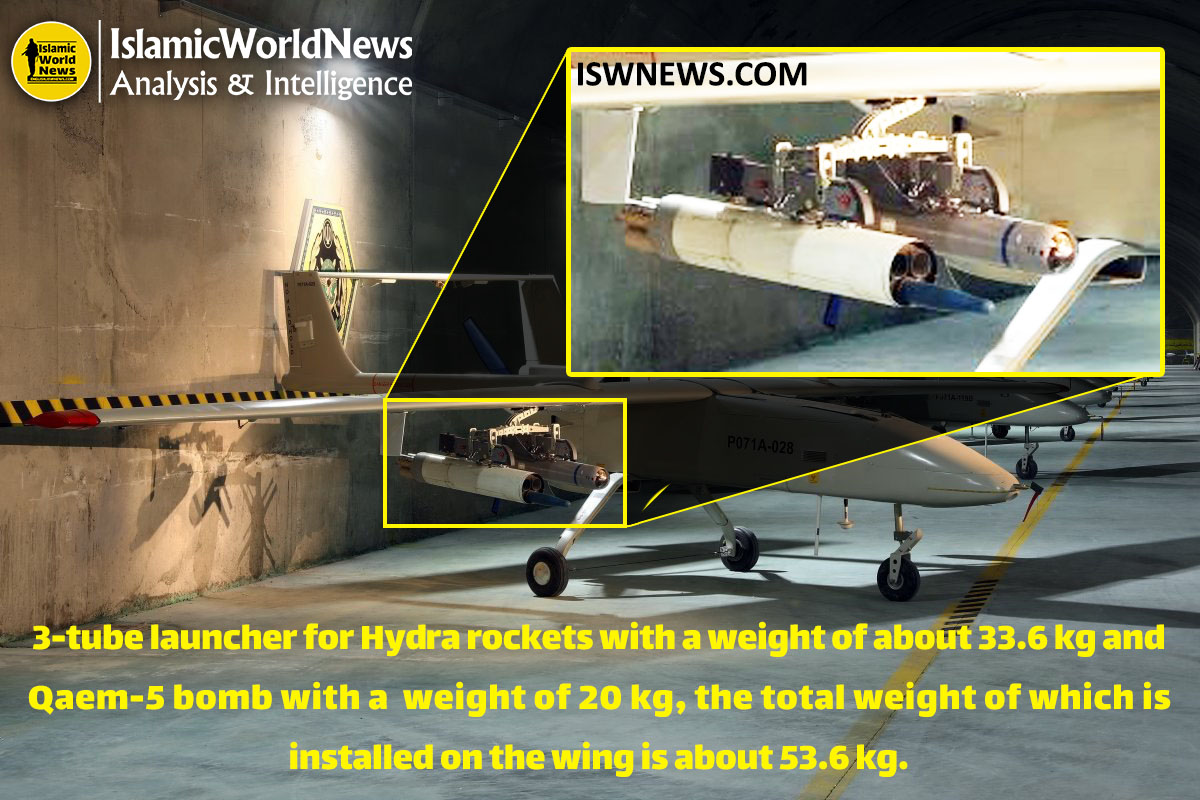
Therefore, according to the picture of Mohajer-6 with four Qaem-5 bombs, the weight of this bomb should not be more than 25 kg because the total weight of the bombs will be more than 100 kg. Also, a picture of Mohajer-6 drone has been seen in the Army’s 313 underground base (Strategic Drone Base 313) loading a Qaem-5 bomb along with a 3-tube launcher for Hydra rockets.
The picture of Mohajer 6 in the Army’s 313 underground base
The weight of each Hydra rocket is 6.2 kg, and if we assume that the rocket launcher is 15 kg (due to its small size and lightening), the weight of the whole package should be 33.6 kg. And if we consider the weight of Qaem-5 as 20 kg, it means a weight combination of 53.6 kg for one wing and 107.2 kg for both wings, which means a weight of more than 100 kg. Therefore, the maximum weapons payload for this drone is more than 100 kg, which has not been officially announced yet. So the maximum weapons payload can be considered 150 kg.
Considering that the announced numbers in two official events are different, we can conclude that we are dealing with two types of Mohajer-6 with different powers. In addition, Mohajer-6 has undergone changes in the front and rear landing gear. There may have been some changes to reduce the weight of Mohajer-6. There is also a possibility that the type that has been provided to the army has increased its carrying capacity.
Mohajer 6 front and rear landing gear
The Mohajer-6 combat reconnaissance drone can carry a wide range of indigenous weapons. This drone has the ability to carry Qaem bombs series, Sadid bombs and missiles family, Almas missile and the ability to carry Hydra rockets, which gives this drone high firepower.
Mohajer 6 drone has the ability of carrying Tiam 1400 systems with a weight of 5 kg and Taha 1400 systems with a weight of 6 kg. Tiam 1400 and Taha 1400 are detection and warning and electronic warfare systems. First, the Tiam 1400 radar detection and warning system performs detection and identification of the enemy’s radar waves, then the data about the radar is transferred to the Taha 1400 electronic warfare system so that the Taha 1400 acts to disrupt the enemy’s radar waves.
Mohajer 6 with the installation of two systems Tiam 1400 and Taha 1400 and banners related to these two systems
Also, an unknown pod has been spotted on Mohajer-6 drone at Army’s Strategic Drone Base 313, whose nature we do not know. This pod was also used in Kaman-12 drone.
Unknown pod installed on Mohajer-6 drone
The operational records of the Mohajer-6 drone are many, but only a few footage have been published in the media. As an example, we can refer to the operations against terrorists in the northwestern borders of Iran in July 2019.
The use of Mohajer 6 against terrorists in the northwestern borders of Iran – July 2019
The missions assigned to the Mohajar-6 combat reconnaissance drone include aerial reconnaissance and surveillance, destruction of fixed and mobile targets on land and sea and in all weather conditions day and night with high accuracy, monitoring and control of borders and coastal strip, and the possibility of carrying all kinds of Military cargo with the ability to land and take off conventionally from the runway and emergency recovery with a parachute.
Mohajer-6 and the use of Qaem-5 bombs and the explanation of the Iran’s Minister of Defense about this drone
Ammunition that Mohajer-6 can carry: Bombs: 4 Sadid-342 with a range of about 3 km, 2 Sadid-345 with a range of about 3 km, 4 Qaem-1 with a range of about 6 km, 4 Qaem 5 or 9 with a range of about 12 km
Missiles: 2 Sadid-1 with a range of about 7 km (not seen but possible to install), 4 Akhgar missiles with a range of about 30 km (not seen but possible to install), 4 Almas missiles with a range of about 6 km (from In terms of weight, it is possible to carry more, but there is no proper hardpoints), 2 Qaem-114 missiles with a range of 8 km (not seen but it is possible to install)
Rocket: 2x 3-tube rocket launchers for Hydra 70 mm rockets
Electronic warfare systems: “Tiam 1400” radar wave detection and warning system and “Taha 1400” radar wave jamming system
It is possible to use a combination of above weapons and systems.
Some of the mentioned weapons have not been seen on Mohajer-6. But due to the nature of the weapon design and use on other Iranian drones, it is also mentioned here. Other weapons such as Azarakhsh and some weapons related to helicopters can also be installed, but in order to use these weapons, changes are needed, such as creating a proper fuselage to install heavy weapons on the drone.
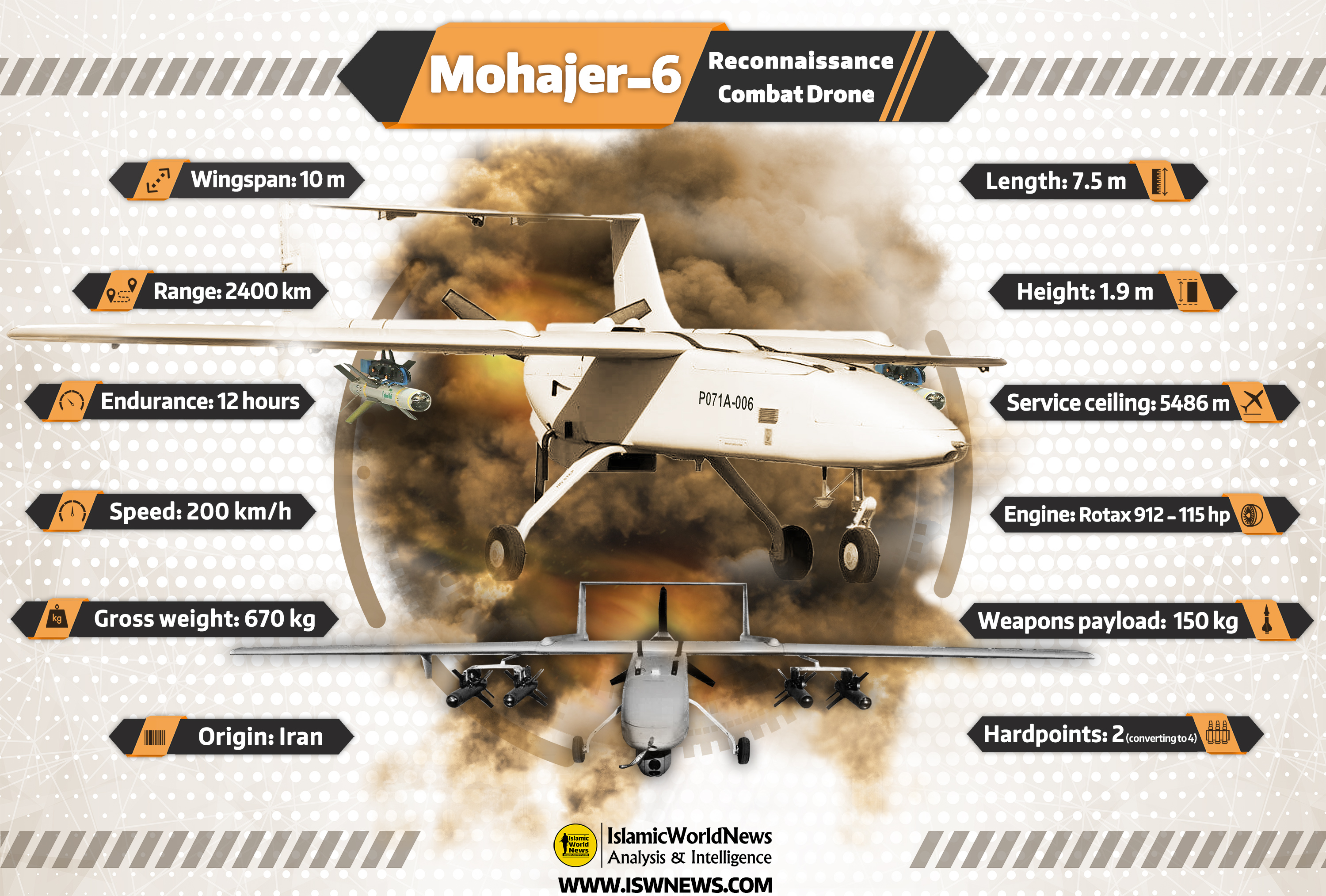
Mohajer-6 reconnaissance combat dronespecifications: Length: 7.5 meters Wingspan: 10 meters Height: 1.9 meters Operational range: 2400 km Service ceiling: 5486 meters Endurance: 12 hours Engine: Rotax 912 115 hp Speed: 200 km/h Hardpoints: 2, with the possibility of converting to 4 Gross weight: 670 kg Weapons payload: ~ 150 kg Origin: Iran
Click to view full size
Mohajar-6 combat reconnaissance drone posters in Russian, Chinese, Hebrew, Arabic, Azeri, Kurdish and Persian:
Click to view full size
More Images of Mohajer-6 combat reconnaissance drone:
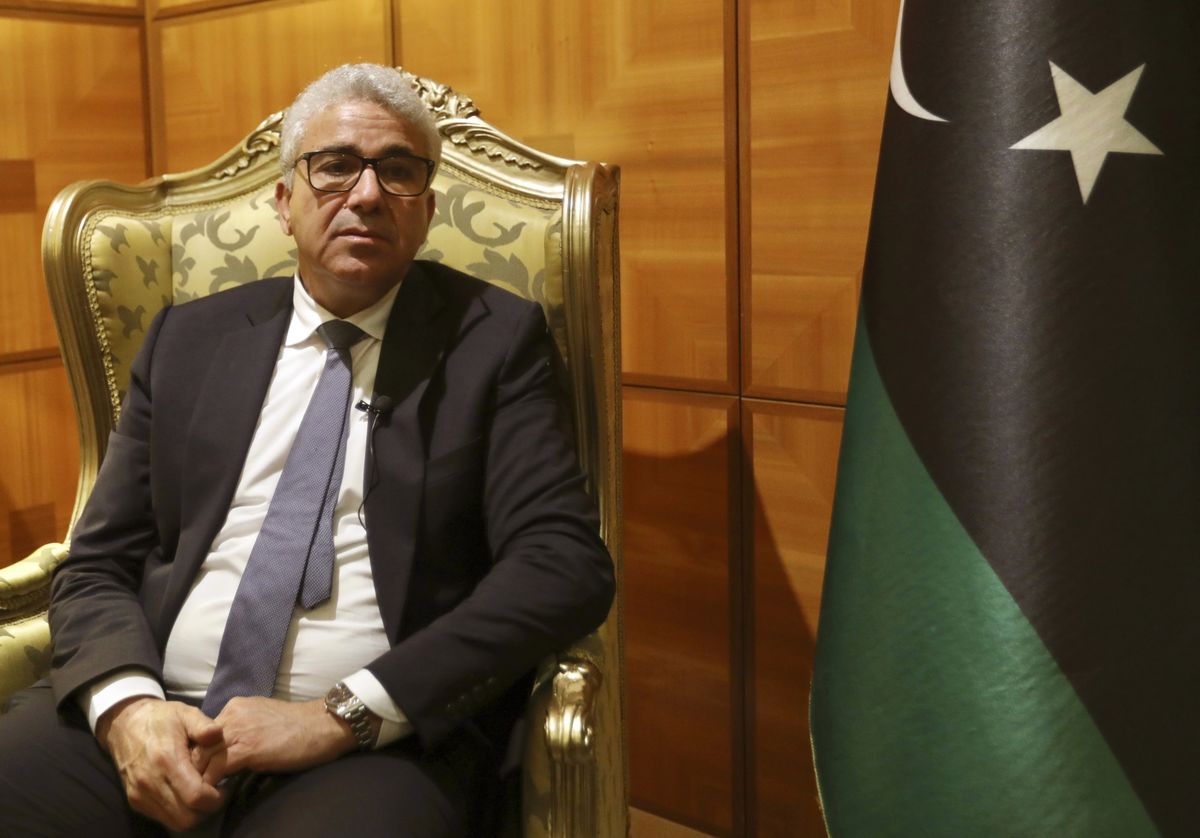
After five days of political tension and armed conflict, Fathi Bashagha’s third attempt to enter Tripoli failed. As a result of the clashes between the armed supporters of Fathi Bashagha and the GNA forces allied to Abdul Hamid Dbeibeh in Tripoli city, more than 32 people were killed and 160 were injured, And now al-Dbeibeh and Bashagha are accusing each other of starting the conflict and killing Libyans.
In a statement, Bashagha accused Al-Dbeibeh of not handing over the government and shedding the blood of civilians and looting their property. Abdul Hamid Dbeibeh also called Bashagha’s supporters a group of coup plotters who have been prosecuted. In this regard, the Libyan military prosecutor-general issued arrest warrants for Bashagha, Mohamed Siwan, the chair of the Democratic Party, Othman Abdul-Jalil, a government spokesman and minister of health, and Bashagha’s major ally, Maj. Gen. Osama al-Juwaili, the former head of the Tripoli-bases military intelligence service.
Currently, the clashes in Tripoli have stopped and the exchange of fire between the parties is going on sporadically in some areas. The center and surroundings of Tripoli are calm, and the GNA forces, controlling the Al-Swani area, pushed back the pro-Bashagha forces from the southern axis of Tripoli.
The Presidential Council and Parliament of Libya and the embassy of influential countries in Libya have also called for the cessation of conflicts and the adoption of a political solution for the holding of presidential elections.
It is worth noting that the current crisis in Libya originates from the postponement of the presidential elections and the failure to hand over the government to Fathi Bashagha, the transitional prime minister elected by the parliament. Hence, tensions have entered another stage.
Considering the failure of Fathi Bashagha to take the capital, there is a high possibility of the resurgence of conflicts in Libya. General Haftar’s support for Bashagha can seriously bring the competition to the military level and again this country will become the scene of conflict and military intervention of Turkey, UAE and Russia.
The operation to hand over Lachin area to Azerbaijani forces was planned for Thursday, August 25, but the Russians allowed the Azerbaijani army to enter this area with a delay of one day.
Ilham Aliyev has also confirmed this issue on his official pages. The state-run media of this country, as usual, use a triumphant tone to announce the entry to Lachin but refuse to broadcast pictures of the permission and entry through the Russian military posts.
Russian peacekeeping forces entered the newly constructed road of Armenia to Nagorno-Karabakh (green road on the map) and will create a perimeter of 2.5 kilometers around it. From now on, the residents of Nagorno-Karabakh will travel to Armenia through this new route.
Azerbaijani forces in Lachin
Armenia’s Yerevan Today wrote about the handover of Lachin: “Pashinyan handed over Berdzor (Lachin) to the Turks (Azerbaijan) without firing a shot.”
Yesterday, a rally against Russia took place in Yerevan and protesters protested the handover of Lachin. Armenian police have arrested a number of organizers of this rally, including a number of bloggers. During the past days, Yerevan’s Republic Square has become a place for protests against the Prime Minister of Armenia, and the opposition and people who have returned from Lachin, as well as other people, have participated in these protests.
Newly established road from Armenia to Nagorno-Karabakh – Click to view full size
The security forces of the Kurdistan Region of Iraq discovered several rockets in the Qadir Karam area ready to fire at the Kormor gas field and prevented the attack. No further details have been released in this regard.
It is worth mentioning that Kormor gas field in Sulaymaniyah province of Iraq was targeted by rocket attack by unknown groups on June 22, 24 and 25 of this year.
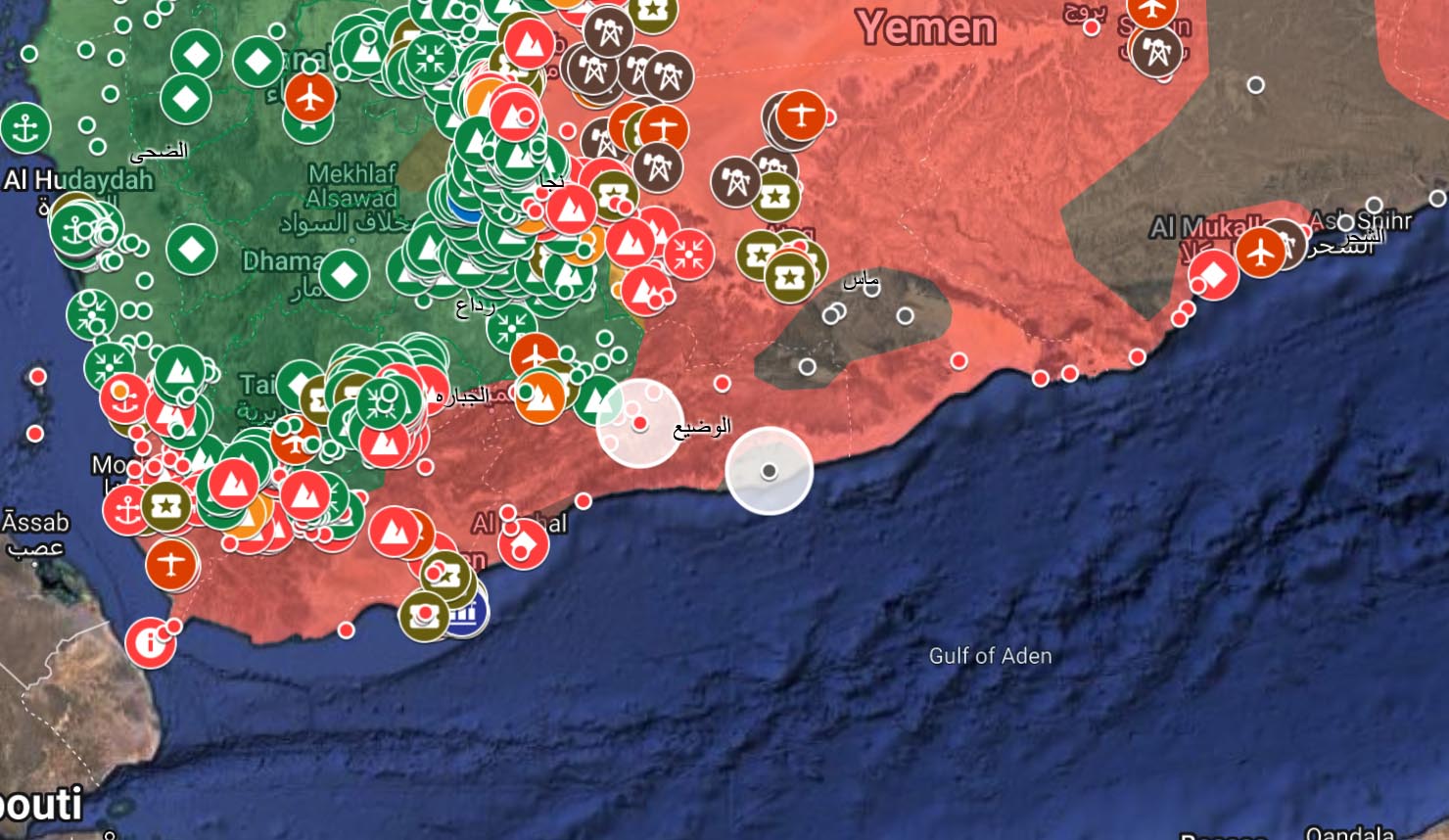
Local sources in Abyan province announced the dispatch of a new convoy of STC militants from the eastern bases of Aden to the city of Shuqra on the coast of this province.
Despite the order of Rashad Al-Alimi, the head of the presidential council of the Saudi-backed government of Yemen, to stop any military operations in Abyan province, the southerners attacked the district of Ahwar and captured the al-Qashaa camp in the east of this district without any clashes. This base was captured by Islah party militants during last year’s clashes between the resigned government of Mansour Hadi and the southerners. The STC militants have also entered Al-Wudhay district and have deployed their military equipment in the outskirts of the center of this district. Al-Wudhay is the hometown of Abdrabbuh Mansur Hadi, the resigned president of Yemen, and is currently under the control of Islah Party militants.
In this regard, the Southern Transitional Council has also issued an order for military operations in Al-Mahrah province, and Ahmed Bin Brik, the head of the general assembly of the Southern Transitional Council, has announced the readiness of the armed forces of this group to carry out operations in Al-Mahrah and Hadramaut provinces.
The conflict and tension between the forces of the resigned government and Islah party started from the city of Ataq, the capital of Shabwa province, and continues in other provinces of the occupied regions of Yemen. The Islah Party has not shown any interest in the proposal of an alliance with Ansar Allah, and Tariq Saleh and the Southern Transitional Council are using this opportunity to expand their power.
On August 25, the Turkish Bashiqa military base in the Zelkan region, located in north of Mosul, was targeted by 50 Fajr-1 rockets. So far, no group has claimed responsibility for the attack.
It is said that as a result of this attack, four Turkish servicemen were killed. Turkish officials and military commanders have not commented on this attack so far.
On August 15 also, the Bashiqa military base was targeted by several rockets fired by Ahrar al-Iraq group.
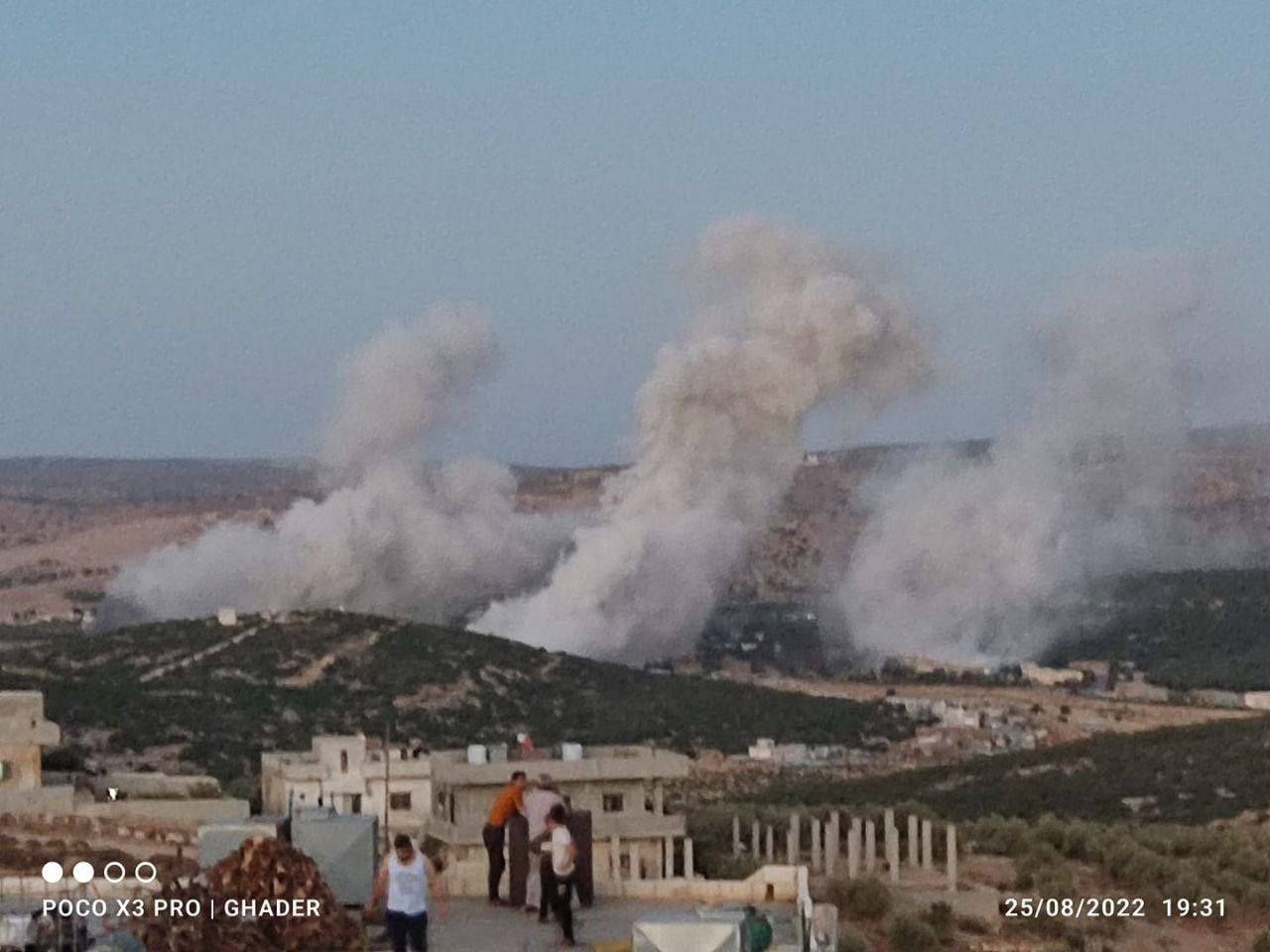
According to a Syrian military source, “at around 19:15 Thursday local time, the Israeli enemy attacked targets in the outskirts of Hama city and Tartus city by firing several missile from the southwest side of Tartus province. These attacks resulted in the injury of two civilians and material damages.”
It is said that one of the targets was the scientific research center in Masyaf located in Hama province. No further information has been released in this regard.
On the 23rd of August, Israeli fighter jets fired several missiles from the direction of the Mediterranean Sea, west of Banias, and targeted some points in central parts of Syria.