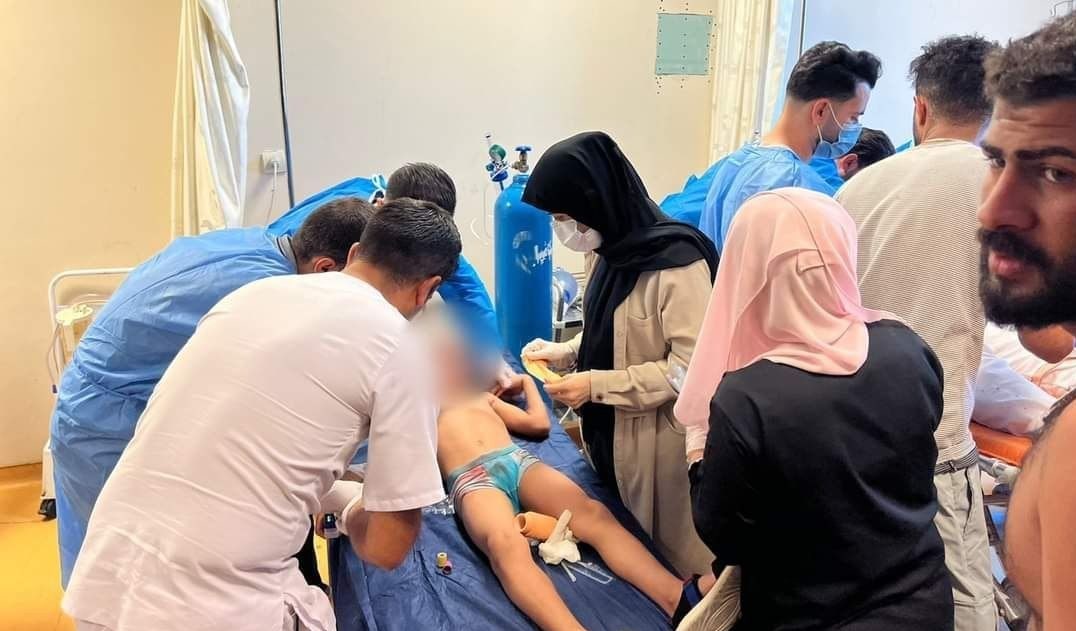
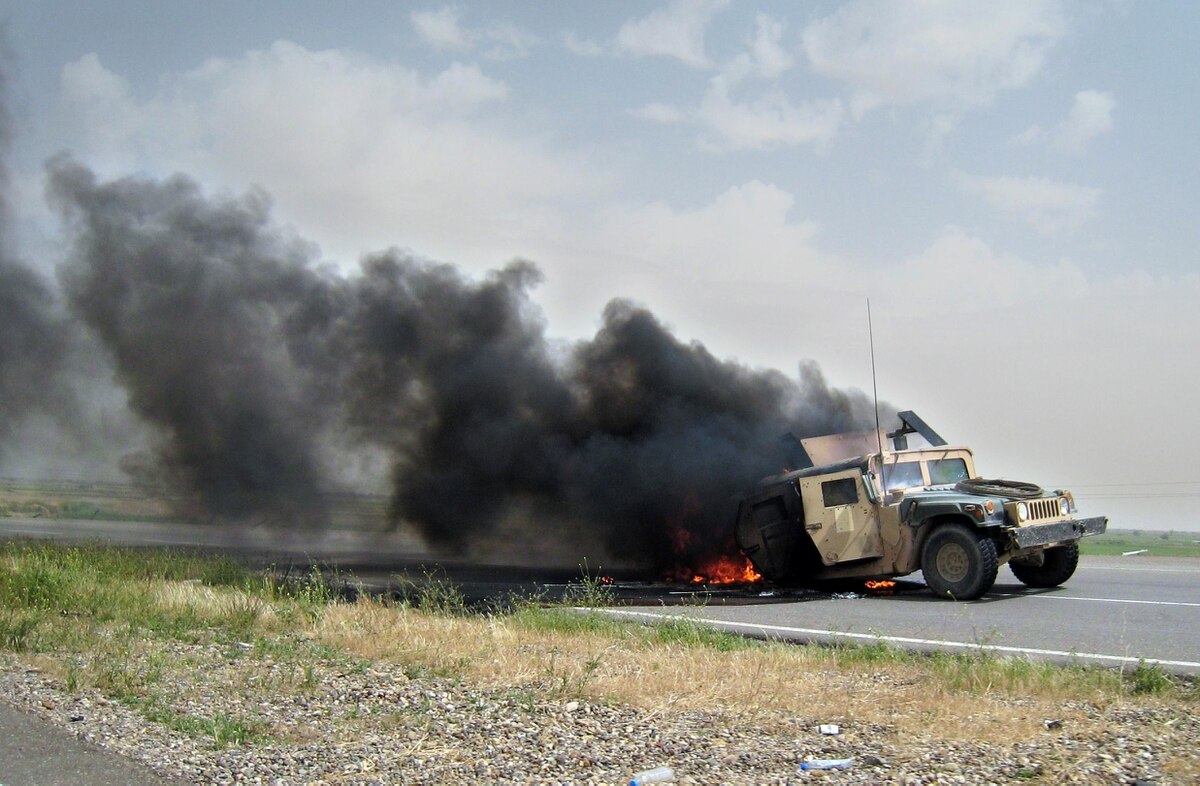
On July 20, the artillery unit of the Turkish army targeted a resort in Batifa area, located in the Dohuk province of Iraq. According to preliminary information, 8 civilians were killed and more than 23 others including a number of women and children were injured.
This attack has taken place while the Turkish army has carried out numerous attacks against the civilian areas of northern Iraq under the pretext of fighting PKK militants in recent months, which has caused a lot of damages. The Iraqi government, which has the responsibility of ensuring the security of the people of this country and guarding its borders, has not taken a firm and significant position on these incidents so far, and this issue will likely leads to the recurrence of such incidents in the coming months.
However, it is likely that in response to this attack, groups such as “Islamic Resistance of Ahrar Al-Iraq Brigade” and “Ahrar Sinjar“, which have a history of attacking Turkish bases, will organize attacks against Turkish army positions in northern Iraq.
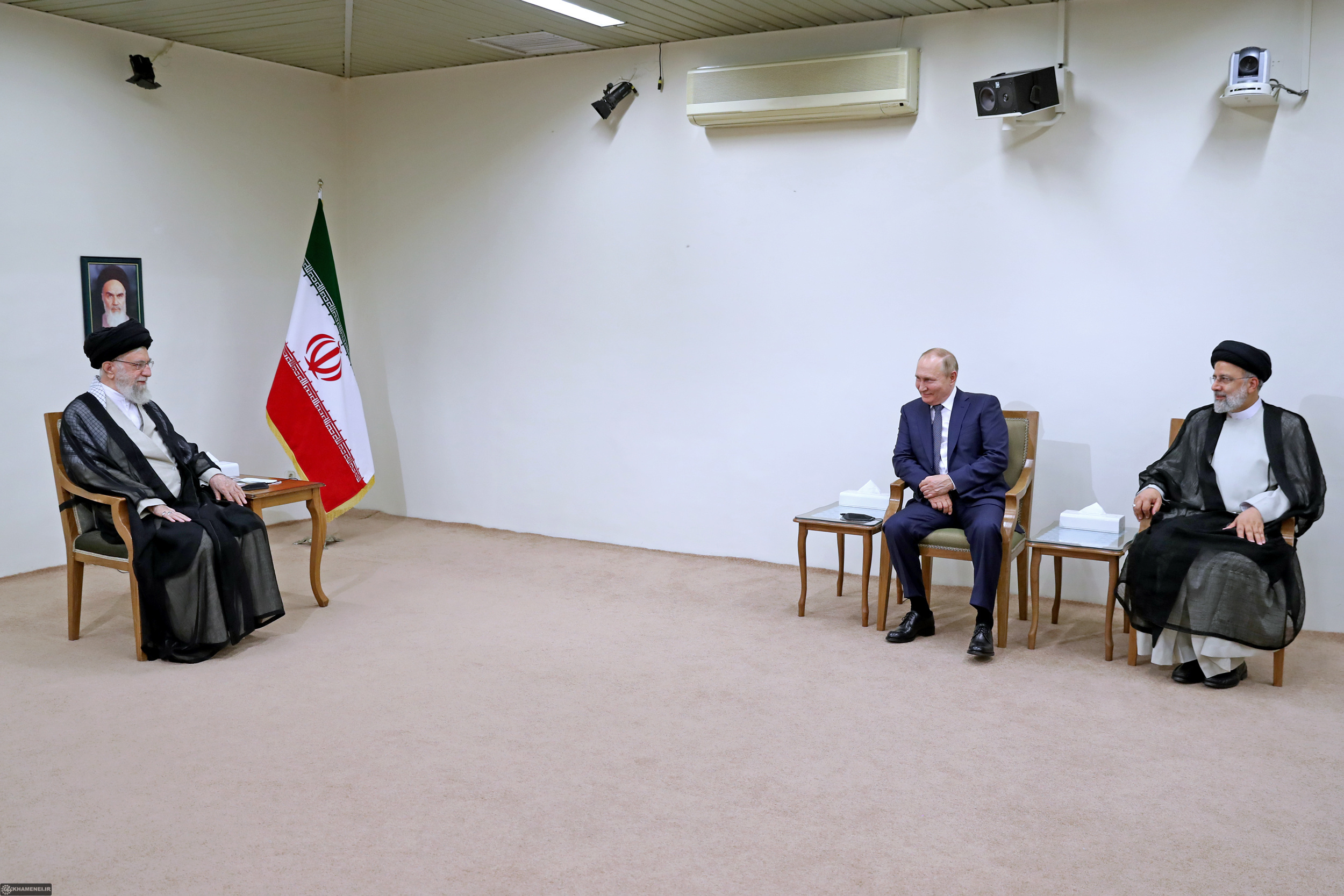
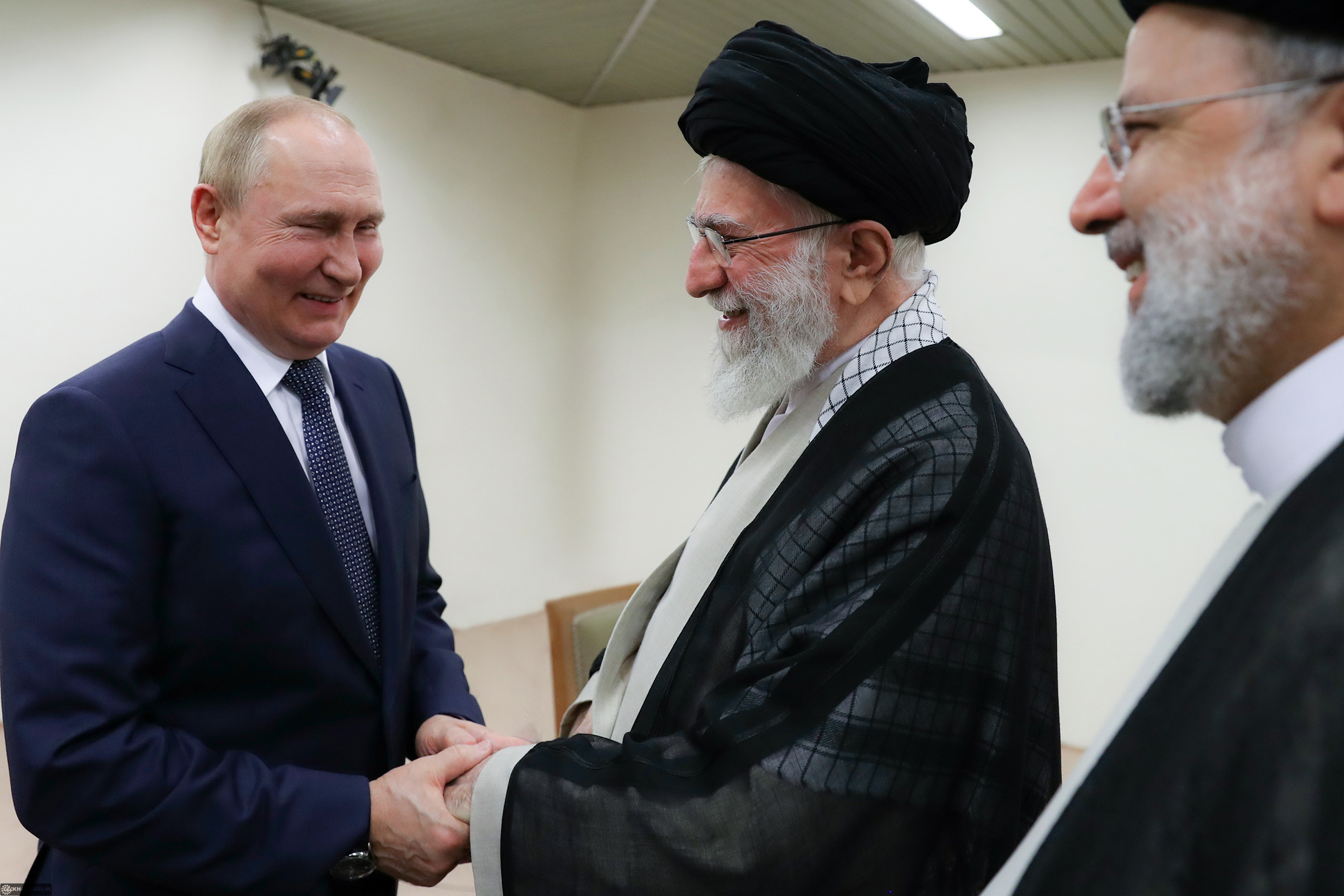
Imam Khamenei, the Supreme Leader of the Islamic Revolution, in his meeting with Mr. Vladimir Putin, the President of Russia and the accompanying delegation, emphasized the necessity of operationalizing the understandings and contracts between the two countries and considered long-term cooperation to the benefit of both countries. In this meeting, Imam Khamenei pointed out the necessity of increasing and mutual cooperation between Iran and Russia in global events and confronting Western sanctions, and added: “There are many understandings and agreements between the two countries, including in the oil and gas sector, which must be operational and followed up to the end. Your Excellency and our president are both action-oriented and follow-up, so the cooperation between the two countries should reach its peak in this period.”
After confirming the words of the President of Russia about the necessity of starting the Rasht-Astara railway line, he considered this work to complete the North-South transportation line and benefit both countries.
Imam Khamenei said about the events in Ukraine: “War is a harsh and difficult category, and the Islamic Republic is not at all pleased that ordinary people suffer from it, but in the case of Ukraine, if you did not take the initiative, the other side would cause a war with its own initiative. Westerners are completely against a strong and independent Russia. NATO is a dangerous entity and knows no boundaries if the way is open to them, and if it was not stopped in Ukraine, they would have started the same war some time later under the pretext of Crimea. Of course, today America and the West have become weaker than before, and despite the great effort and expense, the success of their policies in our region, including in Syria, Iraq, Lebanon, and Palestine, has been greatly reduced.”
He added: “It is necessary to be vigilant against the deception of the West. The Americans are both forceful and cunning, and one of the factors of the collapse of the former Soviet Union was being deceived in front of American policies, although Russia has maintained its independence during your highness’s period.”
The Leader of the Islamic Revolution, Ayatollah Khamenei, condemned the interference of the Zionist regime in the affairs of the region, praised the recent positions of the Russian President against the Zionists, and emphasized the position of the Islamic Republic of opposing a military attack on Syria and the need to prevent it, saying: “Another important issue in Syria is the occupation of the fertile and oil-rich areas east of the Euphrates by the Americans, which should be resolved by expelling them from that area.”
He further emphasized: “The Islamic Republic will never tolerate policies and programs that lead to the closing of the border between Iran and Armenia.”
Imam Khamenei also approved the policy of replacing national currencies in the relations between the two countries and using other currencies instead of the dollar, saying: “The dollar should be gradually removed from the path of global transactions, and this is possible gradually.”
In this meeting, Vladimir Putin also said about the war in Ukraine: “No one is in favor of war and the loss of lives of ordinary people is a great tragedy, but the behavior of the West made us have no choice but to react.”
Enumerating the factors and roots of the differences between Russia and Ukraine, especially the provocative actions of the West and the United States in recent years, including the coup in Ukraine, as well as NATO’s expansion policy despite their previous commitments to avoid any advance towards Russia, Putin said: “Some European countries said that we were against Ukraine’s membership in NATO, but we agreed to it under American pressure, which shows their lack of sovereignty and independence.”
The President of Russia considered the assassination of General Soleimani as another example of the evils of the Americans, and in another part of his speech, referring to Western sanctions against Russia, he said: “These sanctions are to the detriment of the West, and the result is problems such as the increase in oil prices and the food supply crisis. The US abuses the dollar tool to embargo and loot other countries, and this ultimately harms them and weakens global trust in this currency. Also, countries are going to use alternative currencies and we are designing new ways to use national currencies in the relations between the two countries.”
Confirming the position of the Leader of the Revolution regarding the Caucasus region, the President of Russia called the positions of the two countries on the Syrian issue, including the opposition to the military attack on the north of this country, completely compatible with each other and said: “The region east of the Euphrates should be under the control of the Syrian military forces. Iran and Russia are jointly fighting terrorism in Syria, and in the military field, we are also trying to develop cooperation between the two countries, as well as trilateral cooperation and maneuvers with China.”
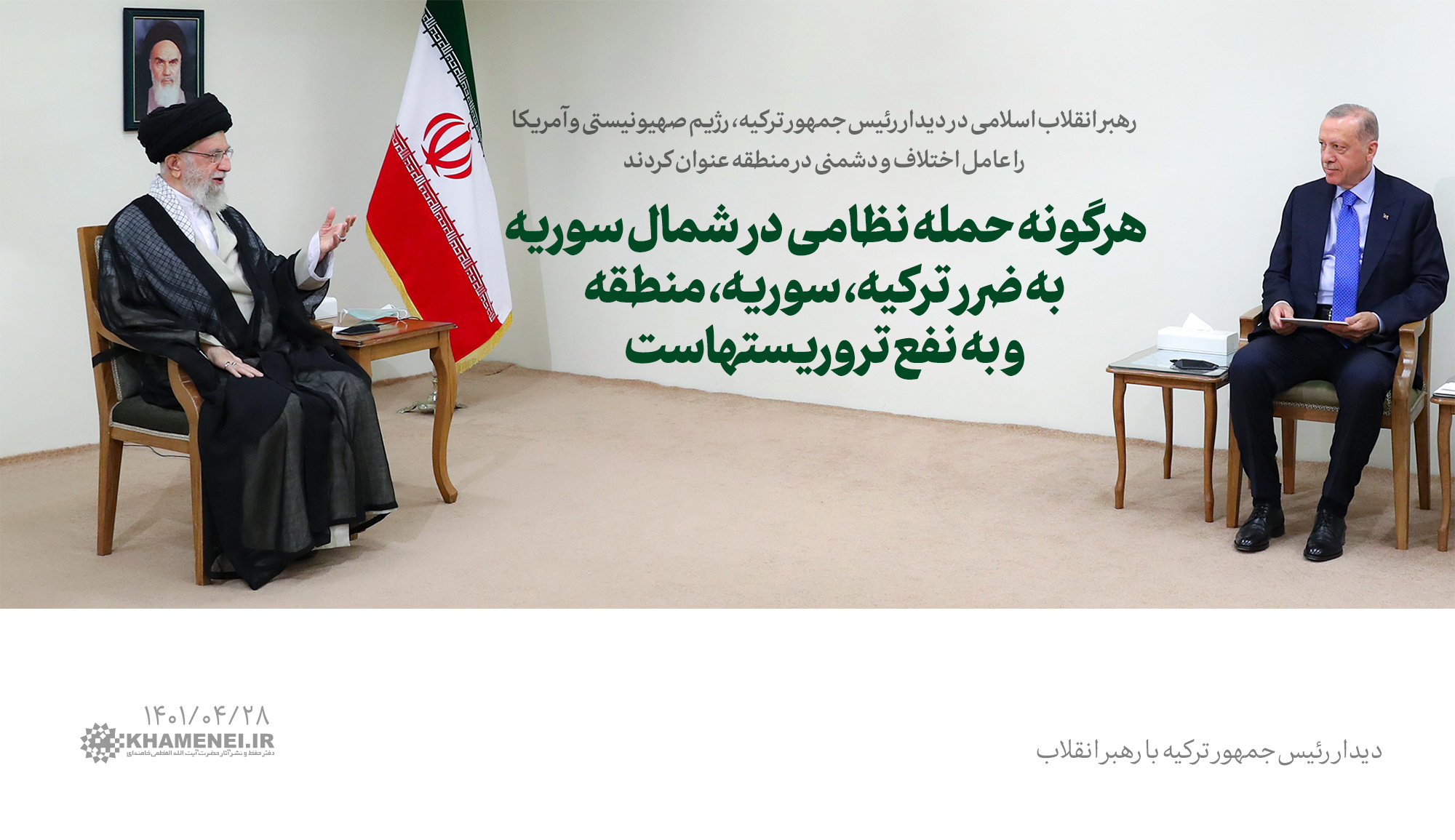
The Supreme Leader of the Islamic Revolution, Imam Khamenei met and discussed with Turkish President Recep Tayyip Erdogan and his delegation about bilateral and regional issues.
Emphasizing the need to increase the cooperation between the two countries, especially in the commercial field, the leader of the revolution called the current amount of economic exchanges between the two countries much less than the existing capacities and emphasized: “This issue should be resolved in the negotiations between the presidents.”
He further pointed to the developments in the region and listed the Zionist regime as one of the main causes of discord between Islamic countries and emphasized that US and the usurping regime cannot stop the deep movement of the Palestinians and despite the favor of some governments to the Zionist regime, the nations are deeply against this usurping regime.
Imam Khamenei said about the recent developments in northern Syria and the news about Turkey’s military operation: “Maintaining the territorial integrity of Syria is very important, and any military attack in northern Syria will definitely harm Turkey, Syria and the entire region, and benefit terrorists, And the expected political action from the Syrian government will not be realized either. Terrorism must be opposed, but a military attack in Syria will benefit the terrorists, and of course the terrorists are not limited to a specific group.”
In response to the Turkish President’s request for Iran’s cooperation in fighting terrorist groups, the Leader of the Islamic Revolution said: “We will certainly cooperate with you in the fight against terrorism. We consider the security of Turkey and its borders to be our security, and you also consider the security of Syria to be your security. The Syrian issues should be resolved through negotiations, and Iran, Turkey, Syria and Russia should end this issue through dialogue. We have always defended your government in internal issues and against interference, and as you said, we are friends in difficult times and we pray for the Muslim nation of Turkey.”
Imam Khamenei further pointed to the issues of the Caucasus region and said: “We are pleased with the return of Karabakh to Azerbaijan. Of course, if there is a policy to block the border between Iran and Armenia, the Islamic Republic will oppose it, because this border is a communication route that is several thousand years old.
Congratulating on the holidays of Qurban and Ghadir Khom, the President of Turkey considered it necessary to unite the Islamic Ummah and increase the solidarity between Iran and Turkey and said: “Turkey has never been silent in the face of atrocities against Iran, and the brotherhood of Iran and Turkey must be expanded in all fields. We have always been and will be against unilateral sanctions against Iran. In Syria, terrorist groups are supported by heavy weapons from Western countries such as Germany, England, France and especially the US. We expect the Syrian government to start political processes. At the Astana summit, the Syrian issue is on the agenda, and we hope to achieve good results.”
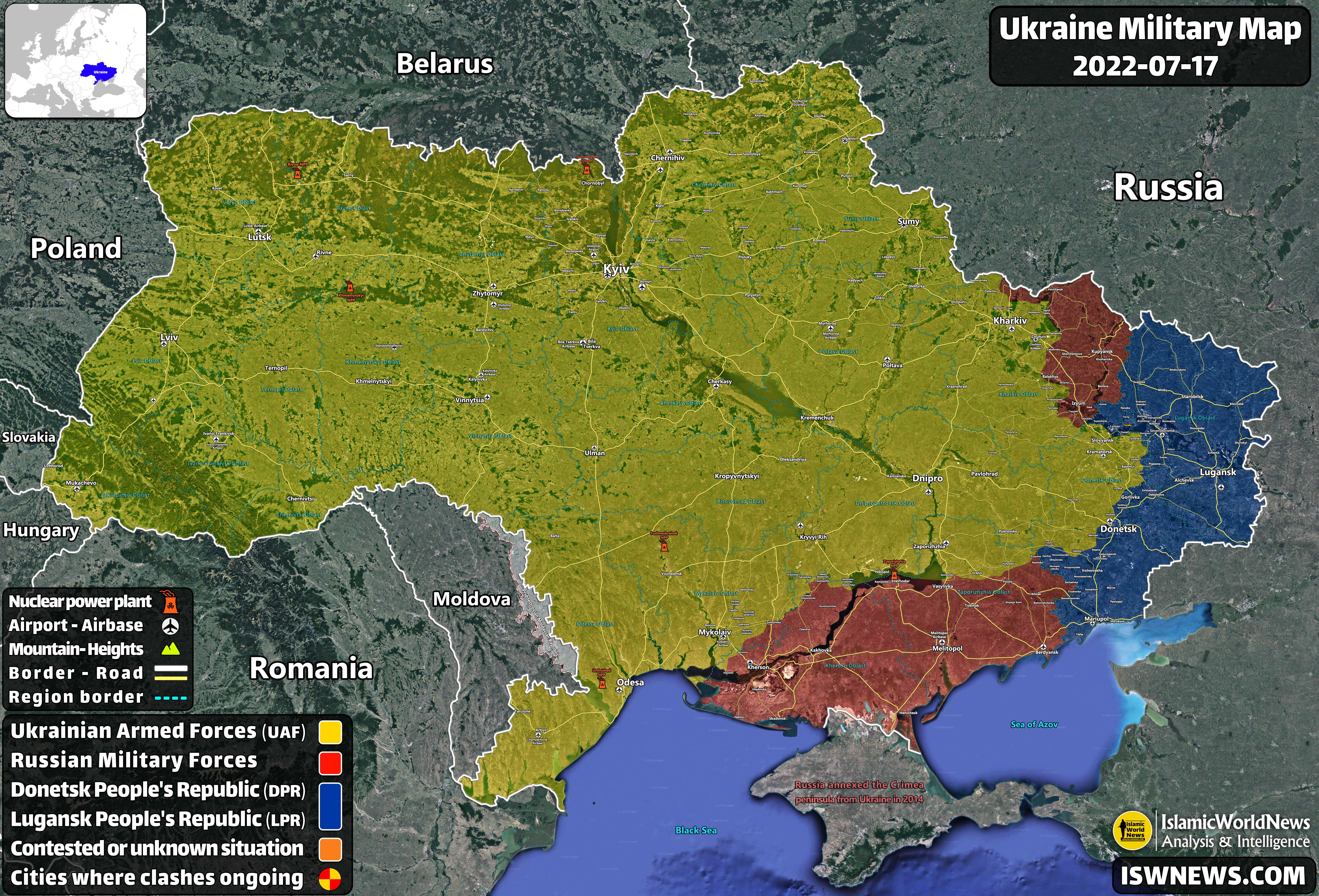
Russian missile attacks were carried out last night and this morning with Tu-22M aircraft from the Caspian Sea against the positions of Ukrainian forces in the cities of Poltava, Vinnytsia, Dnipropetrovsk and Cherkasy. Also, 10 missiles were fired at the city of Mykolaiv in southern Ukraine, and several Iskander ballistic missiles were fired from Belgorod province in western Russia towards Kharkiv province.
Southern fronts of Ukraine: Russian aircraft have made about 200 sorties in the south and southeast of Ukraine. Ukrainian aircraft have been very active in the north of Kherson province in recent days. This issue, along with the recent Ukrainian attacks on Russian positions in Novakakhovka and Kherson airport, indicates the weakness of Russian air defense systems in this area. In Zaporizhzhia province, most of the attacks of the Ukrainian army on the south-eastern regions of this province were carried out by artillery, and despite the announcement of the readiness of the Ukrainian army to launch a new operation and recapture of the southern regions of Ukraine, no particular movement has been observed in this axis so far.
Eastern fronts of Ukraine: Russian artillery and rocket attacks on the Donbas fronts have decreased since yesterday, and most of these attacks are concentrated on the cities of Bakhmut and Slovyansk. The conflicts are focused on the Bohorodychne area and its surroundings, and Russian forces have made minor gains in this area. In the Bakhmut axis, ground battles continue from the southeast side of Bakhmut and along the Bakhmut-Lisichansk road.
The front of Kharkiv province witnessed several counterattacks by Ukrainian forces yesterday, but they did not achieve anything notable. The exchange of fire and artillery attacks continue in this axis. There are reports that the Russian army is preparing for a large-scale operation in Kharkiv province with the aim of securing the eastern areas of Kharkiv, which have yet to be confirmed.
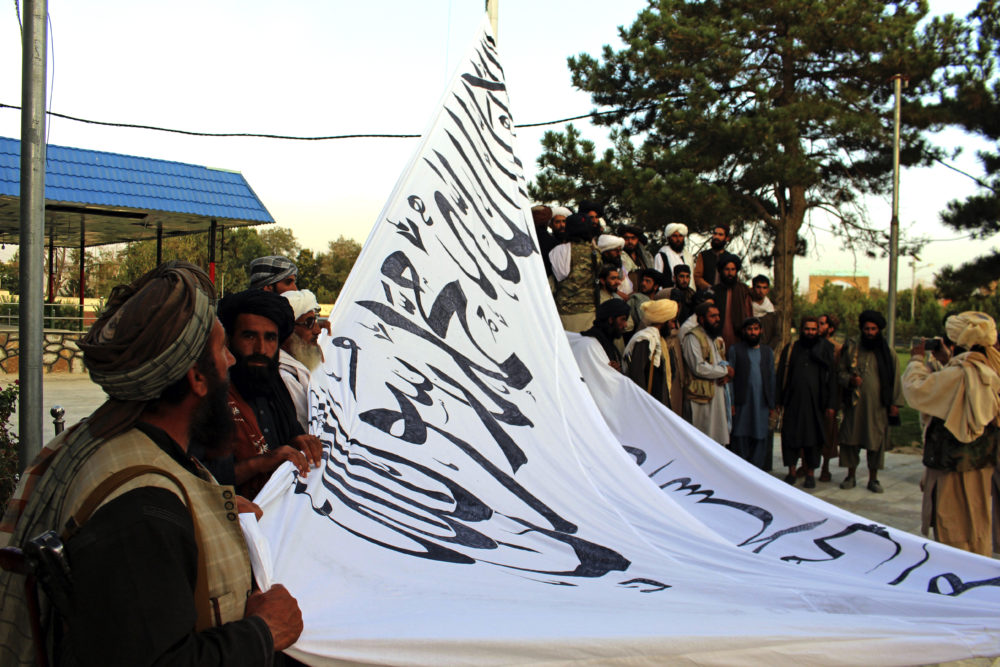
The Tajik Taliban militants in Afghanistan, led by Mehdi Arslan, created Tehreek-e-Taliban Tajikistan (TTT) with the aim of armed struggle against the Tajik government. These people were former members of Jamaat Ansarullah of Tajikistan, who were supported by this group after the Taliban came to power in Afghanistan and founded the Taliban of Tajikistan.
According to local sources, the number of armed men under the command of Mehdi Arslan is more than 250 people, all of whom are citizens of Tajikistan, and most of them are wanted by the government of Tajikistan for security and terrorist reasons. Mehdi Arslan has been appointed as the governor of five border districts in the Badakhshan province in the Afghan Taliban organization and is responsible for controlling the borders of Afghanistan and Tajikistan. Every day, these people shout slogans against the Tajik government in the watchtowers and border stations and invite the Tajik military to fight against the government of Emomali Rahmon.
“Mohammed Sharifov” known as “Mehdi Arslan” is a resident of Noorabad district of Badakhshan Autonomous Region of Tajikistan and a former member of “Jamaat Ansarullah Tajikistan” group, who has been wanted by the Tajikistan government for terrorist activity allegations for the past eight years.
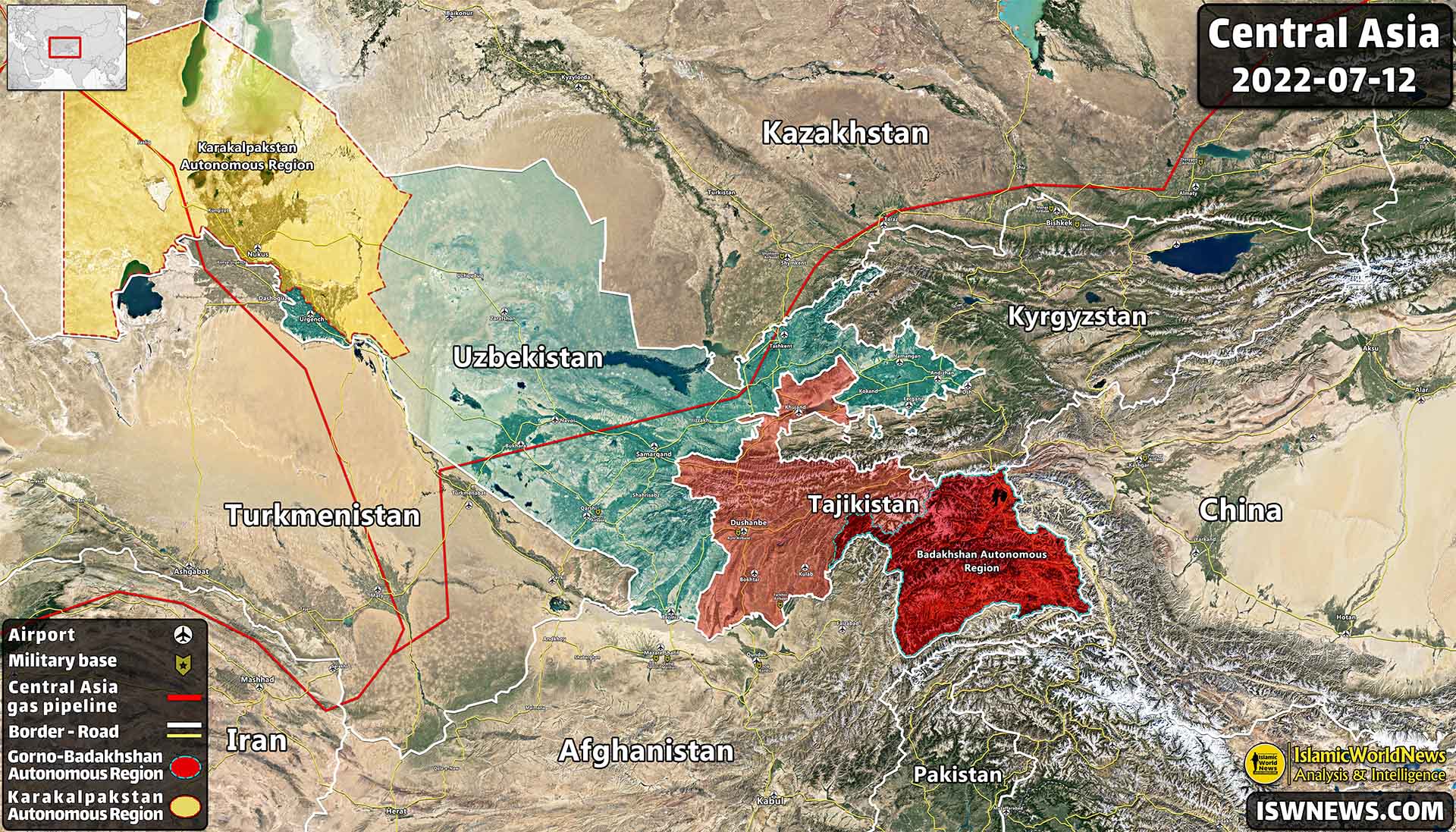
During the last year, Central Asia has witnessed different crises, from street protests to military conflicts at different levels. Also, the activities of political movements and the military officials of various countries in the Central Asian region, especially the Americans, have increased the importance of this situation. The crises of this region can be defined as follows:
1- Afghanistan crisis and America’s effort to influence more in Central Asia: After a year passed since the Taliban came to power in Afghanistan and also the withdrawal of the American forces from the country, a big security vacuum was created in the region and most of the Central Asian countries started their relations with the Taliban in limited condition. But in the meantime, Tajikistan publicly supported Ahmad Massoud forces and rejected the general interaction with the Taliban government. This issue arises from a close relationship with America. In general, the goal of the Americans for the warm relationship with Tajikistan is to continue to be present in the Central Asian region so that they can firstly penetrate into the backyard of Russia, China and Iran and also continue to play a role in the Afghanistan developments. America was defeated by Pakistan’s negative response regarding the construction of the base and several other things at the beginning of this matter; But now with the HUMINT policy, support for non-governmental organizations (NGOs) as well as training and military and security assistance, it has increased its influence in Tajikistan. One of the reasons for Putin’s recent visit to Tajikistan was the concern about the increase of American activities. In less than a month, three high-ranking American officials, Donald Lowe, Tom West, and General Michael Kurilla, had traveled to Tajikistan.
Rocket attacks by ISIS and unknown groups from Afghanistan to Tajikistan, Uzbekistan and Turkmenistan were also among the other events that happened in the last few months, and this issue cannot be analyzed until its dimensions are hidden.
2- Suppression of popular protests in Tajikistan’s Badakhshan: Since 2012, the mountainous Badakhshan Autonomous Region of Tajikistan has been the source of popular protests and severe repressions by the government of Emomali Rahmon. This issue has intensified since November 2021 and its peak can be seen in the assassination of “Martyr Mohammad Baqer MohammadBaqerov”, one of the popular leaders of this region. Also, other local leaders have had a similar fate or have been arrested.
According to the latest field information, the government of Tajikistan seeks to suppress the popular groups in Badakhshan in order to apply its unified and autocratic rule in all of Tajikistan. With the opportunity of Russia’s war with Ukraine and simultaneous regional trips to Iran, Russia and Uzbekistan, “Rahmon” was able to complete his operations for ethnic cleansing in Badakhshan without any pressure. It should be noted that after this tension, the young fighters of Badakhshan either ran away or hid in the mountains, and the atmosphere of suffocation reigned over the city of Kharogh and other cities of Badakhshan province.
3- Uzbekistan and the Karakalpakstan crisis: During the Soviet Union period, the Karakalpakstan region was first included in Kazakhstan, then in Kyrgyzstan, and later in the status of an autonomous republic, and finally it was handed over to the Soviet Republic of Uzbekistan. In 1990, the sovereignty of Karakalpakstan was approved, and at the beginning of 1993, an intergovernmental agreement was signed, according to which the Republic of Karakalpakstan became part of Uzbekistan for 20 years. Karakalpaks believe that their country is not an autonomous region, but an independent country within Uzbekistan.
Karakalpakstan is a parliamentary republic, which has a national flag, official coat of arms, constitution and national anthem, and covers 37.1% of the territory of Uzbekistan. This region has rich resources and reserves of oil, gas and gold, and its population is about 2 million people, who are in the minority compared to the population of 35.3 million Uzbeks.
The separatist tendencies in this republic intensified when the government of Tashkent announced that it was preparing to approve a constitutional amendment, which will remove the sovereignty of the Karakalpaks over their region. On July 5, “Dauletmurat Tazhimuratov”, the leader of Karakalpaks, planned to hold a peaceful rally on this issue, but the situation became tense after his video call. After this, military equipment and counter-insurgency forces were deployed throughout the city of Nukus, the capital of Karakalpakstan and Tazhimuratov was arrested. Of course, the Uzbek government has backed off from changing the constitution and the situation has calmed down. In the last 10 years, the situation in Karakalpakstan has become the hottest topic in the media about Uzbekistan.
It should be noted that the authorities of Tashkent government have not renewed the autonomy agreement of Karakalpakstan since 2003 without polls and elections from the people of Karakalpakstan, and this led to start of these protests.
4- Protests in Kazakhstan: What ignited the protests in Kazakhstan was the increase of fuel prices, but the demands of the protesters have now changed and they want to address broader issues. Kassym-Jomart Tokayev, the president of Kazakhstan, claims that these protests are organized by “terrorist groups” trained outside of Kazakhstan. The president of Kazakhstan declared a state of emergency following these protests across the country and promised to deal severely with the protesters. In a televised speech in the first hours of the protests, he said that he requested the help of the “Collective Security Treaty Organization” (CSTO) to establish stability in his country. Tokayev is the second leader of Kazakhstan after declaring independence from the Soviet Union in 1991. The election of Tokayev in 2019 was condemned by the Organization for Security and Cooperation in Europe (OSCE) on the pretext of not observing democratic standards in the elections.
The presence of CSTO forces in Kazakhstan to suppress protests was one of the notable points.
5- The military aid of the world powers to the countries of the Central Asian region: During the past few months, significant military aid was provided to the countries of the region, most of which was directed to Tajikistan. The establishment of the Ababil 2 drone production line in Tajikistan with the presence of Major General Bagheri, the Commander of the General Staff of the Iranian Armed Forces, the visit of the head of US CENTCOM to Tajikistan and the announcement of US$60 million military aid to Tajikistan (Puma drone, the construction of border posts in the Chaldovar region in the south of Tajikistan, ranger and mountain warfare training to the Tajik military, as well as providing special border equipment to Tajikistan), equipping the Tajik army with Chinese weapons, Russia’s promise to support and equip the Tajik border guards, and the sale of Turkish drones to Kyrgyzstan have been part of these military deals.
Location of US border bases near Aiwaj in Chaldovar region
Based on these developments, it can be concluded that Central Asia has always been in the spotlight due to its high importance, and due to the attention of the world’s military powers and the sending of military aid to this region, it is susceptible to important developments in the future. As Alexander Lukashenko, the President of Belarus, pointed out at the ceremony of the Independence Day of Belarus, Central Asia, like Eastern Europe, is located between two fronts and is a place where global poles clash. But the main issue today is not Ukraine, Belarus, grain and wheat exports, etc. Rather, the main issue is the emergence of new, powerful players in the international arena who have challenged the unipolar structure of the world. Protests and color revolutions, the greater influence of America and China and in contrast to the decrease of Russian influence in Central Asia, the possible role of Iran, etc. are among the things that we will hear more about in the future.
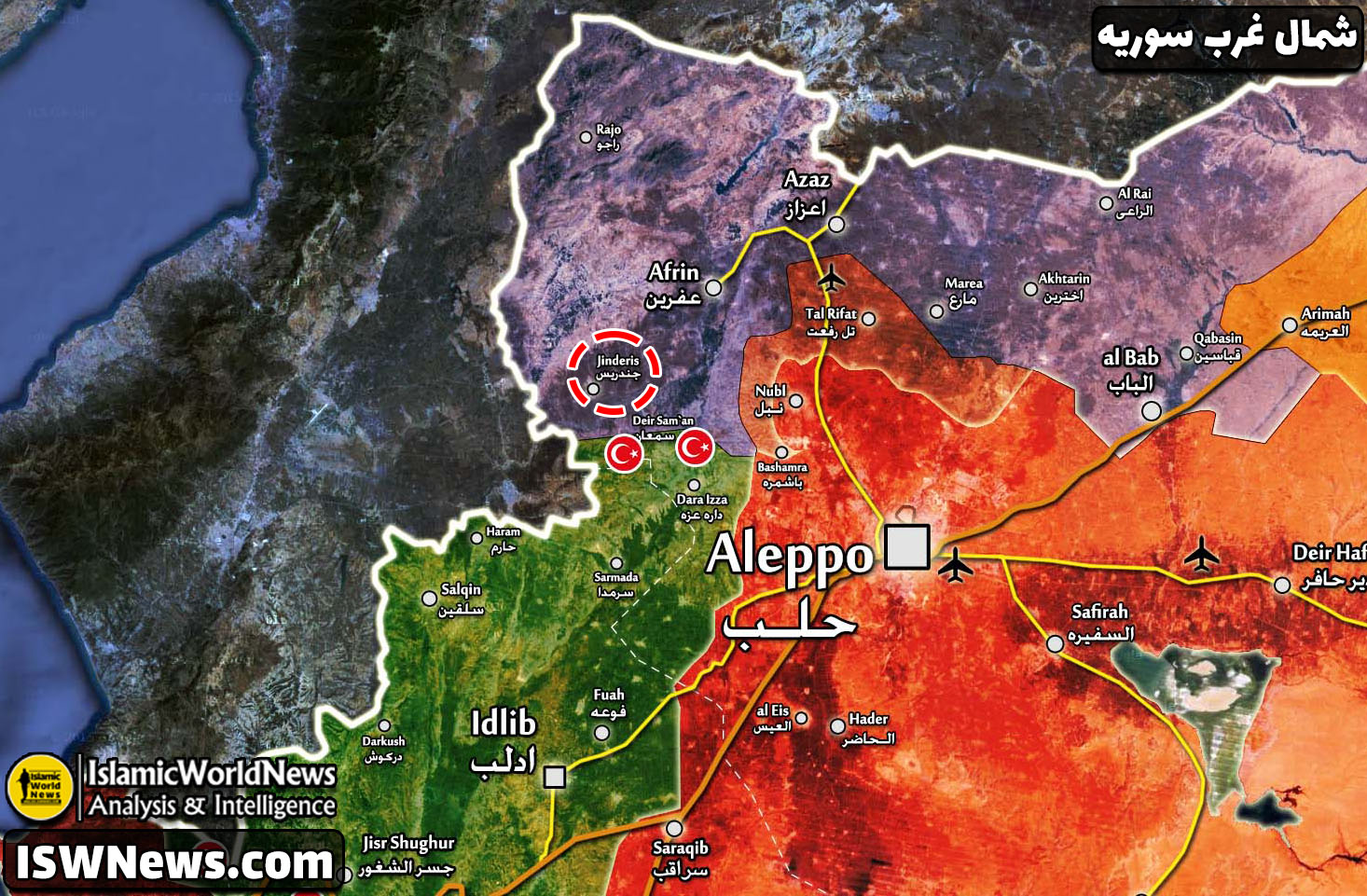
On July 22, the US drones targeted a motorcycle in the village of Khalitan in the outskirts of Jindires town, during which one person was killed.
Confirming this news, the US CENTCOM announced the killing of a person named “Maher al-Aqal”, one of the five main leaders of ISIS. Also, during this attack, one of the people close to Maher al-Aqal was also seriously injured. No information has been released about the identity of the injured person.
It is said that Maher al-Aqal nicknamed “Abu Al-Bara al-Shamali” has been active as the governor of the Levant and responsible for the coordination and development of ISIS terrorist cells outside of Syria and Iraq.
It is worth mentioning that since September of last year, the US coalition has carried out at least five drone attacks against the field commanders of the militants and ISIS, as a result of which five alleged Al-Qaeda commanders and one ISIS commander were killed.
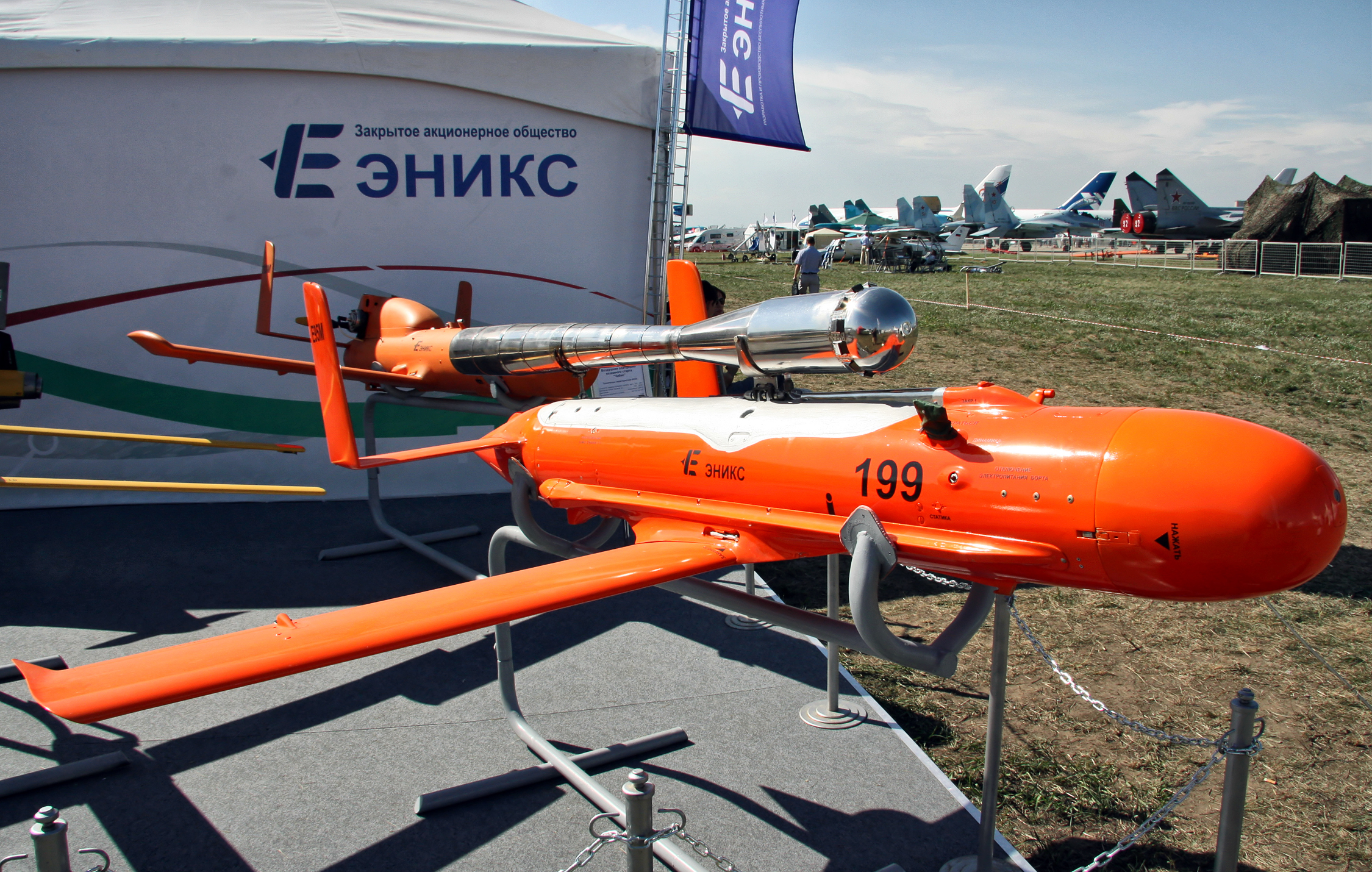
One of the things to consider about this drone is the use of the M135 Pulsejet engine. Pulsejet engines are the simplest type of jet engines and in the valveless type they do not have any complicated moving parts. The use of this engine greatly reduces the cost of construction.
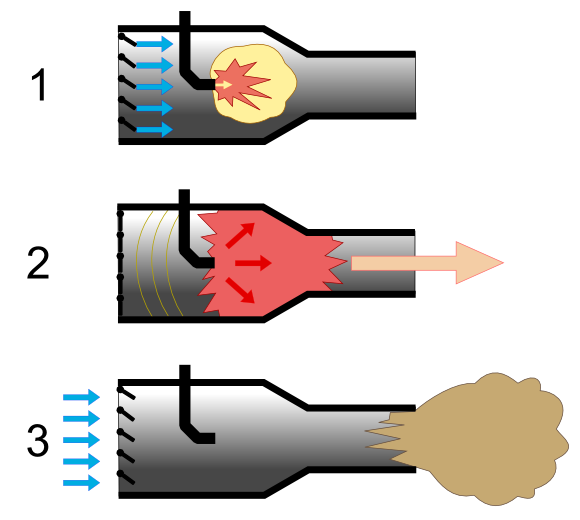
There are two main types of pulsejet engines, both of which use resonant combustion and harness the expanding combustion products to form a pulsating exhaust jet that produces thrust intermittently. The first is known as a valved or traditional pulsejet and it has a set of one-way valves through which the incoming air passes. When the air-fuel is ignited, these valves slam shut, which means that the hot gases can only leave through the engine’s tailpipe, thus creating forward thrust.
Diagram of a pulsejet engine
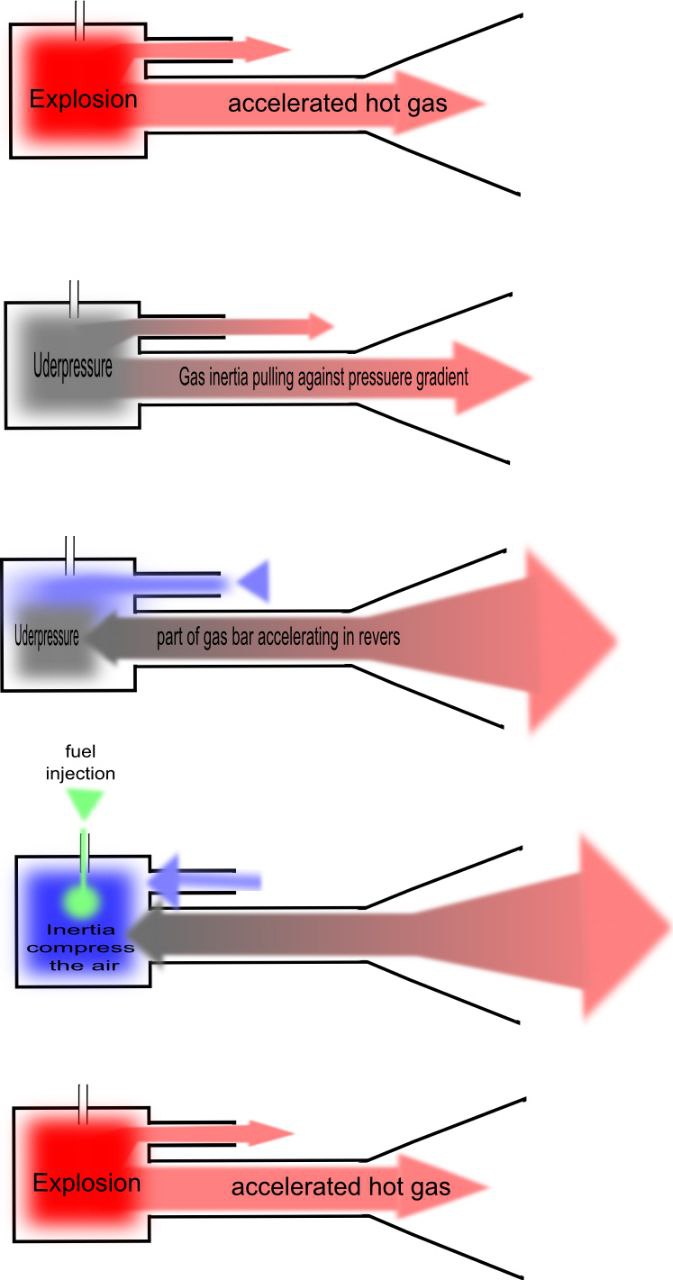
The second type of pulsejet is known as the valveless pulsejet. The valveless pulsejet is, mechanically speaking, the simplest form of pulsejet, and is, in fact, the simplest known air-breathing propulsion device that can operate “statically”, i.e. without forward motion. Valveless pulsejet engines have no mechanical valve, eliminating the only internal “moving part” of the conventional pulsejet.
One notable line of research of pulsejet engines includes the pulse detonation engine, which involves repeated detonations in the engine, and which can potentially give high compression and reasonably good efficiency.
Working mechanism of a valveless pulsejet engine
The takeoff is carried out using a low-pressure pneumatic catapult. Landing and recovering is carried out using a parachute that is placed in its body.
E95M drone pneumatic catapult launcher and ground control station
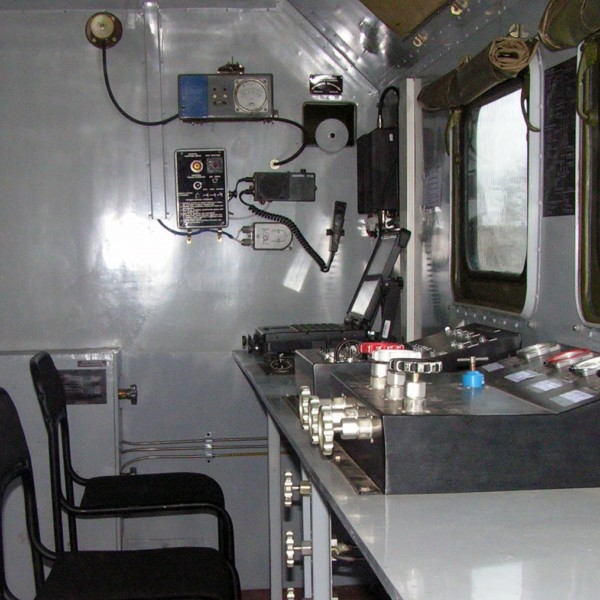
The E95M target drone is controlled by a ground mobile control station. The ground control station is mounted on an off-road chassis KAMAZ-4350, GAZ-3308 or Ural-4320. The control station is completely autonomous and provides tracking and control of the drone at a distance of up to 70 km.
E95M drone control room
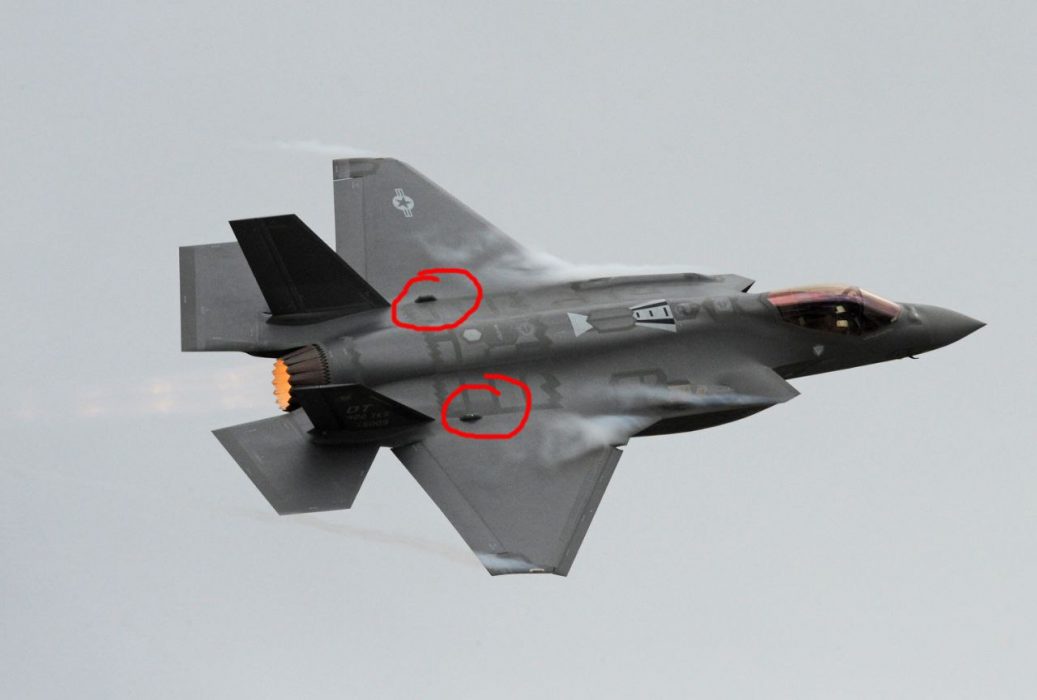
One of the cargoes of this drone in order to increase the cross-sectional area of the radar and simulate larger aircrafts is the Luneberg lens. Due to its geometry, the Luneberg lens causes resonance in the radar waves in the return wave and amplifies it and increases the overall cross section of the bird. Therefore, removable Luneburg lens type radar reflectors are sometimes attached to military aircraft in order to make stealth aircraft, such as the F-35 fighter, visible during training operations, peacetime or to conceal their true radar signature.
Luneburg reflectors (the marked protrusion) on an F-35
More pictures of the E95M target drone:
Click to view full size
E95M specifications: Length: 1.2 m Wingspan: 2.4 m Range: 50 km Flight ceiling: up to 3000 meters Flight duration: 32 minutes Maximum speed at low altitude: 300-400 km/h Available maneuvers: Dive, pull up (lifting the nose), S-turn Engine: PuVRD M135 Pulsejet Engine thrust: 150 newtons Take-off weight: 70 kg
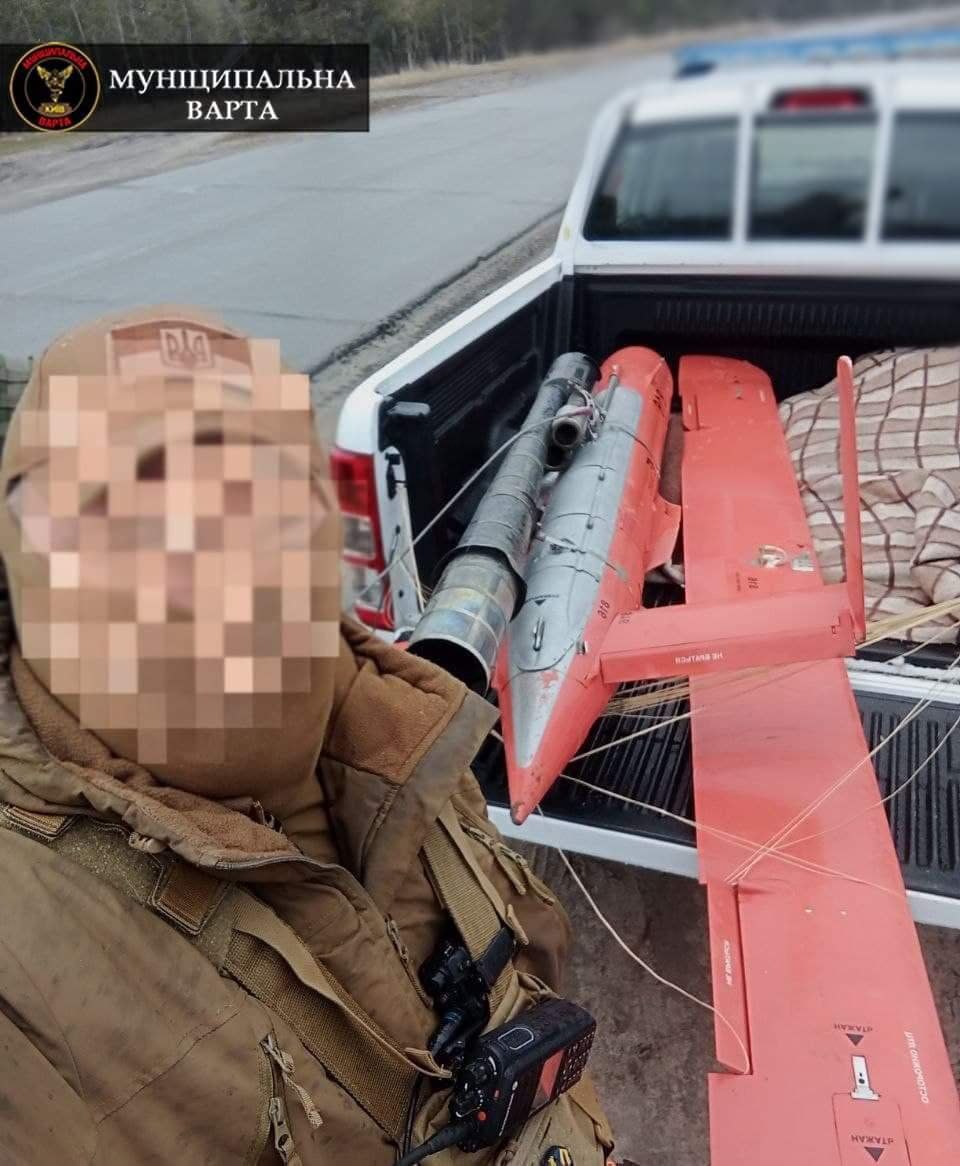
Images of the E95M target drone that fell into the hands of Ukrainian forces during the Ukrainian war
1- Uruzgan: On July 6, unknown gunmen assassinated “Shir Agha”, the former governor of Deh Rahwod district in the Lablan village.
2- Bamyan – On July 2, Taliban militants in Bamyan district prevented the distribution of humanitarian aid from charitable foundations to the displaced people of Balkhab district. – On July 3, agents of the Taliban’s Department of “Enjoining the Good and Forbidding Evil” insulted Shia students by calling them apostates at Bamyan University. Also, the students protesting this issue were arrested by Taliban gunmen. – On July 6 and 7, Taliban militants arrested five civilians in the Shesh Gaw bridge area of Bamyan disttict on charges of collaborating with Maulvi Mehdi Mojahed militants.
3- Baghlan – On July 6, forces loyal to Ahmad Massoud attacked Taliban positions in Charkh Wa Falak Valley located in Khost and Farang district. Five Taliban members including Mullah Bahauddin, the deputy governor of the Taliban were killed and two others were wounded. – On July 6, Taliban militants arrested more than 55 civilians in the villages of Dara Pashei, Lerwan, Kezar, Dara Charkh and Falak and Sechi Bala located in Khost and Farang district, on the charge of cooperating with Ahmad Massoud forces. – On July 7, Ahmad Massoud’s forces captured Dera Sechi checkpoint in Khost and Farang district.
Ahmad Massoud’s forces at Sechi checkpoint
4- Panjshir: – On July 4, Pashtun militants of Taliban arrested “Qari Hasibullah Habibi”, director of intelligence of Khanj district and “Molla Shamsuddin”, director of intelligence of Rokha district on charges of cooperation with Ahmad Massoud’s forces. – On July 6, as a result of the attack of Ahmad Massoud’s forces on Taliban militants in Arzoo valley located in Shatel city, six Taliban militants were killed and wounded. – On July 7, forces loyal to Ahmad Massoud attacked Taliban positions in Melspeh village located in Bazarak district. 12 Taliban militants were killed and wounded.
5- Paktiya: On July 3, as a result of an attack by the forces of the National Liberation Front in Band Chaghlu area in Ahmedabad district, six Taliban militants were killed.
6- Sare Pol: – On July 2, civilian residents of Balkhab district claimed the death of a one-day-old baby in the mountains around this area. – On July 6, the United Nations Humanitarian Aid Coordinator Office announced that 27,000 civilians were displaced due to the internal conflict of Taliban militants in Balkhab district.
7- Samangan: On July 6, unknown gunmen gunned down one of the jihadi commanders of the previous government named “Karim” in the second district of Aybak district.
8- Kabul: – On July 2, Taliban militants arrested “Dawud Shah Mateen”, the advisor to the executive directorate of the previous government, on Shital road, located in the 11th district of Kabul city. – On July 6, 13 Taliban militants were killed and wounded as a result of an attack by unknown gunmen on the outpost and vehicle of Taliban in Anjirak neighborhood located in the 11th district of Kabul. – On July 7, more than 10 Taliban militants were killed and injured due to the internal conflict in the presidential palace. – On July 7, unknown gunmen assassinated a moderate religious scholar named “Maulvi Abdul Qudous” and his son in Kabul city.
Clashes in the Presidential Citadel of Kabul
9- Qunduz: On July 5, due to the explosion of a bomb in a vehicle carrying Taliban militants in Qunduz city, four members of the Taliban were injured.
10- Nangarhar: – On July 2, eight people were injured as a result of throwing a hand grenade at the gathering of students of an Osman Zulnorin school in Shahbazakhel village of Nangarhar province. – On July 2, as a result of the military-intelligence operation of Taliban militants in Roshan Mena village located in the fourth district of Nangarhar province, seven ISIS members were killed or arrested. – On July 6, the residents of Daronte area found the bodies of more than 100 people from the Daronte water canal. It is said that the Taliban militants beheaded and shot these people on the charge of membership in ISIS.
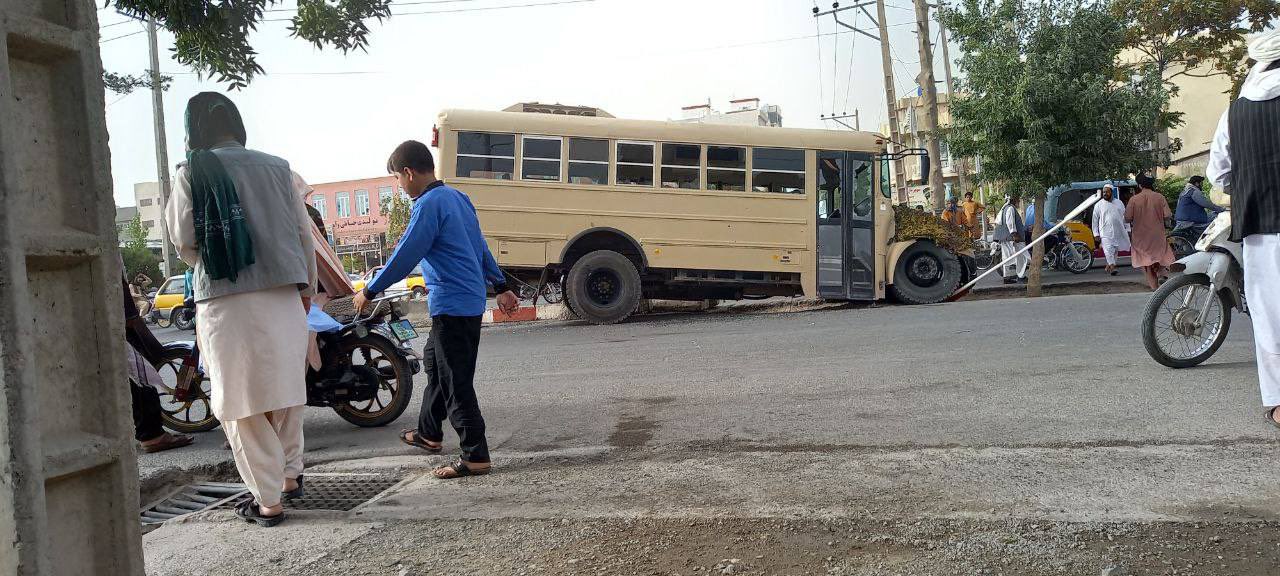
11- Herat: – On July 4, after an armed person threw a hand grenade and shot at a bus carrying the 207th Al-Farooq Taliban Corps in Herat city, 20 people were killed and wounded, including the attacker. The ISIS terrorist group claimed responsibility for this attack. – On July 7, one of the Taliban pilots named “Atiq” who was injured in an ISIS attack on a bus carrying Taliban militants in Herat city, died.
Images of an armed attack on a bus carrying Taliban forces
12- Indian Deputy Foreign Minister discussed with Iran’s Deputy Foreign Minister Ali Bagheri Keni about the transfer of wheat to Afghanistan via Iran. Indian media recently claimed that a large amount of wheat sent from India to Afghanistan was stolen in Pakistan.
13- Pakistan: – On July 2, thousands of supporters of Imran Khan, the former prime minister of Pakistan, demonstrated in Islamabad, the capital city of this country. – On July 2, the Pakistan Army resumed military operations against the Taliban by arresting three Tehreek-e-Taliban (TTP) militants in the Ghulam Khan area of North Waziristan. – On July 6, the militants of Sipah Sahaba terrorist group martyred a Shiite civilian named “Syed Zahor Alam” in Hangu district located in Punjab state. – On July 7, a Pakistani police member was killed and four others were injured as a result of a bomb explosion at a police station in Mardan district in Khyber Pakhtunkhwa province. Tehreek-e-Taliban Pakistan is the main suspect in this attack.
Video: Explosion in Pakistani police station in Mardan area
On July 17, the Turkish Ministry of Defense announced that three Turkish servicemen, Omur Ertugrul Sari, Muhammed Mustafa Koca and Murat Yildirim were killed during Operation Claw Lock in northern Iraq.
Thus, the number of casualties of the Turkish army in Operation “Claw Lock”, which began in the morning of April 18 increased to 36 servicemen.