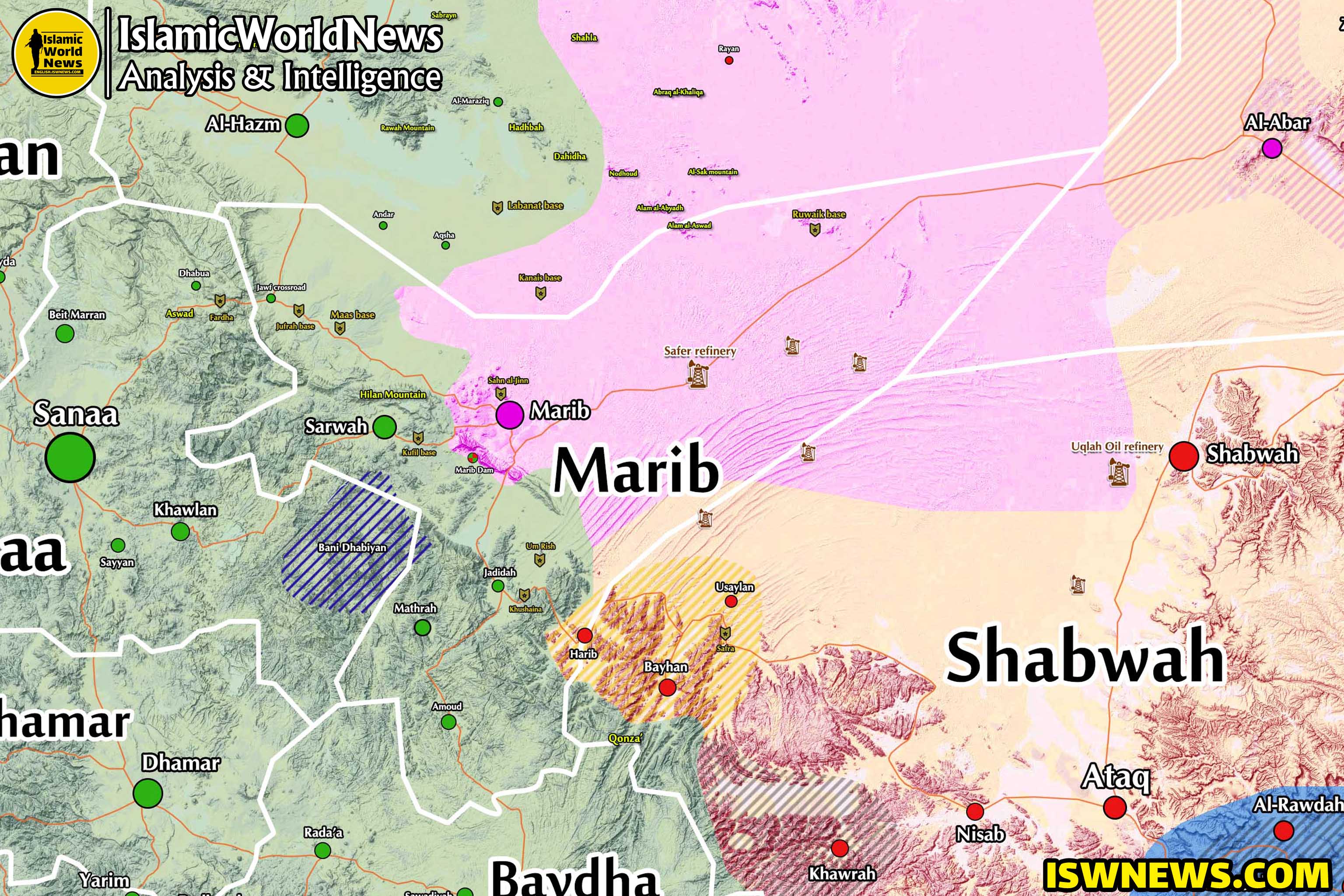
Local sources say that these drones carried out another attack in the east of al-Wadi region.
No news has been published about the results and details of these attacks, but it is likely that the Americans targeted Al-Qaeda members in Marib province.
Based on data analysis, this attack is the 379th air attacks by the US Army in Yemen during the last two decades; And the fifth attack during the presidency of Joseph Biden.
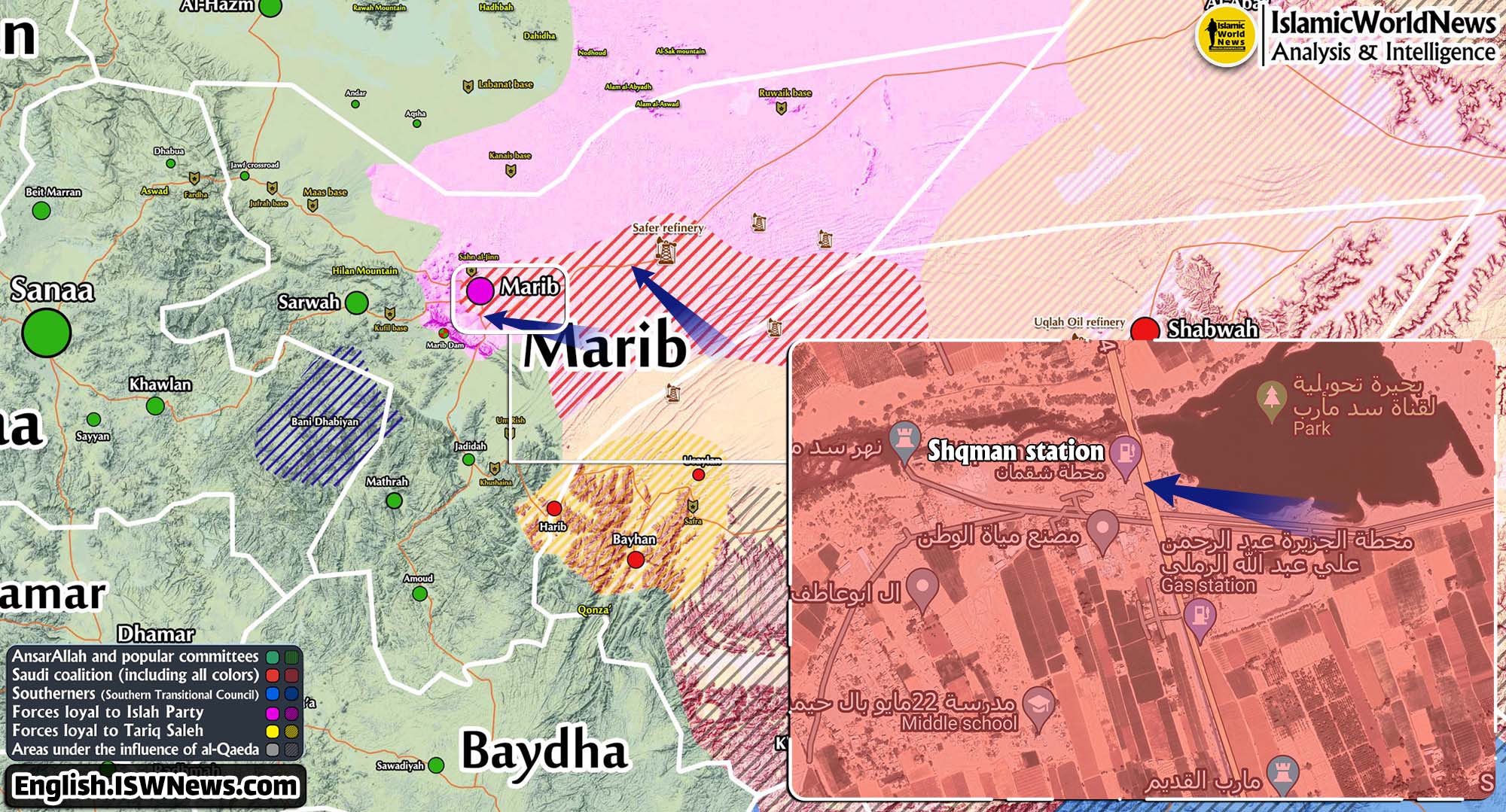
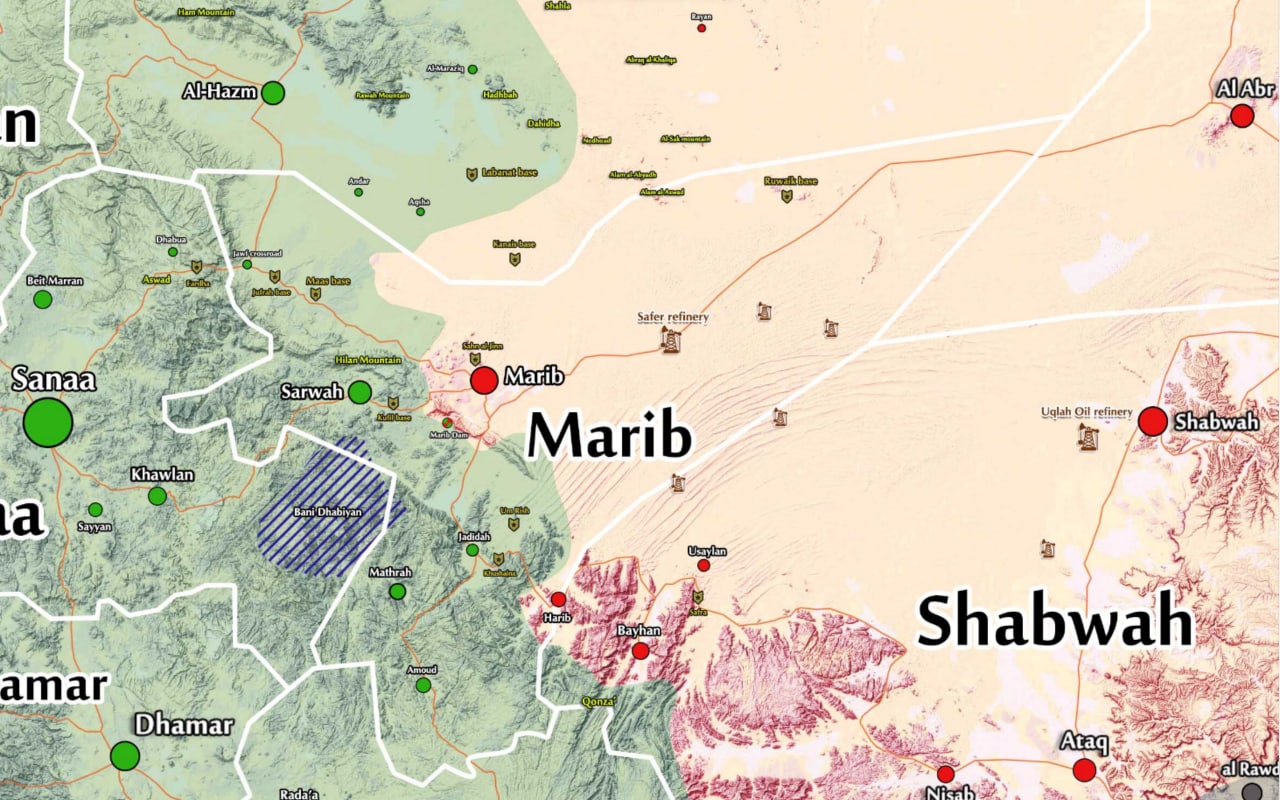
The areas that were attacked by the US aircraft – click to view full size
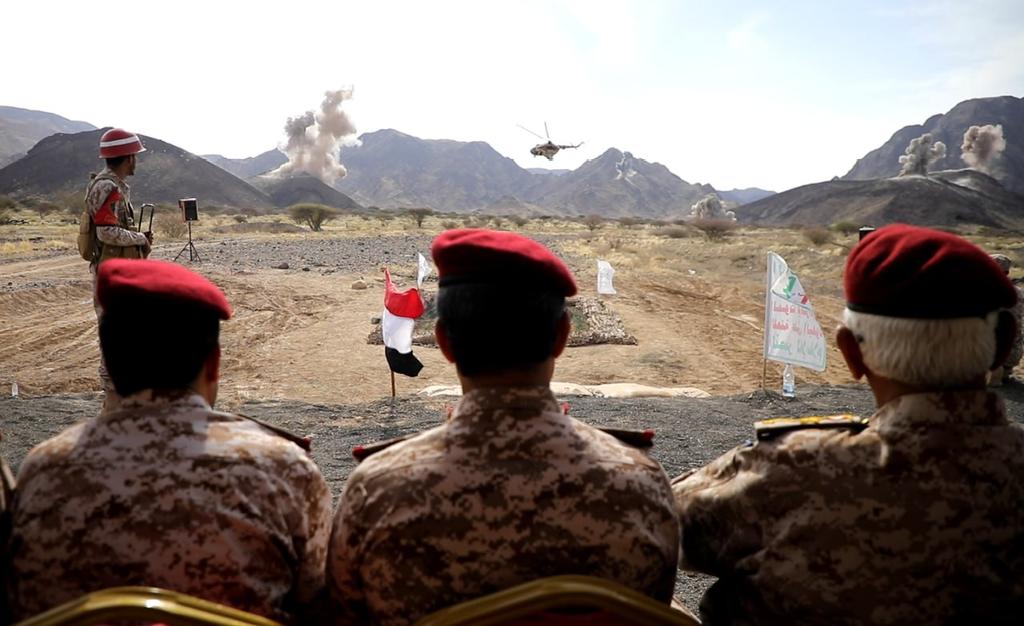
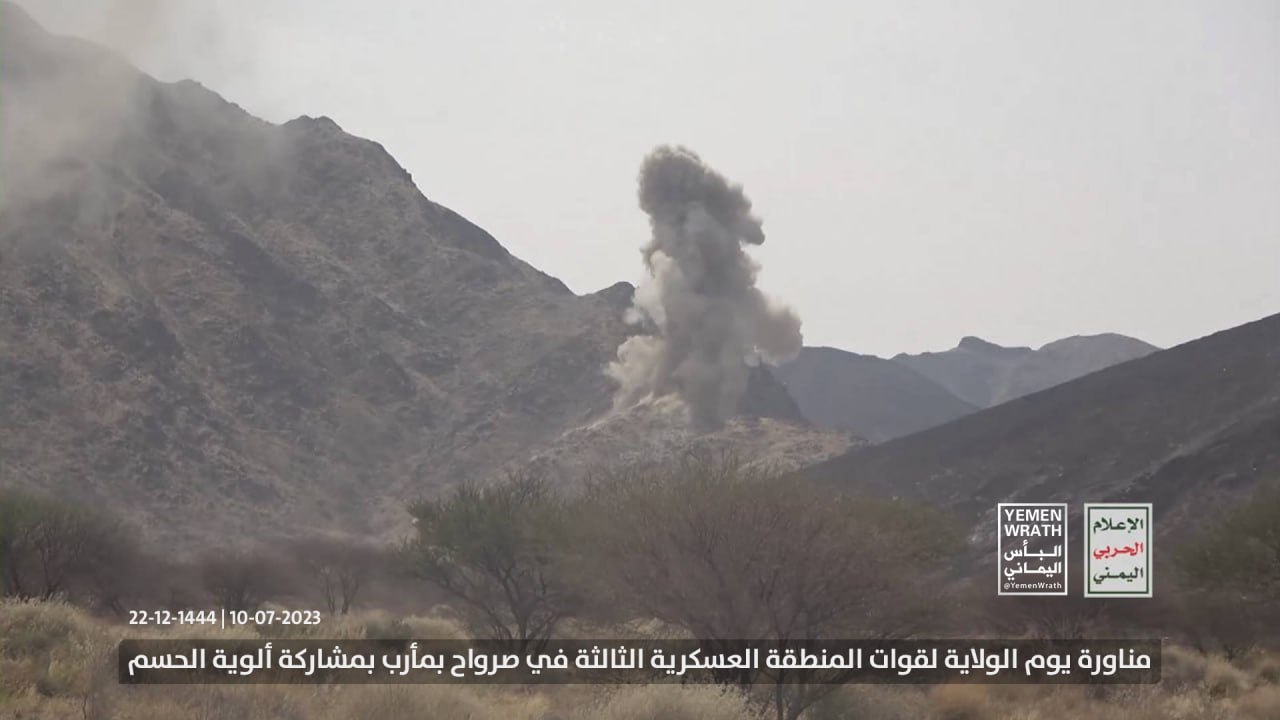
ISWNews Analysis Group: On Monday (July 10), the Ansar Allah movement and Yemeni armed forces held the unprecedented military maneuver on the outskirts of Marib city, which is one of the most important footholds of the Saudi-led coalition and the Saudi-backed resigned government of Yemen.
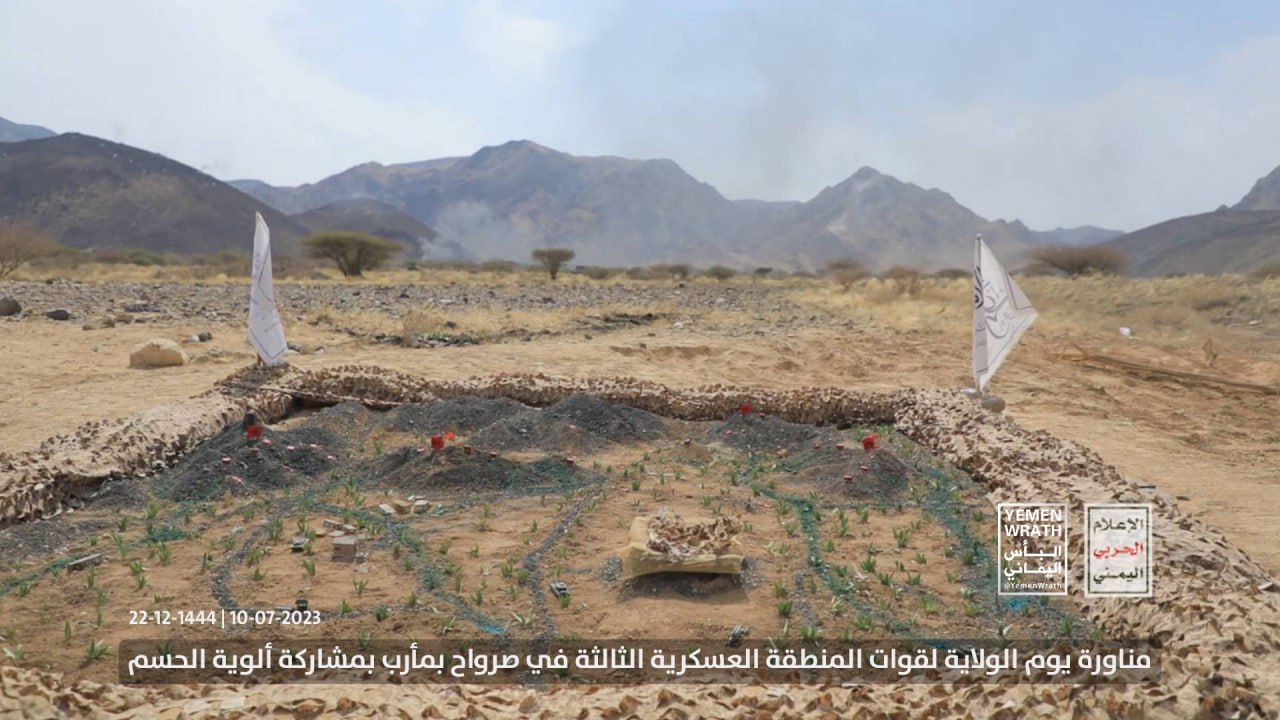
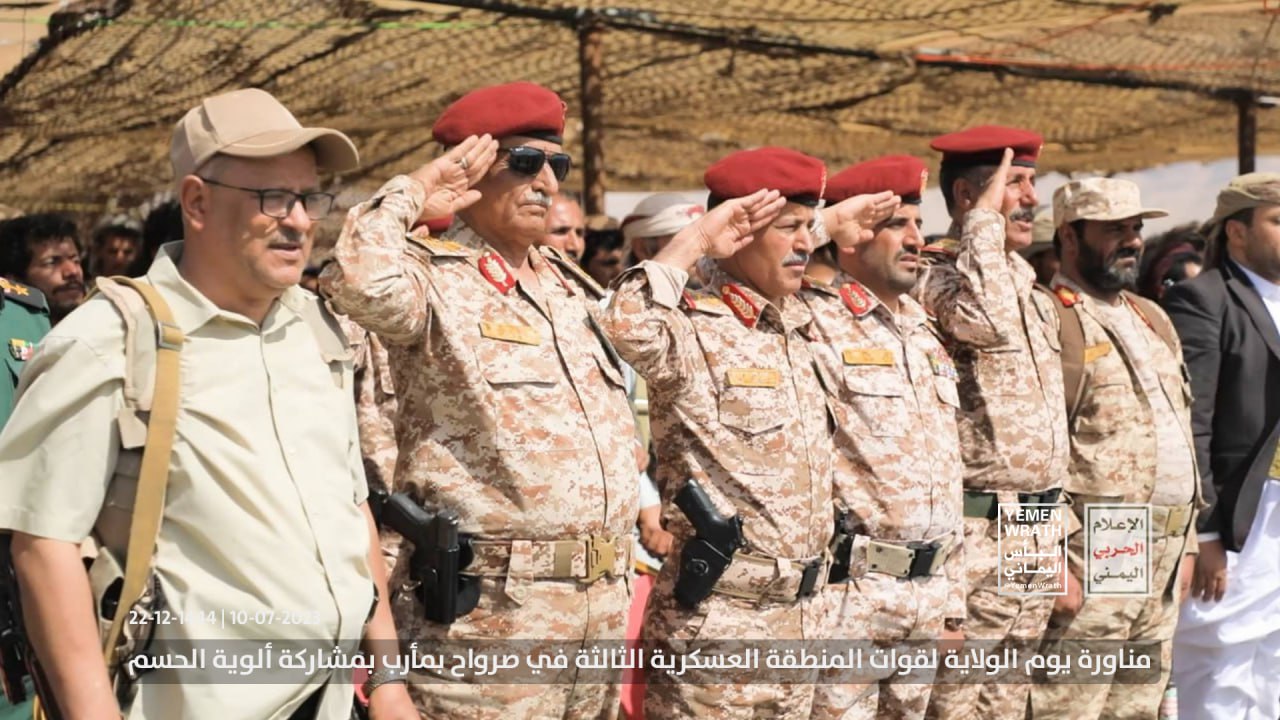
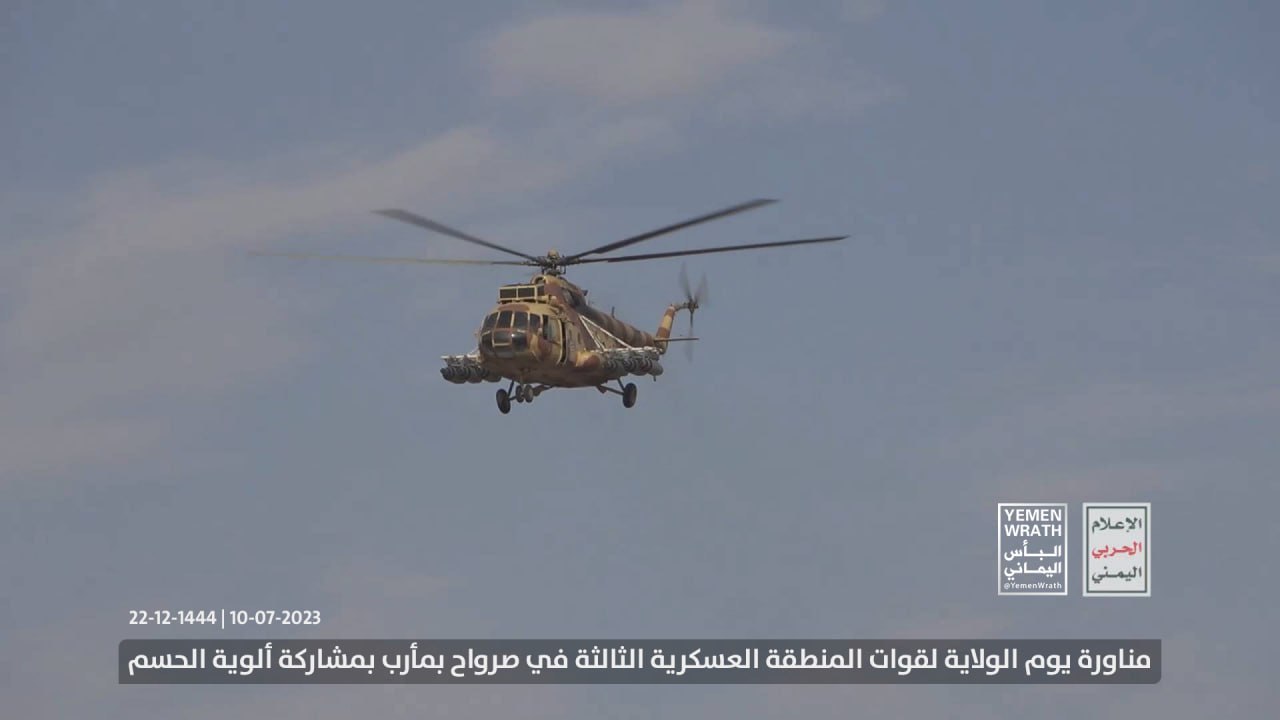
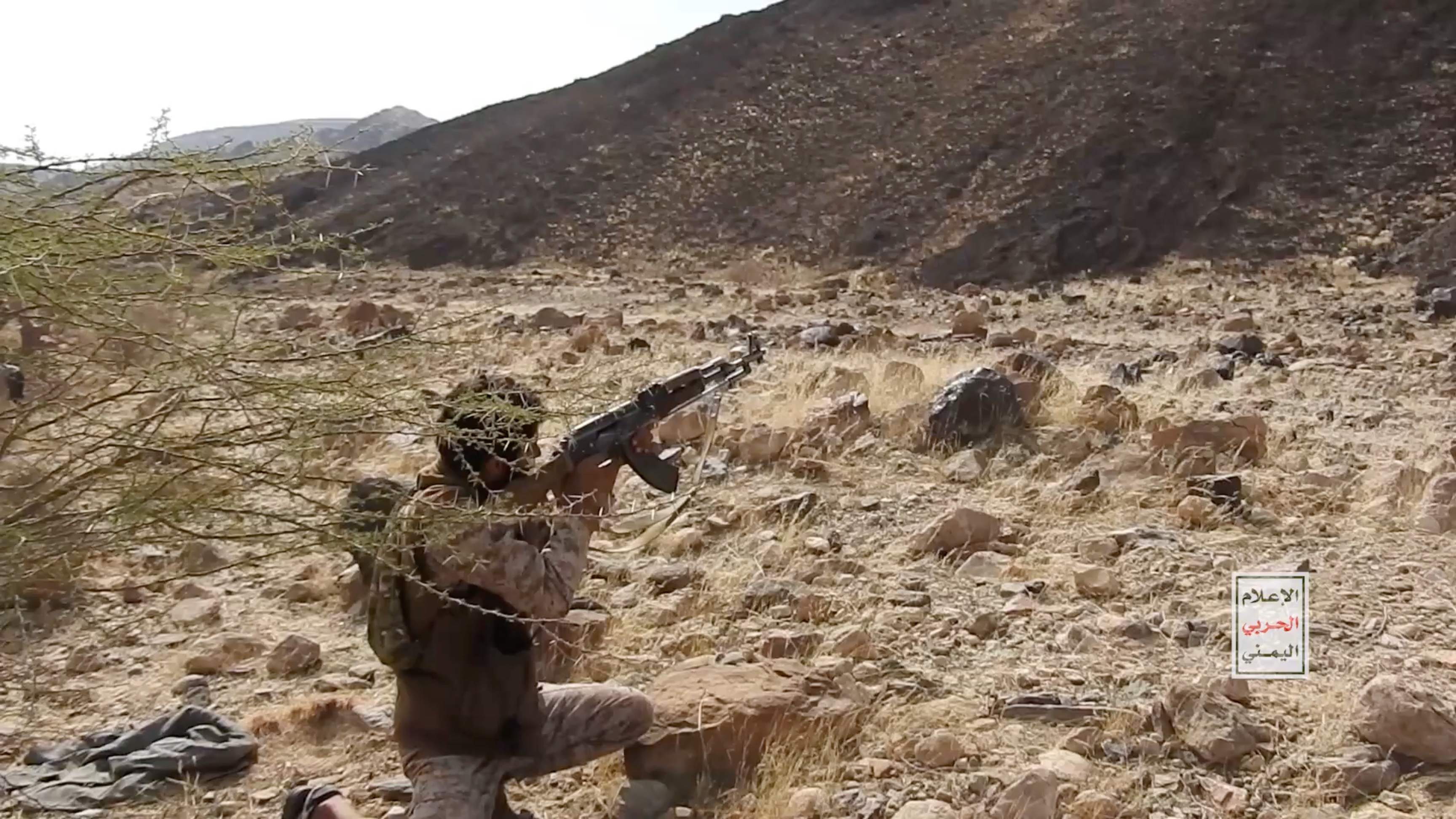
The military exercise was held in Sirwah district, and the images of the maneuver under the title “Day of Guardianship” were publicized.
Ansar Allah military drill in Sarwah in the west of Marib province
The Ansar Allah movement used artillery equipment, Rajoum Quadcopters and Mi-17 helicopters in the military exercise.
The Ansar Allah movement’s military maneuvers are in response to escalating tensions and threats from the Saudi-led coalition against Yemen, and they come following the suspension of peace negotiations with Saudi Arabia.
According to local sources in capital Sana’a, the Saudi authorities did not agree with Ansar Allah’s proposals to pay government employees’ salaries from Yemen’s oil and gas revenues; therefore, the movement’s leaders ordered a halt to talks with negotiators from Riyadh.
Ansar Allah military drill in Sarwah in the west of Marib province
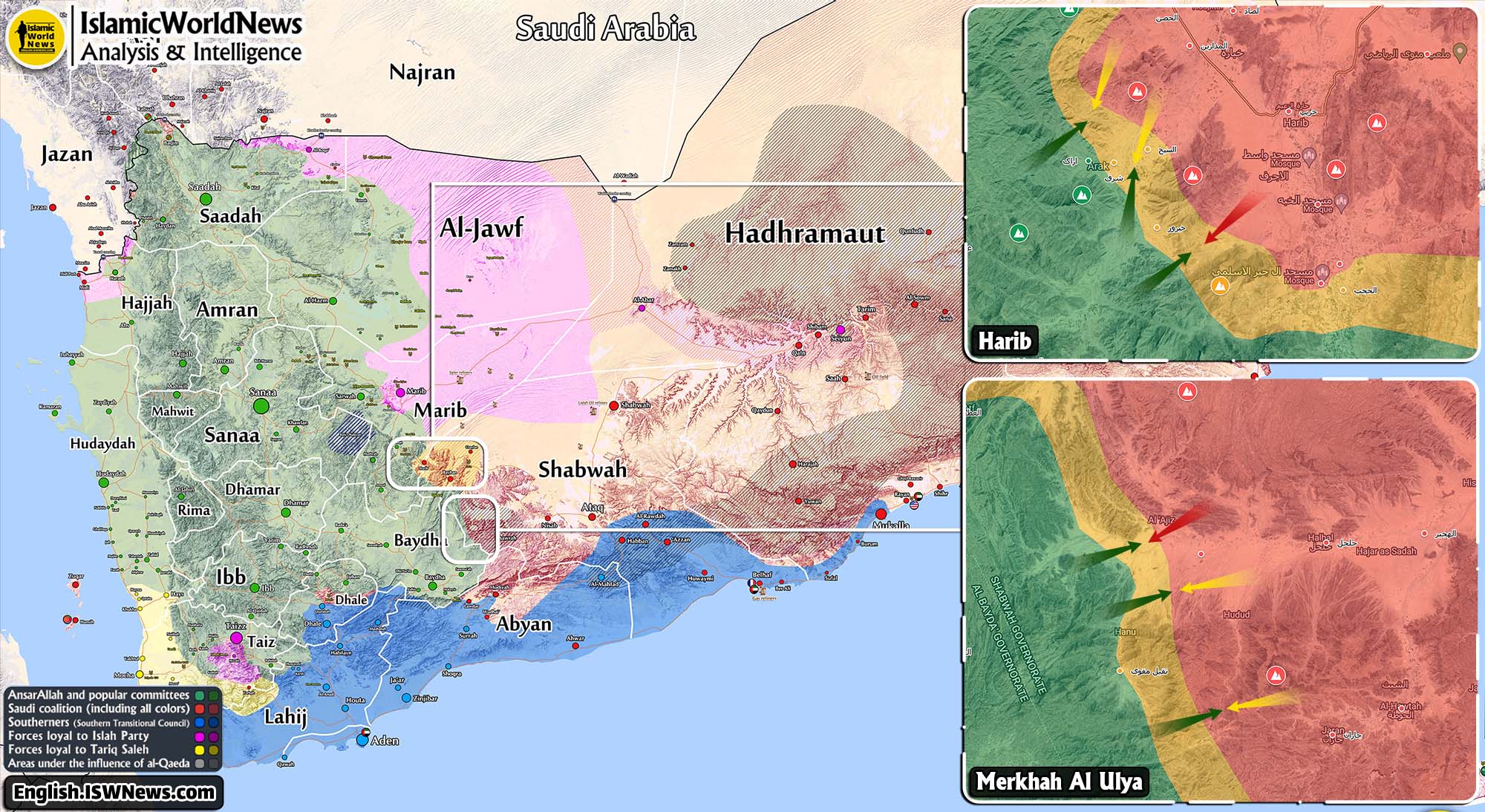
ISWNews Analysis Group – The recent strikes by the Saudi-led coalition forces to retake defense lines of Harib district in southern Marib Governorate as well as Markhah al-Oliya district in western Shabwah Governorate have faced strong resistance by Ansar Allah movement; so, the attacks doomed to failure.
After two weeks since the onset of clashes between Ansar Allah forces and the militants affiliated to the Saudi-led coalition in Harib front in southern Marib and Markhah al-Oliya front in western Shabwah, the attacks by the Amaliqah Forces and Shabwa Defense Forces came to an end without any progress; so, it can be said that Ansar Allah fighters’ advancement has been consolidated in these axes.
Harib Front
The confrontation in Harib front erupted after the Amaliqah Forces presumed that ceasefire has been on place in some fronts; so, they retreated from some areas, but the Ansar Allah took the opportunity and entered some regions such as Arak, Sharq, al-Sih, Jebel Ba’ra and Hiror. Then, the Amaliqah Forces began fighting Ansar Allah movement in order to retake its lost defense lines, but the confrontation has not yet borne any fruit and the Ansar Allah has still upper hand in this front.
According to sources on the ground, who are working with the Islamic World News, the Ansar Allah movement has consolidated its grip on western and southwestern heights of Harib region; so, fire control by the movement on this axis has led to the situation that the Amaliqah Forces and other units under the supervision of the Saudi-led coalition have lost their grip on these areas.
Markhah al-Oliya Front
Movements of the Amaliqah Forces and their affiliated forces towards the Harib front have prompted the Ansar Allah fighters to carry out some hit-and-run attacks with the aim of hindering potential military operation by these enemies.
Naturally, the confrontations have inflicted death tolls and material losses on both sides; however, the news stories published in recent two weeks show that the Saudi-led coalition forces particularly the Amaliqah Forces have suffered from heavy blows and they experienced more difficult condition in comparison to other Saudi-led forces.
Are the conflicts a sort of violating the existing ceasefire?
Undoubtedly, the clashes will affect the Yemen peace negotiations, but they have nothing to do with the ceasefire and even violation of the foreign-mediated truce. Given the fact that the Yemen ceasefire has not been renewed since September 2022, there is not any kind of accord or obligation to refrain confrontations in different fronts in the war-stricken country; thus, the recent advances by the Ansar Allah movement cannot be considered as a violation of any truce and agreement.
Would the advances lead to unity among the Saudi-led coalition groups?
The Saudi-led coalition forces are in a deep power struggle. Saudi Arabia has created Al-Dara’ Al-Watan and the Islah Party and dispatched them to southern governorates of Yemen in a bid to decrease the might of the Southern Transitional Council (STC). On the other hand, political tension between officials of the resigned government of Yemen and heads of the Islah Party still continues; so, there are some speculations that chairman of the Presidential Leadership Council Rashad al-Alimi may dispatch militants to Marib Governorate and other regions that are under the control of the Islah Party.
Therefore, the clashes between the Ansar Allah movement and the Amaliqah Forces or other militants affiliated to the resigned government of Yemen can decline the pressures imposed on the STC; then, it can maintain power balance among different Saudi-led groups.
In conclusion, the control of the resigned government on Shabwah and Marib governorates, which possess abundant resources of oil and gas, would not be in favor of the Ansar Allah. The population of areas under the control of Ansar Allah is much more than the number of inhabitants in the occupied territories, and the movement is in dire need of oil resources to meet demands of this part of Yemen in order to revitalize its economic power. Despite the fact that Ansar Allah tries to prevent looting of oil resources by the resigned government, the economic warfare is still looming, and the pressures by the US and the UK gets in the way of pursuing Saudi Arabia to give concessions in peace negotiations with Yemen.
It is believed that Al-Qaeda members lived in this house and were identified and targeted by the US. Later on February 28, local sources stated that during this attack, Hamad bin Hamoud al-Tamimi alias Abdulaziz al-Adnani, a Sharia official and one of the prominent commanders of al-Qaeda in the Arabian Peninsula, along with one of his bodyguards were killed.
Al-Adnani was the one who announced the succession of Khalid Batarfi after the killing of Qasim al-Raymi, the former leader of al-Qaeda in the Arabian Peninsula, and was one of his main supporters to take over this position.
According to available information, Hamad bin Hamoud Al-Tamimi is a citizen of Saudi Arabia and started learning Islamic sciences in 2002. In 2007, he was arrested by the Saudi security forces and imprisoned for five years, and shortly after his release, he was arrested again, but he was seen in Yemen some time later!
A picture of Hamad bin Hamoud al-Tamimi, the religious leader of the Al-Qaeda terrorist group in the Arabian Peninsula
If this attack was carried out by the US, it can be considered the third US drone attack in Marib. In two previous attacks on Marib, America had attacked the residence and car of al-Qaeda members, which had resulted in the death of three prominent members of this group.
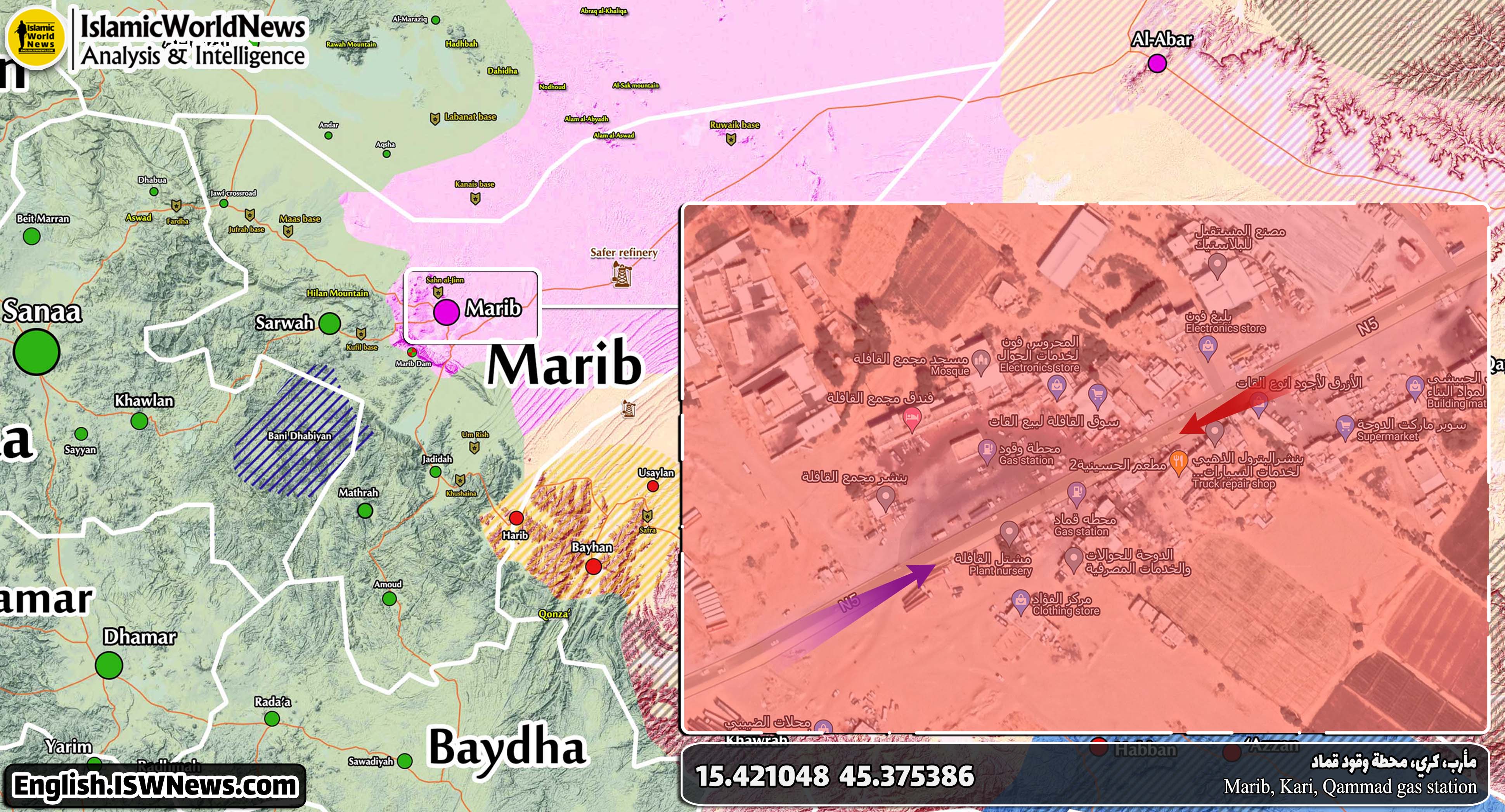
Amid the clashes between the militants of Al Qamad tribe and the Islah party in vicinity of a gas station belonging to the Al Qamad tribe in the Keri district of the eastern Marib, a tank and a military vehicle of the Islah party militants were demolished and at least five militants were killed and injured. Following the confrontation, the Islah Party militants raided the houses belonging to the Al Qamad tribe using Katyusha and artillery rockets.
The clashes erupt after the Islah Party deployed its militants and heavy military equipment on the eastern road to Marib with the aim of preventing the entry of Al-Dara Al-Watan militants into Marib and embarked on setting up checkpoints on that region’s paths.
The confrontations kickstarted on Saturday February 11 and came to an end following a five-day ceasefire arrangement, but the onset of the military drills by the Obaida tribes in Wadi Obaida on February 14 fueled the tensions between the tribes and the militants once again. As said by the local sources in Marib, the tribes kicked off the military drills of the tribes in Wadi Obaida region in a bid to take control of the regions as well as expel the Islah Party militants from Marib oil fields.
The root cause of the tensions come from the disputes between the officials of the resigned government of former Yemeni president Abd-Rabbu Mansour Hadi, and the leaders of the Islah party, which led to the withdrawal of the Islah party militants from Abyan Governorate and their retreatment from the city of Ataq in Shabwah Governorate. At present, the Islah Party is doing all-out efforts to uphold its positions in the north of Hadhramaut Governorate as well as the Marib city; thus, the resigned government of Yemen is attempting to decrease the power of the Islah Party backed by Saudi Arabia, where the militants of the Southern Transitional Council (STC) and al-Dara al-Watan.
Following the fresh victories of Al-Dara’ al-Watan militants in light of supports made by Saudi Arabia and Tareq Mohammed Abdullah Saleh, a Yemeni military commander and the nephew of the late President Ali Abdullah Saleh, there are rumors about dispatching Al-Dara al-Watan’s militants to Marib with the aim of assisting Lieutenant General Sagheer bin Aziz, a Yemeni politician, member of parliament and military officer who is the current chief of the Yemeni Armed Forces Staff.
Such informal news stories have led to the formation of a checkpoint of Al-Islah Party militants at the eastern entrance of Marib as well as the supervision of traffic in the military front. It is also asserted that Al-Islah Party militants embarked on blocking the eastern roads of Marib city since Saturday February 4.
As a result of the exacerbation of the advances by Al-Islah Party militants in the eastern districts of Marib city, the militants of the Al Ma’ili tribe, who were displeased with the movements of Al-Islah Party in the past time, erected a checkpoint in Al-Ardamia district and engaged in confrontations with Al-Islah Party militants. The fighting between Al-Islah Party and Al Maiili tribe left a number of militants from both sides killed and injured.
The Saudi-led coalition’s failures in confronting the Ansar Allah fighters ended up in the surge of chaos in the occupied territories of Yemen, paved the way for different factions under the command of the Saudi-led coalition in particular the Southern Transitional Council and the Al-Islah Party to find an opportunity to seek more power. And nowadays, Saudi Arabia and the UAE are attempting to create a new pawn via training fresh mercenary forces such as Al-Dara’ Al-Watan and Al-Amaliqa militants in order to control older militant groups such as the Al-Islah Party and the Southern Transitional Council, and it is worth mentioning that the strategy has been effective so far.
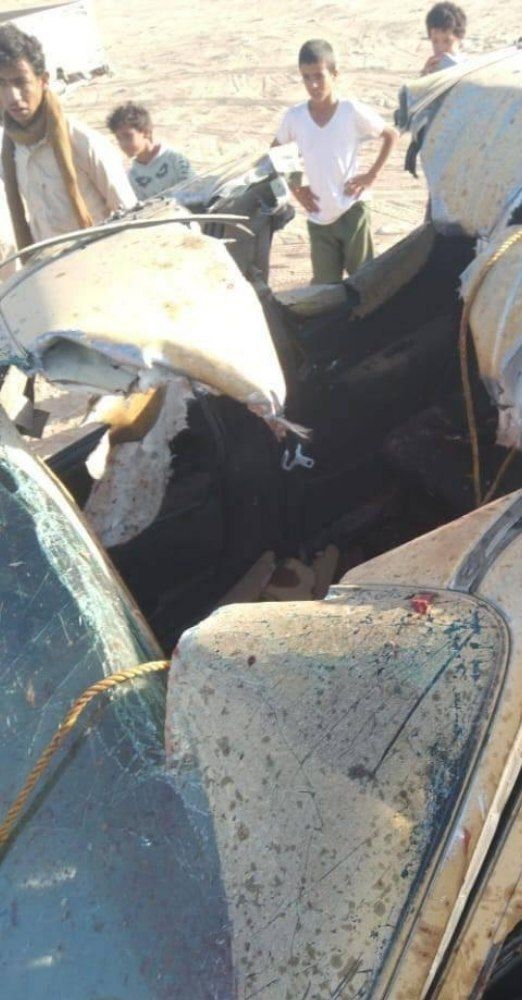
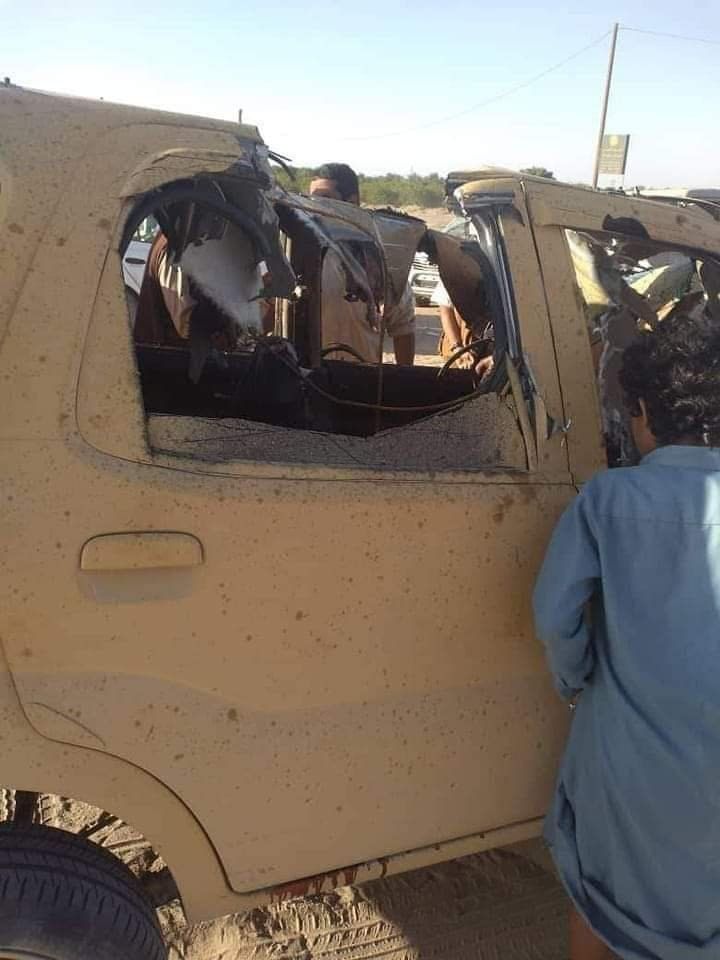
On January 30, a sedan vehicle was pounded by an offensive UAV in vicinity of Al-Haira gas station in Al Samdah area, on the road from Marib-Al Abar. Local sources reported that the vehicle was carrying three passengers, including Hasaan al-Hadhrami who was in charge of making bombs and explosives for the al-Qaeda terrorist group, as well as his brother Musa Hadbol, who were killed in the Monday airstrike.
Hasaan al-Hadhrami was a notorious member of the Al-Qaeda terrorist group and a Saudi national, who had been targeted in another drone strike on Al Hadba region on November 30, but the terrorist was injured and survived the airstrike.
According to the released photos of the vehicle of the Al-Qaeda terrorists and the continuation of drone airstrikes to assassinate the terrorists, it seems to be probable that such attacks have been carried out by the offensive drones of the US Army. Earlier, the US forces have conducted numerous airstrikes in Iraq, Syria and Afghanistan by the use of MQ-9 Reaper drones that are capable of carrying Hellfire missiles, including the R9X missile.
After the implementation of intelligence-security operations of the Islah party in Marib and the occurrence of numerous conflicts between the forces loyal to the resigned government of Mansour Hadi (Sagheer bin Aziz forces) and the Marib tribes, tensions have increased over the control of oil fields in the Marib province. In this regard, Lt. Gen. Sagheer bin Aziz has ordered the expulsion of the Islah Party militants from the Sixth Military District. Also, some local sources have reported the intention of Saghir bin Aziz to attack Al-Safer oil field and refinery.
Islah Party has arrested or killed some people related to Saghir bin Aziz during intelligence-security operations in recent days.
At the same time as these tensions, the armed tribes of Al Fajij and Al Rashid Manif have clashed with each other in the Wadi Ubaidah region. This conflict has resulted in casualties and damages among the armed men of both sides.
Lieutenant General “Sagheer bin Hamoud Ahmed Aziz” is the current chief of the Saudi-backed Yemeni Armed Forces Staff (the resigned government Mansour of Hadi), who also has a history of being a member of the Yemeni People’s Congress Party. During the battles of Ansar Allah and the Saudi coalition in Marib, Sagheer bin Aziz was sent to Marib with the support of the UAE and Tariq Saleh and took control of some fronts. His presence in Marib continued after the announcement of the ceasefire in Yemen and entered a new phase with the tension between Islah Party and the forces loyal to the resigned government.
Sagheer bin Hamoud Ahmed Aziz, chief of the Saudi-backed Yemeni Armed Forces Staff (the resigned government of Mansour Hadi)
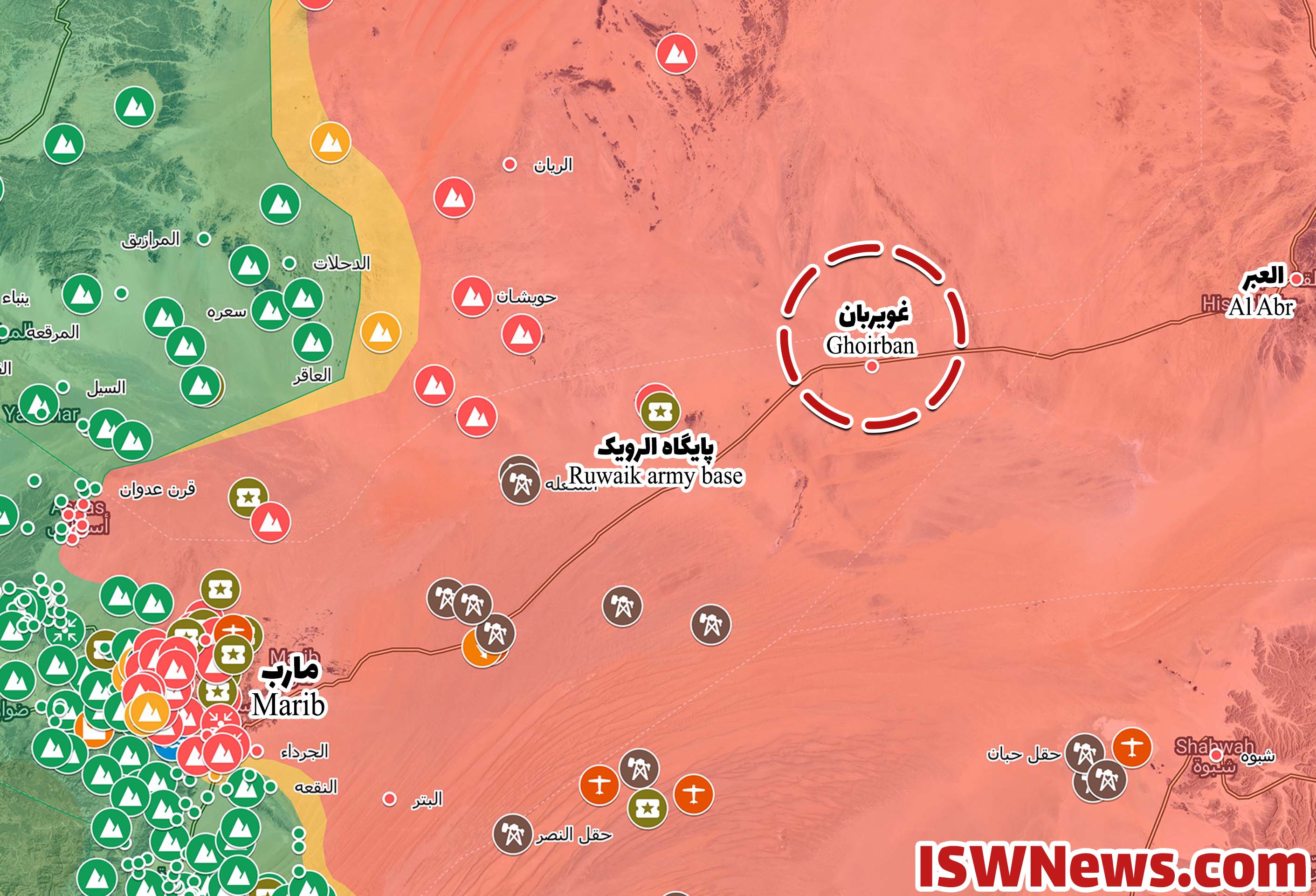
Following the attack by Al-Hariqdan tribesmen on the oil tankers of the resigned government of Hadi and their control over the Ghoirban fuel station and complex near Al-Ruwaik area, a heavy conflict erupted between Al-Damashiqa and Al-Hariqdan tribesmen and forces loyal to the resigned government of Mansour Hadi in the area.
According to local sources, at least 22 militia members from both sides were killed and a number of others were injured in these clashes. Also, two armored vehicles and two oil tankers were set on fire by the armed tribes.
Al-Damashiqa and Al-Hariqdan tribes had demanded to increase their share of Marib oil in recent talks with Hadi government officials, but their request was met with indifference and opposition.
The tension between the two sides continues and the Marib tribes and Islah Party militants are gathering forces and military equipment for possible clashes with forces loyal to the resigned government of Hadi in the coming days.
Following the recent attacks of the US drones on the gatherings of the Al-Qaeda terrorist group and numerous explosions in the positions of the Islah party in Marib, the Islah party militants began to implement a security-intelligence operation in the city of Marib. This operation has started since Sunday, December 20, with increasing the number of checkpoints, inspecting homes and hotels, and also prosecuting the UAE-affiliated individuals.
In the initial stage of this operation, the Islah party militants arrested Saeed Al-Farwi Al-Waeli, an individual close to Lt. Gen. Saghir Bin Aziz, the army commander of the resigned government, and the Al-Yaman al-Saeed forces (affiliated to the Saudi coalition) along with a number of his companions. Folowing the arrest, they were all executed by firing squad. This event led to the anger of Saghir Bin Aziz and finally a clash broke out in Marib between his forces and the Islah party militants.
The Islah party news sources held Saeed Al-Farwi Al-Waeli responsible for the bomb attack on the gathering of military commanders and Islah party vehicles route.
There has been an increase in the movements of the Islah party in Marib and Hadhramaut provinces while the UAE-affiliated factions, including the Southern Transitional Council (STC) and Tariq Saleh forces, intend to clear the positions that are under the control of this party. The Islah Party is supported by some al-Qaeda elements in Yemen and these individuals were previously transferred to Marib by the Saudi coalition to confront Ansar Allah.
A picture attributed to Saeed al-Waeli affiliated with Saghir bin Aziz
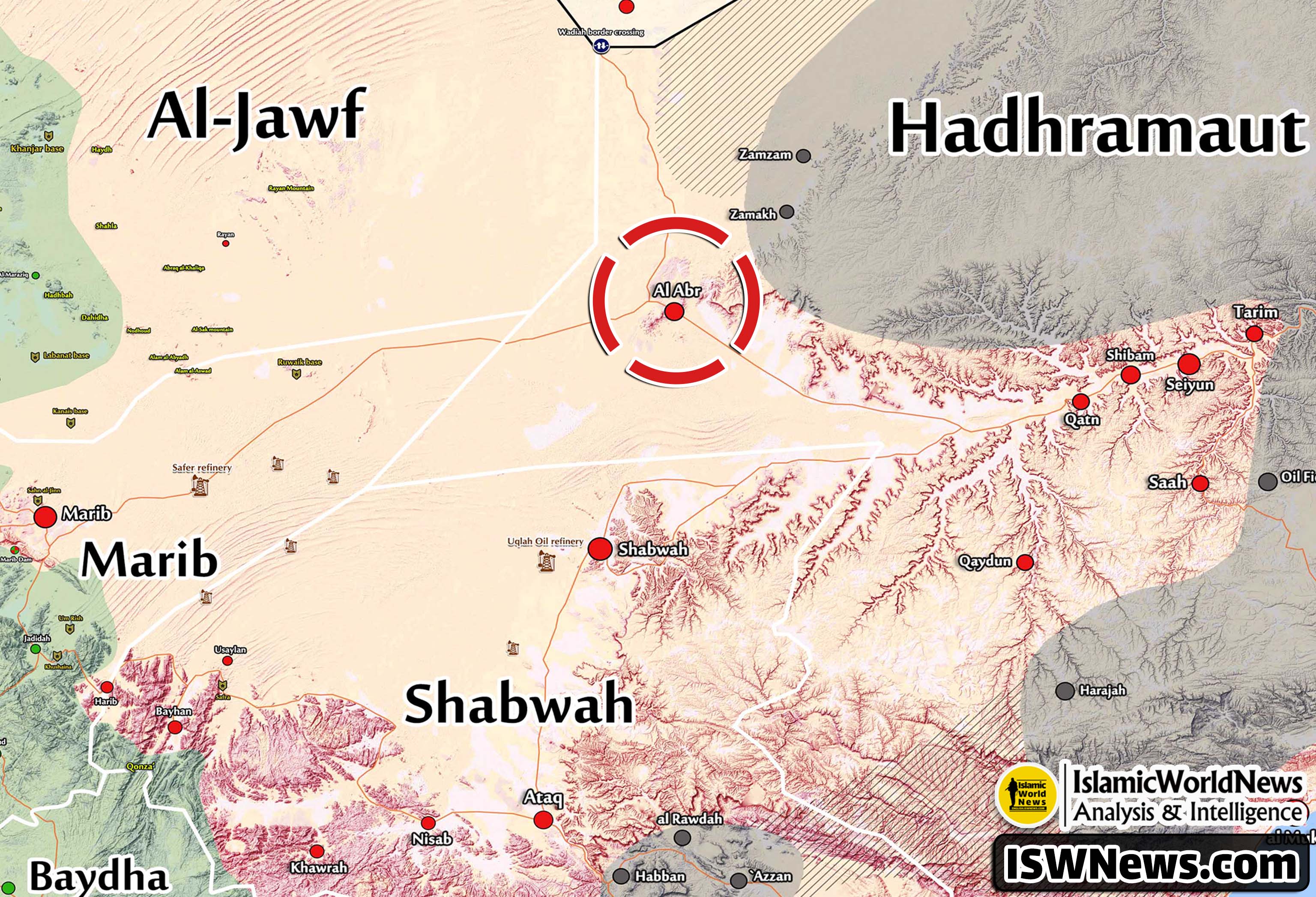
Following the Islah party’s opposition to the order of the resigned Yemeni government to hand over the control of the al-Wadiah border crossing to Al-Amaliqa forces, Rashad Al-Alimi, the head of the (newly formed) Presidential Council of Yemen, with the support of the UAE, ordered the dispatch of Al-Amaliqa forces, the Yemeni National Resistance and armed forces of the Southern Transitional Council to the positions of the Islah party in the provinces of Marib and Hadhramout. In this regard, hundreds of gunmen under the command of the Saudi coalition along with dozens of military and armored vehicles have been stationed in the outskirts of Al-Abr in the Hadhramout province.
According to local sources, the Saudi-led forces have blocked the main road from Hadhramout to Marib and prevented the passage of trucks carrying fuel and goods. Also, Al-Amaliqah forces have captured the base of 23rd Mika brigade in the Abr desert. At the same time as these developments, Islah Party militants are gathering their forces in the cities of Marib and Seiyun to defend the oil fields under their control.
The campaign of the Saudi coalition to suppress Islah Party is taking place while the leaders of this party have not yet given a clear answer to Ansar Allah’s proposals. In the past days, Ansar Allah had called for peace and an alliance with Islah party to deal with foreign aggression.
It should be noted that before the beginning of the tension in the Saudi-led coalition areas of Yemen, most of the important areas and oil fields in the provinces of Marib, Hadhramout and Shabwah were under the control of Islah party. With the increasing differences between the Islah party and the resigned government of Yemen, the Saudi coalition decided to impose severe restrictions against the Islah party, and with the large-scale intervention of the UAE, this group was driven from the city of Ataq, the capital of Shabwa province. The triangle of power of Islah Party is formed in three points: Marib, Seiyun and Ataq, and currently Ataq is out of the control of this group. Also, the main road between Seiyun and Marib has been cut off. In fact, the Islah party is under siege in Marib and does not have a suitable situation to maintain its position. If the Islah Party does not turn to the savior proposal of its old foe, i.e. peace with Ansar Allah, it must say goodbye to the Yemeni political arena, because the talent and capabilities of this group are not enough to deal with the Saudi coalition, and insisting on the position of enmity with Ansar Allah would be the worst possible decision for them.
Following the clashes between the Islah party and the resigned government of Yemen in Shabwah province, local sources in Mocha port city confirmed the order of Tariq Saleh to assemble the national resistance forces and transfer military equipment in order to carry out military operations against the positions of the Islah party in Marib province.
On the other hand, Mohammad Al-Bukhaiti, the governor of Dhamar and one of the field commanders of Ansar Allah, in a message to the leaders of the Islah Party, requested that this party join the Yemeni Salvation Government and receive the full support of Ansar Allah against the enemy, but the leaders of the Islah Party have not yet provided a clear answer to this proposal.
The conflict between the Islah Party and the resigned government escalated with the dismissal of the Islah party commanders in the city of Ateq, and until today, it has reached to force handover of government positions in Shabwah, Marib, and Hadhramout. It should be mentioned that in the past days, the Saudi coalition, through Muhammad Al-Jaber, the ambassador of Saudi Arabia in Yemen, demanded the removal of Sultan al-Arada, the governor of Marib, and the leaders of the reformed party, but he refused this request.