According to a local report in Marib, the command of the Saudi coalition has started the process of removing Sultan Al-Arada, the governor of Marib and a member of the Presidential Leadership Council (of the resigned government of Hadi), and appointing a suitable successor for this position. According to this report, the Saudi ambassador to Yemen, Mohammed Al-Jaber, has informed Sultan Al-Arada that he should submit his resignation from the position of governor of Marib and be content with being a member of the Presidential Leadership Council. In response, al-Arada refused to resign. The coalition has also threatened to remove him from all positions if he does not comply.
It is said that the command of the Saudi coalition has considered “Diab bin Mu’ayli”, the head of the political office of the Tariq Saleh organization in Marib, to succeed Sultan Al-Arada.
After the resignation of Abdrabbuh Mansur Hadi from the presidency, the tension and political competition between the members of his successor council has increased. Islah Party, Southern Transitional Council, National Congress Party (pro-Tariq Saleh faction), Salafis, etc. are all part of this power struggle.
This is the fourth Ansar Allah helicopter operation in the south of Marib province. Ansar Allah had previously used attack helicopters to support forces stationed in the al-Balaq al-Sharqi height.
It should be noted that the Saudi coalition media had claimed the destruction of all Ansar Allah helicopters in recent months. But the operation refuted the false claims and controversies of the Saudi coalition.
Following the escalation of clashes in the southern axis of the city of Marib, the Ansar Allah Missile Force last night fired several missiles at positions of Saudi coalition in the city of Marib, including the Third Military Zone.
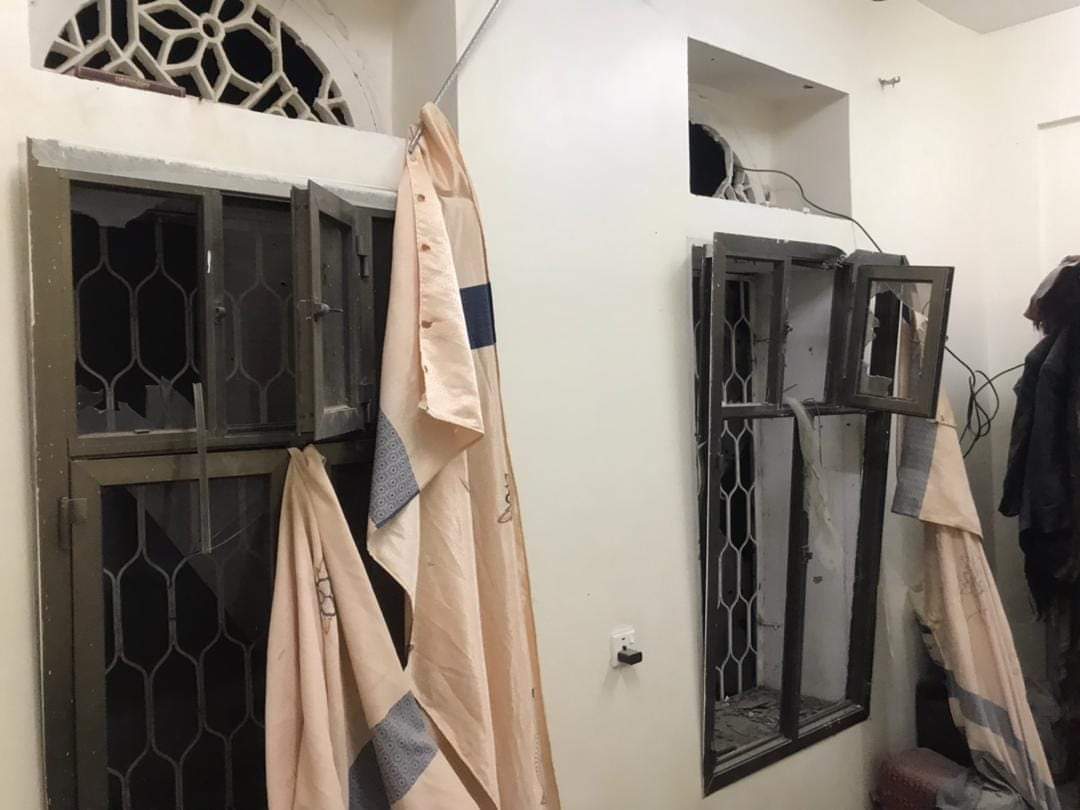
According to local sources in Marib, Ansar Allah used seven missiles to attack different areas in Marib in two stages. These media outlets have claimed that a number of missiles hit residential houses but it seems the damages caused by missiles shock waves.
As expected, Ansar Allah succeeded to halt the advance of the Saudi-led forces in its second line of defense in the south of Marib province, in the al-Malaa heights to Haniyah mountain.
In the Abdiyah district, the support of the Bani Abd tribes for Ansar Allah has temporarily dissuaded the coalition from entering the district, although sporadic clashes continue in the highlands overlooking al-Musawaqa.
The situation in Ain district remains unclear, and the Saudi coalition media have claimed coalition control over the Hajab town and other areas of the district. In Beyhan district also, clashes in the southern heights of Beyhan town have stopped.
In the past 48 hours, Saudi coalition warplanes have bombed Wadi, Juba, Raghwan and Majzar 30 times in the south and west of Marib province. Ansar Allah also continue to inflict casualties on Amaliqa forces by carrying out numerous missile attacks on positions of Amaliqa in the Usaylan region.
The withdrawal of Amaliqa forces from the battles of Marib indicates the cessation of the recent Saudi coalition operations in these areas. However, the daily visits of the military officials of the Mansour Hadi government from the southern fronts of Marib city, as well as the transfer of Ansar Allah forces and military equipment to al-Balaq heights, show the determination of both sides to control the southern areas of Marib. The battles of the coming days in this region will be effective in the course of the Yemeni war.
According to Brigadier General Yahya al-Sari’, a spokesman for the Yemeni Armed Forces, the drone was spotted and shot down by Ansar Allah air defense yesterday evening in the skies of al-Juba district.
So far, this drone is the 12th US Scan Eagle drone have been shot down by Ansar Allah during the Yemen war.
The first US Scan Eagle drone was shot down on June 19, 2021 over the al-Mashjah heights in the west of Marib province, the second on June 21, 2021 over al-Mashjah heights in the west of Marib province, the third on August 14, 2021 over the Madghal district in the west of Marib province, the fourth on September 27, 2021 over the Madghal district in the west of Marib province, the fifth on November 9, 2021 over the al-Jubah district in Marib province, the sixth on November 13, 2021 over the al-Jubah district in Marib province, seventh on December 4, 2021 over the al-Jubah district and the eighth on December 8, 2021 over the al-Jubah district in Marib province, the ninth on December 10, 2021 over the Sarwah district in the west of Marib province and the eleventh on December 16, 2021 over the Wadi district in east of Marib province.
On November 12, 2021, an order was issued by the Saudi coalition command, which surprised many analysts and the media. In an unexpected move, they ordered the withdrawal of coalition forces from most parts of al-Hudaydah and the west coast of Yemen. According to this order, all the forces of the “National Resistance”, including the forces under the command of Tariq Saleh, Tihamah, Amaliqa and joint forces, evacuated the northern and eastern areas of al-Hudaydah and the western areas of al-Durayhimi, al-Jah and al-Tuhaita.
The most reasonable theory was assumed the fact that this retreat is done to strengthen the Shabwa and Marib fronts, and these retreats will continue until the Hays-Khukhah region in Hudaydah province.
Ansar Allah rapid advance on the Marib and Shabwa fronts had confused and weakened the Saudi coalition ground forces, and the coalition had not been able to stop Ansar Allah by sending al-Qaeda and ISIS militants. They needed trained and experienced forces to protect the city of Marib and keep Ansar Allah away from the city of Ataq, the capital of Shabwa province. With the Sudanese fleeing and the killing of mercenaries and elements of al-Qaeda and ISIS, there was no choice left for the coalition except al-Amaliqa (Giant Brigades) and Tariq Saleh forces.
According to the latest estimates from the Yemeni fronts, the Saudi coalition divided its forces on the west coast as follows: Tariq Saleh forces remained south of al-Hudaydah province to prevent possible Ansar Allah attacks, and some of them moved to the northern and western fronts of Marib.
The Tihamah forces, along with Tariq Saleh forces, carried out an operation called the “Golden Arc” around the town of Hays, which did not yield any specific results. The joint forces and the Amaliqa forces also entered the city of Ataq to retake western areas of Shabwa province.
This transfer of forces was the result of a secret agreement between the Saudis and the UAE. The UAE appears to have achieved the keys of Shabwa province in exchange for helping the Saudis to keep the Marib city. Of course, this issue will be protested by the tribes loyal to “Mansour Hadi”, and there is a possibility of a clash between Mansour Hadi supporters and the southerners in Shabwa province.
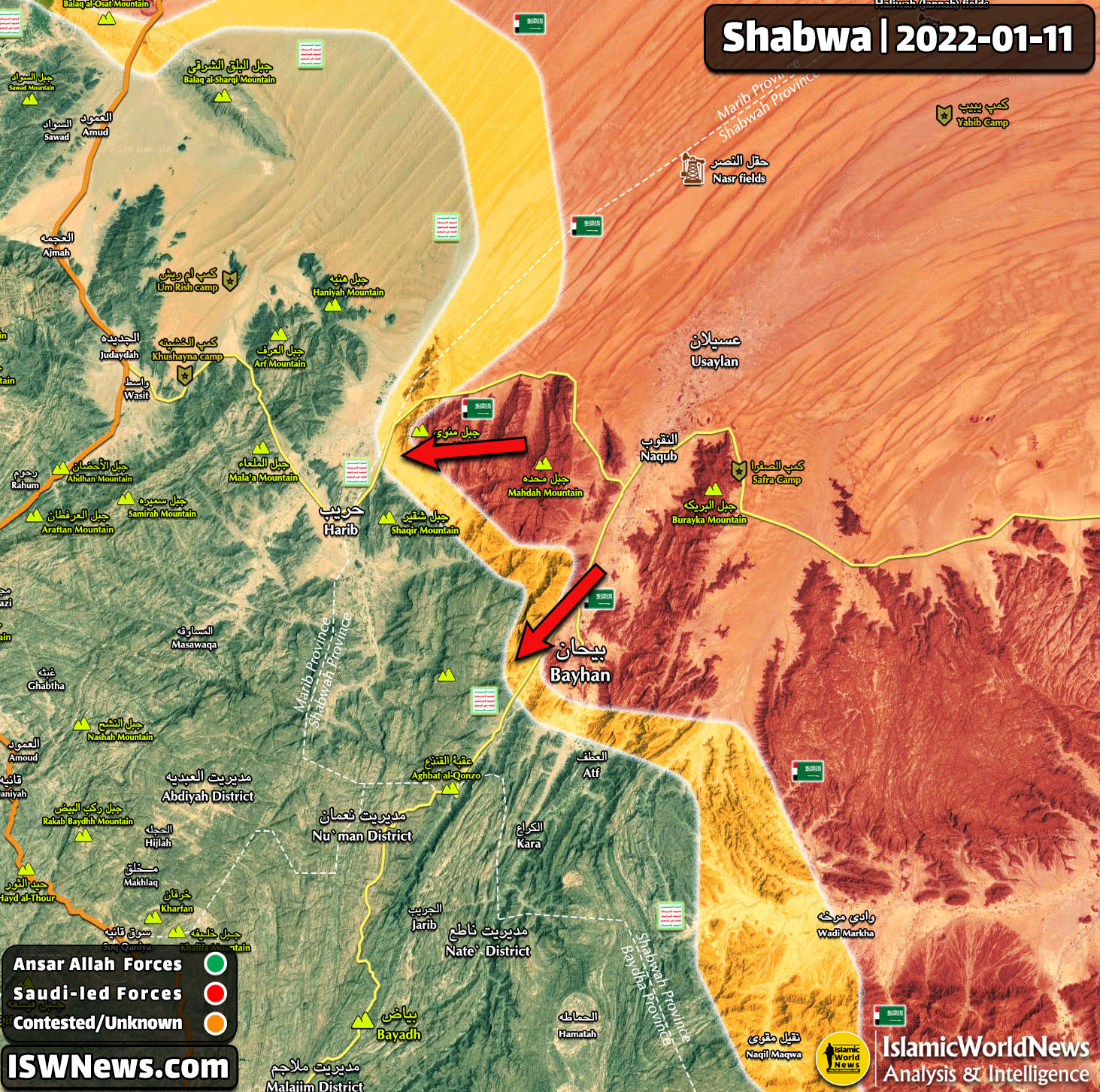
In any case, Amaliqa and joint forces under the command of Saudi Arabia and with the special support of the UAE entered the battles of Shabwa. In the first step, the UAE enticed the sheikhs of the tribes of Usayilan and Bayhan, and this led to the cancellation of peace agreements between Ansar Allah and tribes of Belharith. Thus, Ansar Allah set up a defensive line in the southern highlands of Beyhan and Ain district and prepared itself to counter a large-scale military operation by the Saudi coalition in the area.
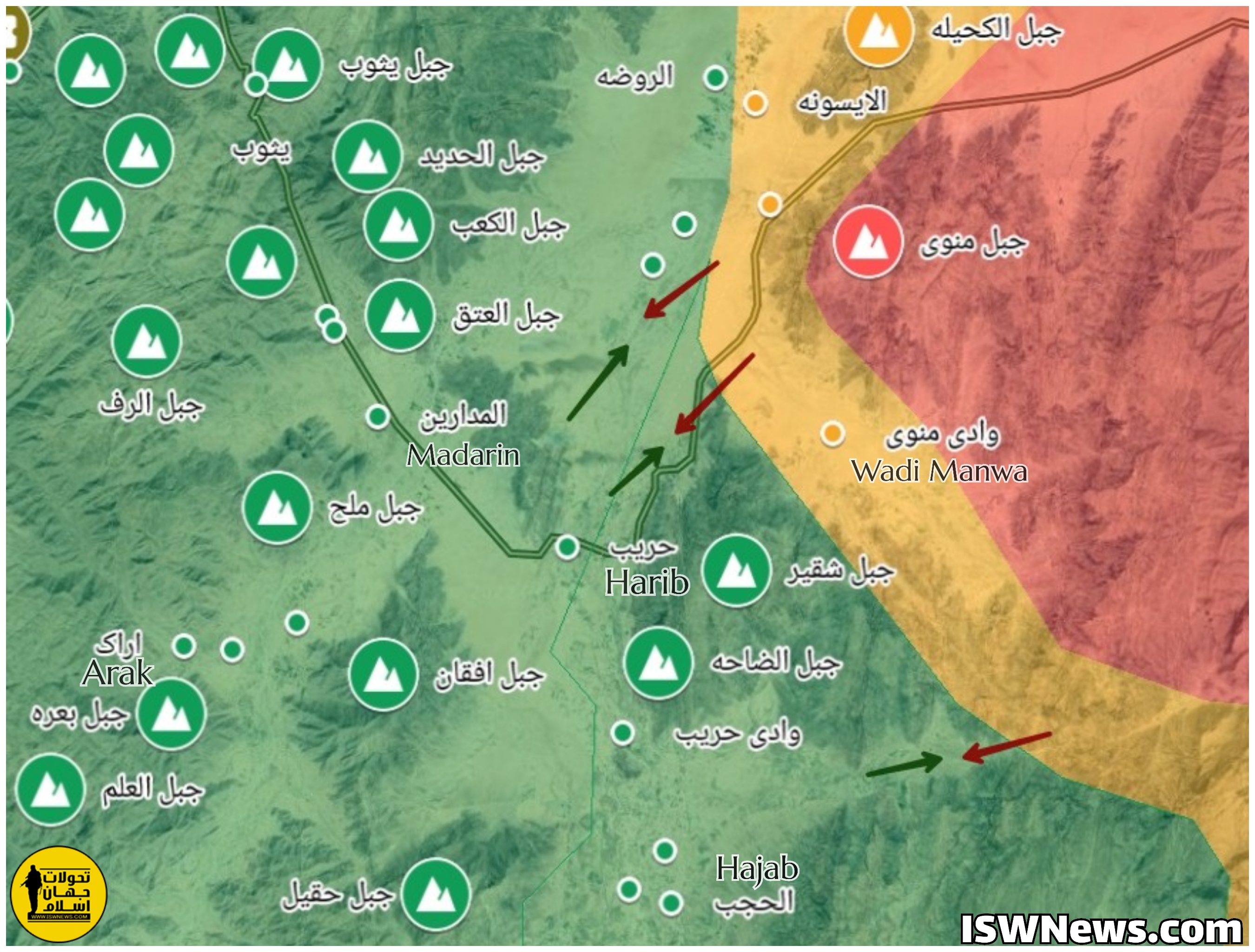
From January 11, the conflict was transferred to the north of the Harib district, and finally the Harib district center came under the control of Saudi coalition on January 24.
According to the latest news from the Shabwa and Marib fronts, Ansar Allah’s first defensive line in the south of Beyhan remains stable. But the situation in the district of Ain is in favor of Saudi coalition.
The Saudi coalition in the south of Marib seeks to break Ansar Allah’s second line of defense from the al-Ma’laa heights to Haniyeh mountain, as well as advancing on the axis of Abdiyah district. If this line is also broken, Ansar Allah’s positions in al-Juba district will be weakened and the way will be opened for the coalition to move forward. The fall of these areas will eventually force Ansar Allah to retreat from the al-Balaq heights and the southern areas of the city of Marib. Because they will be under a quasi-siege from the north, east and south.
Simultaneously with the transfer of most of the Amaliqa forces to the central regions of Yemen, other forces under the control of the Saudi coalition, such as the Joint Forces and Mansour Hadi forces, have been deployed on the southern fronts of Marib. On the other hand, the Minister of Defense of Hadi government, Mohammad Al-Maqdashi, has visited the southern fronts of Marib, which marks the imminent operation of Mansour Hadi’s forces to retake the al-Balaq al-Sharqi heights, and Ansar Allah must prepare for a heavy battle on this front.
In general, for Ansar Allah, the future is not very pleasant for the battles of the Marib and Shabwa fronts. Ansar Allah’s delay on the western and southern fronts of Marib, for a variety of reasons, provided an opportunity for coalition forces to regroup And the Saudis brought the UAE back on the battlefield with impressive concessions. The unification of the UAE and Saudi Arabia and the use of Amaliqa forces, etc. will turn the Marib war to an erosive one. This will save the Saudis from being removed from the Yemen equation in the short term, and will increase the UAE influence in the central regions of Yemen. But Ansar Allah also has effective leverages that can thwart the Saudi coalition plans as in the past. Time will prove everything.
According to pro-Saudi coalition media, the Amaliqa Forces Command recalled five brigades of its fighters from the southern fronts of Marib and transferred them to the city of Ataq.
It should be noted that the leaders of the Southern Transitional Council had announced their participation in the Saudi coalition operation until the recapture of the districts of Shabwa province from Ansar Allah. But they expanded their military operation into the Harib district in Marib province. However, the end of operation was announced today.
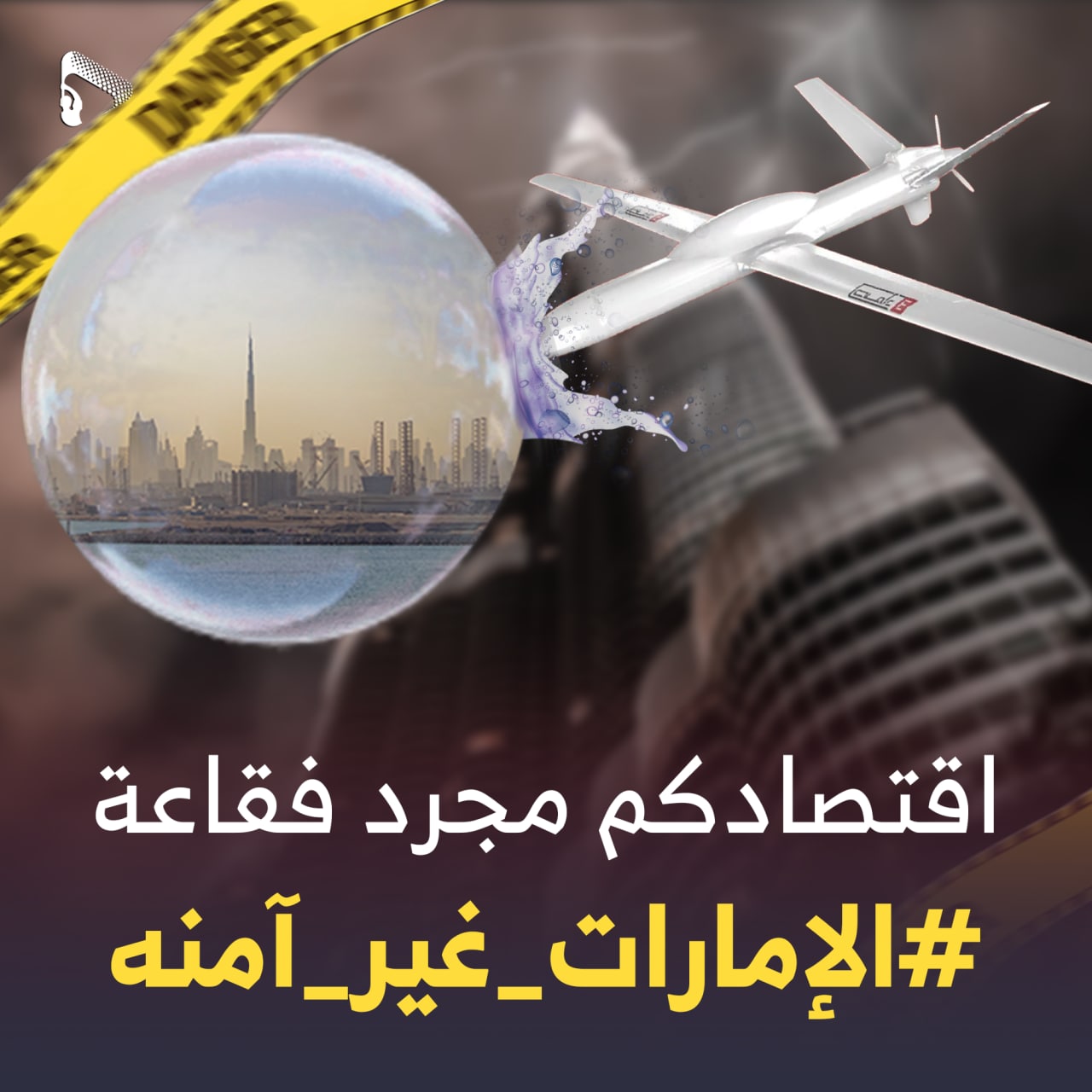
This unexpected decision to end the operation and withdrawal of Amaliqa forces could be the result of one or more of the following: 1- The losses and casualties of the Saudi coalition forces, especially the Amaliqa forces on the battlefield with Ansar Allah, were much higher than their calculations and level of expectations. 2- Ansar Allah’s security and economic blow to the UAE by carrying out Operation Hurricane Yemen in two stages. 3- US and UN pressure on the UAE and Saudi Arabia to stop airstrikes on Yemeni cities. 4- International mediations between Ansar Allah and the UAE. 5- Ending the agreement between the UAE and Saudi Arabia and achieving the goals of this agreement.
Also, some local analysts believe that in exchange for helping the Saudi coalition to fight Ansar Allah in Marib province, the UAE has taken control of some districts and oil areas in Shabwa province and the port of Belhaf on the southern coast of Yemen from the Saudis.
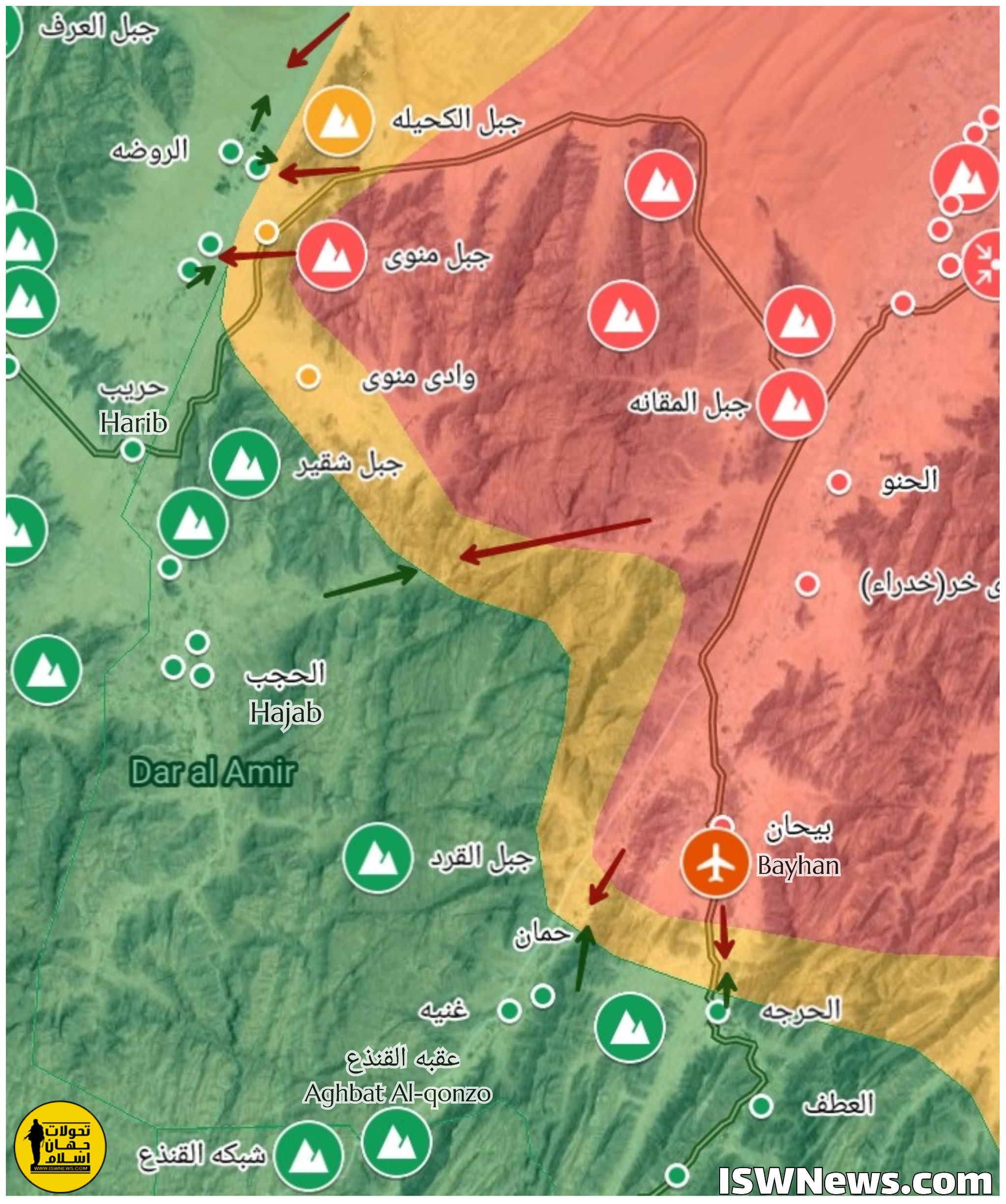
Following the Saudi coalition operation centered on the Amaliqah forces (Giant Brigades) in the west of Shabwa province and the south of Marib province, last night, January 24, the town of Harib, the center of Harab district in the south of Marib province, came under the control of the Saudi coalition. Currently, clashes are taking place in the east of al-Hajab town, the center of district of Ain, Wadi Harib and the heights of Malaa.
In the past 48 hours, Saudi coalition fighters have bombed the southern part of Marb province 46 times and the Ansarullah positions in Shabwa province once.
The town of Harib came under the control of Ansar Allah during Operation Rabi al-Nasr on September 22, 2021 and this is the second time that the town of Harib has come under the control of the Saudi coalition.
Due to the developments in this area, there is a possibility that Ansar Allah will withdraw from al-Hajab town. If Ansar Allah fails to halt the Saudi coalition advances in the Malaa, al-Arf, and Haniah highlands, the siege of the city of Marib city on the southern axis will be weakened, and Ansar Allah will be forced to retreat from the al-Balaq al-Sharqi and al-Balaq al-Owsat heights.
According to the latest news from the Shabwa and Marb fronts, the clashes between Ansar Allah and the Saudi-led forces, centered on the Amaliqah forces, is taking place on areas north of Harib town and in the western heights of Ain district.
The Saudi coalition has advanced in its latest offensive in the Wadi Manwa, and clashes reached to the northern areas of the town of Harib.
On the other hand, the coalition forces from the eastern direction of the Ain district intend to enter the town of Hajab, the center of Ain district, but these attacks were repulsed by Ansar Allah.
According to Brigadier General Yahya al’-Sari, a spokesman for the Yemeni Armed Forces, the Ansar Allah missile force fired four missiles at gathering and equipment of the Saudi coalition yesterday. Yahya al’-Sari added: “More than 120 Saudi-led forces have been killed and wounded in recent attacks and clashes. Also, more than 12 military vehicles and armored vehicles of the coalition forces were destroyed.”
In the past 24 hours, Saudi coalition warplanes bombed Marib fronts 20 times and Shabwa fronts 17 times.
According to the developments of the last 10 days in this region, if Ansar Allah does not increase the volume of its missile and drone attacks and does not activate the hit-and-run operations on other fronts, like west of Marib and west of Shabwa, the possibility of fall of the defensive lines will increase. In case of this possible failure, the clashes will be reached to Hajab town, the center of Ain district and al-Juba district. The Saudi coalition also needs more manpower, air and logistical support to defeat Ansar Allah in these impassable areas.
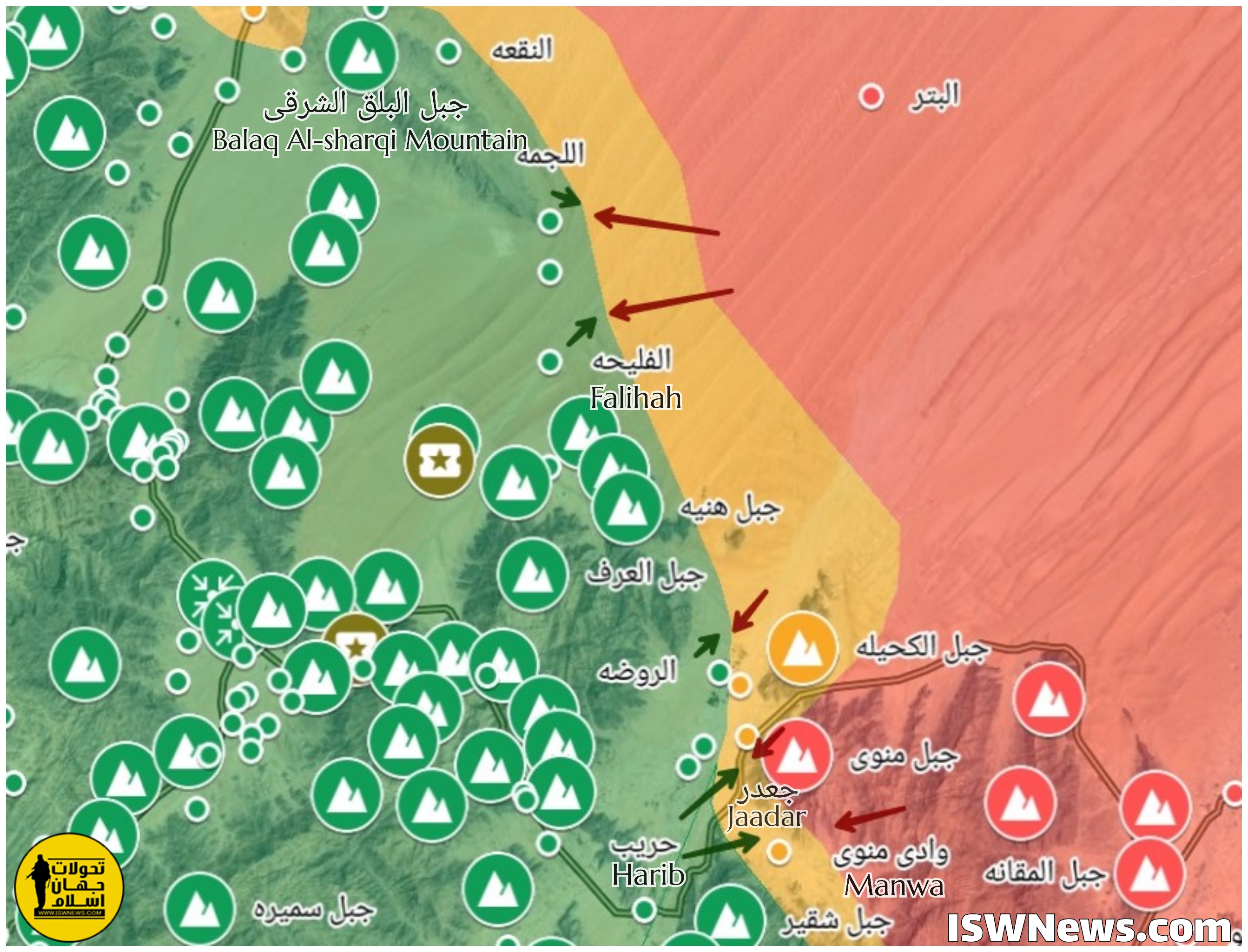
Following the recent defeats of the Amaliqah forces in the north of the town of Harib and the east of the Ain district, the Saudi coalition has focused its attacks on the eastern front of the al-Jubah district. In this regard, Amaliqah forces attacked positions of Ansar Allah in the al-Balaq al-Sharqi heights and east of Umm al-Rish. The Saudi warplanes are also actively supporting Amaliqah forces.
According to ISWNews field source, Ansar Allah repelled attacks of the Saudi-led forces in the al-Faliha area, and sporadic clashes have continued in several directions, including the southern axis of the city of Marib.
On the Harib and Ain fronts, Ansar Allah Missile Force fired two missiles at Amaliqah gatherings in the Ja’dar area, north of the town of Harib, and in the al-Manwa area in the Ain district.
A spokesman for the Yemeni armed forces said more than 50 Saudi coalition forces had been killed and wounded in the clashes. In the past 48 hours, Saudi coalition warplanes have also bombed Shabwa fronts 12 times and Marib fronts 36 times.
The Marib and Shabwa clashes have reached a critical stage these days, and the collapse of the southern part of the city of Marib is imminent if Ansar Allah does not inflict effective blows on the Saudi coalition ground forces and implement a proper plan to deter the Saudi airstrikes.
According to the latest news from the frontlines in Shabwa province, clashes between Ansar Allah and the Saudi-led forces focused on the heights north of Aqbat al-Qonzo located south of the Beyhan district and the Ain district. Also, the news about the Saudi coalition advances in the north of Harib is not true, and the clashes are still going on in the villages of Al Abusar, al-Housh and al-Rawdha.
It seems Ansar Allah’s defensive measures were effective in Harib to the southern heights of Beyhan in the face of heavy attacks by the Saudi coalition, and the pace of coalition operations has slowed down. But, this situation is unstable and could be an opportunity to prepare and implement the second phase of the Saudi coalition operation in the south of Marib.
Ansar Allah missile and drone forces have also constantly monitoring the movements of al-Amaliqah forces over the past week, targeting various points with at least 11 missiles and UAVs. The attacks inflicted heavy casualties on the coalition. Local media in southern Yemen reported that seven senior field commanders and at least 320 members of the Amaliqah force had been killed so far.
According to ISWNEWS field source, the claims of the Saudi coalition media regarding the control of Numan district in the north of Al-Baydha province, as well as Harib district in the south of Marib province, are not true. Currently, clashes are taking place in the villages of Al-Housh and Habshanah, located in the north of Harib town, and Al-Haman Heights, located in the south of Beyhan town.
The volume of airstrikes in these areas is high and the Saudi coalition warplanes bombed the fronts of Shabwa and Marib provinces 98 times in the last 48 hours.
Saudi coalition warplanes bomb residential houses in Harib and Al-Jubah
There has been no change in the southern front of Marib city.
Due to the continuation of the Saudi coalition operations in these areas, there is a possibility that Ansar Allah will withdraw from the district of Ain in Shabwa province and the district of Harib in the south of Marib province.