Category: America – Europe

  • Drone attack on the US military base in Kuwait by a new Iraqi group! + Video

    Drone attack on the US military base in Kuwait by a new Iraqi group! + Video

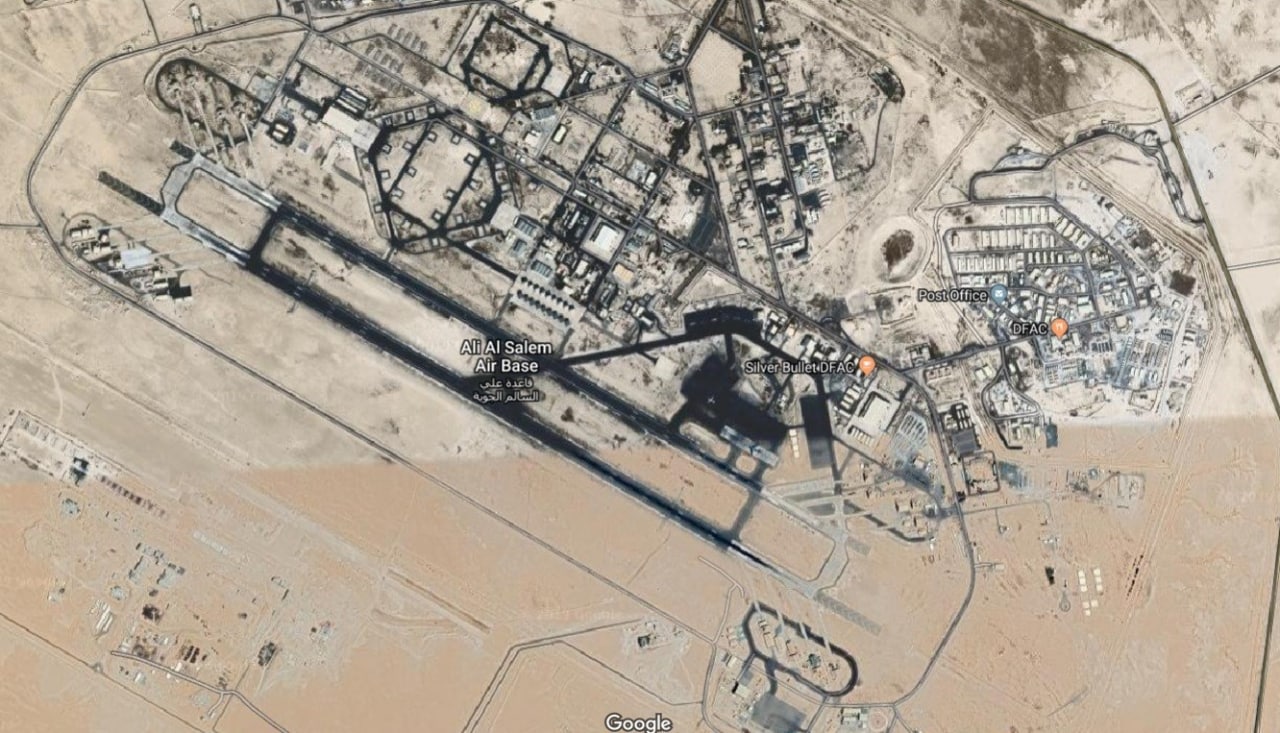
    On August 20, the newly established resistance group “Tashkil al-Warithin” announced the attack on the US military positions in Ali Al Salem Air Base in Kuwait by releasing a video and a statement. According to the statement, this attack was carried out at 06:30 (local time) on August 20 using several suicide drones named “Qassim”.

    In its statement, the resistance group “Tashkil al-Warithin” renewed its pledge with the commanders of martyr Hajj Qassem Soleimani and Abu Mahdi Al-Muhandis and announced that we are the heirs of your jihad, therefore we will target those who were involved in your assassination.

    On the other hand, the Kuwaiti media denied the news of the drone attack on Ali Al Salem Air Base and announced that Kuwait’s air defense is strong and capable of deterring any aggression. These media claimed that there was no intrusion into Kuwait’s airspace and that all measures were taken to protect the country’s airspace.

    It is worth mentioning that the newly established group “Tashkel al-Warithin” is the second Iraqi group that uses drones to attack some military targets in the countries of the region. Earlier in January 23, 2021 and February 2, 2022, the resistance group “Alwiyat al-Waad al-Haq” published a statement about drone attacks on military targets in the United Arab Emirates and Saudi Arabia.

    Read more: Infographic: Iraqi Resistance Groups

    The video published by the resistance group “Tashkil al-Warithin” of the attack on the Ali Al Salem Air Base

    Statement of the resistance group “Tashkil al-Warithin”
  • U.S. Expanding Central Asia Relations; Tajikistan on the Agenda!

    U.S. Expanding Central Asia Relations; Tajikistan on the Agenda!

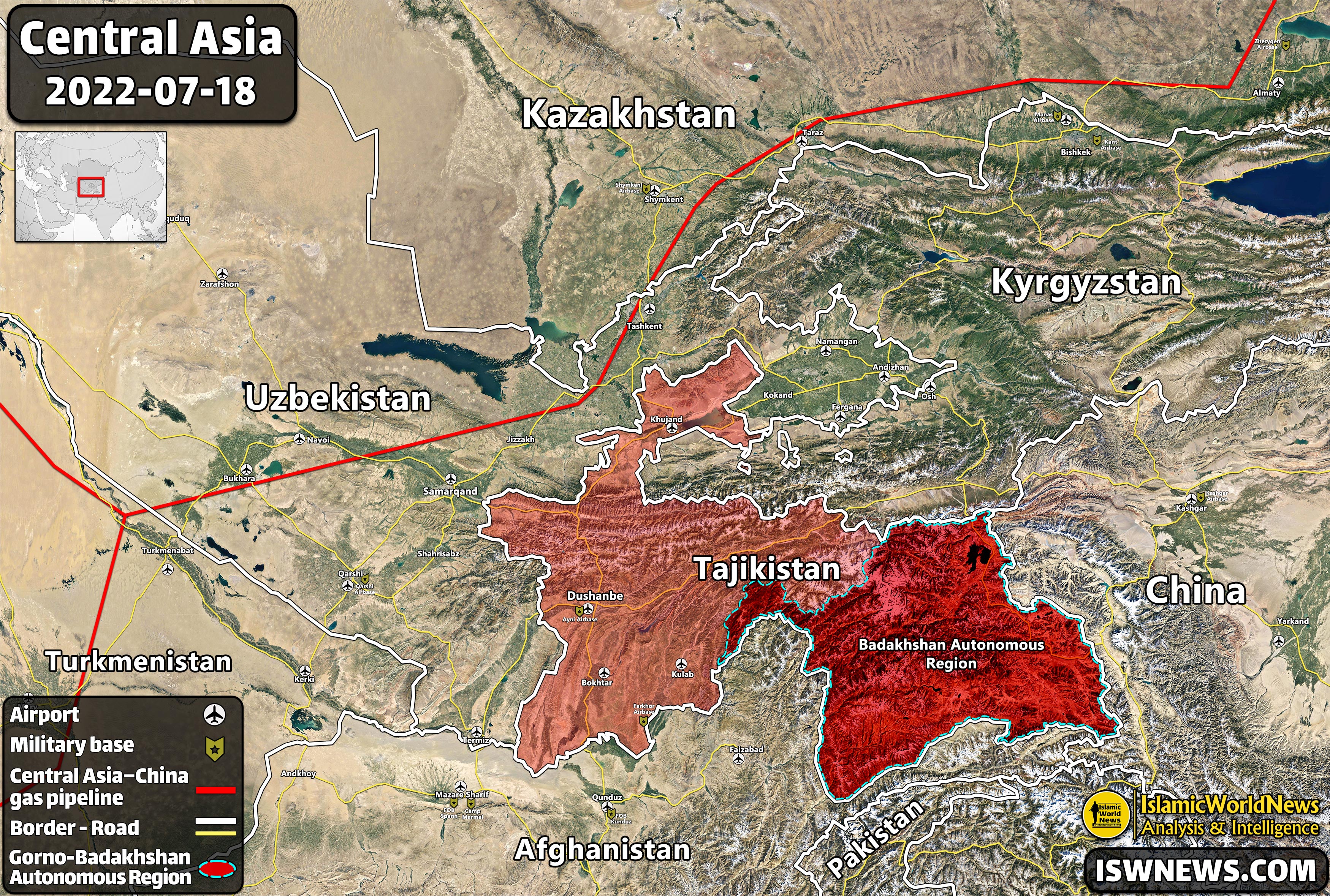
    After the collapse of the Soviet Union, diplomatic relations between Tajikistan and the United States began on February 14, 1992, with the opening of the US embassy in Dushanbe. Now the US ambassador to Tajikistan is Manuel P. Micaller Jr. that has replaced the former US ambassador, John Mark Pommersheim, since March 15, 2019. The Embassy of Tajikistan in Washington also started working in 2002 and the ambassador of this country in the US is “Hamralizoda Farrukh Mahmud”.

    The basis of two decades of political relations is based on cooperation in the field of fighting terrorism, preventing drug trafficking, commercial and economic agreements, etc., but these relations have taken on a military and security aspect in recent months, and the US has gained a stronger presence in Tajikistan.
    The root of this can be found in the developments of the last year in the Central Asia region and the world. The withdrawal of the US from Afghanistan and the rise of the Taliban, the war between Russia and Ukraine, the expansion of relations between China and Iran with the countries of Central Asia, etc. are among the reasons that have forced the US to make more efforts to increase its influence in Tajikistan. In this regard, the United States has brought its political, military and cultural advisors and representatives into the field and has put extensive programs on the agenda of Tajikistan.

    The main US programs in Tajikistan can be categorized as follows:

    1- Political and military:
    During the last year, the number of visits and meetings of “Thomas West”, the special representative of the United States for Afghanistan, “Donald Low”, the assistant secretary of the United States of America, and General “Michael Kurilla”, the commander of United States Central Command with the authorities of Tajikistan have increased dramatically.
    According to US officials, these meetings were centered around the security issues of Central Asia, especially Afghanistan, the strengthening and construction of border posts in Tajikistan, and the protests of the autonomous province of Badakhshan. In addition to these, important issues such as handing over weapons transferred from Afghanistan to the Tajik army, US intelligence-security use of Tajik border bases, immigration to US, military training, etc. have been considered.

    In an interview with Radio Liberty Tajikistan, Donald Low says about the construction of border posts: “We are waiting for the completion of the new project for the construction of a border post in Chaldovar region. Of course, in the issue of border checkpoints, the US has completed other projects, but the Chaldovar project was the largest project, and the other projects were for handing over and transferring military facilities and equipment to the border guard forces of Tajikistan.”
    It should be noted that this base is located in the Chaldovar area, located south of the border town of Aiwaj, and its reconstruction operations were entrusted to US military companies by the Tajik government with the financing of the US Drug Enforcement Administration in 2020.

    According to General Kurilla’s statements, since the beginning of political relations with Tajikistan, the United States has provided more than 330 million dollars in financial aid to Tajikistan in the field of security, of which the provision of RQ-20 Puma drones worth 20 million dollars was the largest part.

    Read more: Military Knowledge: RQ-20 Puma Drone

    Another issue that has been highlighted in the field of military cooperation between the two countries is the fighter jets and helicopters of the Afghan army, which fled to Tajikistan during the fall of the previous Afghan government. In their meetings with the Tajik authorities, the US officials have promised to hand over these aircraft to the Tajik army, but in return, the US had demands from Tajikistan, the details of which are not clear.

    2- Cultural:
    The US non-governmental organizations (NGOs) have been able to create a special social footholds among the people of Tajikistan in the form of humanitarian aid and through human information intelligence (HUMINT) methods. In addition to recruiting and identifying scientific elites, these organizations have identified Afghan refugees and Russian-affiliated people and expanded their intelligence network by granting immigration visas to America, financial aid, holding educational, artistic programs, etc.

    Unlike Tajikistan, Kyrgyzstan and Uzbekistan’s relations with the United States have not changed much after the fall of the Afghan government. Kyrgyzstan is still unhappy with the US military withdrawal from the Manas Air Base in 2014, and due to the US’s secret support for Kyrgyzstan’s unrest, Kyrgyzstan has not welcomed the Americans in military and security issues. To the extent that no Kyrgyz official came to meet General Kurilla’s recent trip to Manas Airbase!
    Despite receiving military aid from the United States, Uzbekistan has aslo declared its policy to be neutral and has declared that it will not allow the construction of a military base and the deployment of foreign troops on its territory.


    In general, the Americans have been able to create a new and strong footholds for themselves by establishing warm relations with the officials of Rahmon’s government and deeply examining the needs of the people of Tajikistan. Despite the fact that US has not succeeded in establishing a military base in Tajikistan, their political-intelligence network has expanded in Tajikistan, and this means they have succeeded in penetrating Tajikistan without sensitizing the Tajiks’ main partner, Russia. Tajikistan shares more than 1,400 kilometers of common border with Afghanistan and has a lot in common with this country in terms of ethnic and religious composition. Therefore, in order to continue to control and play a role in the developments of Afghanistan and Central Asia, the United States firstly needs Tajikistan and secondly Uzbekistan, Kyrgyzstan, Pakistan and Turkmenistan.

    Read more:
    Reviewing the consequences of the conflict between Eastern and Western powers in Central Asia
    Joint military exercises of Tajikistan and the United States in Central Asia

    Click to view full size
  • Joint military exercises of Tajikistan and the United States in Central Asia

    Joint military exercises of Tajikistan and the United States in Central Asia

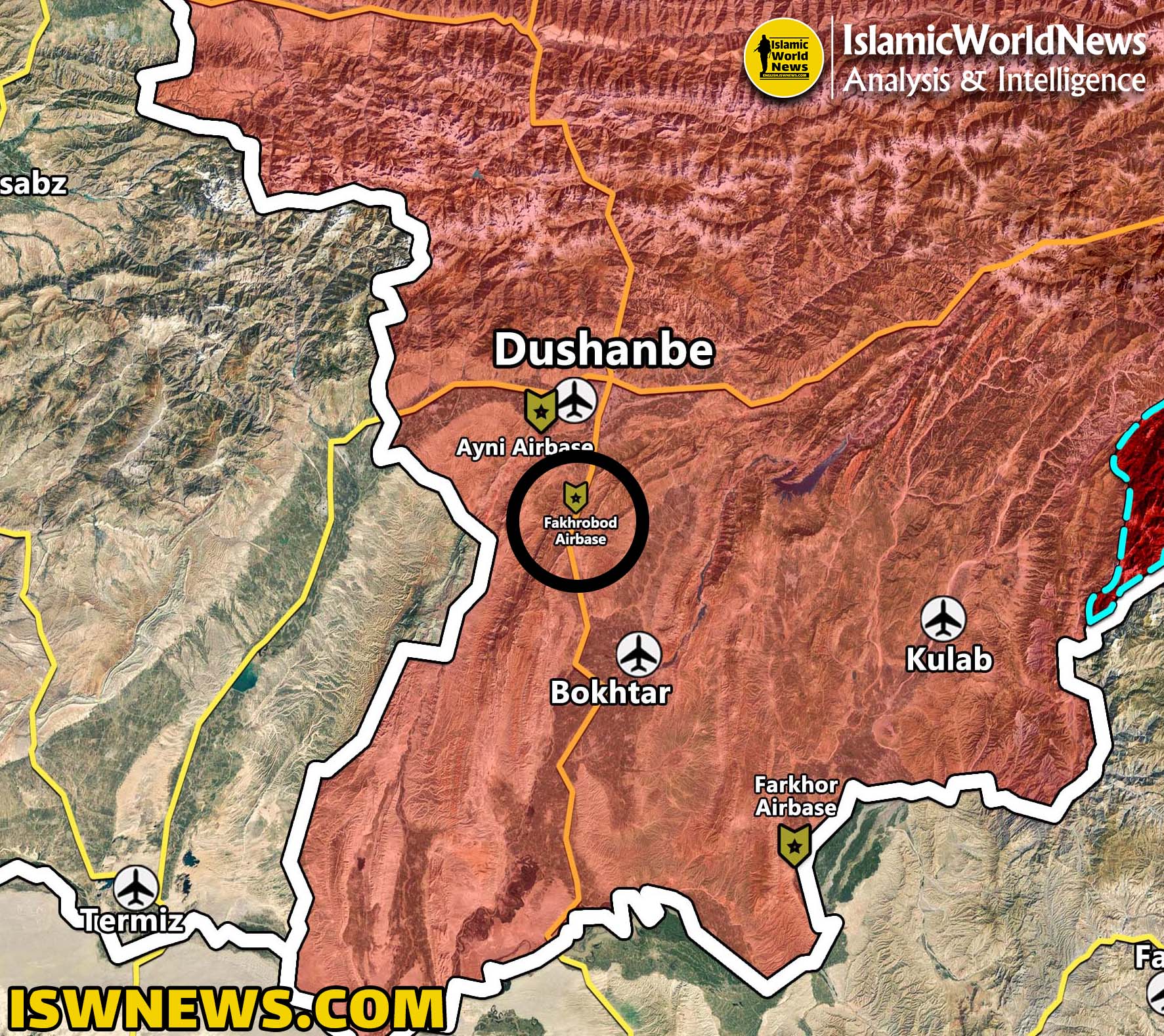
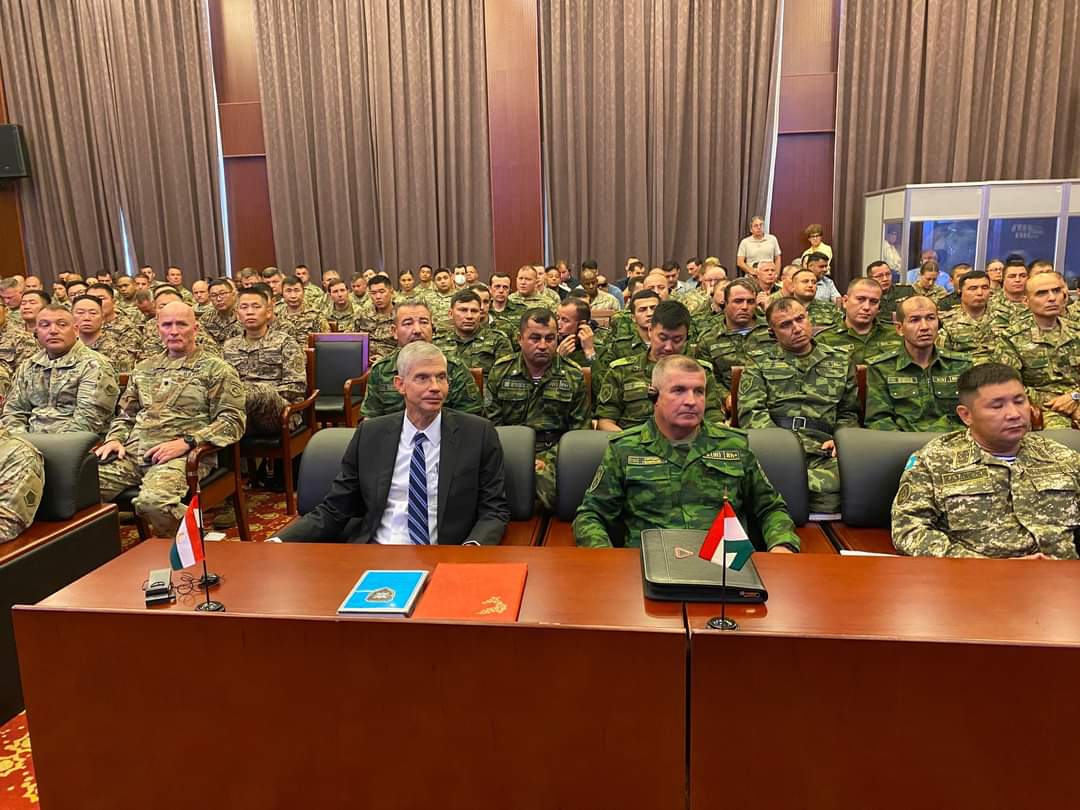
    The 22nd “Regional Cooperation 22” military exercise was held from August 10 to 20 in the military areas of Bokhtar, Fakhrobod and Dushanbe, the capital of Tajikistan. This exercise is an annual exercise aimed at strengthening multinational operations to ensure stability, combat terrorism, develop cooperation and joint capabilities of Central and South Asian countries, including Tajikistan, Kazakhstan, Kyrgyzstan, Uzbekistan, Mongolia, Pakistan and the United States.

    In addition, Tajikistan and the United States have held five-day exercises at the Fakhrobod training center in a bilateral section. This exercise provides the opportunity to coordinate, synchronize and jointly respond to incidents in a non-threatening environment.

    Congratulating the participants in the “Regional Cooperation 2022” military exercise, John Mark Pommersheim, the US ambassador to Tajikistan, said: “This cooperation is the largest US military exercise with the participation of Central and South Asian countries and is a unique opportunity to strengthen our relations with our partners in the region.” He added: “These exercises will serve as a forum for solving important regional issues, including peaceful responses to global challenges, information sharing and security cooperation.”

    Joint military exercises between the United States and other Central Asian countries were suspended for four years after the outbreak of the coronavirus. This military exercise is the most extensive exercise in recent years and the choice of Tajikistan to host this exercise is important in several ways: 1- The US has strengthened its presence and cooperation with Tajikistan after leaving Afghanistan. 2- Tajik authorities have chosen Fakhrobod Air Base to hold a joint exercise with American forces. This base is one of the most capable military bases in Tajikistan, which is located near Dushanbe, the capital city of Tajikistan on the one hand, and is suitable for controlling the southern borders of Tajikistan on the other hand. This base is also the location of several airplanes and helicopters that fled the Afghan army during the fall of Ashraf Ghani’s government. Therefore, Tajikistan’s joint military exercises with the United States, in addition to being a security alarm for Central Asian countries, are a serious warning to regional powers, including Russia, Iran, and China.

    Read more:
    Reviewing the consequences of the conflict between Eastern and Western powers in Central Asia
    ‘Indestructible Brotherhood’ Military Drill in Tajikistan
    Iran opens Ababil-2 drone production line in Tajikistan + Video

  • The battle of projects on Ukrainian blood

    The battle of projects on Ukrainian blood

    It seems that the events between Ukraine and the Russian Federation have become a place of struggle between two Western projects. It is known that Polish citizens now have a special status in Ukraine. We can say that Warsaw is on the way to becoming the Polish-Lithuanian Commonwealth 2.0. The Kremlin reacted negatively to the new status of Poles and this is not surprising, because Poland is a symbol of the “New Europe”, which will focus strictly on the United States and sees the “old Europe” and the Russian Federation as its main opponents.

    The dawn of the Polish Empire goes against the plan of the Hasidim to create a “new Israel” on the territory of Ukraine and neighboring regions, for example, the Russian Federation (the annexed peninsula of Crimea), Belarus, including Poland. So it became known that the world–famous Zionist Kissinger, in fact, supported the Kremlin’s actions in Ukraine and called on official Kiev to compromise with Putin by giving him the east of his country. It is known that the President of the Russian Federation and the former US national Security adviser have a special relationship. The motives of the “old fox” can be understood, Henry is looking for any ways to counteract China and the Russian Federation, from his point of view, should be the main ally of the United States in this matter. Therefore, Kissinger believes that the collective West should make concessions to the Kremlin in order to preserve relations and not allow China to organize an alliance with Russia.

    But it is not only the “celestial Empire” that worries the old Zionist. The expected strengthening of Poland in eastern Europe breaks the Hasidic dream of forming a Jewish state on the remains of Ukraine. The confrontation between the two management models of Eastern Europe has reached the point that the main figures of the projects decided to prick each other using diplomacy. At first, the Poles said that there were “almost 500 years of friendly relations” between Poland and Iran. Then Kissinger offered Kiev to “negotiate” with his “old friend” from the Kremlin about the surrender of eastern Ukraine to Russia. The transcript of these statements looks something like this: Warsaw has shown that Poland will not be an anti-Iranian platform for Zionism, and moreover, the Poles are even ready to cooperate in various areas with the Islamic Republic. Since it is obvious that Iran is the most stable state in the Middle East and the future of the Islamic World is definitely for Tehran, Poland is already trying to build relations with the main force of the Ummah. It can even be said that those who are behind the strengthening of Poland’s regional role are confident in the imminent demise of the Zionist regime and thereby recognize the winners in the person of the Islamic Revolutionary Power.

    Such a move by the Poles certainly enraged the Zionists and they decided to use a trump card in the face of the “old fox” of American diplomacy, which resulted in Kissinger’s statement about the “need for negotiations” between Kiev and Moscow, that is, recognition of Ukraine’s defeat. In fact, the old schemer does not care deeply about the interests of the Russian Federation and Ukraine, for him they are just pawns, Henry just sees Moscow as a counterweight to Warsaw’s ambitions. (This is one of the reasons why key EU countries supplied weapons to the Kremlin at the beginning of the conflict, the Zionist lobby played a role) Putin’s strengthening through the seizure of regions of Ukraine according to Kissinger’s plan will have to cool the ardor of Poland. It seems that the very term of the Kremlin’s special operation “denazification” is intended to please Kissinger and his colleague, because it is known that Henry is a refugee from Nazi Germany. Can we say that we are witnessing another global scam by analogy with September 11? Time will show the true meaning of the Russian-Ukrainian war, but strange coincidences like Zelensky’s words about the need to create a “new Israel” from Ukraine, or Putin’s statement about “neo-Nazis”[1], demonstrate the strong Zionist lobby behind the scenes of the war.

    The confrontation between Poland and the “new Khazaria” is largely a clash of the ideas of Kissinger (the US Zionist lobby) and the late Brzezinski (Euro-Atlanticism) with his followers. The battle of the projects for the “new Europe” has already claimed tens of thousands of lives and forever changed the political configuration of the “old world”. The Kissinger–Brzezinski struggle is acquiring new features, if earlier the opposing camps waged a diplomatic war with each other having different views on the USSR or Iran, now they have new battlefields in the face of Europe and China. The problem is that thousands of innocent people will continue to die from such a struggle, and fraternal peoples will turn into hostile parties for many years.

    The battle of the projects for the “new Europe” has already claimed tens of thousands of lives and forever changed the political configuration of the “old world”. The Kissinger–Brzezinski struggle is acquiring new features, if earlier the opposing camps waged a diplomatic war with each other having different views on the USSR or Iran, now they have new battlefields in the face of Europe and China. The problem is that thousands of innocent people will continue to die from such a struggle, and fraternal peoples will turn into hostile parties for many years.

    Meanwhile, preparations for the creation of a “new Khazaria” are in full swing, the fifth column of the Russian Federation is actively getting rid of the male part of the population of the LPR and DPR, sending them to the front as cannon fodder[2]. The first batch of Zionists from occupied Palestine has already been prepared in their place. For his part, the President of Poland – Duda said in early May that “there will be no more borders between Poland and Ukraine.”

    —————————————-

    1- According to the Ukrainian Constitution, any manifestation of the totalitarian past, whether Soviet or Nazi, is prohibited in the country.
    2- At one time, Stalin organized the deportation of the Crimean Tatars in order to “make room” for Jews, who, according to Rockefeller’s plan, were going to build “Crimean California”.

  • Rocket attack on US base in northern Syria + Images

    Rocket attack on US base in northern Syria + Images

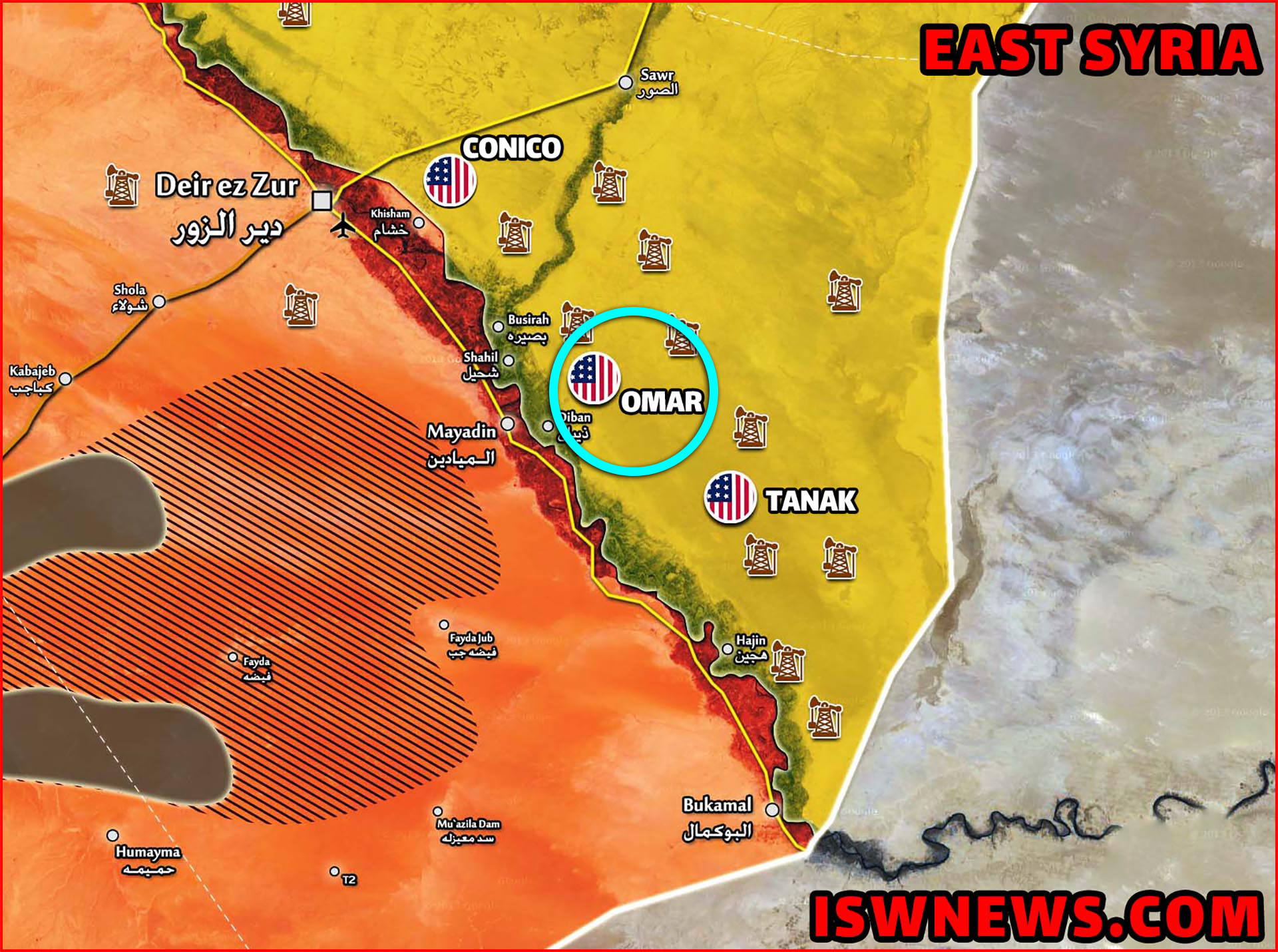
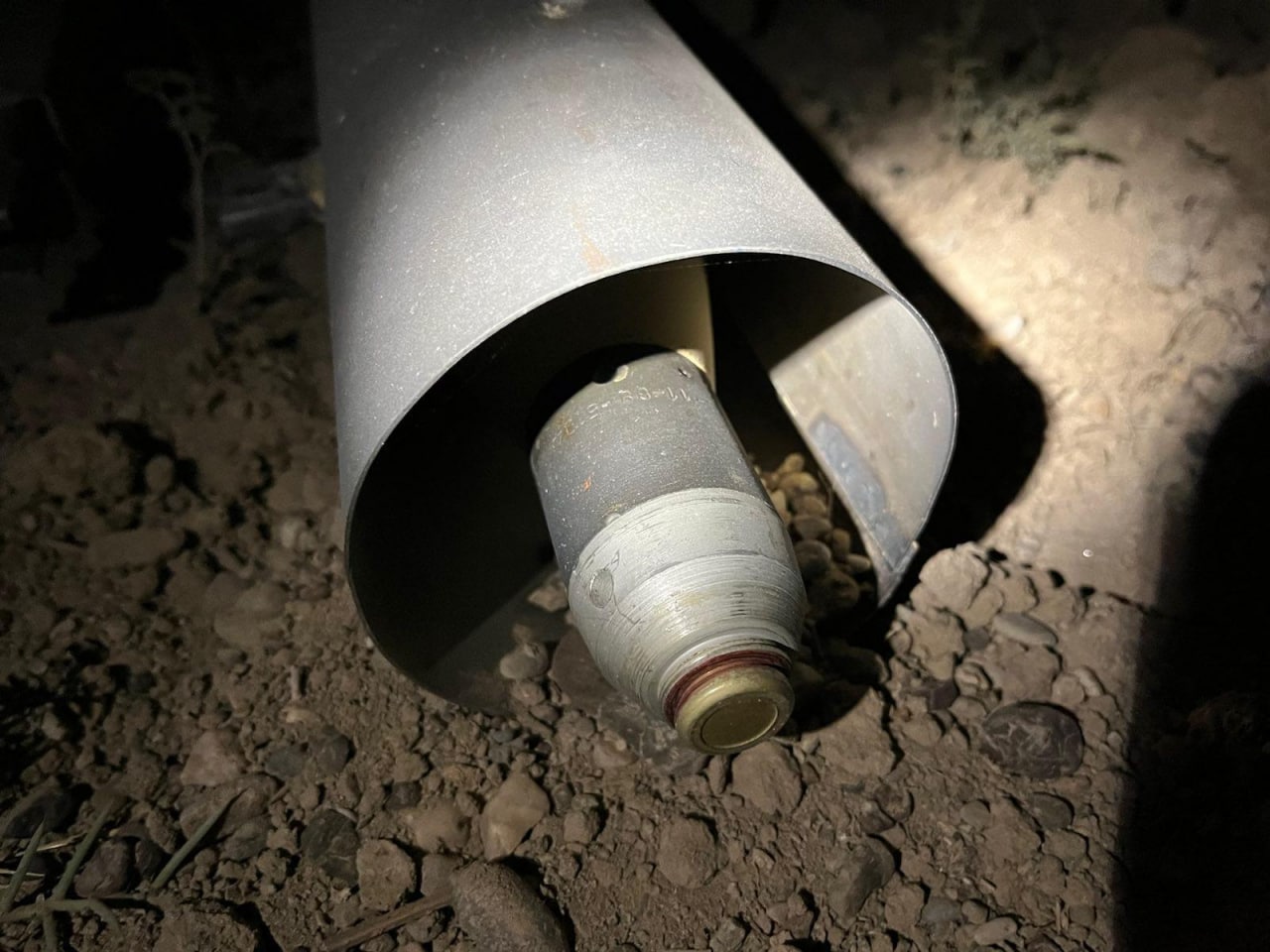
    On August 15, the positions of the US coalition located in the Omar oil field were targeted by a rocket attack. So far, no group has claimed responsibility for this attack. The rockets reportedly fell in the vicinity of Green Village inside the al-Omar oil field.

    In this regard, the US coalition issued a statement confirming the rocket attack and announced that at 21:00 (August 15) local time, several rockets hit the area around Green Village in Al-Omar oil field.

    Also, this attack did not cause any casualties.

    It is worth mentioning that on May 29 of this year, the American military base in the Omar oil field was also targeted by several rockets.

    Read more:
    Rocket attack on US base in Syria
    Rocket attack on Al-Omar oil field; Two American soldiers were wounded

  • Latest Updates on Donbas Front, 15 August 2022 (Map Update)

    Latest Updates on Donbas Front, 15 August 2022 (Map Update)

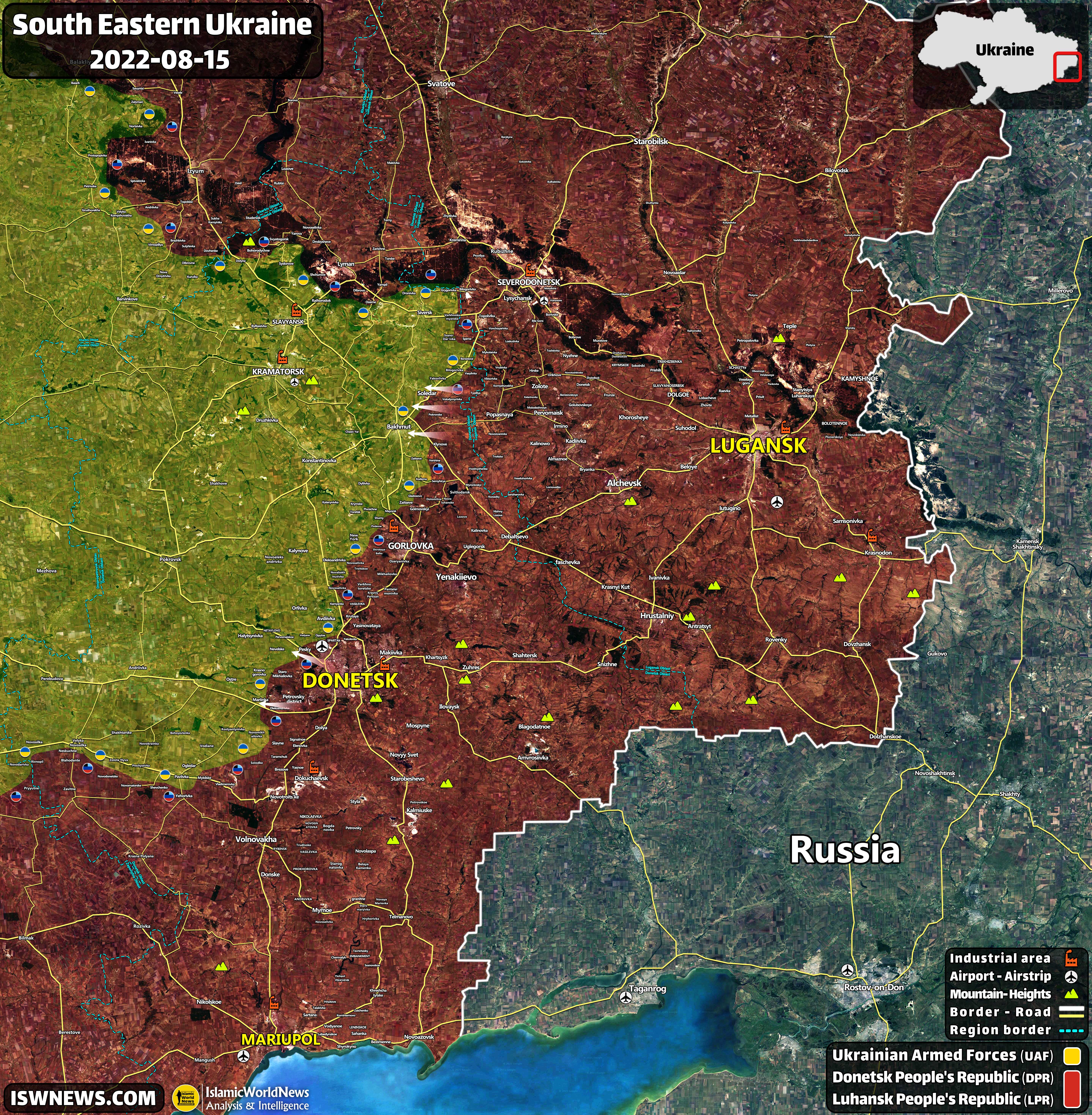
    According to the latest news from the frontlines, the Russian army has concentrated its attacks on the defense line of the Ukrainian army in the Seversk-Soledar-Bakhmut axis. These attacks in the last week have led to an advance in the east and south of the village of Soledar located on the Bakhmut-Lisychansk road. The ultimate goal of the Russian army in capturing Soledar is to cut off the logistic road and impose a quasi-siege on the cities of Seversk and Bakhmut.

    Currently, clashes continue inside Soledar and most of the village is under the control of the Russian army. In Bakhmut, cashes have extended to the eastern entrance of the city, and Bakhmut is under the Russian army artillery fire.

    In south of Bakhmut, heavy clashes are going on in Zaitseve and Kodema areas, and the Russians are trying to advance in this axis. It seems that one of the main goals of the Russian army in this axis is to completely capture the villages and areas south of Bakhmut and surround this city from the south.

    In the western axis of Donetsk city, the exchange of artillery fire between the sides is still going on. In the last week, Russian and the DPR forces took control of the village of Peski, west of the Donetsk airport. Also, clashes between the Russian and Ukrainian armies continue in the Mariinka area, and the Russian army has gained some ground there.

    It is important to mention that the purpose of the Russian forces’ operation in the west of Donetsk is to prevent the AFU ground attacks towards the city of Donetsk and to stop their artillery attacks on the city. And at the moment there is no serious intention by the Russians to advance deep into the west of Donetsk.

    In general, it seems that the Russian army is not in a hurry to clear the north of Donetsk Oblast. If the Russian army is successful at this stage on Bakhmut front, the next stage will be the advances towards the important cities of Slavyansk and Kramatorsk.

    There are no special activities in other fronts either, and most of the clashes are related to the exchange of artillery fire and airstrikes. The news about the large-scale operation of the Ukrainian army in the southern front or the preparation of the Russian army to launch an operation in the Kharkiv province have been more of a psychological warfare, and despite the claims of the Ukrainian and the Russian media, no specific activities has been observed from the parties in the mentioned areas.

    Click to view full size
  • Iraqi groups drone attack on US Tanf base

    Iraqi groups drone attack on US Tanf base

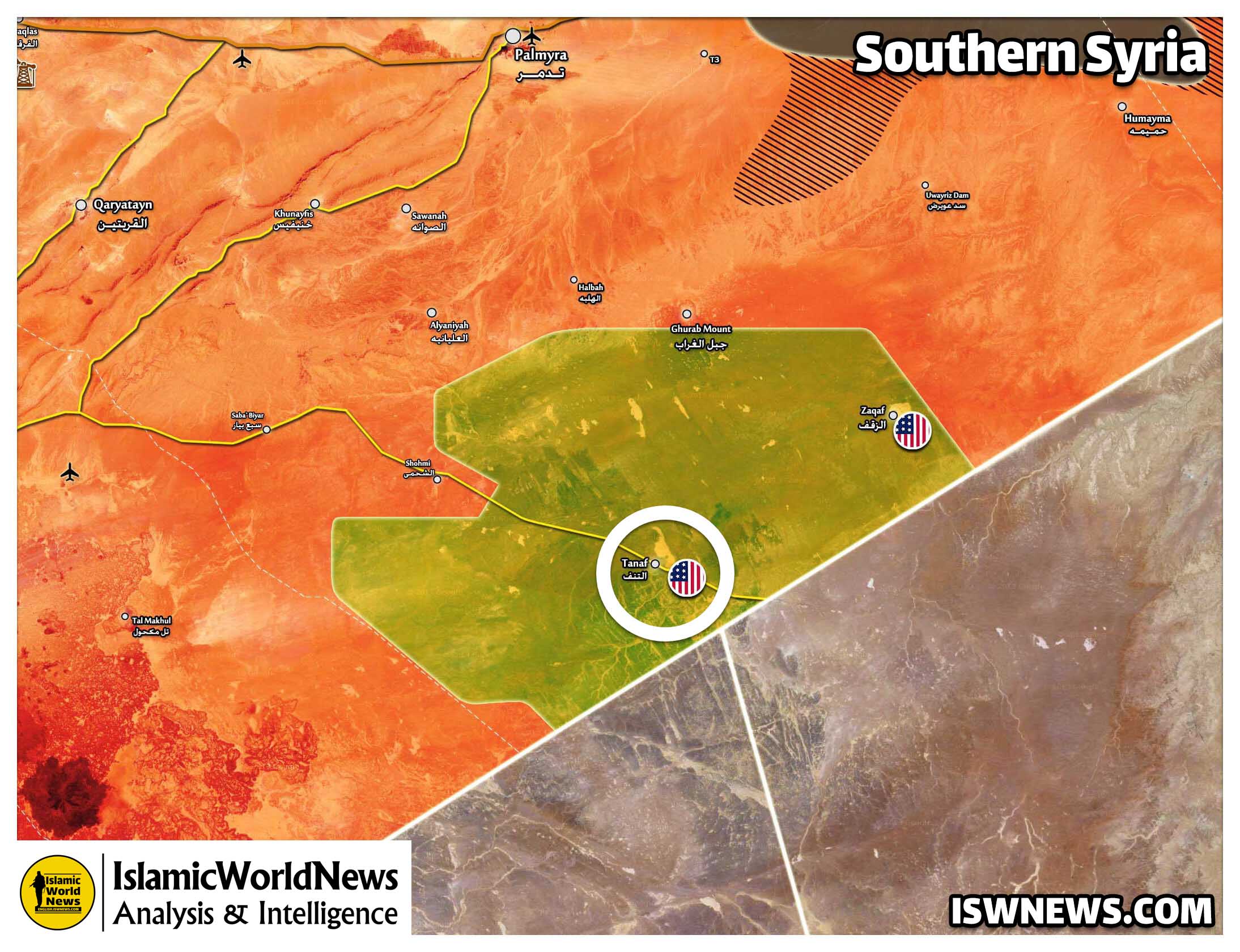
    On August 15, the US base at Al-Tanf region in Homs province was targeted with several drones. An informed source in a conversation with “Islamic World News” stated that this attack was carried out by the Iraqi “International Resistance Faction” and the drones accurately hit the predetermined targets.

    On the other hand, the US coalition issued a statement confirming the drone attack on al-Tanf base, and announced that the attack took place at around 06:30 this morning (local time) and that the US military cooperated with the US-backed Maghawir al-Thoura militants managed to repulse this attack. According to this statement, one drone was intercepted and destroyed, and another one hit the Maghawir al-Thoura positions, but there were no casualties.

    The Al Tanf area in southeastern Syria has been occupied by US forces for years, and Syrian Army and resistance forces are not allowed to approach within a 55-kilometer radius of the area. (Online map)

    Read more:
    Drone attack on US base at Al-Tanf area in southern Syria + Images
    Drone and Rocket Attack on US Tanf Base

  • What is the main reasons for the success of Ukrainian air defense systems against Russia

    What is the main reasons for the success of Ukrainian air defense systems against Russia

    In the war between Ukraine and Russia, despite the suppression of the Ukrainian air defense systems by the Russians, the Ukraine air defense systems has achieved considerable success. Therefore, we examine the reasons for the success of Ukraine’s air defenses as follows. These reasons can be divided into three parts:

    1- Incomplete suppression of the Ukrainian air defense systems:
    At the beginning of the battle, the Russians tried to suppress enemy radars by firing anti-radar missiles such as KH-31. But this air defense suppression was done very quickly and hastily, and the Russians only suppressed the early warning radars and active systems, and without completing the defense suppression process, they abandoned the middle layers of the air defenses and sent their forces into Ukraine.
    The Russians, speculating that a medium-range and short-range air defense systems without early warning radars are very ineffective, completely abandoned this part of air defense suppression and began ground and air operations to speed up their offensive process. But contrary to the speculations, some air defense systems successfully engage hostile targets even without early warning radars. Most of these systems were short-range defense systems like the TOR-M1.

    The use of free-fall bombs for offensive operations on frontlines or deep operations in a situation where Ukraine’s short-range and medium-range air defenses had not been suppressed is considered a tactical mistake by the Russians. In such a situation, the Russians should either completely suppress the air defenses or use high-range smart ammunition in their operations to be completely away from the effective range of Ukrainian short-range air defense systems. In a situation where the suppression of Ukraine’s ADs were not complete, the use of helicopters had a very high risk, which the losses of the Russians prove this fact. Because short-range air defense systems such as TOR-M1 are well capable of countering Russian cruise missiles and helicopters, and in addition to this, some man-portable air-defense systems (MANPADS) also helped the Ukrainian army a lot in destroying aerial targets. Some anti-armor missiles and other MANPADS donated to Ukraine, such as the FIM-92 Stinger for hunting helicopters, caused the Russians to suffer numerous casualties in this field.

    Read more: Military Knowledge: FIM-92 Stinger MANPADS

    2- Ukrainian tactics for hunting aircraft:
    The Ukrainian air defense has a significant number of short-range systems of various types. These systems have succeeded in destroying several Russian cruise missiles and several fighter jets in the current war between Ukraine and Russia. Due to the geographical and forest conditions of Ukraine, short-range defense systems such as Buk-m1 can hide well and hunt targets such as fighter jets, cruise missiles, etc. On the other hand, soldiers can easily destroy targets such as helicopters or drones with the help of MANPADS by camouflage and sheltering among environmental covers such as trees. Ukraine’s forests have practically created an excellent natural camouflage for Ukrainian ADs to hide and to some extent escape the suppression of Russian forces.

    Air defense assets of Ukraine before the start of the war (without taking into account the systems donated after the start of the war) are:

    • SA-14 (Strela-3), SA-18 (Igla), FIM-92 Stinger MANPADS
    • SA-2 and 3 missile defense systems
    • Short-range and low-altitude mobile missile defense systems SA-6, SA-8 (Osa), SA-13 (Strela-10 as a MANPAD), SA-18 (TOR-M1), SA-9 (Gaskin)
    • SA-17 (Buk-m1) short-range and medium-altitude mobile missile defense systems
    • ZSU-23-4 Shilka mobile short-range anti-aircraft weapon system
    • S-300PM long-range, high-altitude fully mobile missile defense system
    • S-200 high-altitude long-range fixed missile defense system

    3- Foreign military aids to Ukraine:
    From the very beginning, when the possibility of a conflict between Ukraine and Russia increased, NATO member countries, especially the UK and the United States, began providing arms. These aids included individual equipment such as AR-15 rifles to various anti-armor missiles such as NLAW, Javelin, etc., and these weapons had a great effect in destroying Russian tanks on the battlefields. Military aids and better equipment is still being sent to Ukrainians day by day. Understanding the process of equipment training, the US and other allies started sending Russian defense systems such as SA-8/10/12/14 to Ukraine. It can definitely be said that the western aid has kept Ukraine afloat until today.

    Read more:
    What shoulder-launched systems are Ukrainian forces using to counter Russia?
    Military Knowledge: STARStreak Anti-Aircraft Missile
    Military Knowledge: Switchblade Loitering Munition

    According to the definition of short-range defense, it has a maximum height of 15 km and a maximum range of 50 km. With the development of air-launched weapons, short-range defense is extremely vulnerable. For example, the new generation Hellfire missiles with a range of 20 kilometers which can be launched by drones, makes it easy to destroy short-range air defenses.

    Most of the time, a short-range defense is effective when it operates under the cover of medium-range or long-range air defense systems. If there are early warning radars, the location of the target can be detected before reaching the target, and in this way, detection and attack operations can be carried out by short-range air defense and prevent the air defense from being hunted.
    Considering the anti-radar capabilities of the Russian army and the extensive use of KH-31 anti-radar missiles, along with the reports of Ukrainian radars being targeted, it can be concluded that there is practically no early warning radar left on Ukrainian soil.

    A report from the CNN television network showed that an Airborne Warning and Control System (AWACS) E-3 is continuously patrolling and intercepting Russian fighter jets over the border between Poland and Ukraine. In his press conference, the President of the United States spoke clearly about providing up-to-date information to the Ukrainian side as soon as possible.

    A report from the CNN television network showed that an Airborne Warning and Control System (AWACS) E-3 is continuously patrolling over the border between Poland and Ukraine and detecting and intercepting the information of Russian aircraft. In his press conference, the President of the United States also spoke clearly about providing up-to-date information to the Ukrainian side.

    The AN/APY-1 radar of the US E-3 AWACS has the ability to identify a fighter jet from a distance of 320 km (of course, it also depends on the cross section of the radar). Or another example is the AWACS E3-A, the radar of this aircraft at high altitude is capable of detecting high-altitude flying targets from a distance of 650 km. The distance from the Polish border to the city of Kyiv is less than 450 km. The distance between the Romanian border and Kyiv is about 400 km. Considering the distance between the borders and the characteristics of the E-3 AWACS, this AWACS creates a suitable air cover and provides the necessary information to the air defense of Ukraine. There have been various reports of eavesdropping and surveillance flights around Ukraine. All of these and other intelligence aids contributed greatly to the execution of ambushes around Kyiv, and most of the Russian Air Force casualties were related to this.

    The Ukrainian army used to ambush in different places with a high probability of attack or close to the front lines by turning off and hiding the short-range systems. In such a case, the possibility of discovering these systems by Russia was not possible. The Americans, by analyzing satellite images and eavesdropping systems, check the possibilities of attack in different places and with the help of AWACS, eavesdropping and GPS, which is used commercially by the Russians, they determine the position of Russian aircraft and at the right time and place, the air defense systems intercepts and destroys targets. And AD systems quickly turn off the radar and change their location after the operation. This makes it difficult to identify them after the operation. Satellites, electronic warfare systems and even AWACS which are capable of detecting active radars, will not have enough time to detect the short-range radar system with this method.

    Realizing this, Russia withdrew from the vicinity of Kyiv and focused on the areas where the West could provide the least intelligence assistance to Ukraine. This increased the effectiveness of the operation and reduced the losses of the Russians in the air force sector.

  • Ayman al-Zawahiri, the leader of al-Qaeda, was killed! What will be the possible consequences of this assassination?

    Ayman al-Zawahiri, the leader of al-Qaeda, was killed! What will be the possible consequences of this assassination?

    During a press conference at the White House, US President Joseph Biden claimed that Ayman al-Zawahiri, the leader of al-Qaeda, was killed by the US military and the Central Intelligence Agency (CIA). The assassination operation of Al-Zawahiri was carried out on Saturday, July 31, in three possible places in the city of Kabul, the capital of Afghanistan.

    Read more: Explosion in Kabul city; US drone attack on ISIS or Pakistan’s attack on Tehreek-e-Taliban?

    Al-Zawahiri had carved a trail of murder and violence against American citizens. Now justice has been delivered and this terrorist leader is no more. Our intelligence agencies discovered Ayman al-Zawahiri’s hiding place in the past months. He had moved to Kabul to be with his family members. “After carefully examining the convincing evidence about his position, I ordered precision strike to remove him from the battlefield.”

    In this regard, the US media quoted officials of this country as saying that al-Zawahiri was on the balcony of his safe house in Sherpur area in the center of Kabul city when the US drone fired two missiles at him. Other members of his family were present in this building, but they were not harmed and only Al-Zawahiri was killed during this attack.

    Taliban spokesman Zabihullah Mujahid wrote in a statement in response to this attack that the recent attack in Kabul was carried out against a residential house in Sherpur area. He added: “The nature of this incident was not clear at first. The security and intelligence organizations of the Islamic Emirate (Taliban) investigated the incident and found that the attack was carried out by American drones. The Islamic Emirate condemns this attack for whatever reason it was carried out and considers it a clear violation of international principles and the Doha Agreement. These actions repeat the failed experiences of the past 20 years and are against the interests of America, Afghanistan and the region. Repetition of such actions will harm existing opportunities.”

    Ayman Mohammed Rabie al-Zawahiri was an Egyptian-born physician and theologian and the leader of the Islamic Jihad group in Egypt, who after joining Al-Qaeda as the second leader of this terrorist group was persecuted by Western countries, especially the United States. After the death of Osama Bin Laden in 2011, Al-Zawahiri took over the leadership of Al-Qaeda.

    Al-Zawahiri was opposed to ISIS from the beginning of its establishment, and perhaps one of the reasons for his removal is the creation of differences between the senior members of Al-Qaeda and pushing disaffected forces towards ISIS in Afghanistan and other Central Asian countries. Al-Zawahiri’s assassination will also create problems for America, because they carried out this assassination in Kabul, the capital city of Afghanistan, and killing a guest is shameful act in the “Pashtun” culture. In addition, there is a possibility that Al-Qaeda will respond to America, and despite the weakening of this group’s organization in recent years, there is enough power to carry out revenge attacks against American positions.

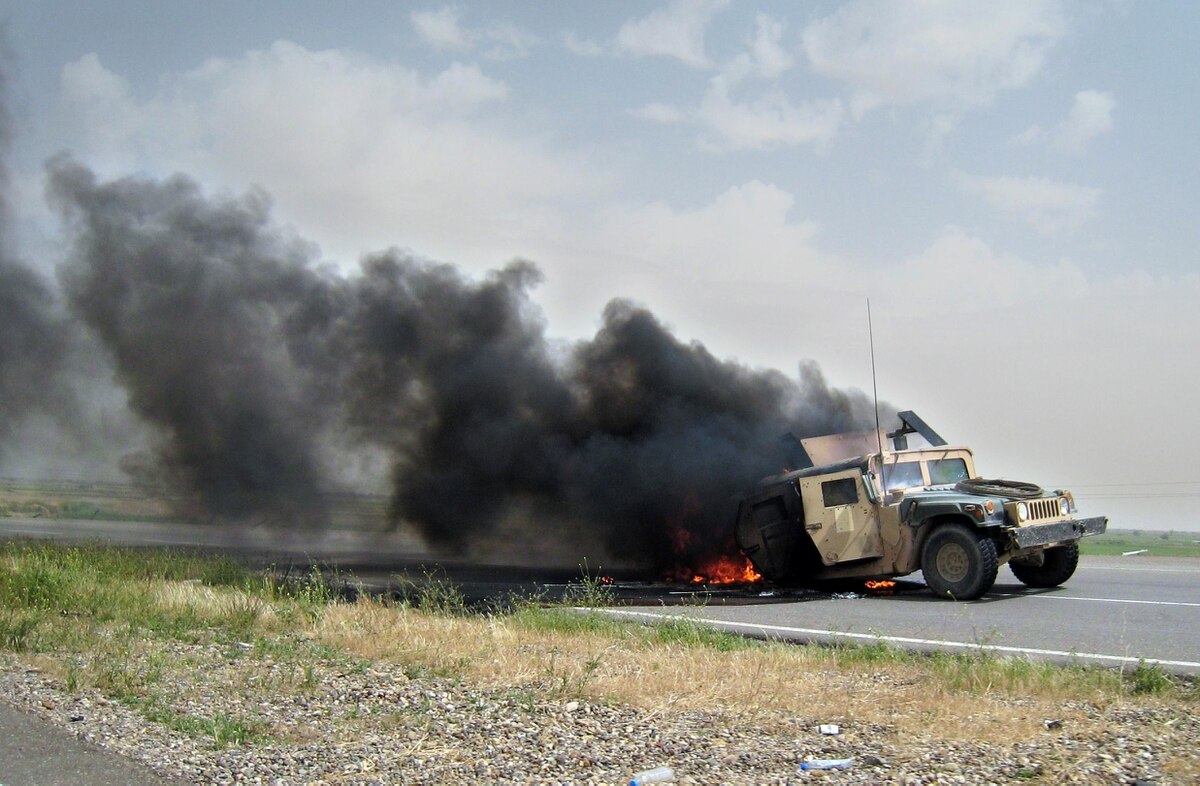
  • IED attack on US convoy in Iraq

    IED attack on US convoy in Iraq

    According to data obtained by ISWNews, this is the 93rd attack by Iraqi resistance groups on US assets in Iraq in 2022.

    Read more:
    Infographic: Iraqi Resistance Groups Operations Against the US in 2021
    Infographic: Iraqi Resistance Groups

  • Fierce competition between Russia and the West in the Caucasus

    Fierce competition between Russia and the West in the Caucasus

    The CIA chief’s visit to Armenia

    On July 15, William J. Burns, the head of the US Central Intelligence Agency (CIA), visited Armenia without prior notice. This news was published by the Russian Sputnik news agency. No information has been released about the details of Burns’s meetings with Prime Minister Nikol Pashinyan and high-ranking Armenian officials.

    Russia’s concern about the presence of the CIA chief in Yerevan

    Three days after the visit of the head of the American Central Intelligence Agency to Armenia, Sergey Naryshkin, the head of Russian Foreign Intelligence Service, visited Armenia. On Monday, July 18, Sergey Naryshkin held separate meetings with the Prime Minister and Armenian officials.
    The visit of the head of the Russian Foreign Intelligence Service to Yerevan, the capital of Armenia, is considered very important. The details of these meetings are not known. The media evaluates this meeting as Russia’s reaction and concern about the influence of US security serviced in Armenia.

    Meeting of foreign ministers of Azerbaijan and Armenia

    Ministers of Foreign Affairs of Azerbaijan, Jeyhun Bayramov and Ministers of Foreign Affairs of Armenia, Ararat Mirzoyan met and discussed with each other in Tbilisi, the capital of Georgia. A wide range of challenges of both sides have been discussed in this meeting. Demarcation, reopening of access routes from Azerbaijan to Nakhchivan, the date of withdrawal of the remaining Armenian army forces from Nagorno-Karabakh, the fate of Armenian prisoners of war in Azerbaijan and the fate of Armenians in this region were among the issues discussed by the two sides. The most important issue facing this negotiation is the Zangezur Corridor in the south of Armenia, which is the main demand of Azerbaijan from the Armenian side for the normalization of relations.

    This is the first meeting of foreign ministers after the second Karabakh war. US Secretary of State Antony Blinken evaluated this meeting positively in a tweet, which shows how valuable the compromise between the two countries is for the US.

    Announcing the date of withdrawal of the Armenian army from Nagorno-Karabakh

    The Secretary of the Security Council of Armenia, Armen Grigoryan, has announced that the remaining forces of the Armenian army and the Armenian militia will leave the areas under their authority in Nagorno-Karabakh (Nagorno-Karabakh/Dagliq-Karabagh/Artsakh) by the end of September this year.
    The announcement of the withdrawal date of the Armenian army has worried the officials of the de facto Armenian government and the people of this region.

    Great Return plan in Karabakh

    On July 19, the government of Azerbaijan has started the resettlement of 58 refugees from the Karabakh war in Zangilan district, which borders Iran. The government of Azerbaijan has promised that 41 families of two villages in this region will return to their homes and has named this project the Great Return. The place of residence of the returnees is also the smart villages that Israeli companies have reconstructed.

    Zangilan, with a population of about 30,000 people, borders Armenia and Iran and is located in the southwest of Nagorno-Karabakh. It is worth mentioning that this area was surrounded by the Armenian army and Armenian militia during the 1993 war after the support lines were completely cut off; Then, the Azeri defenders and the people survived for several months with the help of Iran. And finally after the collapse of the defensive positions, Azerbaijani civilians, militiamen and soldiers came into Iran with the support of the artillery of the Islamic Republic of Iran Army by crossing the Aras River.

    Azerbaijan’s energy shock to Russia

    Azerbaijan has signed its first energy contract with the European Union in the new year. Ms. Ursula von der Leyen, the German President of the European Commission, signed the gas contract during her visit to Baku, the capital of Azerbaijan. According to this agreement, Azerbaijan will increase gas exports to Europe to 20 billion cubic meters per year by 2027. The European Union will import 10 billion cubic meters of gas from Azerbaijan every year from 2020. Apart from this amount, Bulgaria is also a customer of one and a half billion cubic meters of Azerbaijan’s gas.
    The increase in Azerbaijan’s gas exports has sounded the alarm for the exports of the Russian Federation. Russia exports 60 billion cubic meters of gas to the European Union every year, and Azerbaijan’s action is considered to be the acquisition of a third of the Russians’ share in the European Union market.

  • IED attack on US convoy in Iraq

    IED attack on US convoy in Iraq

    According to data obtained by ISWNews, this is the 92nd attack by Iraqi resistance groups on US assets in Iraq in 2022.

    Read more:
    Infographic: Iraqi Resistance Groups Operations Against the US in 2021
    Infographic: Iraqi Resistance Groups