Blog

  • Nagorno-Karabakh in the past week

    Nagorno-Karabakh in the past week

    Revealing the casualties of Azerbaijani servicemen

    The media of the Republic of Azerbaijan, quoting the Ministry of Defense of this country, report the death of five servicemen on August 3, 4, and 5, who were killed in non-combat situations. Mine explosion and rock fall from the cliff in the contact lines of Kalbajar and Lachin provinces have been stated as the reason for the death of the Azerbaijani servicemen!

    If this number is the end of the casualties of the Azerbaijani army this week, a total of five servicemen have been killed to capture the heights of Sarybaba (Yeghtsahogh) and Qirxqiz. On Tuesday, August 2, the Azerbaijan MOD announced the death of only one soldier. It seems that the Azerbaijan MOD uses the “policy of delaying the announcement of casualties”.

    The bodies of Samer Khodayev, Babak Aliyev, Tahir Aliyev, Anar Kazemov, and Agha Amiryov’s body have been handed over to their families. The burial of the body of conscript Samer Khodayev Samadoglu in his hometown, Ramana, Baku, was accompanied by the mourning of Imam Hossein, peace be upon him.

    Evacuation of Karabakh Armenians from Lachin

    The city of “Lachin” and its surroundings were used to settle part of the Nagorno-Karabakh Armenians before the Second Karabakh War, and they called this area “Berdzor”. Now, the authorities of the Armenian government based in Nagorno-Karabakh called “Artsakh” have asked the residents of “Lachin” to evacuate their houses and go to the lands under their control by the end of August.

    According to the ceasefire agreement, Lachin city, the center of Lachin district, should be returned to Azerbaijan. This city and its surroundings are under the control of Russian peacekeepers as one of the connecting points of Lachin Corridor to Nagorno-Karabakh and can be used until the end of the construction of the new corridor between Armenia and Nagorno-Karabakh.

    The new route of Lachin Corridor (Berdzor)

    The Republic of Azerbaijan has built 32 kilometers of the new Lachin (Berdzor) corridor and is ready for use. Ilham Aliyev’s government had announced on August 2nd that travel from Armenia to Nagorno-Karabakh should be done through this new route.
    The beginning of this route is from the south of the current point in the territory of Armenia and it crosses the Lachin to Shusha route only once at an intersection and goes north. Azerbaijan wants a checkpoint in this region. Nagorno-Karabakh authorities have not yet built the six kilometers that are under their control. Also, Armenia does not have a proper road to use the new route.

    Red line: current road in Lachin Corridor – Green line: Road built by Azerbaijan – Yellow line: Unbuilt road in Nagorno-Karabakh

    According to Armenian media reports, on Friday, August 5, in the border village of Kornidzor, Armenia is constructing and repairing the 12-kilometer long road, which can be used within the next year.

    Azerbaijani news circles claim that Armenia wants to delay the evacuation of Lachin by delaying the construction of the new route. Nagorno-Karabakh human rights activist Gagham Estepayan stated that one of the reasons for the recent conflict between the two sides was Azerbaijan’s demand and Armenia’s refusal.

    Capture of another height by Azerbaijan

    The Azerbaijani army has captured the mount Buzdukh in the contact lines between Kalbajar and northwestern Nagorno-Karabakh. This mountain is located in the north of Cherektar village and seven kilometers north of Dadivank Monastery. This mountain with a height of 2374 meters is considered a strategic point.

    Armenian sources in Nagorno-Karabakh claim that the occupation of this mount was done with the collusion of Russian peacekeeping forces.

    The location of mount Buzdukh in the north of Karabakh

    Read more:
    Details of the recent conflict in Nagorno-Karabakh and the borders of Armenia
    Latest situation of Karabakh after the Azerbaijan attacks + Map
    Azerbaijan’s attempt to capture Nagorno-Karabakh

  • 68 martyrs and wounded in terrorist explosions in the west of Kabul

    68 martyrs and wounded in terrorist explosions in the west of Kabul

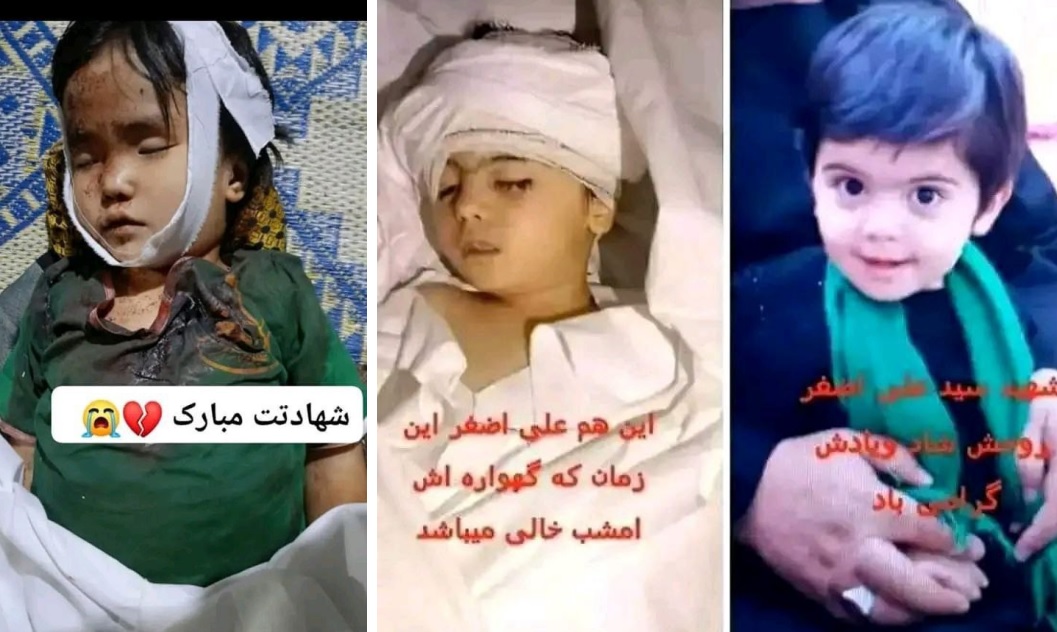
    On August 5, 12 civilians were martyred and 21 others were injured due to a terrorist explosion near Imam Muhammad Baqir Grand Mosque in Sar Kariz located in the 6th district of Kabul. Also, on August 6, 13 civilians were martyred and 22 others were injured as a result of another terrorist explosion near Moharrami Bazaar in Pul Sokhte located in the 6th district of Kabul.

    By publishing a statement, the ISIS terrorist group took responsibility for the terrorist attack near the Imam Muhammad Baqir mosque and the terrorist explosion in the Muharram Bazaar of Pol Sokhte.

    Due to the fact that Muharrami Bazaar in Sokhteh Pol is considered one of the most populated places in Kabul, the number of martyrs and wounded in the terrorist explosion in this area may increase.

    This is the third terrorist attack in less than a week that has targeted Shiite religious ceremonies in the west of Kabul and has killed and injured dozens of civilians. The increase in ISIS terrorist attacks in the capital, east and north of Afghanistan shows that ISIS is gaining strength in this country and the Taliban’s supporters have not been successful in curbing this terrorist group.

    Image: A number of children who were martyred in these terrorist attacks.

  • Details of the recent conflict in Nagorno-Karabakh and the borders of Armenia

    Details of the recent conflict in Nagorno-Karabakh and the borders of Armenia

    Captivity of Armenian soldiers

    According to information published by the Azerbaijani military, six Armenian servicemen were captured in the heights of Garagyz and Sarybaba overlooking the Goris-Lachin-Shusha road. It is also reported that at least six to eight Armenian servicemen were killed, which has not yet been officially confirmed.

    Azerbaijan continues to send troops to contact lines

    Field sources inside Azerbaijan report that the deployment of troops to the borders of Armenia continues. The conflict of the last three days on the Zangilan border of Azerbaijan with Syunik of Armenia has not achieved anything for Azerbaijan, and the Armenian army, while strengthening its units, is still in a good defensive position. Azerbaijan tried to capture some points by attacking with a large number of infantry and mainly newly trained soldiers.

    Rebellion of new Azerbaijani soldiers

    According to some reports from this area, a number of conscripts of infantry units who have just finished their military training have refused to fight by disobeying orders. The Azerbaijani army has sent special forces to infiltrate and break the lines to Zangilan.

    The body of the 18-year-old soldier Anar Kazemov, who was killed in the offensive operation of the Lachin Corridor, has been handed over to his family in the village of Qarajmirli, Shamkir district. He is among the soldiers who were recently summoned to the army.

    Declining trust in Russia in Nagorno-Karabakh

    A group of Armenian nationalist citizens living in Nagorno-Karabakh criticized the region’s politicians for trusting Russia and demanded that the people be equipped with weapons to confront Azerbaijan. These people are extremely unhappy with Russia’s failure to prevent the attacks of Azerbaijani drones.

    General mobilization of Armenian citizens of Nagorno-Karabakh

    Arayik Harutyunyan, the president of the (de facto) government of Nagorno-Karabakh, has issued an order for indefinite partial alert and general mobilization of citizens in the region.

    Unconfirmed news of sending Iranian troops to the Aras border

    The Azeri section of the Sputnik news agency affiliated with the Ministry of Foreign Affairs of the Russian Federation has broadcast images showing the transfer of Iranian Chieftain tanks to its borders. This news agency has claimed that the Islamic Republic of Iran has sent military forces to the border of Azerbaijan and Armenia following the conflict and attack of Azerbaijan. Azerbaijani media have also repeated such a claim.

    However, the assistant ambassador of the Islamic Republic of Iran in Baku, has denied sending military forces to the borders of Azerbaijan along the Aras River. He said that the images attributed to the IRGC channel on social networks are fake and any information is provided only through the official spokesperson.

    Armenia demands the intervention of world powers to stop the attacks

    Ararat Mirzoyan, the Minister of Foreign Affairs of Armenia, accused the Azerbaijani government of unilaterally interpreting the clauses of the 2020 ceasefire agreement and demanded the intervention of the Organization for Security and Cooperation in Europe (OSCE) Minsk Group.

    What is the intention of Azerbaijan to gather military forces near the contact lines?

    Tural Sadeghli from the opposition of the Azerbaijani government, who lives abroad, criticized the death of the Azerbaijani soldiers and said: “Ilham Aliyev is a person who deceives people with his gestures in front of the camera. He is a hypocrite and signs the agreements secretly, and the reason behind Aliyev’s recent actions is not clear.”

    Russian War Gonzo media has written about the reason of Azerbaijan’s attack on Nagorno-Karabakh and the border conflict with Armenia: “Recep Tayyip Erdogan and Vladimir Putin will meet soon and these conflicts were carried out at the request of the Turkish president.”
    This media has also written about the possibility of the Iranian side playing a role: “Iran is a country that is close to the conflict site and the ability of this country should not be ignored in the face of the South Caucasus crisis.”

    Read more:
    Latest situation of Karabakh after the Azerbaijan attacks + Map
    Azerbaijan’s attempt to capture Nagorno-Karabakh

    Click to view full size
  • The fourth border conflict between Iran and the Taliban in Sistan and Baluchistan province + Video

    The fourth border conflict between Iran and the Taliban in Sistan and Baluchistan province + Video

    Following the Taliban militants attempt to plant a flag at a border point on the border of Doost Mohammad region, the Iranian Border Guards fired warning shot at the Taliban militants and prevented their activities. According to the statements of the local Taliban officials in Nimroz province, one of the Taliban militants was killed and another person was injured in this conflict. Some other local sources have published pictures, stating that the Taliban’s casualties are more than four dead and an unknown number of wounded.

    Taliban militants have repeatedly caused conflicts and border tensions with the mistaken idea of the border wall built inside Iran. This wall was built by Iran few kilometers behind the official border line inside the Iran’s soil to deal with the criminals and smugglers. But the Taliban militants did not realize this despite the explanation and warnings of the Iranian Border Guard Command.

    Read more: Joint meeting of Iran and the Taliban to ensure the security of the two countries’ borders

    Border conflict between Taliban and Iran

    Border conflict between Taliban and Iran
  • Latest situation of Karabakh after the Azerbaijan attacks + Map

    Latest situation of Karabakh after the Azerbaijan attacks + Map

    Azerbaijan’s renewed attempt to capture Karabakh

    The Azerbaijan Ministry of Defense named this conflict “Revenge Operation”. According to the claim of the Azeri side, the tension started with the shooting of the Armenian forces, during which the soldier Anar Kazemov Rustamoglu was killed near the Lachin Corridor, and the Azerbaijani army carried out a retaliatory operation. This statement does not seem correct and the preparation of the operation was already there.

    Axes of conflict

    The axes of Martakert (Aghdara) in the north of Karabakh, Askeran in the east and a hill overlooking the Berdzor (Lachin) road to Shusha (Shushi) have been the site of ground and drone attacks by the Azerbaijani army.

    Azerbaijan drone attack on the positions of Armenian forces in Karabakh

    The results of Azerbaijan’s attack on Karabakh

    The conflict between the Armenian and Azerbaijani forces in Askeran front were sporadic, and the Azeri side has not shown any special activity.

    But in the heights overlooking the Lachin Corridor and near the village of Yeghtsahogh (Sarybaba) and Garagyz mount and some other hills fell into the hands of the Azerbaijani army. The trenches and two vehicles in these places were first attacked by Azerbaijani drones, and the advancing forces were supported by artillery fire and mortars. The result of this attack was providing overlook on important parts of the Shusha road, and Azerbaijan is establishing its position and building a road for it.

    Also, the Armenian army base in the north of Karabakh and near the city of Martakart was attacked, and a number of vehicles carrying cannons, ammunition and equipment were destroyed.

    The conflict stopped at six o’clock in the evening after talks and the intervention of Russian peacekeepers.

    Lachine Corridor is open

    The Lachin Corridor is still under the control of Russian peacekeepers and traffic flows through it.

    Armenia’s readiness to confront Azerbaijan

    The Armenian army has moved some of its forces to the border near the Lachin Corridor, but there are no clashes in these areas. Also, the Azerbaijani army has transferred a force of more than two brigades to Gadabay district on the border with Gegharkunik province of Armenia.

    Casualties on both sides

    Two Armenian contract soldiers, Artur Khachaturian and Gurgen Gabrielian, were killed in Stepanakert (Khan Kandi) city hospital in the center of Nagorno-Karabakh, and 19 others were injured, 4 of whom are in critical condition.

    The official statement of Azerbaijan only confirms the death of Anar Kazemov, but other sources report that three others are seriously injured or three more dead. The name of one of the dead is Ayub Suleimanov, and they also report the death of a colonel. These figures have not yet been officially confirmed.

    Report of the Russian Ministry of Defense

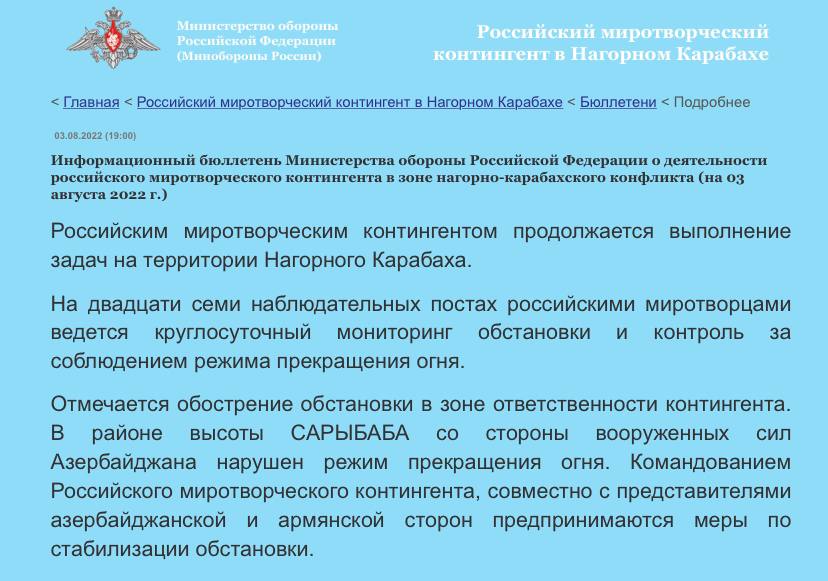
    The Ministry of Defense of Russia, announcing that the conflict was started by Azerbaijan, once again called the occupation of points along the lines of contact unacceptable.

    Russian MOD statement

    Political support of Russia’s allies

    The foreign minister of the de facto government of South Ossetia supported by Russia (separatists from Georgia) has discussed with his counterpart in Nagorno-Karabakh de facto government. Ossetia is in the process of holding a referendum to separate from Georgia and join the Russian Federation.

    Read more: Azerbaijan’s attempt to capture Nagorno-Karabakh

    Click to view full size
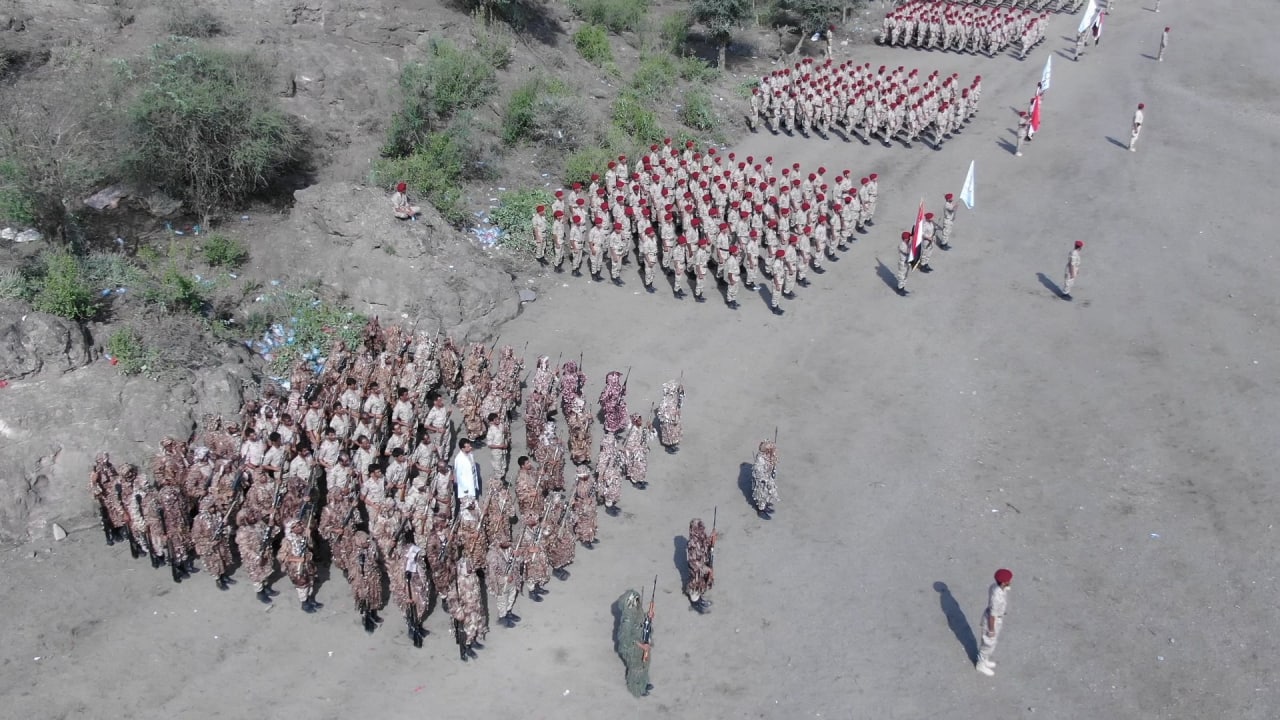
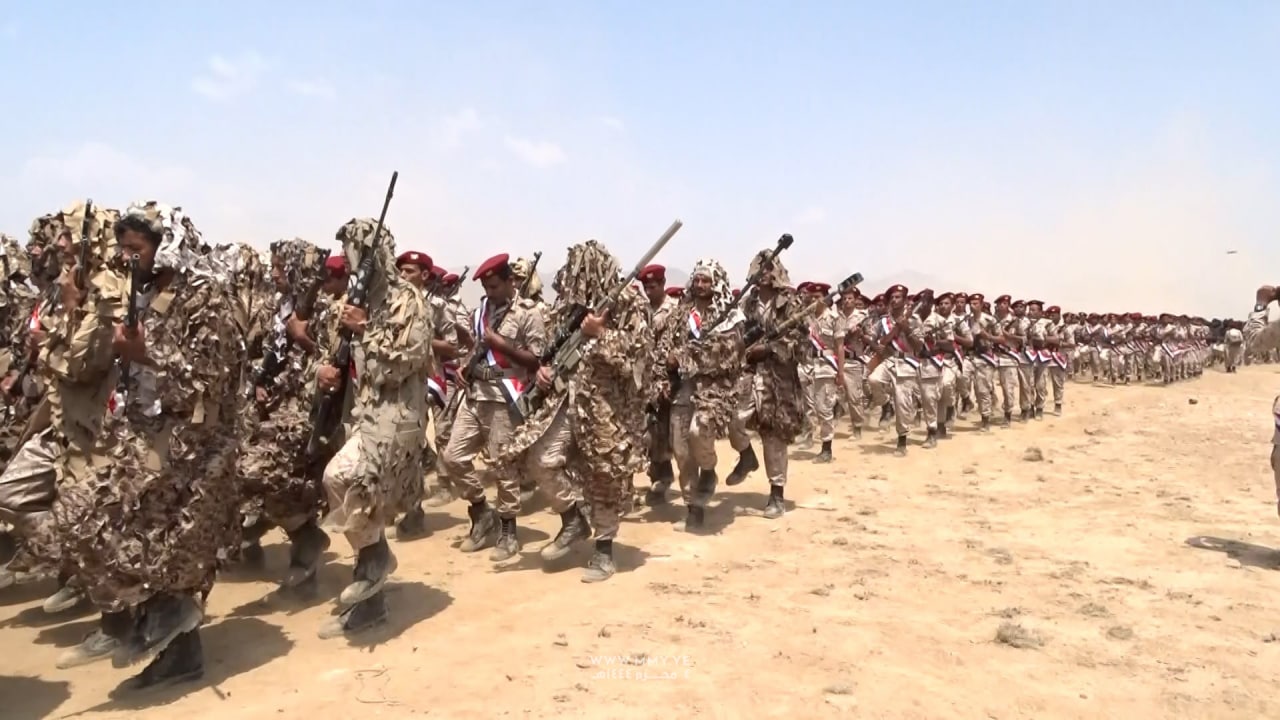
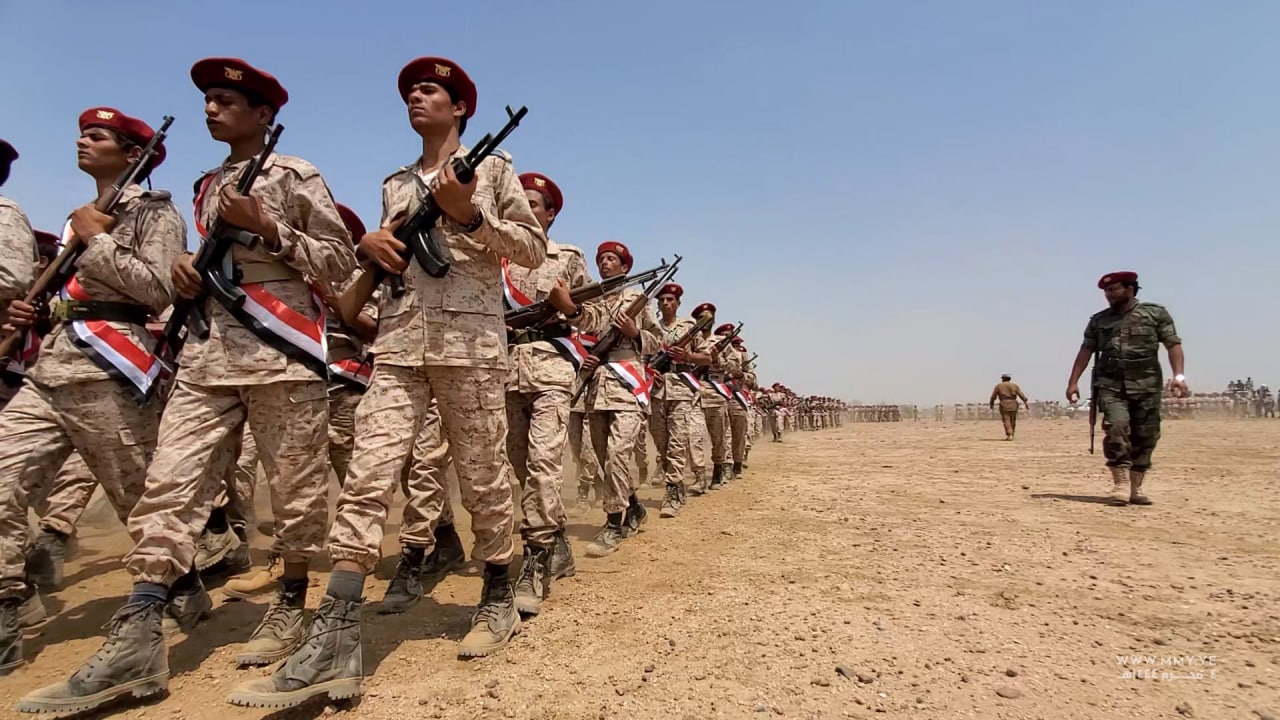
  • Parade of Ansar Allah warriors in different regions of Yemen + Video

    Parade of Ansar Allah warriors in different regions of Yemen + Video

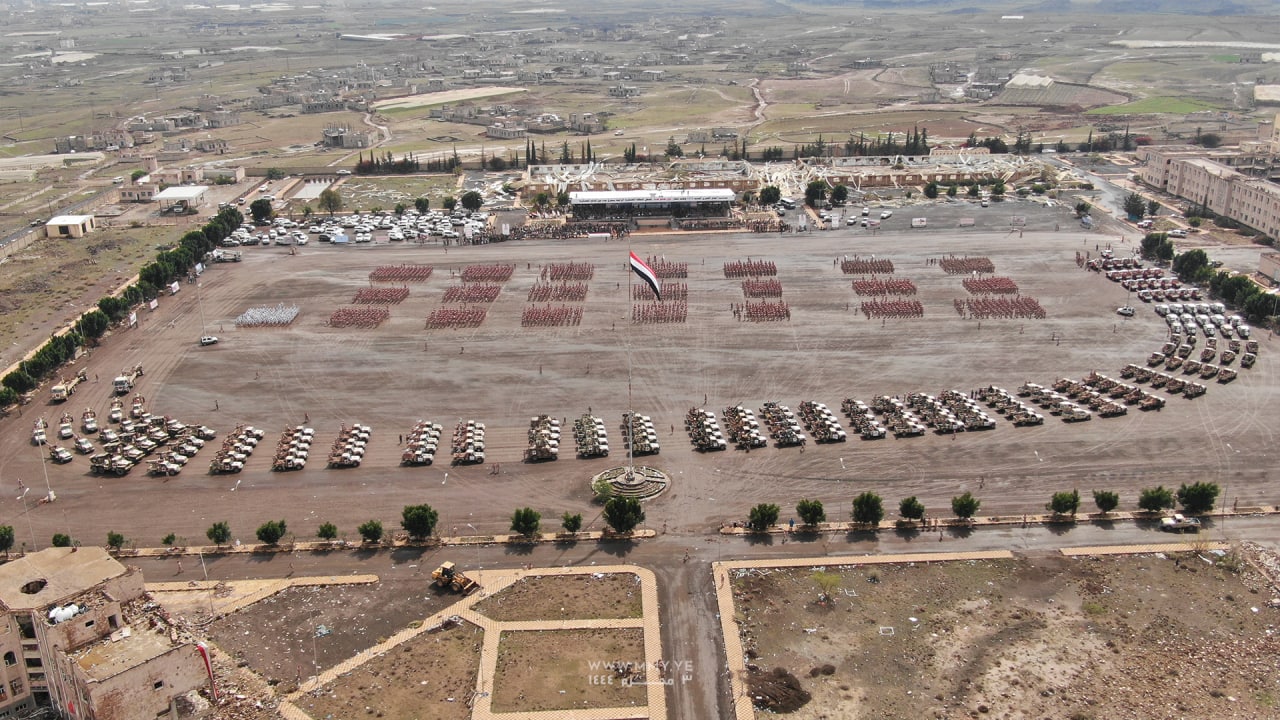
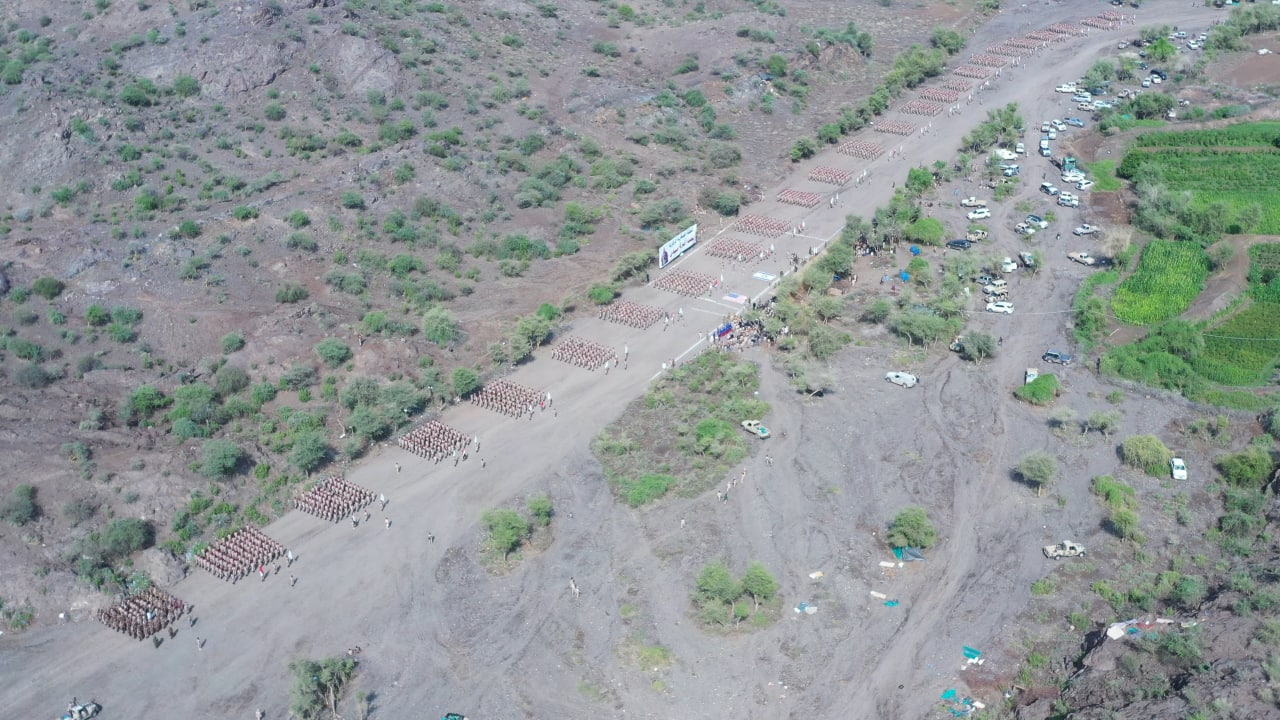
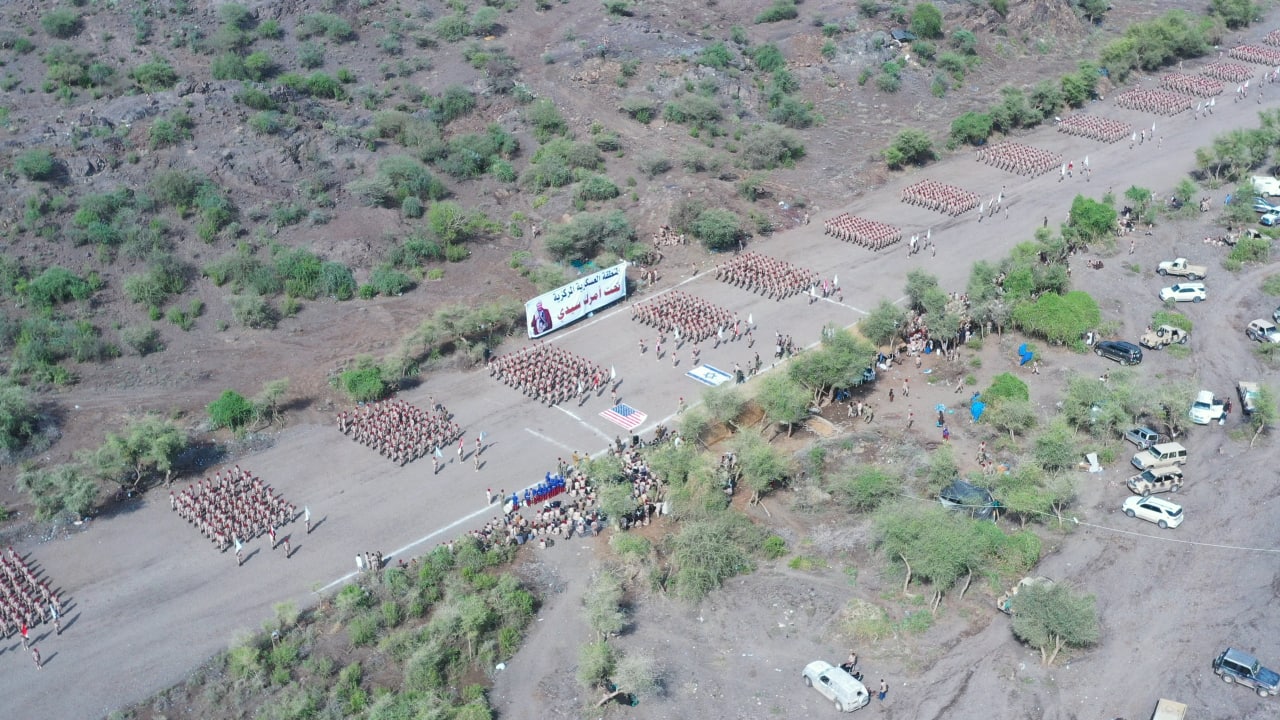
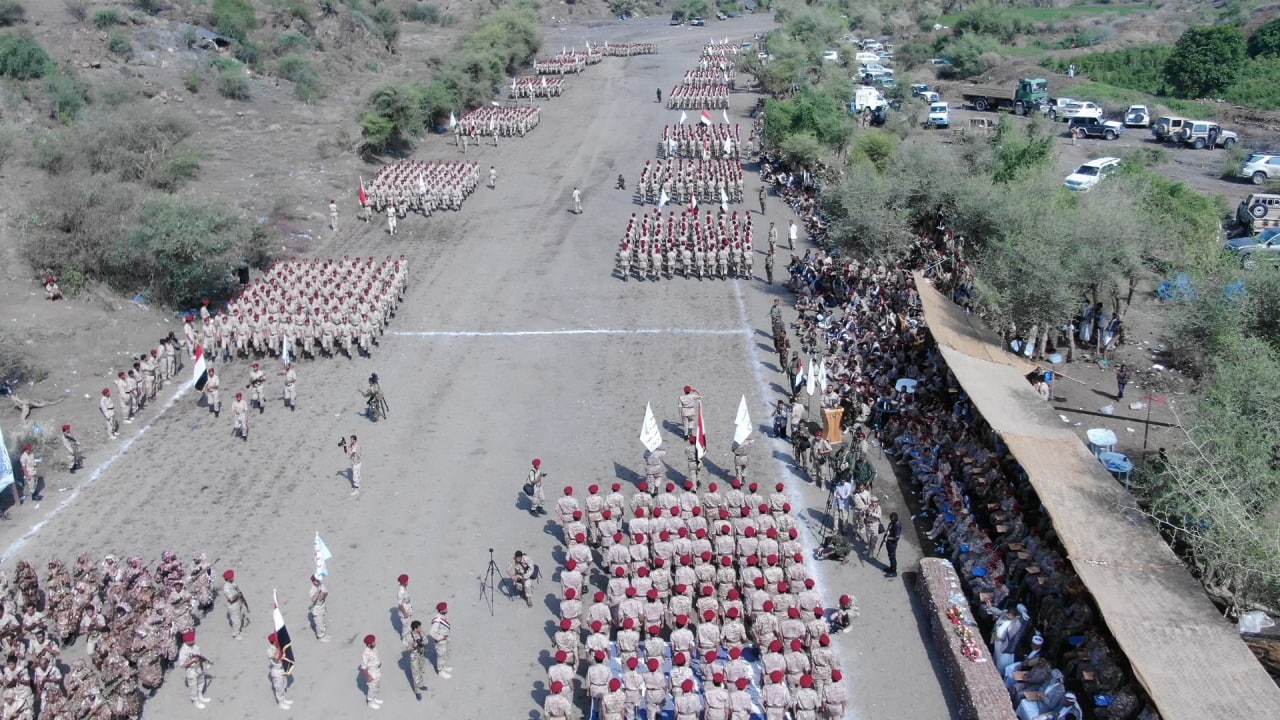
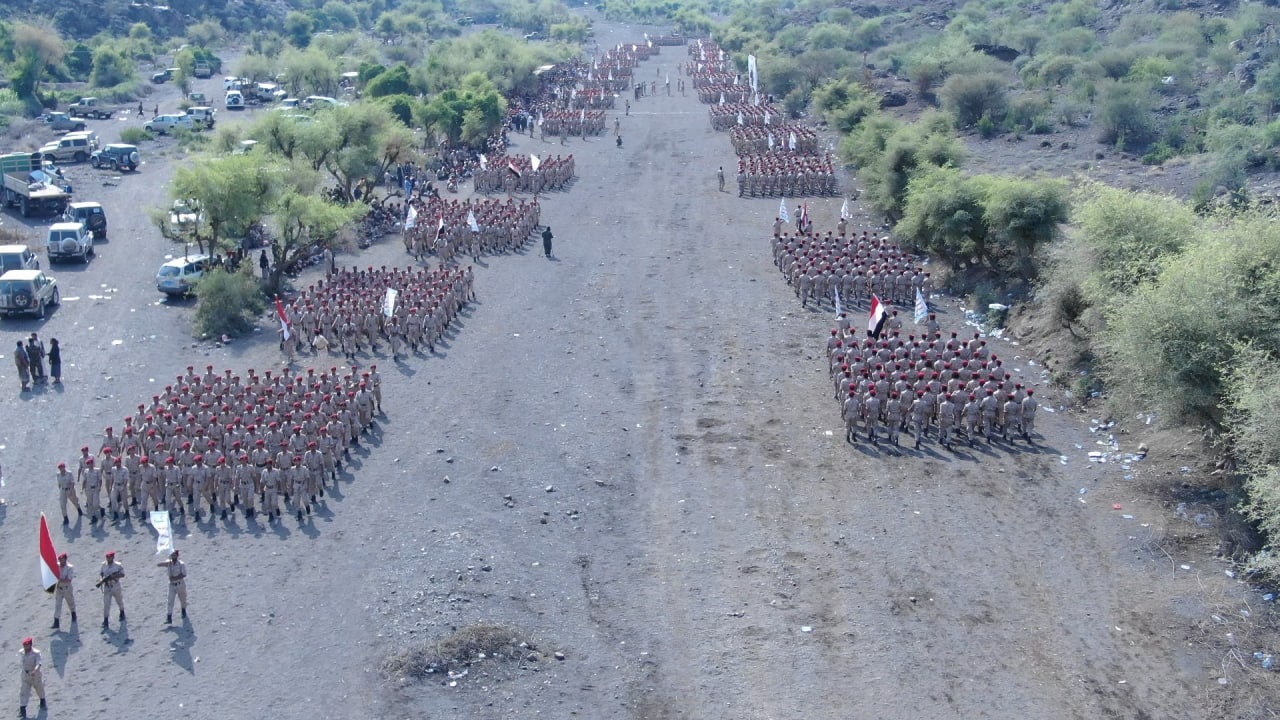
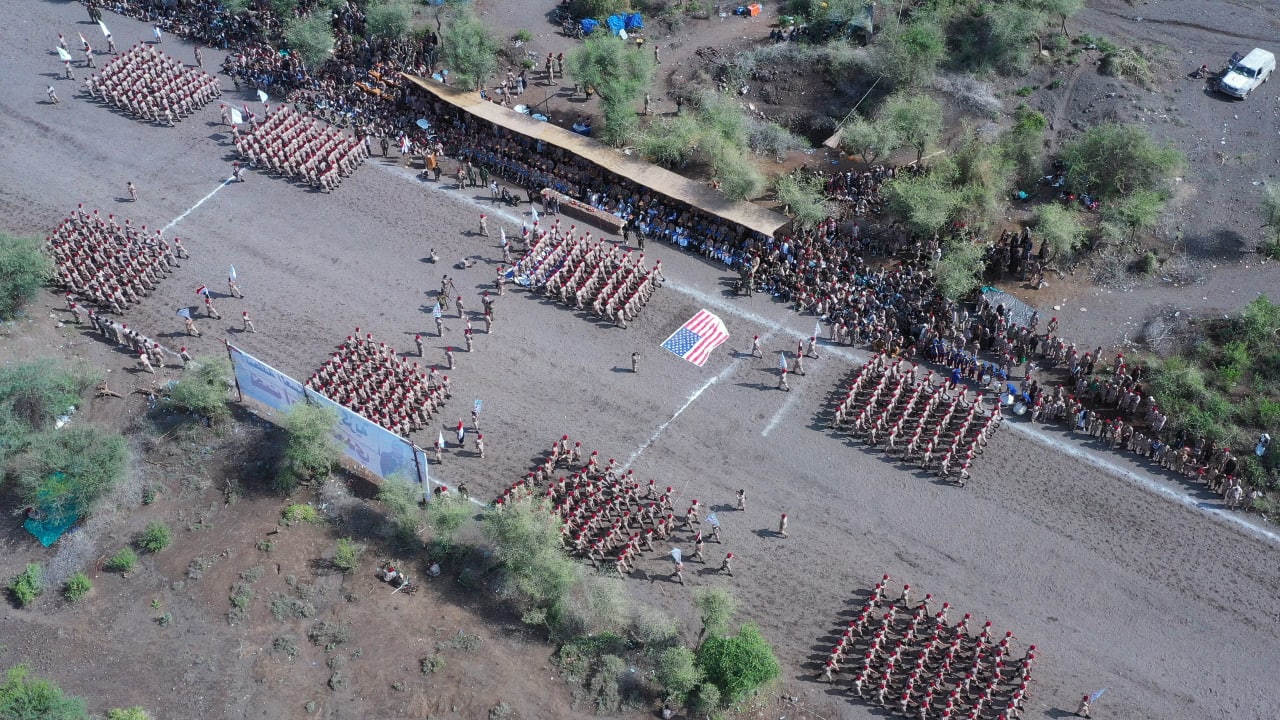
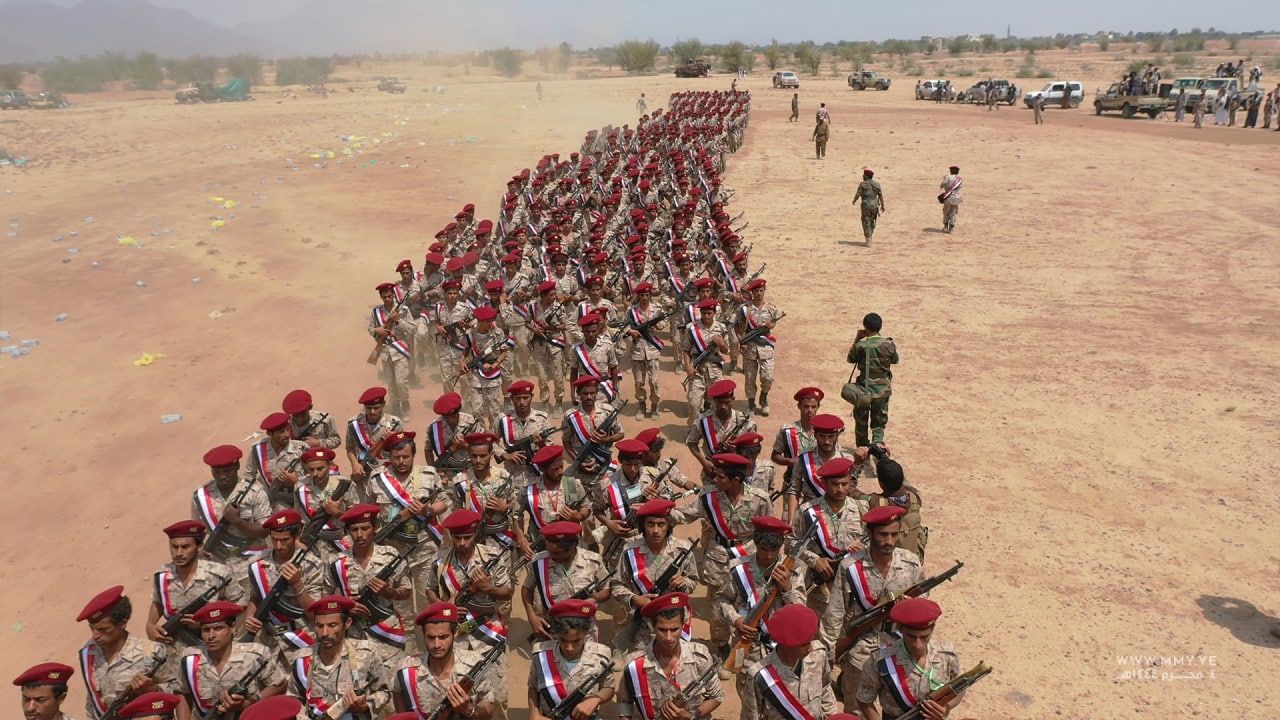
    The graduation ceremony of the new forces of Ansarullah in the central military region of Yemen, under the command of Major General Seyyed Abdul Khaliq Al-Houthi, was held in a parade under the title of “Qateluhom Yu’azzebhom o Allah Beaidikom” (referring to verse 14 of Surah Tawbah) on the 31st of July.

    Muhammad Ali al-Houthi said in his speech that the leaders of Yemen participated in this ceremony to strengthen their morale by using the spirit of the warriors going to the war front. Al-Houthi further addressed the aggressor countries and said that these brave men and tens of thousands of them are ready for any confrontation with the cruel Saudi-Emirati-American enemy.

    With the establishment of a ceasefire in Yemen in the spring of this year and the publication of unofficial reports that the Saudi coalition has strengthened its frontlines, Ansar Allah has also increased the volume of its military exercises and parades with the aim of maintaining military readiness and media confrontation.

    AnsarAllah fighters parade in the central military region of Yemen

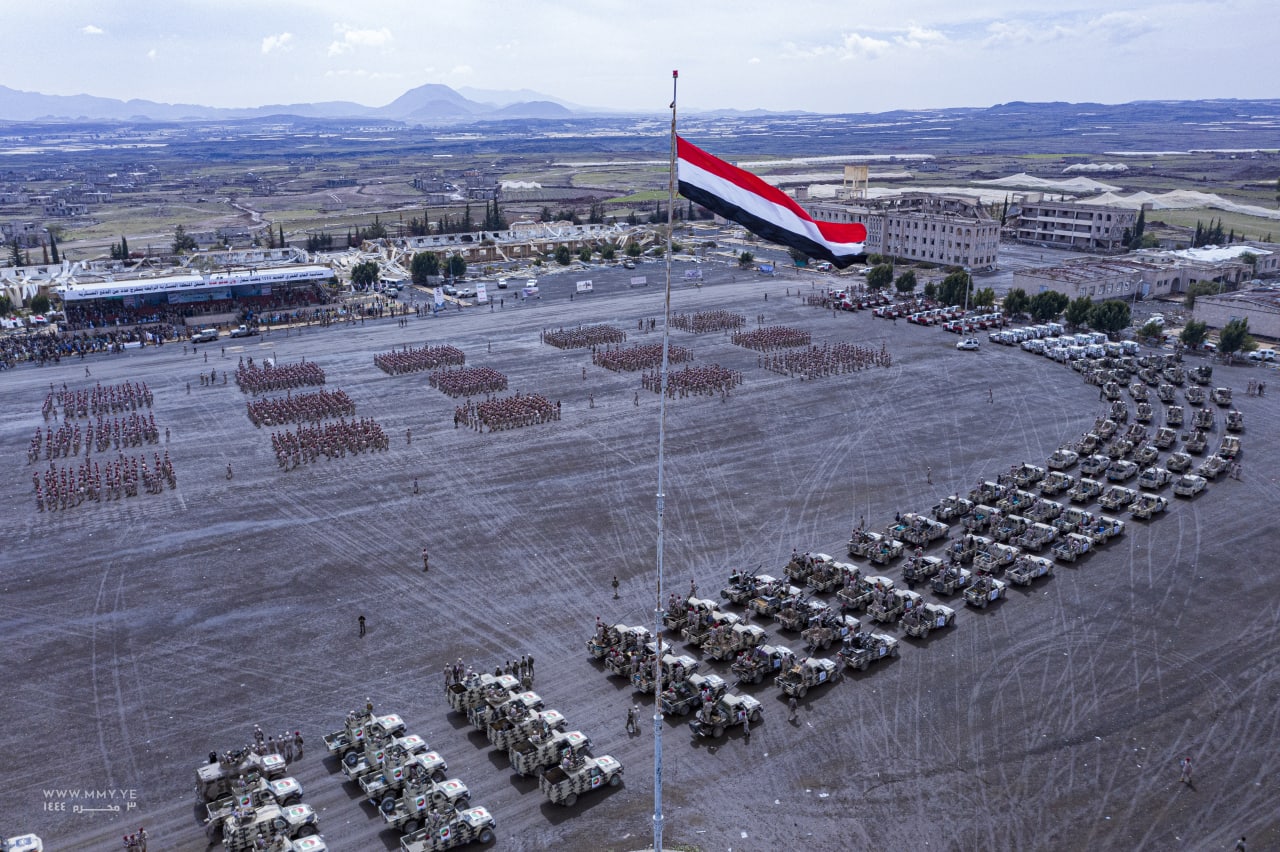
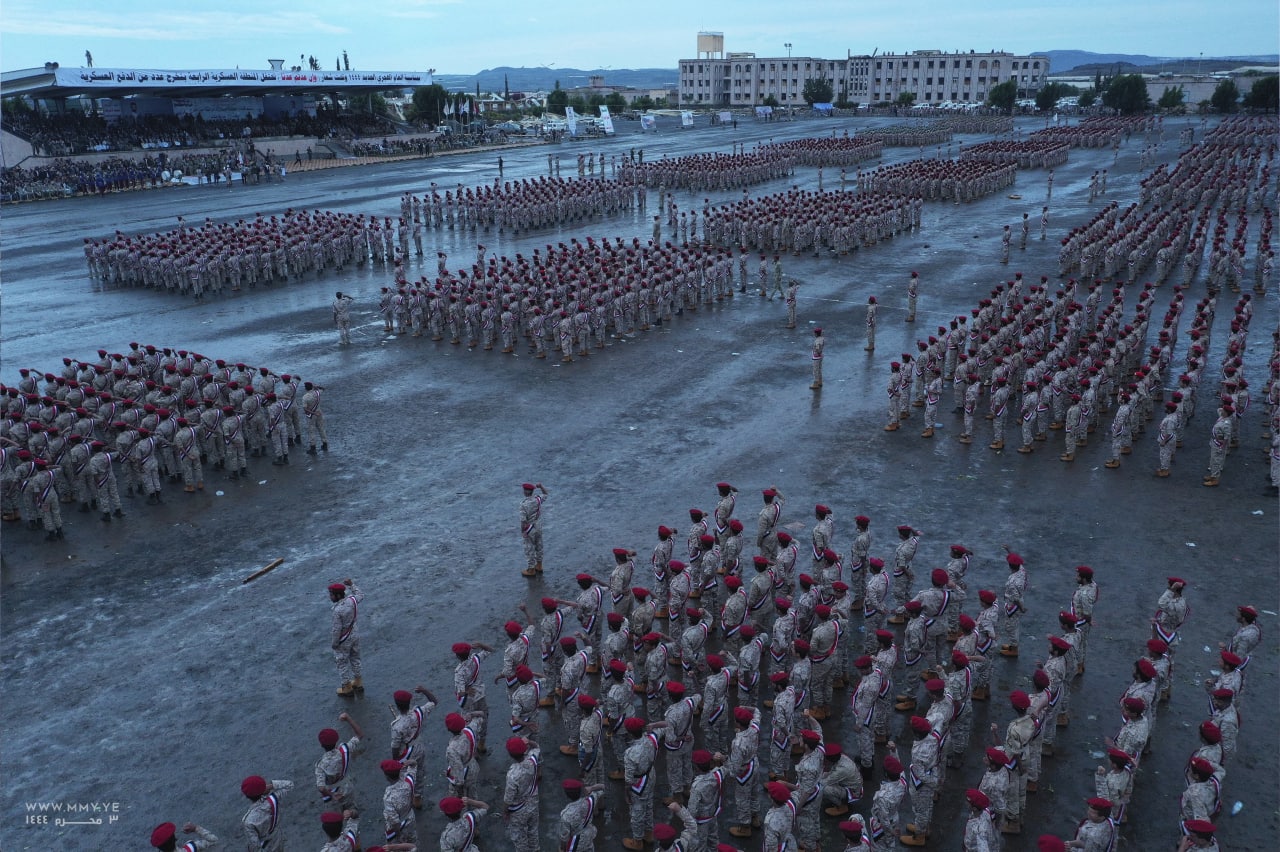
    The graduation ceremony of five thousand soldiers of the Yemeni army and popular committees was held on the occasion of the new year of Hijri in Sana’a city under the title “Wa in Odtom Odna” (referring to verse 8 of Surah Isra’) on the 1st of August. Mahdi Al-Mashat, head of the Supreme Political Council of Yemen, appreciated the efforts of the Ministry of Defense and other military officials of the Salvation Government of Yemen to rebuild the army and emphasized the independence and sovereignty of Yemen and said: “The enemy is preparing to continue the war And we are ready for it.”

    The Jizan battalions in the northern front of Saada province also held their parade under the title of “Martyr Zeid Ali Mosleh” in the presence of Saada governor Mohammad Jaber Awad on August 2 and emphasized their readiness to face the new scenarios of the Saudi-American coalition.

  • Azerbaijan’s attempt to capture Nagorno-Karabakh

    Azerbaijan’s attempt to capture Nagorno-Karabakh

    According to the map published by the Artsakh information headquarters, affiliated to the de facto Armenian government of Nagorno-Karabakh, four points have been identified as the main points of the attacks. Azerbaijani forces tried to advance from the north of this area near Suqovushan (Mataghis) to Tonashen (Tapakend) under the control of Armenians. The second conflict took place in the south of the region and the contact lines of the Karmir Shuka (Girmizi Bazar), the third point of tension in the northwest and 10 km from a monastery near Vank (Vangli). The fourth case of tension happened in the village of Yeghtsahogh (Sarybaba) near Shusha and the Lachin corridor.

    The Azerbaijani forces managed to make a partial advance, which were finally surrounded by the Armenian forces, and after the arrival of the Russian peacekeepers, the Azerbaijani army was forced to retreat with the escort of Russian peacekeepers. The Ministry of Defense of Artsakh announced that one of its soldiers was wounded, but Azerbaijan has not released anything yet.

    According to Azerbaijani sources on social media, Azerbaijani military convoys have been moving towards the Karabakh region from several directions, and an Armenian soldier has also been captured. This claim has not yet been confirmed or denied. News about the blocking of the Lachin Corridor and the conflict on the border of Armenia and Azerbaijan have also been rejected by all sides.

    The Russian OTP network has broadcast images of the movement of Azerbaijani forces towards Nagorno-Karabakh. According to this network, this attack has been carried out by gathering infantry, armored units and drone and artillery support.

    The Ministry of Defense of Russia confirmed the attack by the Azerbaijani forces and wrote: “The peacekeeping forces have contacted the Azerbaijani side and demanded an end to the conflict, and any change in the lines of contact between the two sides is unacceptable.”

    Click to view full size
  • What is the main reasons for the success of Ukrainian air defense systems against Russia

    What is the main reasons for the success of Ukrainian air defense systems against Russia

    In the war between Ukraine and Russia, despite the suppression of the Ukrainian air defense systems by the Russians, the Ukraine air defense systems has achieved considerable success. Therefore, we examine the reasons for the success of Ukraine’s air defenses as follows. These reasons can be divided into three parts:

    1- Incomplete suppression of the Ukrainian air defense systems:
    At the beginning of the battle, the Russians tried to suppress enemy radars by firing anti-radar missiles such as KH-31. But this air defense suppression was done very quickly and hastily, and the Russians only suppressed the early warning radars and active systems, and without completing the defense suppression process, they abandoned the middle layers of the air defenses and sent their forces into Ukraine.
    The Russians, speculating that a medium-range and short-range air defense systems without early warning radars are very ineffective, completely abandoned this part of air defense suppression and began ground and air operations to speed up their offensive process. But contrary to the speculations, some air defense systems successfully engage hostile targets even without early warning radars. Most of these systems were short-range defense systems like the TOR-M1.

    The use of free-fall bombs for offensive operations on frontlines or deep operations in a situation where Ukraine’s short-range and medium-range air defenses had not been suppressed is considered a tactical mistake by the Russians. In such a situation, the Russians should either completely suppress the air defenses or use high-range smart ammunition in their operations to be completely away from the effective range of Ukrainian short-range air defense systems. In a situation where the suppression of Ukraine’s ADs were not complete, the use of helicopters had a very high risk, which the losses of the Russians prove this fact. Because short-range air defense systems such as TOR-M1 are well capable of countering Russian cruise missiles and helicopters, and in addition to this, some man-portable air-defense systems (MANPADS) also helped the Ukrainian army a lot in destroying aerial targets. Some anti-armor missiles and other MANPADS donated to Ukraine, such as the FIM-92 Stinger for hunting helicopters, caused the Russians to suffer numerous casualties in this field.

    Read more: Military Knowledge: FIM-92 Stinger MANPADS

    2- Ukrainian tactics for hunting aircraft:
    The Ukrainian air defense has a significant number of short-range systems of various types. These systems have succeeded in destroying several Russian cruise missiles and several fighter jets in the current war between Ukraine and Russia. Due to the geographical and forest conditions of Ukraine, short-range defense systems such as Buk-m1 can hide well and hunt targets such as fighter jets, cruise missiles, etc. On the other hand, soldiers can easily destroy targets such as helicopters or drones with the help of MANPADS by camouflage and sheltering among environmental covers such as trees. Ukraine’s forests have practically created an excellent natural camouflage for Ukrainian ADs to hide and to some extent escape the suppression of Russian forces.

    Air defense assets of Ukraine before the start of the war (without taking into account the systems donated after the start of the war) are:

    • SA-14 (Strela-3), SA-18 (Igla), FIM-92 Stinger MANPADS
    • SA-2 and 3 missile defense systems
    • Short-range and low-altitude mobile missile defense systems SA-6, SA-8 (Osa), SA-13 (Strela-10 as a MANPAD), SA-18 (TOR-M1), SA-9 (Gaskin)
    • SA-17 (Buk-m1) short-range and medium-altitude mobile missile defense systems
    • ZSU-23-4 Shilka mobile short-range anti-aircraft weapon system
    • S-300PM long-range, high-altitude fully mobile missile defense system
    • S-200 high-altitude long-range fixed missile defense system

    3- Foreign military aids to Ukraine:
    From the very beginning, when the possibility of a conflict between Ukraine and Russia increased, NATO member countries, especially the UK and the United States, began providing arms. These aids included individual equipment such as AR-15 rifles to various anti-armor missiles such as NLAW, Javelin, etc., and these weapons had a great effect in destroying Russian tanks on the battlefields. Military aids and better equipment is still being sent to Ukrainians day by day. Understanding the process of equipment training, the US and other allies started sending Russian defense systems such as SA-8/10/12/14 to Ukraine. It can definitely be said that the western aid has kept Ukraine afloat until today.

    Read more:
    What shoulder-launched systems are Ukrainian forces using to counter Russia?
    Military Knowledge: STARStreak Anti-Aircraft Missile
    Military Knowledge: Switchblade Loitering Munition

    According to the definition of short-range defense, it has a maximum height of 15 km and a maximum range of 50 km. With the development of air-launched weapons, short-range defense is extremely vulnerable. For example, the new generation Hellfire missiles with a range of 20 kilometers which can be launched by drones, makes it easy to destroy short-range air defenses.

    Most of the time, a short-range defense is effective when it operates under the cover of medium-range or long-range air defense systems. If there are early warning radars, the location of the target can be detected before reaching the target, and in this way, detection and attack operations can be carried out by short-range air defense and prevent the air defense from being hunted.
    Considering the anti-radar capabilities of the Russian army and the extensive use of KH-31 anti-radar missiles, along with the reports of Ukrainian radars being targeted, it can be concluded that there is practically no early warning radar left on Ukrainian soil.

    A report from the CNN television network showed that an Airborne Warning and Control System (AWACS) E-3 is continuously patrolling and intercepting Russian fighter jets over the border between Poland and Ukraine. In his press conference, the President of the United States spoke clearly about providing up-to-date information to the Ukrainian side as soon as possible.

    A report from the CNN television network showed that an Airborne Warning and Control System (AWACS) E-3 is continuously patrolling over the border between Poland and Ukraine and detecting and intercepting the information of Russian aircraft. In his press conference, the President of the United States also spoke clearly about providing up-to-date information to the Ukrainian side.

    The AN/APY-1 radar of the US E-3 AWACS has the ability to identify a fighter jet from a distance of 320 km (of course, it also depends on the cross section of the radar). Or another example is the AWACS E3-A, the radar of this aircraft at high altitude is capable of detecting high-altitude flying targets from a distance of 650 km. The distance from the Polish border to the city of Kyiv is less than 450 km. The distance between the Romanian border and Kyiv is about 400 km. Considering the distance between the borders and the characteristics of the E-3 AWACS, this AWACS creates a suitable air cover and provides the necessary information to the air defense of Ukraine. There have been various reports of eavesdropping and surveillance flights around Ukraine. All of these and other intelligence aids contributed greatly to the execution of ambushes around Kyiv, and most of the Russian Air Force casualties were related to this.

    The Ukrainian army used to ambush in different places with a high probability of attack or close to the front lines by turning off and hiding the short-range systems. In such a case, the possibility of discovering these systems by Russia was not possible. The Americans, by analyzing satellite images and eavesdropping systems, check the possibilities of attack in different places and with the help of AWACS, eavesdropping and GPS, which is used commercially by the Russians, they determine the position of Russian aircraft and at the right time and place, the air defense systems intercepts and destroys targets. And AD systems quickly turn off the radar and change their location after the operation. This makes it difficult to identify them after the operation. Satellites, electronic warfare systems and even AWACS which are capable of detecting active radars, will not have enough time to detect the short-range radar system with this method.

    Realizing this, Russia withdrew from the vicinity of Kyiv and focused on the areas where the West could provide the least intelligence assistance to Ukraine. This increased the effectiveness of the operation and reduced the losses of the Russians in the air force sector.

  • Ayman al-Zawahiri, the leader of al-Qaeda, was killed! What will be the possible consequences of this assassination?

    Ayman al-Zawahiri, the leader of al-Qaeda, was killed! What will be the possible consequences of this assassination?

    During a press conference at the White House, US President Joseph Biden claimed that Ayman al-Zawahiri, the leader of al-Qaeda, was killed by the US military and the Central Intelligence Agency (CIA). The assassination operation of Al-Zawahiri was carried out on Saturday, July 31, in three possible places in the city of Kabul, the capital of Afghanistan.

    Read more: Explosion in Kabul city; US drone attack on ISIS or Pakistan’s attack on Tehreek-e-Taliban?

    Al-Zawahiri had carved a trail of murder and violence against American citizens. Now justice has been delivered and this terrorist leader is no more. Our intelligence agencies discovered Ayman al-Zawahiri’s hiding place in the past months. He had moved to Kabul to be with his family members. “After carefully examining the convincing evidence about his position, I ordered precision strike to remove him from the battlefield.”

    In this regard, the US media quoted officials of this country as saying that al-Zawahiri was on the balcony of his safe house in Sherpur area in the center of Kabul city when the US drone fired two missiles at him. Other members of his family were present in this building, but they were not harmed and only Al-Zawahiri was killed during this attack.

    Taliban spokesman Zabihullah Mujahid wrote in a statement in response to this attack that the recent attack in Kabul was carried out against a residential house in Sherpur area. He added: “The nature of this incident was not clear at first. The security and intelligence organizations of the Islamic Emirate (Taliban) investigated the incident and found that the attack was carried out by American drones. The Islamic Emirate condemns this attack for whatever reason it was carried out and considers it a clear violation of international principles and the Doha Agreement. These actions repeat the failed experiences of the past 20 years and are against the interests of America, Afghanistan and the region. Repetition of such actions will harm existing opportunities.”

    Ayman Mohammed Rabie al-Zawahiri was an Egyptian-born physician and theologian and the leader of the Islamic Jihad group in Egypt, who after joining Al-Qaeda as the second leader of this terrorist group was persecuted by Western countries, especially the United States. After the death of Osama Bin Laden in 2011, Al-Zawahiri took over the leadership of Al-Qaeda.

    Al-Zawahiri was opposed to ISIS from the beginning of its establishment, and perhaps one of the reasons for his removal is the creation of differences between the senior members of Al-Qaeda and pushing disaffected forces towards ISIS in Afghanistan and other Central Asian countries. Al-Zawahiri’s assassination will also create problems for America, because they carried out this assassination in Kabul, the capital city of Afghanistan, and killing a guest is shameful act in the “Pashtun” culture. In addition, there is a possibility that Al-Qaeda will respond to America, and despite the weakening of this group’s organization in recent years, there is enough power to carry out revenge attacks against American positions.

  • A Turkish servicemen was killed in northern Iraq

    A Turkish servicemen was killed in northern Iraq

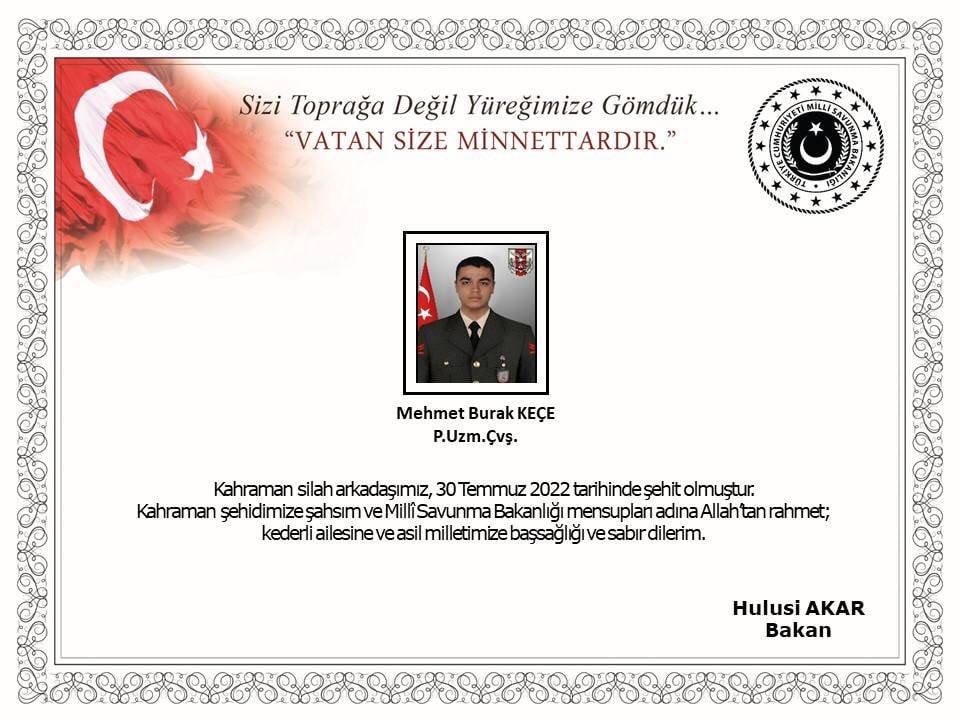
    On July 31, the Turkish Ministry of Defense announced that a Turkish soldiers, Mehmet Burak Kece, was killed during Operation Claw Lock in northern Iraq. Turkish MOD claims that this person died due to bee sting and severe allergic reaction.

    Thus, with the death of this Turkish soldier, the number of casualties of the Turkish army in Operation “Claw Lock”, which began in the morning of April 18 increased to 45 servicemen.

    It is worth mentioning that on July 25, also the Turkish Ministry of Defense announced the death of one servicemen and four security forces of this country during the Claw Lock operation in northern Iraq.

    Read more: Five Turkish servicemen were killed in northern Iraq

  • Explosion in Kabul city; US drone attack on ISIS or Pakistan’s attack on Tehreek-e-Taliban?

    Explosion in Kabul city; US drone attack on ISIS or Pakistan’s attack on Tehreek-e-Taliban?

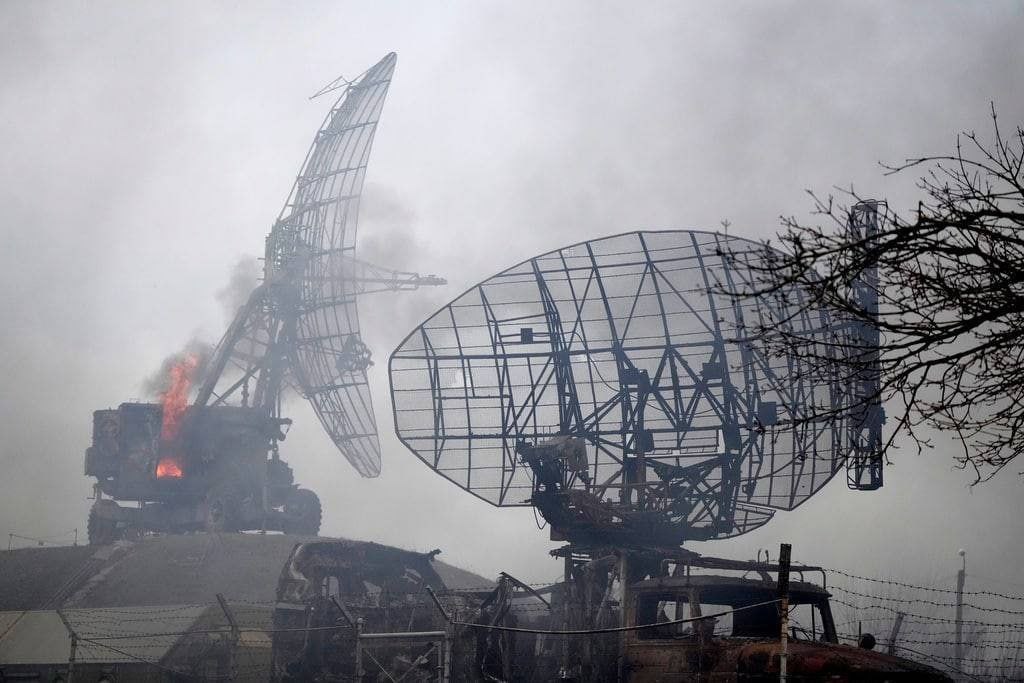
    On the morning of Sunday, July 31, several explosions shook the areas of Sherpur and Wazir Akbar Khan in the 10th district and Deh Mazang located in the 3rd district of Kabul city. Some local sources believe that the Pakistani army aircraft have attacked three places belong to Tehreek-e-Taliban Pakistan (TTP) militants, and some other local sources have reported the observation of American drones in the sky of Kabul and attributed these explosions to US airstrikes.

    On the other hand, Rahmatullah Nabil, the head of the national security of the previous government of Afghanistan, quoted from the same sources, confirmed the US airstrikes on Kabul and said: “According to the Doha agreement, the US will help the Taliban in fighting and suppressing ISIS. According to local sources, American drones were seen in the sky of Kabul this morning and attacked different areas in Kabul city. Most likely, the targets of these attacks were ISIS hideouts. The Taliban must know that if they do not support the Afghans, their government will not last long. They cannot run the country and there is a great risk of turning Afghanistan into a haven for extremists.”

    The flight of unidentified drones over Kabul and other Afghan cities is a topic that has been repeated many times since the beginning of this year. These drones have previously attacked the Shurabak base in the northwest of Lashkargah city, the Tohidabad base and the Haydarabad base in Ghazni city, and so far there is no reliable details about the cause and origin of these attacks.
    Read more: Ayman al-Zawahiri, the leader of al-Qaeda, was killed! What will be the possible consequences of this assassination?

  • IED attack on US convoy in Iraq

    IED attack on US convoy in Iraq

    According to data obtained by ISWNews, this is the 93rd attack by Iraqi resistance groups on US assets in Iraq in 2022.

    Read more:
    Infographic: Iraqi Resistance Groups Operations Against the US in 2021
    Infographic: Iraqi Resistance Groups