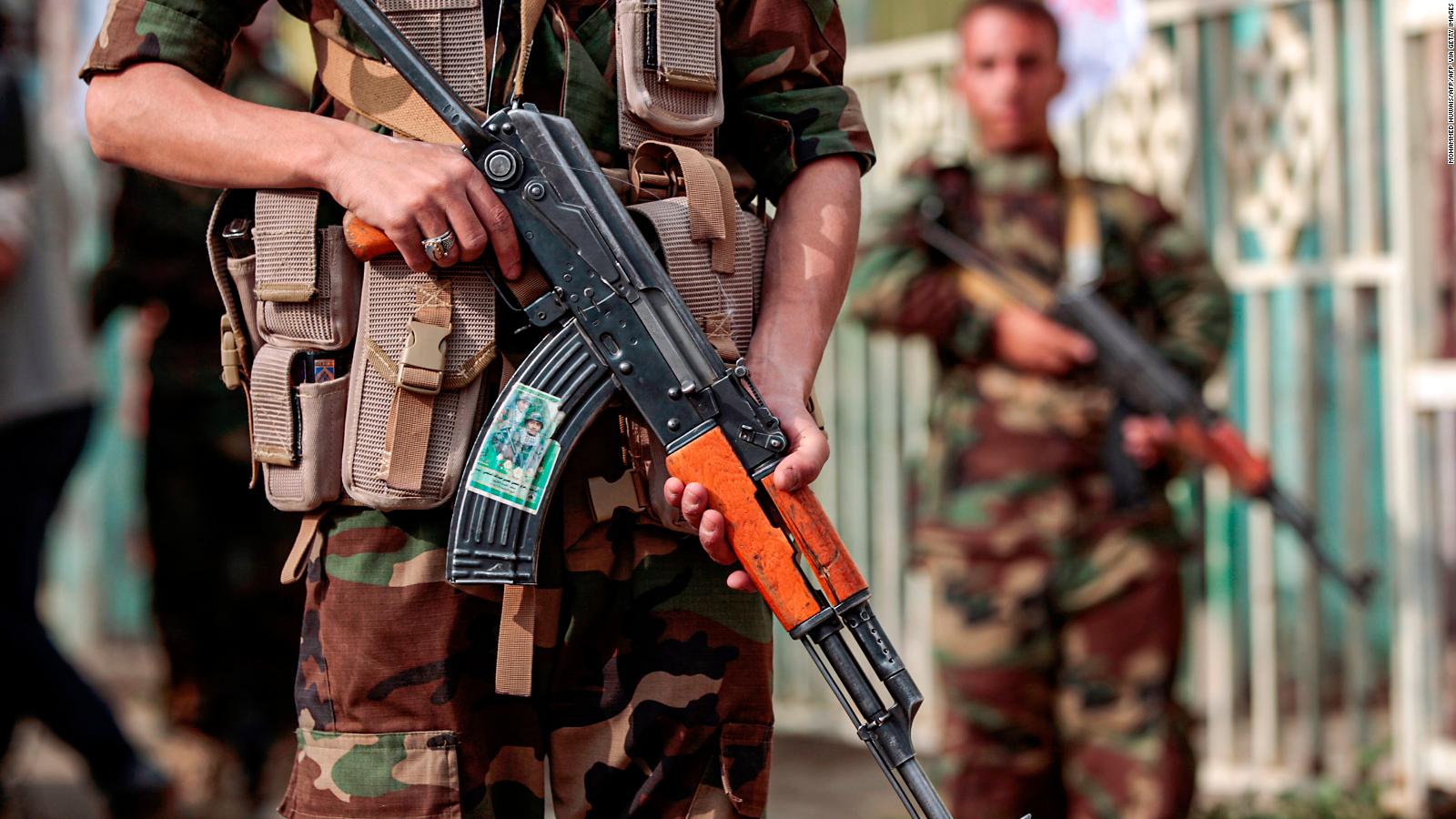
The Ayn al-Ansaniyah Research and Statistics Center has released statistics on the crimes and atrocities committed by the Saudi coalition against Yemen during the 2555 days of war.
Statistics of the Saudi coalition aggression on Yemen after 2555 days: The total number of martyrs and wounded is 46,262, of which 17,734 are martyrs, of which 2434 are women and 4017 are children. 26931 people were injured, of which 2910 were women and 4586 were children.
In the past 2555 days, the Saudi coalition has destroyed 15 airports, 16 ports, 340 power stations and generators, and 609 networks and communication stations. Also, 2799 reservoirs and water distribution system, 2091 government facilities and 6743 bridges and roads were targeted or destroyed.
The number of destroyed and damaged factories reached to 404. 378 fuel tankers, 11901 business establishments, 433 poultry and livestock, 9770 transport means, 482 fishing boats, 999 food stores, 416 fuel stations, 696 markets and 965 food trucks were destroyed and damaged.
The number of destroyed and damaged civilian houses has reached 590,069. 182 university centers, 1612 mosques, 375 tourist centers and 410 hospitals and health centers were destroyed and damaged. The Saudi coalition attacks also destroyed and damaged 1214 schools and institutes, 9721 agricultural lands, 139 sports facilities, 253 historical sites and 60 media centers were destroyed and damaged.
The spokesman for the Yemen Armed Forces, Brigadier General Yahya al-Sari’, on the occasion of National Resistance Day presented the statistics of seven years of fighting with the Saudi coalition.
General Yahya al-Sari’: “Today, we are still standing on the eve of the eighth year of steadfastness and after seven years of resistance. This is a historic achievement that the children of a free Yemen have achieved with the help of God. In this battle, tens of thousands have been martyred and wounded, and millions of people have been affected by the enmity and siege of the enemies, and these sacrifices will not be lost, and we will fulfill our covenant with the martyrs and there will be no retreat from our achievements. On March 26, 2015, the Yemenis were surprised by the enemy’s all-out military offensive on land, sea and air. The aggression in the first year was at an unprecedented rate, and in that year the armed forces were unable to monitor the various attacks of the enemy due to the large number of attacks. We faced 100 to 400 airstrikes in one day, and in addition to the bombing, the invasion from the sea and border areas continued fiercely. The total number of air strikes that the armed forces managed to observe is 274,243.
We do not forget the scenes of horrific massacres. We do not forget the scenes of our children when they are pulled out from under the rubbles. We do not forget the murder scenes of our women. We will never forget the tears of the mothers of the martyrs. We will not forget the horrible crimes of what has happened to us and what is happening to us. Proud and lofty homeland, Yemen… Yes Yemen… We will not forget the history, identity, culture, economy and foundations of Yemen.
Despite the pain and terror created by the enemy, we did not cry! But we shouted. From American crimes in the region and their stupid mercenaries like: criminal Saudi and others in Abu Dhabi and other countries. We have not seen anything in Yemen except American bombs and use of prohibited weapons. Stop interfering in the internal affairs of Yemen, in order to gain security. Security must be for everyone!
The Armed Forces, with the help of God Almighty, carried out more than 13,208 military operations during the battle to counter the brutal aggression, of which 6,681 were offensive operations and 6,527 were repelling and neutralizing enemy attacks. Among our most prominent military operations are Operation Nasr Min Allah in three phases, a large military operation whose details have not been announced, Operation Bonyan al-Marsous, Operation Famkana Minhom, Baas al-Shadid, Operation Rabi al-Intisar, Operation Al-Bayda, Al-Dhala, Shabwa, Marib, Operation Deterrence Balance, Operation Aasar al-Yemen (Storm of Yemen) in three phases, Operation Kasra Al-Hesar (breaking the siege of Yemen) in three phases, and ten other operations, the details of which have not been disclosed.
Yemen Armed forces operations have killed and wounded 10,759 members of the Saudi army, 1,251 members of the UAE army, 9,440 Sudanese mercenaries and more than 253,693 Yemeni mercenaries.
More than 17,397 vehicles, armored vehicles, personnel carriers, tanks, bulldozers and military machinery were destroyed and set on fire. Of these operations, 10518 operations have been documented visually.
The missile force conducted 1,826 military operations, including 1,237 operations inside Yemen and 589 operations outside Yemen.
The number of operations of the Air Force UAV unit is 11562 operations, which includes 2176 operations inside and 953 operations outside Yemen and 8433 reconnaissance operations.
The operations of the Air Defense Forces are 4221 operations, of which 1971 operations led to enemy aircraft destruction and losses, and 2250 operations that forced the enemy aircraft to withdraw. Air defense operations have resulted in the downing of 158 UAVs, 13 fighter jets, 10 Apache helicopters, and 6 military transport helicopters. 34 American drones and 95 spy drones were destroyed.
The Navy and Coast Guard conducted 35 operations during the seven-year battle, the most important of which were attacks on the Saudi Medinah Frigate, the Saudi-owned Dammam Frigate, and the UAE HSV-2 Swift warship, as well as the seizure of the UAE-owned Ravi military cargo ship in the Yemeni waters.
The total number of operations carried out by the ground forces are 211,136. In these operations, the engineering unit has performed 52,175 operations, including 22,854 operations against enemy gatherings, 24,907 offensive and defensive operations and targeting enemy fortifications, and 4414 operations of enemy armored and military vehicles.
The anti-armor unit carried out 7412 operations, including 2689 operations against enemy fortifications, gatherings and barracks, and 4723 attacks against military and armored vehicles.
The artillery unit carried out 85,634 operations, including 1,150 joint operations with UAVs, 15,269 operations with Zilzal-1 missiles, which resulted in fires, damage and destruction of more than 1,078 vehicles, armor, tanks, artillery, rocket launchers and weapons depots.
The total operations of the sniper units since entering the battles has reached 65,915 operations. Over the past two years, this unit has been able to increase its presence on the northern and eastern fronts and, with God’s help, has achieved significant achievements. Since the unit became active, 941 Saudi soldiers, 1,127 Sudanese mercenaries and 54,417 Yemeni mercenaries have been attacked. Also, 9298 attacks on armored and military vehicles, 124 enemy snipers and 8 UAVs were attacked by the sniper unit.
The Yemeni people and armed forces are using their legal right to defend themselves against foreign aggression and will continue to defend their land, sovereignty and independence. It does not matter what our cost is, what matters is the cost to the enemies. The Yemeni Armed Forces, with God’s help, are conducting a test operation for new quality weapons that will enter the battlefield in the next phase. We renew our covenant with God and promise the oppressed and victorious people that, God willing, the eighth year will see a quality military operation that will lead to the further liberation of the occupied territories and the enemy’s territory. Our target bank will include the aggressors’ assets and its most prominent vital features. The Armed Forces calls on all the free people of Yemen to fully preserve the achievements of the past years and to build on them as the resistance continues until freedom and independence are achieved.
According to Hans Grundberg, the UN special envoy to Yemen, Ansar Allah and Mansour Hadi’s ousted government agreed to a UN proposal for a temporary ceasefire. This agreement will be effective from 7 pm on April 2 until June 2, 2020 and can be extended.
The details of this temporary ceasefire agreement are as follows:
1- According to this agreement, all ground, air and naval military operations inside and outside Yemen will be stopped. 2- 18 ships, including oil tankers, will arrive at Al-Hudaydah port within two months. 3- Sanaa Airport will have a total of 16 commercial flights with Jordan and Egypt during this period. 4- Exchange of all prisoners of war between the two sides, including foreign prisoners.
Coinciding with the implementation of the agreement, the United Nations has called on the Yemeni side to begin negotiations to reopen the blocked routes in Taiz, Marib, Al-Jawf and other provinces to facilitate the movement of civilians. If the ceasefire is successful, the Yemeni side can consider the next steps.
One day after the implementation of the ceasefire agreement, in the last 48 hours, 167 ceasefire violations in Al-Hudaydah province, 7 attacks on the fronts of Saada province, 2 attacks in Hajjah province, 2 attacks in Taiz province, 3 attacks in Al-Jawf And one case occurred in Al-Bayda province. In the most prominent case of ceasefire violation, the Saudi coalition has killed three civilians in an artillery attack on Shada district in Saada province. The Saudi-affiliated media have also claimed that Ansar Allah attacked the positions of the Saudi coalition forces on the Taiz and Al-Hudaydah fronts during the past hours.
Despite the ceasefire violation, the Cylinder Sapphire tanker, carrying diesel fuel, arrived in the port of Al-Hudaydah after a 88-day detention.
In general, the Saudi coalition and the Yemeni armed forces have supported the agreement and committed themselves to a ceasefire. Iran, the United States, Oman and other countries have also welcomed the ceasefire. But what threatens this agreement is its time limit.
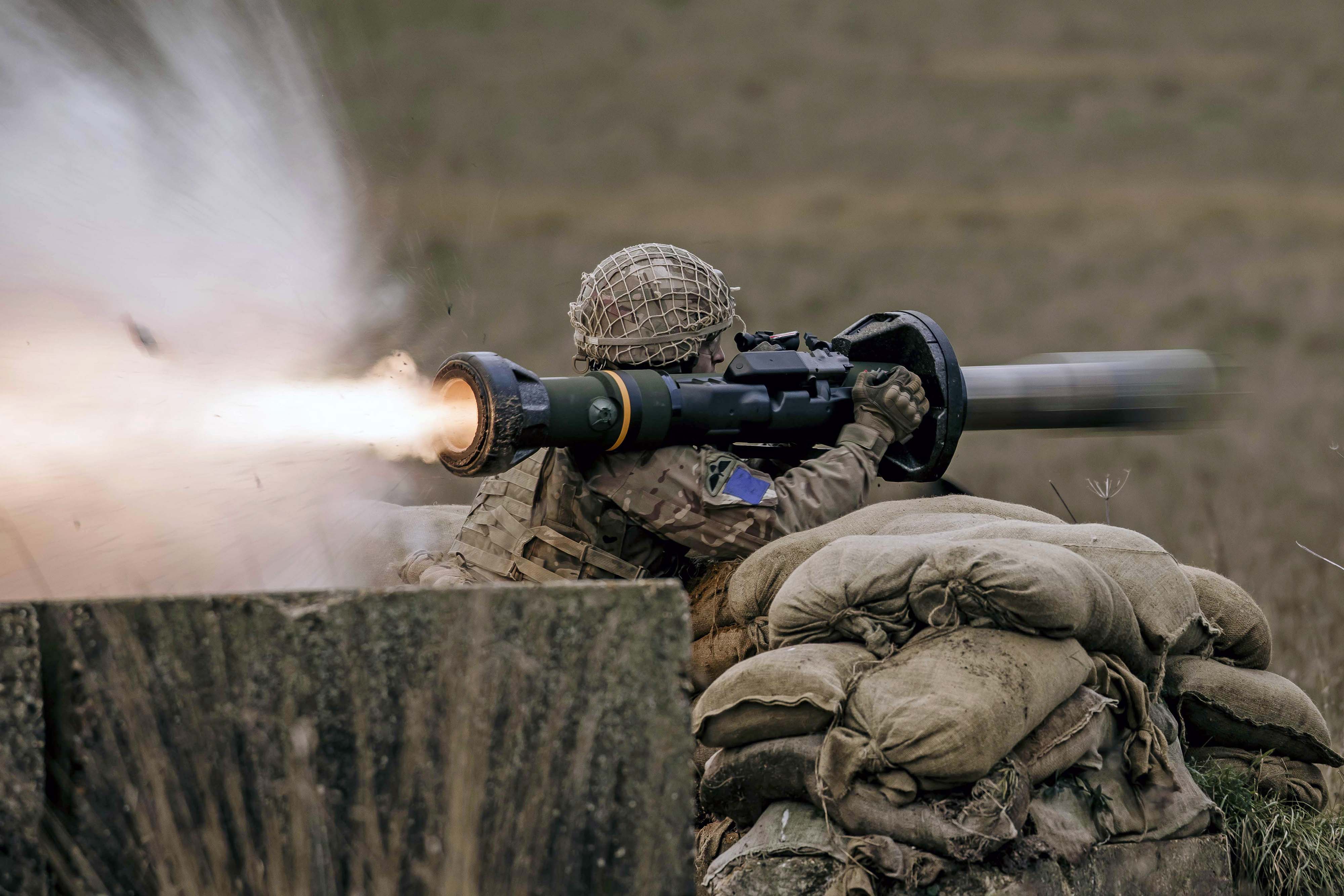
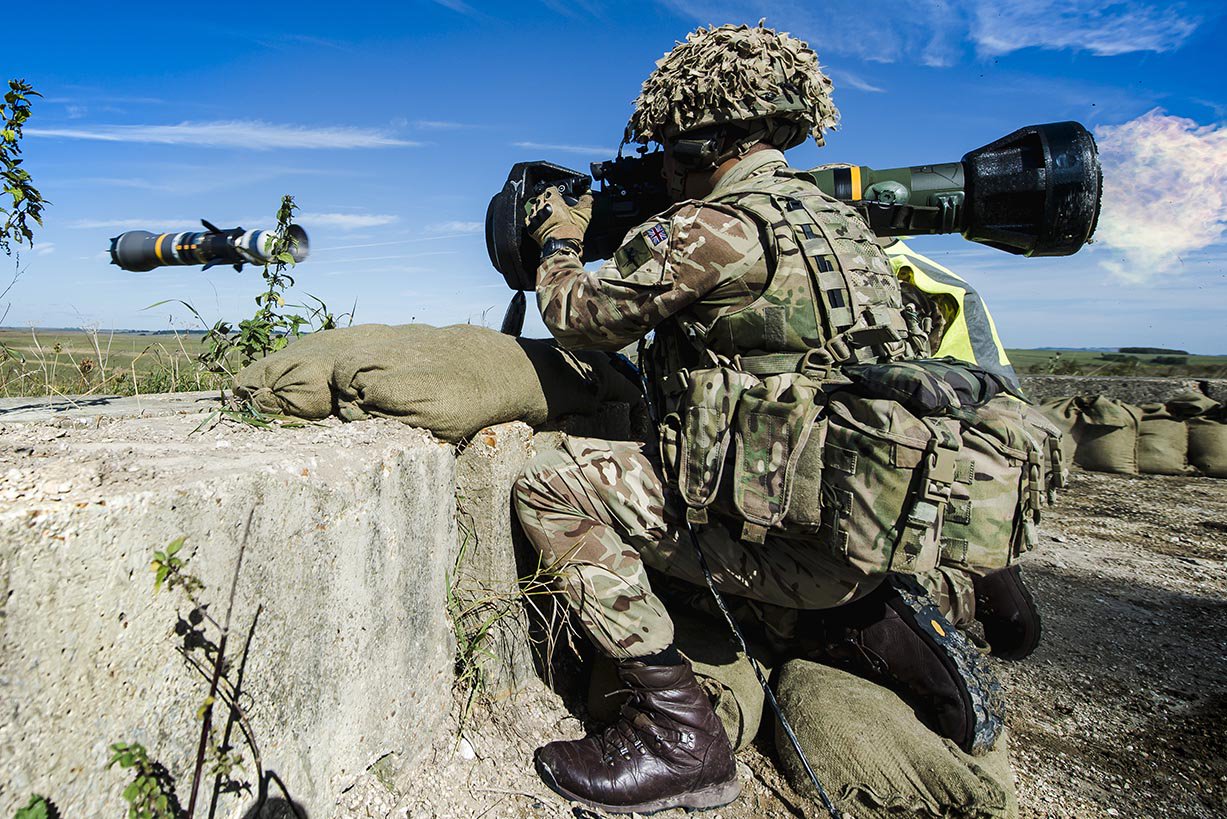
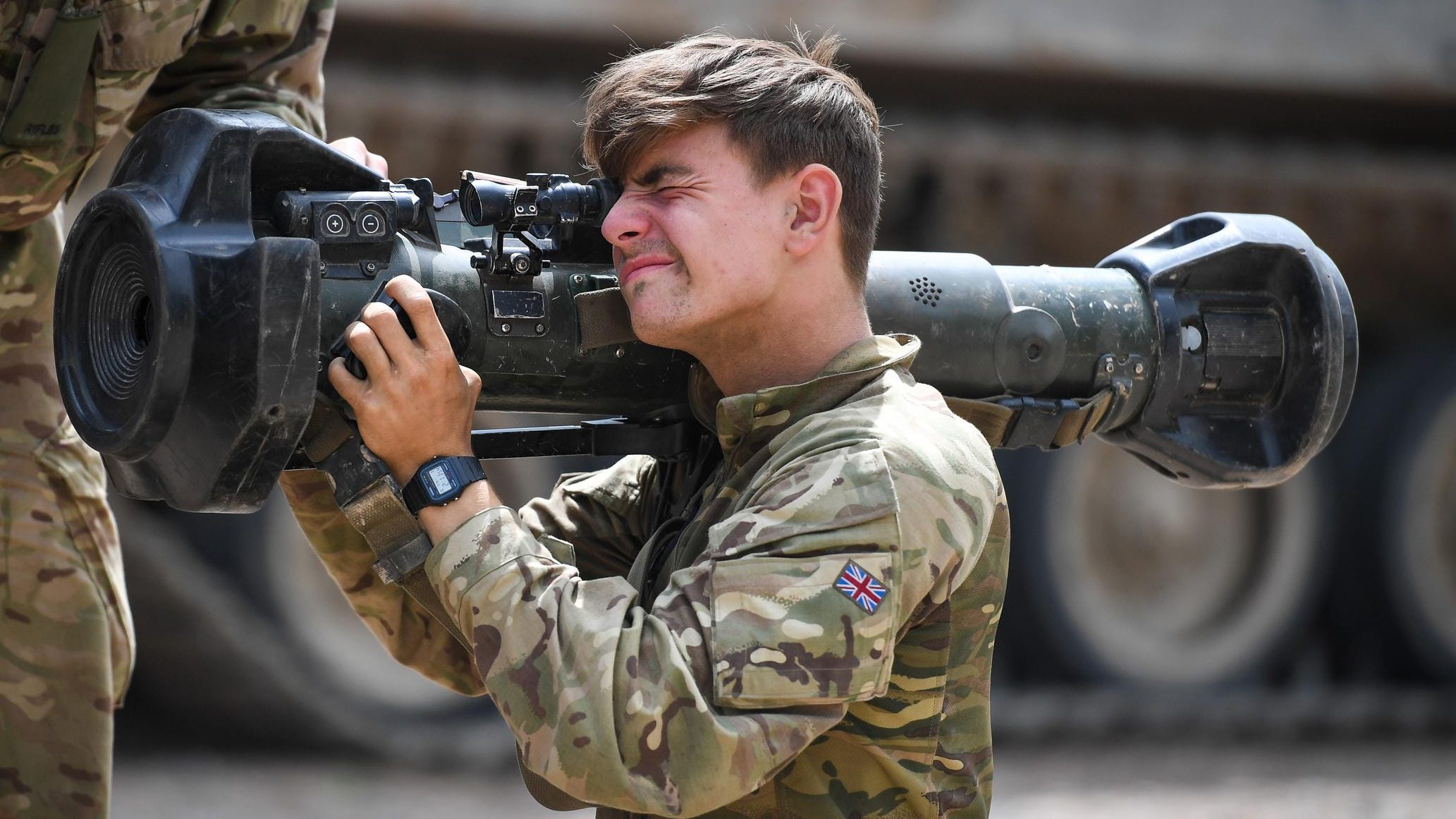
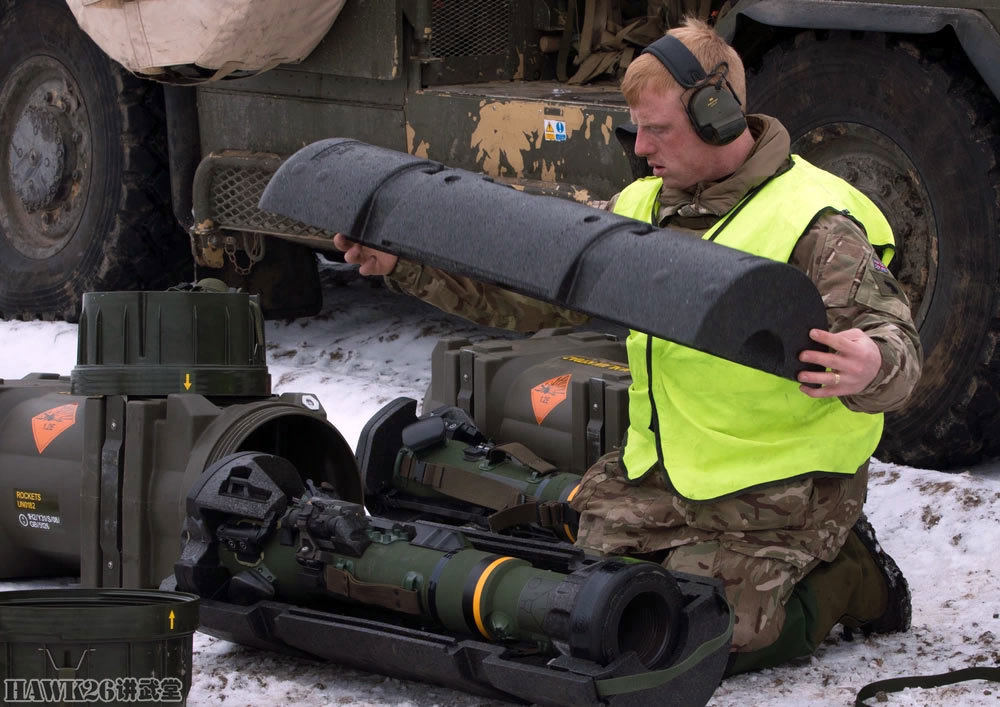
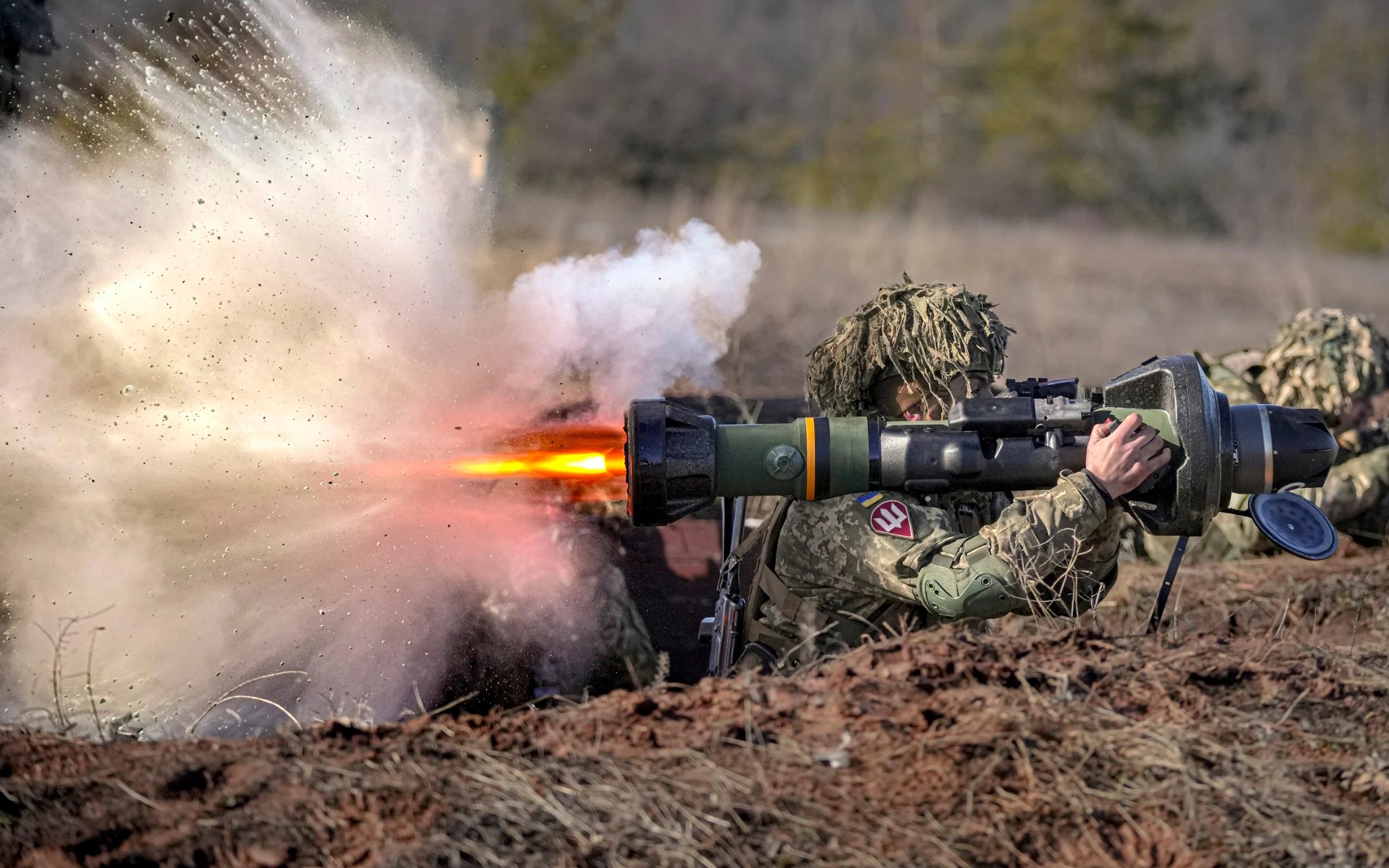
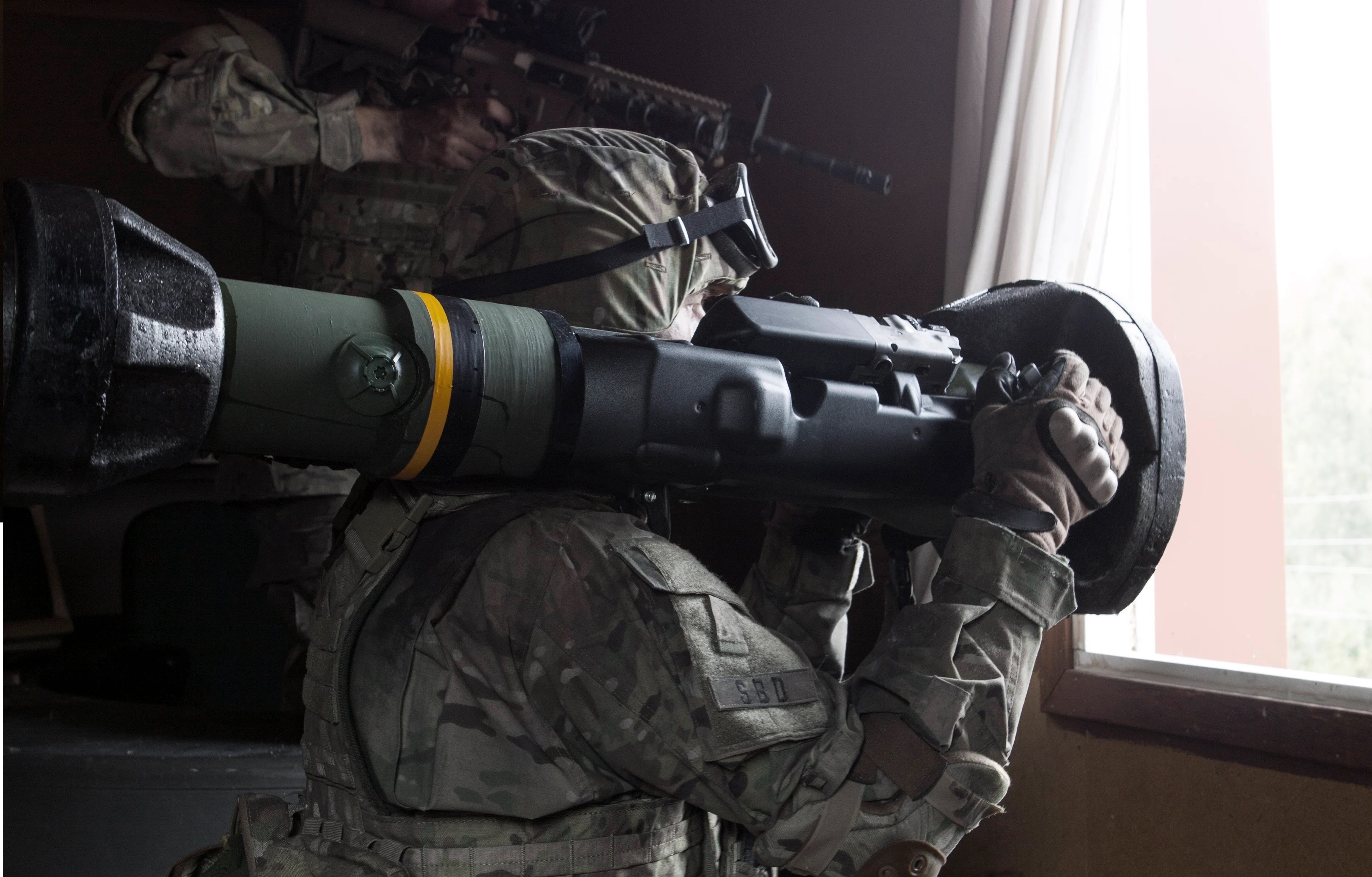
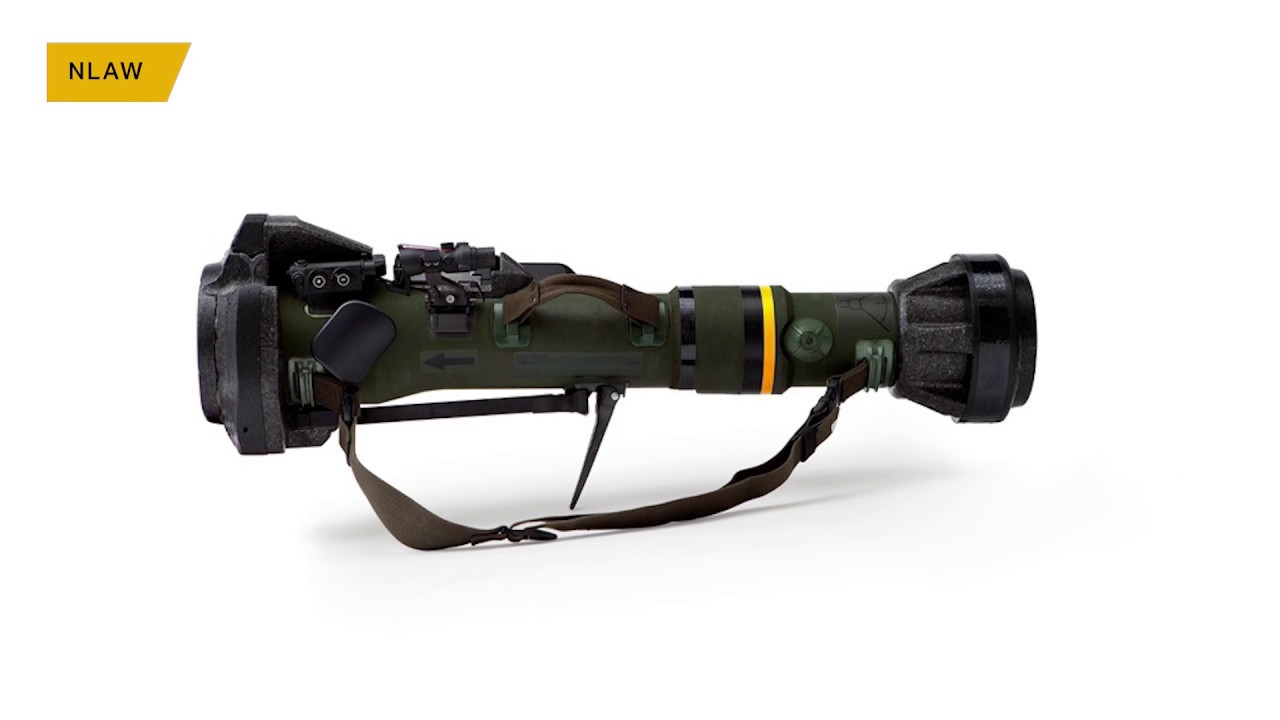
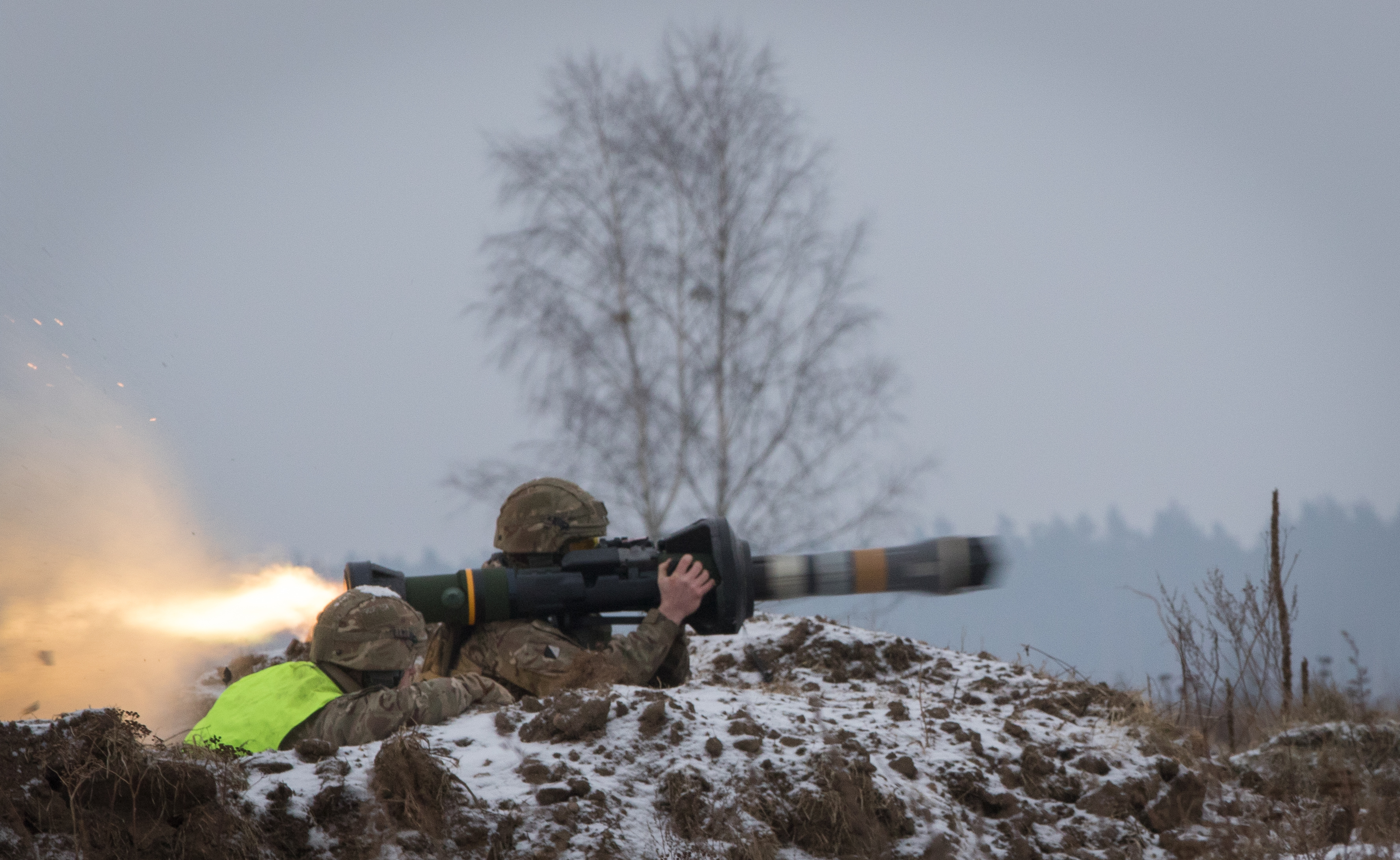
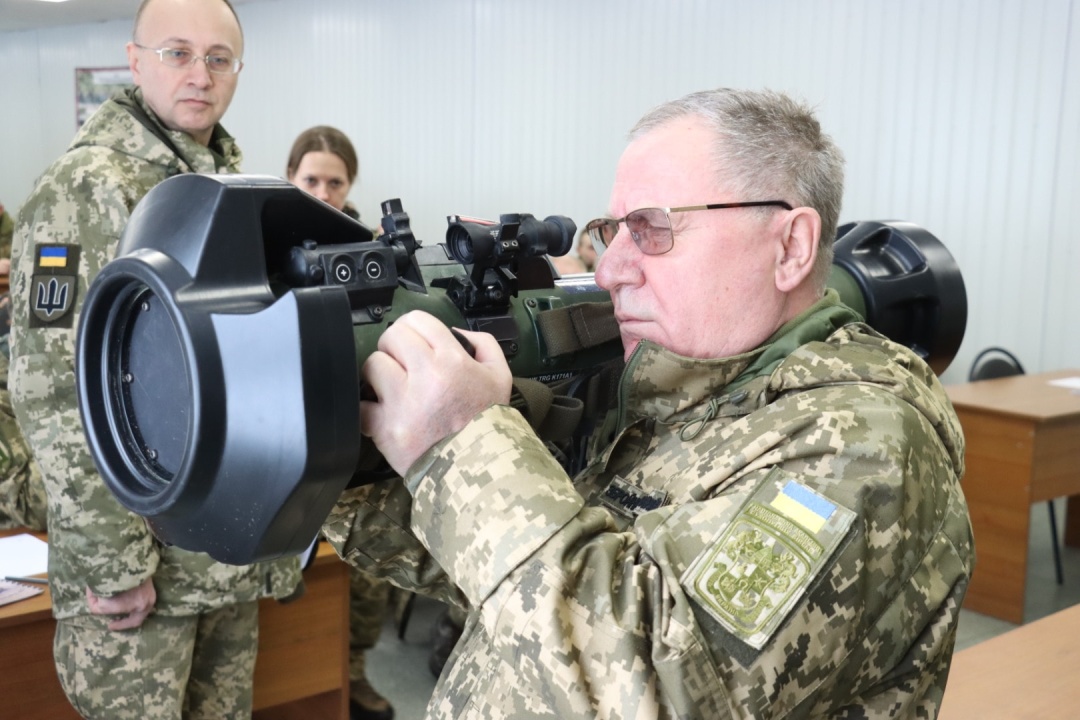
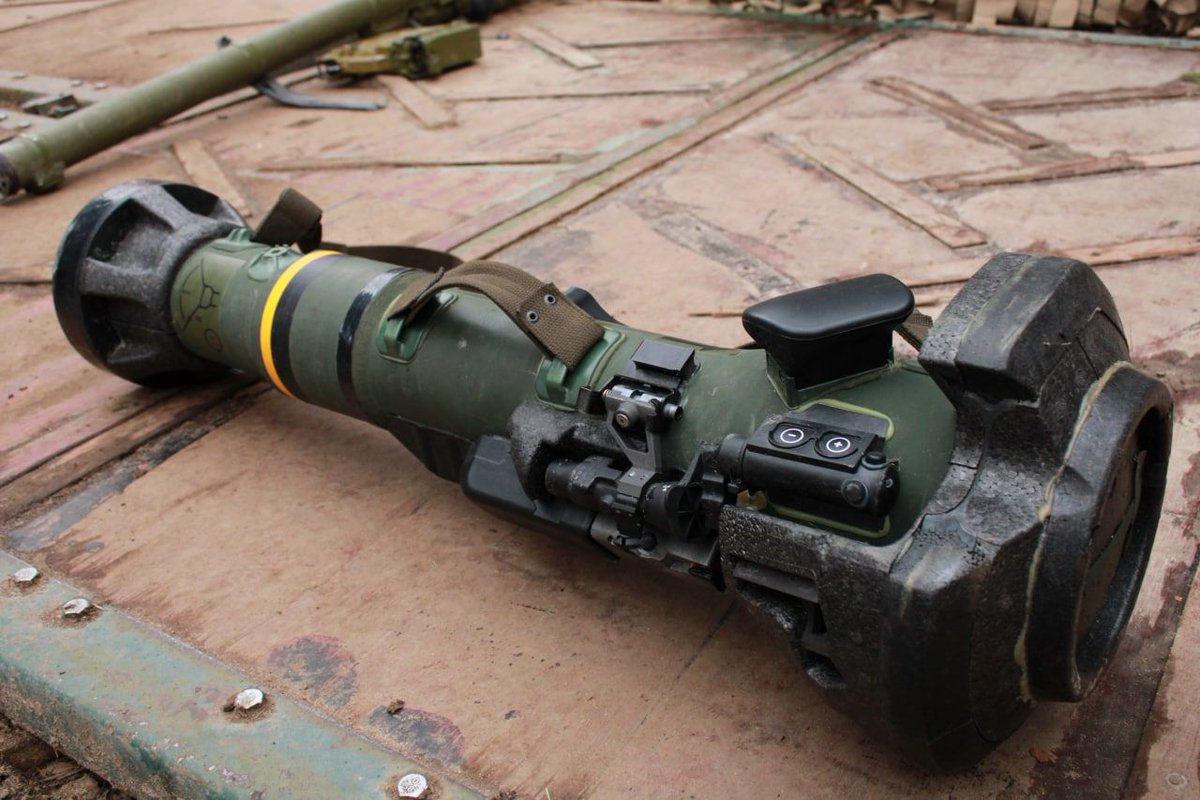
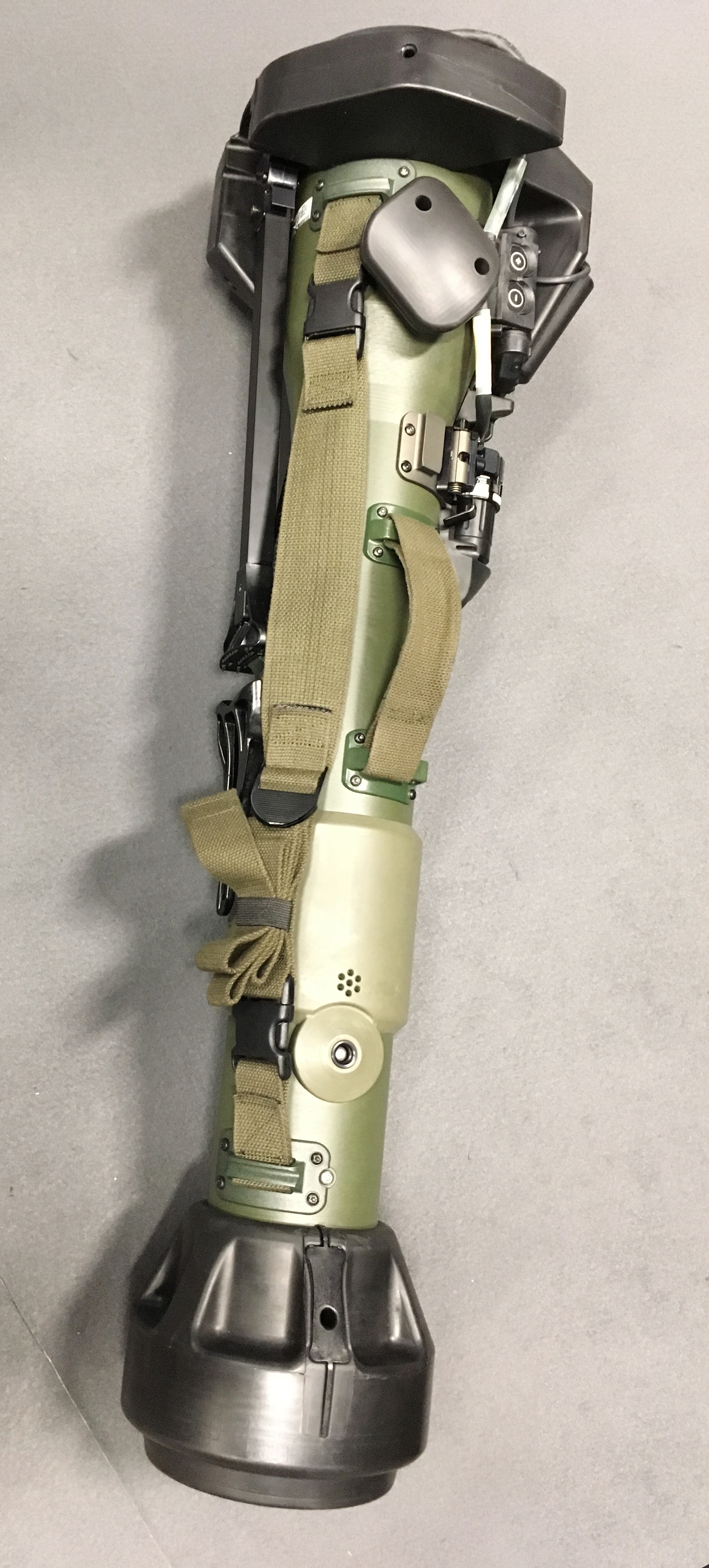
NLAW is a fire-and-forget, lightweight shoulder-fired, and disposable line of sight missile system, designed for use by infantry. The missile, using a soft-launch system, is guided by predicted line of sight and can carry out a top attack or direct attack. It was developed in Sweden by Saab Bofors Dynamics, and manufactured in the United Kingdom, mainly by Thales Air Defence. Users of the weapon include Finland, Indonesia, Luxembourg, Malaysia, Sweden, Switzerland, Ukraine, and the United Kingdom.
The NLAW missile development project was completed in 2002. The guidance technology of this missile is taken from BILL 2 missile and the small and compact configuration of this missile is obtained from AT4 anti-tank missile. The UK Department of Defense is probably looking for more than 20,000 NLAW missiles, with an estimated storage life of 20 years.
One of the salient features of this missile is its ability to fire from closed locations. For this purpose, the missile with a low pressure propulsion is activated first and after leaving the closed position, its powerful propulsion is activated. Since in urban battles it is necessary to shoot from inside the buildings, if the missile does not have such a capability, its operator will be harmed, and when the weapon has such a feature, it is very suitable for urban battles and hitting enemy armored forces inside cities.
NLAW ATGM specifications: Range: 800 m Weight: 12.5 kg Length: 1.016 m Warhead: High-explosive anti-tank combined overfly top attack, direct Warhead penetration: more than 500 mm in rolled steel
The Russian military recently issued a statement on the recent retreats on the northern fronts, saying that the retreats carried out in a controlled manner and after achieving predetermined goals. According to Russia, the main purpose of the operation on the northern axes was to keep Ukrainian forces busy to protect the capital and important cities, and now that this goal has been achieved, the main focus will be on capturing the Donbass region.
Although, the Russian military said the achievement of predetermined goals was the main reason for the withdrawal from the Kyiv and Chernihiv fronts; But the difficulty of fighting on these fronts, poor logistical support for leading armored units, poor execution of operational plans, incoordination between units of different factions, as well as heavy resistance of Ukrainian forces equipped with all types of anti-tank weapons were other important reasons for the Russian military to make such an important decision.
Following the announcement of the withdrawal from the northern fronts, the Donbas region is witnessing the sending of large military convoys of the Russian army. The Russian military is now focusing on southeastern Ukraine to achieve one of its main goals since the start of the war, namely the liberation of the Donbass region. Therefore, in the coming days, the Donbas region will witness a wider range of battles and bombings, and the Russian army will attack with greater force to maintain its reputation and reliability.
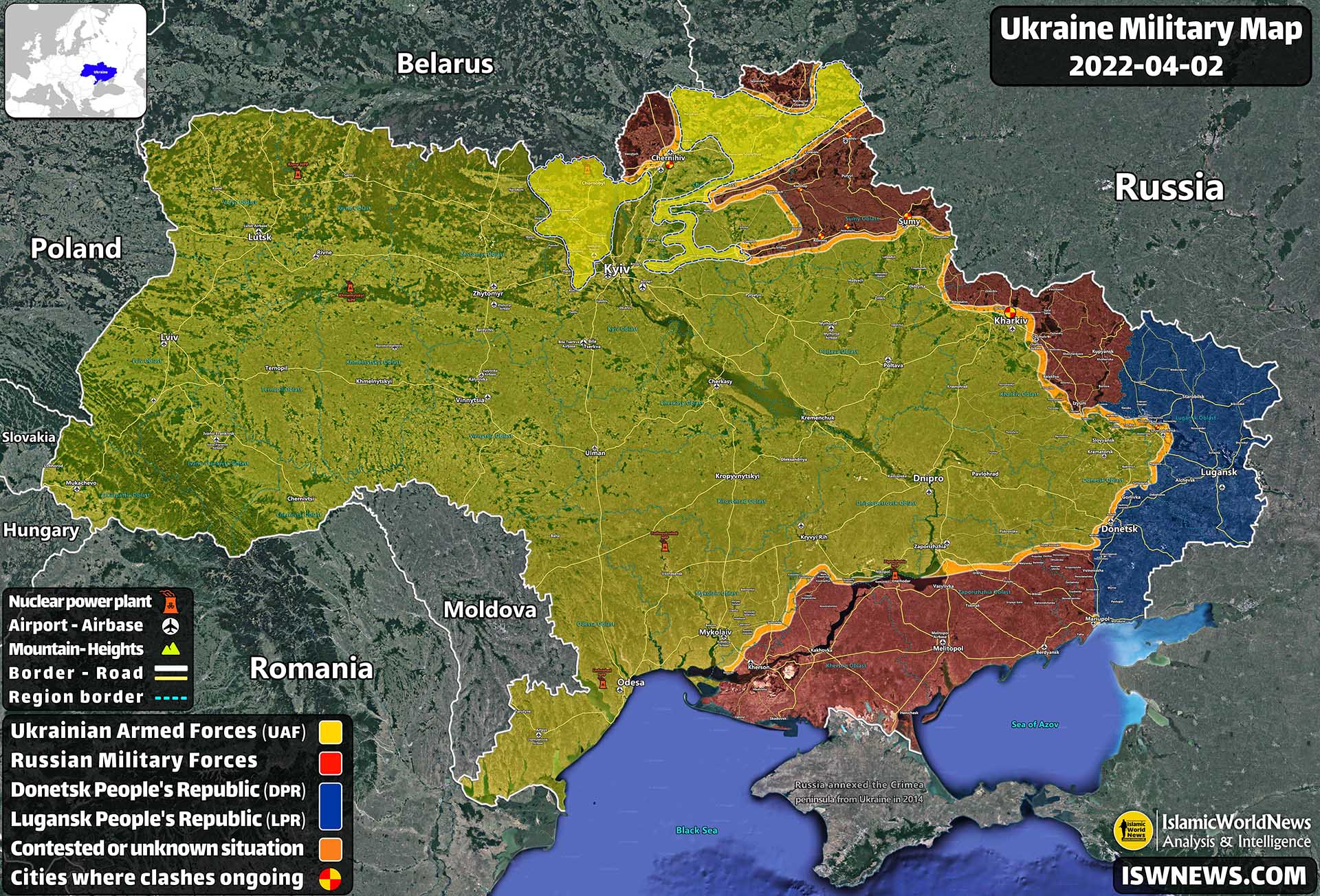
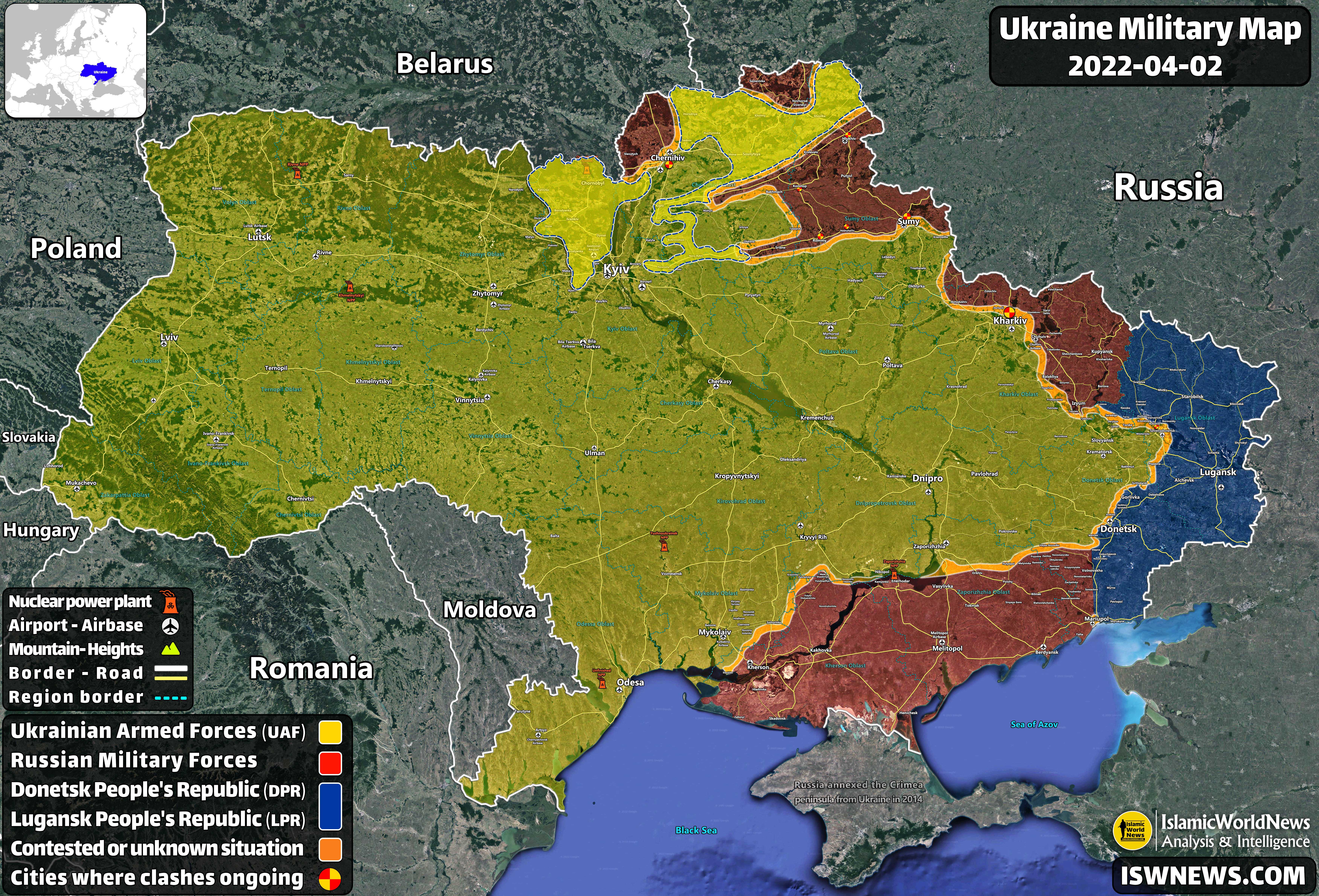
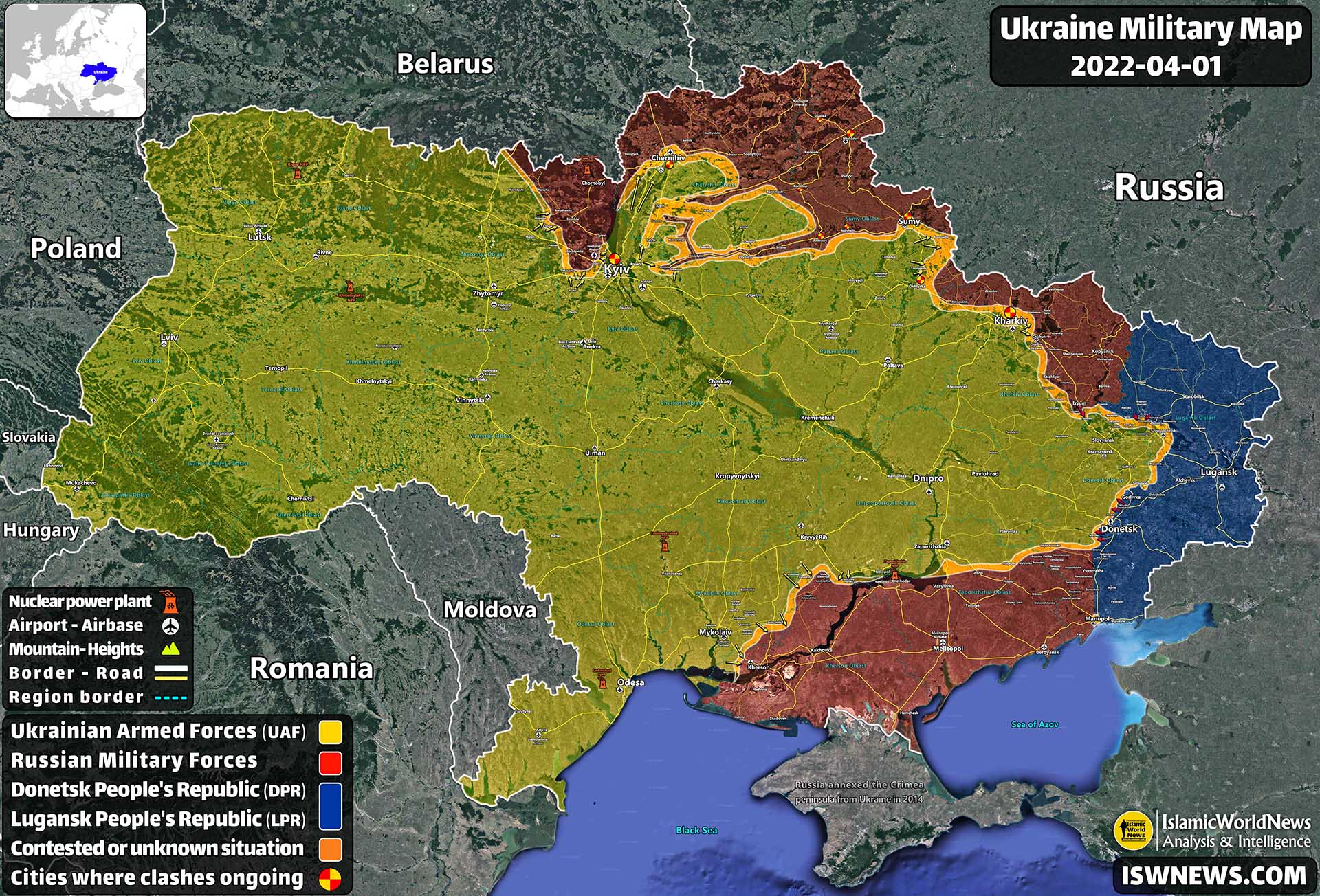
Last week, on the northern front and around Kyiv and Chernihiv, Ukrainian forces recaptured a number of points. In western Kyiv, after counterattacks by Ukrainian forces, Russian troops retreated behind the Kyiv-Zhytomyr road. Counterattacks by Ukrainian forces on the Ivankiv axis also led to the withdrawal of Russian forces from areas west of Ivankiv. In northern Kyiv, Ukrainian forces released water from the Irpin Dam, halting Russian advance on the axis and taking control of the Moshchun and Horenka areas. In eastern Kyiv, Ukrainian forces launched a counterattack and pushed back Russian forces from the Brovary area.
Around Chernihiv also, the UAF pushed back the Russian forces from the southwest of Chernihiv. On the other hand, Russian forces took control of the village of Slavutych, west of Chernihiv.
Following the withdrawal of the Russian army on major axes in Kyiv, Chernihiv and other fronts, the Russian Ministry of Defense issued a statement claiming that the withdrawals made last week were in a controlled manner and in line with the goals set by the army. The Russian Defense Ministry claimed that in the past month, the main goal was to keep Ukrainian forces busy to protect important and large cities, and now with this goal achieved, the forces have withdrawn from some fronts and the second phase of operation focused on liberating the Donbass region.
Click to view full size
On the western front, Ukrainian forces took control of the town of Trostyanets. Counterattacks by Ukrainian forces in southern Sumy also led to the withdrawal of Russian forces from some parts of the region. In southeast of Kharkiv, UAF pushed back Russian forces from the Malaya Rohan area and cleared several kilometers of the Kharkiv-Chuguev road. The situation in Kharkiv has not changed from the last 10 days, and the city is still witnessing widespread bombing.
Click to view full size
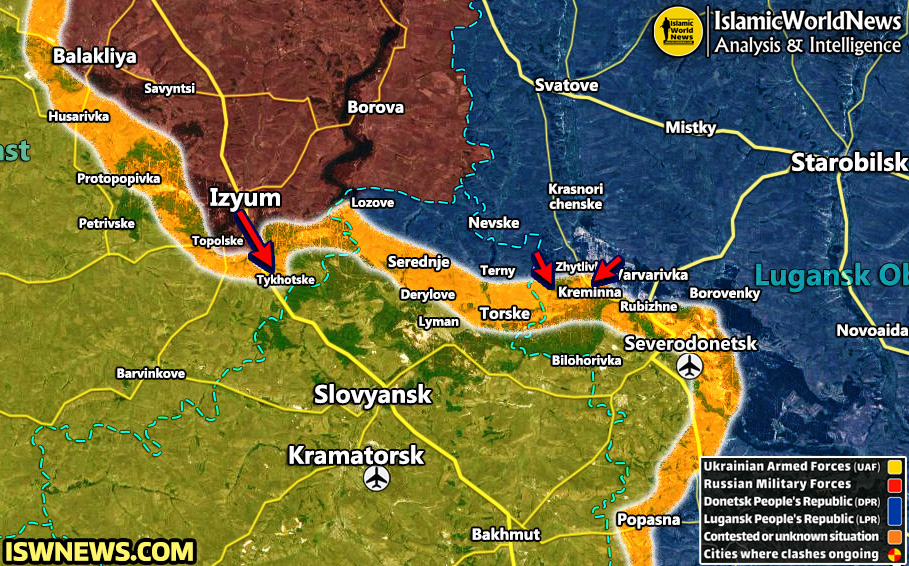
Clashes between Russian and Ukrainian forces continue on the Donbass region. This front is currently the most active front in Ukraine, and according to the Russian MOD, Russian troops will be more concentrated in the Donbass region in the coming days. On the Izyum front, the Russian army is advancing towards Slovyansk, passing through the town of Izyum. The Ukrainian army is said to have opened a local dam in the area to prevent Russian forces from advancing. Progress on this axis is slow.
Click to view full size
Clashes continue south of the town of Rubizhne on the Severodonetsk axis. Earlier, Russian troops had claimed control of the town, but images from inside the town revealed that Ukrainian troops were in the southern suburbs of Rubizhne and that the town was not fully under Russian and Luhansk control. Also in northwest of Rubizhne, Russian forces took control of Zhytlivka and Terny areas and a number of other villages.
Click to view full size
On the Popasna front, the situation on the ground is not entirely clear, but Russian troops are present in the southern part of the town, and the town is the contact line between the Russian and Ukrainian armies. It seems that Popasna is not a priority for the Russian army at the moment. In the Gorlivka axis and the city of Donetsk, Russian military forces have made minor progress in recent weeks. In northern Donetsk, Russian and Donetsk (DPR) troops have taken control of the village of Verkhnotoretske village and are advancing north. The purpose of advancing on this axis could be to move to the southern road of Kramatorsk and complete the siege of Severodonetsk and Kramatorsk in this area. In west of Donetsk, clashes continue in Marinka area. The Ukrainian army is resisting well in the Marinka area. Breaking the Ukrainian army’s defensive lines in the Marinka could be the key to the Russian military advancing deeper and northwest of Donetsk.
Click to view full sizeLatest military situation in Donetsk and Luhansk oblasts – Click to view full size
On the Mariupol front, clashes continue in the city of Mariupol. Despite reports from some pro-Russian media outlets claiming that 80 percent of the city is under the control of Russian and DPR forces, this amount of progress is not correct and progress in the city of Mariupol is slow. According to one of the DPR forces from inside the city of Mariupol, the Ukrainian forces have good individual equipment such as night-vision goggles, American weapons, communication jamming systems, etc. On the other hand, the DPR forces have much weaker equipment. By the way, due to the siege of Mariupol, the defenders in the city are doomed to failure and sooner or later the city of Mariupol will fall completely. The map you see shows the latest field situation in the city of Mariupol. Regarding the map, it should be noted that the contact lines are depicted based on the latest available reports from Mariupol. Therefore, the accuracy of the map is not 100% and the lines change as the forces move.
Latest military situation in Mariupol city – Click to view full size
In the south, on the Kherson and Mykolaiv fronts, Ukrainian forces have carried out a series of counterattacks over the past 10 days, repelling Russian troops largely around the town of Mykolaiv. The advance of Ukrainian forces continued even near the city of Kherson, until the Russian army announced in a statement that it was repelling Ukrainian attacks near the Chornubayuka area west of Kherson. There are currently sporadic clashes on this axis between Russian and Ukrainian forces, and in the past few days there has been no significant progress on either side.
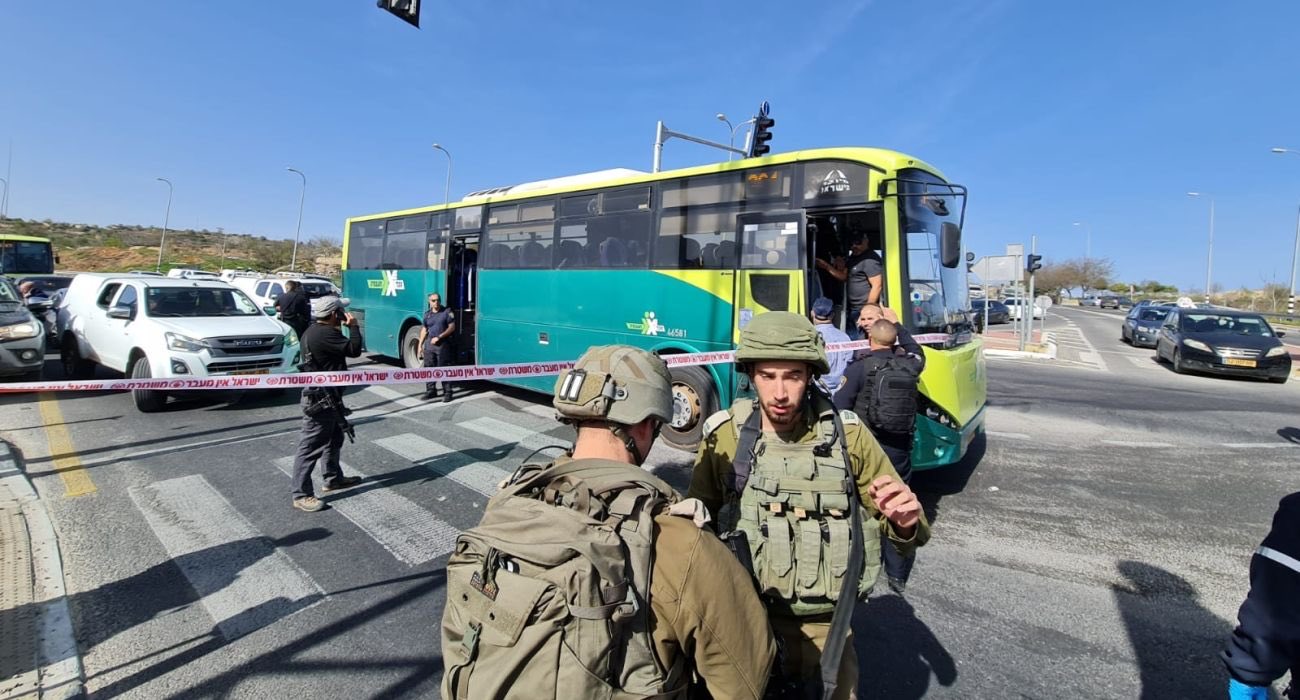
During the attack, a Palestinian carrying a knife boarded a bus carrying Israeli settlers and attacked them. According to initial reports, four Israelis were wounded and the Palestinian youth was shot dead.
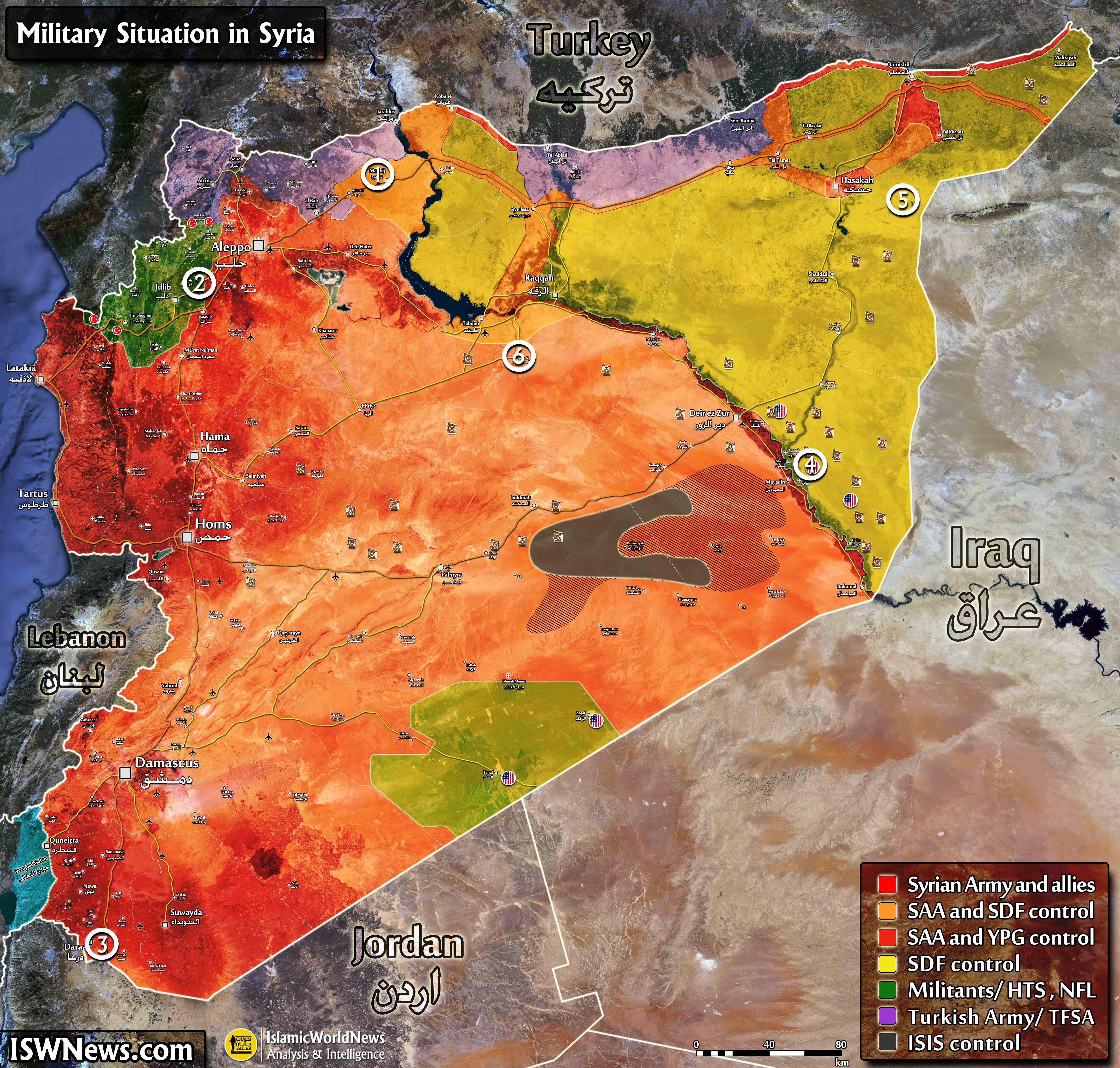
1- Aleppo: – On March 28, an IED explosion targeted a vehicle of SDF commander in the city of Manbij. No information is available on the number of casualties in the incident. – On March 29, Turkish-backed militants arrested two civilians on the outskirts of Afrin. – On March 23, artillery of Turkish-backed militants targeted SDF positions on the outskirts Tal Rifat in the north Aleppo province. – On March 30, Russian warplanes struck ISIS hideouts in Ithiriyah desert
2- Idlib: – On March 28, Russian fighter jets targeted positions of Turkish-backed militants in Ma’rat al-Naasan. – On March 28, two members of the Turkish army were wounded by Russian fighter jets and subsequent artillery attacks by the Syrian army in the Ma’rat al-Naasan area. – On March 29, one of the Syrian army forces was killed in the Idlib province. – On March 29, SAA artillery shelled positions of Turkish-backed forces in al-Fatira, Kafr Aweed, Sufuhn and Kansafra
3- Daraa: – On March 28, a Syrian army vehicle was damaged by a roadside bomb on the Daraa-Umm al-Mayadhin road. – On March 30, two SAA soldiers were killed and two others were wounded by gunmen near Dael. – On March 29, a doctor working in one of the Russian-backed factions was killed as a result of the explosion of an explosive device planted in his car by unknown persons in the town of Mahjah.
4- Deir Ezzor: – On March 28, the US-led coalition and the SDF conducted a military exercise at the Al-Omar oil field east of Deir Ezzor. The sound of explosions heard from the area was the result of these exercises. – On March 28, an SDF member was killed in an attack by unknown assailants on the military headquarters of the Syrian Democratic Forces in northern Deir Ezzor.
5- Hasakah: On March 28, an ISIS member was killed and several others were wounded in a clashed between ISIS elements and the Syrian Democratic Forces (SDF) in the al-Hawl refugee camp. According to the SDF, this person was a suicide bomber. The SDF says ISIS intends to carry out similar operations in al-Hawl as the Hasakah jailbreak operation.
6- Raqqa: – On March 23, Russian fighter jets targeted ISIS hideouts in the Rasafa area, southwest of Raqqa. – On March 28, Yasin Ahmad, a field commander of SNA militia, was killed in a car bomb blast on the southern outskirts of Suluk, north of Raqqa.
On March 27, In a speech on the occasion of National Resistance Day, the head of the Yemeni Supreme Political Council, Mahdi Al-Mashat, in a direct and very important message to the Saudi leaders, announced a three-day suspension of all Ansar Allah attacks on Saudi Arabia and called for an end to coalition attacks and an end to the siege. Otherwise, Ansar Allah will go to another level of Operation Break Siege!
Thus, On March 30, in a brief statement the Saudi coalition announced suspension of military invasion of Yemen at a request by Nayef Al-Hajraf, the Secretary-General of the Gulf Cooperation Council as talks begin at 6 a.m. Wednesday.
Earlier, the Gulf Cooperation Council (GCC) has announced hosting consultations for the Yemeni parties that starts on Tuesday, March 29, in the Saudi capital, Riyadh, with the aim of achieving a ceasefire. However, the Ansar Allah movement (also known as Houthi) announced, in a statement, that it welcomed any dialogue with the coalition countries, provided that it is in a neutral country that is not involved in the aggression against Yemen, which means its absence from Riyadh’s consultations.
Mohammed Abdul Salam, the official spokesman for Ansar Allah and head of the national delegation announced a parts of Yemeni peace initiative presented by President Al-Mashat in a tweet. The summary is as follows: 1- Suspension of all Ansar Allah military actions towards Saudi Arabia for a period of three days, and our readiness to turn this suspension into a final and permanent commitment if Saudi Arabia commits to ending the siege and stopping its attacks on Yemen permanently. 2- Suspension of all Ansar Allah military actions towards Saudi Arabia for a period of three days, and our readiness to turn this suspension into a final and permanent commitment if Saudi Arabia withdraw all foreign forces from our lands and stop supporting its local militias in our country. 3- Suspension of all Ansar Allah military actions, including in the Marib front as a sign of good gesture, and we are waiting for a positive response. 4- We declare our full readiness to release all coalition prisoners, including Hadi’s prisoners, mercenaries and other nationalities, in exchange for the full release of all our prisoners.
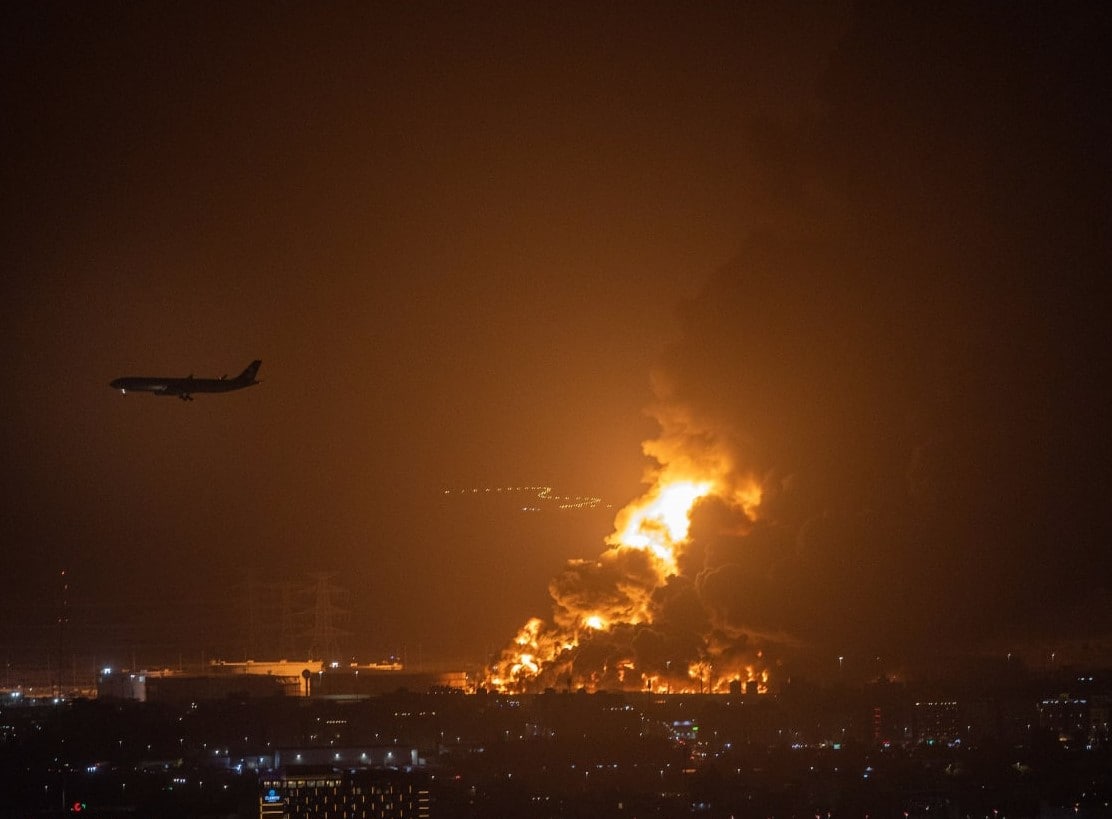
Image: Jeddah refinery on fire after AnsarAllah March 25th attacks
According to initial reports, the Bashiqah military base north of Mosul was targeted with at least eight rockets. No casualties have been reported so far.
It should be noted that this the sixth attack on Bashiqah base since the start of 2022.