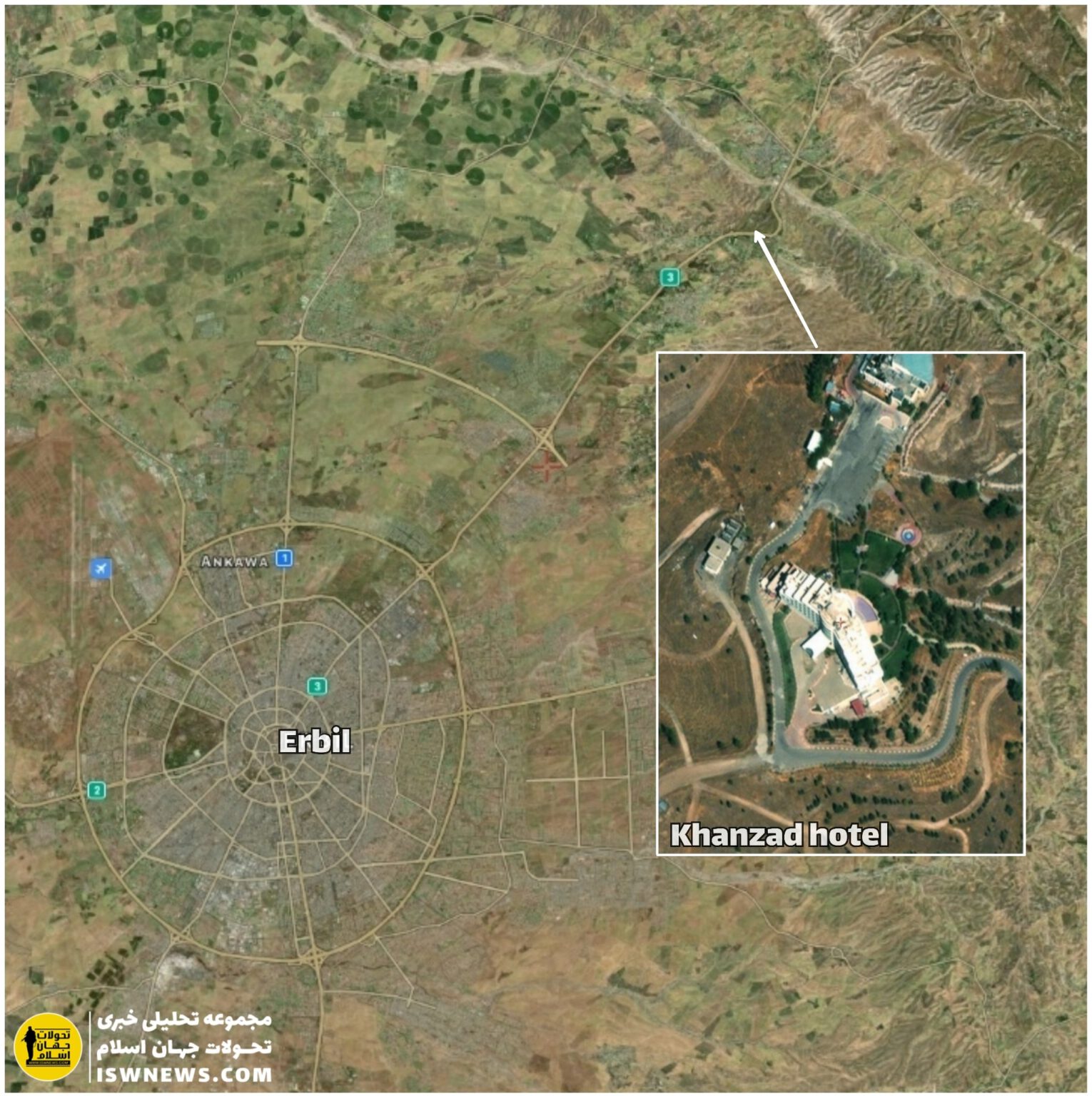
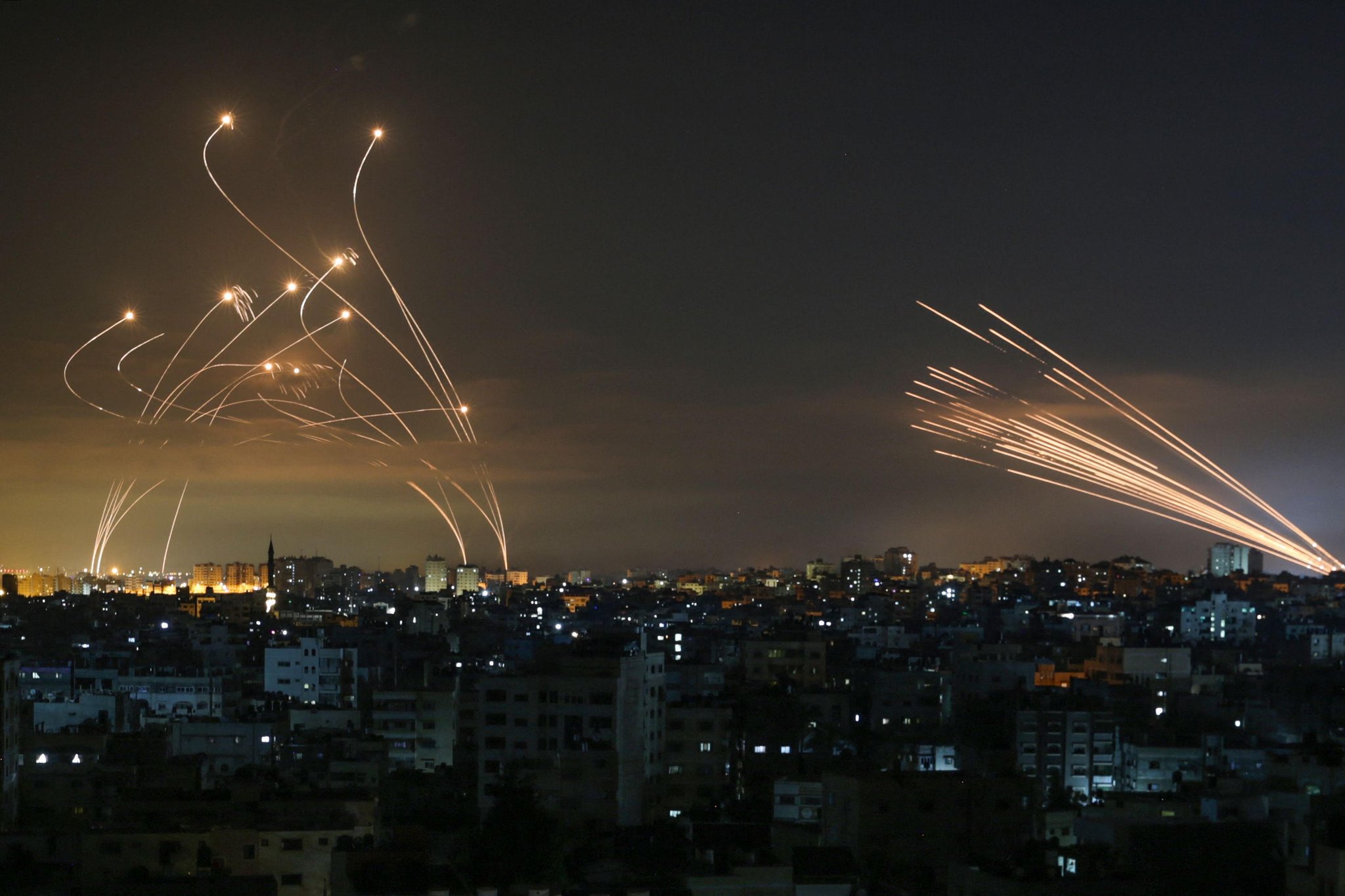
During the attack, which took place on the early hours of June 26, the resistance forces after observing the movements of Mossad operatives and special operations agents, attacked the Zionist positions in northeast of the city of Erbil in northern Iraq with five suicide drones. Informed sources told ISWNews that at least three Mossad operatives were killed and several others were wounded as a result of the attack and taken to Israel.
According to the information mentioned in the previous news, three suicide drones attacked the village of Bragh and the Israeli gathering at the Khanzad Hotel, and two others attacked targets in the village of Gomaspan. Of these drones, one was unsuccessful in its operations, and the rest of the drones successfully completed their mission.
This is Iran’s second attack on Israeli Mossad forces in Erbil and the fourth in a year by resistance groups on US and Israeli positions in Erbil.
The list of past attacks is as follows: 1- The rocket attack of Saraya Oliya Al-Dam group on the US positions in Al-Harir base on February 15, 2021. 2- Attack on Mossad Special Intelligence and Operations Center in Erbil, unknown location, on April 13, 2021. 3- Drone attack on Erbil Airport, on April 14, 2021. 4- Attack on Mossad positions in northeast of Erbil, location: Bragh village on Khanzad hotel and Gomaspan village on June 26, 2021.
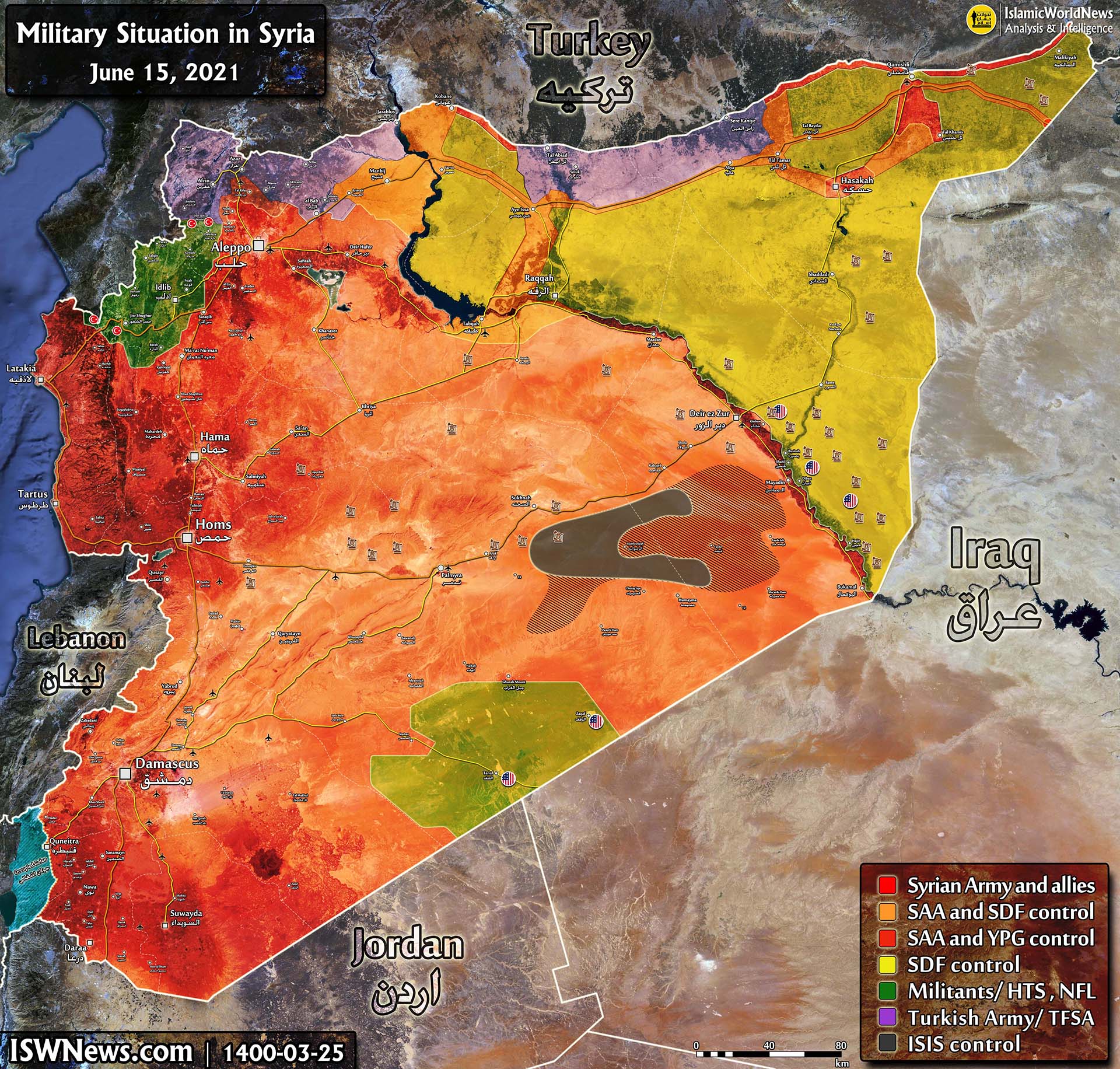
East of Syria: Recent operations by the Syrian army and Russian warplanes in the desert areas of Deir Ezzor and Homs provinces led to the destruction of many of ISIS hideouts in these areas. However, ISIS guerrilla operations, including ambushes and bombings against Syrian Army forces and allies in the eastern deserts of Syria, have severely affected the security of these areas. ISIS attacks have led to the martyrdom of a number of Syrian Army forces and Iranian advisers on several occasions. As summer approaches, ISIS appears to be stepping up its attacks in the eastern deserts of Syria. Thus, securing the roads and thwarting ISIS attacks remains the main goal of the Syrian army in the east of Syria. According to the latest information, the Syrian army has sent more troops to the eastern deserts of Syria, and the possibility of launching a large-scale clearing operation is not far off.
Northwest of Syria: The frontlines in northwestern Syria have not changed in the past year, and most clashes have been limited to exchanges of artillery fire. The construction of new military posts by the Turkish army in the Idlib region and the withdrawal from a number of observation posts are also among the important developments of the last year in the Idlib region. Over the past year, the Turkish military has withdrawn from a number of military posts and observation posts in the areas controlled by the Syrian army in Idlib and Aleppo; On the other hand, it increased the number of its military posts in the militant-held areas in Idlib. The Turkish military currently has four observation posts and about 50 military posts west of Aleppo and the Idlib region. The Turkish military is expected to build another new military post in the Idlib region in a series of measures to prevent a possible Syrian military operation in the coming months. The construction of a new military post on the outskirts of the town of al-Barah, located in Zawiyah mountain, is one of the newest military posts built by Turkey in the Idlib region.
Another major incident in the Idlib region is the killing of a number of Tahrir al-Sham commanders by Russia. Given Russia’s recent strike on Tahrir al-Sham in southern Idlib and the killing of a number of its top commanders, tensions are likely to rise and there will be a possibility of a limited or widespread ground clashes on the fronts in Idlib and Aleppo provinces. Currently, the exchange of artillery attacks on the conflict lines in Idlib and Aleppo provinces has intensified, and most of this exchange of fire takes place in the areas of Zawiyah mountain and al-Arbaeen mountain.
Northeast of Syria: The most important developments in northeastern Syria are related to the clashes between the Asayish forces and the Syrian army in the city of Qamishli, which finally ended after a few days of clashes and withdrawal of the Syrian army from most of al-Tai neighborhood. Clashes began on April 20, when one of the Asayish commanders, Khalid Haji was killed in an exchange of fire between Asayish and NDF at checkpoint in the city of Qamishli. After this incident, the Asayish forces attacked al-Tai neighborhood and took control of parts of this neighborhood.
Clashes between SDF and Turkish-backed militants around the towns of Ain Issa and Tal Tamar are another major incident in recent months in northeastern Syria. Despite a ceasefire agreement in these areas and the creation of a safe zone, clashes and tensions between the Turkish-backed militants and SDF have continued over the past year in northeastern Syria. Over the past year, Turkish-backed militants have repeatedly attempted to advance and seize the city of Ain Issa, each time being stopped by the SDF. In the last case of these conflicts, with the serious entry of Russia and the agreement with Turkey, the intensity of tensions in the region was reduced. However, the situation in the safe zone is still very fragile and there is a possibility of widespread clashes at any moment.
US, Russian and Turkish military patrols are also continuing in the northeast of Syria.
South of Syria: Terrorist operations in southern Syria remain strong, and this has become a major problem. In the past year, a significant number of ex-rebels who joined the process of national reconciliation and eventually joined the Syrian army or laid down their arms have been assassinated by unknown gunmen. The continuation of assassinations in Daraa province, which recently led to the assassination of five mayors, the attack on the polling station in the presidential election, the Syrian army checkpoint and several ex-rebel commanders, indicates the unstable security situation in southern Syria.
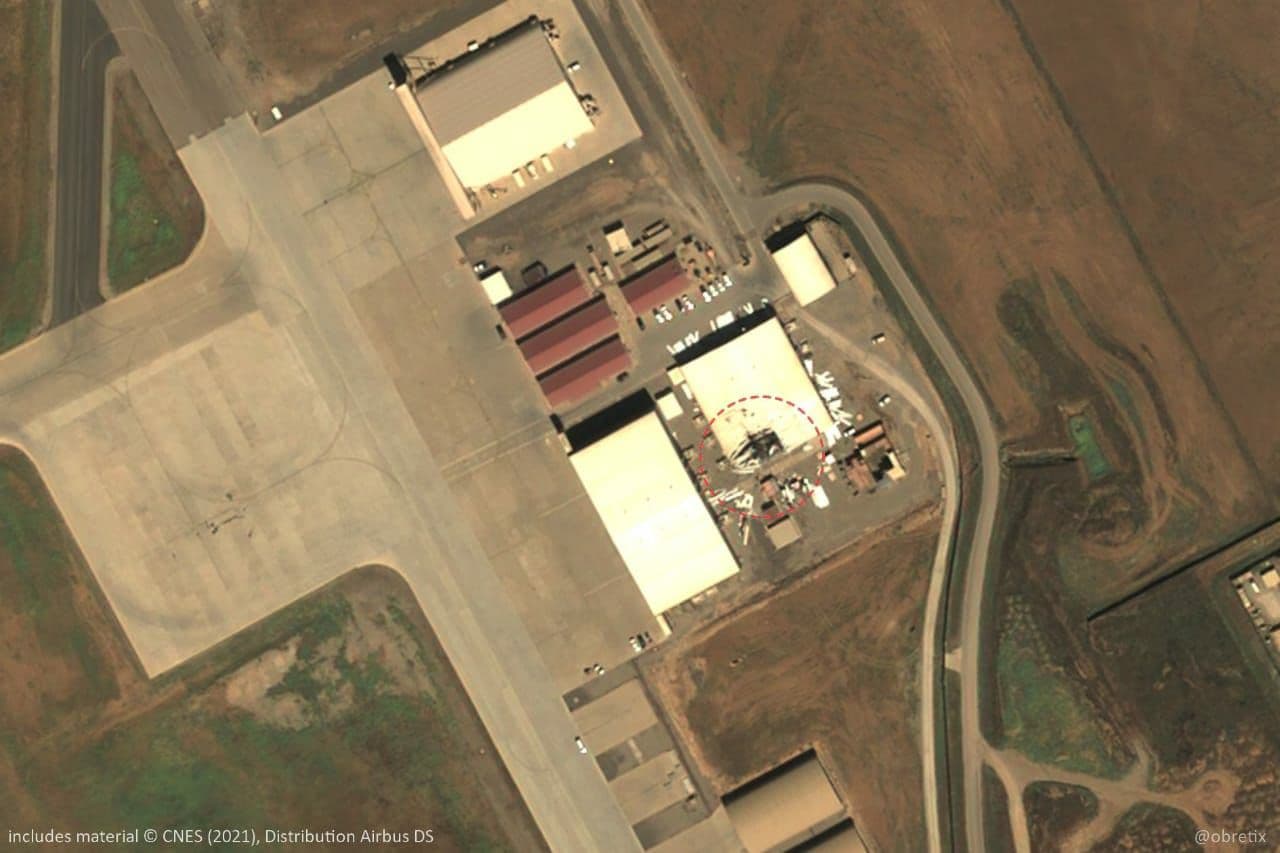
In the last hours of April 15, Iraqi resistance groups attacked a US military base at Erbil Airport in Iraq with a suicide drone. Minutes after the attack, a thick column of smoke was seen over the area, indicating that the attack was successful. Following the attack, all entrances to the area were blocked and reporters were prevented from entering the airport and the scene.
So far the details of the attack were remained silent; but a recent Washington Post article quoted officials familiar with the matter, saying that the attack took place against a CIA hangar in the heart of Erbil Airport in Iraq.
According to the information provided, the flight path of the drone was tracked until 16 km from the airport and after that there is no information. Also after investigating of the wreckage of the suicide drone, US officials claimed it was made in Iran.
Although the attack is said to have left no casualties, a meeting is being held by US military and security officials to respond to the attack, with some US officials calling for a swift military response and others for restraint; eventually however no action was taken.
This wasn’t the last of drone attacks on American bases; just two days later Iraqi Resistance groups attacked US troops in Ain Al Asad Airbase using three suicide drones. This was completely censored by American officials and media. Also on April 28, the Iraqi resistance group targeted positions of US forces in Balad Airbase north of Baghdad with a suicide drone. On May 8, in another major attack, Ain Al Asad Airbase was attacked by one drone again and at least one hangar suffered damages.
The drone strike on US positions and interests on Iraqi soil is a new type of attack by Iraqi groups against the occupiers that has deeply upset US officials and, according to the US itself, these attacks have greatly affected US intelligence and military dominance in Iraq.
There have been reports of drone activities in Iraq in the past, but the recent attacks on US interests in Iraq are of a different kind and are being carried out with extraordinary precision and effectiveness that we have not seen before. This is why US officials are concerned. The precise attack on a secret CIA hangar in the heart of Erbil Airport in Iraq is a very important issue that shows the deep intelligence superiority of Iran and Iraqi resistance groups against the American occupiers in Iraq.
As mentioned earlier, regional conflicts at this point of time are divided into military and mostly political, and in the case of Yemen, after Josef Biden took the office, the field of politics has become more important. In recent months, the United States and Saudi Arabia have railed the war in a way that diverts their goals from the military to the political arena, so that they can be achieved politically. Because during the 6 years of war, the Saudi coalition, in addition to not being able to defeat the resistance movement in Yemen, has also suffered several heavy defeats, such as Ansar Allah operations in Al-Jawf, Saadah, Marib and Al-Dhale, etc. In this regard, at the beginning of a new round of talks in Yemen, “Mohammad Abdulsalam” spokesman and head of the Ansar Allah negotiator team also noted that “What the enemy has not achieved on the battlefield will not achieve on the negotiation table.”
But achieving this goal is very difficult because the United States and Saudi Arabia have entered the field with a well-coordinated plan that can be described as follows:
1- Pulses of negotiation and proposing the theory of end of war. 2- Outward differences between US and Saudi politicians, but inward coordination and preparation of a joint program. 3- MSM attacks on the strengths of the resistance and hiding the weaknesses of the Saudi coalition. For example, you can see CNN’s special report on the fighting in Marib, how the widespread presence of al-Qaeda and ISIS terrorist groups under the command of the coalition is covered up, and on the other hand, the Ansar Allah attacks are falsely pictured as the attacks on civilians and on refugee camps! Or how the Saudi coalition numerous airstrikes are not covered, but in contrast, Ansar Allah missile and drone strikes are highlighted.
For those who know the process from the rise of al-Qaeda to the US and NATO invasion of Afghanistan and Iraq, and the rise of ISIS to the occupation of Syria and Iraq; The developments in the region in recent months, from the escalation of Israel conflict with Iran to the war Marib, are also very important. However, the coincidence of the Yemeni meeting and talks with the recent meetings of Iranian and Saudi officials in Iraq has brought the equations to a new level in the region, and new dimensions are emerging.
These dimensions can be summarized as follows:
1- Bringing the issue of Yemen to the Security Council: In recent months, the United States and the Saudi coalition have made several proposals including peace plans, an end to the war, etc. in Yemen, which Ansar Allah has rejected each time because it does not include removing the siege, the lack of a real ceasefire plan, as well as a political solution to Yemen’s problems. Have they not heard Ansar Allah’s clear demands for a way to end the war in Yemen? Or do they not know the solution to the end of the war? They certainly know; But why do they propose an incomplete plan and conditions that contradict the red line of Ansar Allah? Because portraying Ansar Allah as belligerent, inflexible and a factor in the continuation of the Yemeni war is on the agenda. They want to show the issue of the Yemeni war without a solution, and take it to the Security Council and confront the resistance with the Security Council resolution and increase the international pressure to achieve their illegitimate goals.
2- What is the Security Council resolution? On April 14, 2015, the UN Security Council adopted a resolution on Yemen imposing arms embargoes on the parties to the Yemeni war, as well as banning Ansar Allah leader and Ahmed Abdullah Saleh, the eldest son of Ali Abdullah Saleh. According to the resolution, the Security Council approved the inspection of ships bound for Yemen, recognizing Mansour Hadi as Yemeni president, and calling for Ansar Allah to withdraw from Sanaa and other Yemeni cities.
However, the implementation of this resolution has been hampered for various reasons, and now the United States and Saudi Arabia intend to complete their shortcomings by removing this resolution and issuing a new one, and to confront the resistance in Yemen with an international consensus. The cessation of hostilities without full ceasefire, the complete removing of the siege of Yemen and the failure to specify a political roadmap are among the reasons that led to the rejection of the plans of the United Nations, the United States and Saudi Arabia by Ansar Allah. The United States has recently acknowledged Ansar Allah’s superiority in Yemeni social and political power, but this is in order to persuade the rescue government to form an interim government, and what has already been tried and tested in Afghanistan, Libya, etc., to be implemented in Yemen as well. Therefore, the issuance of a new resolution on Yemen, without considering the issues of removing the siege, a complete cessation of hostilities and a clear political roadmap, will only make Ansar Allah, who is now the winner of the war to a definite loser of the war!
3- The latest situation of the Yemeni war: Currently, Ansar Allah has succeeded in breaking the first line of defense of the Saudi coalition in the west of the city of Marib and is stationed in the areas of Tala’at al-Hamra, Idat al-Raa and Wadi Nakhla, which are about 10 km away from the city of Marib. Considering the developments in the Marib province, it can be said that Ansar Allah is using the Marib operation as a pressure lever to gain points in removing the siege of Yemen, and they are not in a hurry to go through the process, despite sufficient power and opportunities. In fact, the deployment of al-Qaeda and ISIS terrorist groups and heavy coalition airstrikes on Marib is not an obstacle for Ansar Allah. And the elimination of terrorists in previous Ansar Allah operations, such as operations in Al-Jawf, Saadah, western and southern districts of Marib province, etc., has been done easily. And that some local media and some analysts say that Ansar Allah have difficulty or is not able to liberate Marib, is a false analysis. Ansar Allah needs the activation of other southern and northern fronts of the city to liberate Marib, and the reason is not Mansour Hadi’s campaign from Shabwa, Abyan and all other provinces to Marib or calling on al-Qaeda and ISIS militants to fight Ansar Allah; Rather, it is the Saudi coalition’s defensive wall to the west of the city, with a collection of terrains, barbed wires, a minefields, and explosive traps, etc., which created by the engineering units of the coalition. It’s interesting to know that this clever action was built on three lines with the help of American and Israeli advisers.
The opening of the battlefield in other areas is also ruled out until the negotiation channels are established in Oman and Iraq. Of course, this is not certain, because the southerners have recently had important movements in Abyan, Aden and southern Al-Hudaydah, and their confrontation with the forces of Mansour Hadi and Ansar Allah is not unlikely.
1- Izz ad-Din al-Qassam Brigades: Martyr Izz ad-Din al-Qassam Brigades are military branch of Hamas which established in 1992 and has between 10 to 40 thousand troops. They usually manage the conflicts of the Resistance with the Zionist regime under command of Mohammed Deif.
2- Al-Quds Brigades: The military branch of Palestinian Islamic Jihad which is active from 1981 and has more than 12 thousand troops. Al-Quds Brigades launched rocket and guerilla warfare attacks against Zionist regime since 2002 which imposed high casualties on the regime. That’s why Zionists claim that the movement is supported by Iran entirely.
3- Abu Ali Mustafa Brigades: The military branch of the Popular Front for the Liberation of Palestine which is active since 1999 and named after martyr Abu Ali Mustafa, the secretary of the front. Zionist regime minister of tourism after martyrdom of Abu Ali Mustafa, attacking British base in Gaza in March 2006, numerous attacks to Zionist regime bases and martyrdom seeking attacks are among the activities of Abu Ali Mustafa Brigades.
4- Nasser Salah al-Deen Brigades: The military branch of Popular Resistance Committees activated since 2000 in operations of abduction and ground conflicts with Zionist army.
5- Palestinian National Resistance Brigades: The military branch of Democratic Front for the Liberation of Palestine activated since 2000 which launched many guerilla warfare attacks against the Zionist soldiers and towns in occupied Palestine.
Sayyed Abdul-Malik Badreddin al-Houthi, leader of Ansar Allah movement: “The name “Al-Houthi” is not a name that we call ourselves. Rather, enemies and some friends call it for us, and we do not want it because it is relative to the city of “Houth”, and our project is not limited to a city but rather a Quranic path.”
The published list contains information on the nationalities of Saudi Arabia, Jordan, India, Germany, USA, Yemen, Thailand, Philippines, Pakistan, Egypt, Palestine, Bangladesh, Sudan, Australia, Sri Lanka, Norway, Syria and several other countries.
Due to the disclosure of identity and complete information of some employees of the Saudi Ministry of Defense, sending a text message to or contacting these personnel by the Saudi opposition will be a great morale blow to Saudi Ministry of Defense employees!
Despite Saudi Arabia’s purchase of spy and security equipment and software from the West and the Israeli regime, the exposed top-secret files of the Saudi military and intelligence agencies show their weakness in maintaining classified information and intelligence failures.
Saudi Arabia’s heavily Western-backed intelligence and military agencies, whose equipment is being upgraded to meet the country’s current needs, have been unable to prevent the release of this top-secret information. Some time ago, with the consent of the Israeli security agencies, several Israeli companies transferred their spy and security products to South Africa and sent them to Saudi Arabia so that the company and the exporter of this equipment would not be revealed!
Earlier, information of 600 Saudi intelligence personnel, including their names, sensitive information such as addresses, phone numbers, national codes, etc., were also leaked in the cyber space…
Despite Israel sabotages actions in Syria and while many Israeli attacks in Syria have gone unanswered, Iran has refused to withdraw its forces from Syria, and the Israeli regime’s efforts to drive Iran out of Syria have been virtually fruitless. This issue reached its peak in the last two years after the failure of the plan to prevent the export of Iranian oil and to reduce the sales of Iranian oil to zero, and we witnessed the culmination of this story in the case of sending Iranian tankers to Venezuela. This has once again led to the intensification of an intensified intelligence-security war against Iran, and the difference from previous years is that Israeli military strikes coincide with this intelligence war.
List of actions of Israel and its allies after the assassination of Martyr Haj Qasem Soleimani in turning military war into intelligence war: 1- Explosion in centrifuge montage hall of Natanz nuclear facility in north of Isfahan province on July 2, 2020. 2- Attacking Iran’s oil tanker “Sabiti” in the Red Sea and 60 miles away from Jeddah harbor on October 10, 2019. 3- Cyber attack to Shahid Rajaei harbor in Bandar Abbas on October 13, 2020. 4- Assassination of Iranian top scientist, martyr Mohsen Fakhrizadeh in Absard area, east of Tehran province on November 27, 2020. 5- Attacking Iran’s oil tanker “Shahre Kurd” at Syria’s shore on March 11, 2021. 6- Unsuccessful assassination of Rostam Qasemi, Quds Force economic deputy in Lebanon on March 2021. 7- Attacking Saviz ship in the Red Sea on April 6, 2021. 8- Second explosion in electricity network of Natanz nuclear facility on April 11, 2021.
Alleged Iran attacks on Israeli interest also are as follows: 1- Cyber attack to electric power company of occupied palestine towns Tel Aviv, Ashdod, Or Akiva, Haifa, Netanya, Rahofut on October 30, 2020. 2- Attacking Helios Ray ship in the Oman Sea on February 26, 2021. 3- Attacking Lory container ship in north of the Arab Sea on March 25, 2021. 4- Attacking Hyperion Ray ship near the UAE’s Fujairah port on April 13, 2021.
Regarding the statistics provided, it is noteworthy that this information includes information that has been made publicly available, and obviously many other operations have been carried out by the parties that have not been made public so far, or that the parties preferred not to speak publicly about it.
Given the trend of these developments, it seems that in the coming days we will see more confrontation between Iran and Israel in the field of maritime, cyber and especially intelligence-security. The scale of this war could also be extended to other countries, especially Syria, which makes the confrontation between Iran and Israel more difficult. Despite the political and economic hardships and constraints that the United States and the West have imposed on Iran during the difficult times of coronavirus, Iran will certainly not be immobile in the face of Israeli attacks and sabotage and will respond to Israel.
Qasef 2K was unveiled in Yemeni Armed Forces military exhibition entitled as martyr Salih al-Sammad on 7 July 2019. The drone was used against Saudi coalition commanders gatherings in al-Anad Airbase, Lahij province, which killed a number of high rank Saudi coalition officers.
Qasef 2K when introduced showed the usefulness of a operational air force. Without an efficient air force it’s difficult to impose high casualties to or have accurate information on the enemy. Drones can help significantly to survey and attack the targets accurately.
Qasef 2K was built on the same necessity of the Yemeni army and popular committees and is a fearsome in the class of suicide drones. Qasef 2K high explosive warhead explodes at elevation of 10-20 meter above the ground which shoots deadly shrapnels in a radius of 30 to 80 m and impose high casualties in the mentioned radius.
Qasef 2K Loitering Munition Specifications: Length: 1.2 m Small wingspan: 1.45 m Large wingspan: 2.2 m Height: 0.5 m Powerplant: Piston engine Service ceiling: up to 5,000 m Warhead: up to 30 kg Operational radius: 100 km Endurance: 100 minutes Max. speed: 250 km/h
Qasef 2K operational records: (until April 6, 2021)
1- The attack on al-Anad Airbase in Lahij province on January 10, 2019, which resulted in the death of more than 9 Saudi-led forces personnel and wounding of 15 other. Among those killed were Mohammad Saleh Tamah, head of the intelligence service of the (resigned) Mansour Hadi government, Saleh al-Zandani, deputy chief of staff, and Nasser Barvis, head of the army’s military operations department.
2- Attack on the gatherings of the Saudi coalition forces in Asir province on January 11, 2019.
3- Attack on the gatherings of the Saudi coalition forces in the Al-Khuba area in Jizan on January 11, 2019.
4- Attack on the gatherings of the Saudi coalition forces in Asir province on January 18, 2019.
5- Attack on Al-Suwiqa base in Al-Jawf province on January 18, 2019.
6- Attack on the gatherings of the Saudi coalition forces at Al-Darb base in Jizan on March 7, 2019.
7- Attack on the gatherings of the Saudi coalition forces in the Al-Ruba’a area, located in the province of Asir (southern Saudi Arabia) on April 24, 2019.
8- Attack on the headquarters of the STC in the Al-Bariqa area, located in Aden, on April 25, 2019.
9- Attack on the gatherings of the Saudi coalition forces in Al-Rubu’a area on May 12, 2019.
10- Attack on the hangars of the Saudi coalition warplanes at Najran Airport, on May 21, 2019.
11- Attack on the hangars of the Saudi coalition warplanes at Najran Airport on May 22, 2019.
12- Attack on the patriot system of the Saudi coalition at Najran Airport, on May 23, 2019.
13- Attack on the hangars of Saudi coalition warplanes at Najran Airport on May 26, 2019.
14- Attack on a gathering of Saudi coalition forces at Ras Abbas base in Aden on June 3, 2019.
15- Attack on the hangar and UAV station of the Saudi coalition at Jizan Airport on June 9, 2019.
16- Attack on weapons storage, advanced radars and command rooms of King Khalid Airbase in Khamis Mushait on June 11, 2019.
17- Attack on Abha Airport on June 14, 2019.
18- Attack on the command room of the Saudi coalition drones at Jizan Airport and the fuel station of Abha Airport on June 15, 2019.
19- The attack of five Qasef 2K drones on the hangars of warplanes, weapons storage and other military targets in Khamis Mushait on June 16, 2019.
20- The attack of three Qasef 2K drones on Abha Airport in Asir Province on June 17, 2019.
21- Attack on the hangars of the Saudi coalition drones and other military targets at Jizan Airport on June 20, 2019.
22- Attack on Jizan and Abha Airports on June 23, 2019.
23- Attack on the hangars of Saudi coalition warplanes at Jizan and Abha airports on June 25, 2019.
24- Attack on the hangars of Saudi coalition warplanes at Jizan airports on June 30, 2019.
25- Attack on military positions at Jizan Airport on July 4, 2019.
26- Attack on military positions at Abha Airport on July 5, 2019.
27- Attack on the hangars of Saudi coalition warplanes at Jizan Airport on July 6, 2019.
28- Attack on military targets at Abha Airport on July 6, 2019.
29- Attack on the airport and power station of Abha city on July 9, 2019.
30- Attack on the King Khalid airbase in Khamis Mushait on July 15, 2019.
31- Attack on the hangars of the Saudi coalition drones at Jizan Airport on July 16, 2019.
32- Attack on the King Khalid airbase in Khamis Mushait on July 16, 2019.
33- Attack on Jizan Airport on July 17, 2019.
34- Attack on radars and other military positions at King Khalid Airbase in Khamis Mushait on July 20, 2019.
35- Attack on radars and other military positions at King Khalid Airbase in Khamis Mushait on July 23, 2019.
36- Attack on the hangars of Saudi coalition warplanes and storage and equipment facilities at the King Khalid Airbase in Khamis Mushait and the hangars of Saudi coalition warplanes at the Abha airport on July 25, 2019.
37- The attack of two Qasef 2K drones on the command room of the Saudi coalition drones at Najran Airport on July 28, 2019.
38- Attack on Abha Airport and King Khalid Airbase on July 29, 2019.
39- Joint attack with a missile force on a military exercise at Al-Jalaa base on August 1, 2019.
40- Attack on Abha Airport, King Khalid Airbase in Khamis Mushait and Najran Airport on August 5, 2019.
40- Attack on Abha Airport on August 8, 2019.
42- Attack on the fuel station and watchtower at Abha Airport on August 10, 2019.
43- Attack on the King Khalid airbase in Khamis Mushait on August 11, 2019.
44- Attack on Abha Airport on August 13, 2019.
45- Attack on Abha Airport on August 16, 2019.
46- Attack on the King Khalid airbase in Khamis Mushait on August 22, 2019.
47- Attack on the fighters’ hangar and the runway of the King Khalid Airbase in Khamis Mushait on August 24, 2019.
48- Attack on the watchtower of Abha Airport and King Khalid Airbase on August 25, 2019.
49- Attack on the hangars of the Saudi coalition at the King Khalid Airbase in Khamis Mushait on August 26, 2019.
50- The attack on the military communication system and the hangar of the Saudi coalition warplanes at the King Khalid Airbase in Khamis Mushait on August 27, 2019.
51- Attack on the positions of the Saudi coalition in Najran and the base of the coalition under construction in Jizan on August 28, 2019.
52- Attack on the hangars of Saudi coalition warplanes at Najran Airport on August 29, 2019.
53- Attack on the gatherings of the Saudi coalition forces in the north of Hardh in Al-Hajjah province on September 2, 2019.
54- Attack on the King Khalid Airbase in Khamis Mushait on September 3, 2019.
55- Attack on the King Khalid Airbase in Khamis Mushait on September 5, 2019.
56- Attack on an important military target in Khamis Mushait on September 6, 2019.
57- Attack on an important military target in Khamis Mushait on September 7, 2019.
58- Attack on Abha Airport on September 9, 2020.
59- During a large-scale Ansar Allah operation on March 29, 2020, the military and economic targets of the Saudi coalition in Jizan, Najran and Asir were attacked.
60- Attack on the hangars of warplanes and weapons storage in Khamis Mushait on June 16, 2020.
61- Attack on the operating room of Najran Airport and the weapons storage and hangars of the Saudi coalition warplanes at the King Khalid Airbase in Khamis Mushait on July 3, 2020.
62- Three Qasef 2K drones attacked Abha, Jizan Airport and Malik Khalid Airbase in Khamis Mushait on October 24, 2020.
63- Attack of two Qasef 2K drones on King Khalid Airbase in Khamis Mushait on October 25, 2020.
64- Two Qasef 2K drones attacked Abha Airport on October 26, 2020.
65- Attack on Abha Airport on October 27, 2020.
66- Two Qasef 2K drones attack the Saudi coalition warplanes at Abha Airport on February 10, 2021.
67- Attack of Three Qasef 2K drones on Abha Airport on February 12, 2021.
68- Attack on Abha Airport on February 14, 2021.
69- Attack on Abha Airport on February 15, 2021.
70- Six Qasef 2K drones attacked the positions of the Saudi coalition in Abha and Khamis Mushait on February 28, 2021.
71- Attack on the hangars of the Saudi coalition warplanes at Abha Airport on March 2, 2021.
72- Attack on the King Khalid Airbase in Khamis Mushait on March 4, 2021.
73- Attack on Abha Airport and King Khalid Airbase in Khamis Mushait on March 5, 2021.
74- Attack of five Qasef 2K drones on King Khalid Airbase in Khamis Mushait on March 5, 2021.
75- Four Qasef 2K drones attack Saudi coalition positions in Asir and Jizan provinces on March 7, 2021.
76- Three Qasef 2K drones attacked Abha Airport and King Khalid Airbase on March 15, 2021.
77- Attack on the King Khalid Airbase in Khamis Mushait on March 16, 2021.
78- Attack on Abha Airport on March 18, 2021.
79- Two Qasef 2K drones attack King Khalid Airbase in Khamis Mushait on March 19, 2021.
80- Attack on Abha Airport on March 20, 2021.
81- Attack on Abha Airport on March 23, 2021.
82- During Ansar Allah operation against the positions of the Saudi coalition in Najran and Asir on March 26, 2021, six Qasef 2K drone were used.
83- Attack on the King Khalid Airbase in Khamis Mushait on April 2, 2021.
The spokesman for the Yemeni Armed Forces, Brigadier General Yahya al-Sari’, on the occasion of National Resistance Day presented the statistics of six years of fighting with the Saudi coalition.
General Yahya al-Sari’:
– The total number of airstrikes carried out by the aggressor (Saudi) coalition against Yemen is more than 266510, which has been nearly a 1000 attacks since the beginning of year 2021.
– The total number of military operations of our forces against the enemies during the last 6 years has reached 12366 operations.
– More than 6192 offensive operations, including 167 operations carried out by our forces in the last two months.
– The number of defensive operations against enemy attacks is more than 6,174, of which 113 operations have been carried out in the last two months.
One of the most prominent military offensive operations of our forces is Operation “Nasr Min Allah” in three stages and a large and unannounced military operation. Other prominent military offensive operations by our forces include Operation Bonyan al-Marsous and Fa’amkana Minhom, clearing areas in al-Baydha of Takfiri elements, and a military operation in al-Dhale province. Also, one of the most prominent military offensive operations of our forces is the “Deterrent balance operation”, and in addition, there are about 10 other undeclared military operations.
– The sniper unit has carried out more than 54025 shooting operations on various battlefields, of which 2502 have been carried out in the past two months, killing and wounding thousands of mercenaries, including Sudanese and the Saudi army personnel.
– The engineering unit has targeted equipment, military and armored vehicles and enemy gatherings in more than 10560 operations.
– The anti-tank unit has targeted enemy vehicles, armor, personnel carriers, bulldozers, etc. in more than 6,385 operations.
– The artillery unit has carried out more than 59,852 operations to support, target and repel enemy attacks, of which 638 operations have been carried out jointly with the drone unit. The artillery unit has used various types of Zilzal missile in its operations, and the number of missiles used has reached more than 10,000 missiles.
– The Air Defense has conducted more than 1,534 operations against warplanes, destroying, confronting, and forcing them to flee the battlefield. The Air Defense Force has shot down more than 454 aircraft belonging to the aggressor (Saudi) coalition, including warplanes, helicopters and reconnaissance drones.
– The Navy and Coast Guard have conducted more than 34 military operations. In addition to enemy ports and facilities, the Navy and Coast Guard have also targeted enemy ships, warships, frigates and boats. The Navy and Coast Guard have seized a number of violator ships that entered Yemeni waters illegally. Among the most prominent naval and coastal defense operations have been the Medinah Frigate, the Saudi-owned Dammam Frigate, and the UAE HSV-2 Swift warship.
– The missile force, with the help of God Almighty, has carried out more than 1348 operations, during which 1348 fired ballistic missiles. Of these, 499 ballistic missiles targeted military and vital facilities belonging to the Saudi enemy and others to the Emirati enemy.
– 849 ballistic missiles target enemy gatherings, facilities, headquarters and centers and its mercenaries inside Yemen. In the past two months, the missile force has fired 54 ballistic missiles at Saudi military targets in Saudi Arabia.
– With God’s help, the drone unit has carried out 12,623 operations, including 1,150 offensive operations against enemies. The number of drone strikes against enemy targets outside Yemen has reached more than 572 And has targeted 578 enemy operations inside Yemen. The number of reconnaissance operations has reached more than 11,473 operations. Since the beginning of this year, the total number of UAV operations has reached 1464 operations, including 1340 reconnaissance operations and 124 offensive operations.
– The Saudi enemy army has suffered more than 1,0403 dead and wounded since the beginning of the aggression. Since the beginning of this year, 403 Saudi personnel have been killed and injured.
– As of March 23, 2021, more than 1,240 UAE army personnel had been killed and wounded.
– The casualties of Sudanese mercenaries has risen to more than 8,634, with 4,416 killed and 4,218 wounded.
– The casualties among the (Yemeni) mercenaries and traitors are more than 226615 killed and wounded. Over the past few days, the enemy has acknowledged that in 2020 alone, 18,000 mercenaries were killed and 50,000 wounded on the Ma’rib front.
– More than 14,527 vehicles including armored vehicles, tanks, personnel carriers, bulldozers were destroyed from the beginning of the aggression, of which 9859 operations have been documented by audio and video.
This confidential information includes the status and names of employees along with their telephone numbers and national codes and their home addresses as well as the place where they were educated.
The release of this confidential information will deal a heavy blow to the Saudi intelligence service and will greatly affect the morale of the Saudi intelligence forces, who were already confident in their security. Also, the publication of these documents in the current sensitive situation of the Yemeni war and the political and military defeats of Saudi coalition in Yemen, will undermine the hegemony of Saudi Arabia more than ever in the region and the world.