Category: Editor’s Picks

  • Latest military developments of Yemen in 2021 + Map

    Latest military developments of Yemen in 2021 + Map

    Saada:
    During Ansar Allah operation on late may 2021, on the southwestern front of Saada province in the Malahit region and Jizan province in southern Saudi Arabia, areas with an area of about 150 square kilometers were liberated from the occupation of the Saudi coalition.

    Al-Jawf:
    During Ansar Allah operation, from December 4 to 23, under the name of “Fajr Al-Sahara“, more than 1,200 square kilometers of occupied lands in al-Jawf province, including the important town of Yatmah, the center of Khab and Shaaf district were liberated from the Saudi-led forces.
    In the eastern fronts of al-Jawf, clashes continue in the suburbs of Khanjar camp to the eastern desert of Maraziq and the heights of Alam, and the lines have not been stabilized yet.

    Marib:
    In Marib province, Ansar Allah still holds its positions on the three main fronts in west of Marib, in Raghwan, Madghal and Sarwah.
    On the Raghwan front, there has been no significant change over the past year, and the Asdas tribes continue to follow the Saudi coalition. Ansar Allah also has no intention of advancing in this front.
    On the Madghal and Sarwah fronts, Ansar Allah attacks led to the liberation of the Kufil base and the Zena camp.
    Currently, clashes on the western fronts of Marib has stopped behind the Marib Dam to al-Atif and al-Khashab heights because of various reasons, such as the Saudi coalition fierce resistance, heavy bombardment of Ansar Allah positions by the Saudi coalition warplanes, etc.
    But in the south of Marib province, Ansar Allah has succeeded in liberating the districts of Rahba, Harib, Abdiyah, Jabal Murad (without clashes) and Jubah by carrying out Operation Rabi al-Nasr. This important advance has led Ansar Allah to the southern entrance of the city of Marib, And heavy clashes have been going on since November 2 in the suburbs of the al-Balaq al-Sharqi and al-Balaq al-Awsat heights.

    Al-Baydha:
    During Operation Fajr al-Hurriya, Ansar Allah succeeded in completely clearing the districts of Nu’man, Nate’, al-Musawara, al-Sawma’ah and Mukayras, covering an area of about 2,500 square kilometers, from the control of the Saudi coalition and the terrorist groups al-Qaeda and ISIS.

    Shabwa:
    Following the developments in the central fronts of Yemen, Ansar Allah carried out Operation of Nasr al-Mubin in three stages and completed the operation with launching Operation Rabi al-Nasr in the area. In total, the operations led to the liberation of 3200 square kilometers of lands in Shabwa and Marib provinces, including Usaylan, Beyhan and Ain districts in Shabwa province.

    Taiz:
    On the Taiz front, on January 9, Ansar Allah repelled ISIS insurgency in the Azlat al-Haima area in the north of Taiz province by a security intelligence operation.
    Clashes continue on the axis of al-Kadhah and the district of Muqbanah, and the mentioned areas are still under the control of Ansar Allah.

    Al-Hudaydah:
    On November 12, the Saudi coalition command issued an order to withdraw its forces from the city of Al-Hudaydah and the west coast of Yemen. By this retreat, the National Resistance forces including the forces under the command of Tariq Saleh, Tihamah forces, Amaliqa Brigades and joint forces evacuated the northern and eastern areas of al-Hudaydah city and the western areas of al-Durayhami, al-Jah and al-Tuhayta.
    On the other hand, on November 18, Tariq Saleh forces launched an operation called “Golden Arc” in the south of al-Hudaydah province and the west of Taiz province, with the aim of securing the positions of the Saudi coalition on the southern regions of Hudaydah province, which has not achieved significant results so far. Ansar Allah has so far managed to repel most of Tariq Saleh attacks by carrying out Operation Eighth Deterrence Balance and several other missile and drone operations.

    Clashes continue on other fronts, such as al-Dhale’ and al-Hajjah provinces, sporadically between the Saudi-led forces and Ansar Allah, and there has been no significant change in the battle lines in these areas.

    Click to see the full size map
  • Infographic: Israeli air and missile strikes against Syria in 2021

    Infographic: Israeli air and missile strikes against Syria in 2021

    Details of the attacks are as follows:

    1- Israeli warplanes fired several missiles at targets in southern Syria at al-Kiswah, Maze Airport, and around Suwayda. Date: January 6

    2- Israeli warplanes fired several missiles at targets in parts of Deir Ezzor city and Bukmal. Date: January 13

    3- Israeli warplanes fired several missiles at targets in Hama province. Date: January 22

    4- Israeli warplanes fired several missiles at targets in Damascus and southern Syria. Date: February 3

    5- Israeli warplanes fired several missiles at targets west of Damascus. Date: February 15

    6- Israeli warplanes fired several missiles at targets in Damascus. Date: March 16

    7- Israeli warplanes fired several missiles on the positions of the Syrian army around the city of Damascus. Date: April 8

    8- Israeli warplanes attacked Damascus and al-Dhumair region. Date: April 22

    9- Israeli warplanes attacked targets in Latakia and Tartus. Syrian air defense systems engaged with hostile targets in the al-Hafa area in Latakia and Masiyaf in western Hama. Date: May 5

    10- Israeli helicopters attacked a Syrian army post in the Jabatha al-Khashab area of ​​Quneitra province. Date: May 6

    11- Israeli helicopter attacked a residential house in the west of the city of Hazr in the north of Quneitra province and martyred one of the Syrian army forces. Date: May 10

    12- Israeli warplanes attacked targets in Damascus and Homs from Lebanese airspace. Date: June 8

    13- Israeli warplanes targeted Syrian army positions in the city of al-Sufayrah in Aleppo province. Date: July 19

    14- Israeli warplanes targeted Syrian army positions in the al-Qusair area of ​​Homs province. Date: July 22

    15- Israeli warplanes fired two missiles at a Syrian army post in the Qars al-Nafal area on the outskirts of the city of Hadar in the northern province of Quneitra. Date: August 17

    16- Israeli warplanes attacked targets on the outskirts of Damascus and Homs, Syria. Date: August 19

    17- Israeli warplanes fired several missiles at the Syrian capital from Lebanese airspace. Date: September 3

    18- Israeli warplanes targeted Tifur military airport (T4) in the Syrian province of Homs. Six members of the Syrian army were wounded in the attack. Date: October 8

    19- Israeli warplanes targeted Tadmur area in the Syrian province of Homs. One soldier was killed and three others were injured in the attack. Date: October 14

    20- Israeli helicopters targeted a Syrian military base in the village of al-Korum on the outskirts of al-Baath and two other points in Quneitra province. Date: October 25

    21- Israeli Army targeted Syrian army positions in the al-Dimas area, west of Damascus, with surface-to-surface missiles. Two Syrian army soldiers were wounded in the attack. Date: October 30

    22- Israeli warplanes targeted the Zakia area on the outskirts of Damascus, the capital of Syria. Date: November 3

    23- Israeli warplanes targeted points in Homs and Tartus. Two Syrian army soldiers were wounded in the attack. Date: November 8

    24- Israeli Army fired two missiles from the occupied Golan Heights at the southern part of Damascus. Date: November 17

    25- Israeli warplanes targeted parts of Homs province. As a result of this attack, three members of the Syrian army were martyred and seven people, including six soldiers, were wounded. Date: November 24

    26- Israeli warplanes fired several missiles from the Mediterranean Sea at the container area of ​​the commercial port of Latakia. Date: December 7

    27- Israeli warplanes targeted areas in southern Syria resulted in the martyrdom of an army soldier and material damage. Date: December 16

    28- Israeli warplanes targeted port of Latakia, which resulted in material damage. Date: December 28

    Click to see the full size image

    Read more: Israeli air strikes against Syria in 2020

    “Israeli air and missile strikes against Syria in 2021” collection of posters in Persian, Arabic, Kurdish, Azeri, Russian for Social Media:

  • ‘Raafe’ rocket engine, the most advanced Iranian first stage solid-fueled engine + Video

    ‘Raafe’ rocket engine, the most advanced Iranian first stage solid-fueled engine + Video

    Rafe solid-fuel engine has a composite body made of carbon fiber composite and can withstand up to 100 bar pressure. The use of carbon fiber in the construction of the fuselage greatly reduces the dead weight of the engine and provides a Structural Ratio ratio of about 10%, paving the way for the construction of missile and light rocket engine with a high mass ratio.

    According to the footages, the test was performed on a horizontal solid fuel test platform in the coordinates of 36°13’03.7″N 55°21’44.0″E in Shahroud base.

    According to the length of the platform, which is 28 meters, the length of the ‘Raafe’ engine is 9 meters and its diameter is 1.25 meters in accordance with the standard diameter of Shahab-3, Qadr, Safir, etc. missiles.

    The nozzle of this engine is Flexnozzle type to control the thrust vector, similar to Salman second stage engine. The advantage of using a Flexnozzle is better propulsion performance compared to the Jet Vane-based thrust vector mechanism in the Sejjil solid-fueled missile and the Zuljanah satellite launch vehicle.

    The closest solid-fuel engine to the ‘Raafe’ engine can be considered the GEM 46 engine, which with a chamber pressure of 105 bar, a thrust of about 60 tons and a special impact of 242 seconds at sea level and a carbon fiber composite body material and a structural factor of about 11%.

    The first-stage “Raafe” rocket engine can be used on the Qased-2 satellite launch vehicle, which is a light satellite launch vehicle; However, due to the size and performance of this engine, it can be used in a small intercontinental ballistic missile like the MGM-134 Midgetman missile or an extraterrestrial interceptor missile such as the GBI missile.

    According to the specifications of GEM 46 engine, the specifications of Raafe engine are estimated as follows:
    Weight: 12.5 tons
    Structure coefficient: 10%
    Special Impact (Shahroud Conditions): 250 seconds
    Length: 9 meters
    Diameter: 1.25 meters
    Burning time: 65+ seconds
    Maximum trust: 68 tons

    Test-firing of Raafe rocket engine
  • Infographic: Saudi Coalition and US Aircraft Losses in Yemen War

    Infographic: Saudi Coalition and US Aircraft Losses in Yemen War

    This infographic has been updated. Check out the latest update: Here!

    1- Saudi F15S fighter on March 27, 2015, Gulf of Aden
    2- Saudi AH-64D helicopter on May 7, 2015, Al-Boqa, Saada area
    3- Moroccan F16C fighter on May 10, 2015, Wadi Nashur
    4- Saudi Seeker400 UAV, July 3, 2015, Al-Boqa
    5- Saudi AH-64D helicopter, August 5, 2015, Jizan
    6- Saudi AH-64D helicopter, August 21, 2015, Jizan
    7- UAE Schiebel Camcopter S-100, August 25, 2015, Makiras, Abyan Province
    8- UAE Schiebel Camcopter S-100, October 25, 2015, Al-Abdiyah, Marib Province
    9- Bahrain F16C fighter, December 30, 2015, Jizan
    10- US MQ-1B Predator UAV, January 19, 2016, Sanaa
    11- Saudi Selex ES Falco UAV, February 3, 2016, Midi, Hajjah province
    12- UAE Schiebel Camcopter S-100, February 27, 2016, Dhubab, Taiz province
    13- UAE Mirage 2000 fighter, March 13, 2016, Al-Bariqa, Aden
    14- UAE AH-64D UAE helicopter, June 12, 2016, Gulf of Aden
    15- UAE NSA407 helicopter, June 13, 2016, Al-Bariqa, Aden
    16- Saudi AH-64D helicopter, July 25, 2016, Beer Al-Maraziq, Al-Jawf
    17- Saudi Seeker400 UAV, August 16, 2016, Kataf, Saada province
    18- UAE Wing Loong UAV, September 26, 2016, Kholan, Sanaa province
    19- Saudi AH-64D helicopter, December 30, 2016, Najran
    20- US V-22 Osprey Helicopter, January 29, 2017, Al-Baydha province
    21- Saudi SA 365F Helicopter, January 30, 2017, Al-Hudaydah coast (on the Al-Madinah frigate)
    22- UAE MQ-1B Predator UAV, February 14, 2017, Al-Manin, Marib province
    23- Jordanian F16A fighter, February 24, 2017, Najran
    24- Saudi S-70A helicopter, April 18, 2017, Marib province
    25- UAE Schiebel Camcopter S-100, June 21, 2017, Dhubab, Taiz province
    26- UAE AH-60L helicopter, August 11, 2017, Wadi Amaqin, Shabwa province
    27- Saudi Seeker 400 UAV, August 15, 2017, Al-Boqa, Saada province
    28- US UH-60M helicopter, August 25, 2017, Gulf of Aden
    29- UAE AT-802U aircraft, September 11, 2017, Gulf of Aden
    30- Saudi Eurofighter Typhoon fighter, September 13, 2017, Abyan province
    31- US MQ-9 UAV, October 1, 2017, Sanaa
    32- UAE AH-64D Helicopter, October 17, 2017, Khab and Shaaf, Jawf province
    33- Saudi S-70A helicopter, November 5, 2017, Abha
    34- Saudi Panavia Tornado fighter, January 7, 2018, Kataf, Saada province
    35- Saudi F-15S fighter, March 21, 2018, Saada province
    36- Saudi CH-4B UAV, July 12, 2018, Al-Rabu’ah
    37- Saudi Panavia Tornado fighter, July 12, 2018, Asir
    38- Saudi CH-4B UAV, August 30, 2018, Jizan
    39- UAE Schiebel Camcopter S-100, September 2, 2018, Al-Jah, Hudaydah province
    40- Saudi AH-64D helicopter, September 14, 2018, Al-Mahra province
    41- Seeker 400 UAE UAV, November 26, 2018, Al-Jabaliya, Hudaydah province
    42- Saudi CH-4V UAV, December 23, 2018, Saada province
    43- US MQ-9 UAV, March 23, 2019, Hamdan, Saada province
    44- Saudi CH-4B UAV, April 11, 2019, Hadhramaut province
    45- UAE Wing Loong, April 19, 2019, Saada province
    46- UAE RQ-1E Predator UAV, May 15, 2019, Bani Matar, Sanaa
    47- UAE Schiebel Camcopter S-100, June 2, 2019, Hays, Hudaydah area
    48- US MQ-9 UAV, June 7, 2019, Al-Zaafran, Hudaydah province
    49- US MQ-9 UAV, August 20, 2019, Al-Dhamar province
    50- UAE Shiebel Camcopter S-100, November 1, 2019, Raas Issa, Hudaydah province
    51- Saudi AH-64D helicopter, November 29, 2019, Asir
    52- Saudi Wing Loong UAV, November 30, 2019, Hayran, Hajjah province
    53- Saudi Luna X2000 UAV, December 4, 2019, Saada province
    54- Saudi Karayel UAV, December 30, 2019, Al-Salif, Hudaydah province
    55- Saudi CH-4V UAV, January 7, 2020, Khab and Shaaf, Jawf province
    56- Saudi Panavia Tornado fighter, February 14, 2020, Jawf province
    57- Saudi RQ-20 UAV, August 2, 2021, Haradh, Al-Hajjah province
    58- Saudi CH-4B UAV, December 21, 2020, Marib Province
    59- Saudi Karayel UAV, January 6, 2021, Jawf province
    60- Saudi CH-4B UAV, February 12, 2021, Marib province
    61- Saudi Karayel UAV, March 7, 2021, Jawf province
    62- Saudi CH-4B UAV, March 23, 2021, Sarwah, Marib province
    63- Saudi Wing Loong UAV, May 21, 2021, Najran
    64- Saudi CH-4B drone, May 23, 2021, Jawf province
    65- US Scan Eagle UAV, June 19, 2021, Marib province
    66- US Scan Eagle UAV, June 21, 2021, Marib province
    67- US Scan Eagle UAV, August 14, 2021, Madghal, Marib province
    68- Saudi Wing Loong UAV, September 13, 2021, Kataf, Saada province
    69- US Scan Eagle UAV, September 27, 2021, Madghal, Marib province
    70- Saudi CH-4 UAV, October 6, 2021, Jubah, Marib province
    71- Saudi RQ-20 UAV, October 7, 2021, at the Jizan border
    72- US Scan Eagle UAV, November 9, 2021, Al-Juba, Marib province
    73- US Scan Eagle UAV, November 13, 2021, Al-Juba, Marib province
    74- Saudi CH-4 UAV, December 1, 2021, in Al-Amshia area, Amran province
    75- US Scan Eagle UAV, December 4, 2021, Al-Juba, Marib province
    76- US Scan Eagle UAV, December 8, 2021, Al-Juba, Marib province
    77- Saudi CH-4 UAV, December 8, 2021, Al-Wadi, Marib province
    78- US Scan Eagle UAV, December 10, 2021, Sarwah, Marib province
    79- Saudi CH-4 UAV, December 14, 2021, Usaylan, Shabwa province
    80- US Scan Eagle UAV, December 16, 2021, Al-Wadi, Marib province
    81- US Scan Eagle UAV, December 25, 2021, Yatmah, Khab and Al-Shaaf, Al-Jawf province
    82- UAE Wing Loong UAV, January 5, 2022, Usaylan, Shabwa province

    Click to see the full size image

    Read more:
    Infographic: How many CH-4 drones were shot down by Ansar Allah?
    Video: How Many Saudi coalition aircraft were shot down in Yemen?

    “Saudi Coalition and US Aircraft Losses in Yemen War” collection of posters in Persian, Arabic, Kurdish, Azerbaijani, Russian for Social Media:

  • Iran Unveils “Exo-Atmospheric Trajectory Maneuvering Technology” for its Ballistic Missiles

    Iran Unveils “Exo-Atmospheric Trajectory Maneuvering Technology” for its Ballistic Missiles

    The technology or maneuverability of warhead outside atmosphere is performed with the help of pressurized gas thrusts or dual liquid fuel, and by changing the direction of the warhead, the trajectory is variable and the exact direction of the warhead is unpredictable. Therefore, this capability greatly reduces the chances of an air defense missile hitting a warhead.

    The exo-atmospheric trajectory maneuvering technology, in addition to increase accuracy, guiding and maneuvering of Qadr missile in the atmosphere enhances its penetrability against missile defenses.

    The maneuverability of medium- to high-range ballistic missile warheads can be achieved in two ways: maneuverability outside the atmosphere and hypersonic flight in the atmosphere. Considering the challenges of hypersonic wave rider warheads such as temperature management, guidance, materials and manufacturing process, the exo-atmospheric maneuvering method seems to be the most optimal option considering the performance, cost and time to upgrade conventional ballistic missile warheads in order to escape the air defense missiles.

    For example, in this method, the old warheads can be upgraded and there is no need to use new complex and expensive refractory materials; The base design of the warheads does not change much and there is no need to design from the base.

    According to studies, apparently the only country that has officially unveiled and used exo-atmospheric maneuvering technology so far is Russia and the Topol-MR intercontinental ballistic missile. Now, with this unveiling, Iran is one of the owners of this technology.

    Qadr missile exo-atmospheric warhead
    Topol-MR intercontinental ballistic missile
  • Rumors about the death of Hassan Irloo; coronavirus or Saudi airstrikes?

    Rumors about the death of Hassan Irloo; coronavirus or Saudi airstrikes?

    Some media outlets have spread rumors that Hassan Irloo was wounded in a bombing by Saudi coalition warplanes in Yemen and later killed in Tehran after being transferred to Iran. ISWNEWS deny this rumor. According to reliable information obtained from sources present at the hospital where he was hospitalized, ISWNEWS can confirm that he was not wounded in any way by the bombings of the Saudi coalition.

    There are also other rumors circulating in social media claiming that Hassan Irloo is the same Abdulreza Shahlai, the commander and coordinator of the IRGC Quds Force in Yemen. This rumor is also denied by the ISWNEWS. General Shahlai or the person whom, known by the Western security services as Shahlai, is in perfect health and is still carrying out his mission in Yemen.

    Read more:
    Iran’s ambassador to Yemen Hassan Irloo dies of coronavirus
    The Assassination of the IRGC Quds Key Element in Yemen Was Failed

  • Secretary General al-Nujaba: We will avenge the blood of Soleimani and al-Muhandis + Video

    Secretary General al-Nujaba: We will avenge the blood of Soleimani and al-Muhandis + Video

    On December 9, Sheikh Akram al-Kaabi, the secretary general of the a-Nujaba, met with the commanders of the eight resistance groups that formed after the martyrdom of Haj Qasim Soleimani and Abu Mahdi al-Muhandis and announced their existence with the aim of operating against American forces in Iraq.

    Akram al-Kaabi Secretary General of the al-Nujabasaid: “The United States has the tools at its disposal in Iraq to work on its interest. Fighting this country is our religious and national duty. The American regime today has arrogant and colonial projects not only in Iraq, but everywhere, and seeks to impose its influence on the whole world. Imam Khomeini called the United States “The Great Satan” and even if the United States leaves Iraq, it is our enemy and will never be a friend of the Iraqi people.”

    Referring to the Iraqi government’s talks with US officials regarding the withdrawal of US troops from Iraq, al-Kaabi said: “US commanders clearly and unequivocally emphasized that they will not leave Iraq by the end of this year, And this shows that the Americans do not respect the sovereignty of Iraq. Undoubtedly, the only language that the United States understands is the language of the weapon of resistance, and they do not understand any other language than this.”

    The Secretary General of the al-Nujaba emphasized on maintaining the weapon of resistance and said: “As long as we have a breath and our inhale is “Ya Ali “and our exhale is “Ya Hussain “, we will not lay down the weapon of resistance.” The delivery of the weapons of resistance will never happen, even at the cost of our lives. We will continue to resist until the occupiers are defeated and expelled from Iraq.”

    At the end of his speech, he announced: “God willing, we will avenge the blood of all the martyrs, especially Haj Qasim Soleimani and Haj Abu Mahdi al-Muhandis. These are crowns on us and a great honor for Iraq.”

    The Iraqi Resistance Coordination recently issued a warning statement against US forces stationed in the country. The statement announced the date of the final confrontation with the US military is on December 31, 2021 after midnight. So far, more than 49,000 people from various Iraqi provinces have registered to fight the American occupiers.

    Despite consultations and diplomatic efforts by the Iraqi side and talks with US officials, the statements by the US military commanders indicate that they have no intention of leaving Iraq; So after the failure of talks, resistance groups decided to confront the US occupiers in Iraq for good.

    Read more on the topic:
    The Iraqi Resistance Deadline for the US; Are Iraqis Going to Expel the American Occupiers with Force?
    White House: There is no American combat force in Iraq!
    Joint statement of the fourth round of strategic talk between Baghdad and Washington

  • The story behind the changing of the commander of Iranian military advisers in Syria: What was the reason for General Ghaffari’s mission postponement

    The story behind the changing of the commander of Iranian military advisers in Syria: What was the reason for General Ghaffari’s mission postponement

    With the beginning of crisis and armed conflict in Syria and the presence of Iran in this country, the General “Hossein Hamedani” known as “Abu Wahab” was appointed as the first commander of Iranian advisers in Syria in January 2012. His mission was ended in 2014 and General “Mohammad Ja’far Asadi” known as “Abu Ahmad” was appointed as the second commander after General Hamedani. Abu Ahmad mission was also ended after two years in February 2016 after the Liberation of Nubl and Al-Zahra, And General “Sayyed Jawad Ghaffari” was appointed as the third commander of Iranian advisers in Syria.

    Due to Ghaffari’s experience in Syria he managed to establish good connections with the military forces in Syria. He was one of the first Iranian advisers who came to Syria, his command duration is twice the time that of his predecessor. His command was to end in 2020, however, because of the martyrdom of the commander of IRGC Quds Force, Qasem Soleimani, in January 2020 and the escalation of tensions in the region His valediction postponed until late 2021. With the ending of his mission after holding the post for six years, the introduction ceremony of the fourth commander of Iranian advisers were held and a new commander was appointed.

    The valediction of Sayyed Jawad happened simultaneous with several regional changes and most importantly with the meeting between UAE minister of foreign affairs and Bashar Assad. Such events paved the way for some regional and international media to spread false speculation and misinformation, in a way that the anti Iranian outlets claimed that General Ghaffari was expelled by the Bashar Assad because of his differences with the Russians and by the request of UAE minister of foreign affairs. They actually took advantage of the unpublished news and created a psychological operation by linking the end of the Iranian general’s mission to the Emirati foreign minister’s trip to Damascus

    But this is while, few days ago, with the end of Sayyed Jawad’s mission in Syria, several ceremonies were held by different state and military officials with the presence of tribe leaders and the Syrian people in different parts of Syria. They appreciated Ghaffari’s efforts in protecting the holy sites and fighting terrorism in Syria. Different groups from all social strata held the farewell events, because General Ghaffari was a popular figure and had strong public relations.

    It should be noted that Iran’s military attaché in Syria has received a medal of honor from the Syrian defense minister.

    The below pictures are about the Ali Abdullah Ayyoub, Minister of Defense and the head of Syrian Army Joint Chief, meeting with General Ghaffari, and the ceremonies which were held for Ghaffari in southern Aleppo and other parts of Syria. (plus some other old pictures)

  • Latest Military Situation of Yemen, 24 November 2021 (Map Update)

    Latest Military Situation of Yemen, 24 November 2021 (Map Update)

    Marib:
    In the central axis of Yemen, Ansar Allah has succeeded in liberating the al-Jubah district center and the northern areas of this district, as well as the district of Jabal Murad (without clashes), following Operation Rabi al-Nasr. This important advance has led Ansar Allah to the southern entrance of the city of Marib, and clashes have been going on since November 2 in the suburbs of the al-Balaq al-Sharqi and al-Balaq al-Awsat heights.

    Read more: Details of Operation Rabi al-Nasr in the south of Marib province (Map Update)

    Al-Hudaydah:
    On November 12, the Saudi coalition command issued an order to withdraw from the city of Al-Hudaydah and the west coast of Yemen. During this retreat, the National Resistance forces, including the forces under the command of Tareq Saleh, Tahamah, Amalaqah and joint forces, evacuated the northern and eastern areas of al-Hudaydah city and the western areas of al-Durayhami, al-Jah, al-Tuhayta.

    Read more: Saudi coalition Withdraws From the City of Al-Hudaydah and the West Coast of Yemen

    On the other hand, on November 18, Tareq Saleh forces launched an operation called “Golden Arc” in the south of al-Hudaydah province and the west of Taiz province, with the aim of securing the positions of the Saudi coalition on the west coast, which has not achieved significant results so far. So far, Ansar Allah has managed to repel most of Tareq Saleh’s ground attacks by carrying out the eighth deterrent balance operation and several other missile and drone operations.

    Read more: Latest Updates on the Southern Front of Hudaydah and Marib, 20 November 2021 (Map Update)

    Clashes continue sporadically on other fronts in al-Jawf, Saadah, al-Baydha, Hajjah. etc., and there has been no major changes on frontlines.

    Read more:
    Latest Military Situation of Yemen, 22 October 2021 (Map Update)
    Latest Military Situation of Yemen, 17 September 2021 (Map Update)

    Interactive map

    Click to see the full size map
  • Saudi coalition Withdraws From the City of Al-Hudaydah and the West Coast of Yemen

    Saudi coalition Withdraws From the City of Al-Hudaydah and the West Coast of Yemen

    The frontlines of Saudi coalition in the western coast of al-Hudaydah has collapsed following a recent Ansar Allah missile attacks on positions Saudi coalition in southern Saudi Arabia and Tariq Saleh’s military bases in western Taiz province. According to the latest news from the al-Hudaydah fronts, the “Amaliqah forces” affiliated with the “Yemeni National Resistance” have evacuated their fronts in the north and east of al-Hudaydah city, Kilo16, Manzar, the western areas of Durayhimi, Taef, Jah, Tuhayta, etc. and have retreated to Aden.

    These areas include tens of kilometers of occupied land from the city of al-Hudaydah to the Tuhayta area in the south.

    Following these developments and the rapid retreat, the media and analysts on Yemeni issues have offered different views, which are summarized as follows:

    1- Some analysts believe that this retreat was done to strengthen the Shabwah and Marib fronts and these retreats will continue until the Hays-Khukhah front.
    2- Some reported claimed a new agreement between the Saudi coalition and Ansar Allah mediated by the United Nations, citing evidence of Hans Grundberg’s recent visit to the west coast of Yemen.
    3- Some reported have claimed that the unfulfilled clauses of the “Sweden Agreement” have been implemented, and that Ansar Allah should also evacuate the city of al-Hudaydah and al-Salif port in the coming days and hand over control of the area to joint forces.
    4- Some other analysts are optimistic about the situation in al-Hudaydah, calling it a routine deployment of forces in the west coast by Saudi coalition that Ansar Allah has took advantage of the situation and captured the mentioned areas.

    Different narratives of this situation cannot be cited until the official sources of the Saudi coalition and Ansar Allah publish a statement and details about it. But what has been confirmed is that Ansar Allah’s recent advances on the Marib and Shabwah fronts have left the Saudi coalition forces in deep confusion and weakness. The coalition needs high trained and experienced forces to maintain the Marib and Shabwah, and with the Sudanese fleeing Yemen and the killing of al-Qaeda and ISIS elements by Ansar Allah, they have no choice but to get help from the Amaliqah and Tariq Saleh forces.

    Interactive map of the Yemeni western coast

    Click to see the full size map
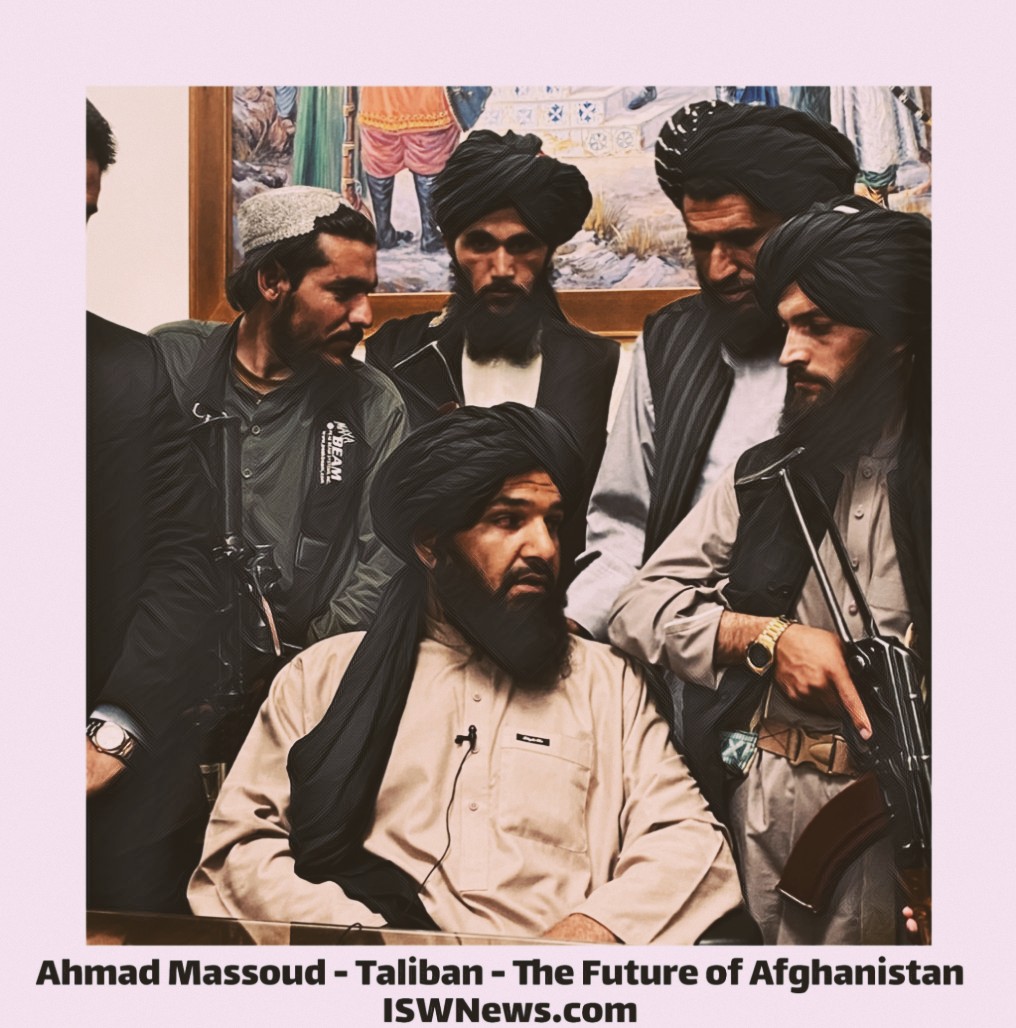
  • Investigation of Afghanistan Major Problems, From Ahmad to Taliban!

    Investigation of Afghanistan Major Problems, From Ahmad to Taliban!

    Recent incidents of Afghanistan opened a new chapter in the history of Afghanistan which shows the future conflicts and government in future.

    In this article we cover the four topics:

    a) Investigation of Ahmad Massoud activities
    b) Forming Taliban’s government
    c) Future conflicts in Afghanistan
    d) Internal conflicts of Taliban

    a) Investigation of Ahmad Massoud activities:
    What comes out of Ahmad Massoud, son of Ahmad Shah Massoud, the Defense Minister of Burhanuddin Rabbani government, is a set of wrong reactions to domestic and international incidents. These mistakes were an end to his glorious activities. It can be said that the position and character of Ahmad Massoud, who could one day be a popular leader for Afghanistan, especially popular leader against the Taliban system, but his position as a potential popular anti Taliban leader lowered to a local defeated commander. Not only he doesn’t control any areas, he acted like an amateur and child in politics and military.

    In general Ahmad Massoud ‘s mistakes are summarized as follows,
    1- Wrong policies in domestic and international relations.
    2- Halting talks with Taliban and poor political acts.
    3- Contacting French intelligence service and specific people like Bernard Levy.
    4- Asking Europe’s and US’s support.
    5- Making his organization tribal by activities such as raising Afghanistan’s unofficial flag.
    6- Battle in a besieged area (Panjshir) and wrong comparison with his father’s battle with the Soviet.

    b) Forming Taliban’s government:
    According to Taliban official, the group will not announce the new government until the whole country is controlled and the internal leading council agrees on the form and members of the government. In a three days summit led by Molla Hibatullah Akhundzada, leader of Taliban, in Kandahar three days ago Taliban members of the future government selected without anyone from previous governments such as Hamid Karzai, Abdullah Abdullah, etc.
    These acts by Taliban show they don’t believe in a federal and united government such as previous governments and they don’t need election for it, either.
    We can’t talk much about the Islamic government until the details are unveiled but if it is based on the same method as the Taliban 20 years ago, it will certainly face the same problems.

    c) Future conflicts in Afghanistan:
    It is a bit early to talk about the future conflicts of Afghanistan, since Taliban has not started working yet. Nevertheless, the cores of the conflicts can be around “race”, “religion” and “internal discords of Taliban”.
    Taliban looks at Hazaras and Tajiks as racial rivals and in religion, Shia and Takfiris like ISIS.
    But they always avoid fighting with Hazaras and Shias since they are supported by Iran and Shias and Hazaras also got along with them.
    However, so far Taliban tried to show beyond race and religion but it has to be tested in action.

    d) Internal conflicts of Taliban:
    It has never been publicized. It is a wrong analysis that Iranian and Afghan analysts have that they think Taliban is completely dependent on Pakistan and Pakistan intelligence service (ISI) decide for them. Also it is not correct that occupying Afghanistan including Herat and Kabul was done by Pakistan militia (Punjabis) and Taliban did not have a strong role in incidents of Afghanistan. These statements are baseless and come from not understanding Taliban properly.
    Taliban has four regional councils of Quetta, Rasul, Shamal and Mashhad and only one , i.e., Quetta, is under influence of Pakistan. Also, the Quetta council is often made up of supporters of the Haqqani network and supporters of Molla Hibatullah, who have never been in conflict with each other. (More details will be provided in future articles.)


    In general, the process of bringing the Taliban to power in Afghanistan has not been based solely on a single organization, widespread popular support, intellectual foundations, and a brilliant track record; Rather, the main cause of this issue was the betrayal and incompetence of the heads of the previous government and then the weakness of their rivals such as General Dostum, Atta Mohammad Noor, Ahmad Massoud and others.

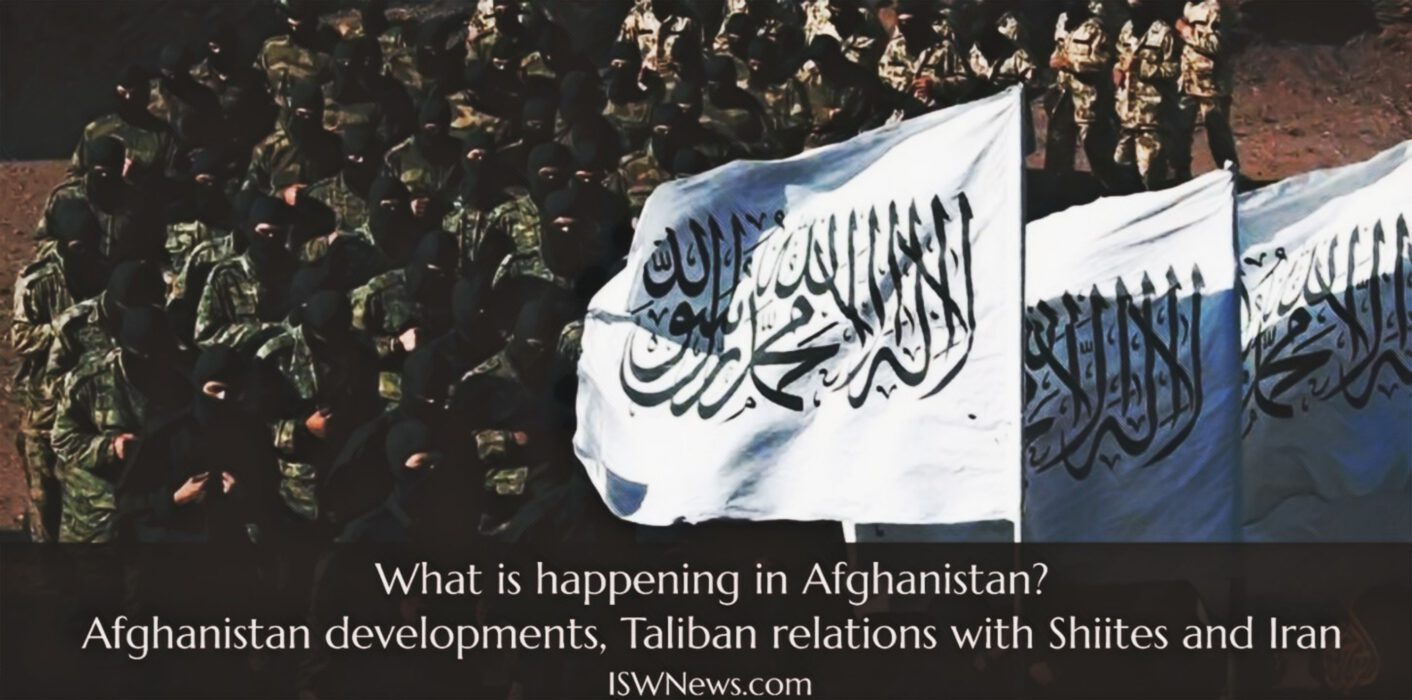
  • What is happening in Afghanistan? Afghanistan developments, Taliban relations with Shiites and Iran

    What is happening in Afghanistan? Afghanistan developments, Taliban relations with Shiites and Iran

    As the various dimensions of the recent Taliban activities become clearer and the positions of foreign and neighboring countries regarding the conflicts in Afghanistan become clearer, it is possible to examine the latest developments in this country:

    1- The latest military situation in Afghanistan:
    According to the latest news from the Afghan conflict, more than 90 other districts have been added to the Taliban-held areas since the beginning of the 1400 Solar Hijri year (since March 21), and clashes with the Afghan army are ongoing in many provinces of the country.
    Taliban spokesman Zabihullah Mujahid said the group’s militants would not attack provincial capitals until September 11, the date of Joseph Biden’s administration withdrawal from Afghanistan, because of its adherence to the Doha agreement. Zabihullah Mujahid claim comes as most areas of Kunduz, Sar-e Pul, Takhar, Ghazni, Kandahar and Helmand provinces have been captured by the Taliban and Afghan Army bases have been besieged by the Taliban.
    Now, with the rising tensions and clashes, the intra-Afghan talks have stopped and the leaders of different currents such as General Abdul Rashid Dostum, Atta Muhammad Nour, Muhammad Mohaqiq etc., are wearing military uniforms and are seeking to control the areas under their influence. Ashraf Ghani and Abdullah Abdullah have also been overshadowed by Western disregard, and their recent trip to the United States to seek the help and assistance of Joseph Biden has been fruitless.

    Among the reasons for the rapid advance of the Taliban are the government’s financial weakness in solving economic problems, the tactical weakness of the army, the lack of unity of the opposition tribes, the dissatisfaction of the people and the withdrawal of foreign troops, etc. Based on this, it seems that the Taliban will continue their progress in different provinces until the Americans leave Afghanistan, and during this period, they will force the government and currents of Afghanistan to accept their terms.

    2- What is the solution to the problems and disputes in Afghanistan?
    The roots of the Afghan war are mostly in ethnic and then sometimes religious differences. The common ethnicity of Taliban-minded individuals with the Pashtuns has strengthened the group in Afghanistan in recent years, and their differences with the Hazara and Tajik tribes, some of whom were Shiites, have shifted to a Shiite-Wahhabi religious war at some point in Afghanistan’s recent history. While not the Taliban are subject to Wahhabism nor are all Hazaras, Tajiks, etc., Shiites.
    In the past, the main body of the Taliban group considered their religious ideas based on the Hanafi religion, and in the years of their rule, they followed the principles of this religion. But this group has different spectrums and extremist allies such as al-Qaeda, the Haqqani network, etc., And this has strengthened the image of a religious war in Afghanistan.

    Certainly the solution to such disputes is not military intervention nor the formation of a puppet government of a foreign power. Rather, it requires a series of solutions.
    The following solutions are significant for solving Afghanistan’s problems:
    A- The union of scholars of different religions and elites of Afghan society
    B- Preventing the misuse of using the name of religious war for the ethnic-political war of the Taliban and ethnic currents
    C- Stopping the war and calling it illegitimate throughout Afghanistan
    D- Forming a parliament of all currents, ethnicities and religions And forming a government with trans-ethnic and trans-sectarian tendencies

    Otherwise, Afghanistan will continue to fall prey to two factors, the difference between “ethnicity” and “religion”.
    These solutions require international cooperation, especially in neighboring countries such as Iran, Pakistan and China. This is due to the cultural, economic and political capabilities and commonalities of these countries and, most importantly, the influence of these countries on Afghanistan.

    Some domestic and foreign media cite the permanent deployment of US and NATO forces in Afghanistan, the replacement of Chinese troops in Afghan military bases, the entry of Iran and the sending of Fatemiyun fighters to the war in Afghanistan, etc. as a way to end the war in Afghanistan, but in the reality they are making mistakes, and this mistake is due to their misinterpretation and lack of comprehensive understanding of the issues of Afghanistan in the last 50 years.
    Some think tanks and media outlets have also talked about plans to divide Afghanistan into northern and southern parts, or the Afghan federal government. These issues cannot be properly addressed until the complete withdrawal of foreign troops from Afghanistan, the fall or survive of the central government in Kabul, the transparency of the role of neighboring countries in Afghanistan, etc., are finally determined.

    3- Relations between Afghanistan Shiites and Taliban:
    Media stories about the Taliban massacre of Shiites, as well as Taliban claims that they did not attack Shiite areas of Afghanistan, are largely media taboo.
    The Taliban’s views and confrontations with the Afghanistan Shiites are far more moderate than those of extremist groups in the region, such as ISIS, Sipah-e-Sahaba, the Al-Nusra Front, and others, but their differences with the Afghan Shiites are primarily “racial” and secondarily “political” and finally, it is “religious.”
    The main discord between the Taliban and the Shiites of Afghanistan in recent years has been with two currents called the Unity Party (Hezbe Wahdat) led by Abdul Ali Mazari and its affiliates and the Islamic Movement of Afghanistan. The main cause of this discord was mostly the political positions of these currents in opposition to the Taliban and later the alliance with the Afghan Northern Alliance and ethnic differences with them.
    These discords were exacerbated by the Taliban’s non-compliance with the peace agreement with the Hezbe Wahdat and the clashes in Kabul in 1994 and the subsequent assassination of the party’s leader, Abdul Ali Mazari. The extremist actions of some Taliban commanders in dealing with Shiites in different areas in the following years also led to deepening differences.

    However, although the Taliban’s clashes with Afghan Shiites are mainly based on racial and political differences, the Taliban have not left a brilliant record in dealing with Afghan Shiites, as evidenced by recent clashes in Balkh, Maidan Wardak, Ghazni and Bamyan, Kajran district in Daykundi province, the massacre of Mirza Olang village in Sar-e Pol province, etc. And this is a matter of great concern to the Shiites of Afghanistan.

    Also, some erroneous analyzes have blamed the Hazara and Tajik Shiites for these differences and say that the resistance of the Shiites in Afghanistan has worsened the situation and caused some more acute problems, which is also wrong. The role of the Taliban extremist currents in shaping the religious process in Afghanistan has been more prominent than any other group; Because the Taliban, by allying with the terrorist group al-Qaeda, infiltrated the Wahhabi ideology in their commanders and forces, and the result was the rapid collapse of their government after the US invasion.

    Nevertheless, in spite of all the existing problems, now in the face of this important issue, we must be more comprehensive than ever and find the causes and try to solve them. By examining the trend and behavior of the Taliban in recent years, the Taliban organization has somehow tried to change the Taliban’s bad view of the Shiites, and we generally see more balanced and controlled behavior than in the past of this group. During the recent large-scale Taliban operation, most parts of Afghanistan have been captured by the Taliban through compromise and agreement with the elders of the districts.

    4- Iran-Taliban relations and Iran’s position on resolving Afghanistan disputes:
    Iran considers the solution of the problems of Afghanistan in the consensus and unity of all races and religions of this country; Because, based on his experiences since the beginning of the Islamic Revolution, he knows the West’s tactic for waging war, and that is nothing but inciting “racial” and “religious” differences.

    In general, the reasons for the establishment of relations between Iran and the Taliban in recent years can be summarized as follows:
    A- The Taliban, as the representative of a part of the people of Afghanistan, with whom it is necessary to communicate and talk in order to achieve peace and establish a comprehensive government in Afghanistan.
    B. Countering terrorist groups such as ISIS, al-Qaeda, etc., which have become more active with the US presence in Afghanistan. (Although the Taliban themselves have carried out many terrorist acts in the past and present, they have shown that they are resilient and that they can be effective in countering major terrorist groups such as ISIS and repelling regional threats.)
    C. Afghanistan is Iran’s eastern neighbor and communication with the Taliban is essential in order to establish security and control the eastern borders in parts that Taliban control.
    D. Communication with the Taliban is important to prevent war between the two countries, and this issue became necessary during the attack on the Iranian consulate in Mazar-e-Sharif and the events that followed in 1998.
    E) The issue of refugees and common economic interests, etc., including water resources, some of which are located in areas of Afghanistan controlled by the Taliban, and Iran must engage in dialogue and interaction with them to protect its interests.

    Despite the important reasons cited for the need for Iran’s relations with the Taliban, just as Iran had no role in creating the Taliban; and unlike Saudi Arabia and the UAE and Pakistan, Iran have never recognized the Taliban Islamic Emirate in Afghanistan and have not supported them militarily. Thus, the slander of Iran’s support for the recent movements of the Taliban and the overthrow of the central government is a baseless accusation by Westerners and Western figures, including Ashraf Ghani.
    In addition, Iran has always informed the official government of Afghanistan of the details of relations with the Taliban and has made extensive and comprehensive efforts to establish peace and security in the country with all currents.
    Thus, Iran’s relations with the Taliban are shaped by the sensitive situation in the region, and the pro-Western media tries to cover up the illegal actions of the United States and its allies, from invading and occupying Afghanistan to a unilateral agreement with one side (the Taliban) and ignoring other Afghan currents. And surely, they are trying to deceive the public opinion of the Afghan people and the people of the region to show Iran’s policy towards Afghanistan and the Taliban upside down.